Unemployment Crisis for Birmingham West Indian School Leavers
From the collection of

From the collection of
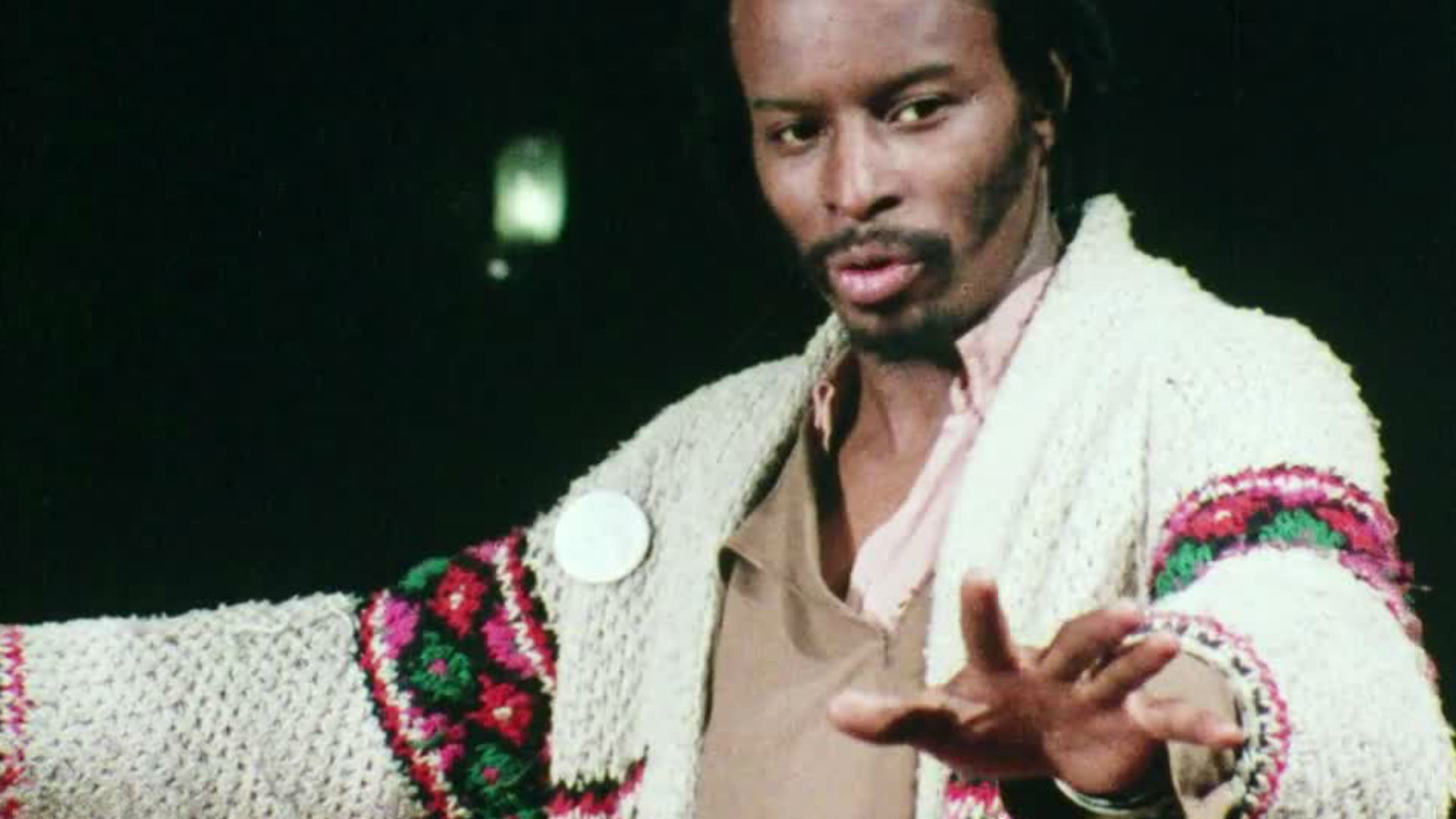
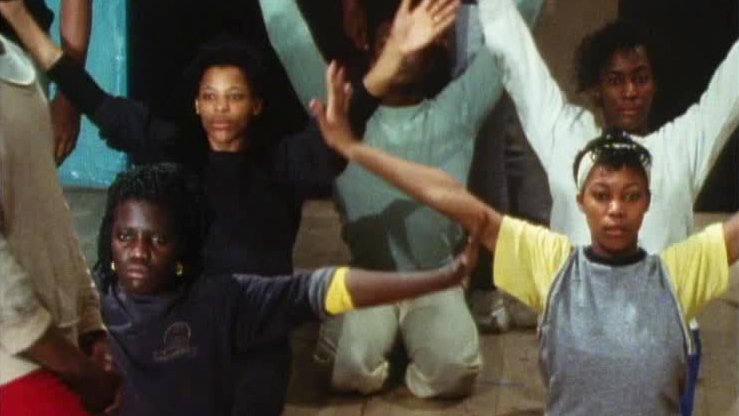
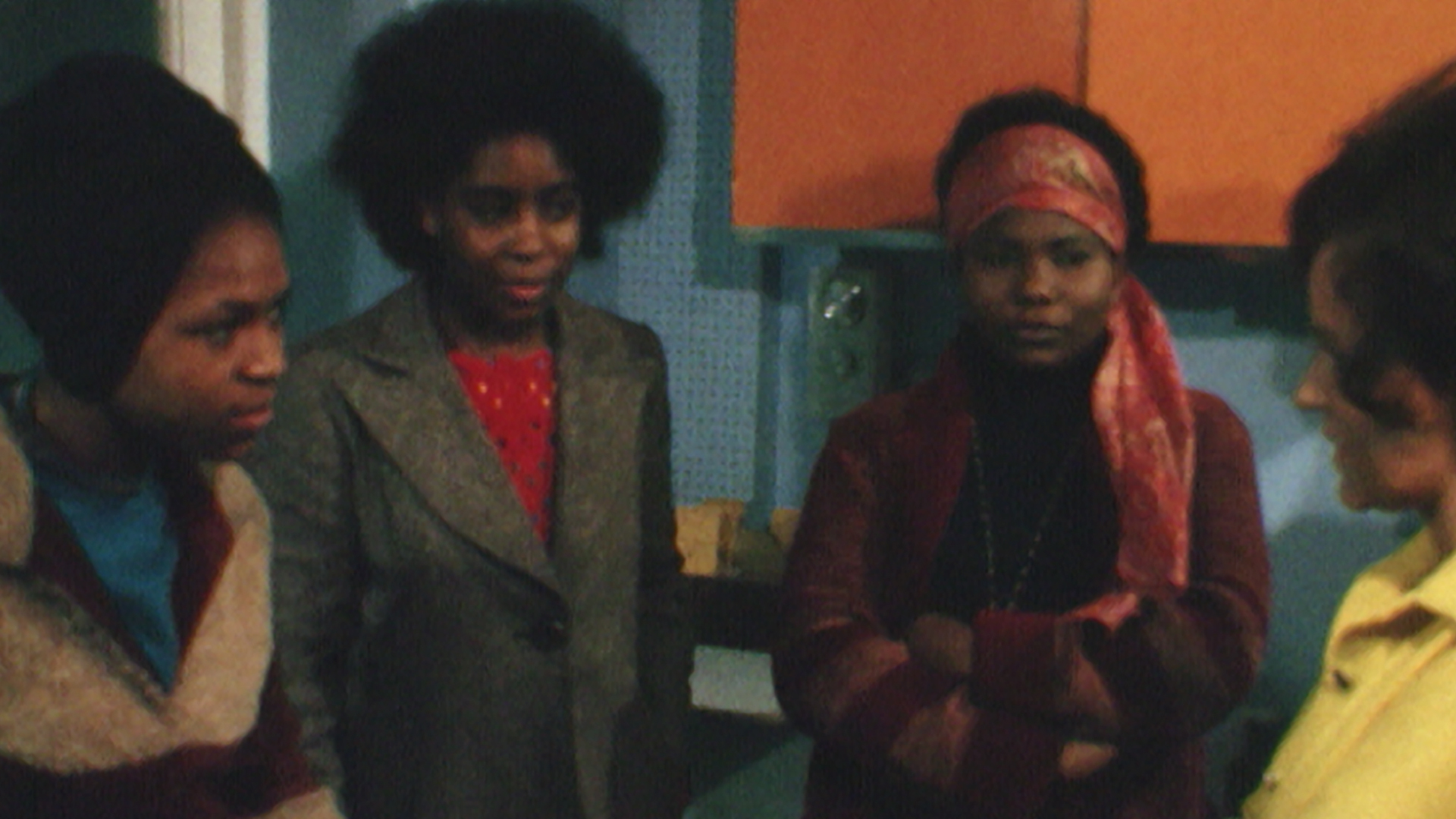
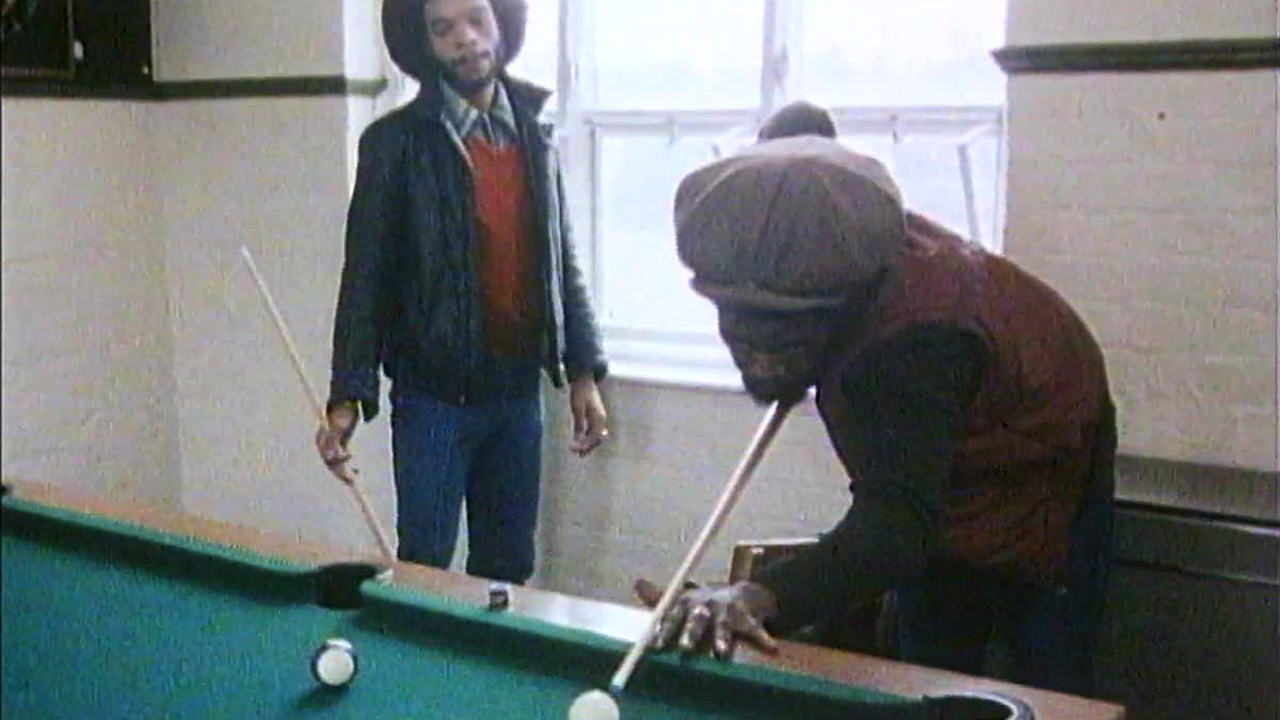
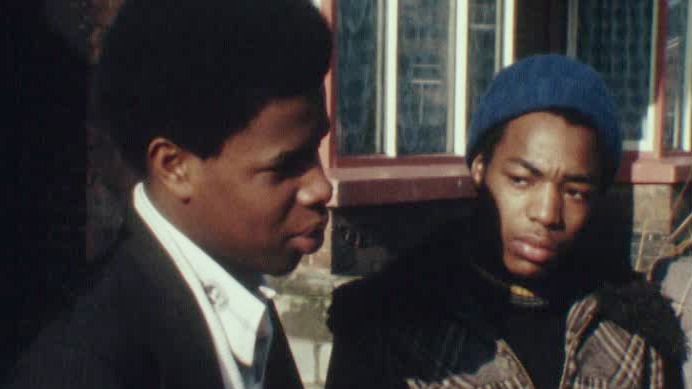
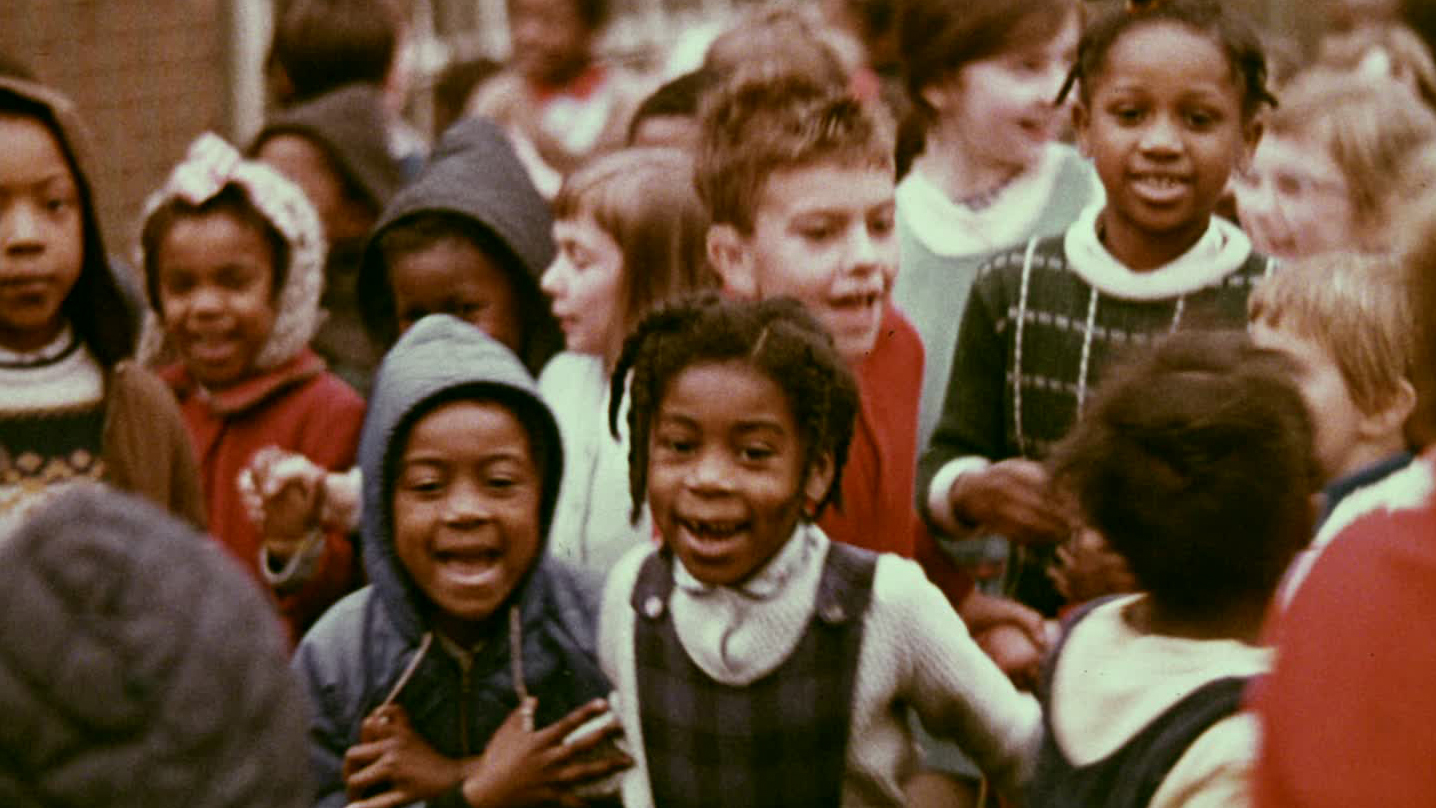
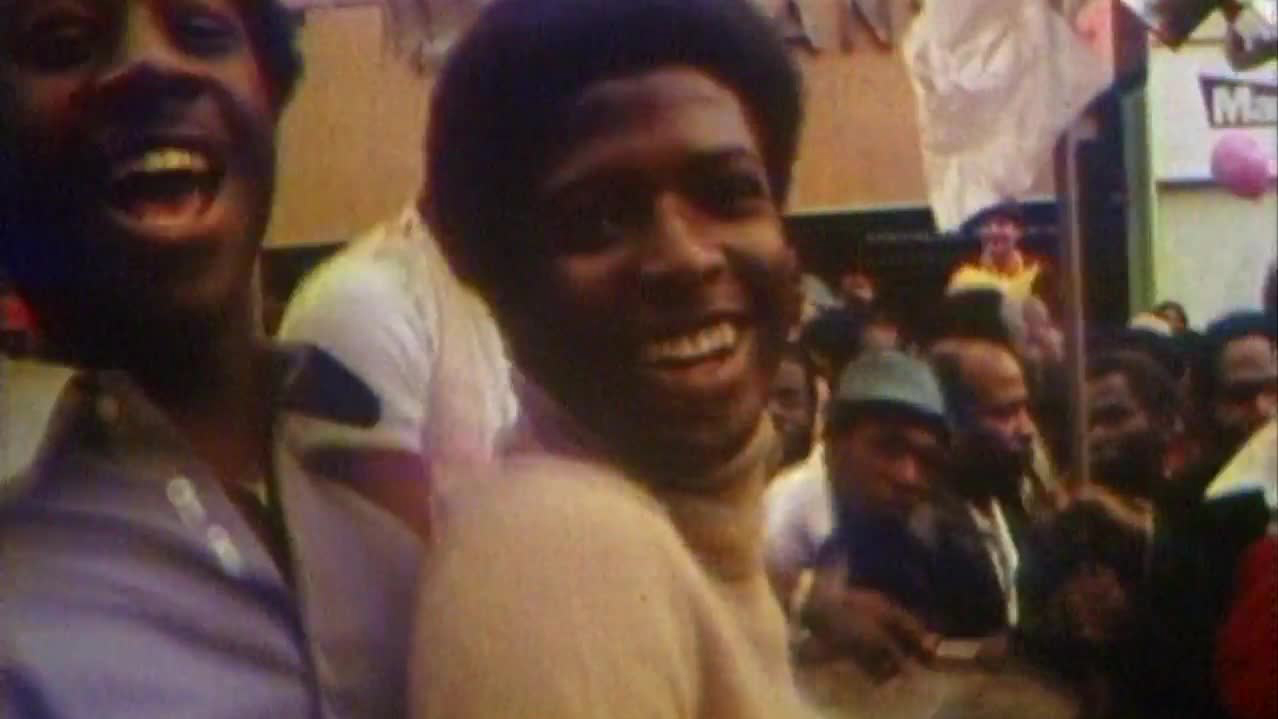
Birmingham's lost black generation: undermined by the racism that's stifling the dynamism of a young workforce.
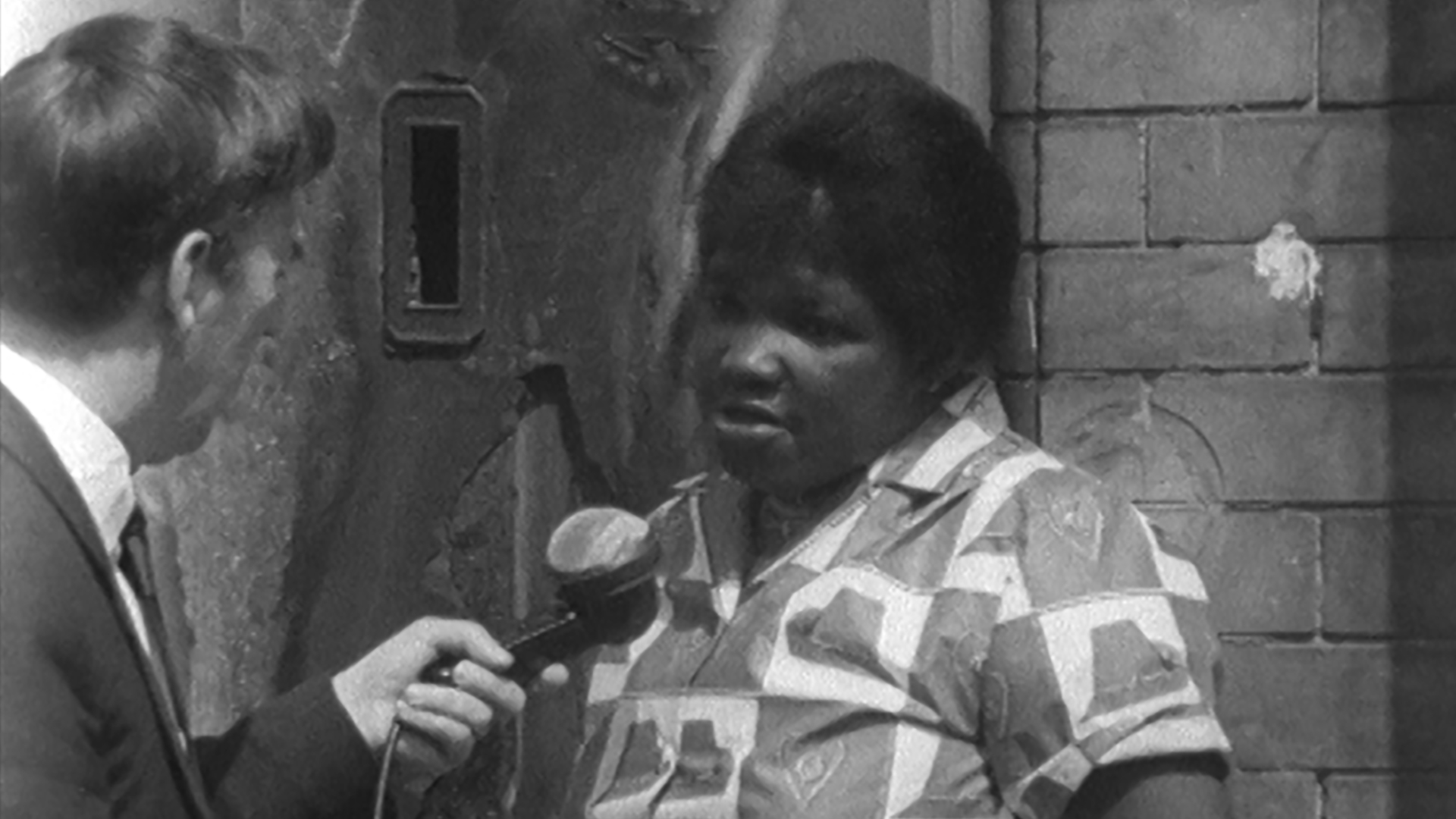
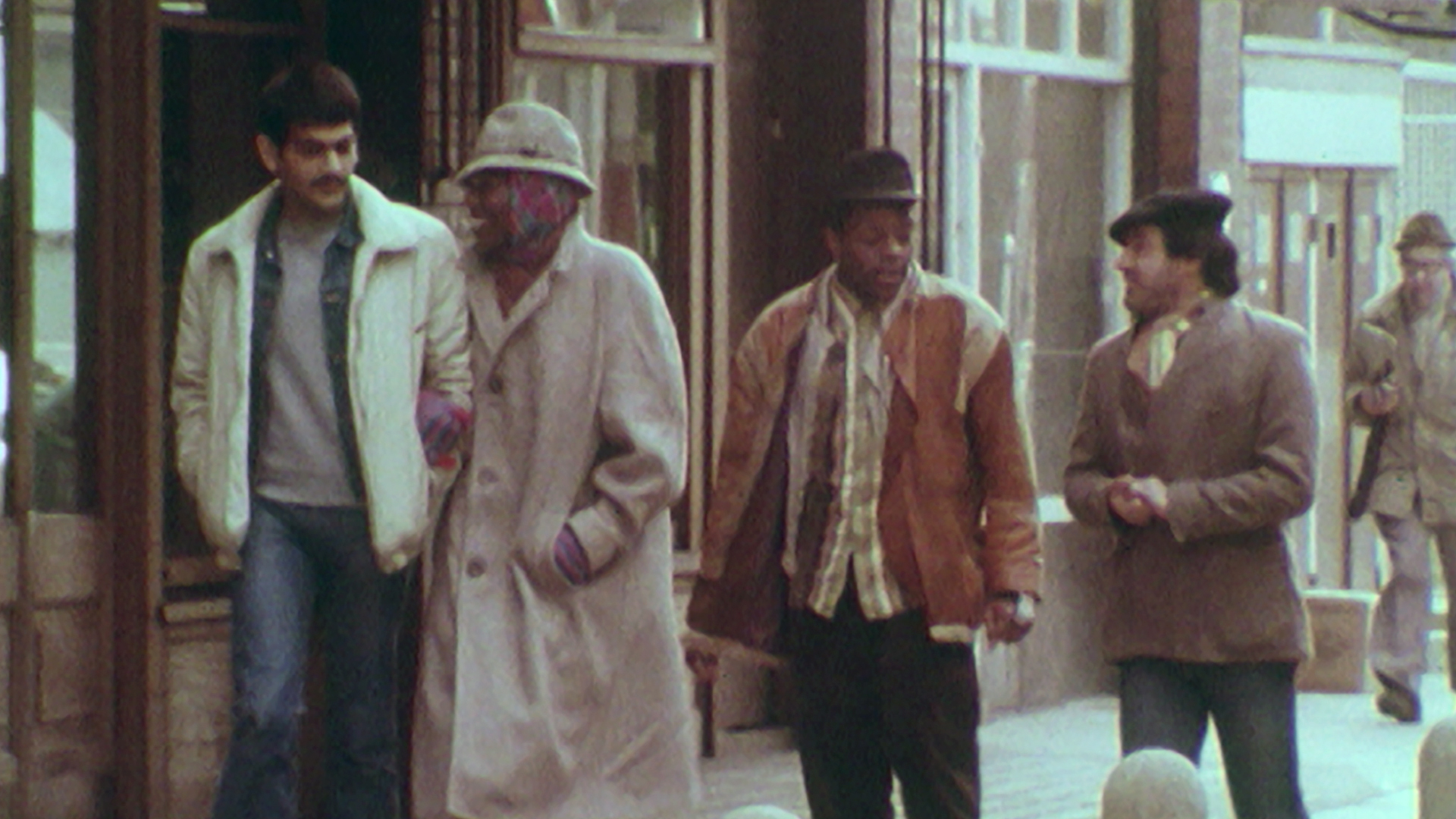
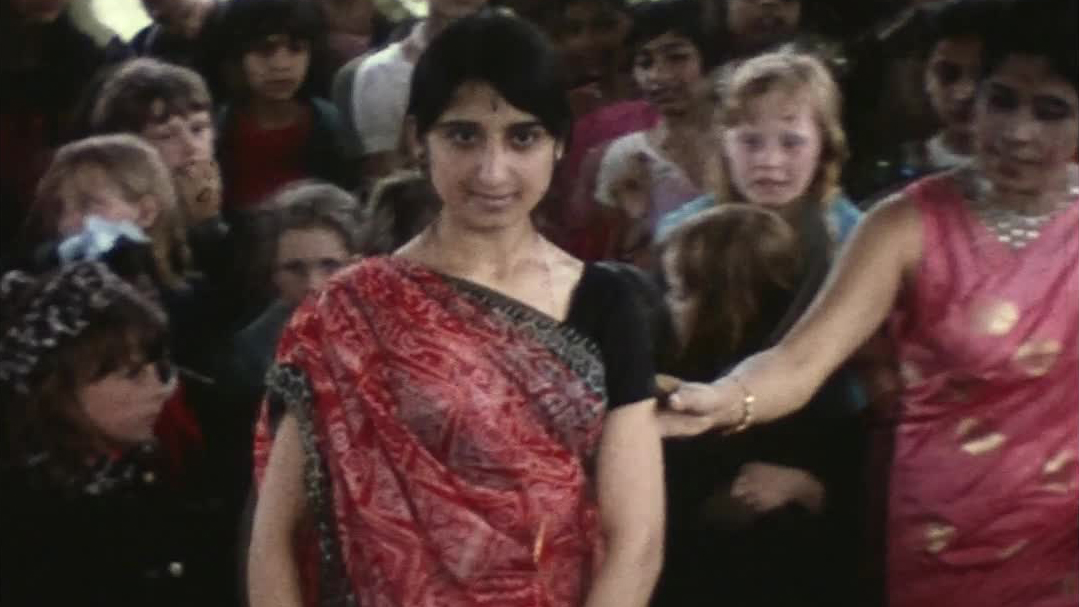
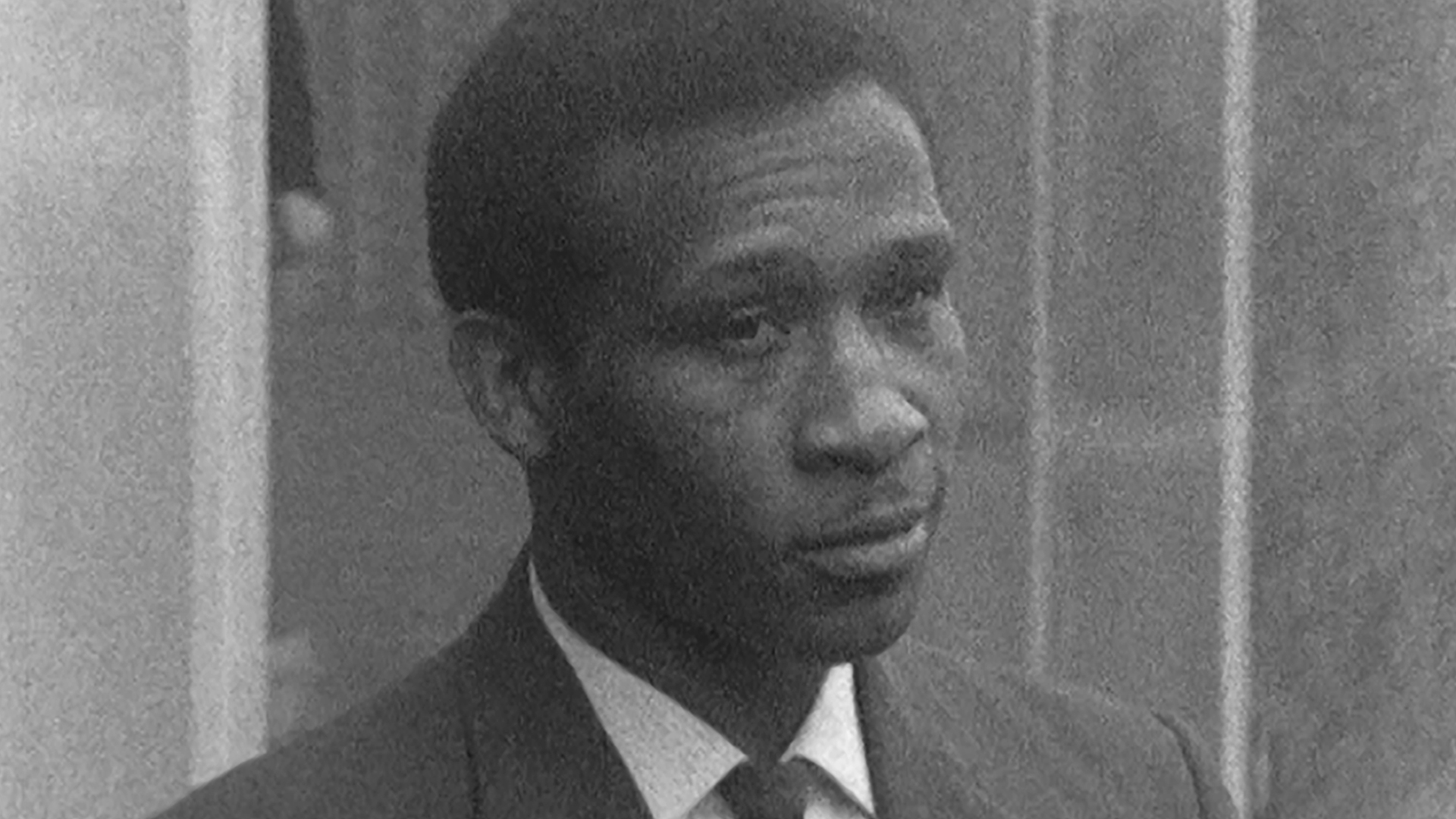
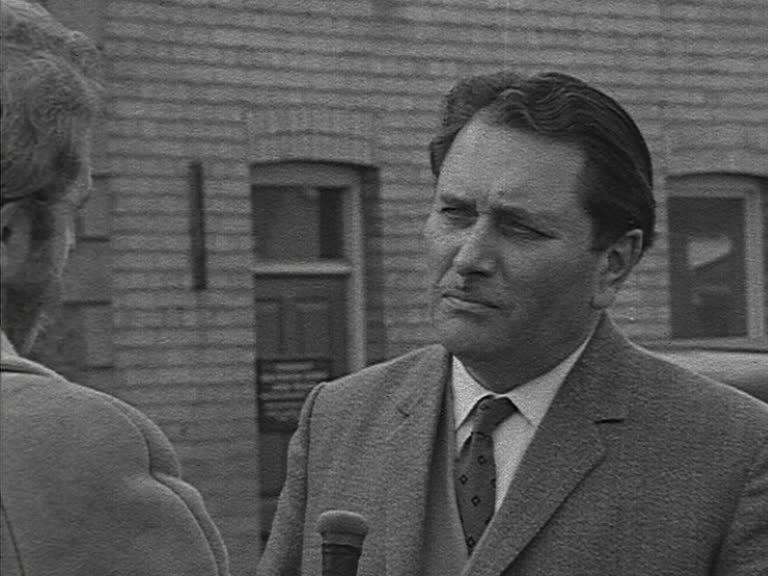
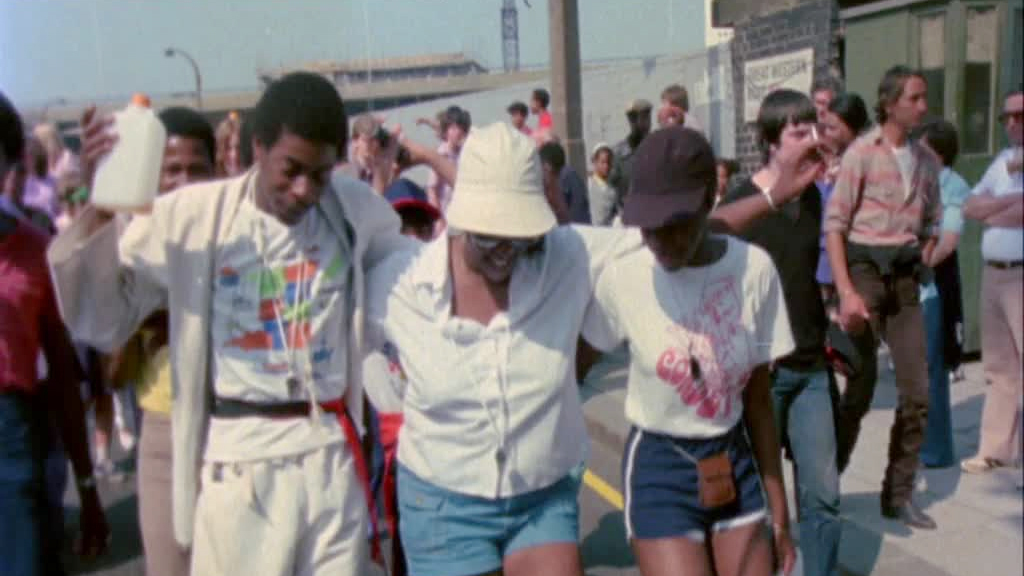
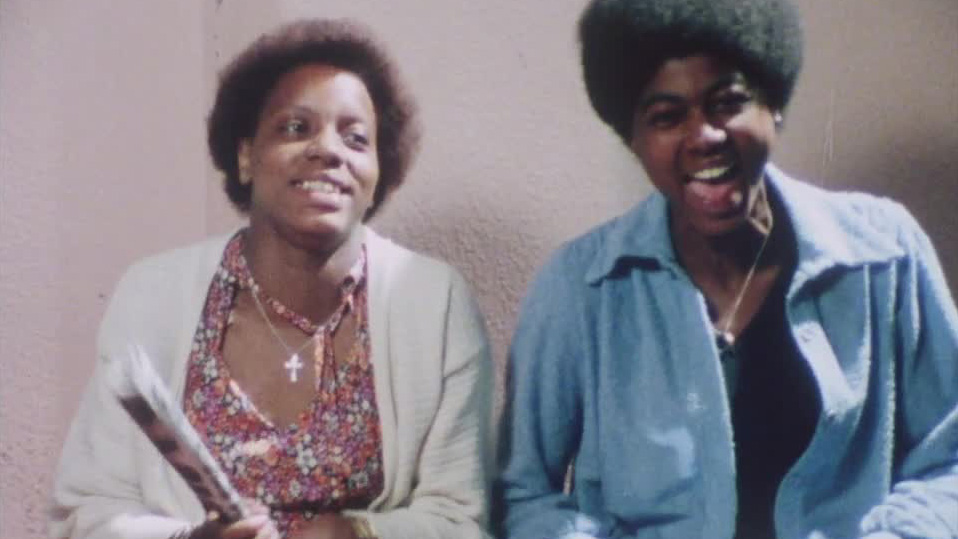
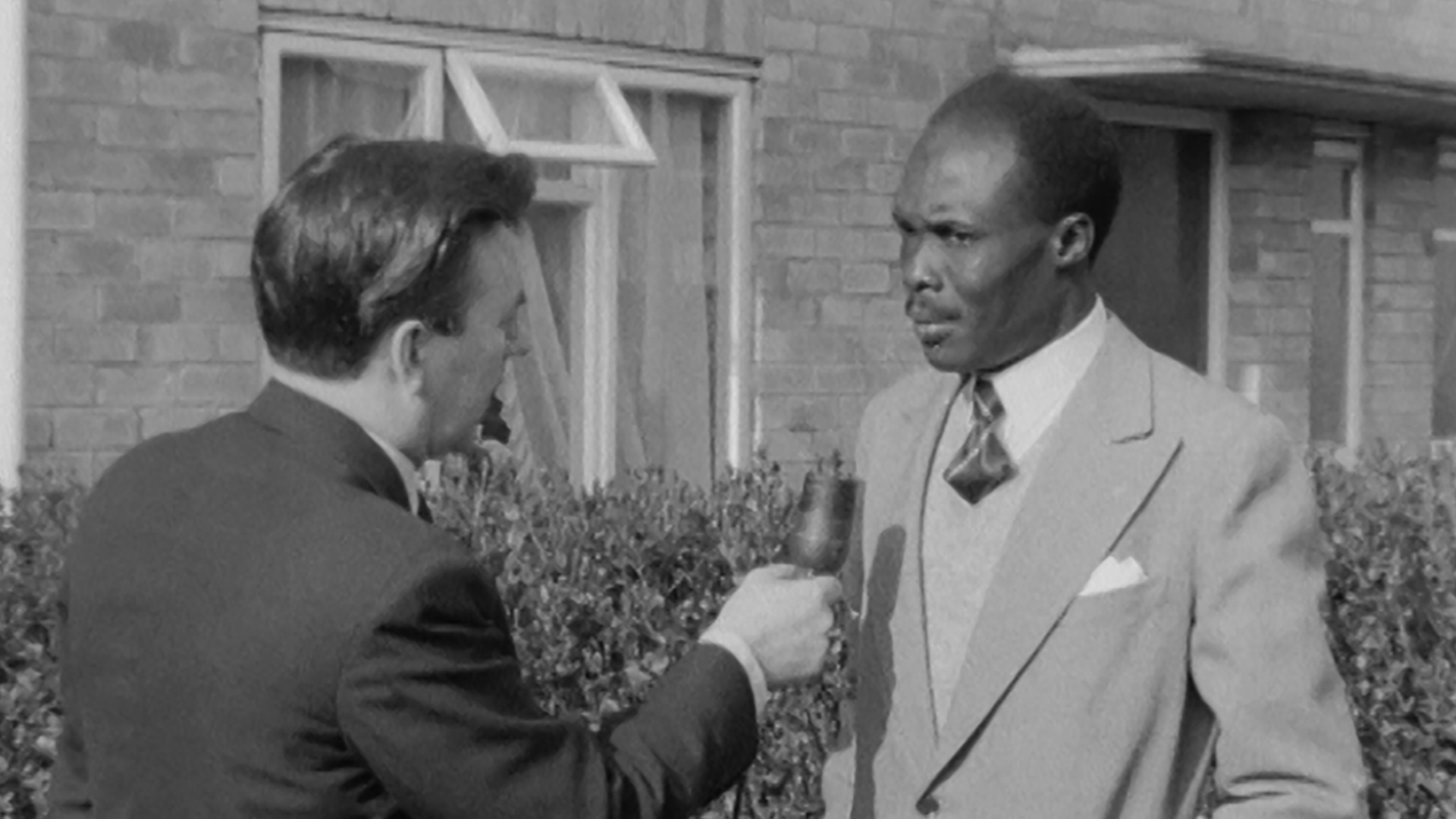
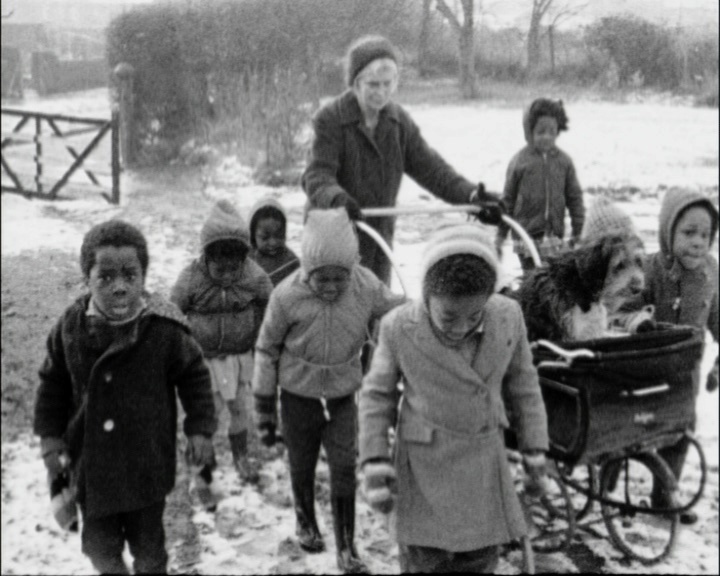
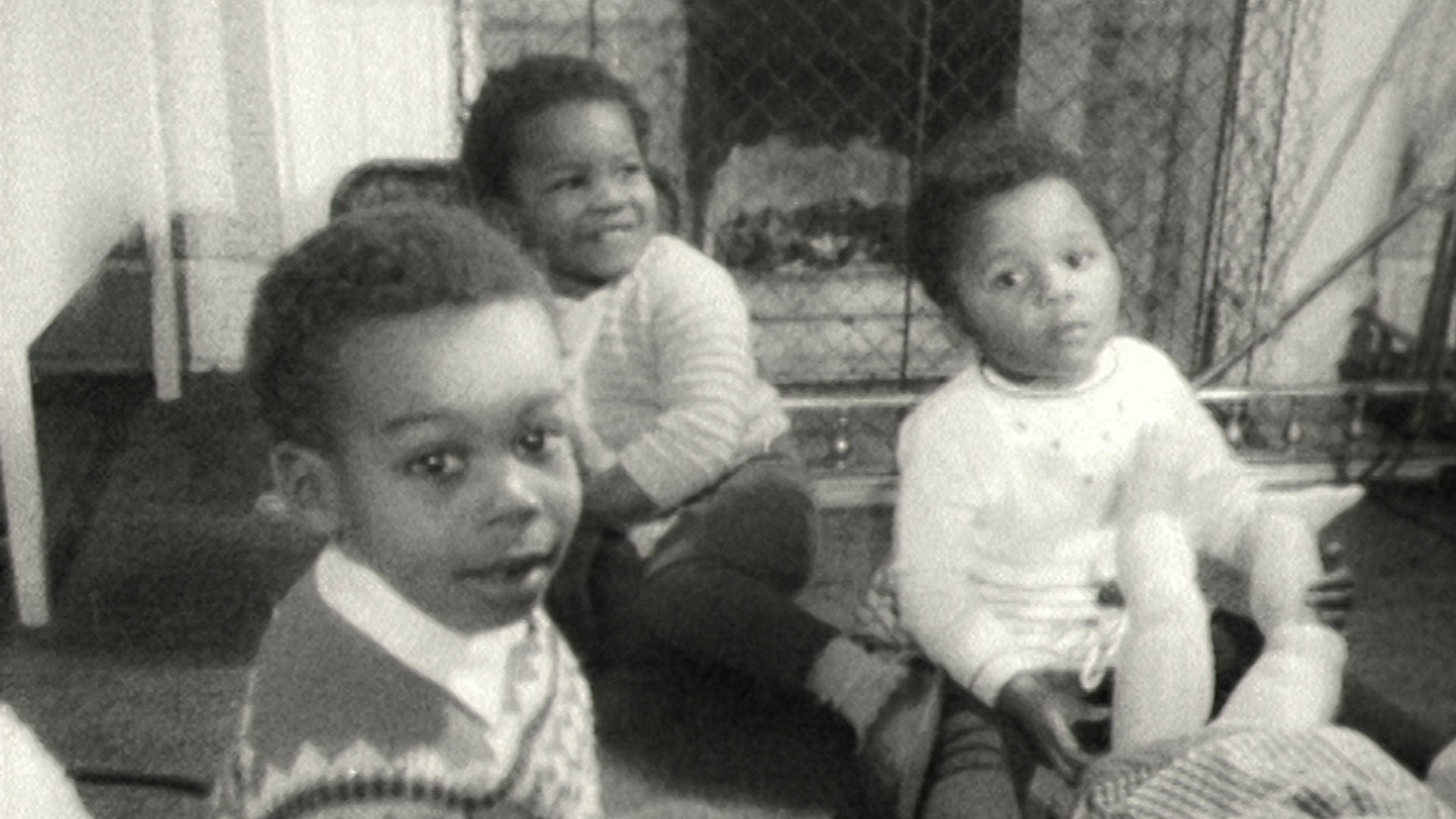
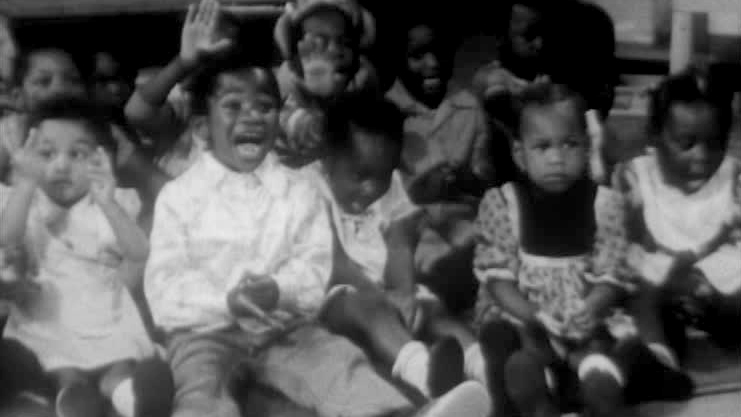
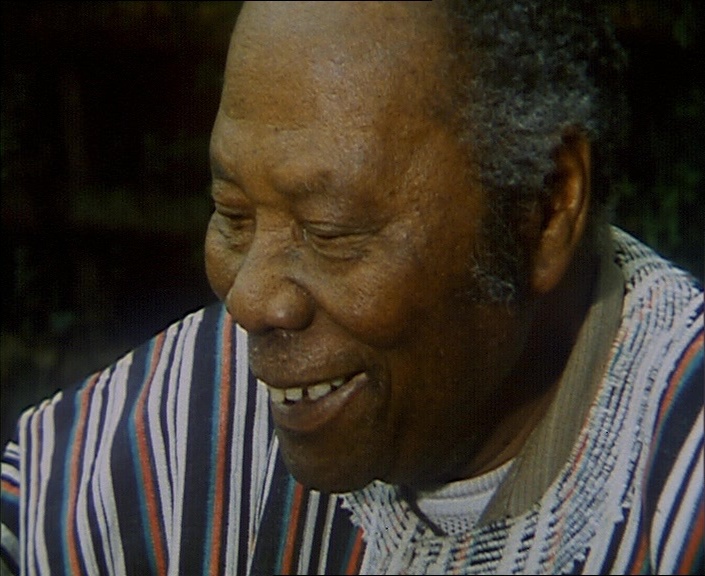
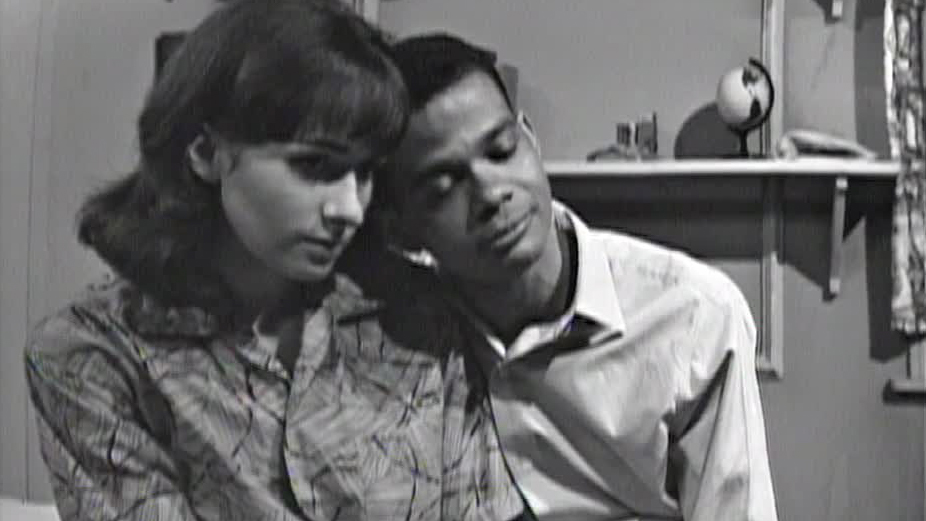
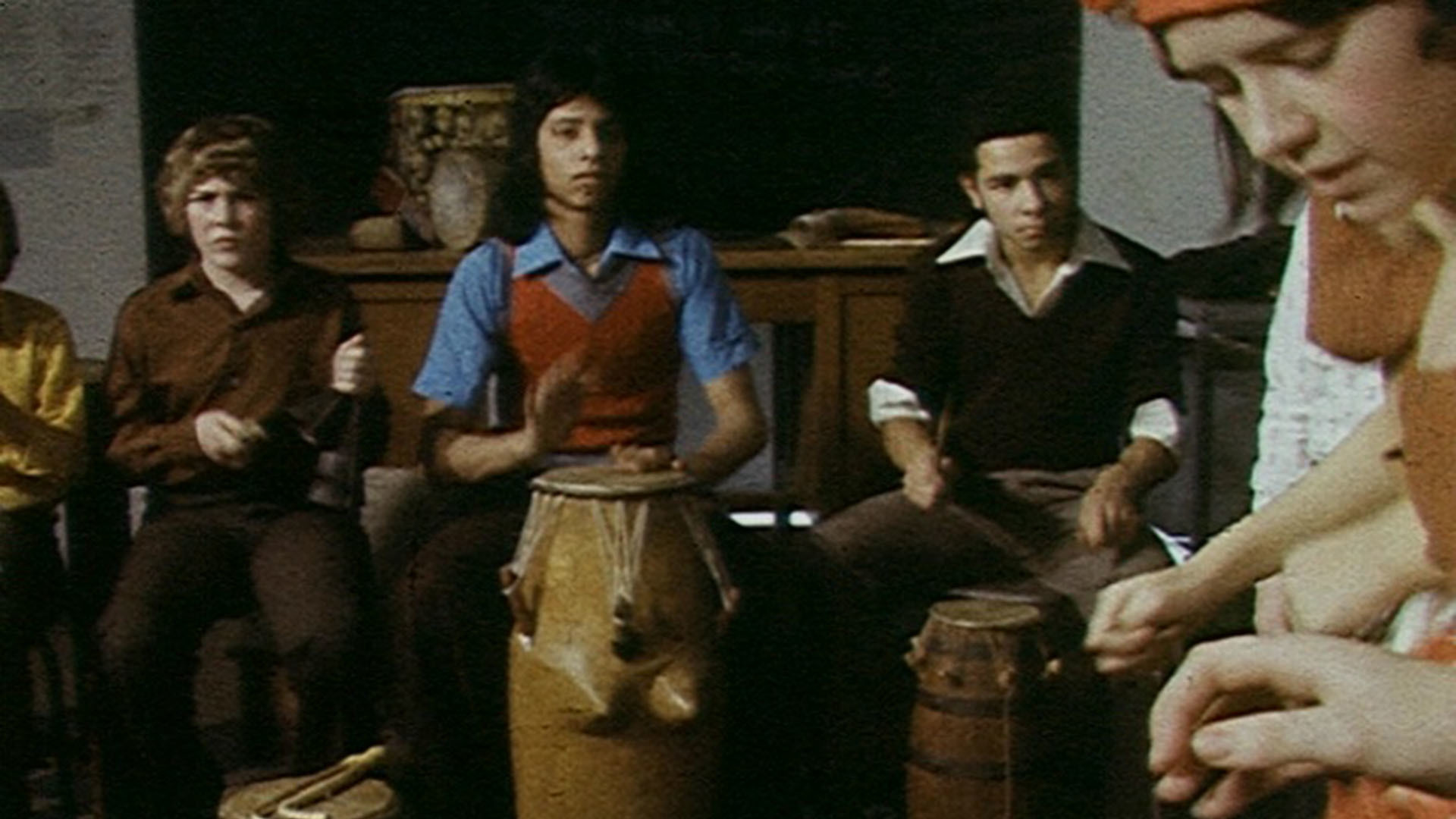
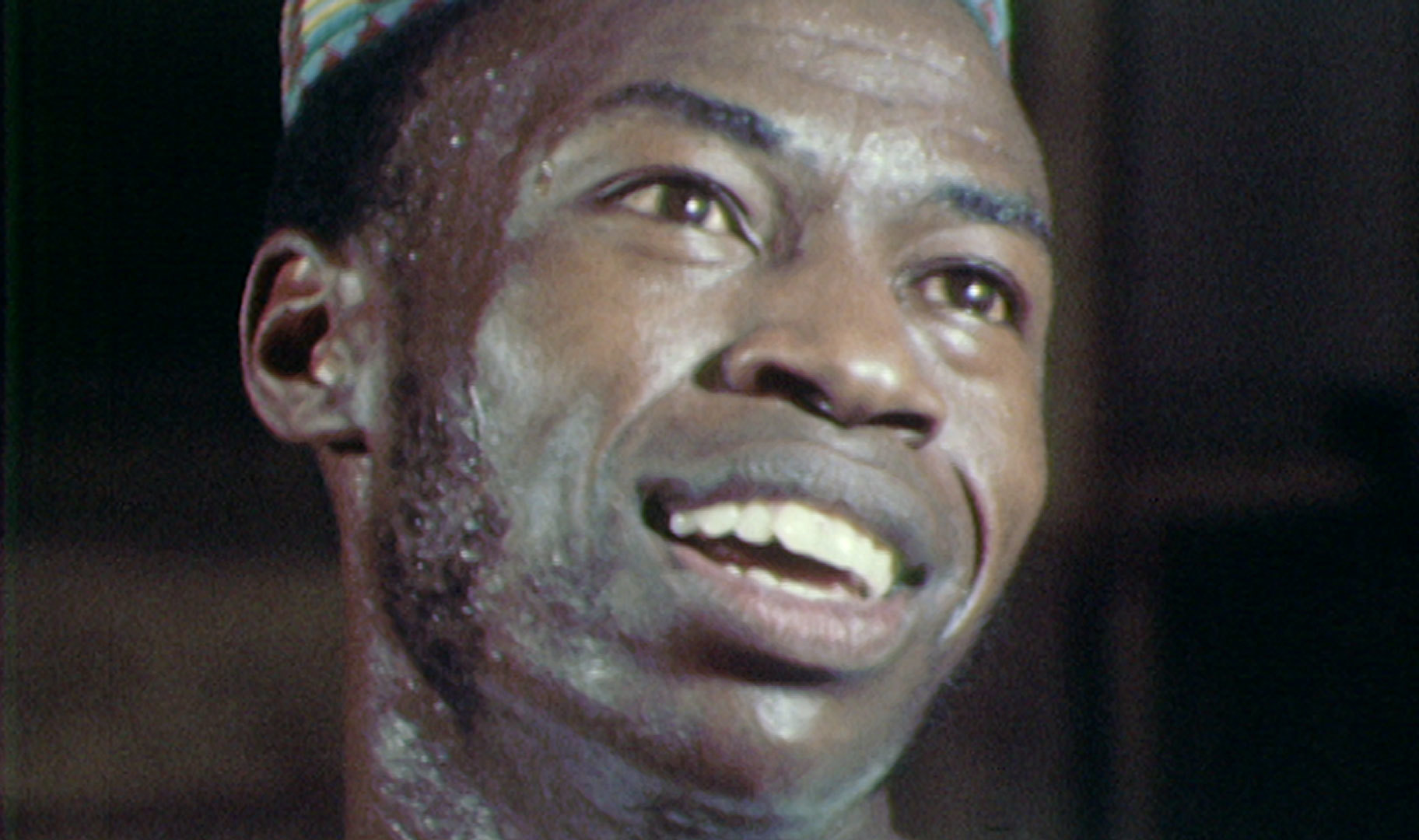
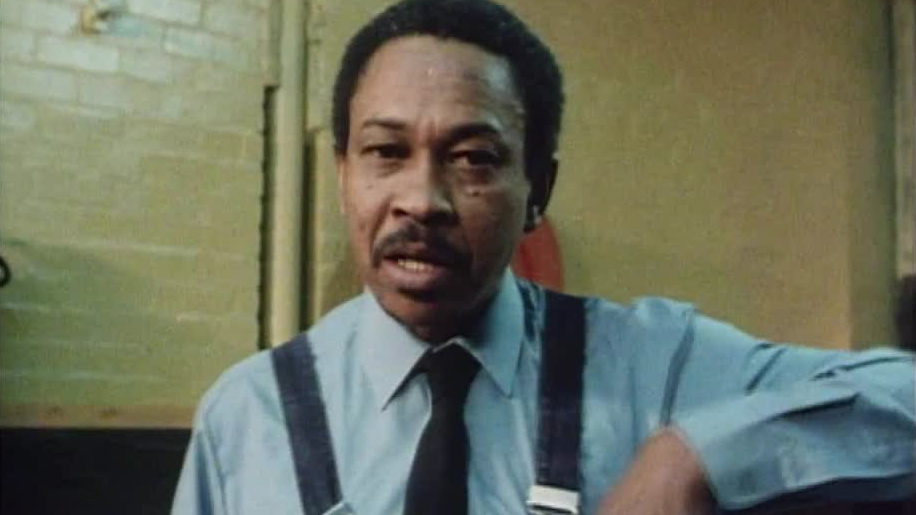
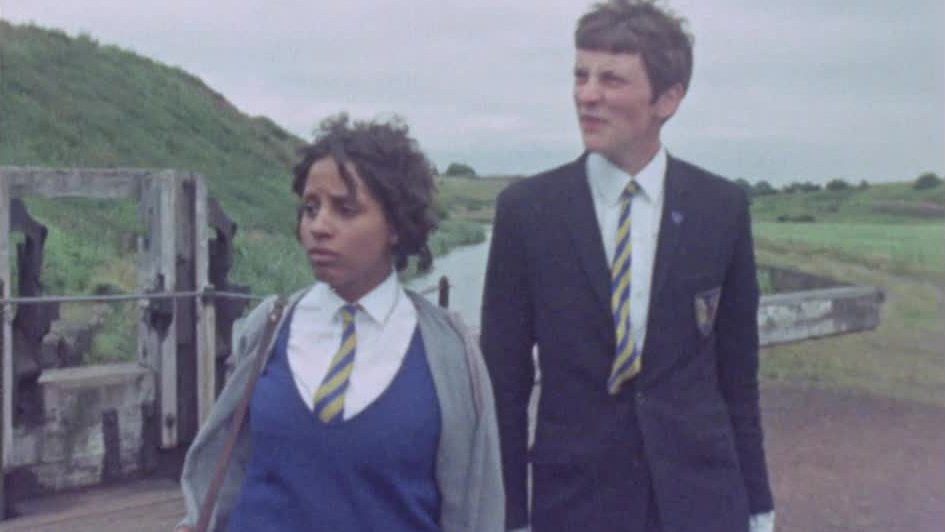
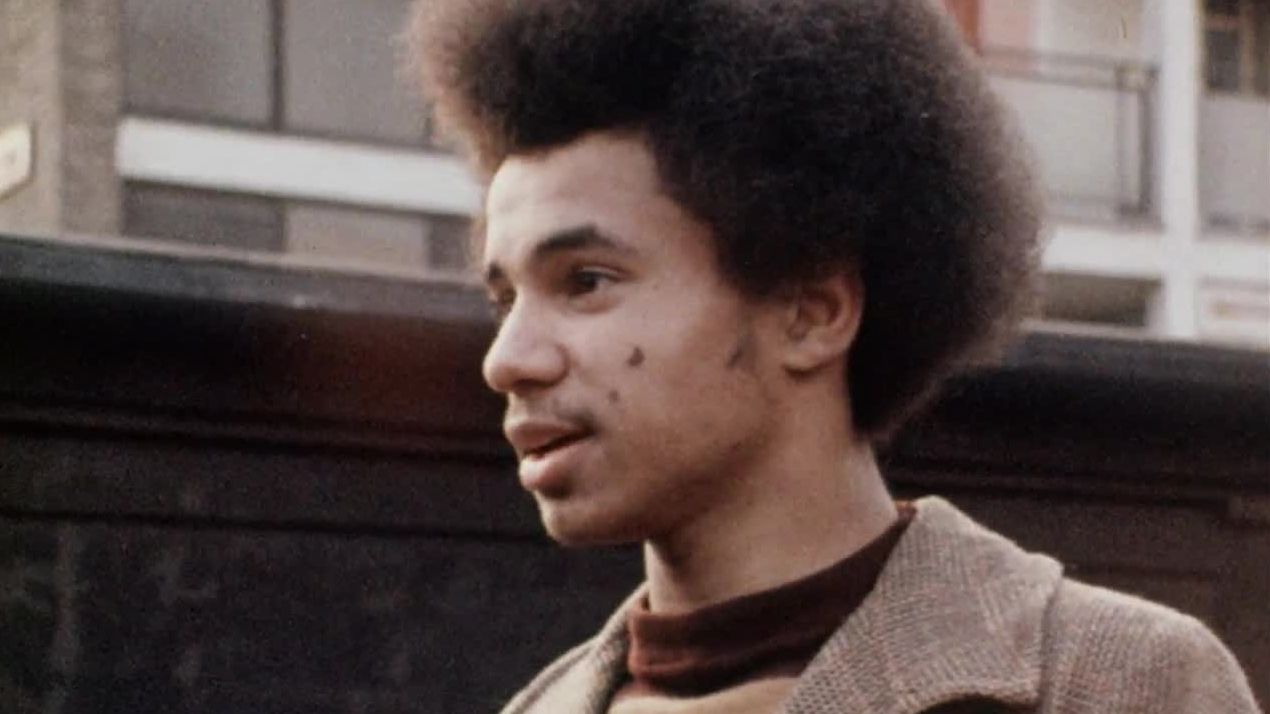
1976 saw the introduction of a new Race Relations Act that aimed to end workplace discrimination. Prior to the Act's introduction Reg Harcourt finds out what life was like for young black people on the streets of Birmingham. Let down by the system and struggling against poverty and the harsh reality of unemployment a bleak future was predicted. Local community leader James Hunte warns of serious problems ahead foreshadowing the riots that would engulf the area in 1981.
Black communities, like many Global majority groups, have long been ill-served by a mainstream British media accustomed to reflecting predominantly white, middle-class lives - a problem entrenched in the second half of the 20th century with the rise of television. Yet a rich tapestry of work from across the boundaries of fiction and non-fiction, film and TV, made for (though not always by) black people, does exist. This selection contains many surprises – some joyous, some sobering, some heartbreaking – and highlights the often painfully slow progress in addressing negative representations and stereotypes on screen. Impassioned and sometimes violent dispatches from the front line in the fight for racial equality can be found here, but so too can records of progress: in the pioneers breaking new ground in culture, politics and sport, and in the more mundane glimpses of everyday life. And this story is not just London’s story: the selection takes a journey around Britain, to a Nigerian wedding in 1960s Cornwall, an ‘African village’ in Essex and a Caribbean restaurant opening in West Bromwich; Newcastle