Osibisa Musical Group
From the collection of

From the collection of
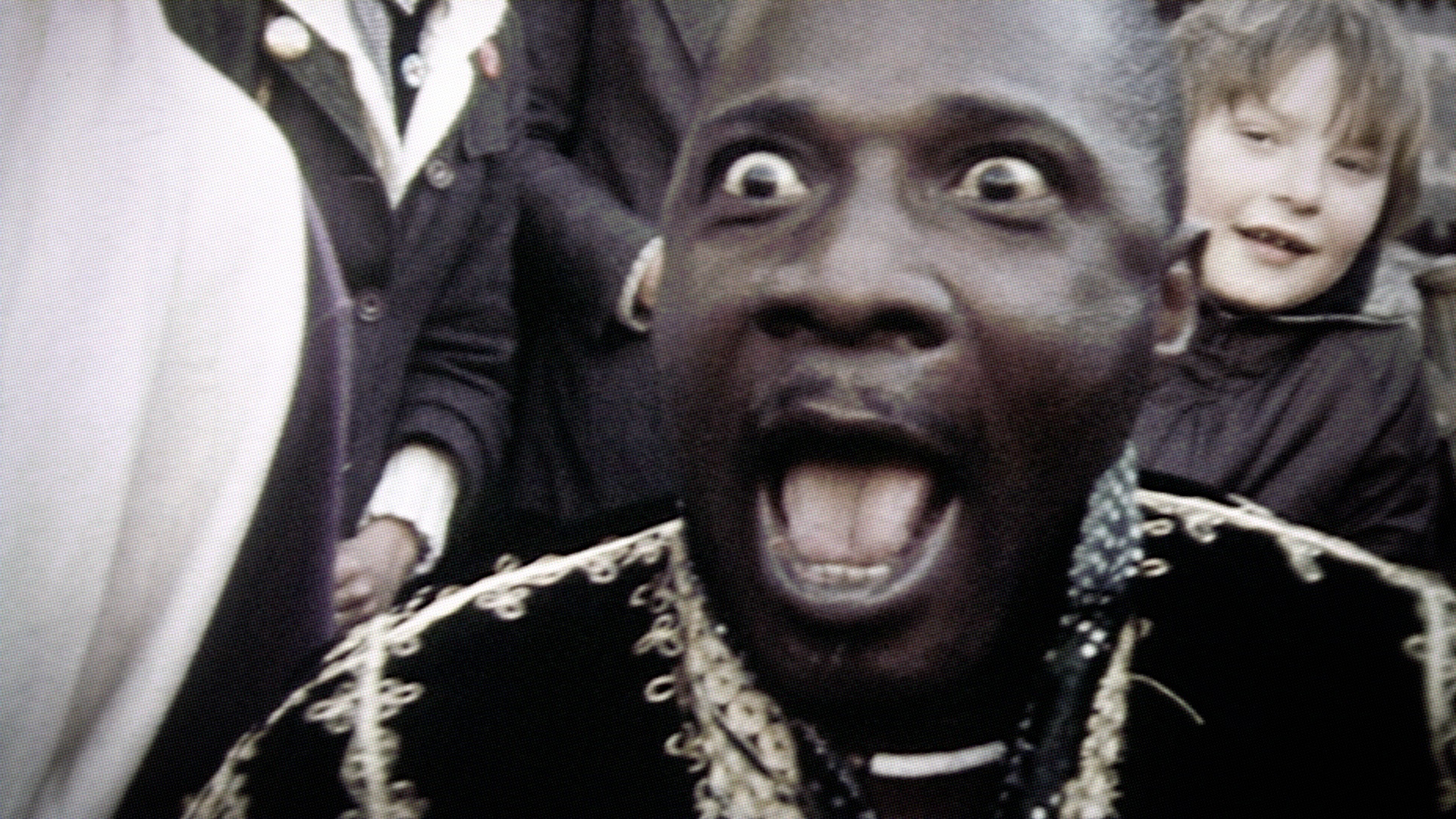
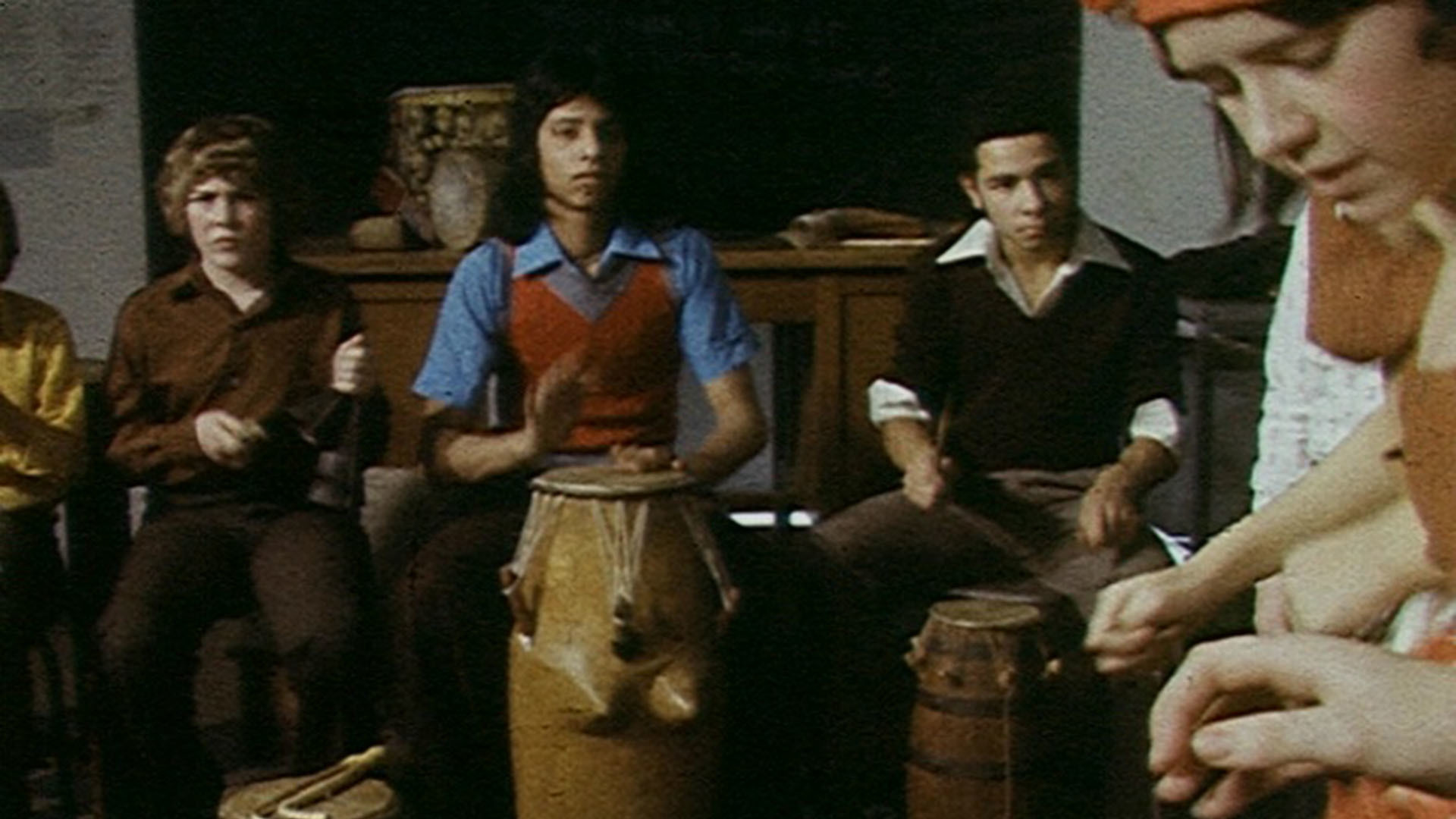
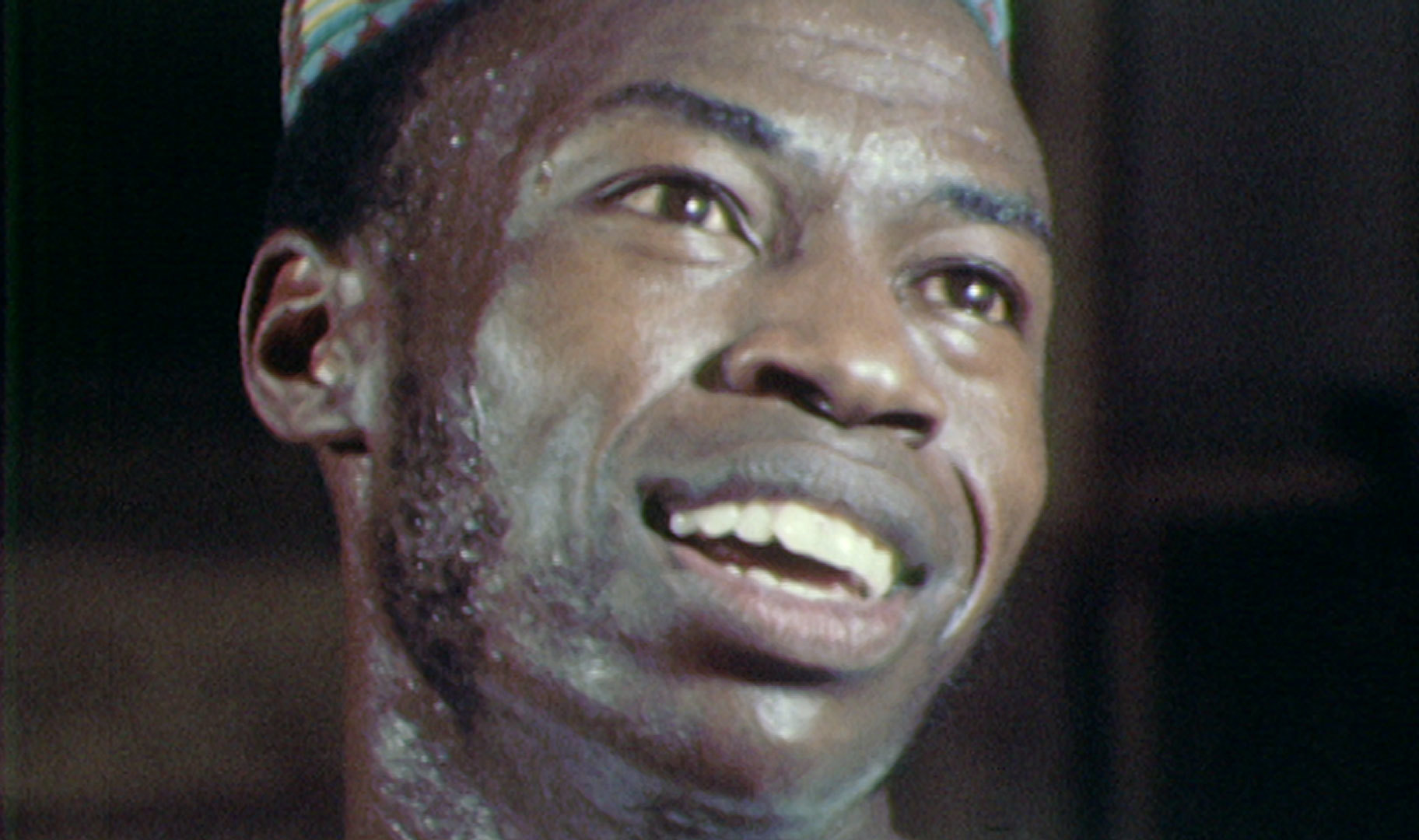
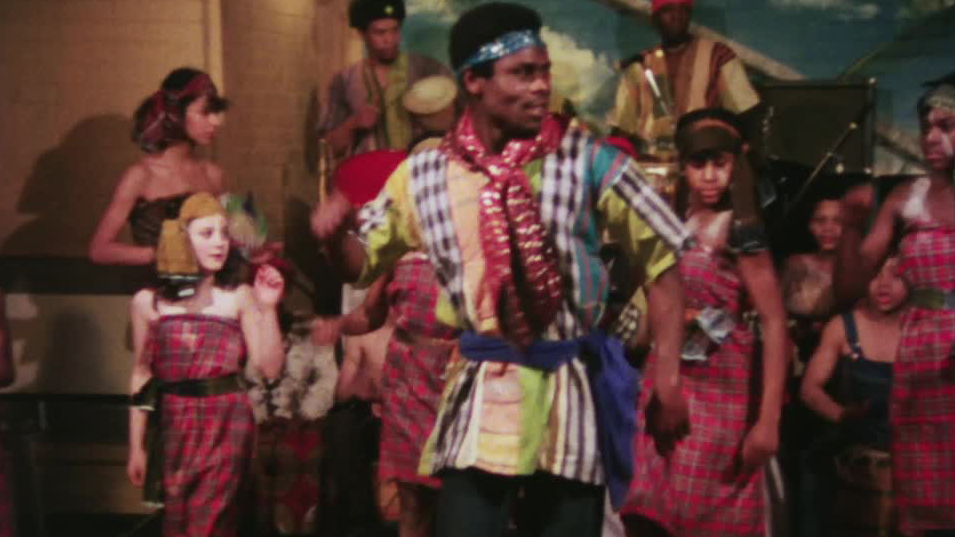
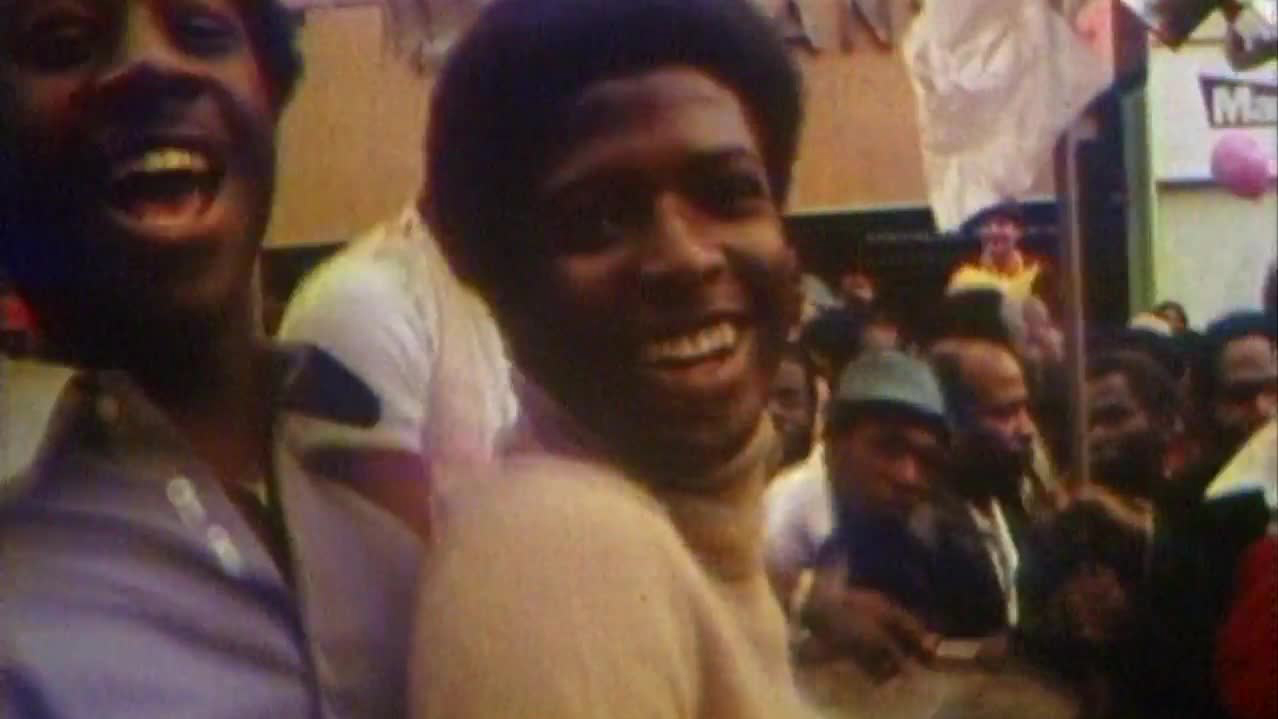
Ghanaian led Afro-Caribbean band spread infectious rhythms of world music at Plymouth's Frankfort Gate.
Ghanaian and Afro-Caribbean band Osibisa was founded in 1969 by Teddy Osei. Osei arrived in London on a scholarship to study music. Osei and his brother Mac Tontoh had a 1958 hit song Pete Pete in West Africa. Osei uses the musical genre Highlife combining traditional Akan music with Western instruments. The original line-up was Sol Amarfio on drums, Grenadian Spartacus R on bass guitar, Trinidadian Robert Bailey on keyboard and Antiguan Wendell Richardson on lead guitar.
Nigerians Mike Odumosu, Fred Coker and Lasisi Amao also joined. In 1971 the debut album OSIBISA hit the UK charts and the band toured the world becoming one of the first groups to be linked to the world music description. Paul Golly, Daku Adams or Potato and Kiki Gyan were also members of the band. In 1996 Osei reformed the band and they continue to perform and produce. Osibisa brands itself as criss-cross rhythms that explode with happiness. The word for Highlife is osibisaba in the Fante dialect spoken by the Akan people of Ghana and Cote d'Ivoire and the most likely origin of the band name. Their style influences many of the emerging African musicians and Mac's son Frank Tontoh is in the Fourth Generation Osibisa.
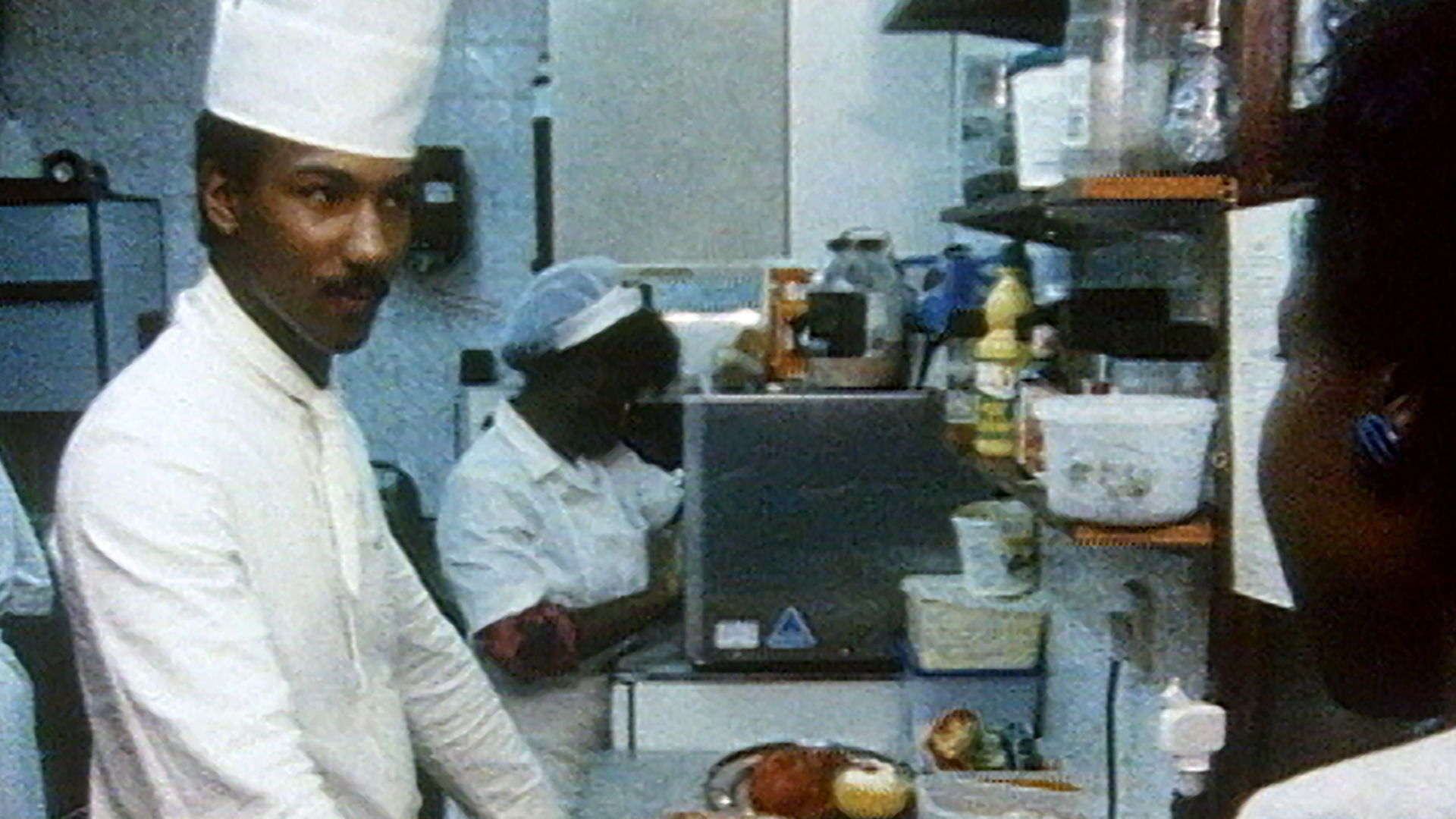
Black communities, like many Global majority groups, have long been ill-served by a mainstream British media accustomed to reflecting predominantly white, middle-class lives - a problem entrenched in the second half of the 20th century with the rise of television. Yet a rich tapestry of work from across the boundaries of fiction and non-fiction, film and TV, made for (though not always by) black people, does exist. This selection contains many surprises – some joyous, some sobering, some heartbreaking – and highlights the often painfully slow progress in addressing negative representations and stereotypes on screen. Impassioned and sometimes violent dispatches from the front line in the fight for racial equality can be found here, but so too can records of progress: in the pioneers breaking new ground in culture, politics and sport, and in the more mundane glimpses of everyday life. And this story is not just London’s story: the selection takes a journey around Britain, to a Nigerian wedding in 1960s Cornwall, an ‘African village’ in Essex and a Caribbean restaurant opening in West Bromwich; Newcastle