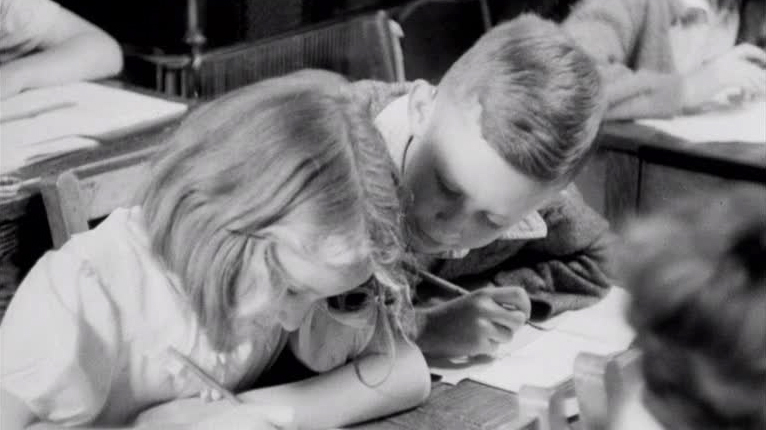
Think Tank [18/08/81]
Fastest fingers first! The race is on to find the answers in this Granada television quiz.
"This is a quiz show for fast brains and fast fingers," declares the host at the start of this 1981 edition of Granda's Think Tank. Weighty reference books pile the desks of the three competing teams of schoolchildren as they prepare to play. They all have access to a computer called 'Viewdata', an interactive information system viewed on a television monitor. Reminiscent of TV Teletext, its 200,000 pages of information are retrieved only by manually typing in index numbers on a keypad - a much slower process than the search engines we're all used to.
What follows is similar to many educational television quizzes such as University Challenge: questions are asked by the presenter and the contestants must answer quickly. The difference with Think Tank is that the competitors have all of the answers to the questions in front of them - they just have to find them. Cue lots of frantic scrabbling through volumes of reference books. All traditional school subjects are covered, with the addition of music, video and newsreel rounds.
Tension builds with thrumming music, electronic buzzers and an impatient quizmaster. The pace is brisk and contenders don't have long to find the answers but somehow they do. Try playing along by searching for the answers online. Impressively, the students often get there before Google can.
How We Learned
From classroom to lecture hall to living room: a look at the many ways TV and video shaped our learning experiences over the years.
For most of us, the screen has been as much a part of our education as the blackboard or whiteboard. Early 20th century educators quickly saw that moving images could be a valuable teaching aid, and by the 1920s and 30s a thriving industry was delivering thousands of films for classroom use. By the 1960s, the small screen had largely taken over, and schoolkids would thrill at the sight of the teacher wheeling out a television set.
In the meantime, education was transforming, too, with grammar schools, secondary moderns and technical schools giving way to comprehensives, which in turn made room for academies and faith schools. Higher education swelled with new universities and polytechnics, while the Open University, launched in 1969, used video and television to reach students in their homes. Through television, informal learning has also helped those who missed out on traditional schooling, or who just want to expand their minds. Whether we spoke our first words along with onscreen puppets, studied along with Open University broadcasts or followed educational debates in current affairs programmes, television and video have always had a lot to teach us.
22 videos in this collection
Watch in libraries only
Watch in libraries only
Make It Count [22/01/78]
Watch in libraries only
Elton Well Dressing
Watch in libraries only
Bill Has Trouble with the Magic Box
Watch in libraries only
Don't Ask Me [10/08/77]
Watch in libraries only
School
Watch in libraries only
School Leaver
Watch in libraries only
Chalkface [04/07/82]
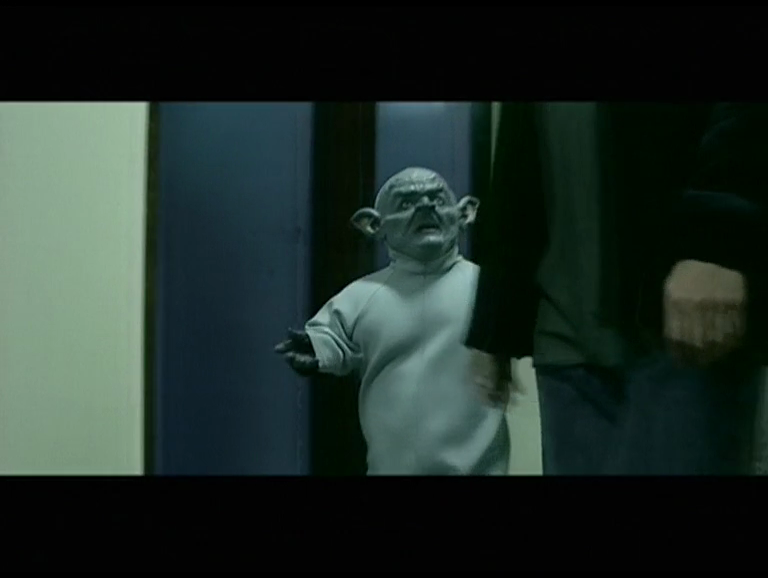
Adult Basic Skills: Entrance
Watch in libraries only
Think Tank [18/08/81]
Watch in libraries only
A New Choice of School
Watch in libraries only
Children Talking 1 Assessing Spoken Language at Eleven
Watch in libraries only
Teaching Science: Object Lessons
Watch in libraries only
Able Children
Watch in libraries only
Brighton Polytechnic Promo 2
Watch in libraries only
Painting by Numbers
Watch in libraries only
Multi-cultural Education
Watch in libraries only
One Week in July
Watch in libraries only
Introduction to Computers
Watch in libraries only
Christmas Special
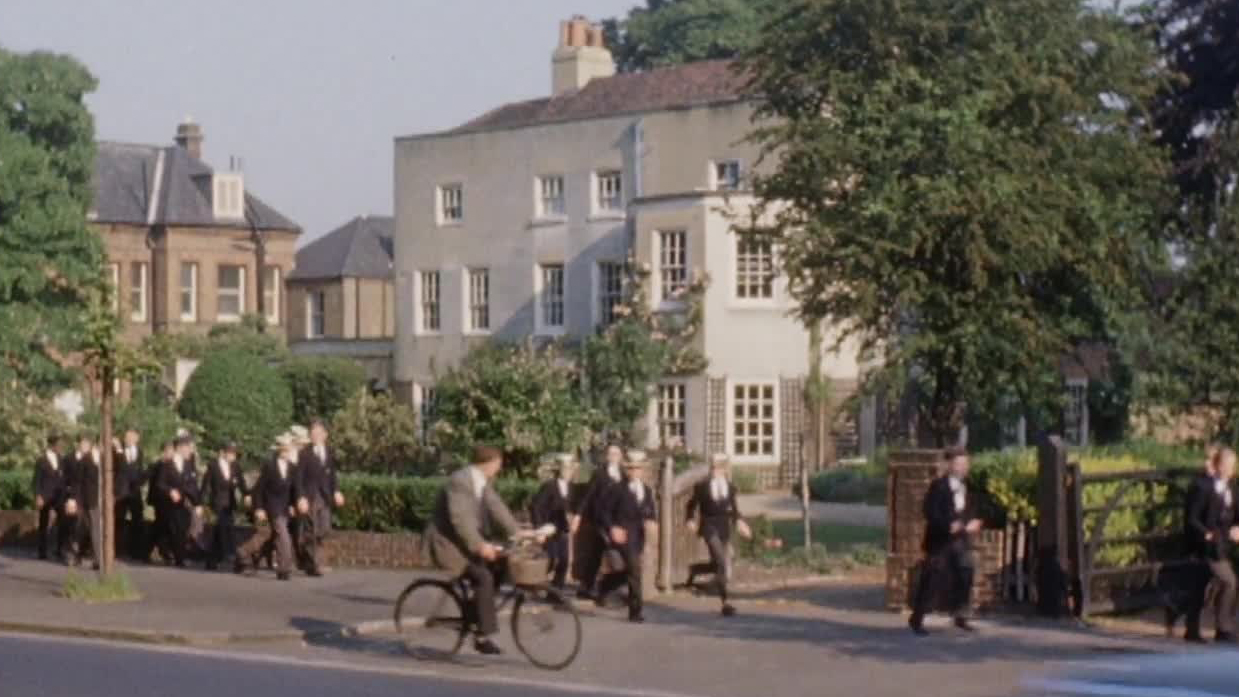
Dulwich College and Village