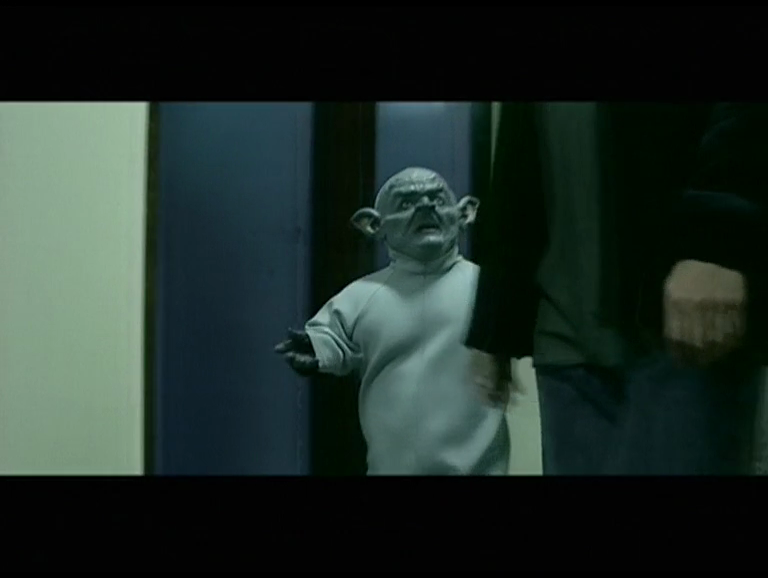
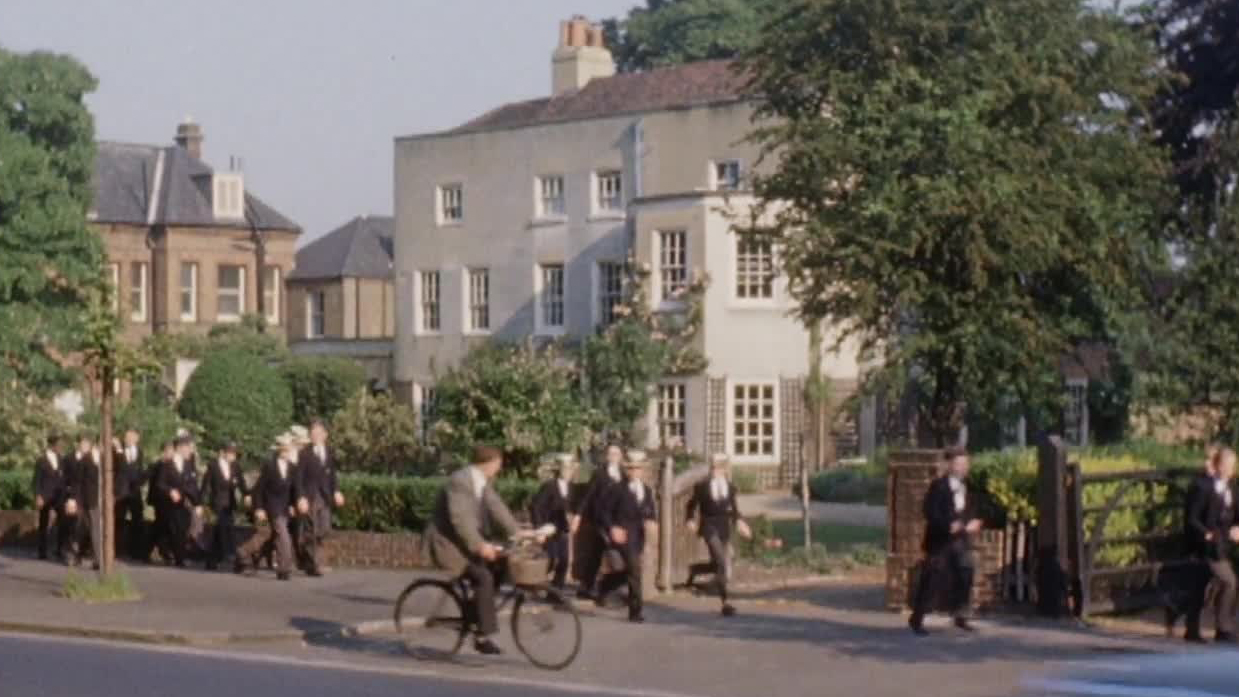
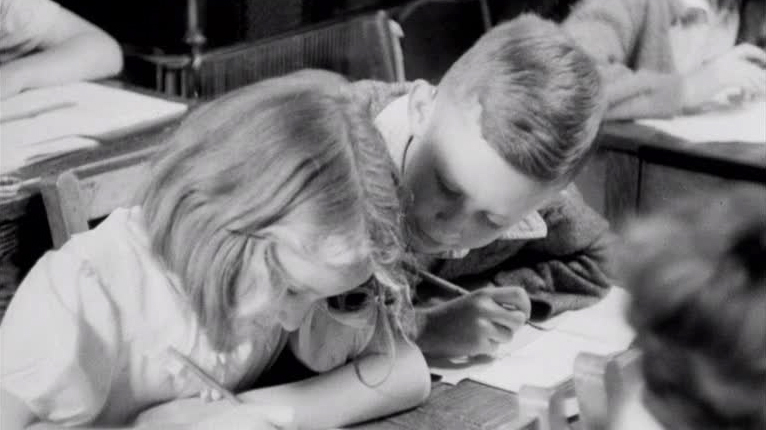
From classroom to lecture hall to living room: a look at the many ways TV and video shaped our learning experiences over the years.
For most of us, the screen has been as much a part of our education as the blackboard or whiteboard. Early 20th century educators quickly saw that moving images could be a valuable teaching aid, and by the 1920s and 30s a thriving industry was delivering thousands of films for classroom use. By the 1960s, the small screen had largely taken over, and schoolkids would thrill at the sight of the teacher wheeling out a television set.
In the meantime, education was transforming, too, with grammar schools, secondary moderns and technical schools giving way to comprehensives, which in turn made room for academies and faith schools. Higher education swelled with new universities and polytechnics, while the Open University, launched in 1969, used video and television to reach students in their homes. Through television, informal learning has also helped those who missed out on traditional schooling, or who just want to expand their minds. Whether we spoke our first words along with onscreen puppets, studied along with Open University broadcasts or followed educational debates in current affairs programmes, television and video have always had a lot to teach us.