Marjorie Glasspool Films Her Family in Alton
From the collection of

From the collection of
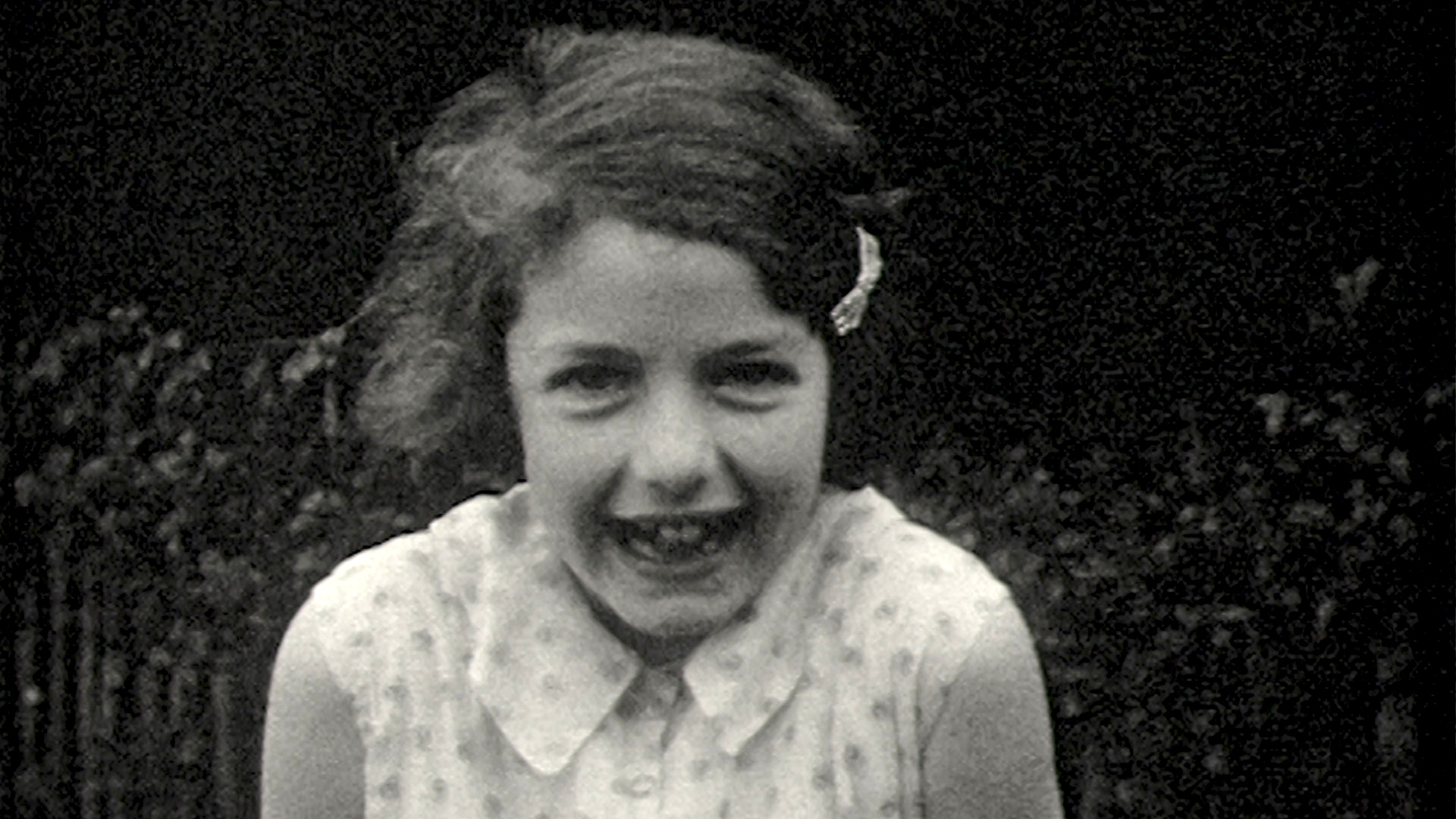
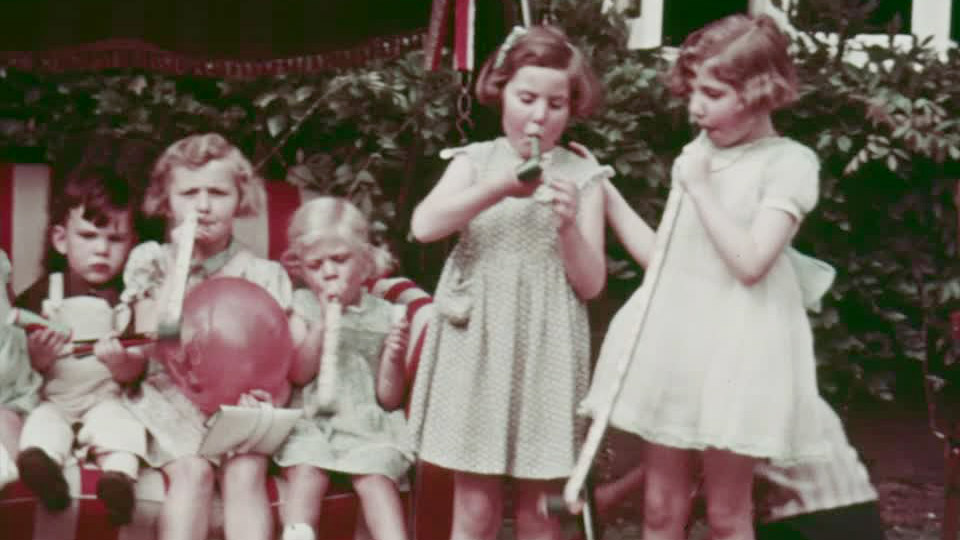
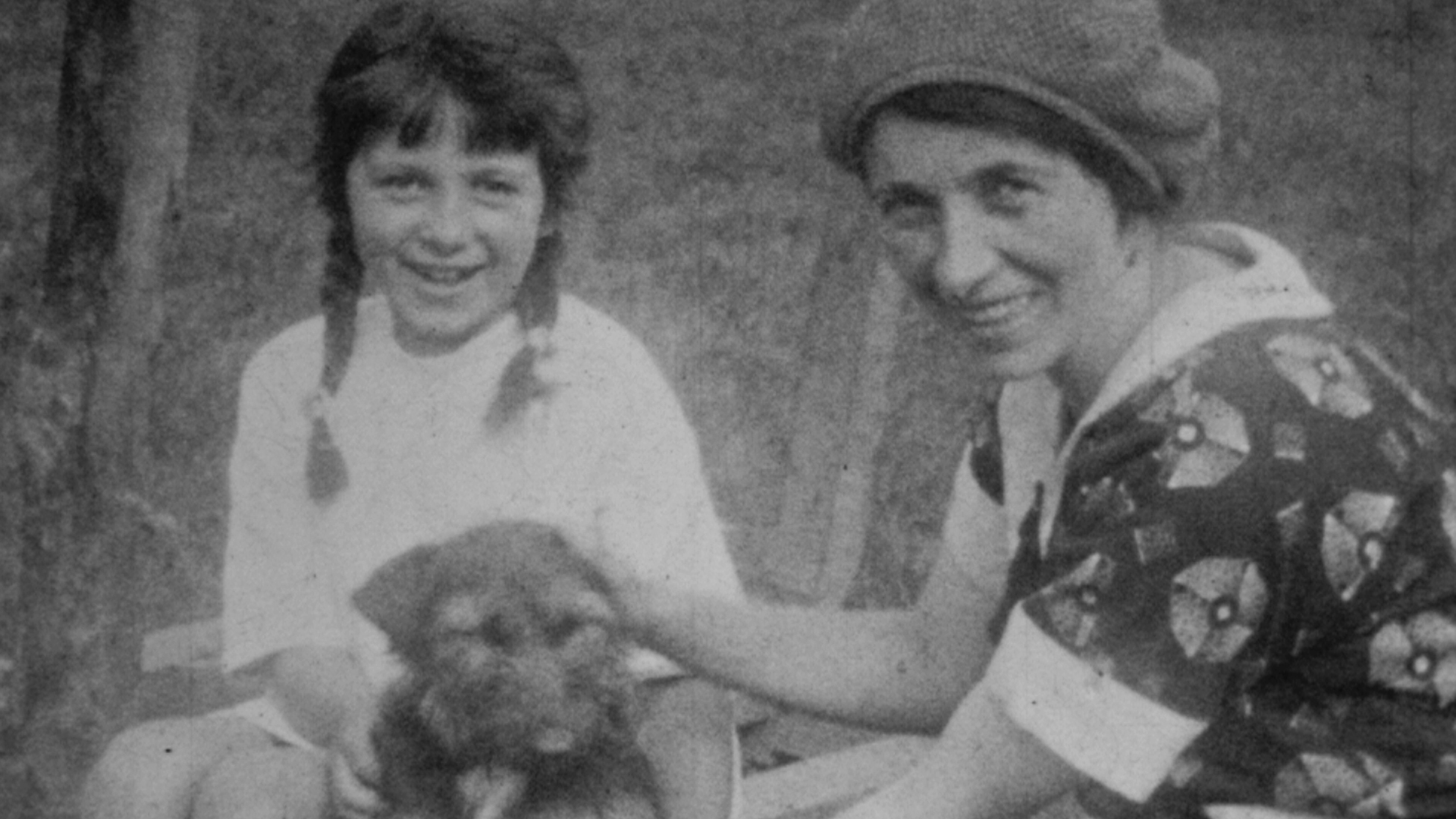
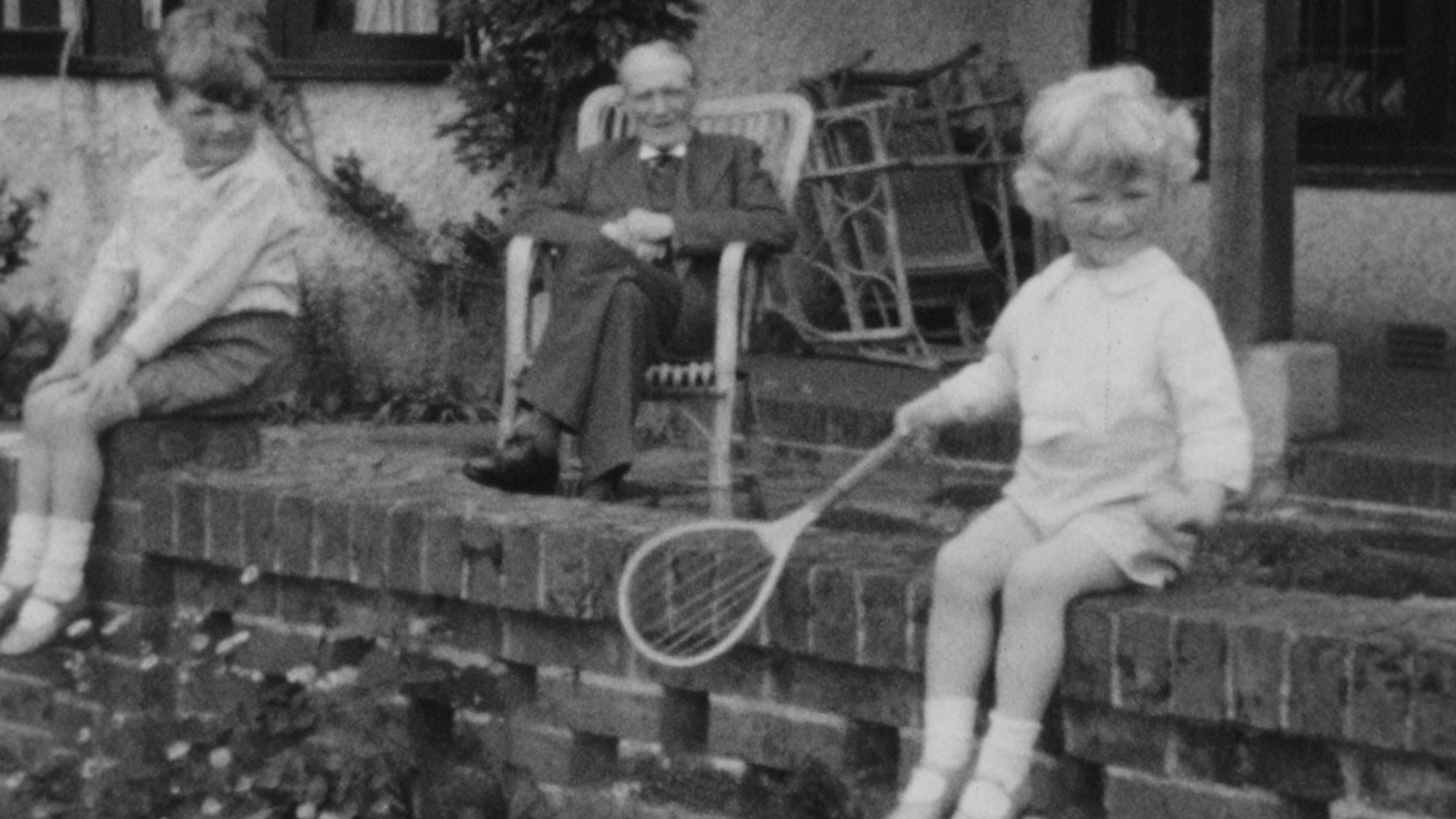
Marjorie Glasspool's home movie captures a variety of events and occasions experienced by a Hampshire family
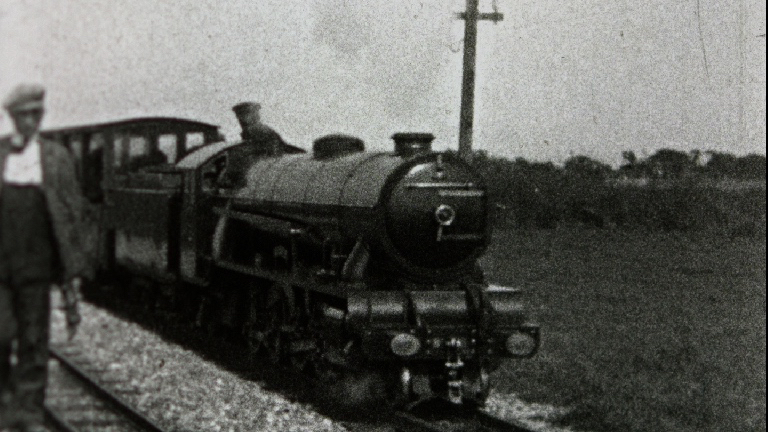
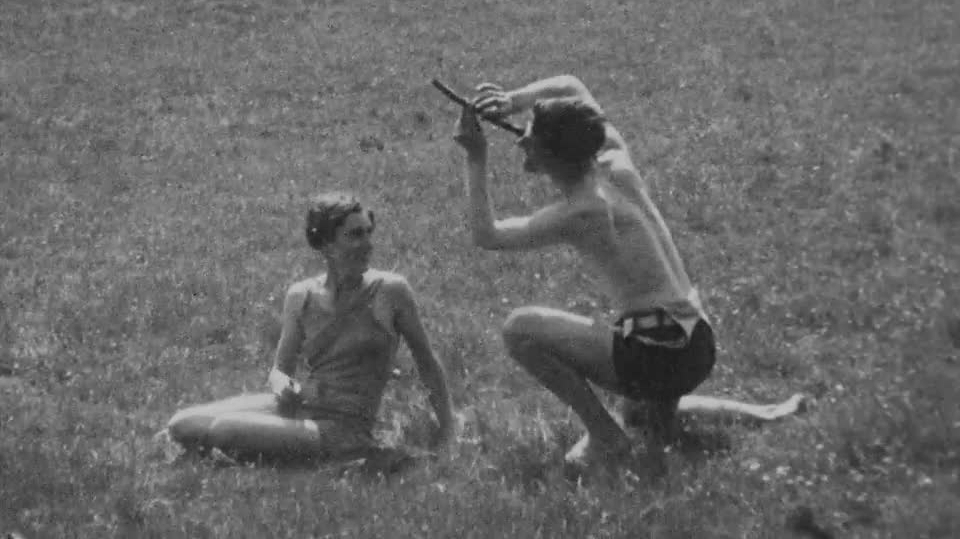
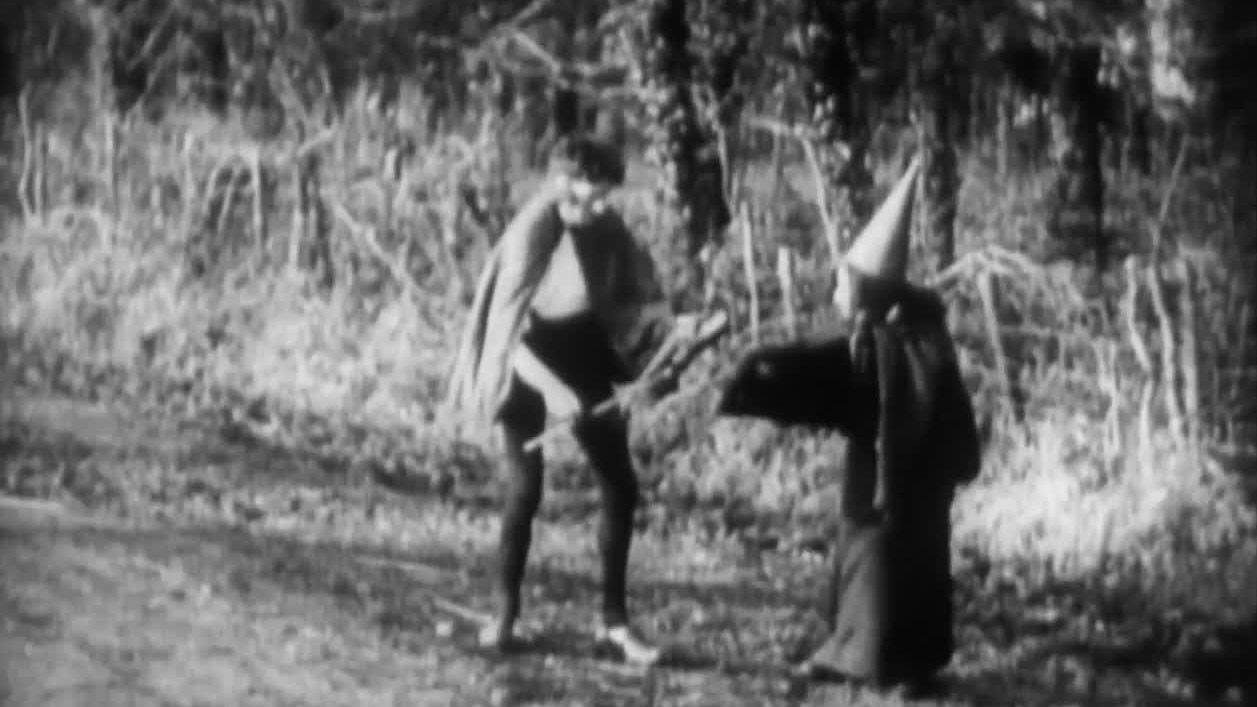
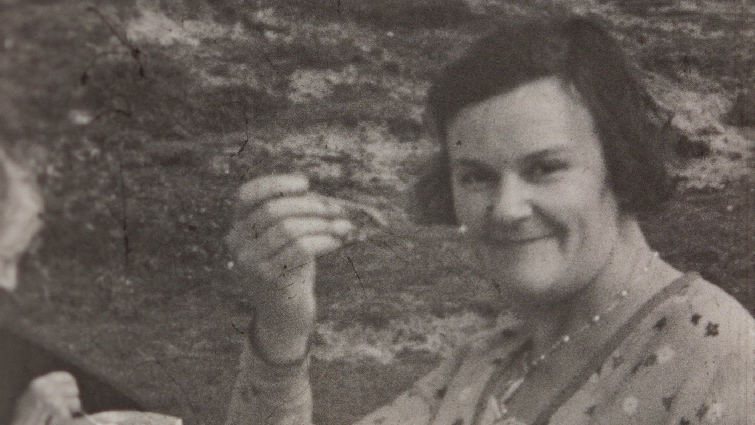
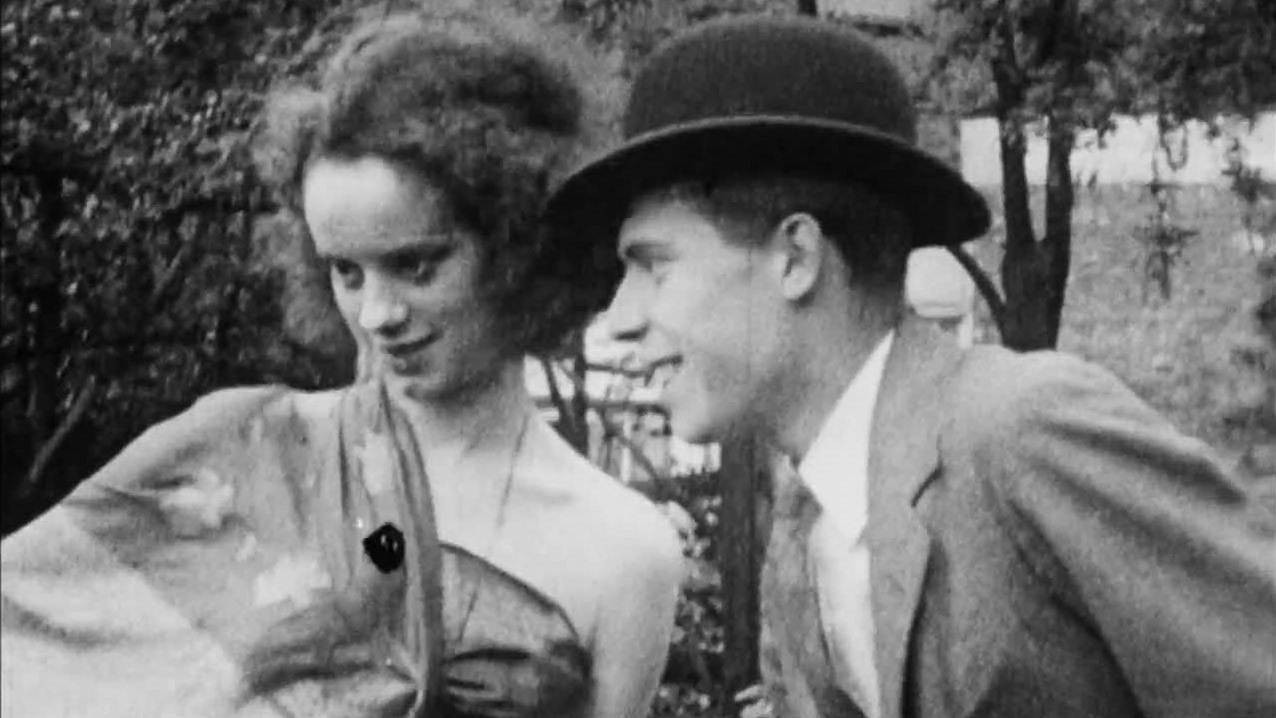
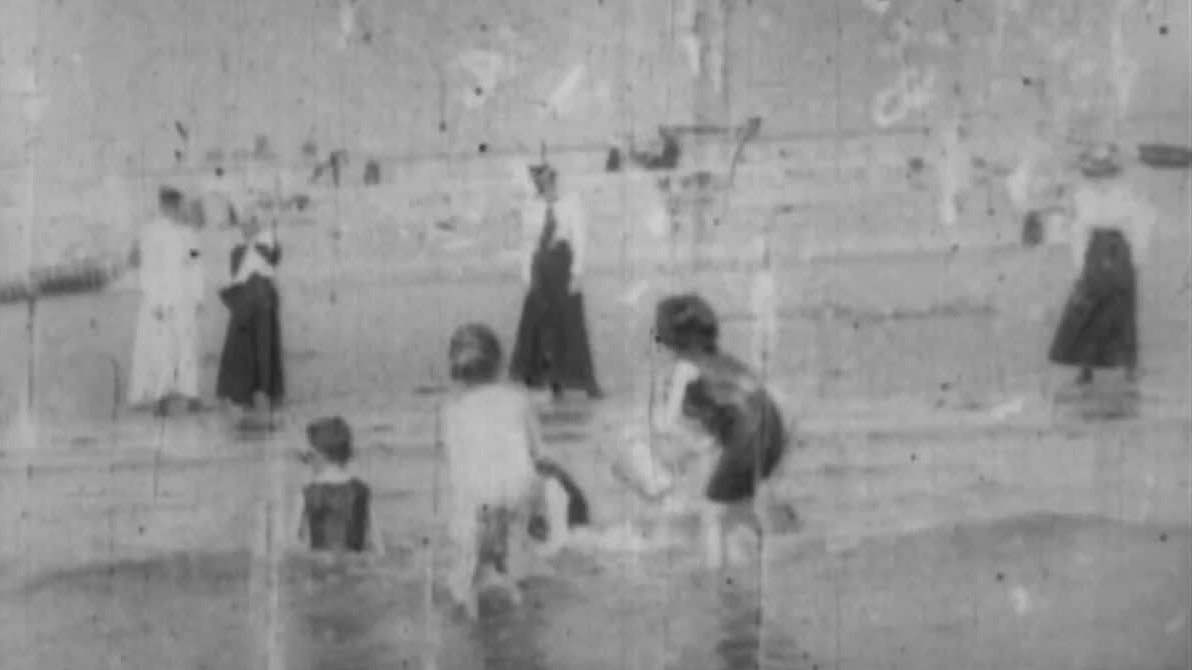
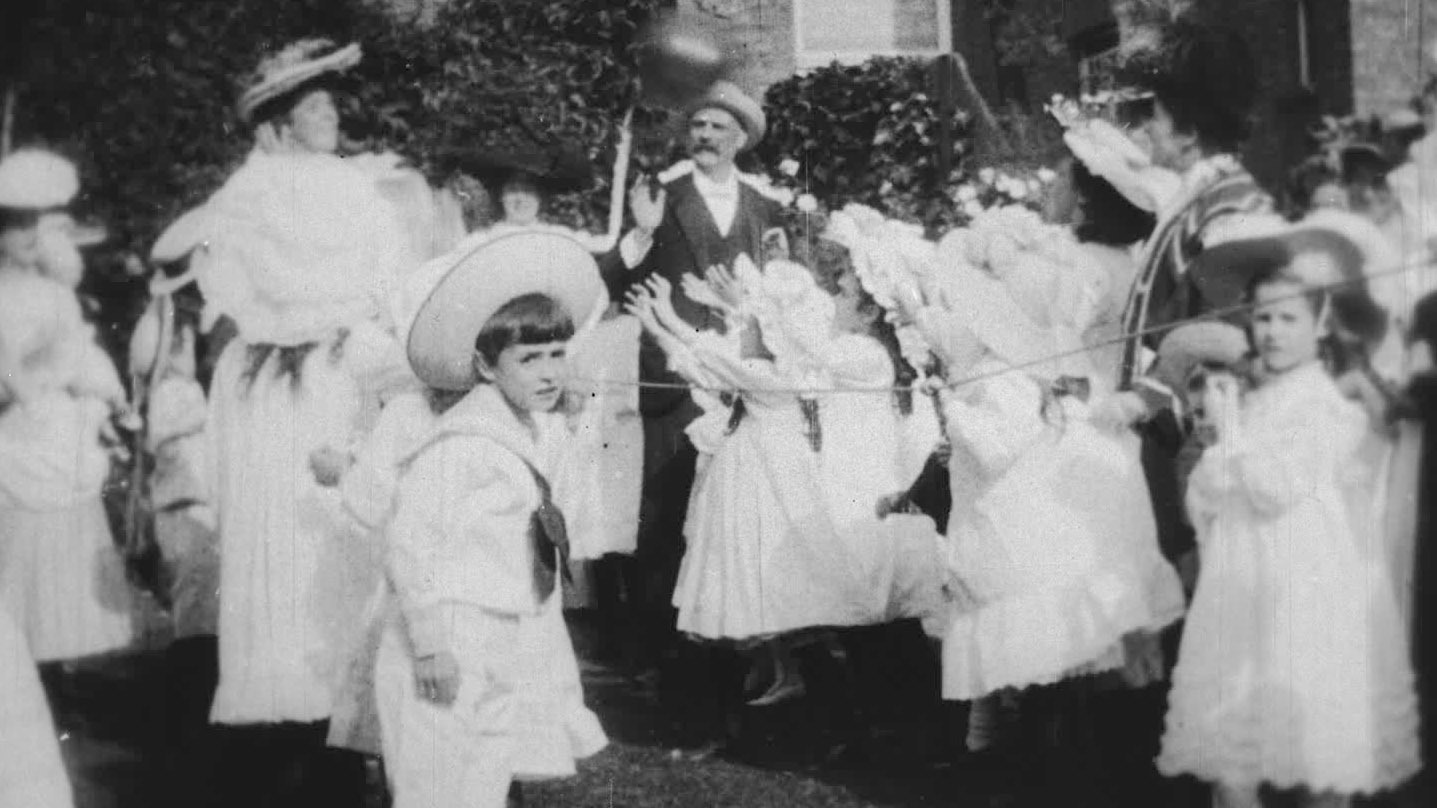
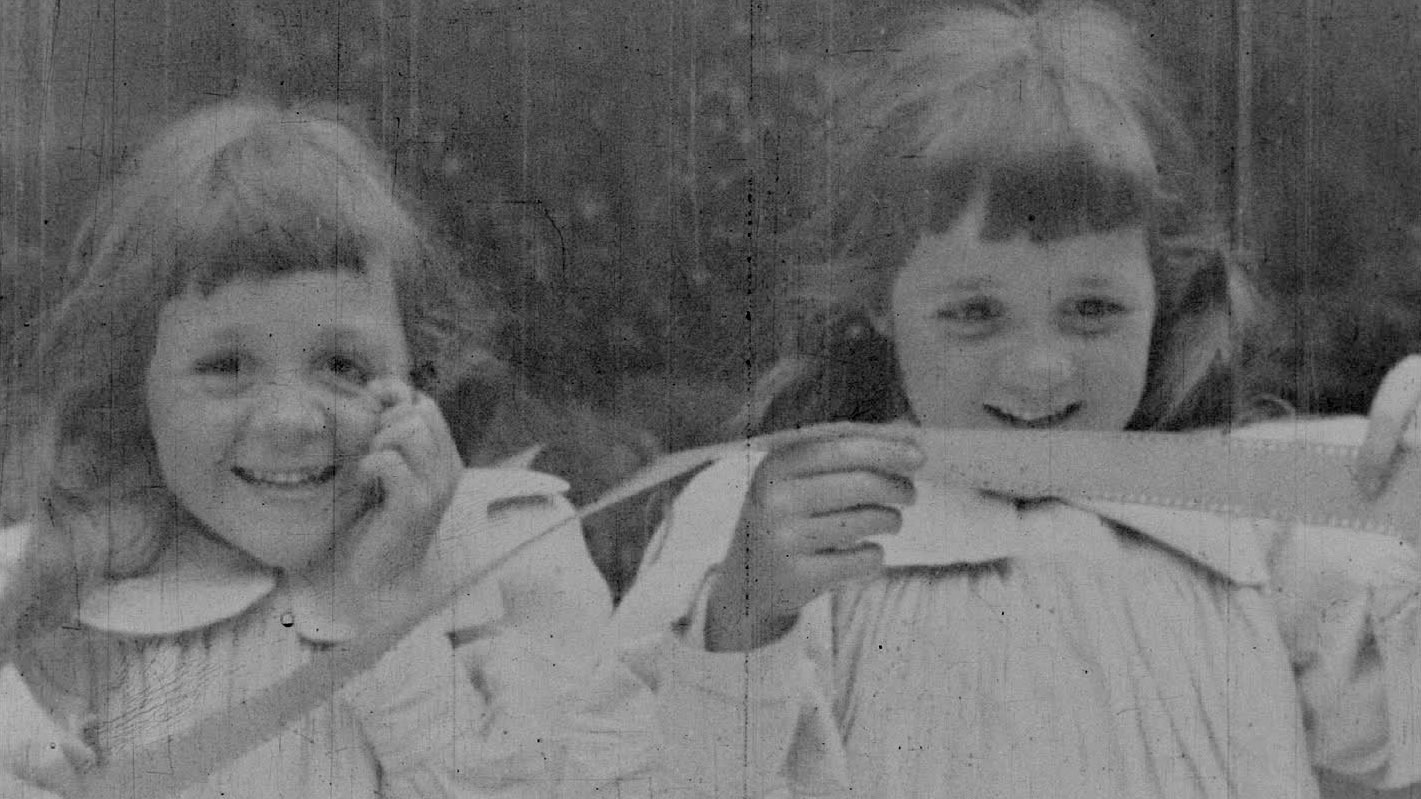
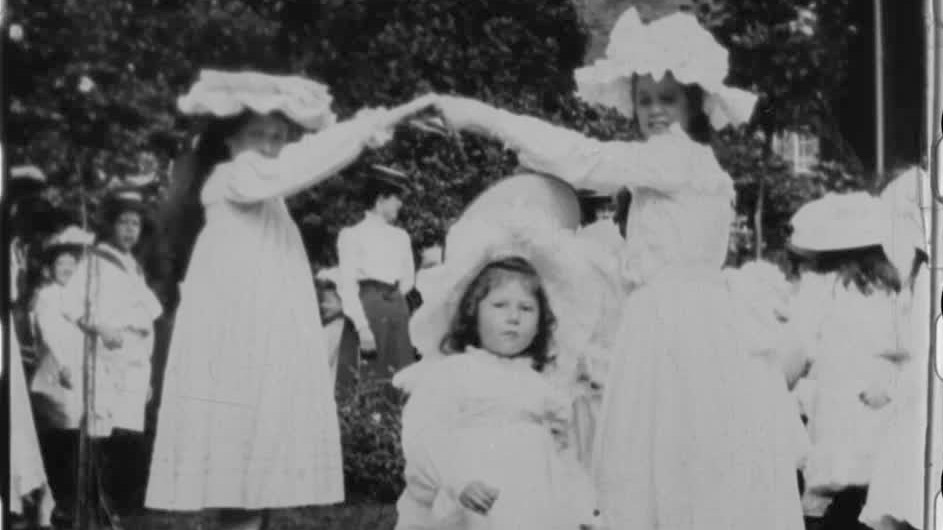
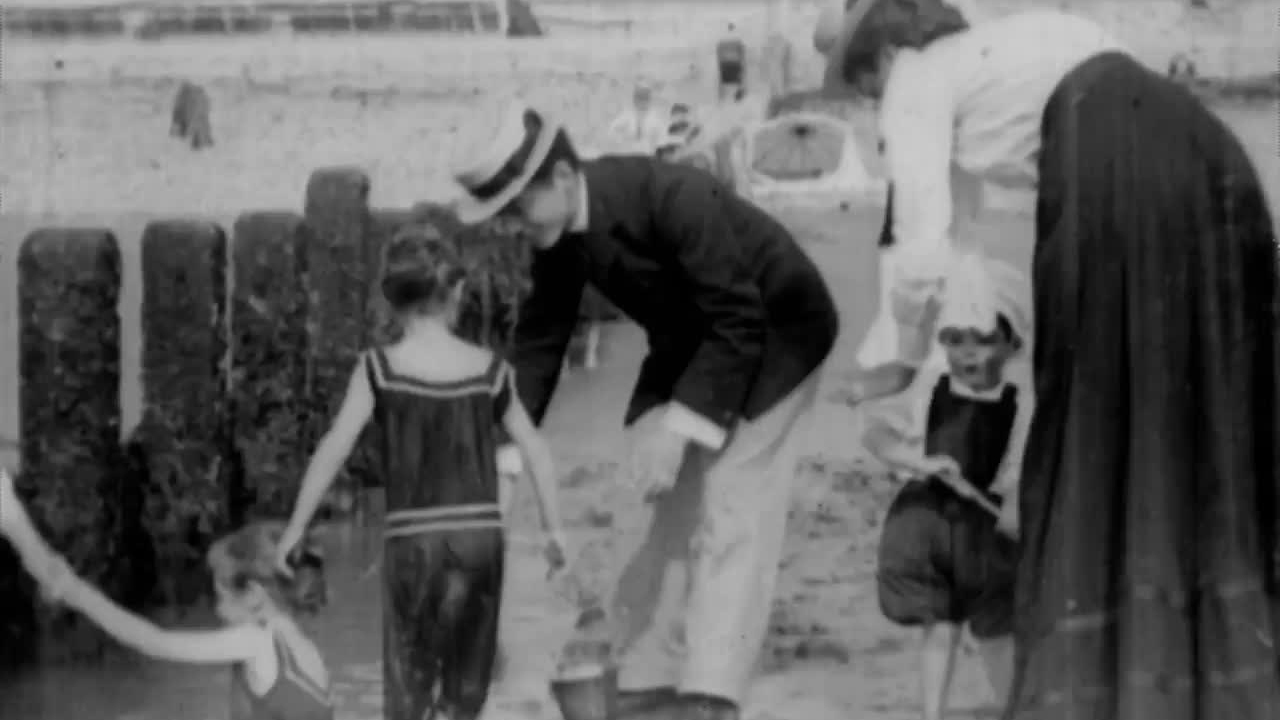
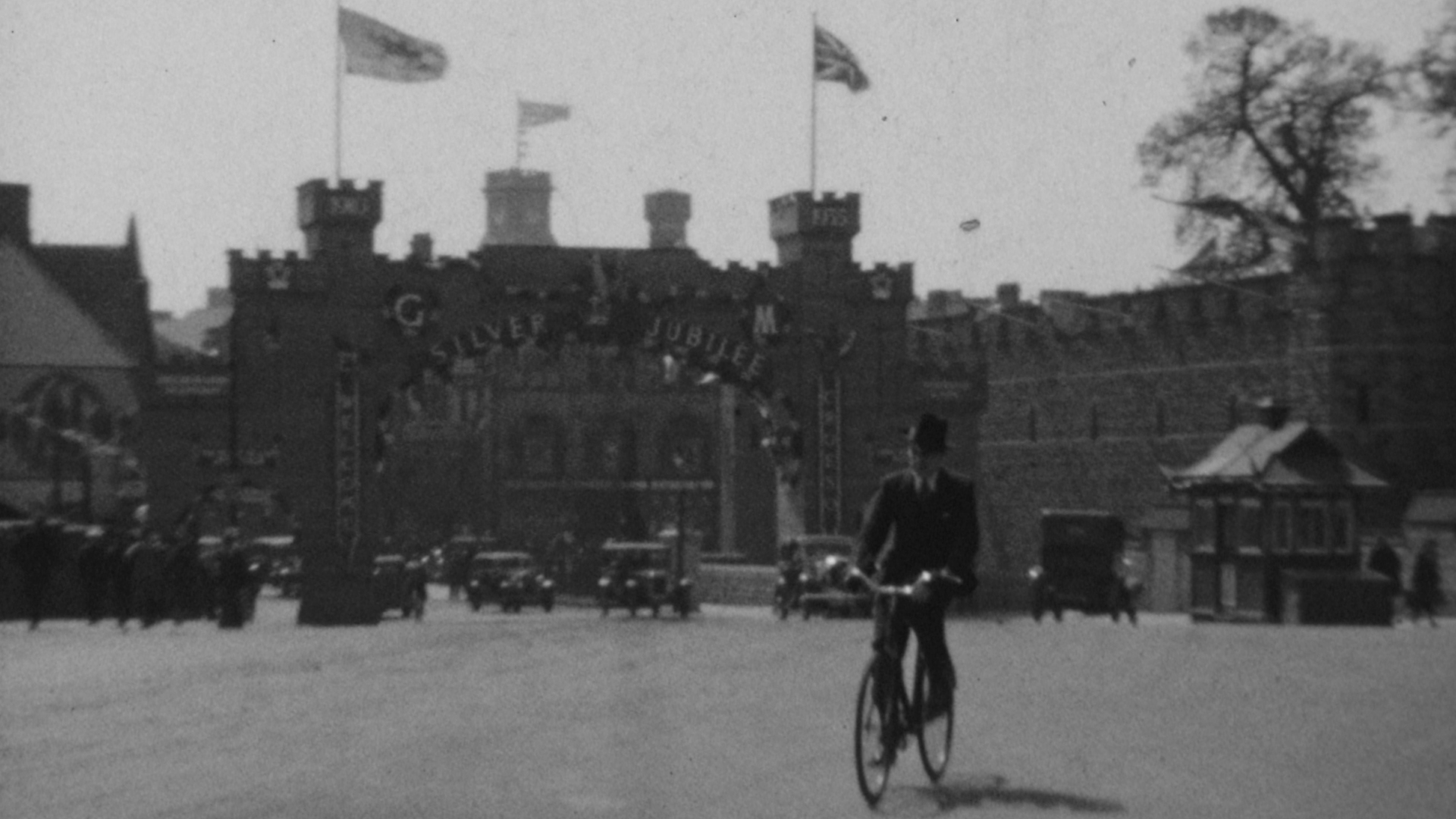
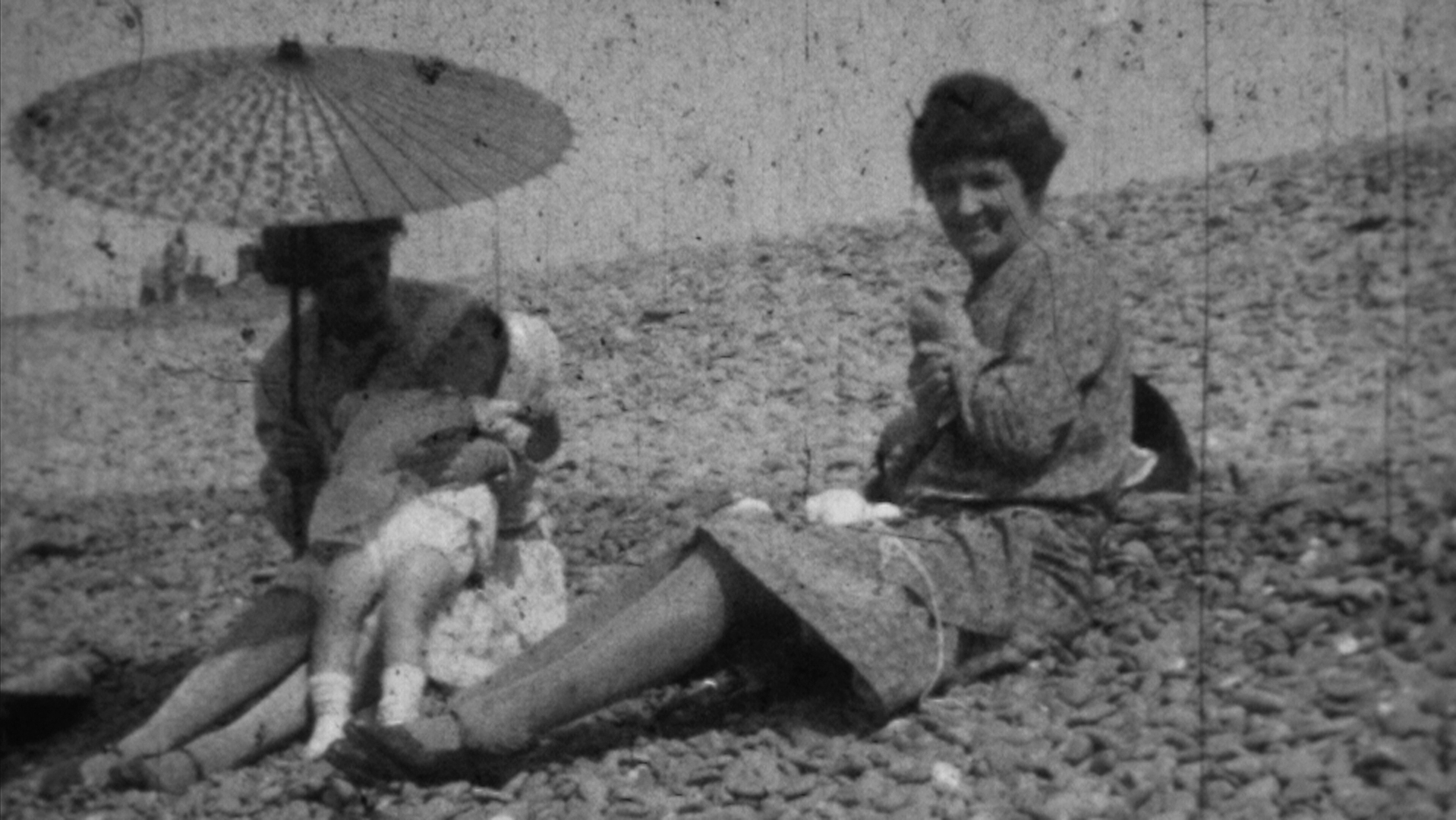
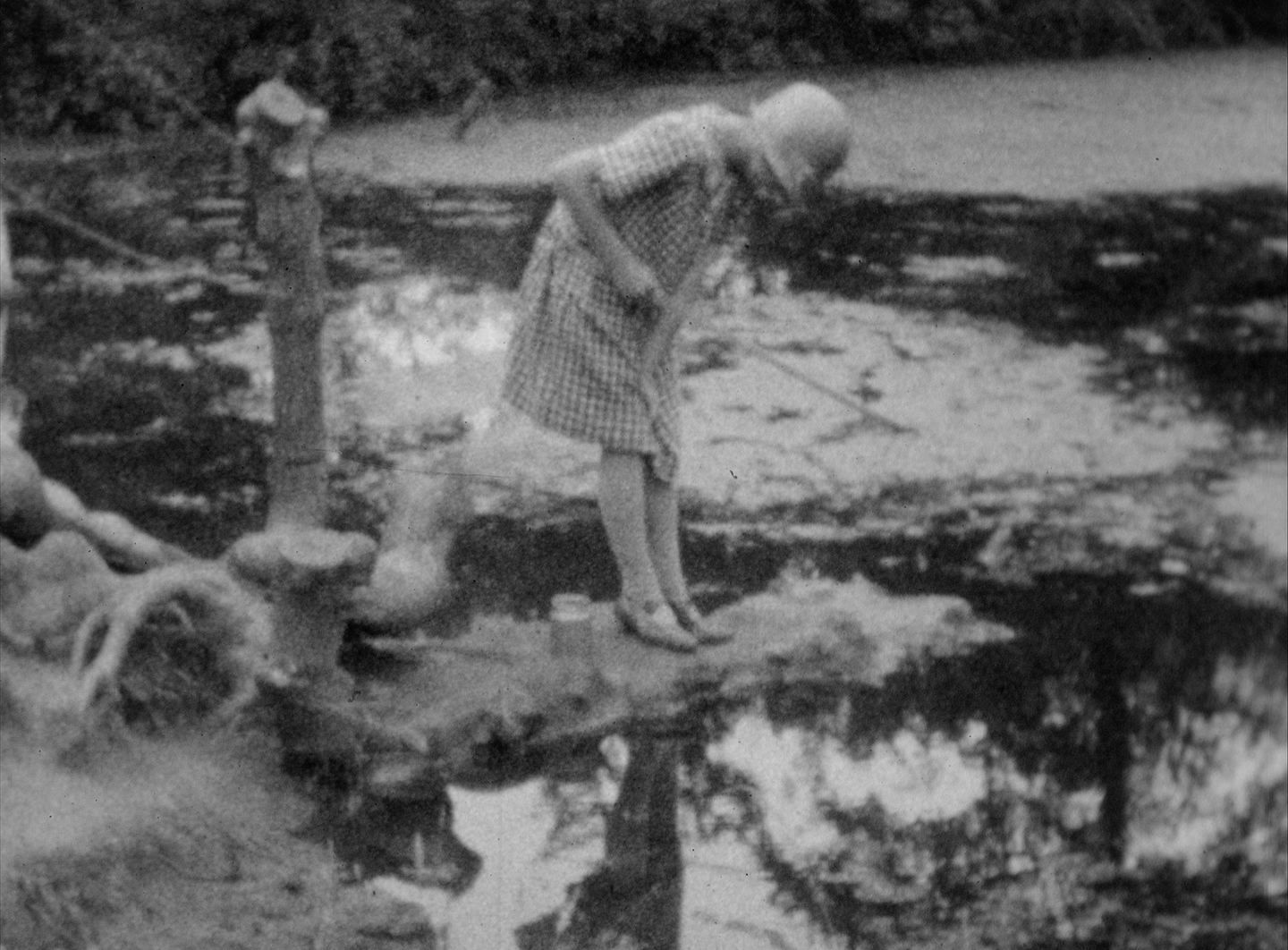
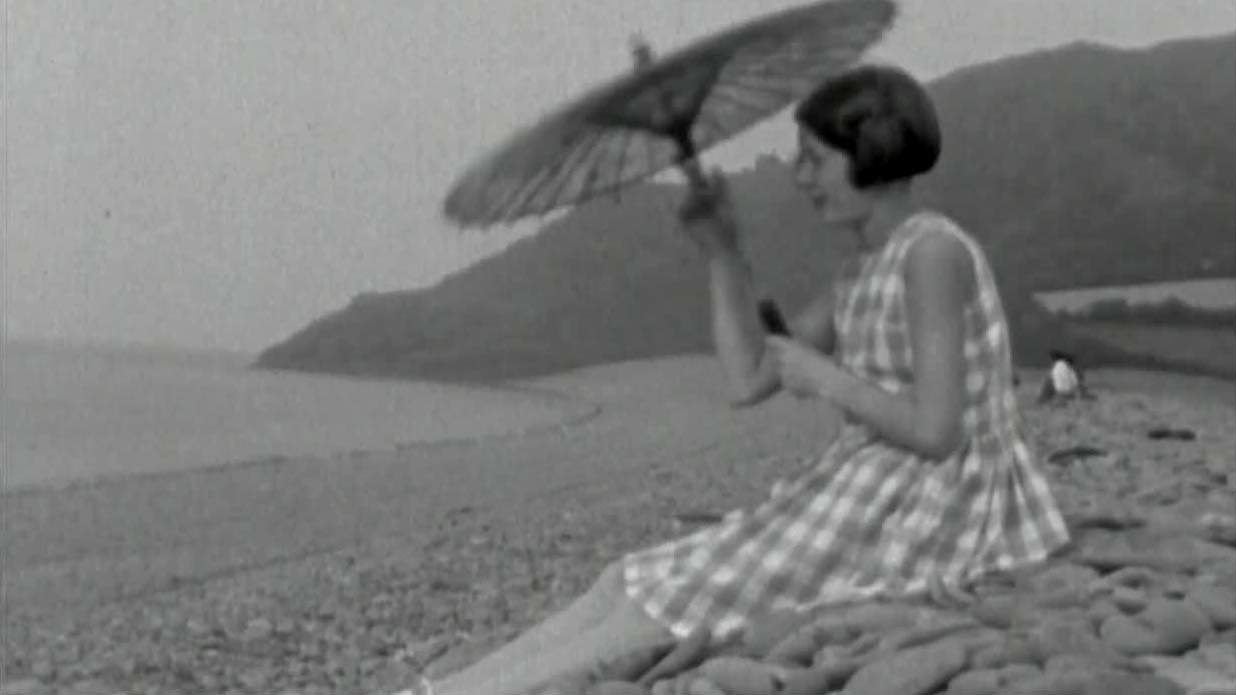
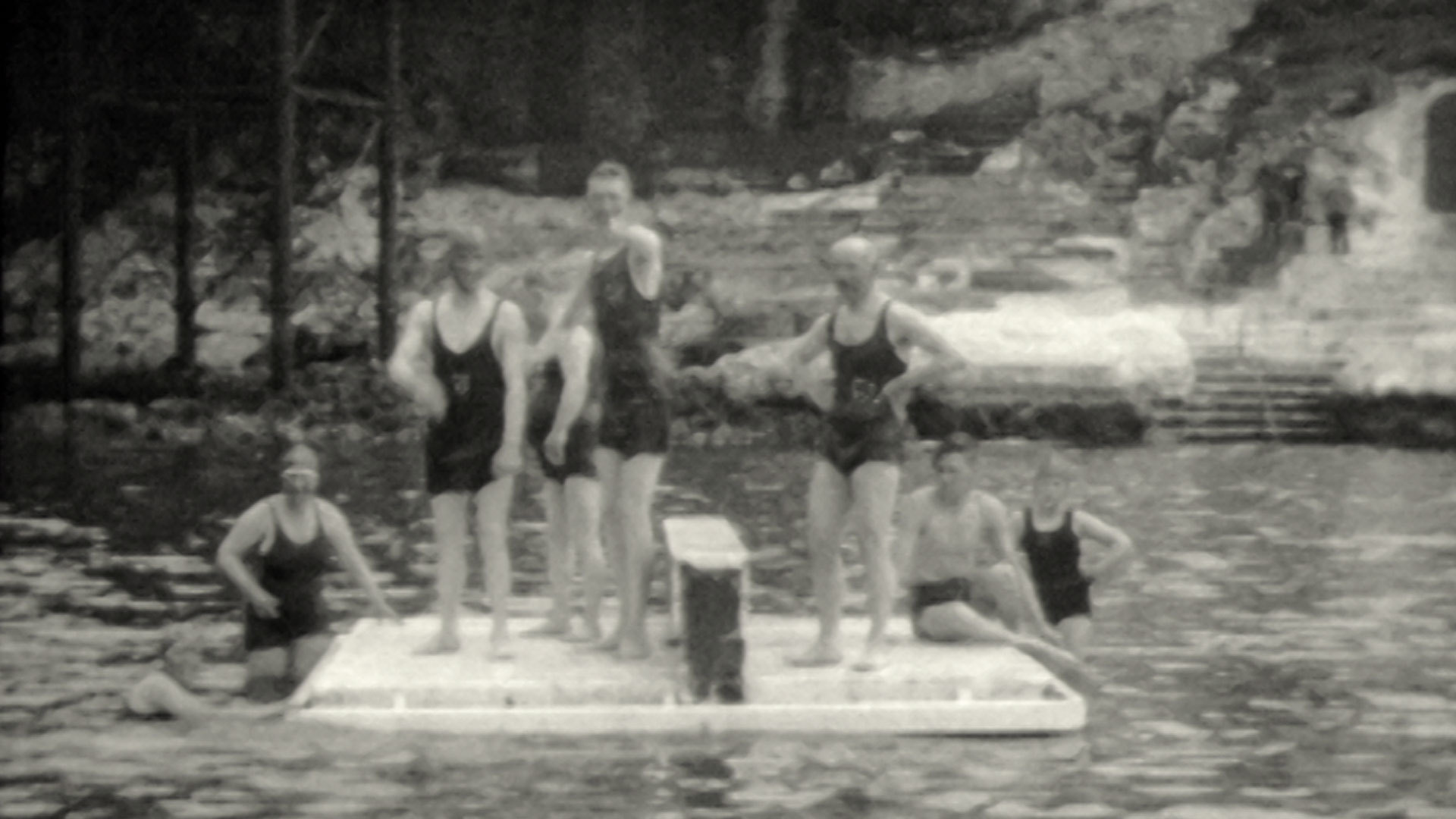
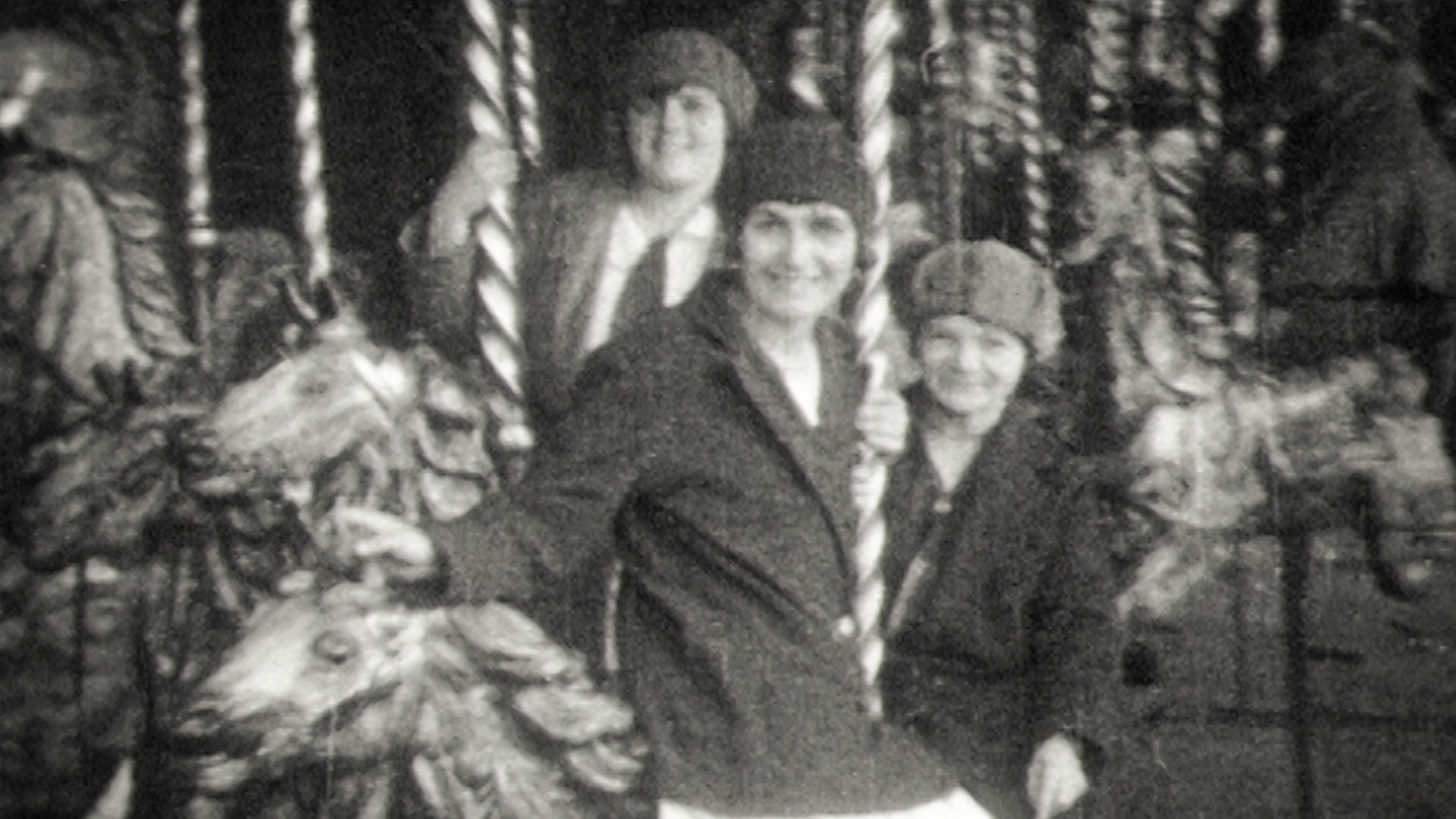
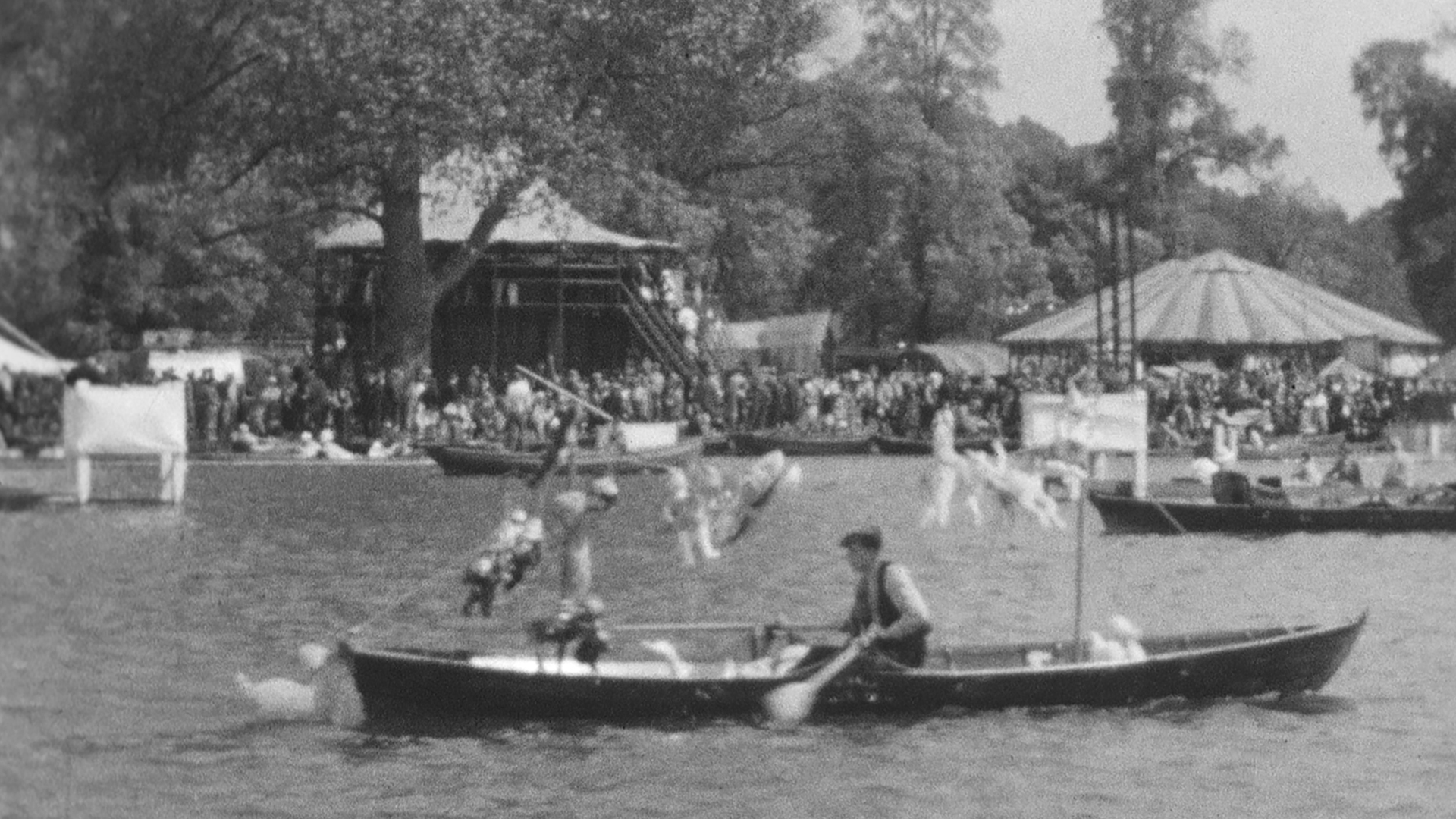
This film made, by Marjorie Glasspool in the 1930s, starts with a gathering outside Farnham Castle. We then see the family eating ice-cream by a lake. On a trip to London we see traffic, guardsmen and the Zoo. Two weddings follow after which we see relatives arrive by a rural bus. A pair of sea bathers can be seen posing for the camera before the film ends at Danesfort - the family home. The film ends with more scenes of gardeners at work while members of the household look on.
Though technically flawed, Marjorie Glasspool's home-movie, shot on 9.5mm stock, offers glimpses of a vanished Britain. The bustle of London traffic, as seen in the middle of the film, contrasts sharply with the quiet of rural roads shared by motorbikes, cars, buses and cattle. Overall there is little street furniture to be seen and houses are few though there are a number of enamel signs advertising Craven A cigarettes, Lyons Cakes and Oxo. Another interesting feature is the man selling Wall's ice cream from an adapted bicycle.
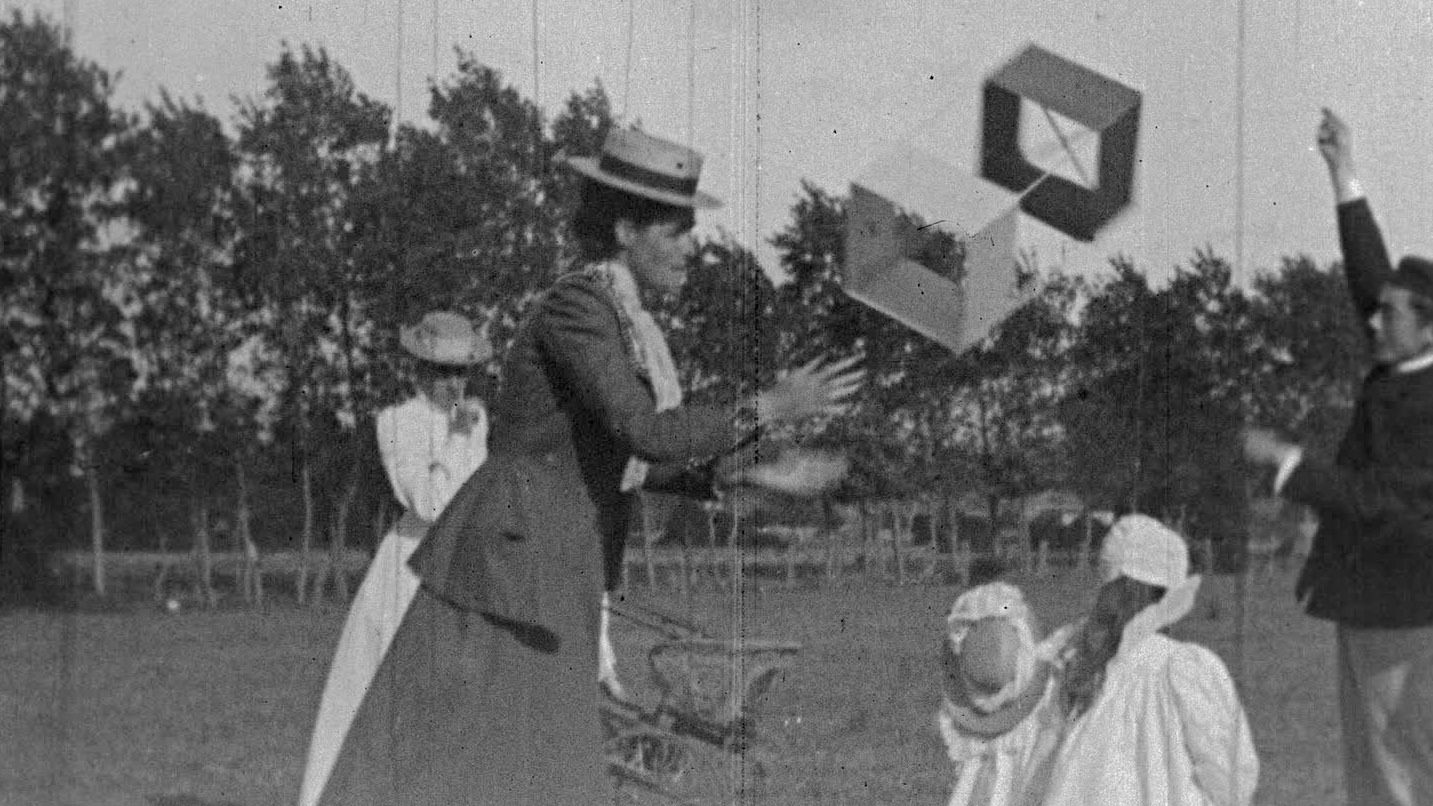
Home moviemaking is older than the first cinemas: we've been filming ourselves for well over a hundred years. The birth of the cinematograph in 1895 inspired a plethora of inventions pitched at the domestic market: Kinoras, Kammatographs, Pictorialographs, Birtacs and Biokams - all cameras designed for amateurs and enthusiasts to film and project in the home. This collection celebrates the earliest home movies preserved in Britain, and bears witness to the dawn of the amateur's long-standing fascination with family, travel and community. "The object in introducing this apparatus is to endeavour to popularize this extremely fascinating branch of photography.... [I have] always looked forward to the time when animated photography would be within the reach of every one" - filmmaker/inventor Birt Acres, on his Birtac camera, 1898.