The Seven O' Clock Regulars' Swimming Club Part 1 of 3
From the collection of
Established in 1992, the South West Film & Television Archive collection spans from 1893 to the present day containing more than 250,000 items. Formed from a variety of depositors, including broadcast news and programmes material from the Westward and TSW archive. In 2018 the archive collection transferred to The Box in Plymouth.
The Seven O' Clock Regulars' Swimming Club Part 1 of 3
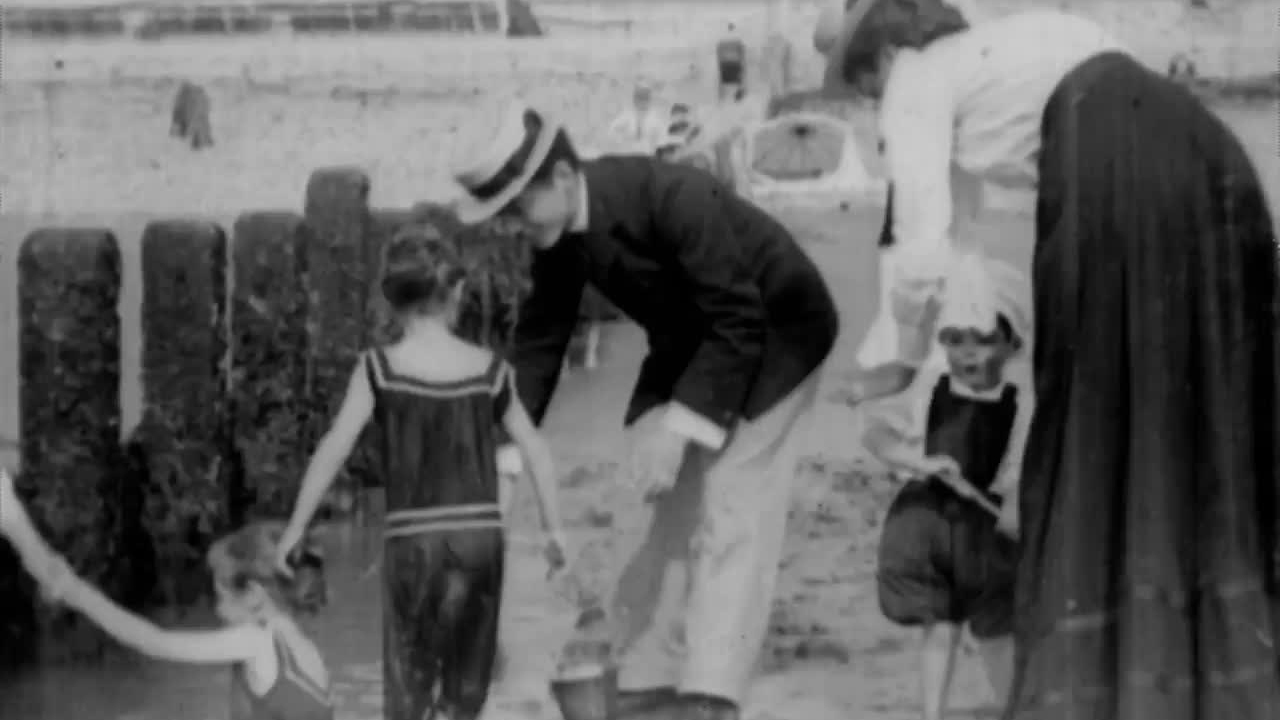
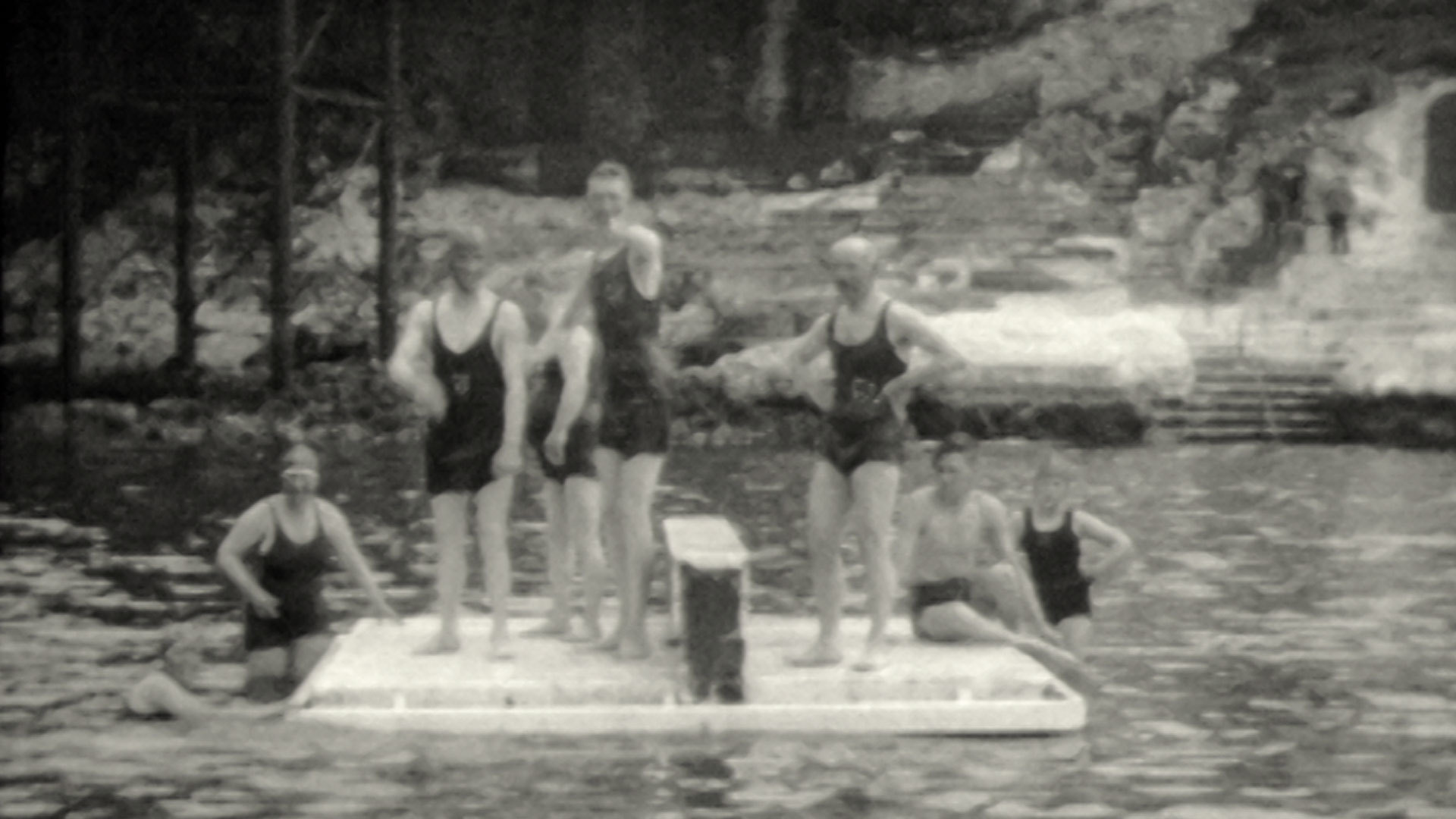
Seven O'Clock Regular Swimmers' Club open the new season with a splash!
The Seven O' Clock Regulars' Swimming Club open the new season with a splash. They sing their anthem "Come to the Pier”: "The sun is shining to welcome the day, Heigho! come to the Pier! The boys are so bright & so merry & gay, Heigho! Come to the Pier! There are thin ‘uns and fat ‘uns and tall ‘uns and short, whatever their figures, they're ready for sport, Come then, seven o' clock regulars, Dip in the pride of the morning, Our presence cheery is chock full of fun!”
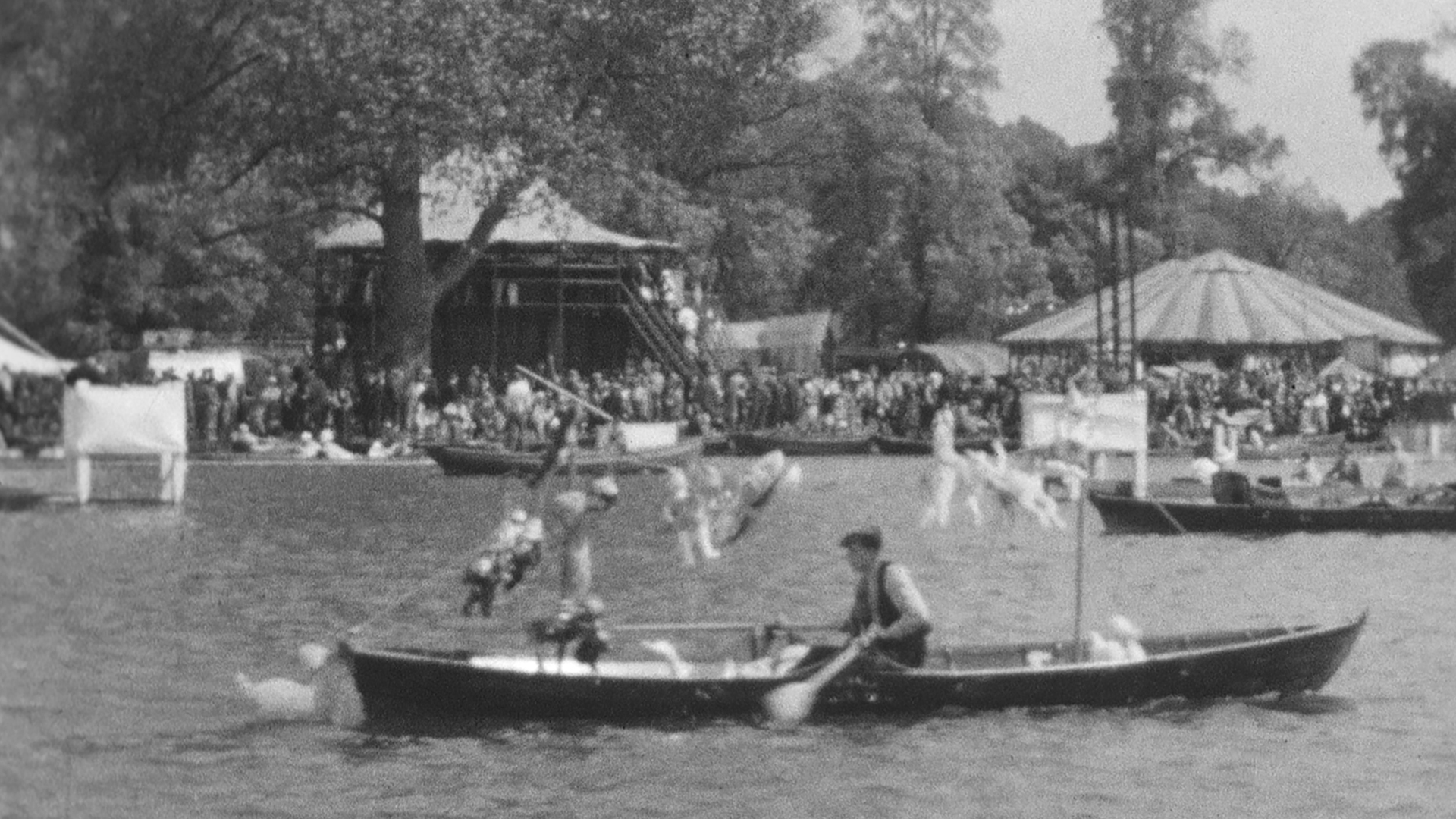
The Regulars are joined by the Mayor Ambrose Andrews and the Mayoress. This film is part of the collection of amateur films by Claude Redvers Endicott, a local butcher. Here he demonstrates early visual effects by reversing the films so the divers come out of the water backwards. Endicott playfully films the swimmers performing comedy sketches. This rare film shows the Promenade Pier in Plymouth pre-the Second World War. Bombed and destroyed in 1942, the pier was never rebuilt and this is believed to be one of a handful of moving images that still exists today showing the old Promenade Pier in Plymouth.
At the dawn of the cinema age, these trailblazing early adopters brought filmmaking technology into the home.
Home moviemaking is older than the first cinemas: we've been filming ourselves for well over a hundred years. The birth of the cinematograph in 1895 inspired a plethora of inventions pitched at the domestic market: Kinoras, Kammatographs, Pictorialographs, Birtacs and Biokams - all cameras designed for amateurs and enthusiasts to film and project in the home. This collection celebrates the earliest home movies preserved in Britain, and bears witness to the dawn of the amateur's long-standing fascination with family, travel and community. "The object in introducing this apparatus is to endeavour to popularize this extremely fascinating branch of photography.... [I have] always looked forward to the time when animated photography would be within the reach of every one" - filmmaker/inventor Birt Acres, on his Birtac camera, 1898.
24 videos in this collection
Local Scenes and Family Pictures
1927
Midsummer Madness - An Idiotic Idyll
1933
Psyche's Wedding
Devon
1920
The Witch's Fiddle
1924
Marjorie Glasspool Films Her Family in Alton
Hampshire
1930
The Scarlet Woman
Hampstead Heath
1924
Mermaids at Play
Bognor Regis
1903
Children's Party, Playing with Ball
1902
Girls Looking at Film and Giggling
1902
Children's Party, "Oranges and Lemons"
1902
Playing on Beach, Making Sandcastle
Bognor Regis
1903
Joan's Birthday Party
Poole Harbour
1929
Joce and Gill at Home
1936
Early film making at Welsh camp
Llanymawddwy
1929
1934 Spirits from the Vasty Deep
Aberystwyth
1934
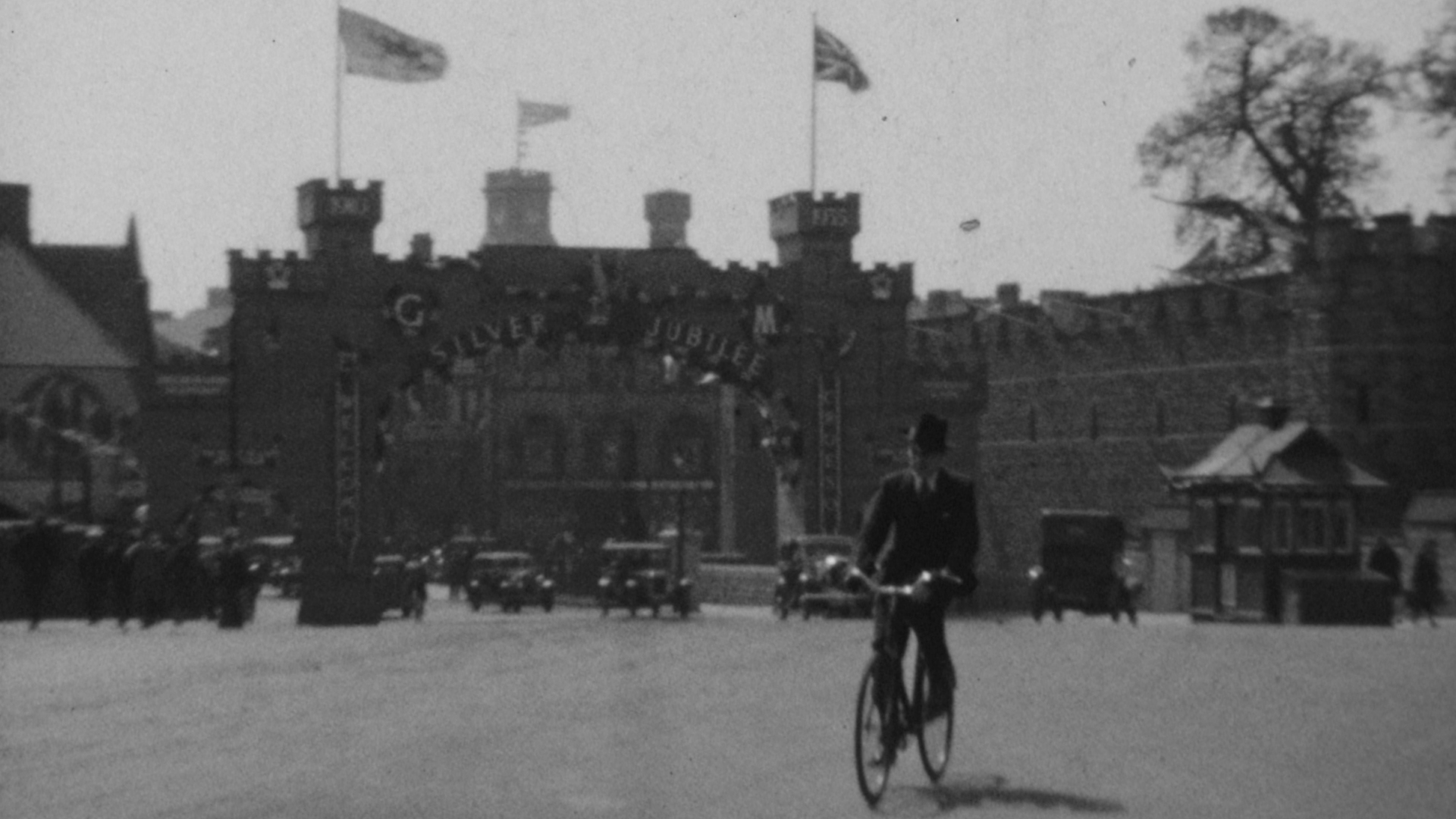
Royal Silver Jubilee 1935 - Cardiff
Cardiff/Caerdydd
1935
They Forgot to Read the Directions
Cherkley Court
1924
Crossing the Great Sagrada
1924
Aberaeron - Alban Square
Aberaeron
1929
Factory to Home and Pinner Rd
Pinner
1926
Minehead - Osborne Personal Film
Minehead
1932
The Seven O' Clock Regulars' Swimming Club Part 1 of 3