Ten Bob in Winter
- Westminster
- 1963
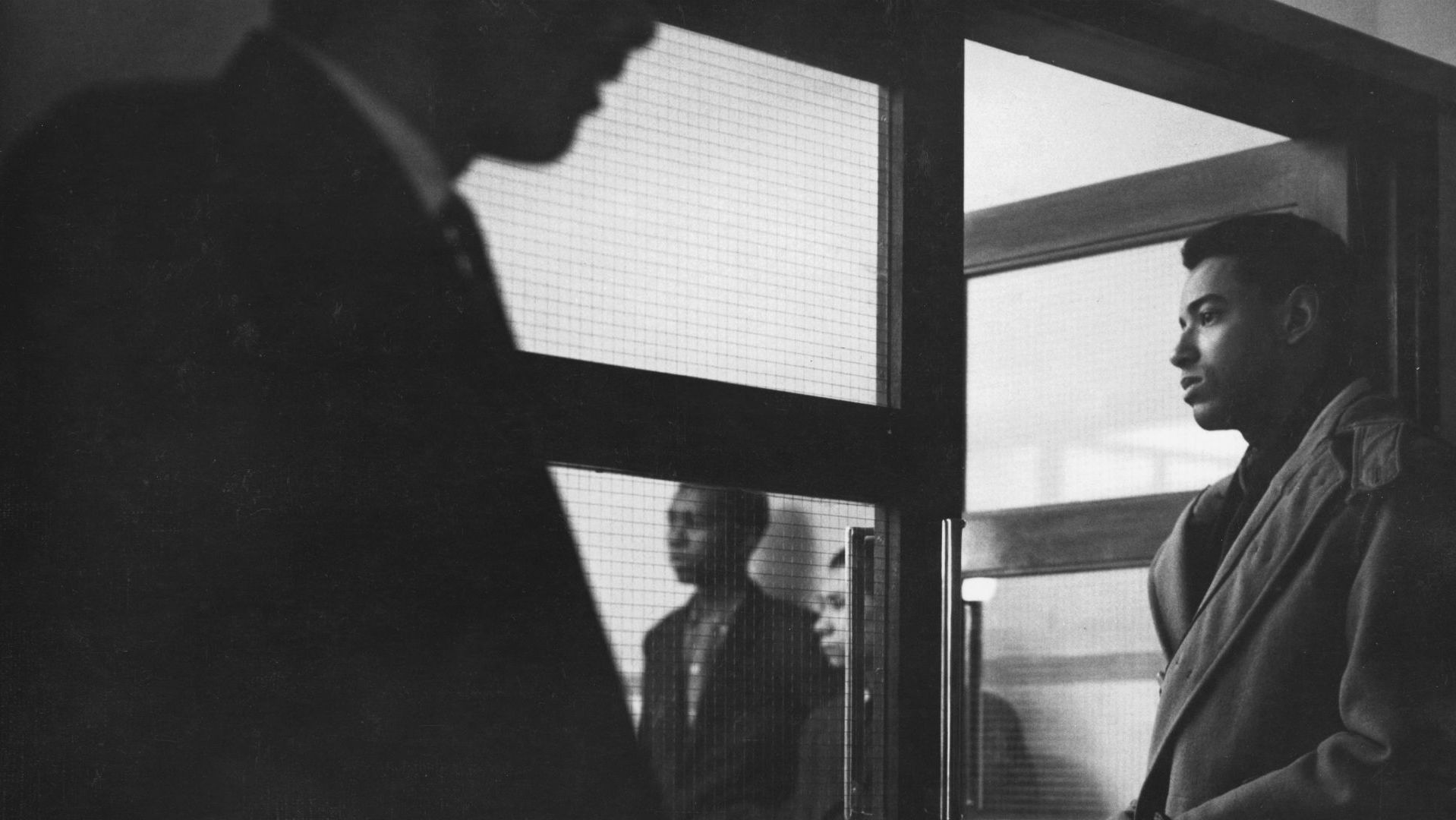
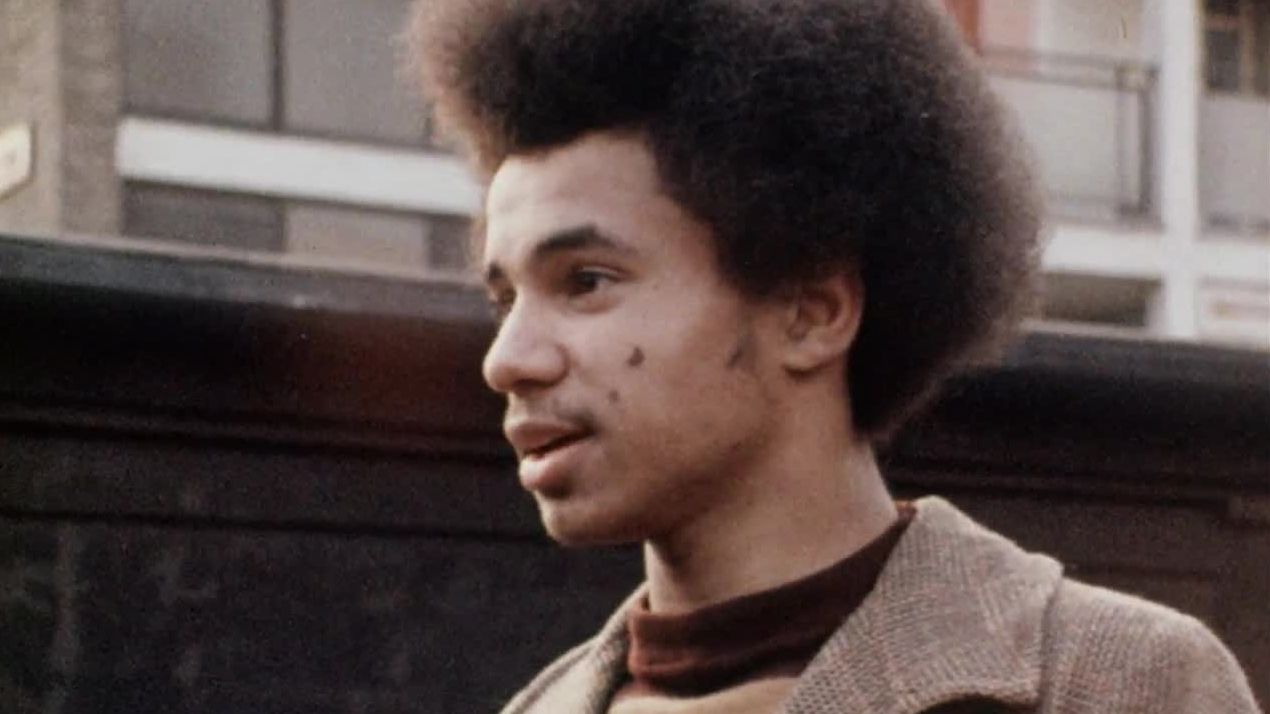
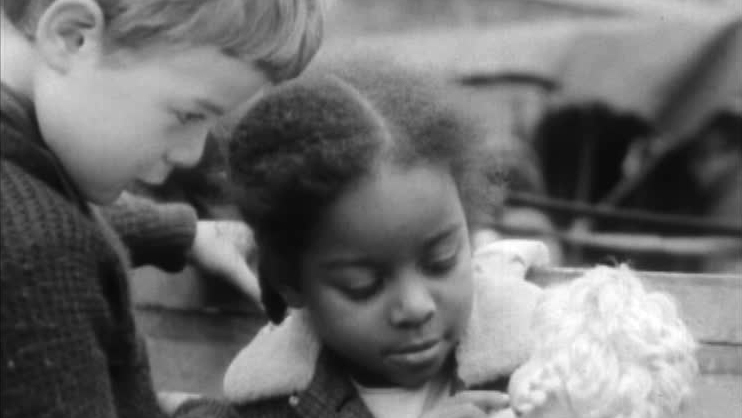
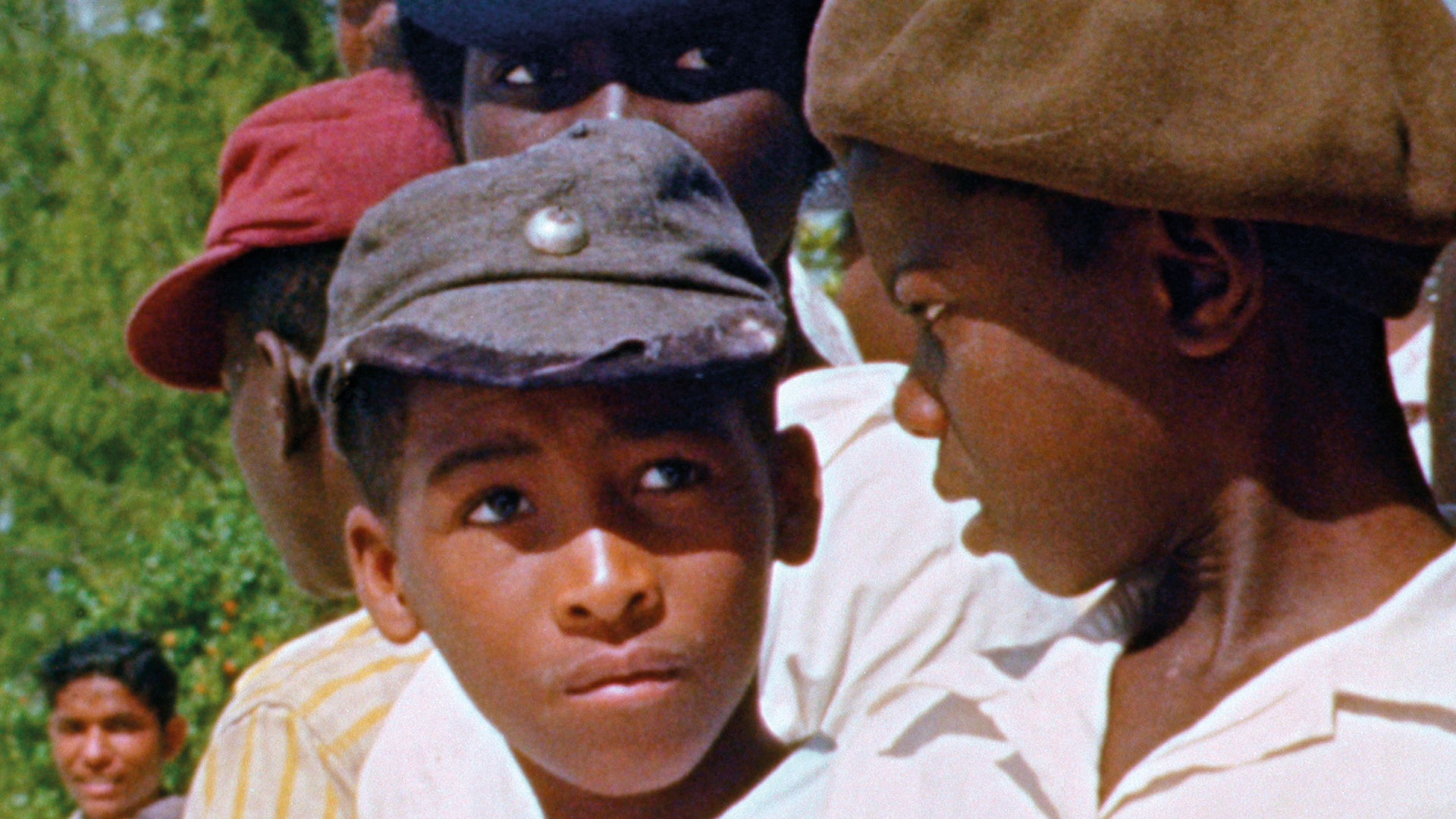
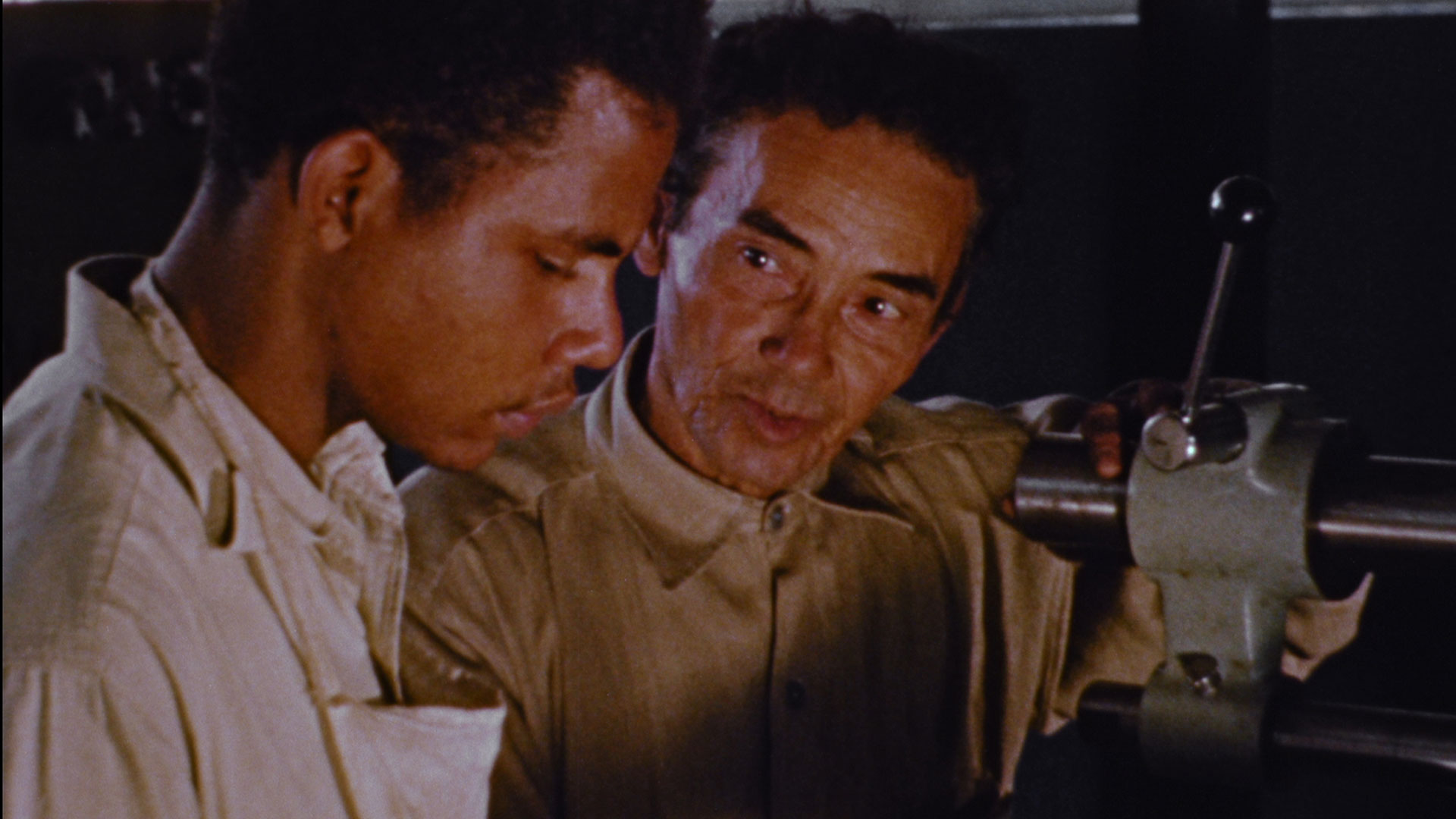
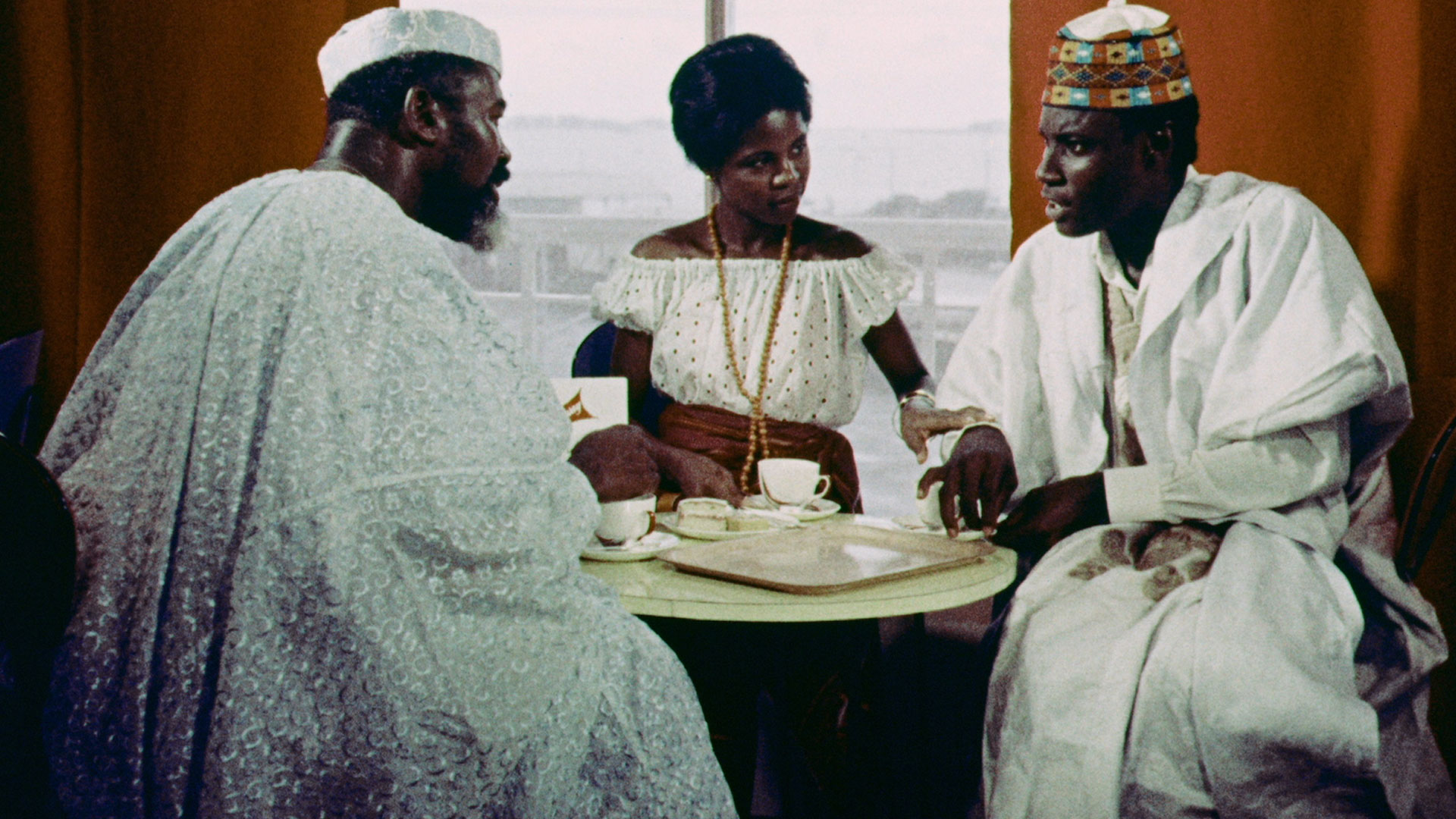
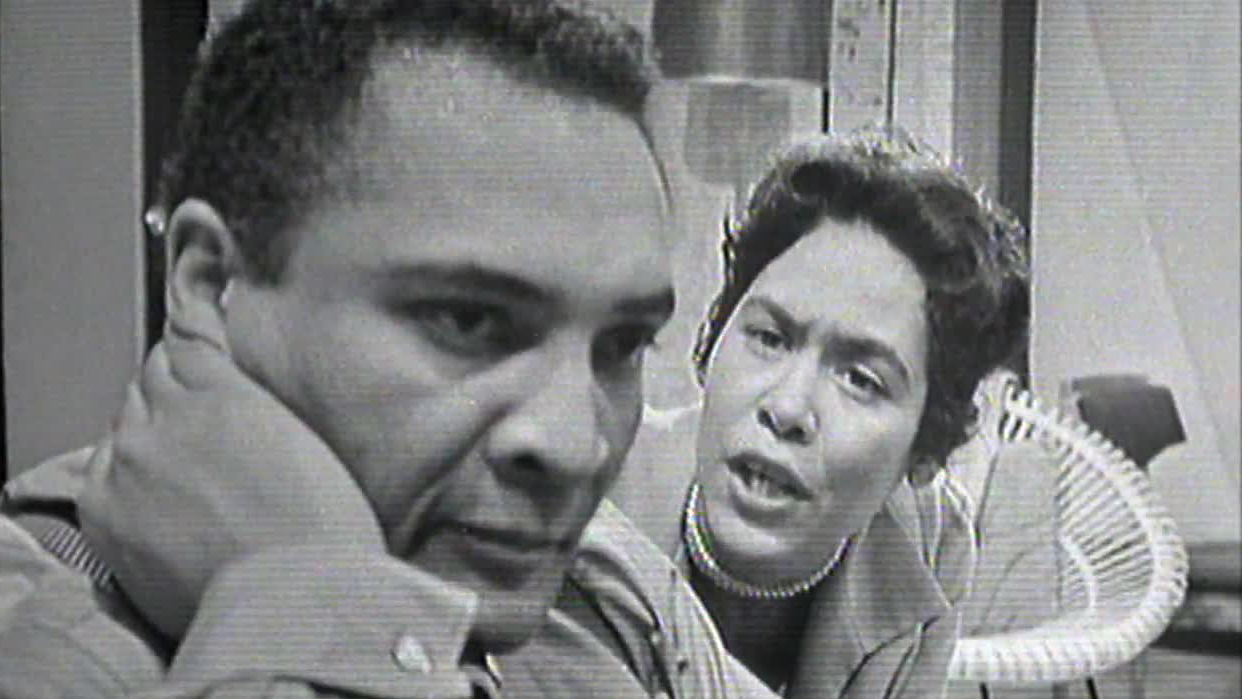
An early classic of Black British cinema about the intriguing social dynamics that arise as a ten shilling note is passed around the black community.
An early classic of Black British cinema about the intriguing social dynamics that arise as a ten shilling note is passed around the black community. A student borrows ten bob from a white man and then in turn lends it to a natty musician. Later, when the student meets an upstanding member of the community he ignores the musician who is trying to return the note.
With its witty theorem that the influence of the British class system extends well beyond indigenous citizens, and its authentic focus on issues of black culture, Ten Bob in Winter is one of the most notable shorts to come out of the BFI Experimental Film Fund. Fresh and experimental yet still light and accessible, the film eschews dialogue for a jazz-rap style narration (by Reckford himself) reminiscent of Langston Hughes, while a sparky jazz soundtrack is provided by the Joe Harriott Quintet.
A selection of shorts and features by black writers and directors, from milestones of the 60s and 70s to contemporary hits.
For much of the history of British film and TV, black stories were overseen by white filmmakers. By the 1960s, black writers and directors were demanding to tell their own stories, in their own way. This collection celebrates the work of black storytellers who have enriched our understanding of the black British experience. Landmark features like Horace Ové's Pressure (1975) and Menelik Shabazz's Burning an Illusion (1981) stand beside earlier milestones in short filmmaking by Lionel Ngakane and Lloyd Reckord, and 1990s work by Isaac Julien and Julian Henriques. And you'll find hits by leading lights in new black British cinema, including Noel Clarke, Destiny Ekaragha and Debbie Tucker Green. The collection also highlights the work of Ngozi Onwurah, who became the first black British woman director to get a UK theatrical release with her extraordinary debut feature Welcome II the Terrordome (1995), a controversial dystopian fable unavailable for many years.