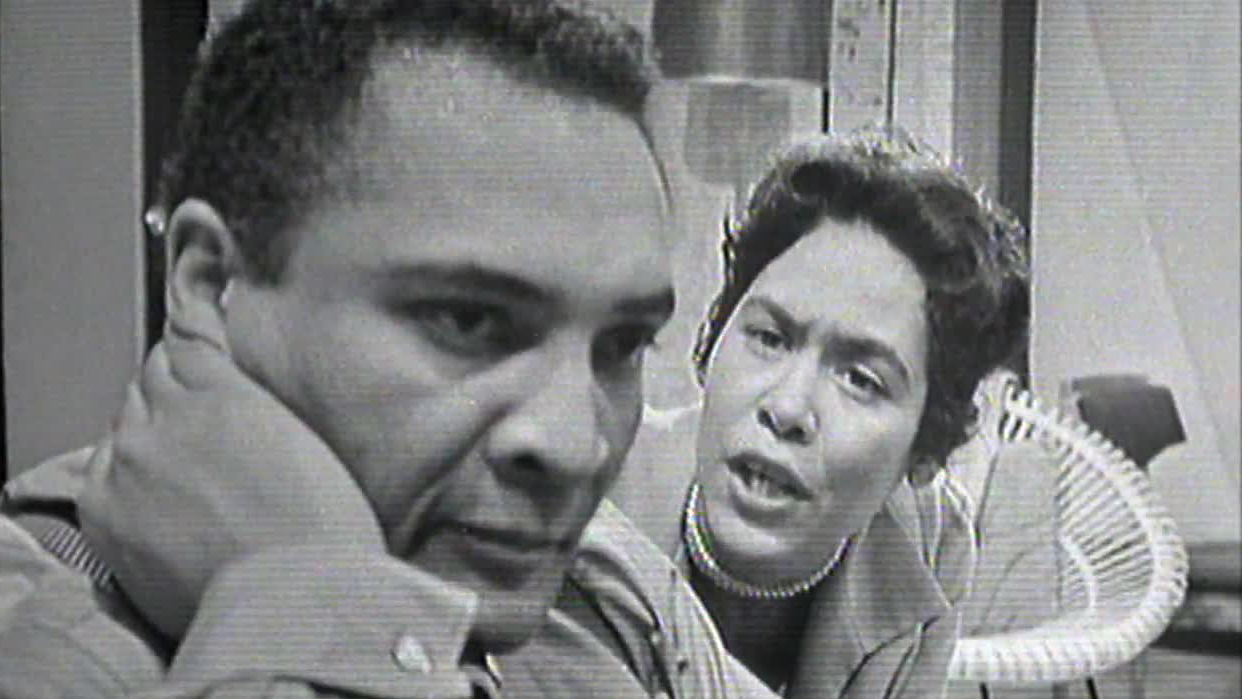
Ten Bob in Winter
- Westminster
- 1963
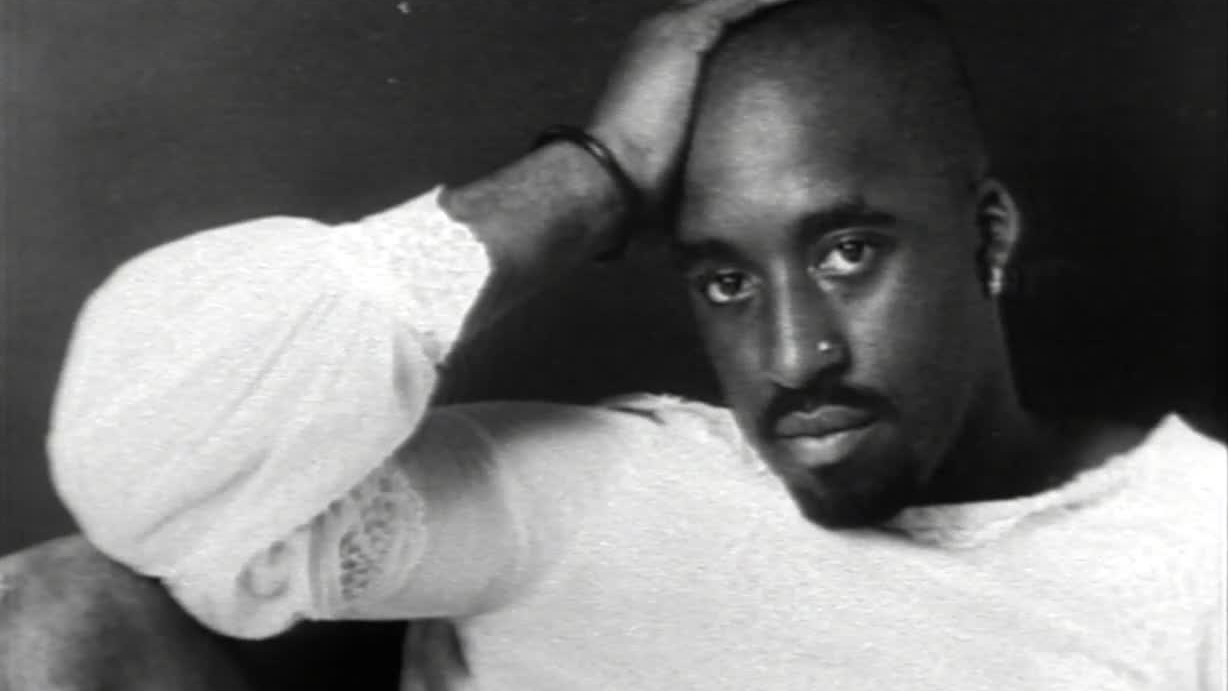
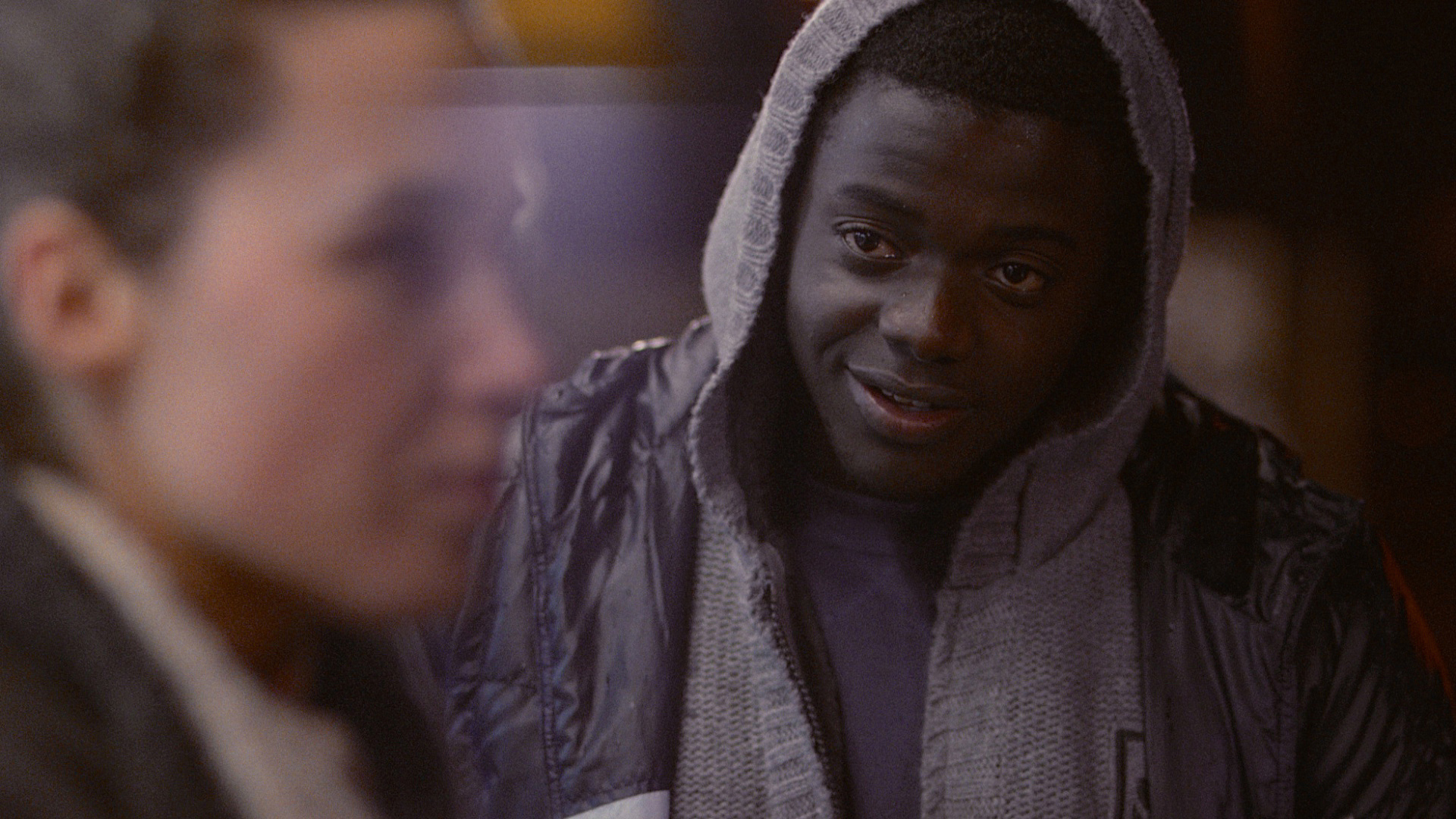
Black gay photographer Ajamu prepares to leave Brixton for an exhibition of his work in his hometown, Huddersfield.
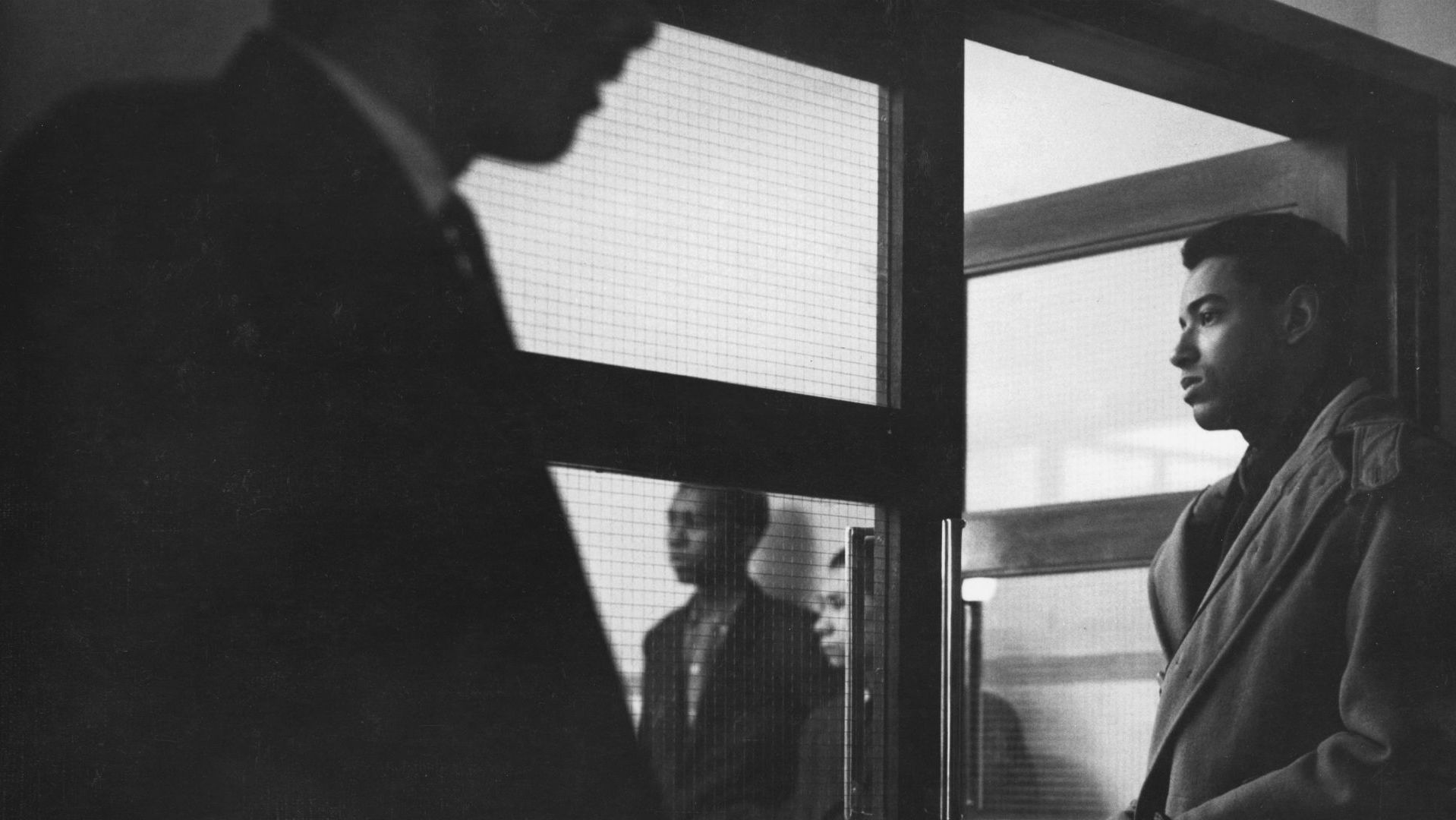
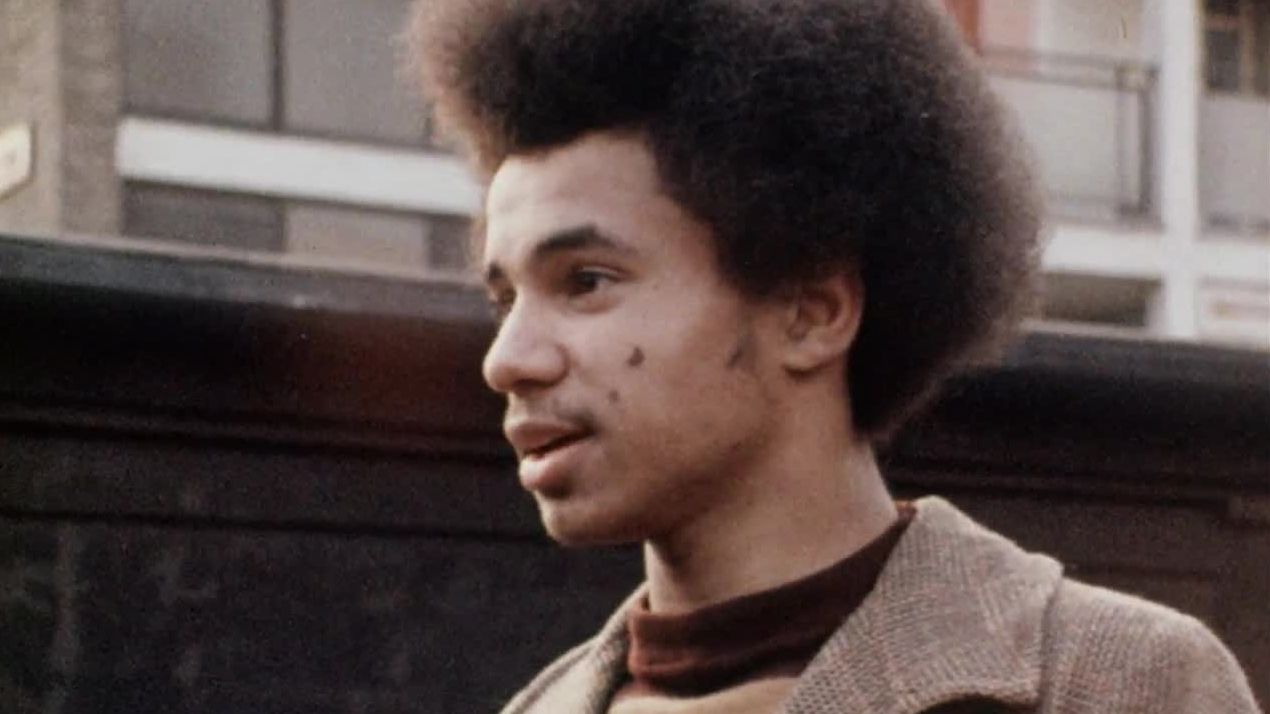
By the 1980s and 90s, Brixton had acquired a fearsome reputation as home to a rebellious black presence. This tough urban image also hid a thriving gay scene and arts movement, in which young photographer Ajamu Ikwe-Tyehimba was active. This energetic film traces Ajamu's jump from South London back to his hometown of Huddersfield, Yorkshire, for an exhibition of his work. Playing with and remixing images of black masculinity cross-cut with a "feminine gentleness", he attempts, as sociologist Stuart Hall describes, "to transcend both". Often explicit and very humorous, his approach is never dull, provoking controversy and shocked amusement in equal measure.
The film also boasts a visual feast of local landmarks that either no longer exist or have been altered beyond recognition - look out for the scenes under the arches of Brixton station. There's also a substantial line-up of interesting characters: apart from Stuart Hall, the film includes activist Michael Cadette (formerly of the Race Today collective established by Darcus Howe), leading black photographer David A. Bailey and a homophobic cameo from a very young and fresh-looking Terence Maynard (Coronation Street's Tony Stewart).
A selection of shorts and features by black writers and directors, from milestones of the 60s and 70s to contemporary hits.
For much of the history of British film and TV, black stories were overseen by white filmmakers. By the 1960s, black writers and directors were demanding to tell their own stories, in their own way. This collection celebrates the work of black storytellers who have enriched our understanding of the black British experience. Landmark features like Horace Ové's Pressure (1975) and Menelik Shabazz's Burning an Illusion (1981) stand beside earlier milestones in short filmmaking by Lionel Ngakane and Lloyd Reckord, and 1990s work by Isaac Julien and Julian Henriques. And you'll find hits by leading lights in new black British cinema, including Noel Clarke, Destiny Ekaragha and Debbie Tucker Green. The collection also highlights the work of Ngozi Onwurah, who became the first black British woman director to get a UK theatrical release with her extraordinary debut feature Welcome II the Terrordome (1995), a controversial dystopian fable unavailable for many years.