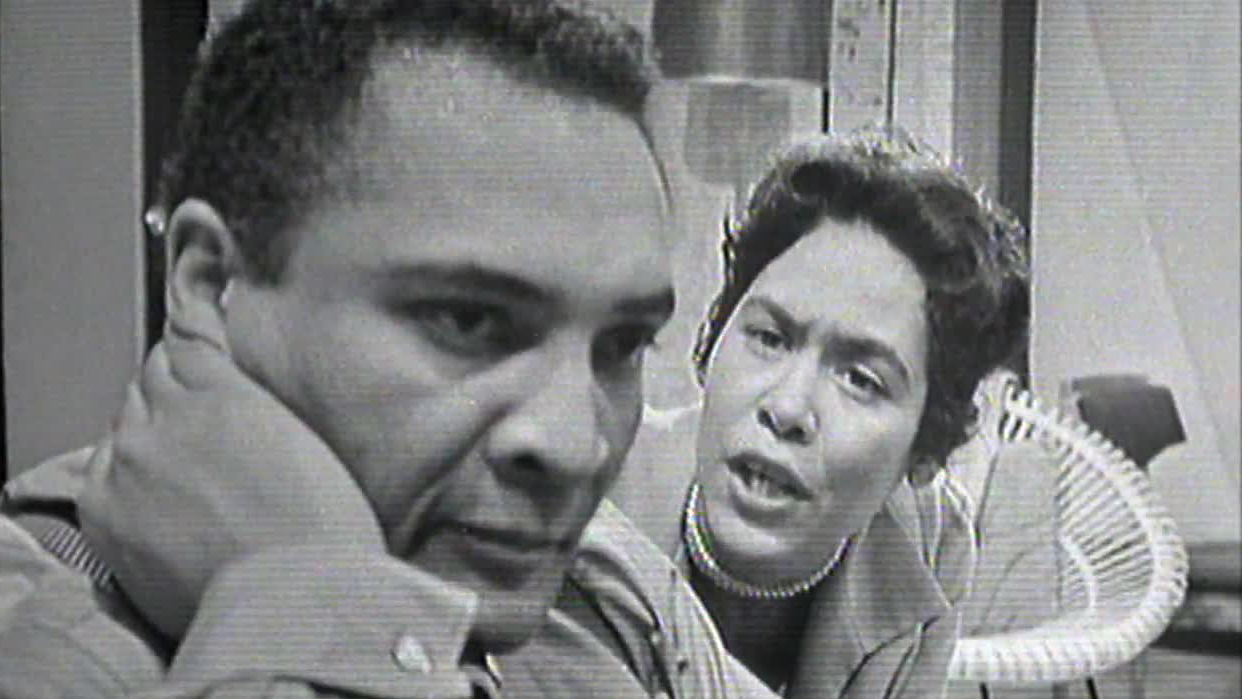
Ten Bob in Winter
- Westminster
- 1963
Touching short about the friendship between a white boy and a black girl in 1960s Notting Hill.
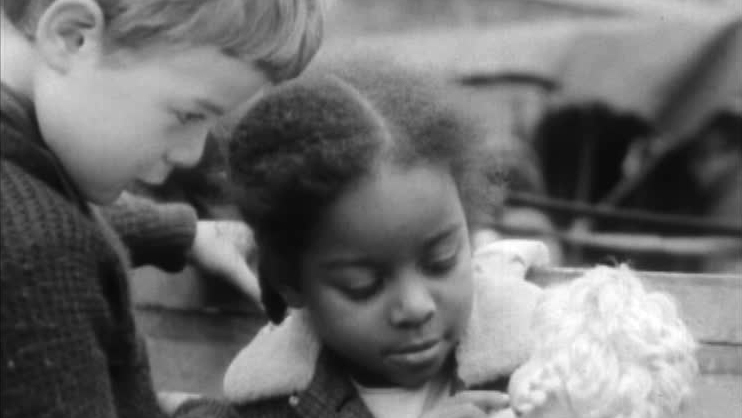
The friendship of a young white boy and a black girl reaches out across the generations in this uplifting mid-60s short, directed by South African-born actor and anti-Apartheid activist Lionel Ngakane. Against a background media narrative suggesting ever-worsening racial tensions, Jemima + Johnny offered a refreshingly optimistic take on black/white relations in a post-riots Notting Hill. Jemima + Johnny won its director an award at the 1966 Venice Film Festival, the first black British film to be so honoured.
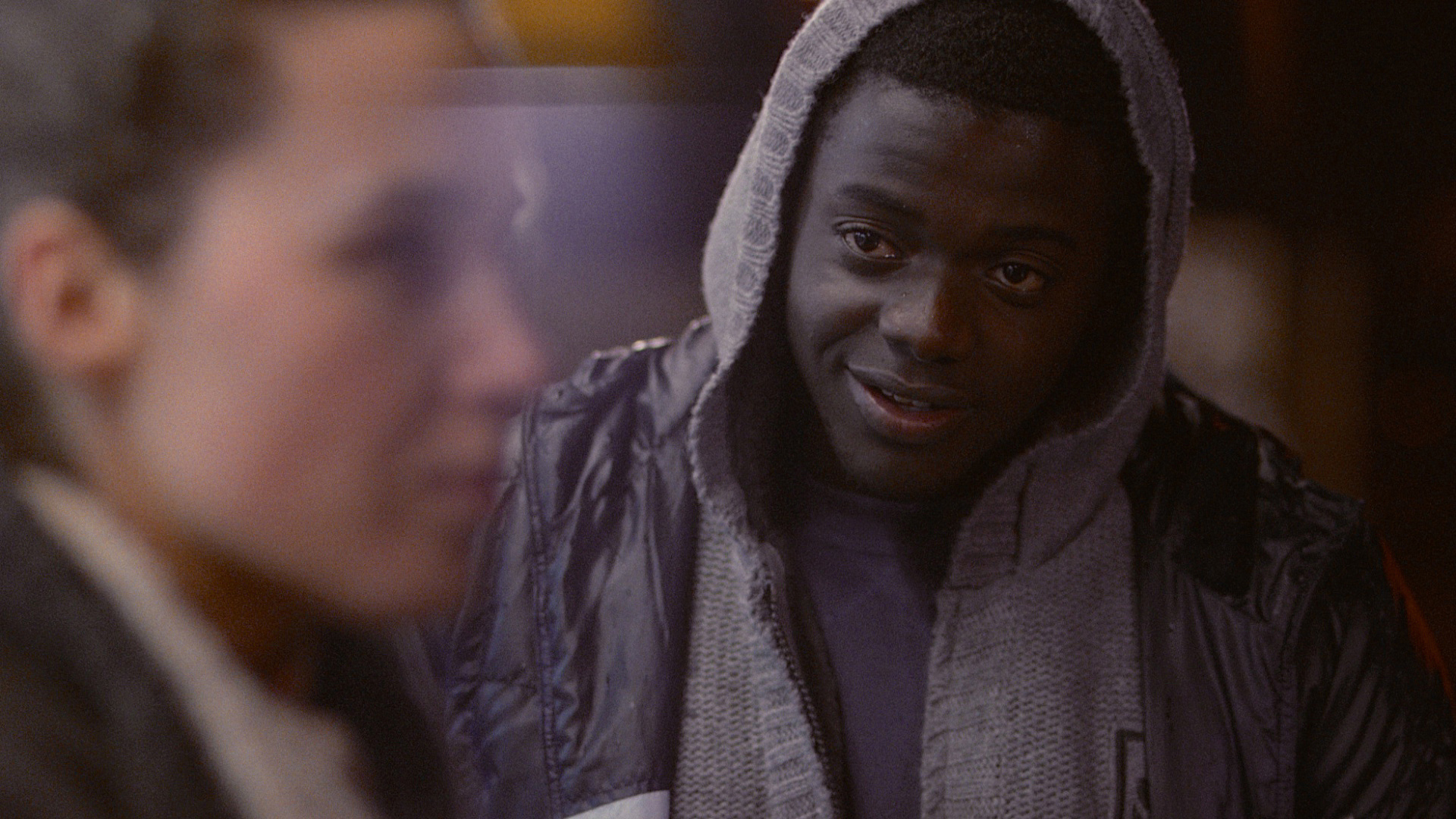
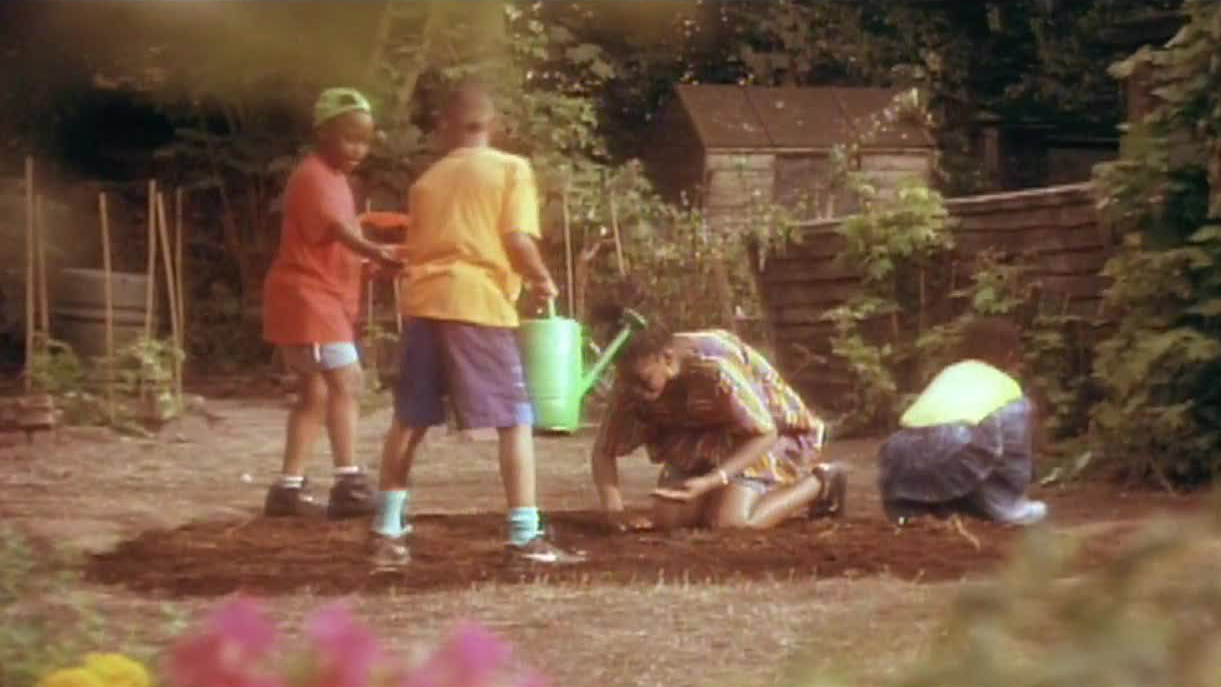
When five-year-old white boy Johnny meets Jemima, fresh off the boat from Jamaica, he leads her on a wide-eyed tour of the local neighbourhood. But when the children recklessly make their den in a derelict house, their peril causes Johnny's father to question his racist views.
A selection of shorts and features by black writers and directors, from milestones of the 60s and 70s to contemporary hits.
For much of the history of British film and TV, black stories were overseen by white filmmakers. By the 1960s, black writers and directors were demanding to tell their own stories, in their own way. This collection celebrates the work of black storytellers who have enriched our understanding of the black British experience. Landmark features like Horace Ové's Pressure (1975) and Menelik Shabazz's Burning an Illusion (1981) stand beside earlier milestones in short filmmaking by Lionel Ngakane and Lloyd Reckord, and 1990s work by Isaac Julien and Julian Henriques. And you'll find hits by leading lights in new black British cinema, including Noel Clarke, Destiny Ekaragha and Debbie Tucker Green. The collection also highlights the work of Ngozi Onwurah, who became the first black British woman director to get a UK theatrical release with her extraordinary debut feature Welcome II the Terrordome (1995), a controversial dystopian fable unavailable for many years.