Bright young things thereto plight troth in a society wedding.
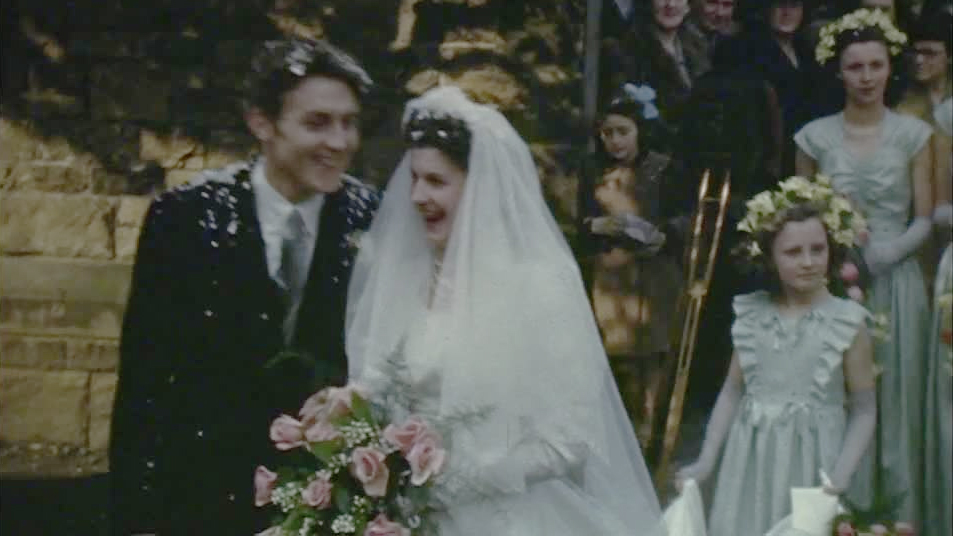
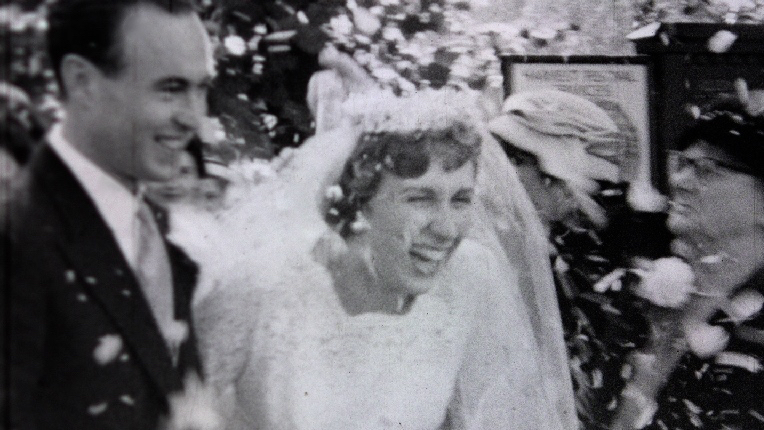
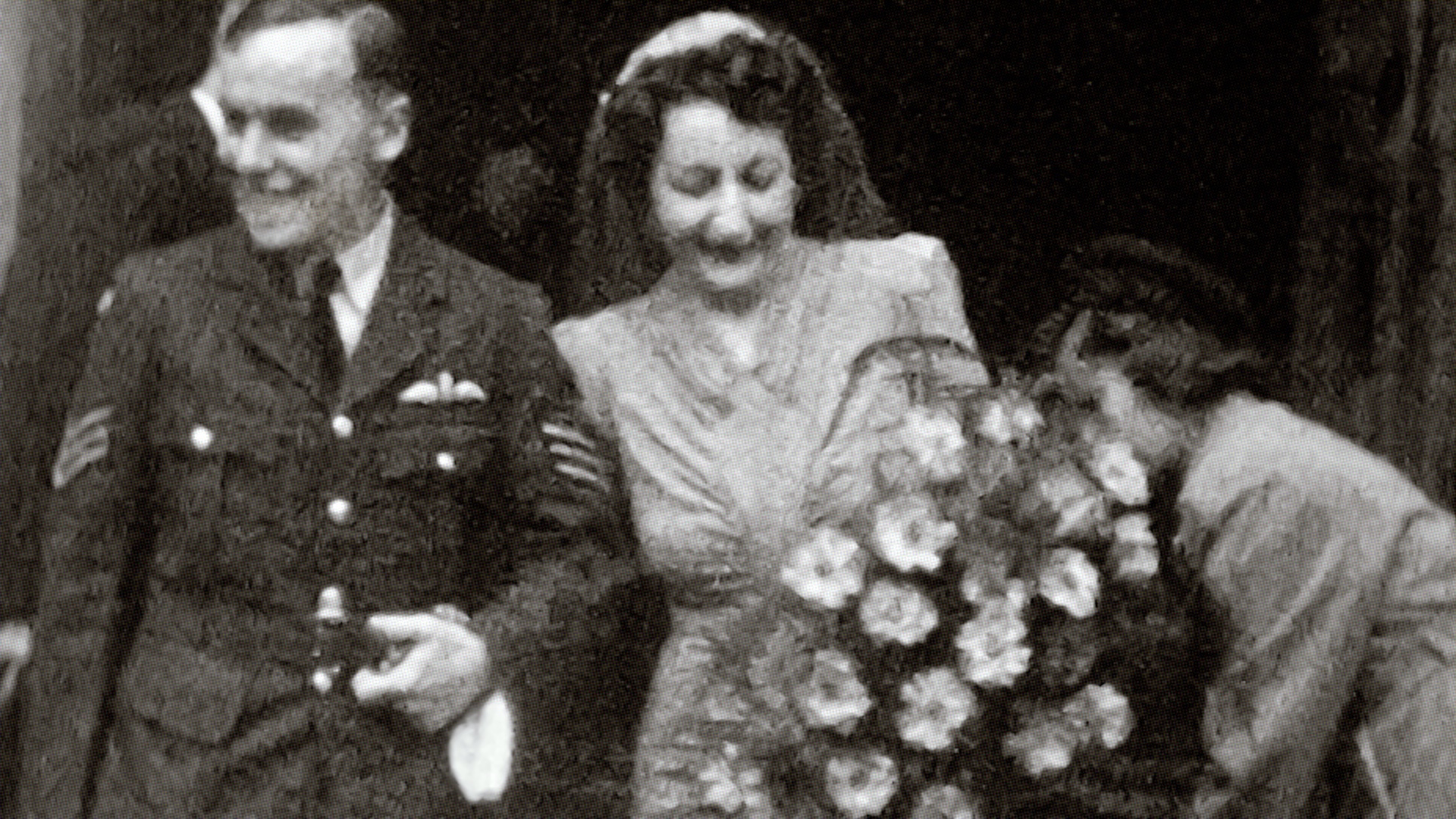
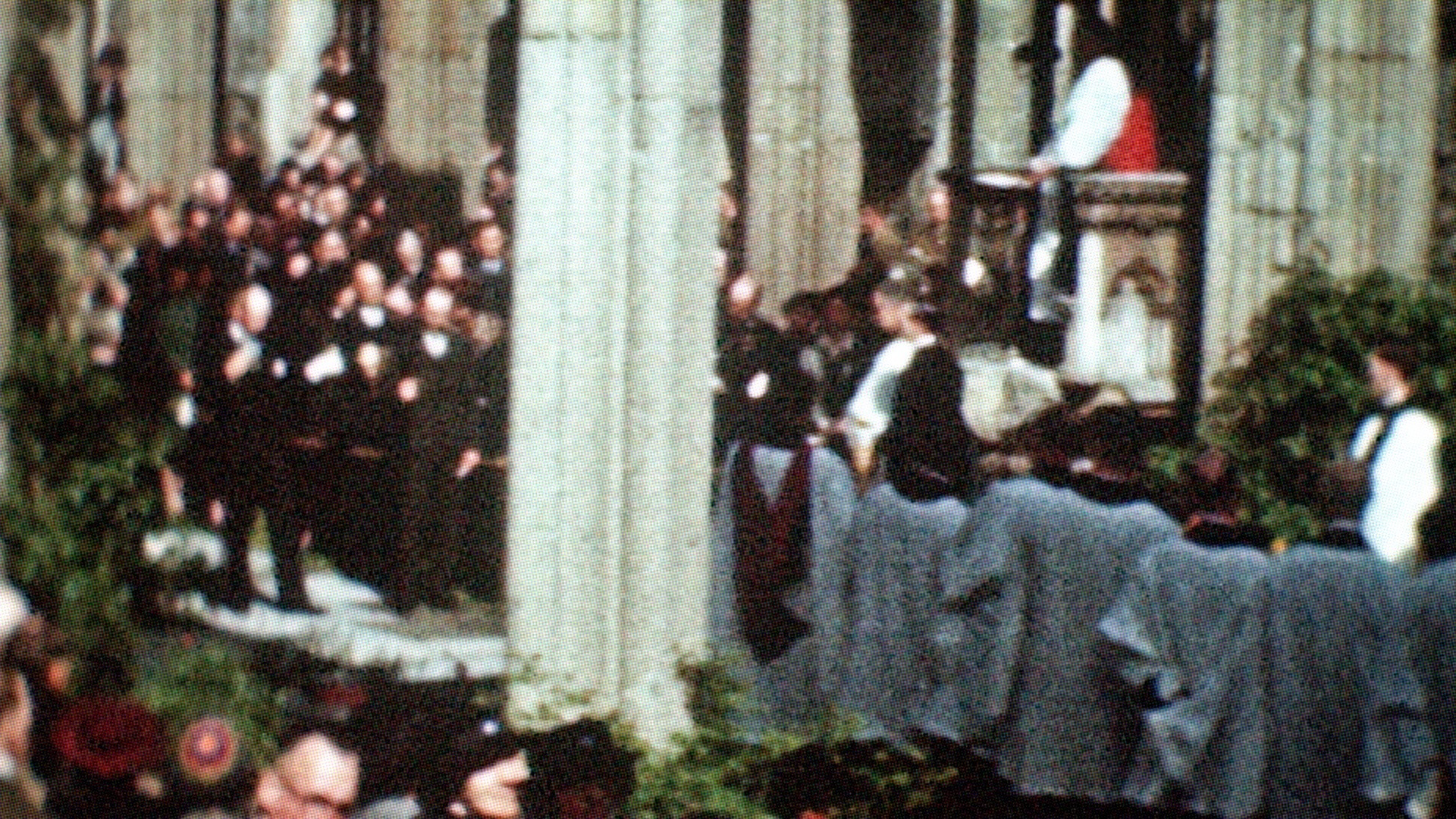
This society wedding shows the veiled bride accompanied by her father suited in a morning suit of top hat, tails and booted in spats. Spats came from the word spatterdashes or spatter guards and sought to protect shoes from mud or rain. This fashion changed in the second half of the 1920s when King George V stopped wearing them.
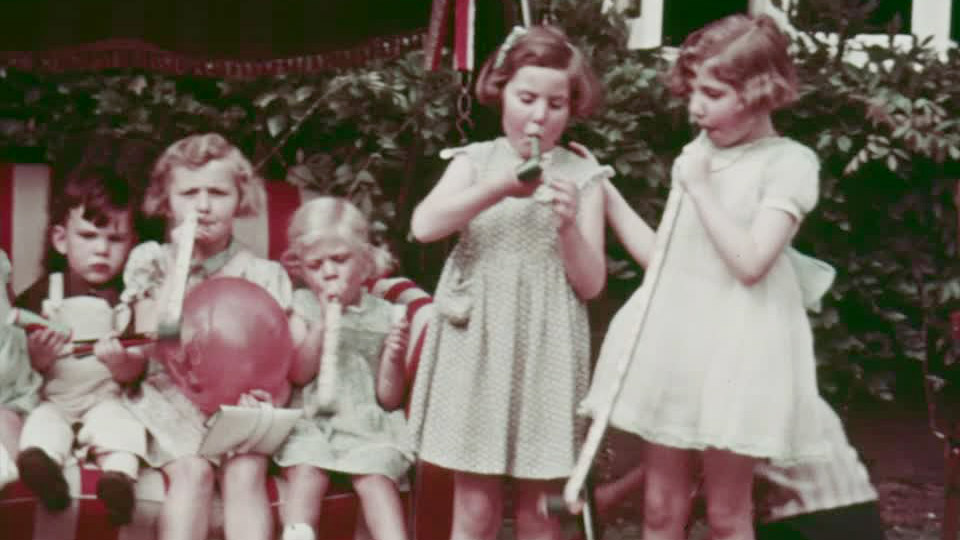
The bride is offered a bouquet of wheat sheaves from the summer harvest representing fertility. Some excellent fashion is on show in this film with fur trim draping over shoulders in the shape of a fox but mink, possum, raccoon, seal, fox, sable, and beaver were all popular with the upper classes. This is a home movie shot on 16mm film at a time when amateur filmmaking is in its infancy and becoming popular with upper class enthusiasts. The Bright Young Things included artists and authors from aristocratic or moneyed backgrounds typified by F. Scott Fitzgerald's novel The Great Gatsby (1925) and became infamous as a decadent party-going set influenced by jazz, drink, drugs and sex.