Screen Archive South East at the University of Brighton collects, preserves, catalogues and provides public access to its collection of films and magic lantern slides. The collection charts the rise of screen culture in the region and the nation and captures many aspects of life, work and creativity in the South East from the late 19th century to the present day. It is available for research, screenings, creative re-use and commercial access.
The Summer Palace Beijing and Tsientsin
Dancing bears and camels feature in views of Beijing's Summer Palace in the late 1920s filmed by an expat couple who are later seen enjoying a traditional Chinese meal.
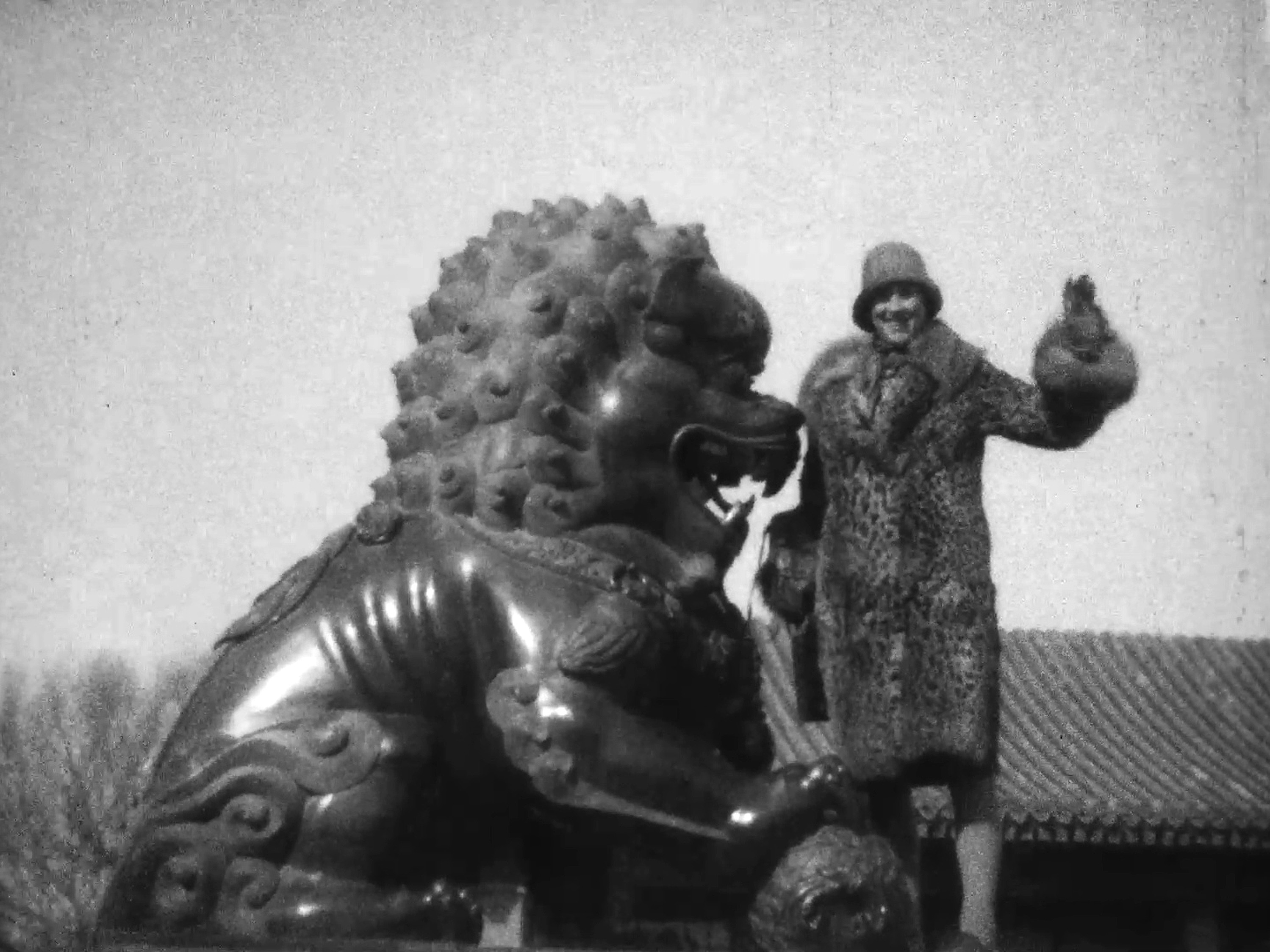
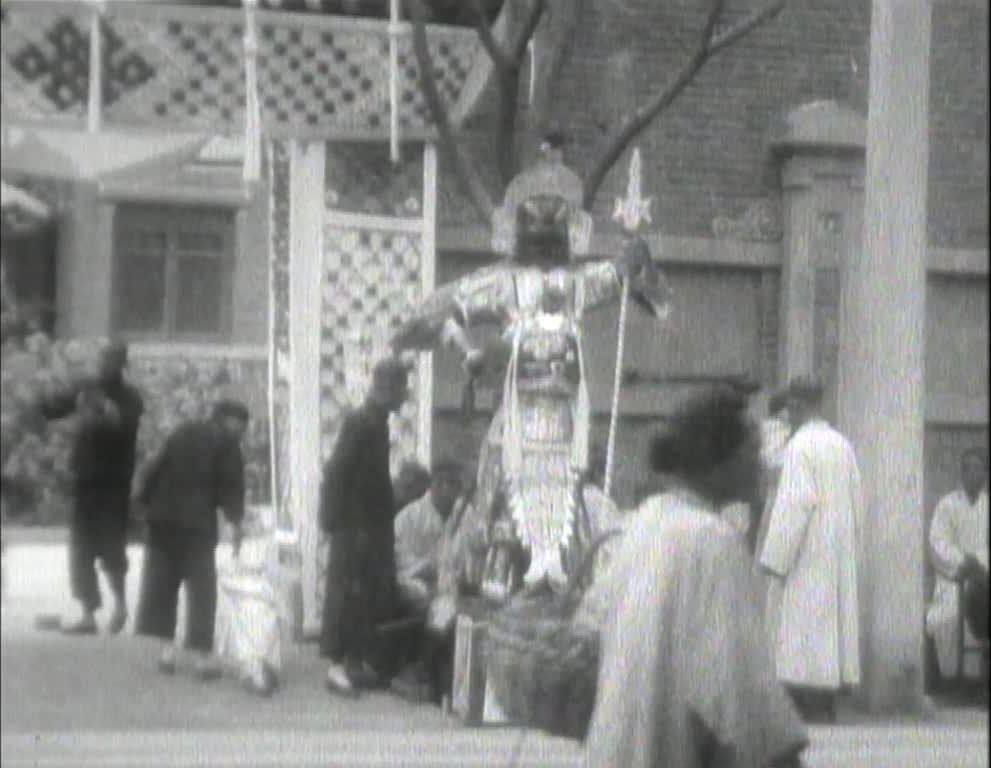
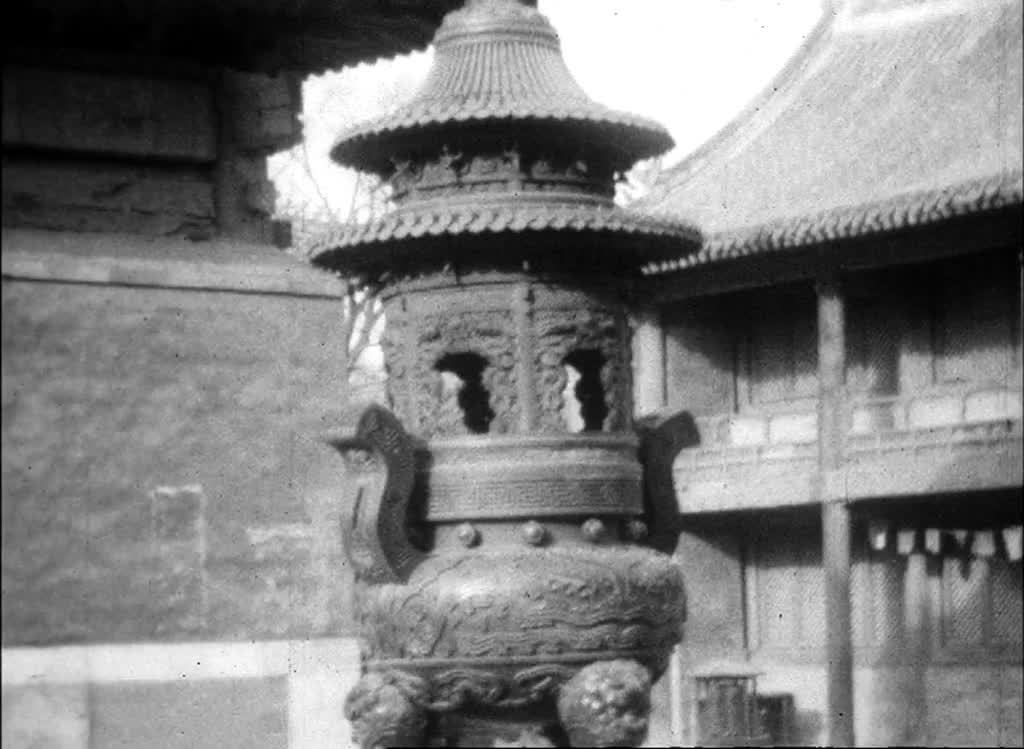
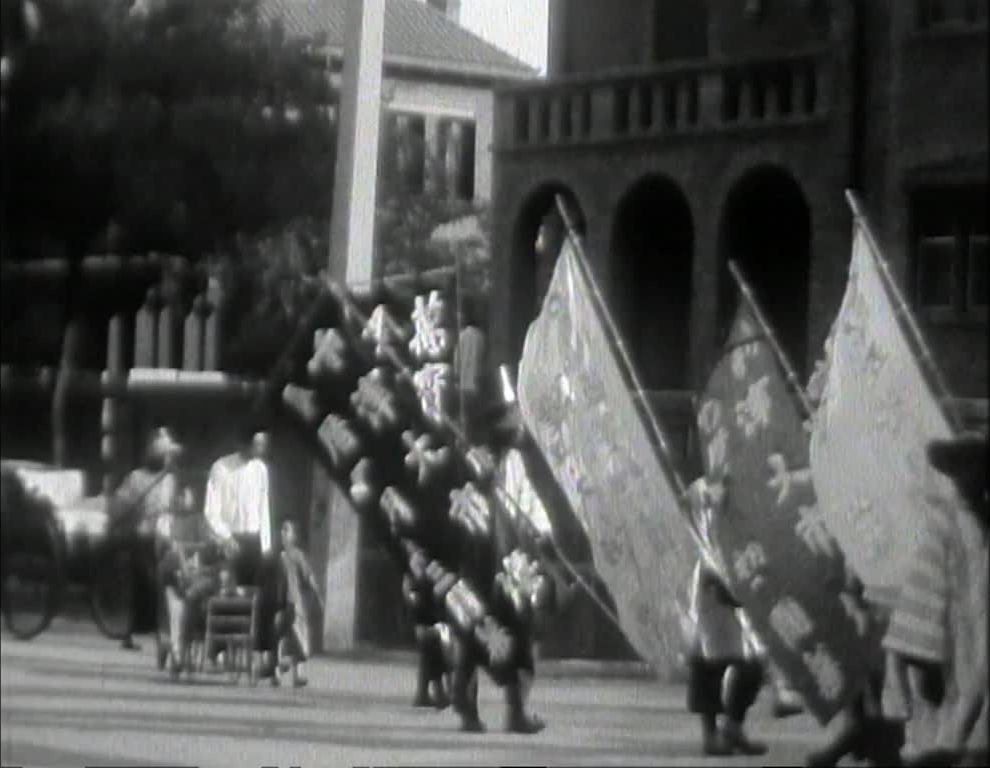
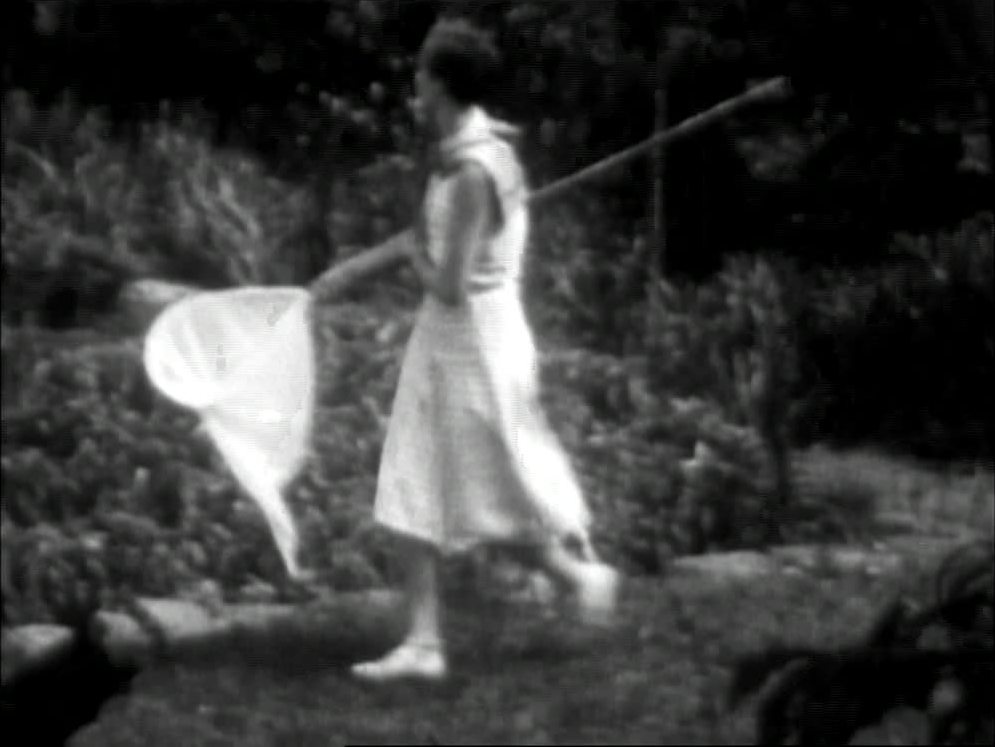
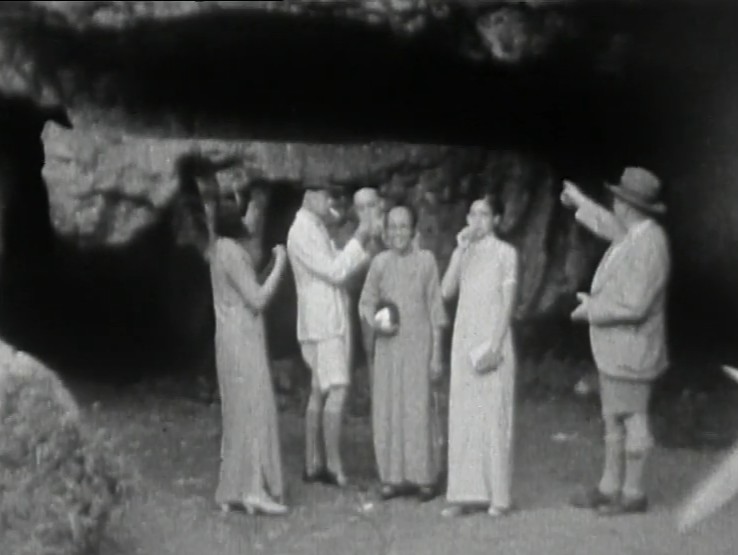
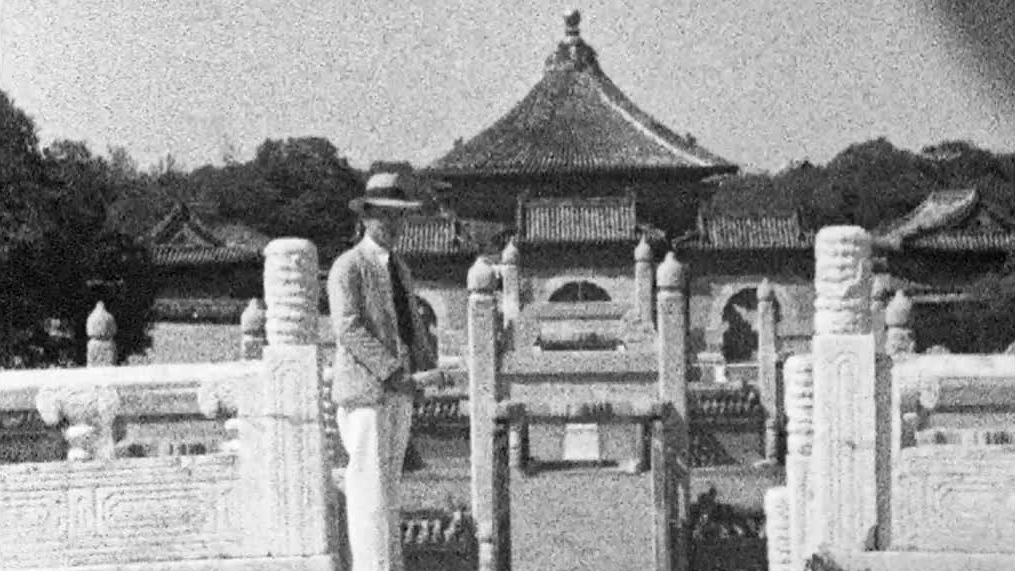
This film begins with a performing bear and a line of Bactrian camels before depicting scenes of Beijing's Summer Palace, Longevity Hill and Kunming Lake. The filmmaker's spouse, Charlotte Simpson, walks among buildings and sculptures before being seen enjoying a traditional Chinese meal. The film switches to a garden where the Simpsons and a colleague have fun enacting an award ceremony. The final shot shows a sign in Mandarin Baihua script advertising dyed fabrics.
William Simpson, who made this film, worked for the Bradford Dyers Association in Shanghai, at Number 1, The Bund. His wife Charlotte was born in China's Lushan mountains and she married William, who originally came from Bradford, in Shanghai's St Ignatius Roman Catholic Cathedral. The couple left Shanghai before the city was overrun by the Japanese Army and by 1938 had left China for good.
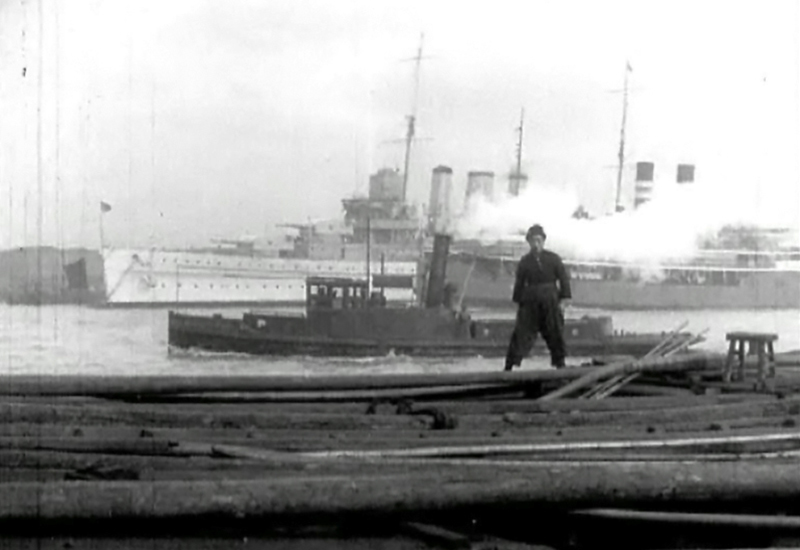
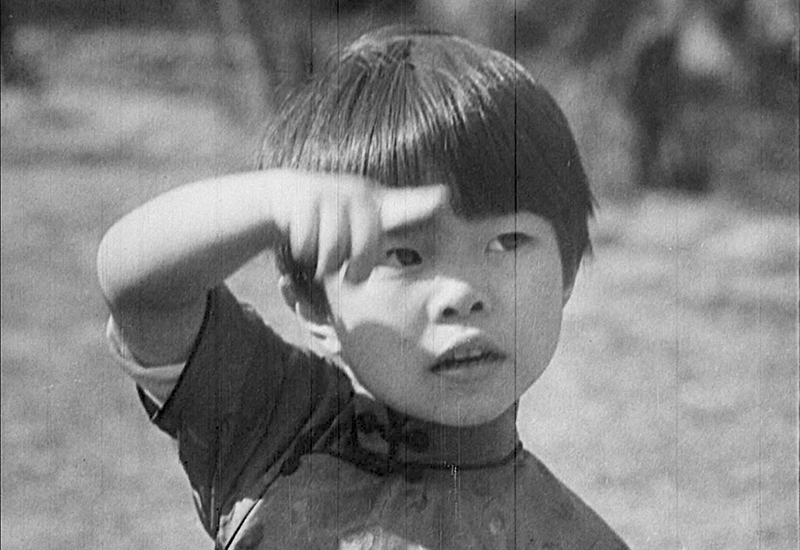
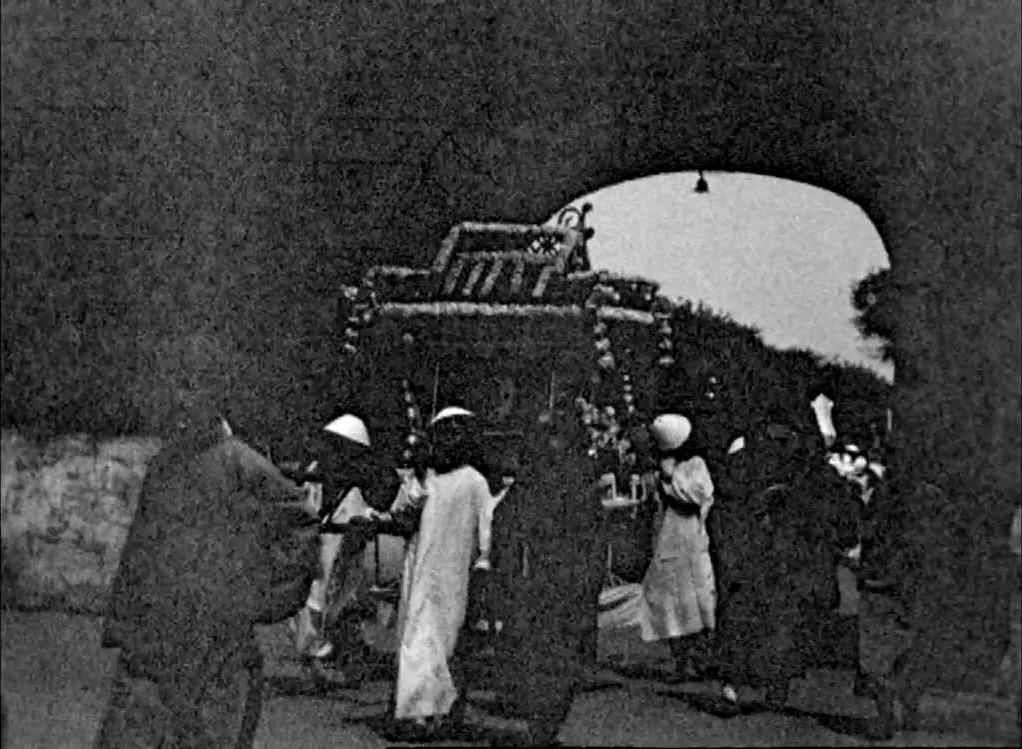
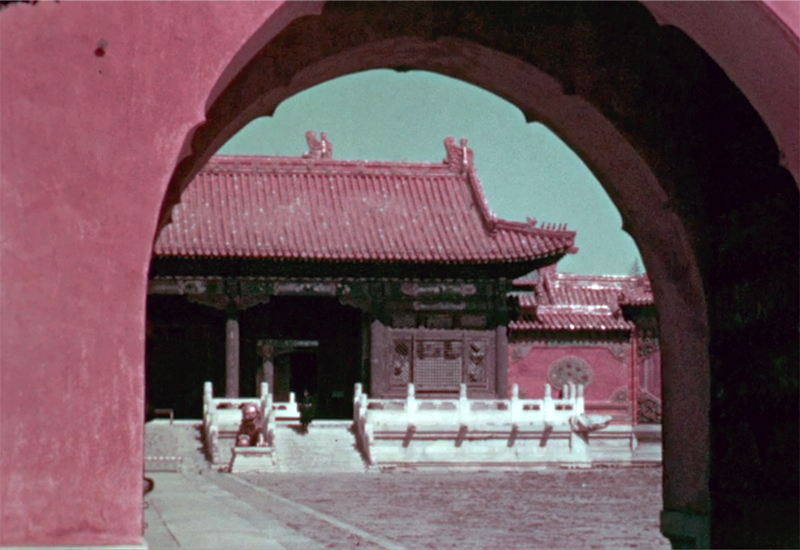
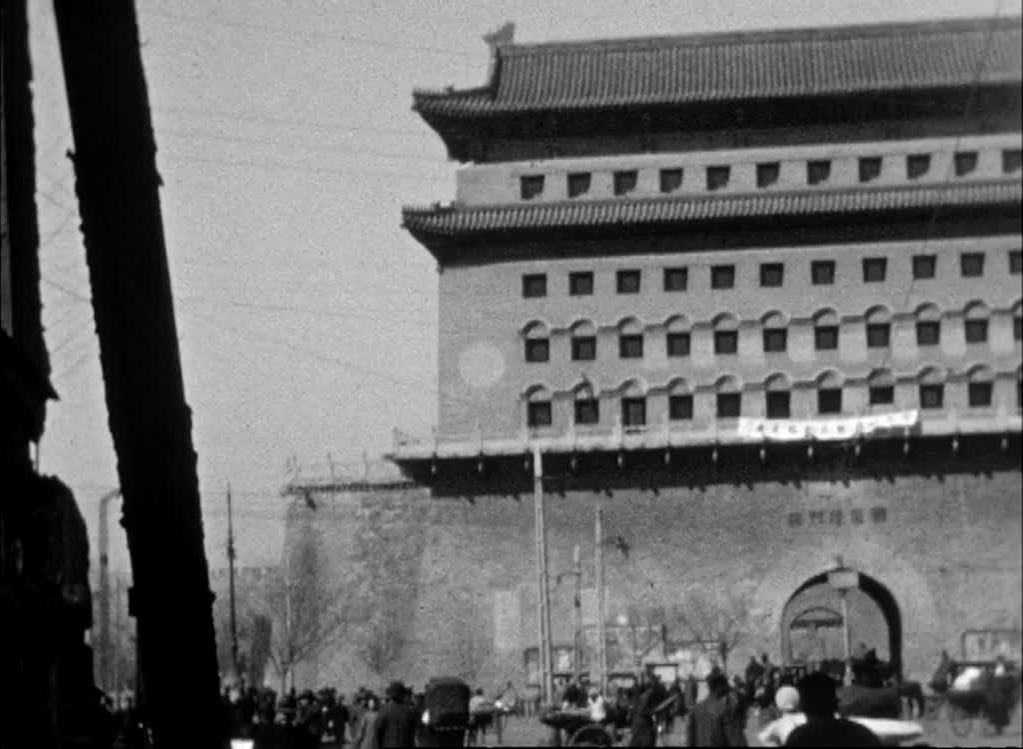
Beijing's ancient streets and palaces come alive in a collection of fascinating and often beautiful travelogues and home movies shot between 1908 and 1939.
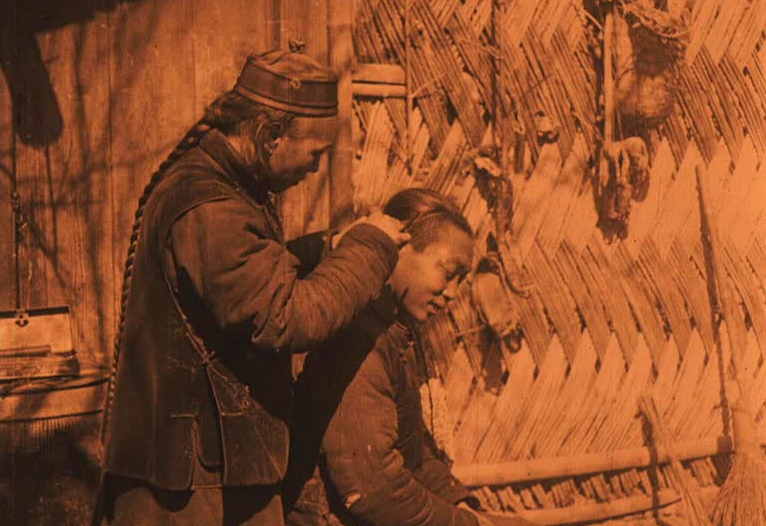
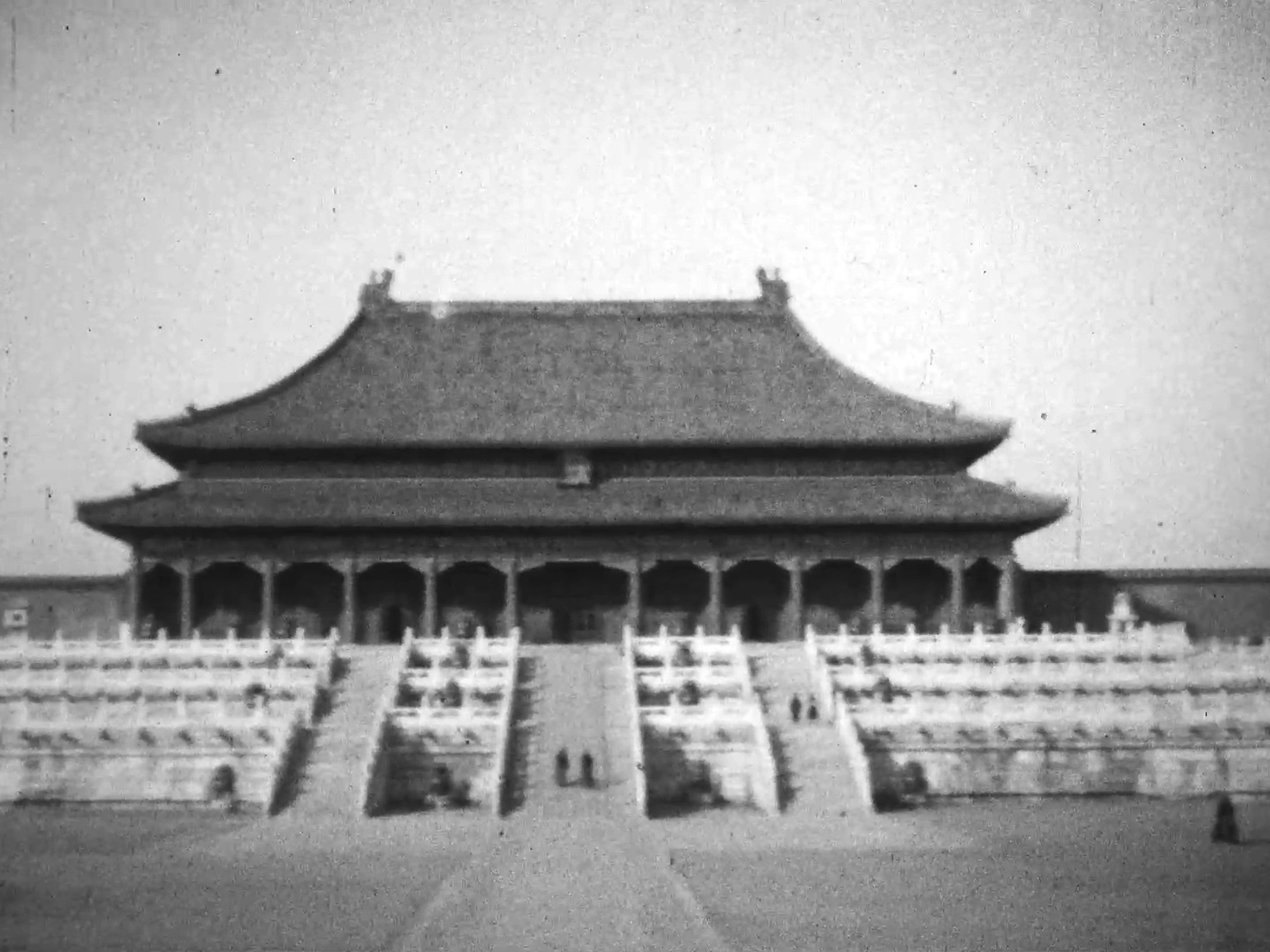
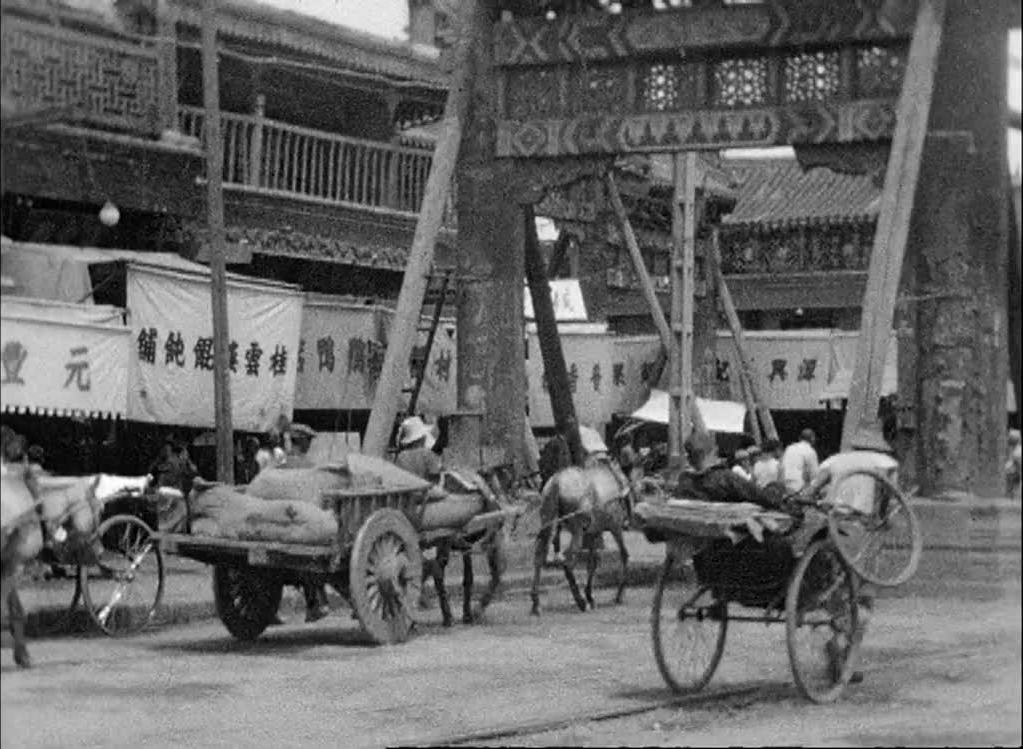
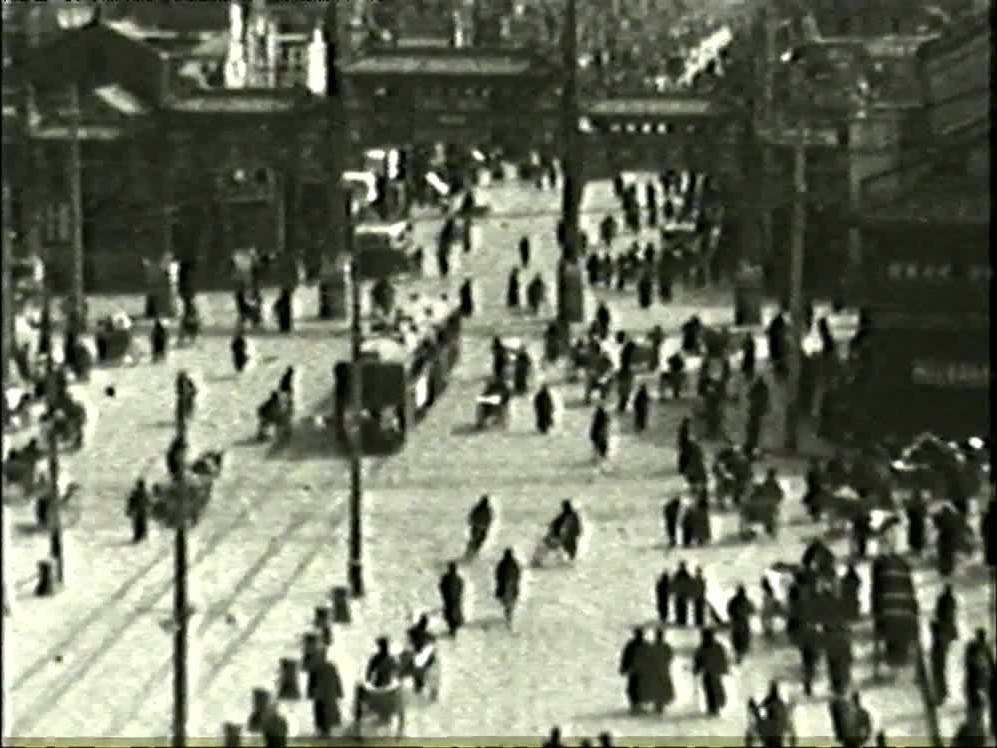
Beijing has been at the heart of China's political and cultural life for almost a thousand years. Though much of its ancient fabric is preserved, swathes of the city were lost in decades of urban regeneration projects. So these films from the first half of the 20th century open a window on to the city's lost past. Chinese filmmakers weren't active when the earliest films of Beijing (then known as Peking) were made, so these British and European films are among the only moving images of that time.
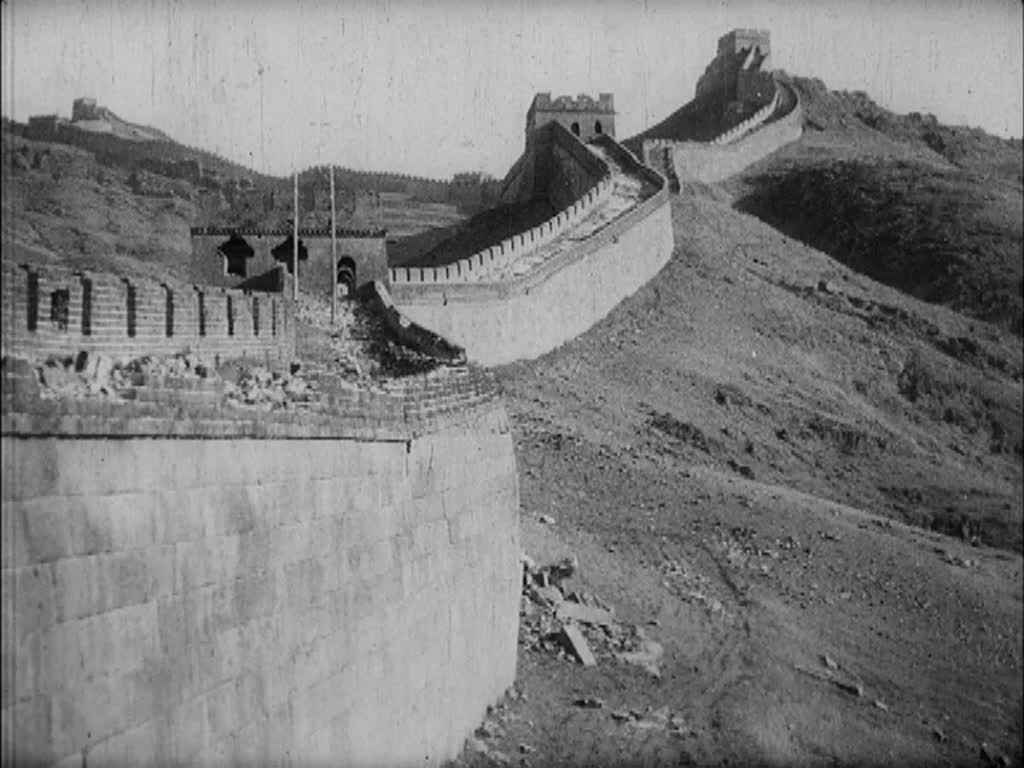
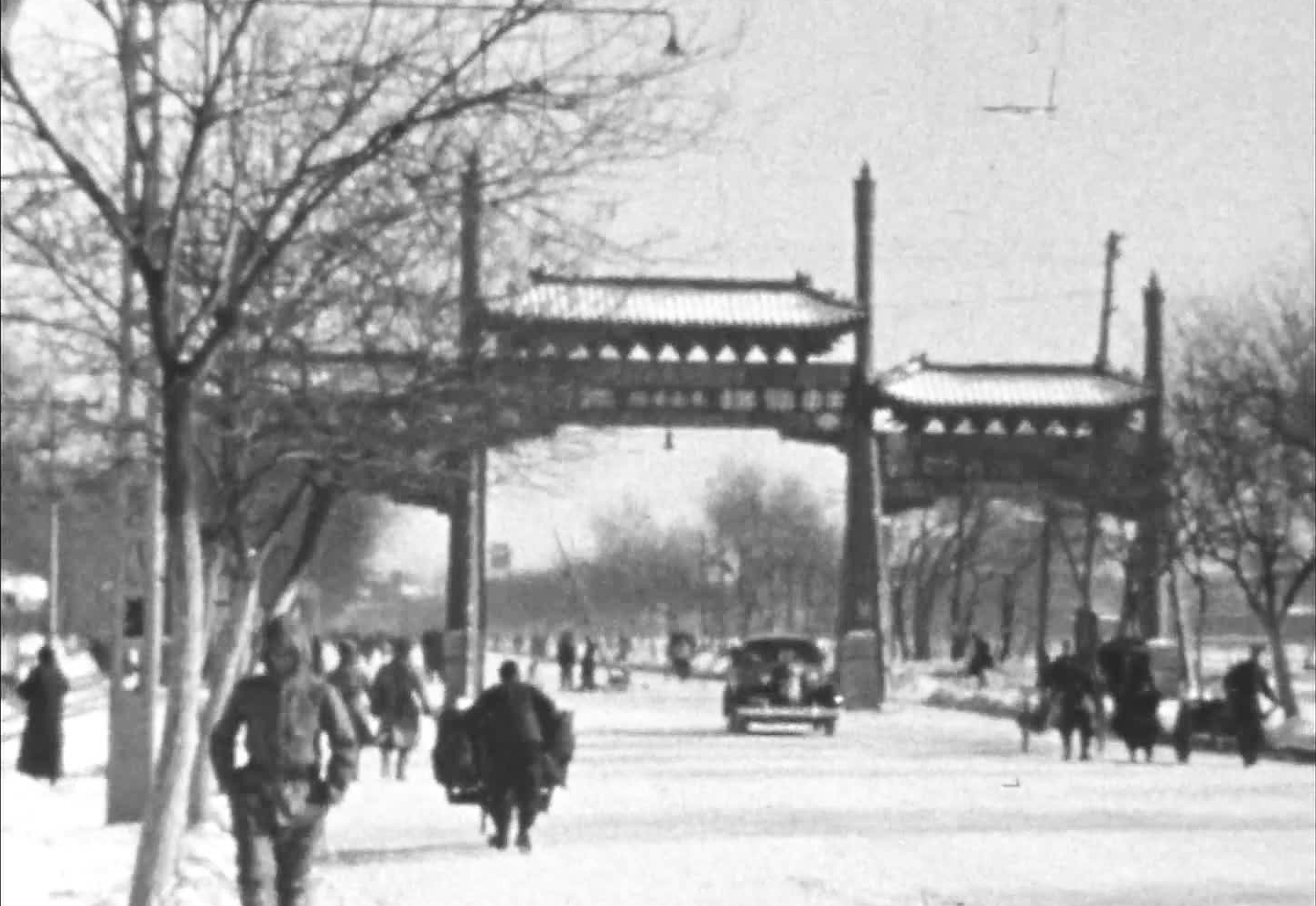
Thanks to these pioneering cameramen, we can witness everyday life in the last years of the Qing dynasty, make our way from the European quarter of the city to the magnificent Forbidden Palace and the bustling Grand Canal, or roam the streets around the Qianmen gate. These often amateur cinematographers offer us a fresh look at a majestic and complex city, from the palaces and pagodas of Beihai Park, a trek around the Great Wall with intrepid honeymooners, to a cruise down the Grand Canal to Shanghai. This may be a Beijing seen through western eyes, but they are the eyes of a rapt enthusiast, not a jaded tour guide.
26 videos in this collection
Modern China
Beijing
1910
Peking and Its Surroundings
Qinglongqiao
1910
Beijing - Coal Hill Street Scenes and the Forbidden City
Beijing
1938
A Visit to Beijing and the Forbidden City
Beijing
1929
My Oriental Friends, From Penang to Peking
Hong Kong
1923
The Summer Palace Beijing and Tsientsin
Beijing
1929
Wanderings in Peking
Taimiao (Imperial Ancestral Temple)
1939
This Is China
1946
Wedding Procession - China C1932/33
1932
A Visit to China
Forbidden City
1938
Beijing - Palaces and Temples
Beijing
1938
Forbidden City
Forbidden City
1933
Street Scenes - Peking and Shanghai
Beijing
1933
Peking
Tiantan (Temple of Heaven)
1937
Chinese Funeral - Ownsworth Personal Film - C.1927
1927
China
Forbidden City
1928
China Today
Guangzhou
1936
Tientsin Street Scenes 1 - Ownsworth Personal Film - 1929
Tianjin
1929
Tientsin Street Scenes 2 - Ownsworth Personal Film - 1929
Tianjin
1929
John Mills Collection Film 37 - China/Hayley-Bells
1929
City Streets; Funeral; Rural Scenes - China, C1932/33
1933
Street Scenes in China
Beijing
1925
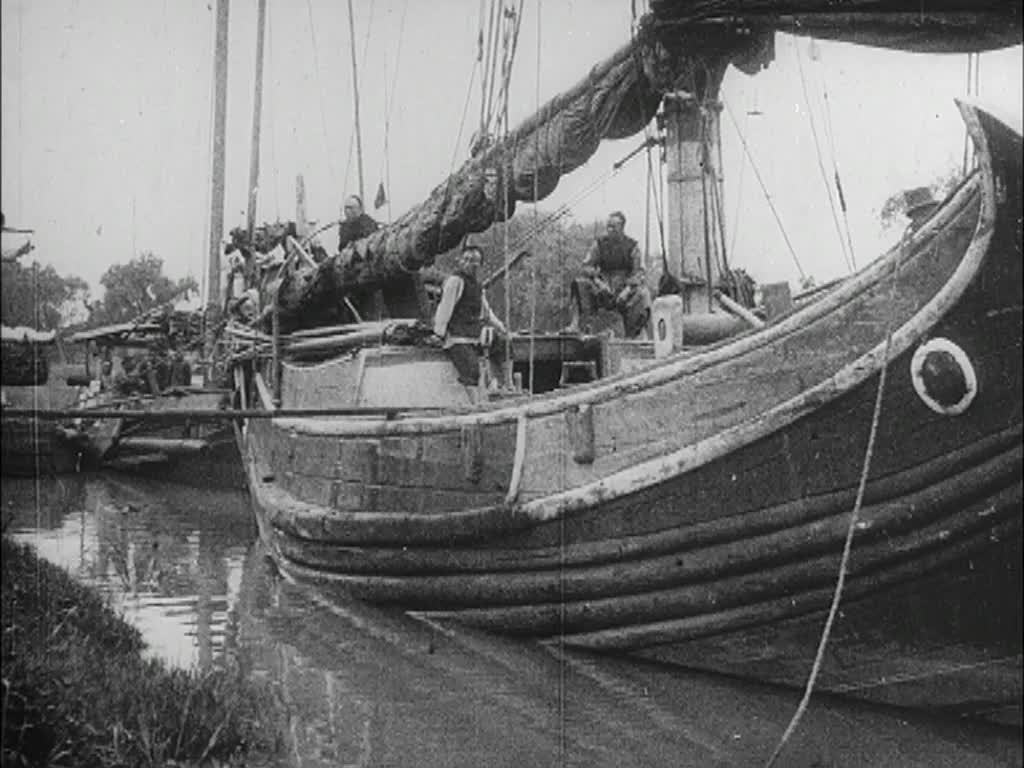
In China - A Trip on the Imperial Canal
Shanghai
1908
Beijing / Shantou Extract - Eng Personal Film - C.1932