Modern China
- Beijing
- 1910
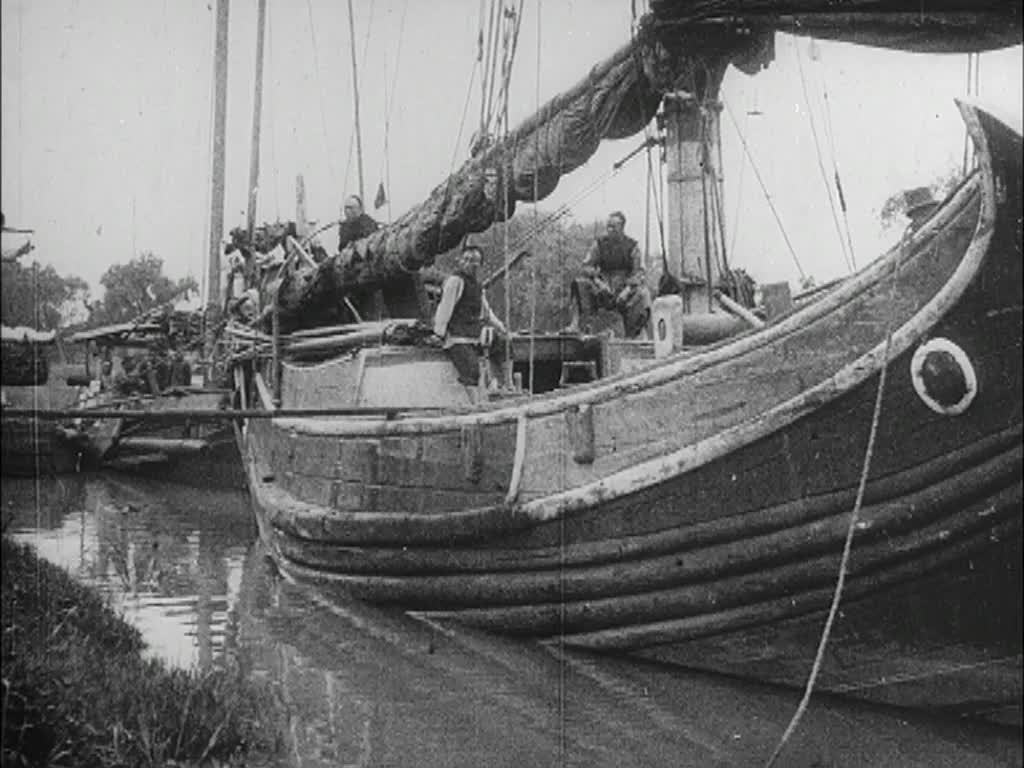
Take a cruise through imperial China on the world's longest man-made waterway, the Grand Canal.
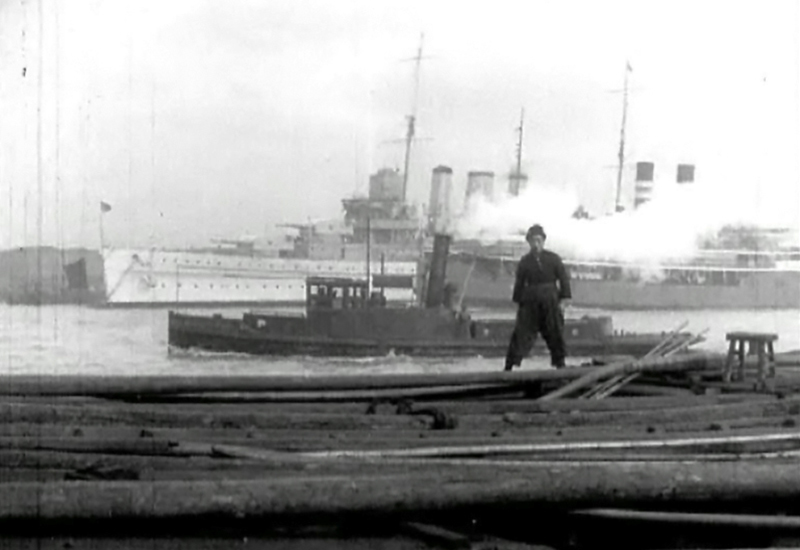
Take a cruise through late-Qing-dynasty China on the world's longest man-made waterway, the Grand Canal, with this Pathé travelogue. Sights along the way include a pair of ingenious machines for irrigating the paddy fields (one powered by a water buffalo); the arduous loading of a ship with salt, basket by basket; and quayside scenes at Shanghai's busy harbour.
The production company, Pathé, was one of several European and American companies working in China during the late Qing dynasty (before 1912). Their films capture the lost life and landscape of this ancient country.
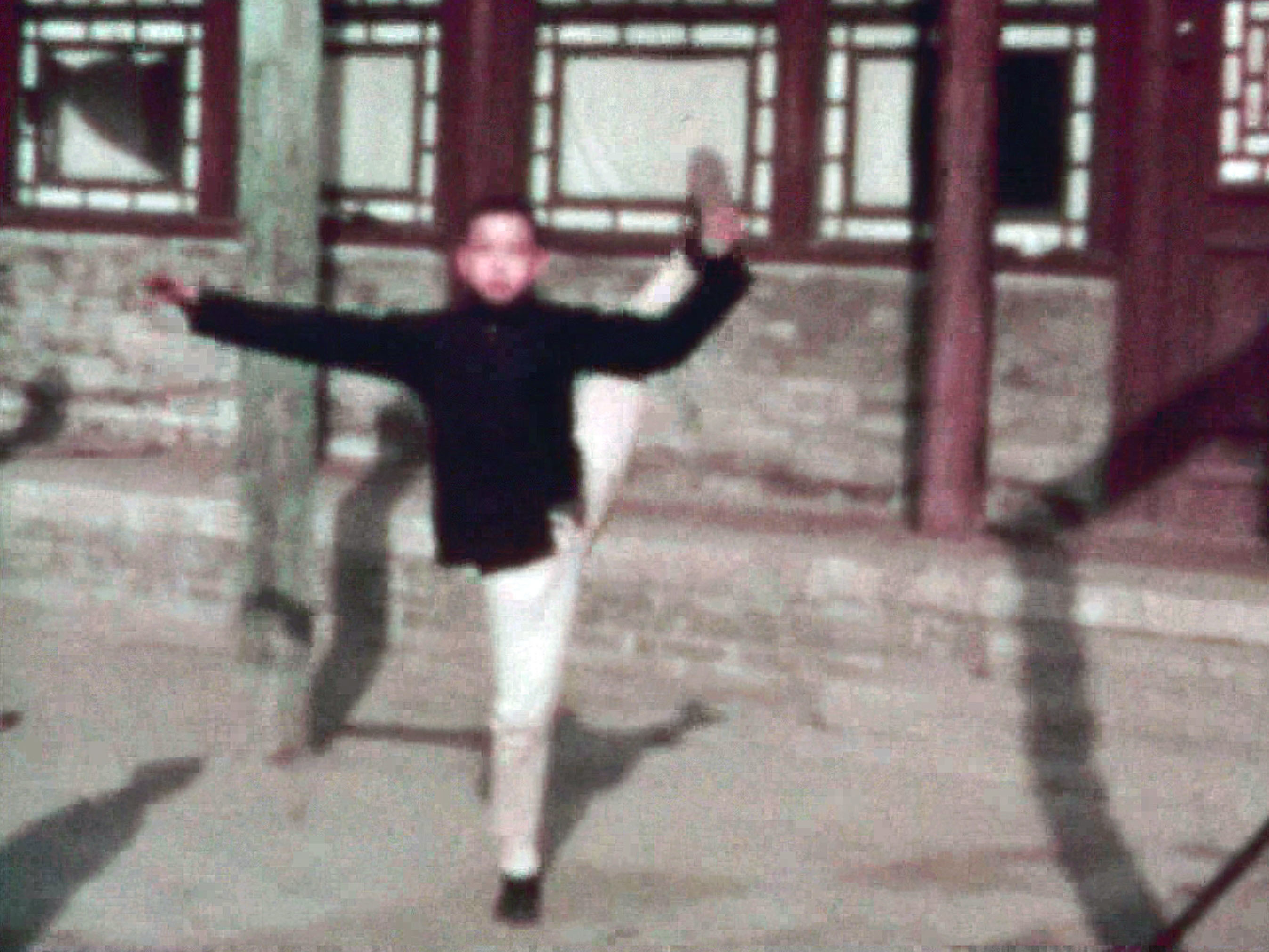
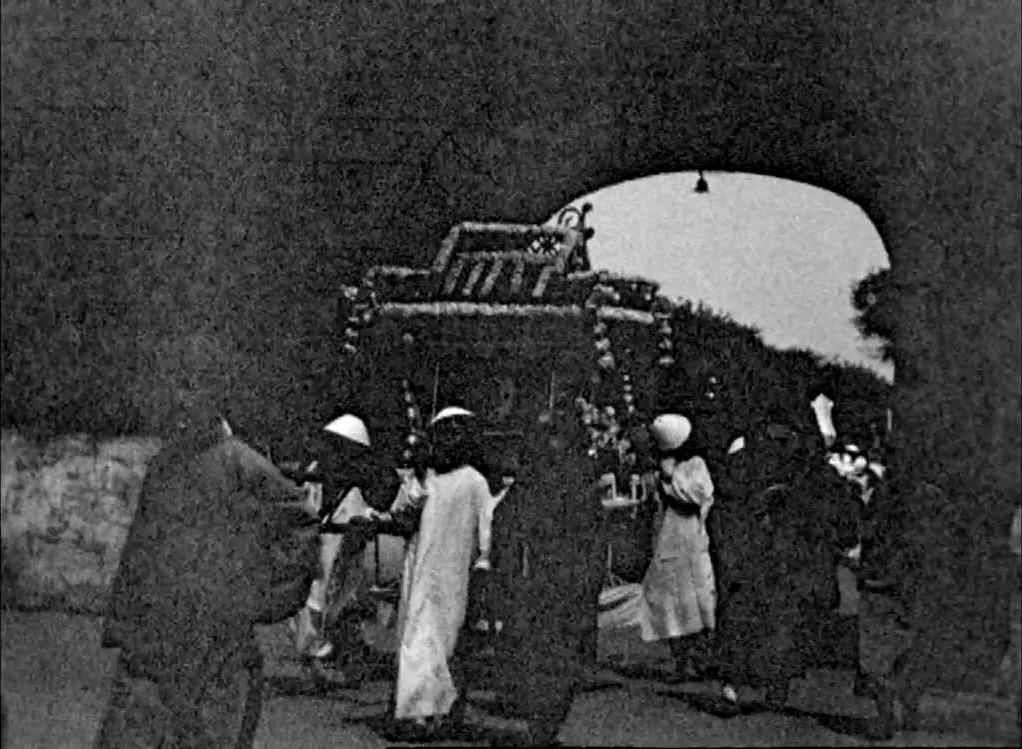
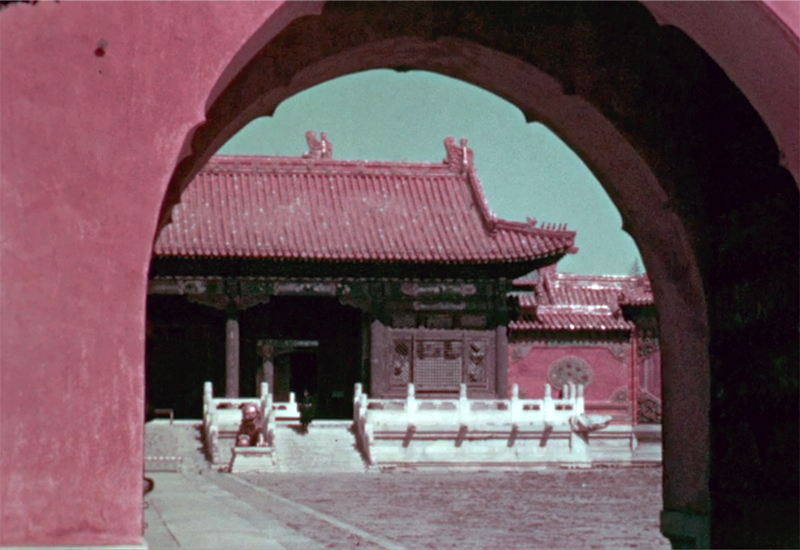
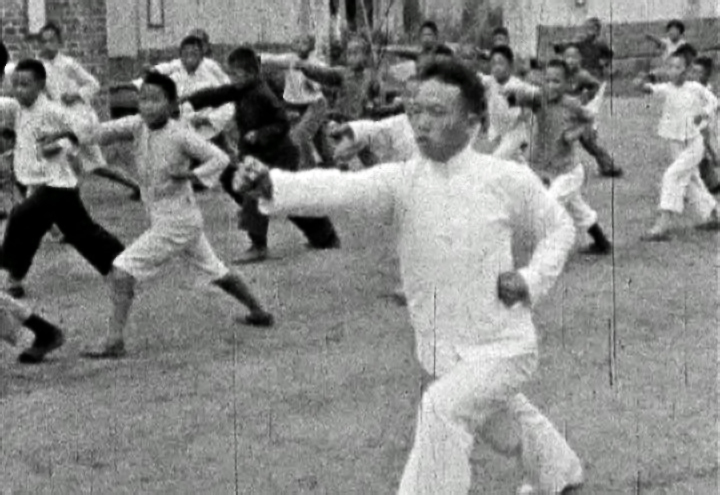
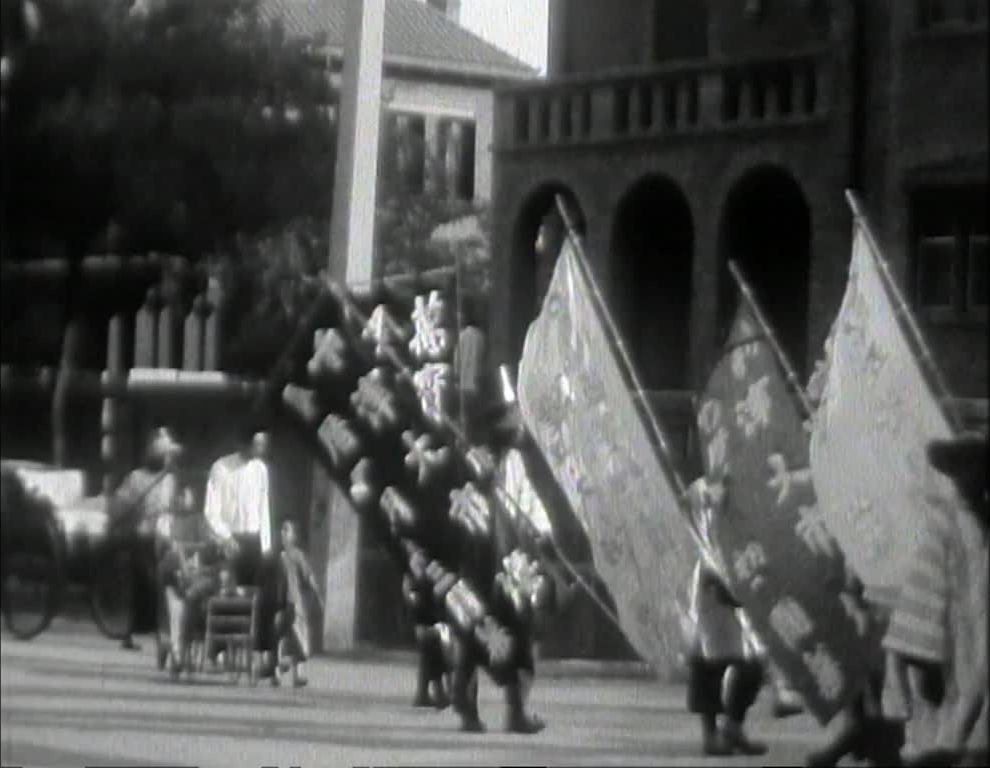
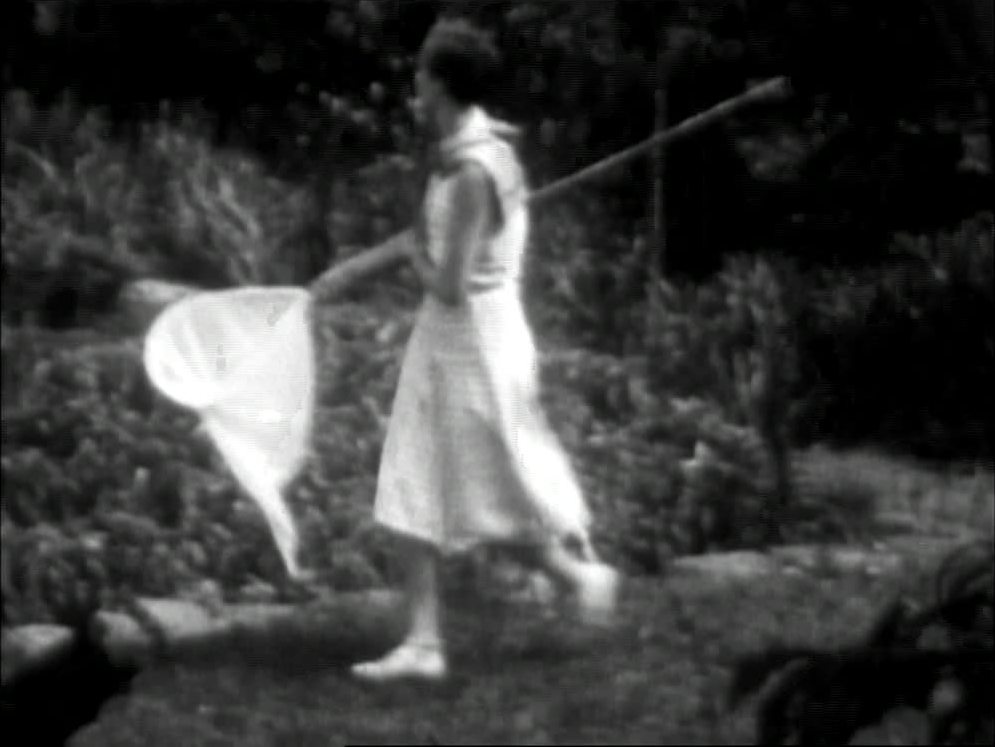
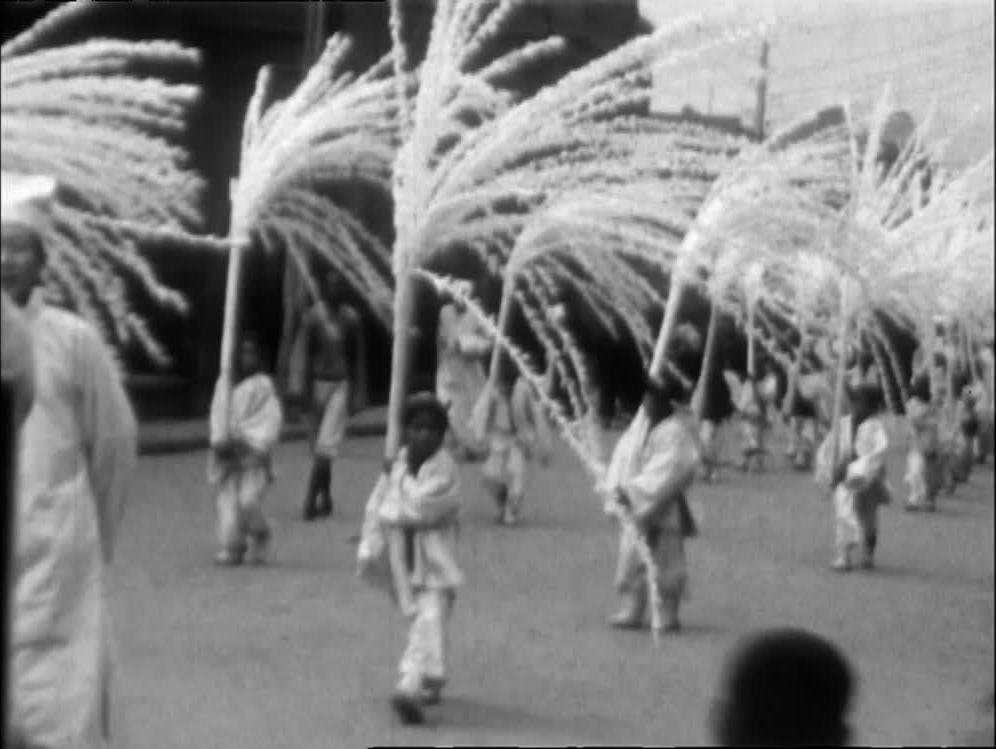
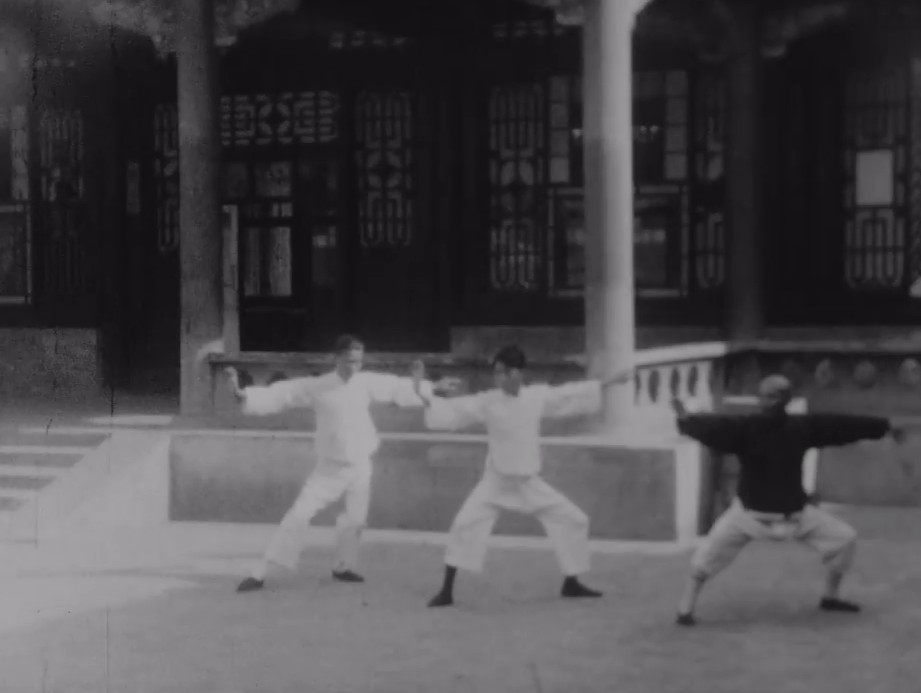
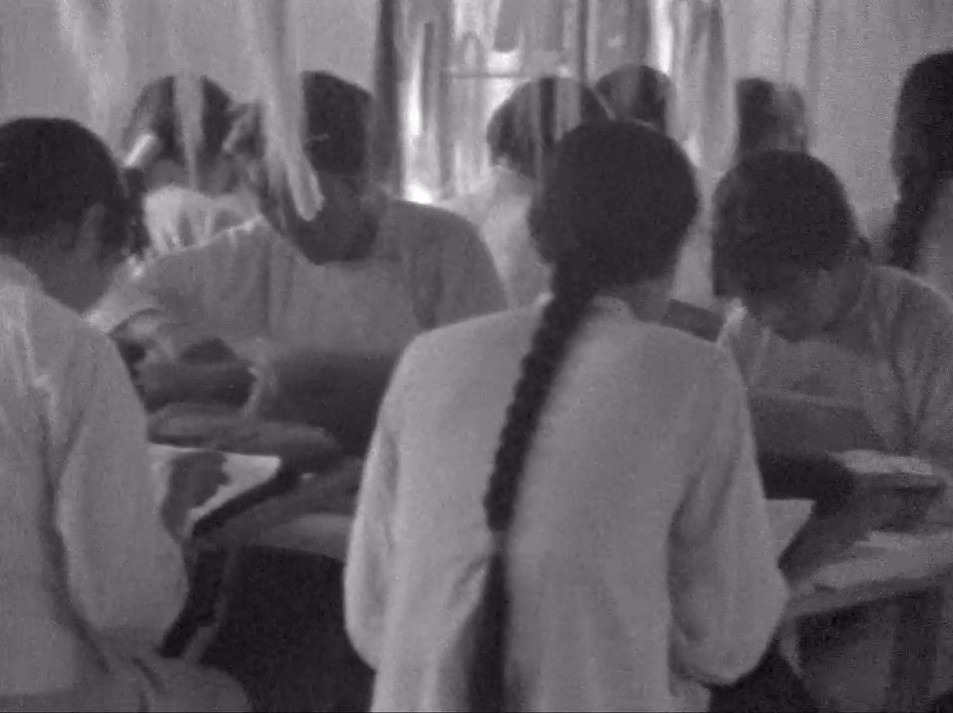
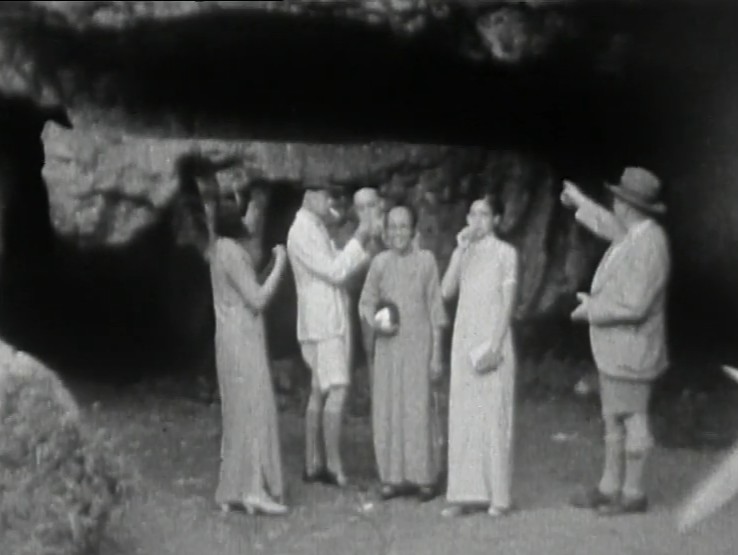
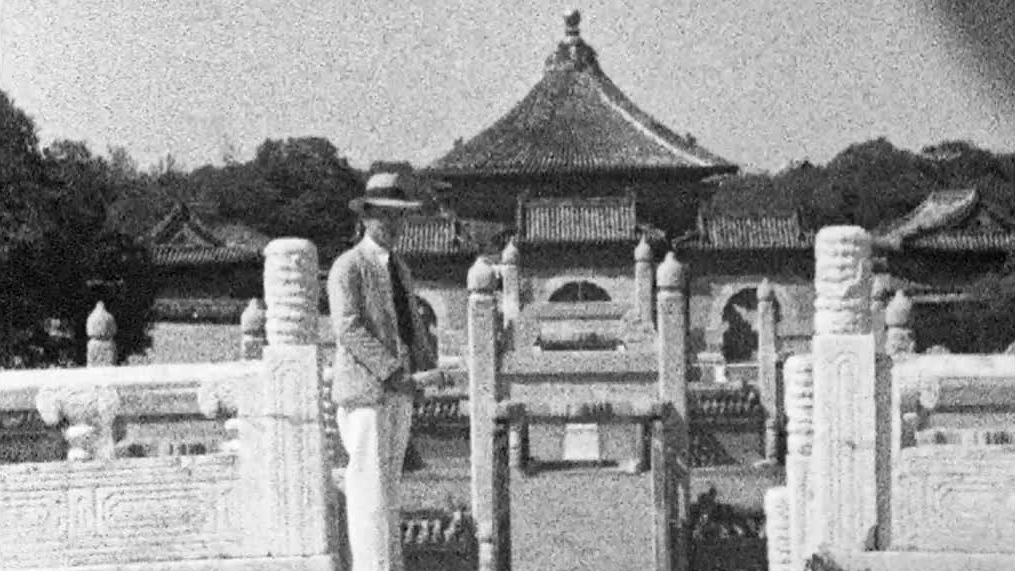
Beijing's ancient streets and palaces come alive in a collection of fascinating and often beautiful travelogues and home movies shot between 1908 and 1939.
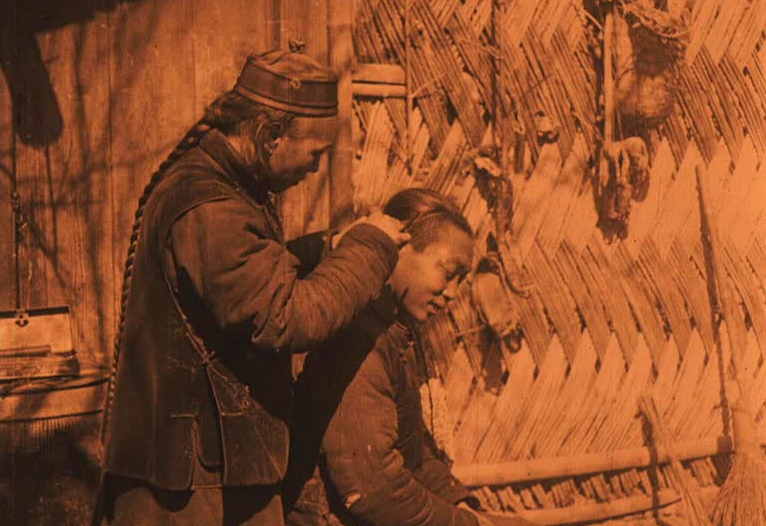
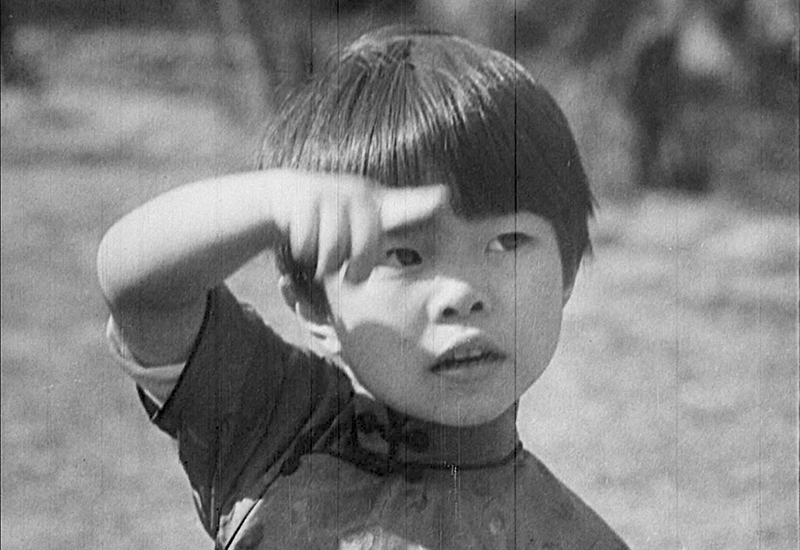
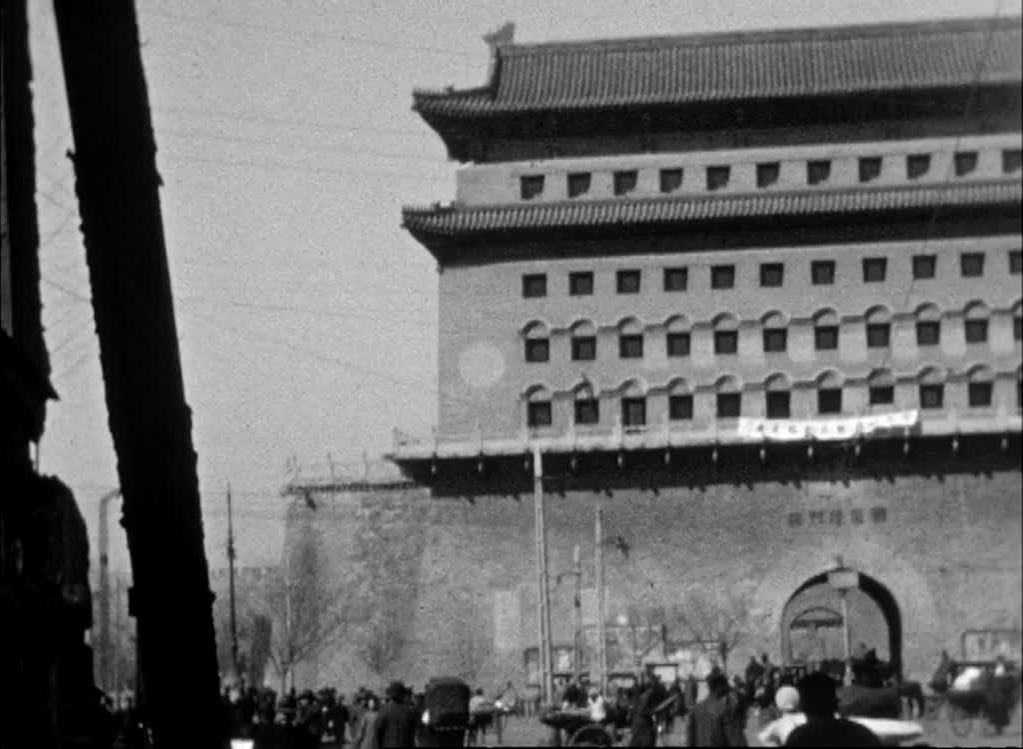
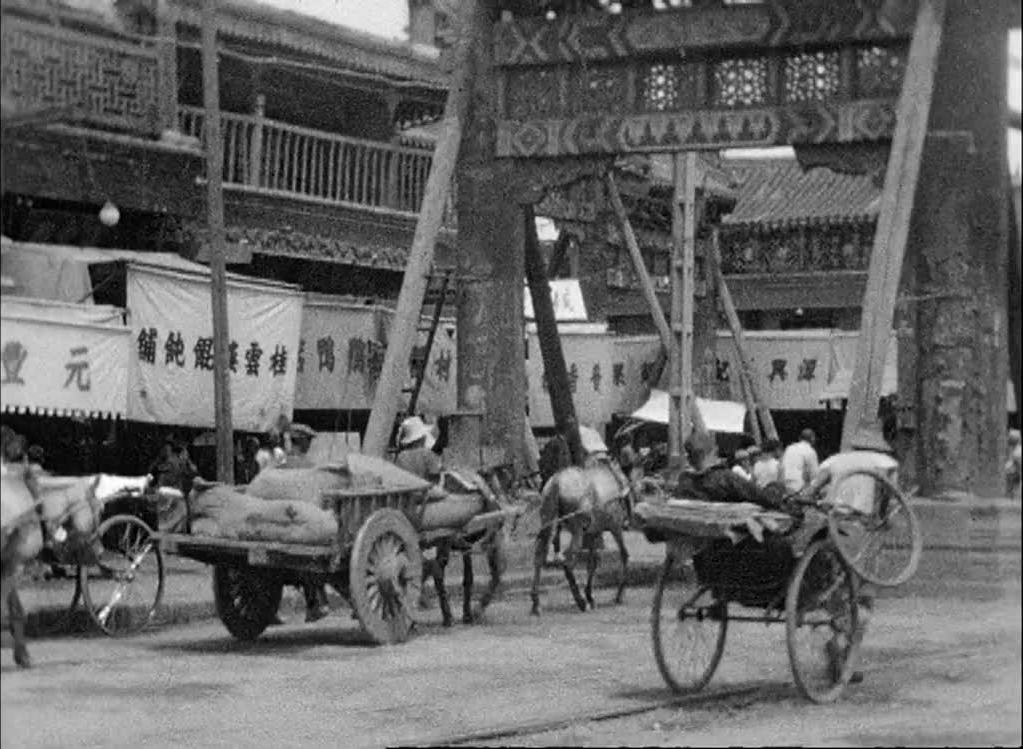
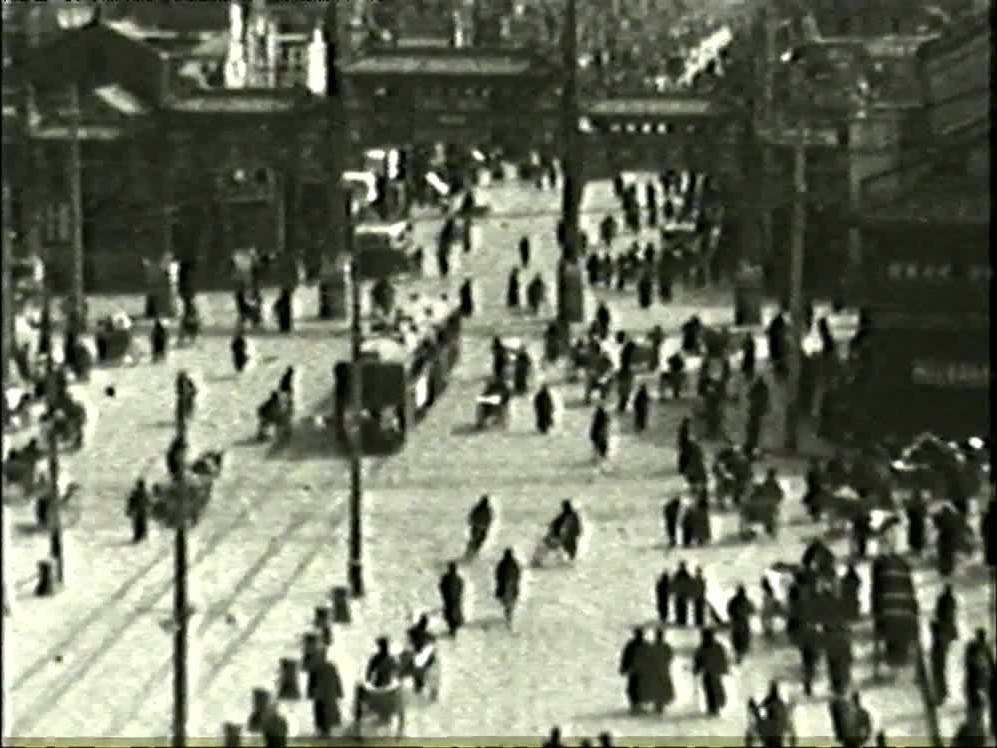
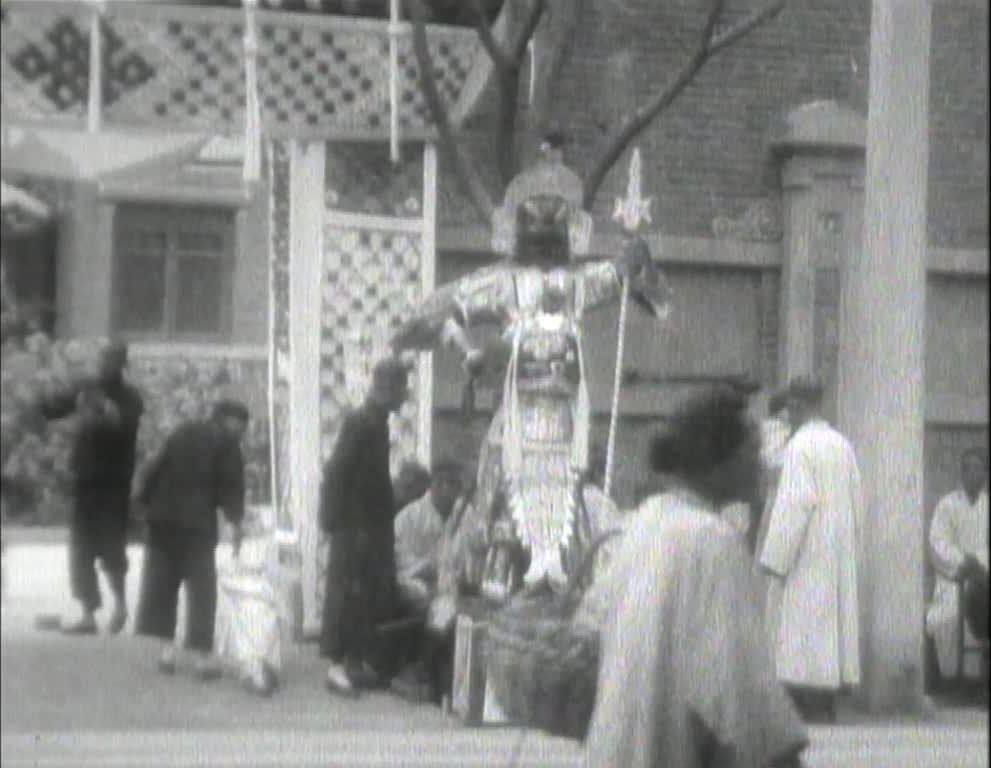
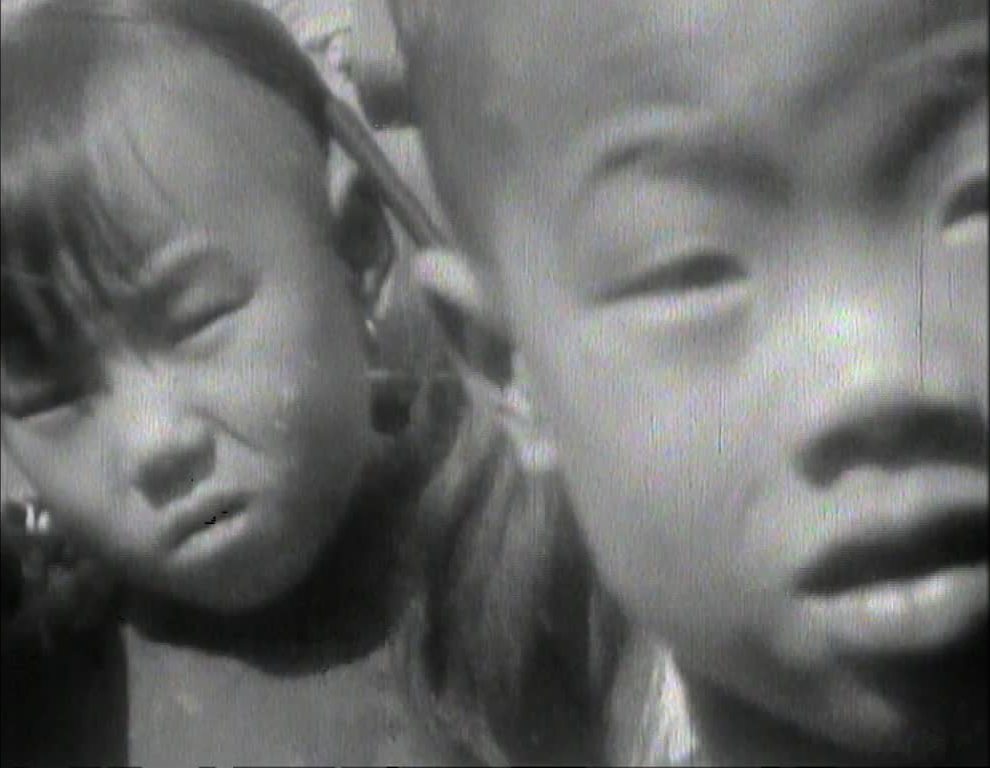
Beijing has been at the heart of China's political and cultural life for almost a thousand years. Though much of its ancient fabric is preserved, swathes of the city were lost in decades of urban regeneration projects. So these films from the first half of the 20th century open a window on to the city's lost past. Chinese filmmakers weren't active when the earliest films of Beijing (then known as Peking) were made, so these British and European films are among the only moving images of that time.
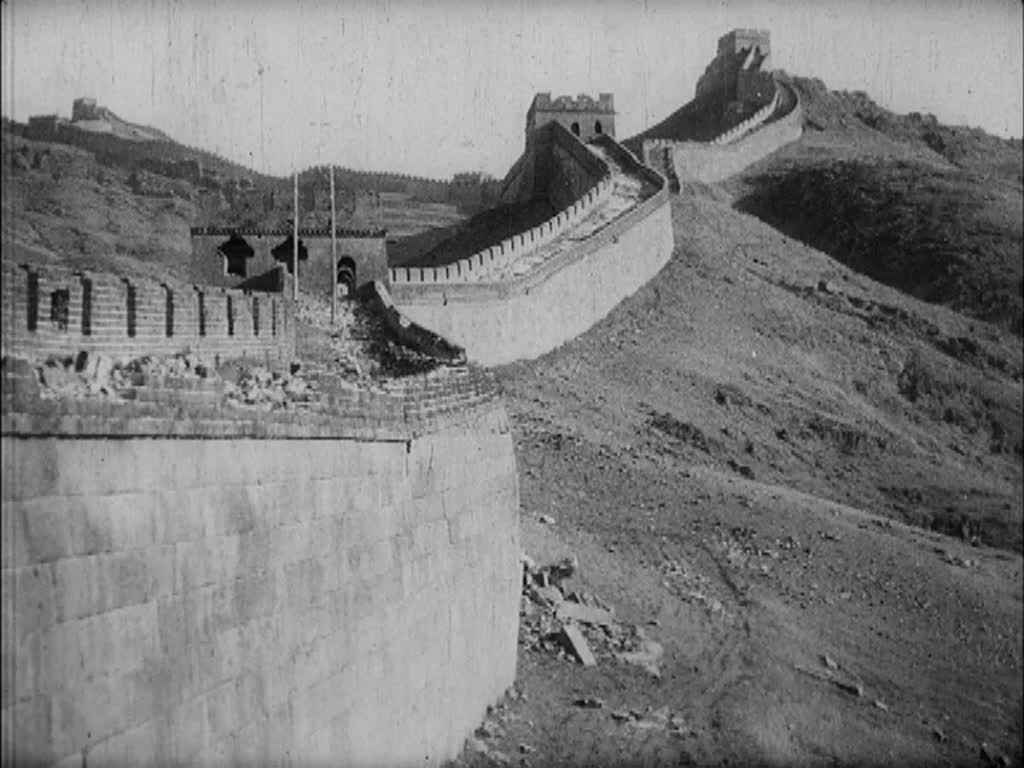
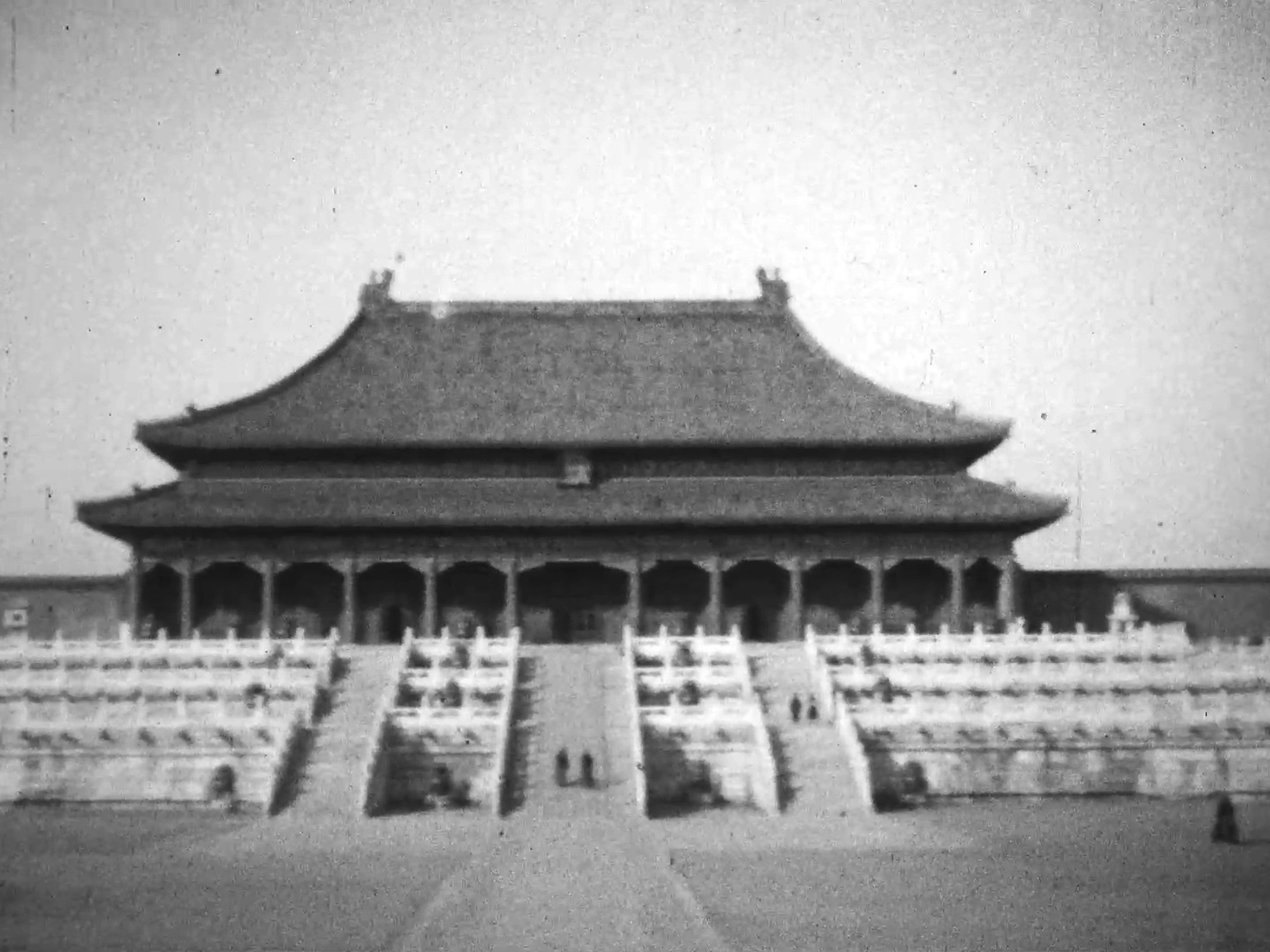
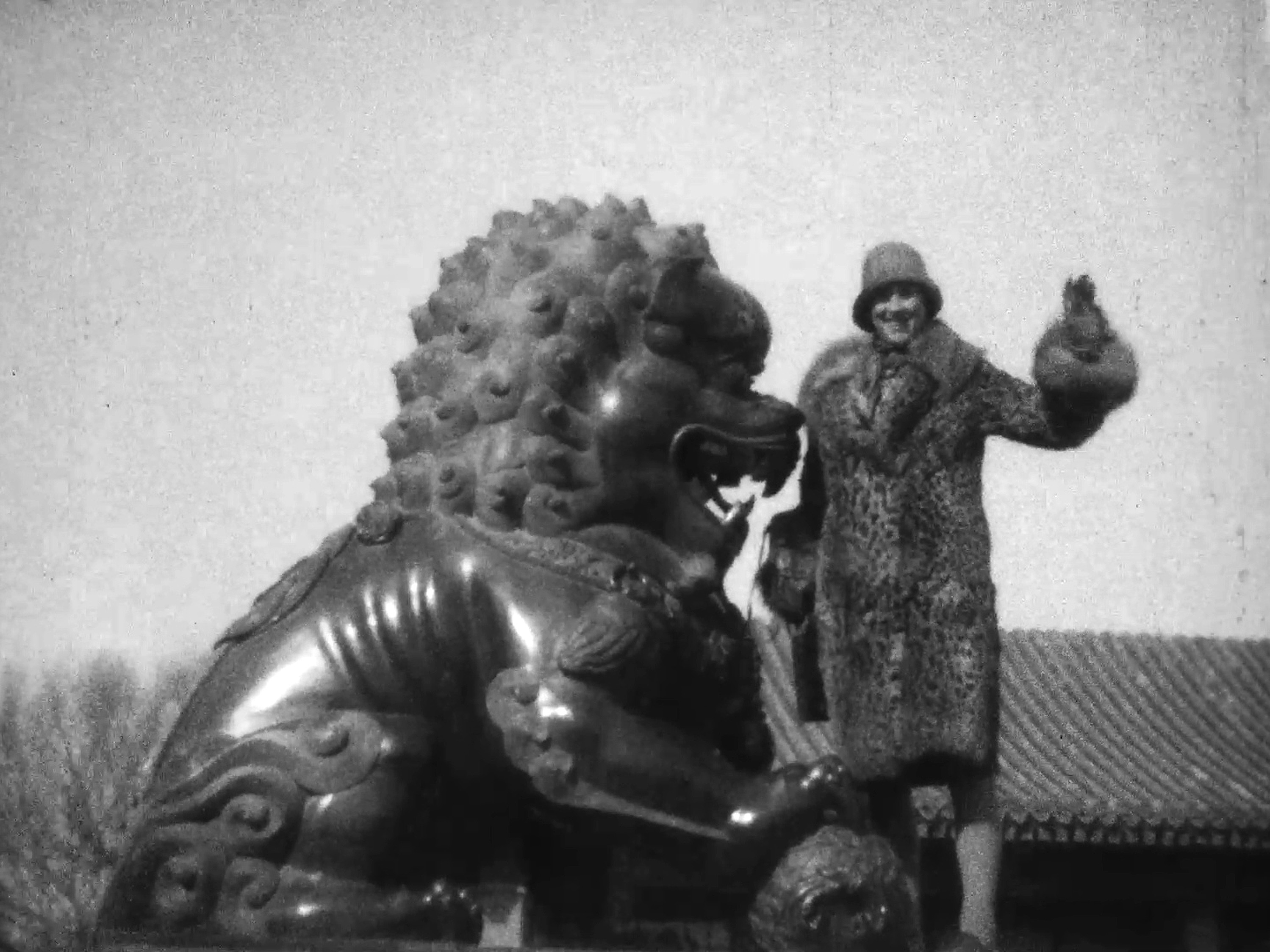
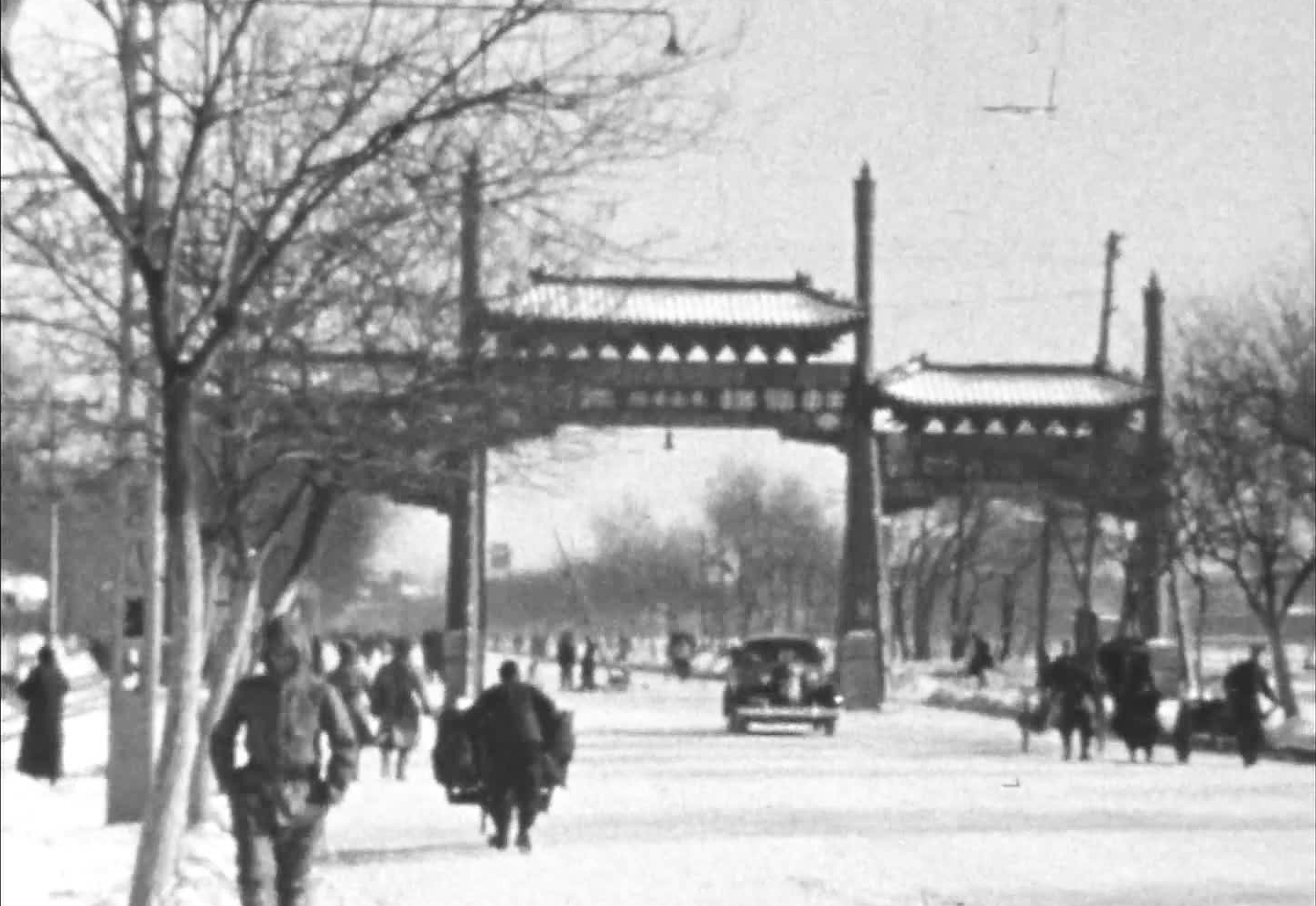
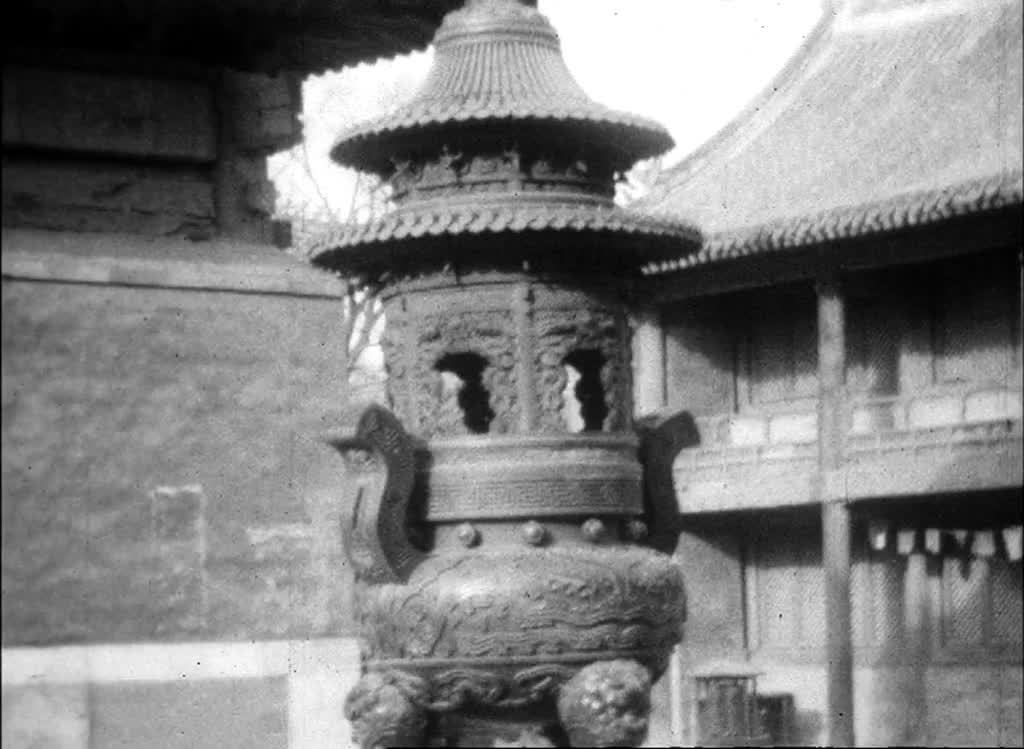
Thanks to these pioneering cameramen, we can witness everyday life in the last years of the Qing dynasty, make our way from the European quarter of the city to the magnificent Forbidden Palace and the bustling Grand Canal, or roam the streets around the Qianmen gate. These often amateur cinematographers offer us a fresh look at a majestic and complex city, from the palaces and pagodas of Beihai Park, a trek around the Great Wall with intrepid honeymooners, to a cruise down the Grand Canal to Shanghai. This may be a Beijing seen through western eyes, but they are the eyes of a rapt enthusiast, not a jaded tour guide.