Modern China
- Beijing
- 1910
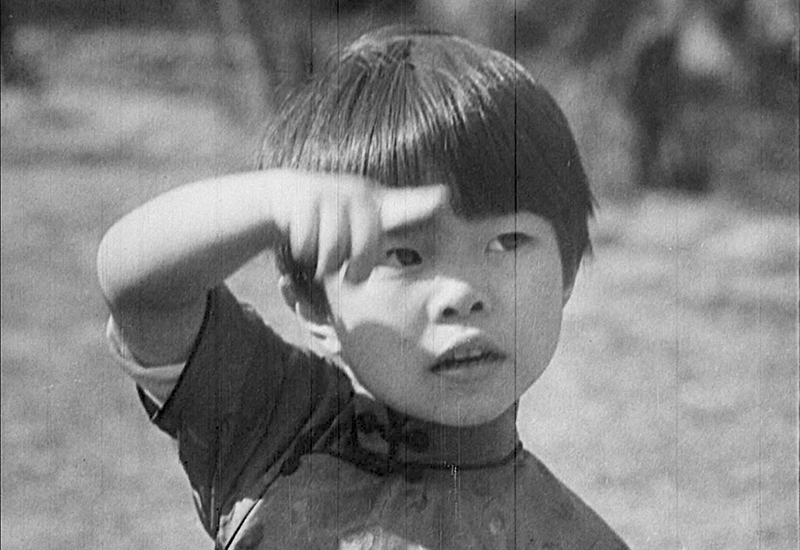
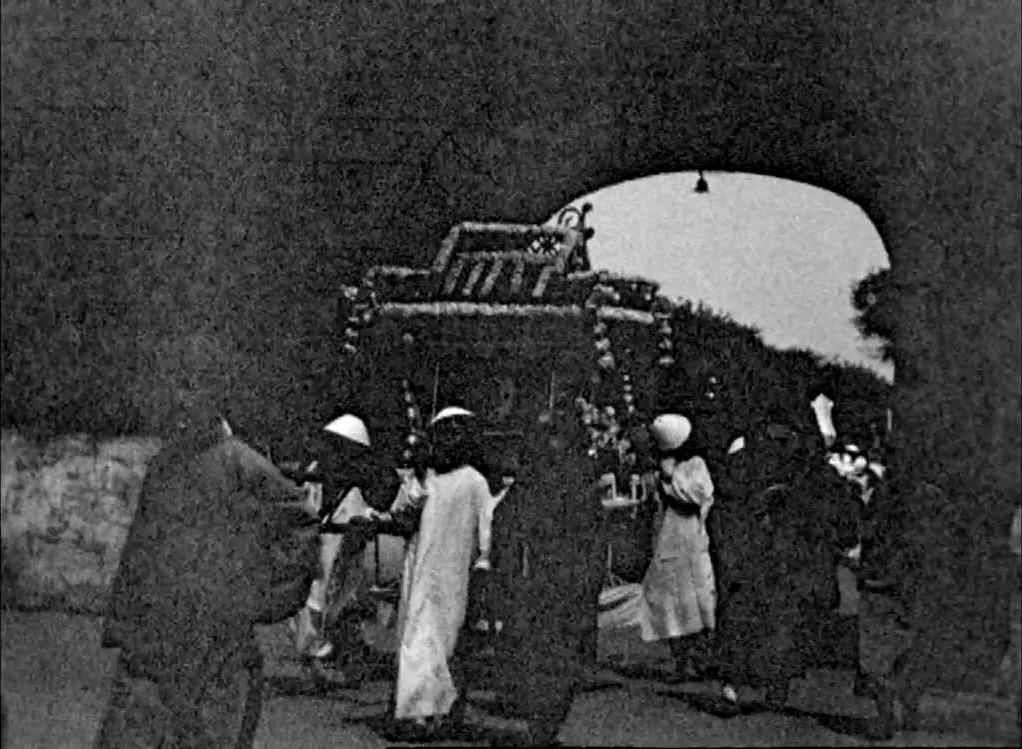
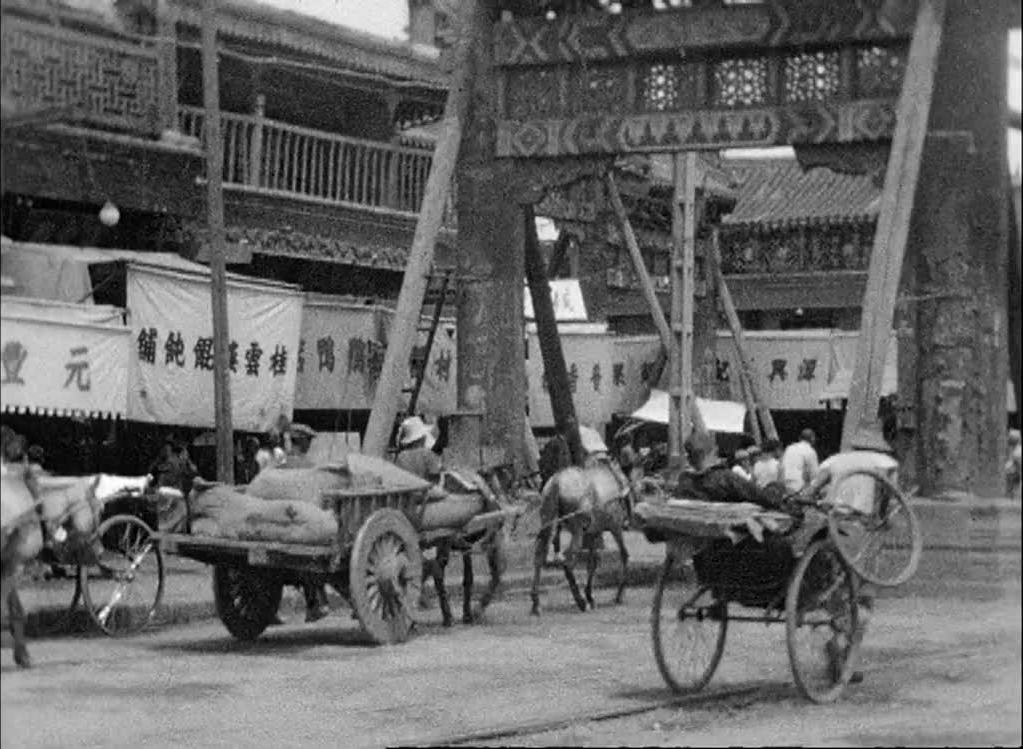
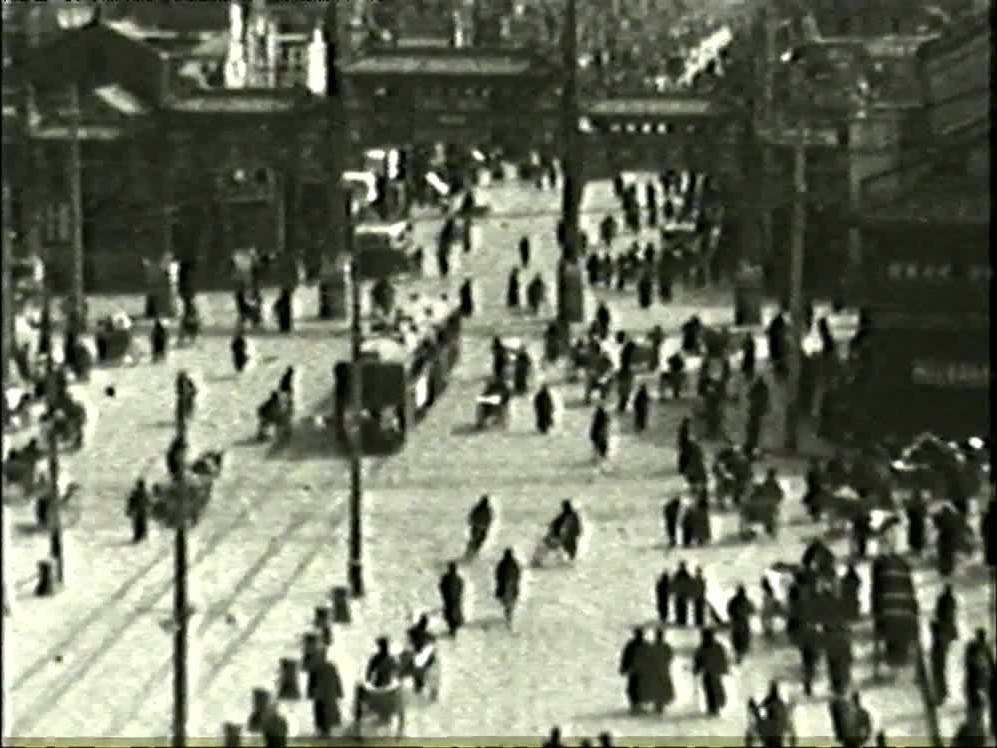
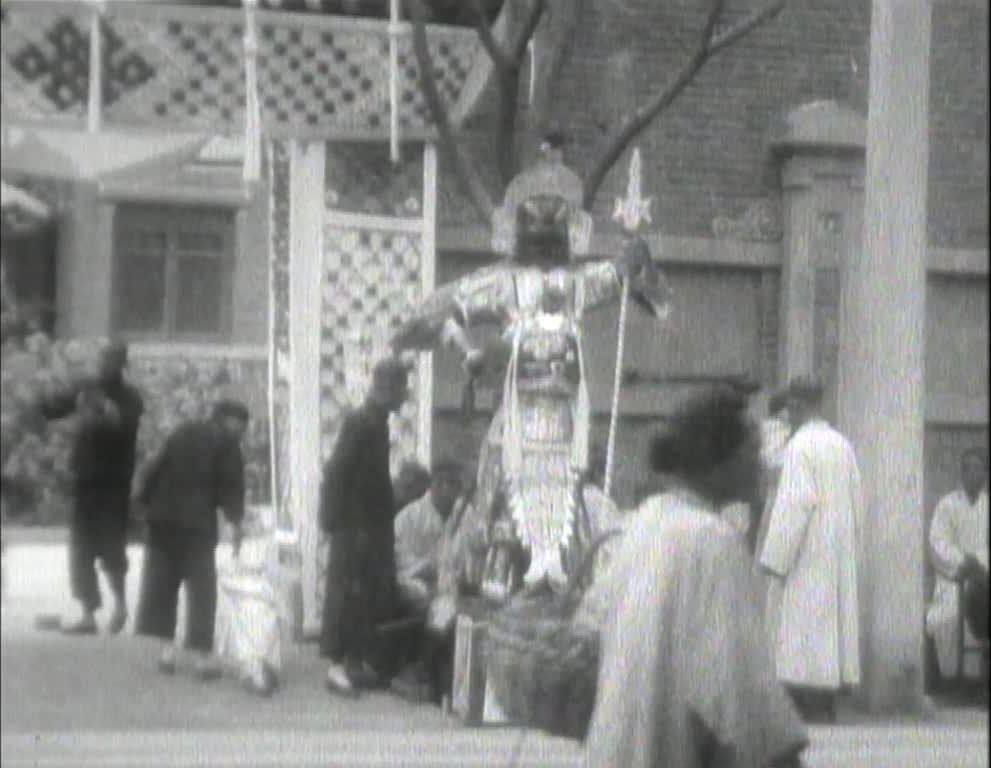
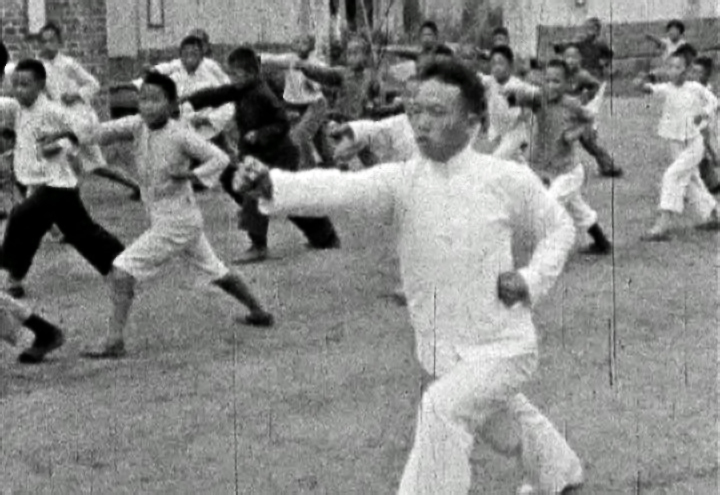
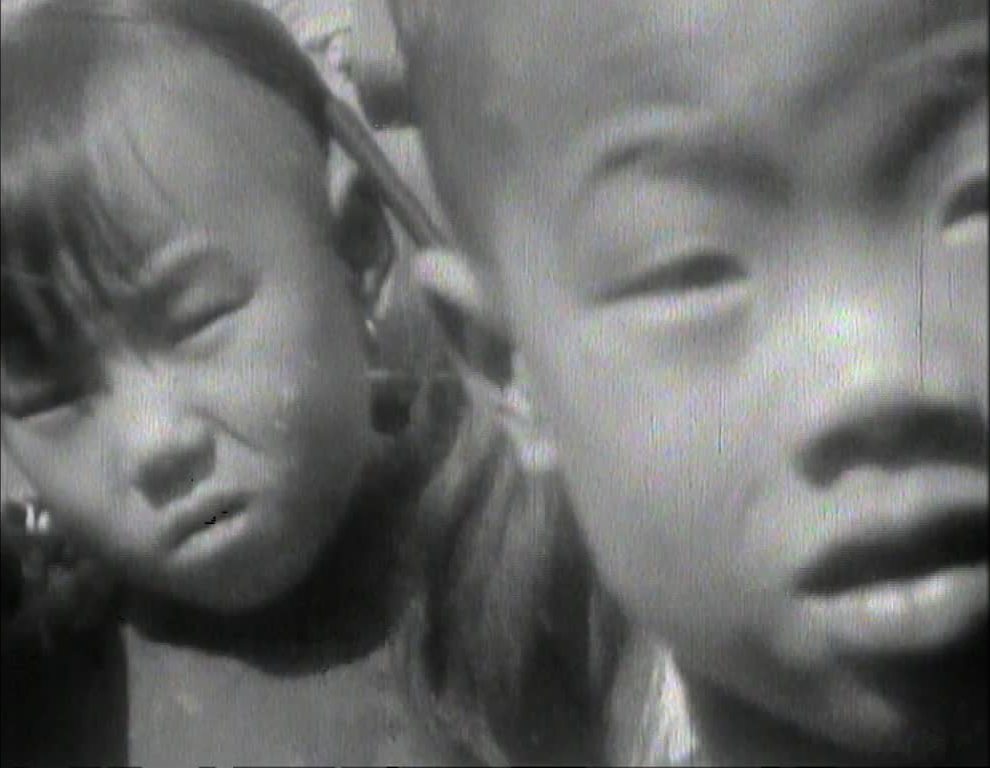
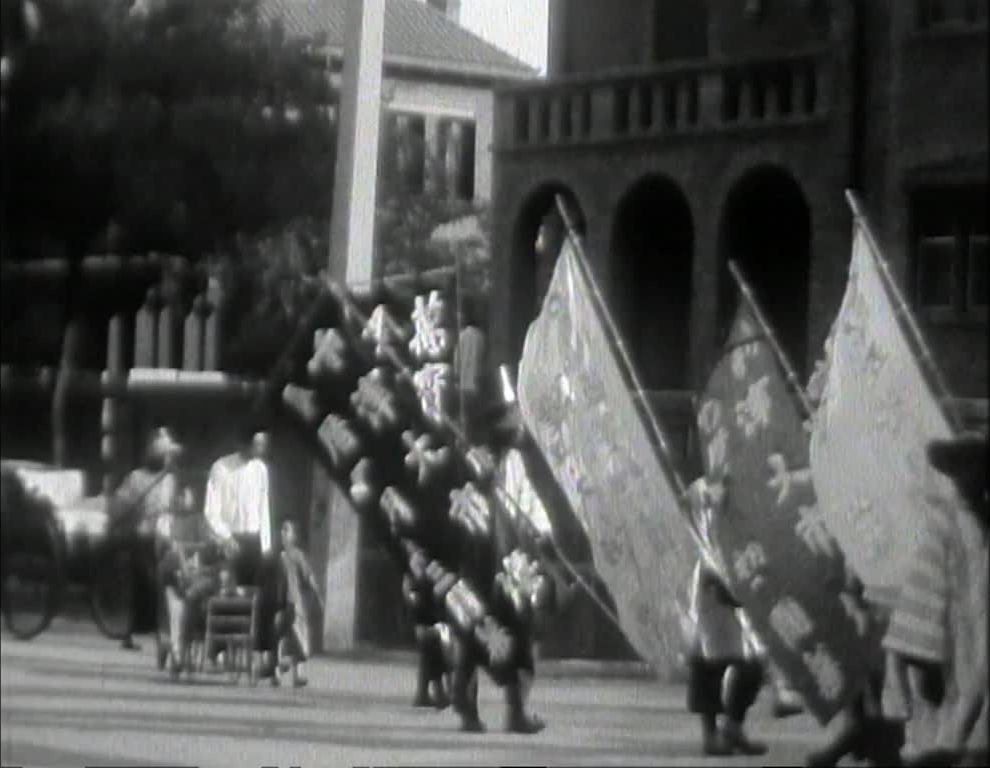
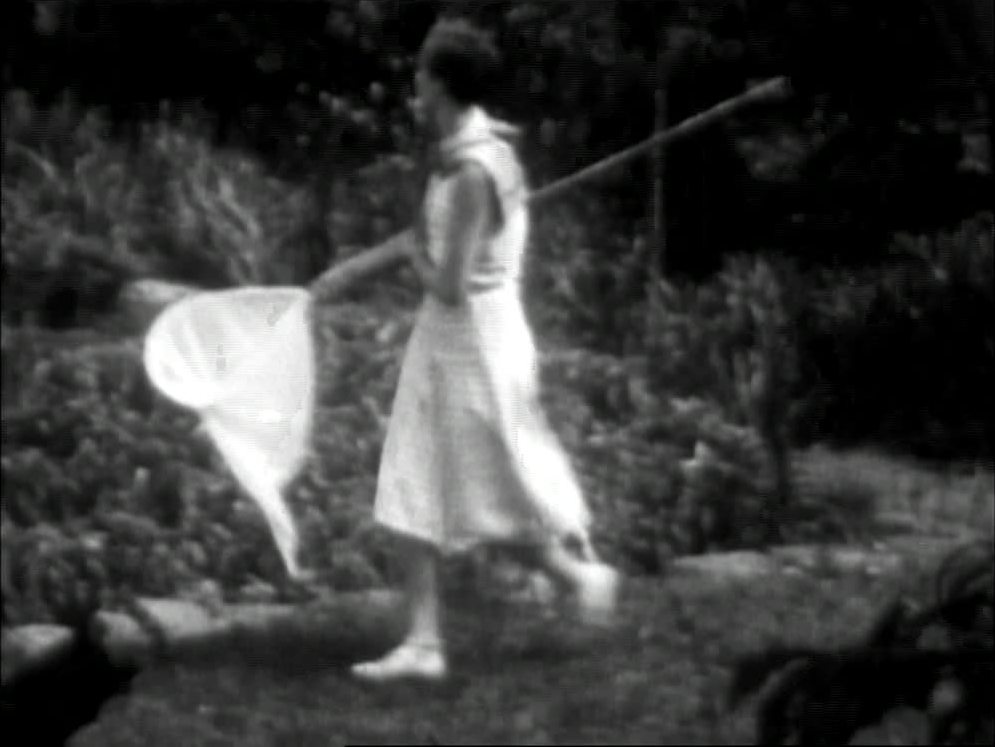
The buzz of Chinese city street life is contrasted with an elaborate funeral procession and brief rural scenes in this absorbing amateur film.
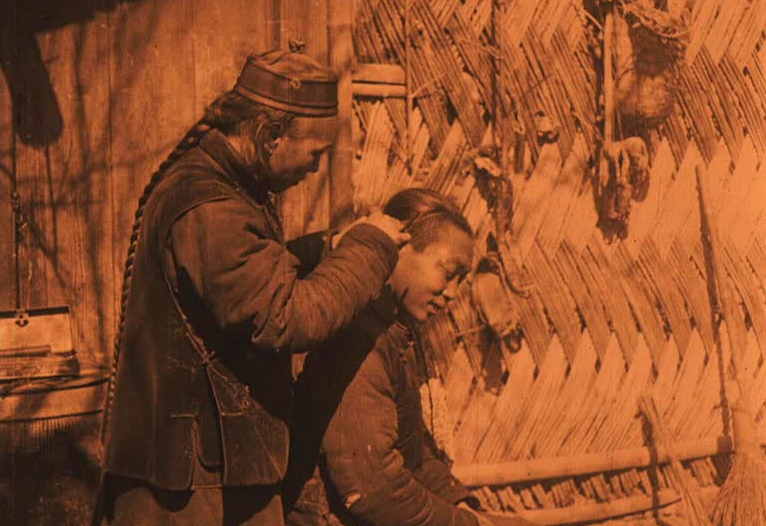
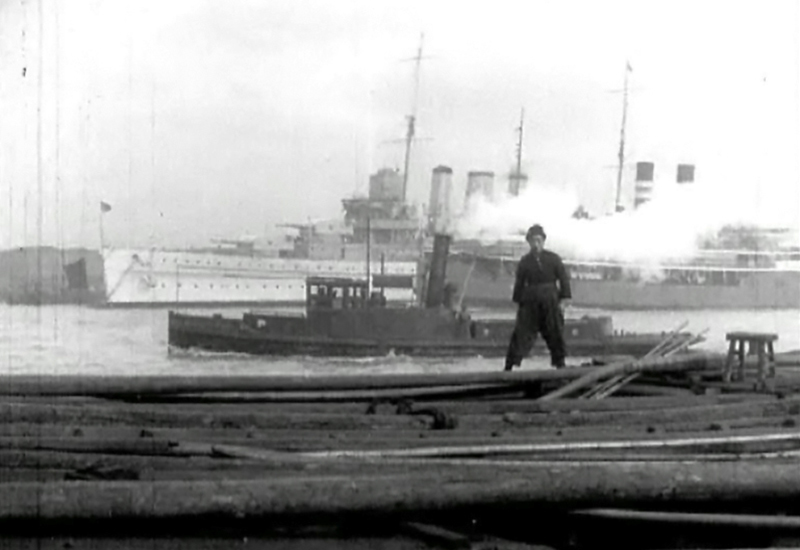
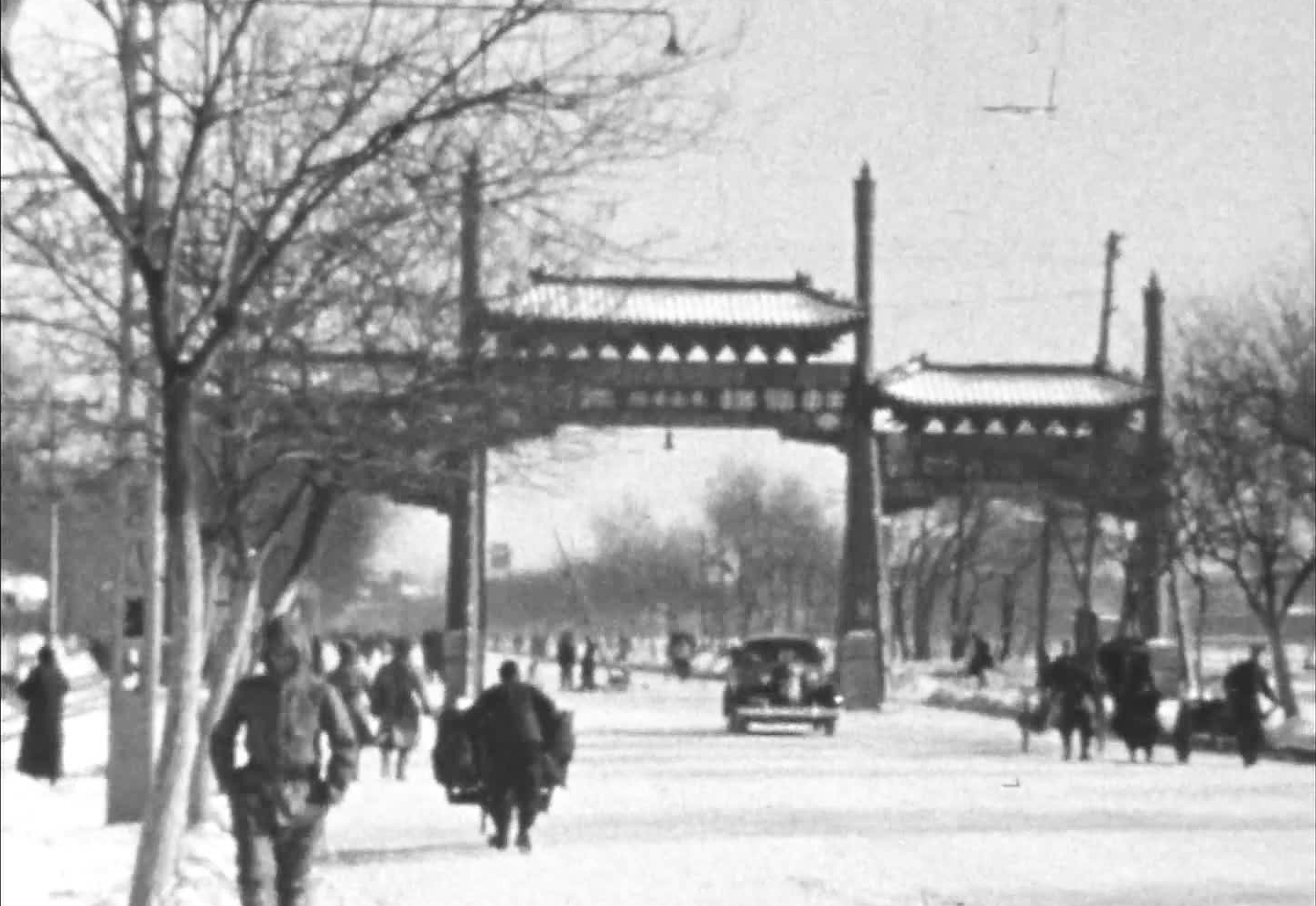
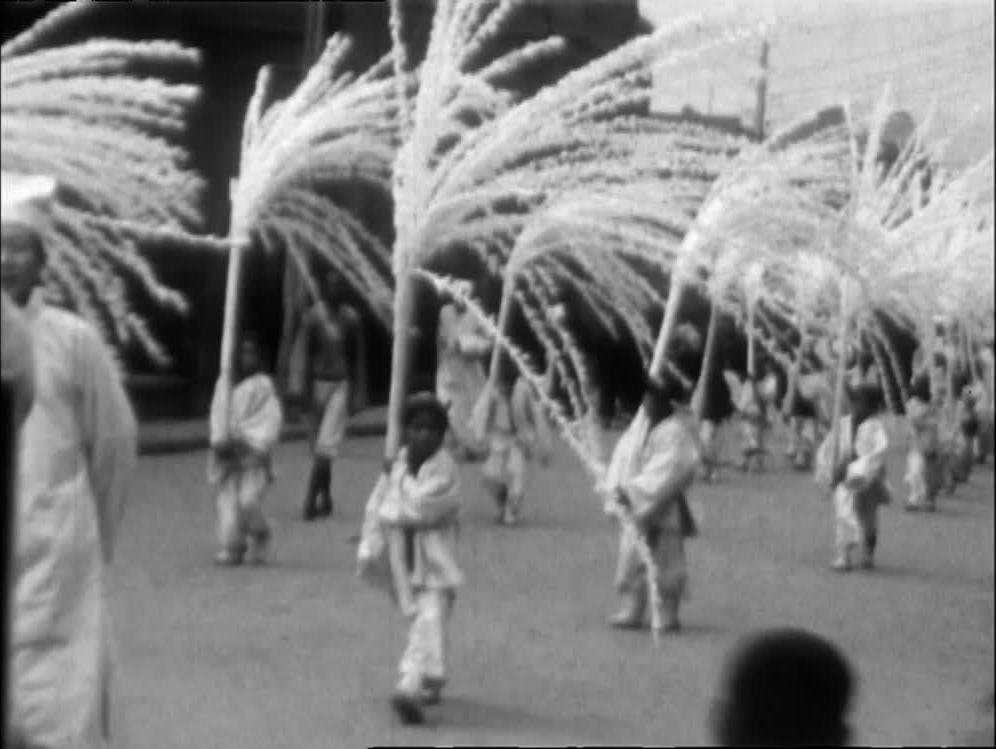
These busy street scenes were probably filmed in Beijing (formerly Peking); the carved wooden pailou or ceremonial archway marks this out as an important thoroughfare. Pedestrians, rickshaws and cyclists compete with electric trams as traders transport their wares to market. We also see an elaborate funeral procession, and brief harvesting scenes in the countryside, most likely outside Shanghai.
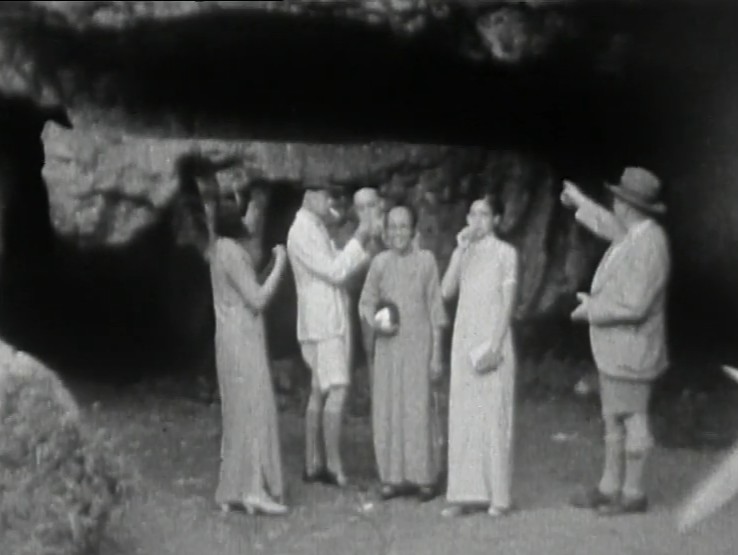
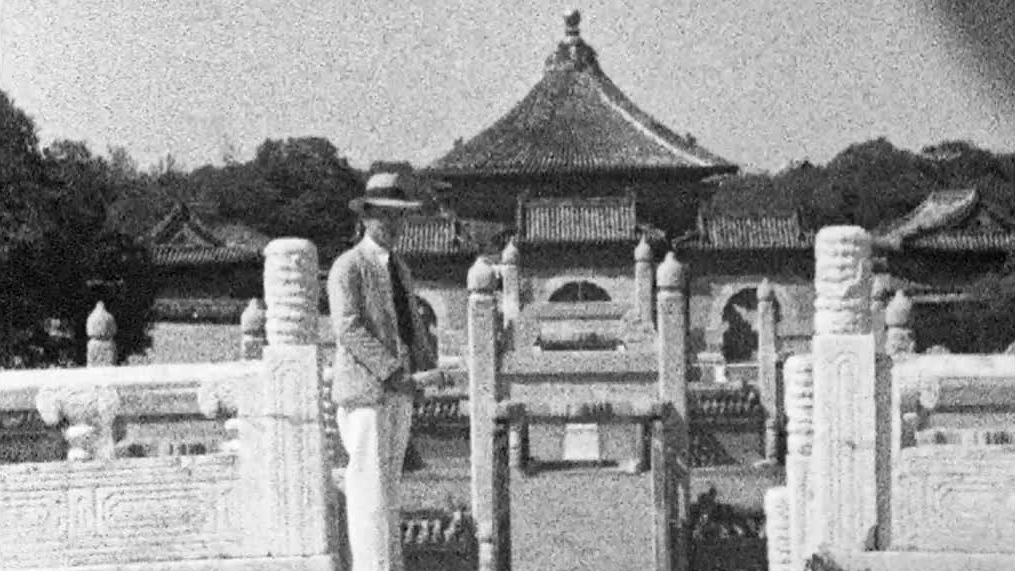
The film was shot by Dr Reginald Clay, a London teacher who travelled to China after his retirement in the early 1930s. Dr Clay visited Beijing before staying with his daughter, a medical missionary, in Shanghai.
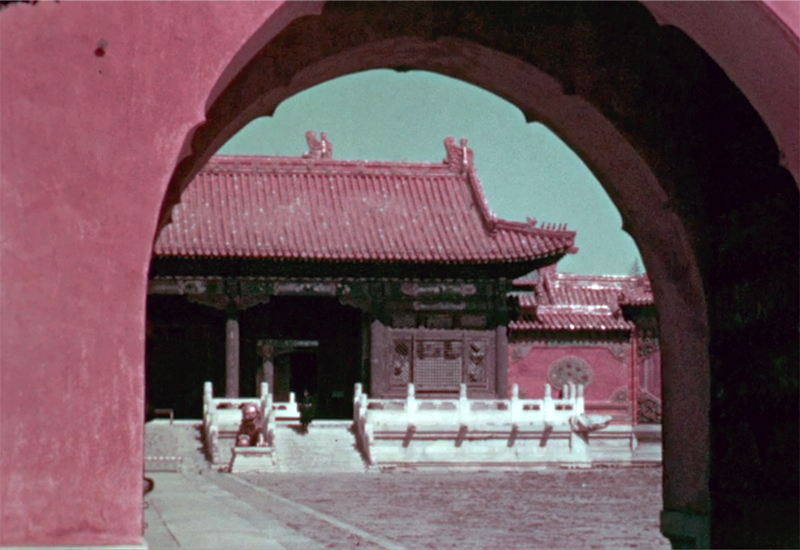
Beijing's ancient streets and palaces come alive in a collection of fascinating and often beautiful travelogues and home movies shot between 1908 and 1939.
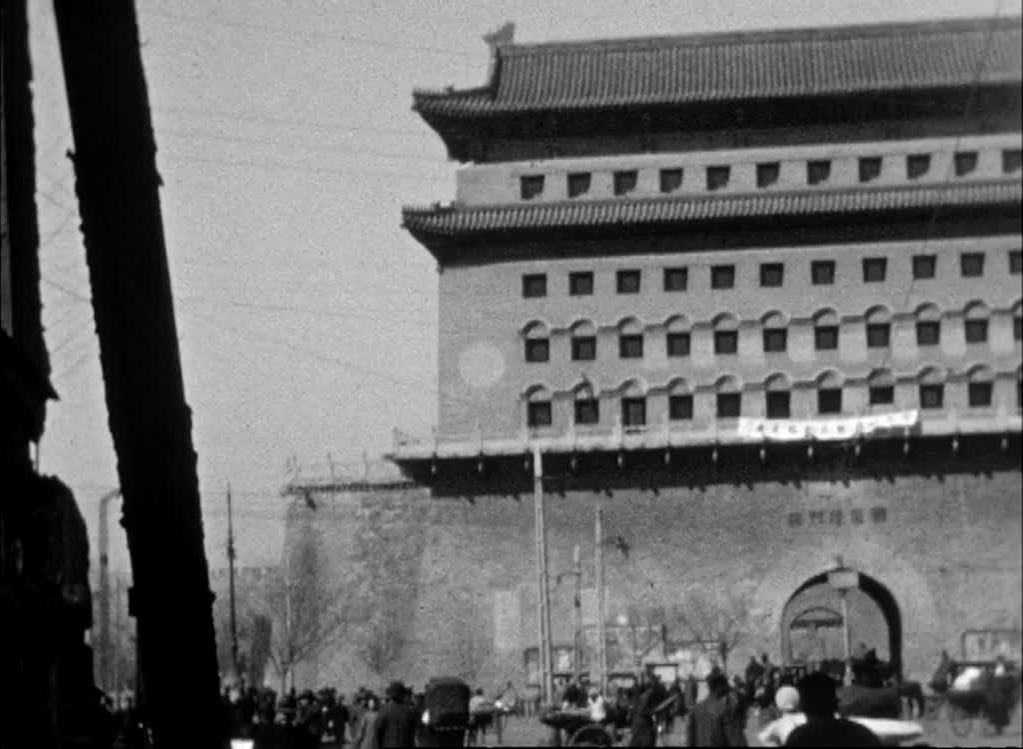
Beijing has been at the heart of China's political and cultural life for almost a thousand years. Though much of its ancient fabric is preserved, swathes of the city were lost in decades of urban regeneration projects. So these films from the first half of the 20th century open a window on to the city's lost past. Chinese filmmakers weren't active when the earliest films of Beijing (then known as Peking) were made, so these British and European films are among the only moving images of that time.
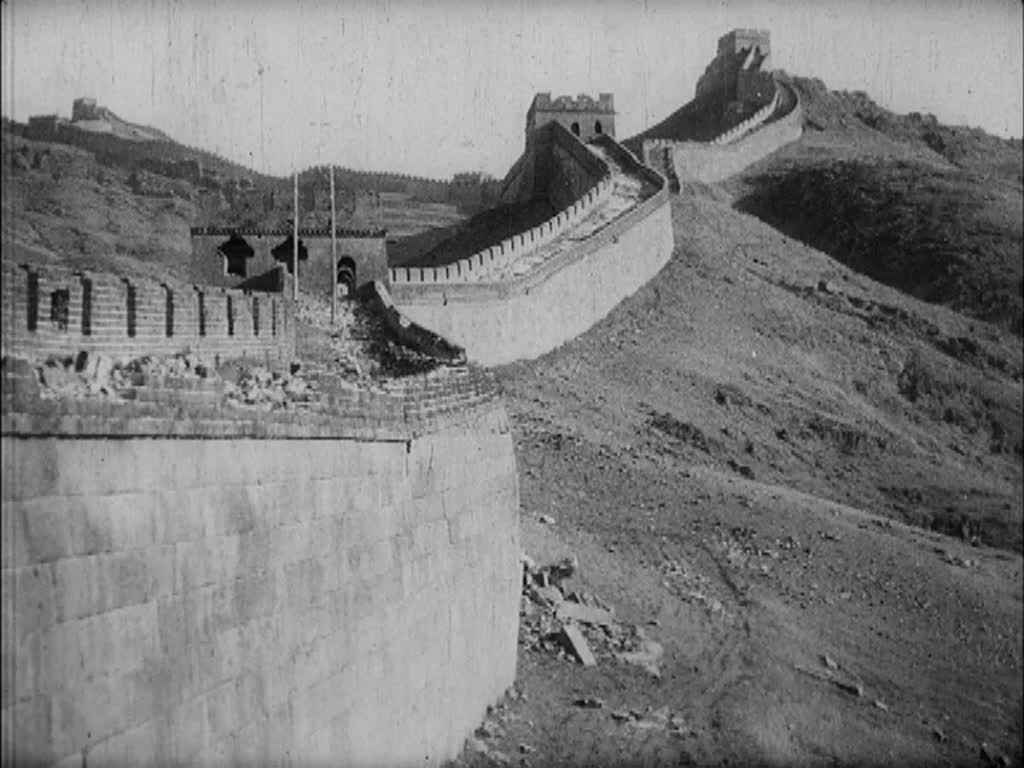
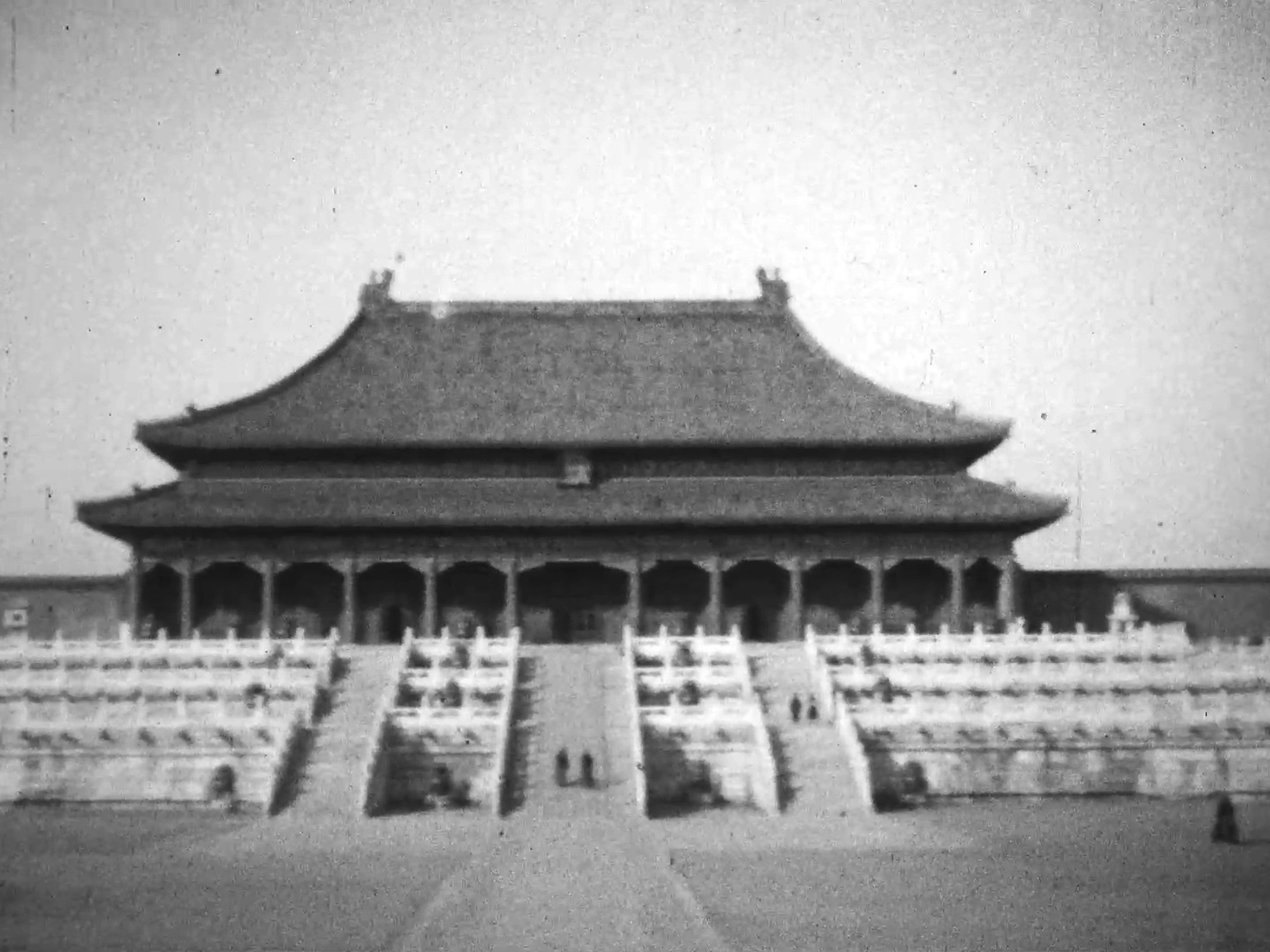
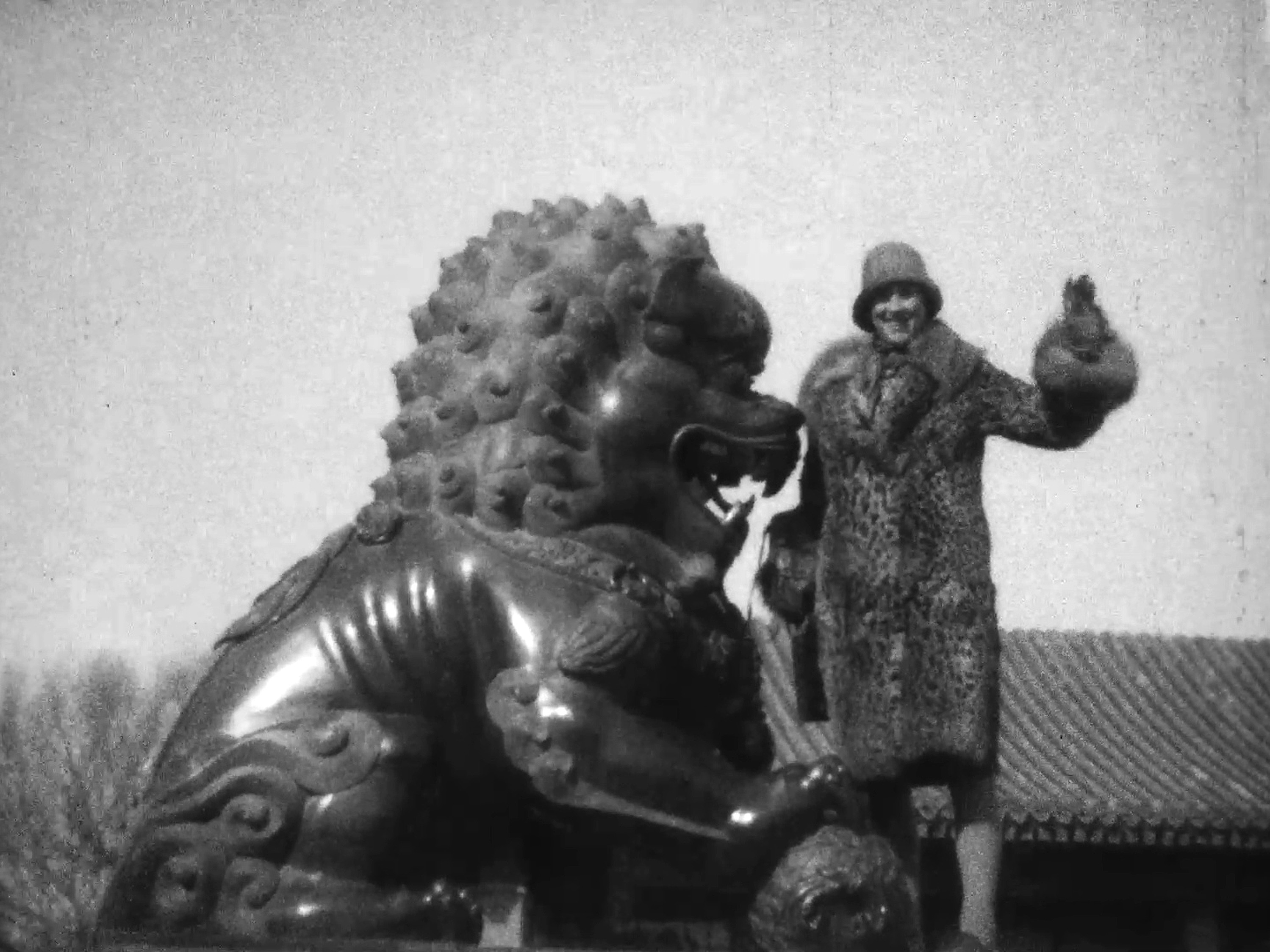
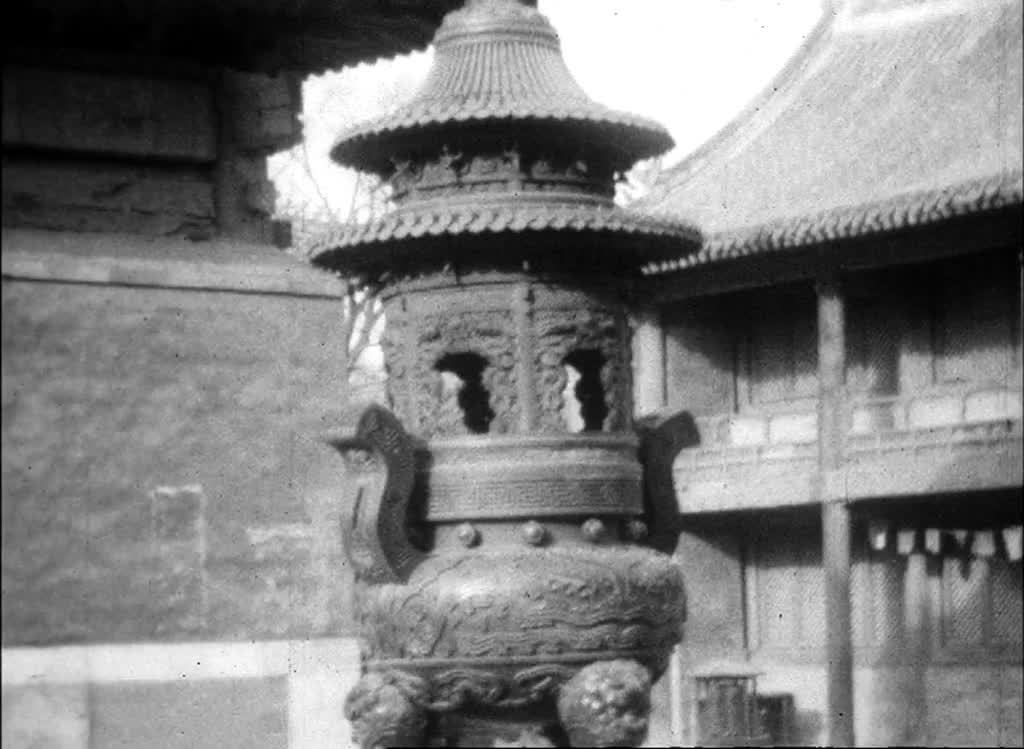
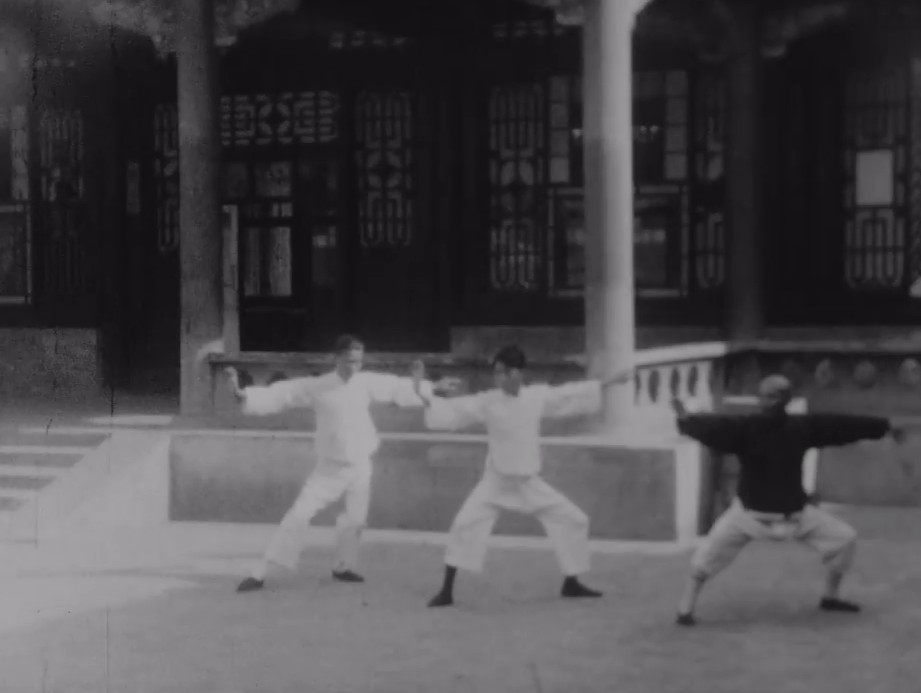
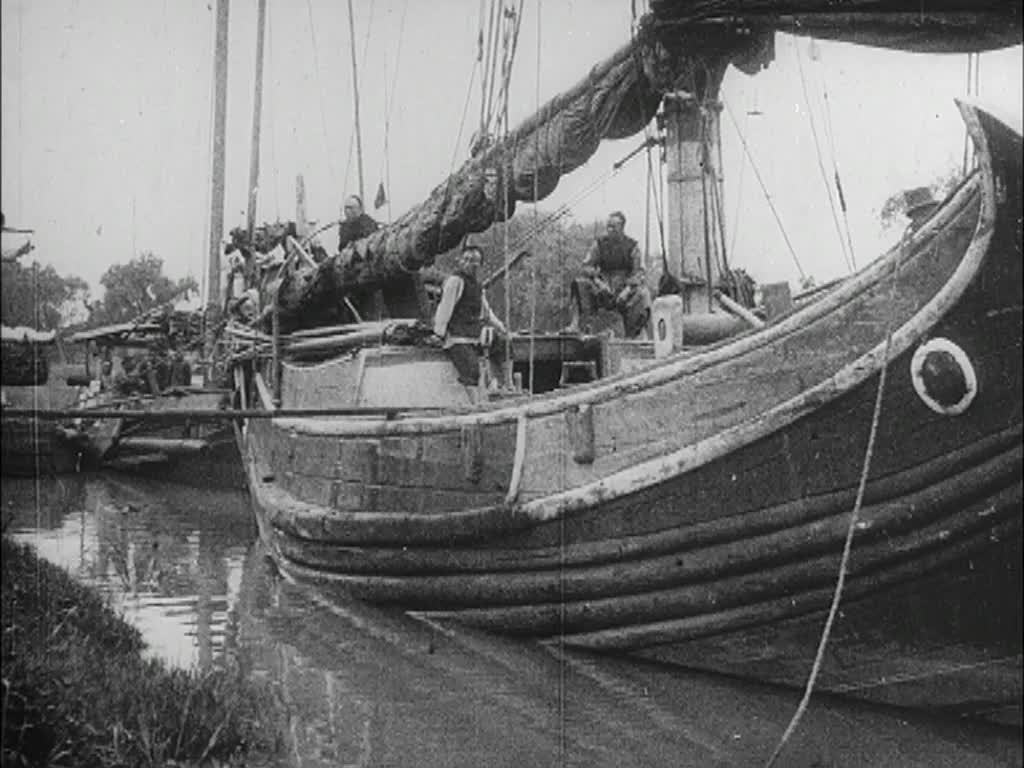
Thanks to these pioneering cameramen, we can witness everyday life in the last years of the Qing dynasty, make our way from the European quarter of the city to the magnificent Forbidden Palace and the bustling Grand Canal, or roam the streets around the Qianmen gate. These often amateur cinematographers offer us a fresh look at a majestic and complex city, from the palaces and pagodas of Beihai Park, a trek around the Great Wall with intrepid honeymooners, to a cruise down the Grand Canal to Shanghai. This may be a Beijing seen through western eyes, but they are the eyes of a rapt enthusiast, not a jaded tour guide.