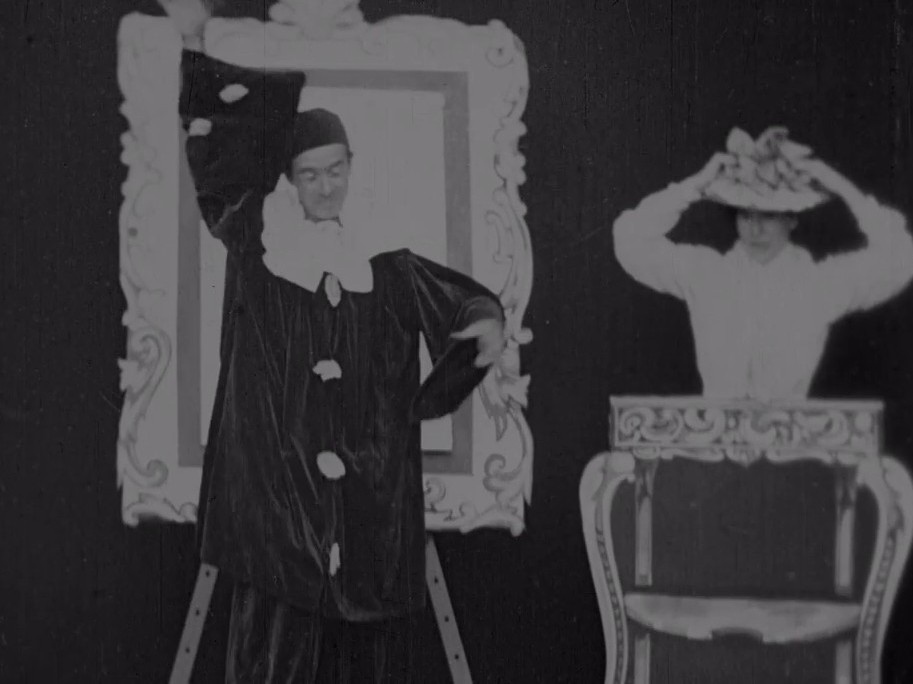
Are You There?
Innovative early film, which invents its own 'split-screen' effect
A young man's telephone call to his sweetheart is intercepted by her father, so instead of her kisses he gets the business end of the old man's umbrella. James Williamson was a clever filmmaker, who drew on his magic lantern show experience to create inventive use in films. In Are You There?, he divides the screen space in two to simultaneously represent both sides of the telephone conversation - effectively a 'split screen' effect achieved by means of a clever set. Genius.
Williamson's The Big Swallow, one of the most striking films of its time, was made the same year as Are You There?, and the two films share the same actor, Sam Dalton.
Inventing Film Language
As with any new technology, it was film’s early adopters whose innovations and discoveries began to map out what is possible.
The first filmmakers had a lot to learn, but they learnt quickly, driven by their own creative ambitions and by audiences' hunger for novelty. Most of the techniques we know today were in place by the end of the Victorian period.
It was the Victorian pioneers who developed the essential building blocks of film; close-ups, pans and travelling shots; editing and principles of continuity. And their ambition spurred them to innovate numerous tricks and effects, from jump-cuts, to double-exposure and even split screen. Generations of later filmmakers would refine these methods, but the groundwork had already been done.
19 videos in this collection
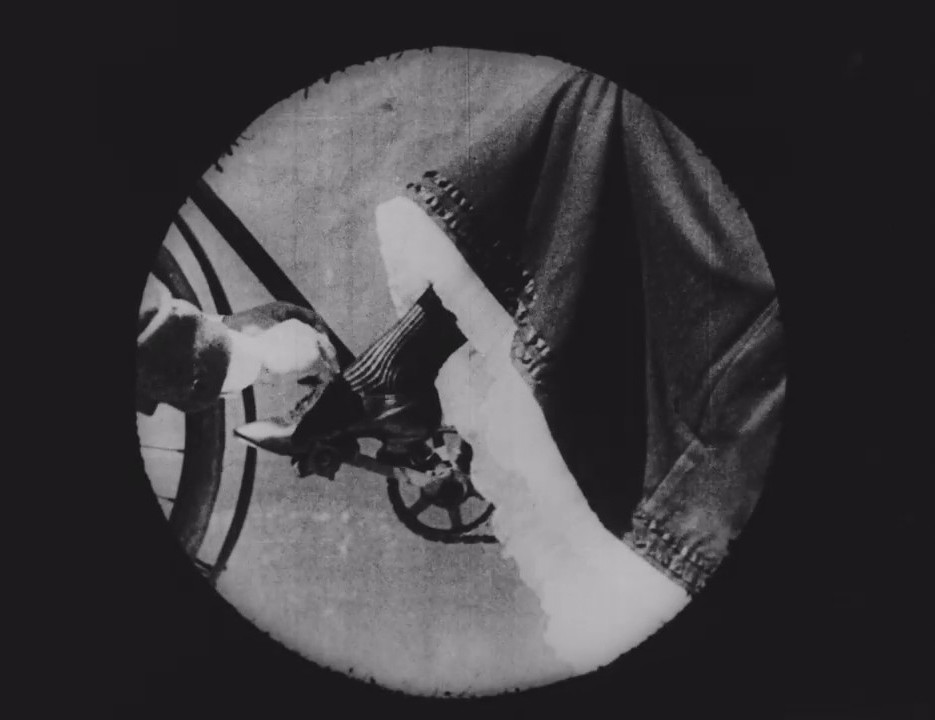
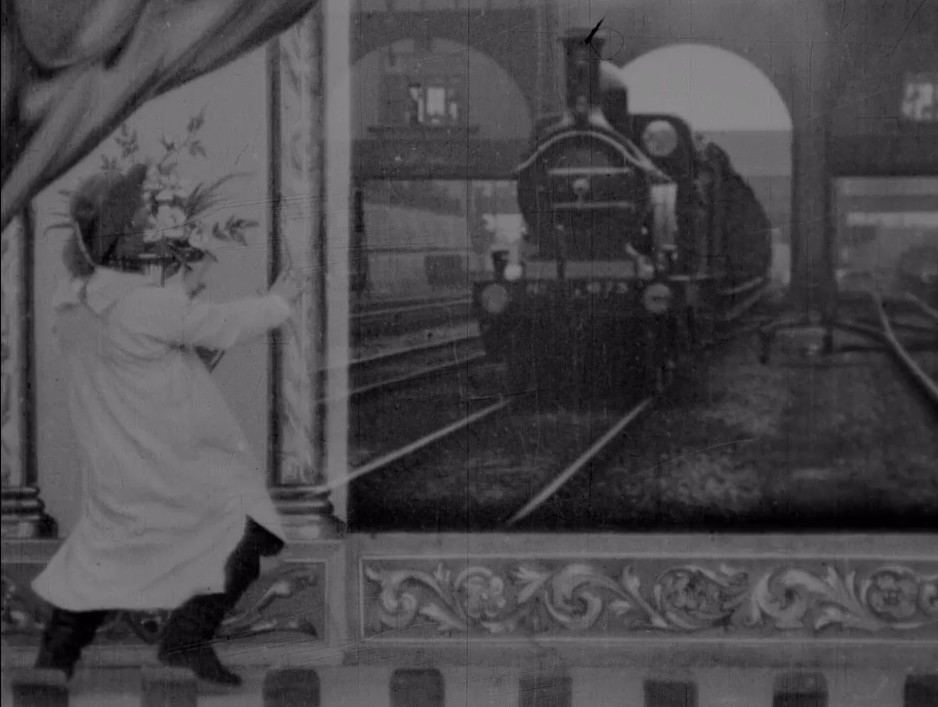
The Countryman and the Cinematograph
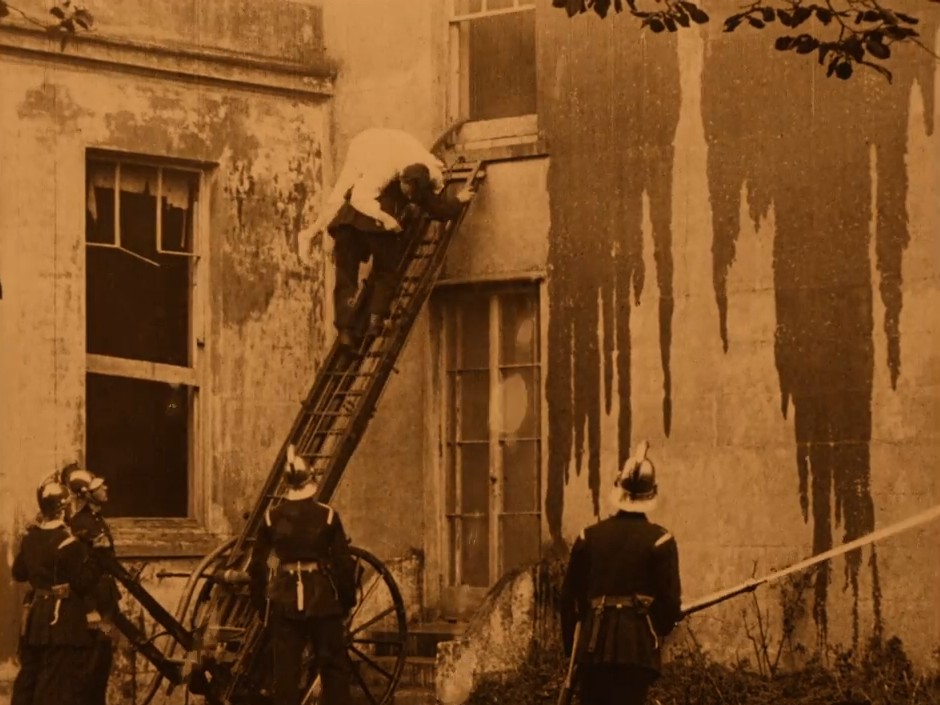
Fire!
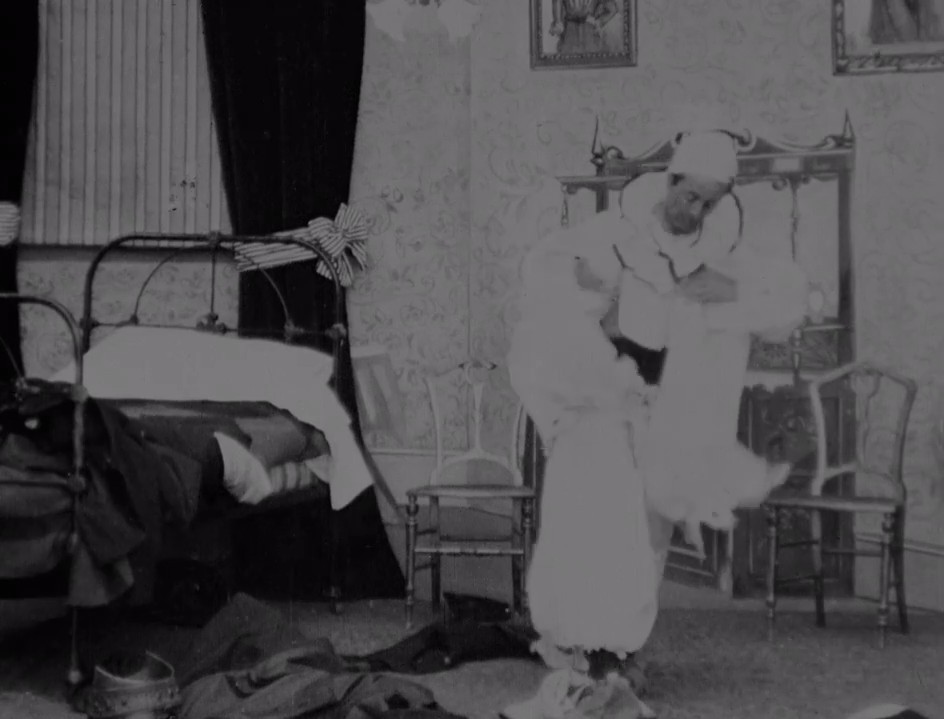
Undressing Extraordinary; Or, The Troubles of a Tired Traveller
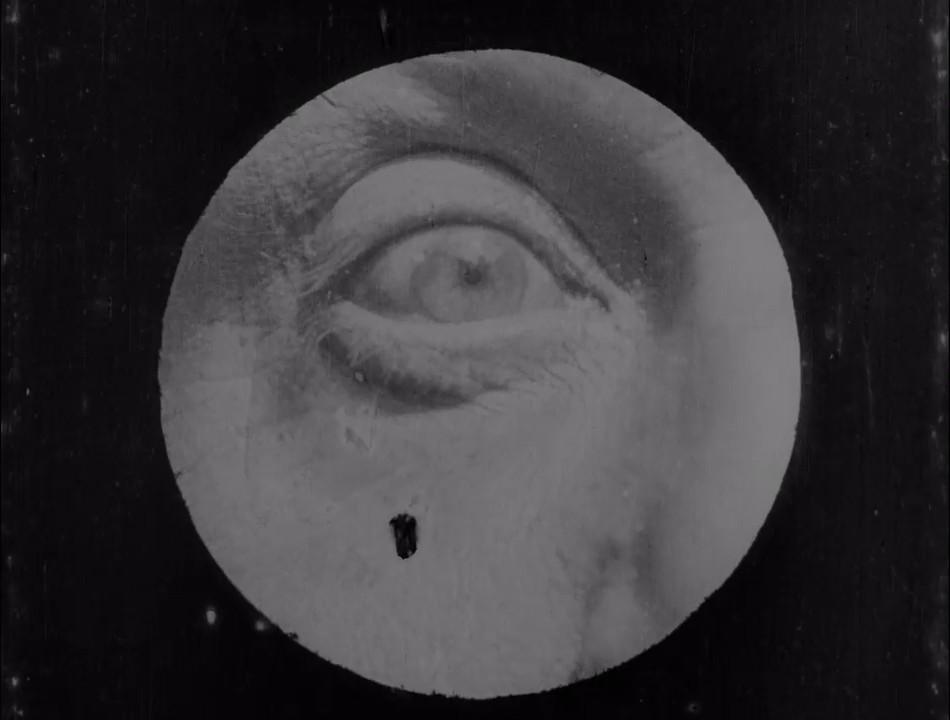
Grandma's Reading Glass
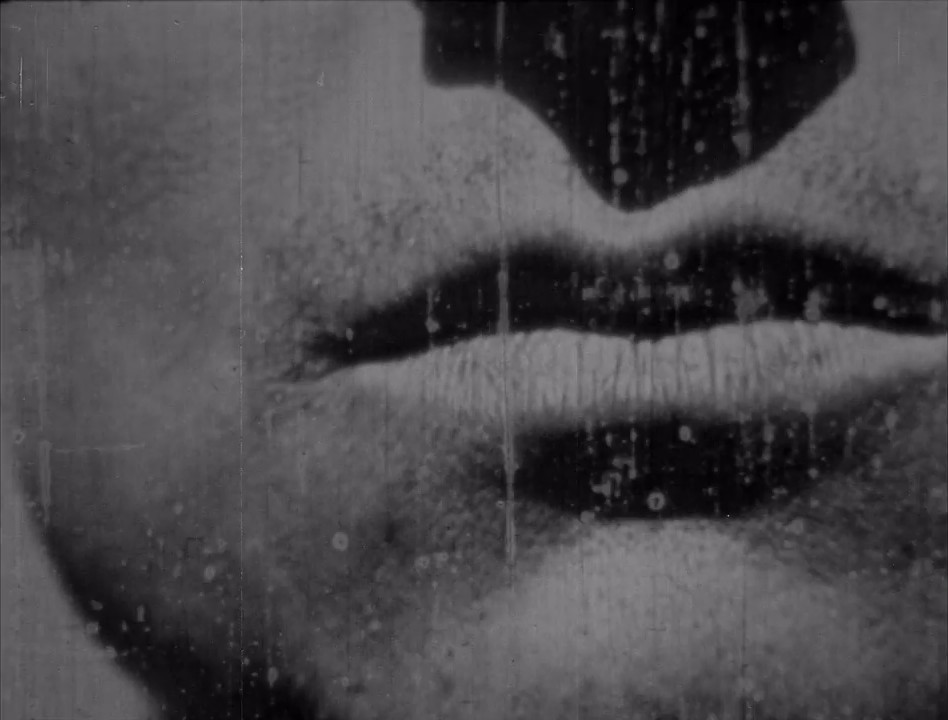
The Big Swallow
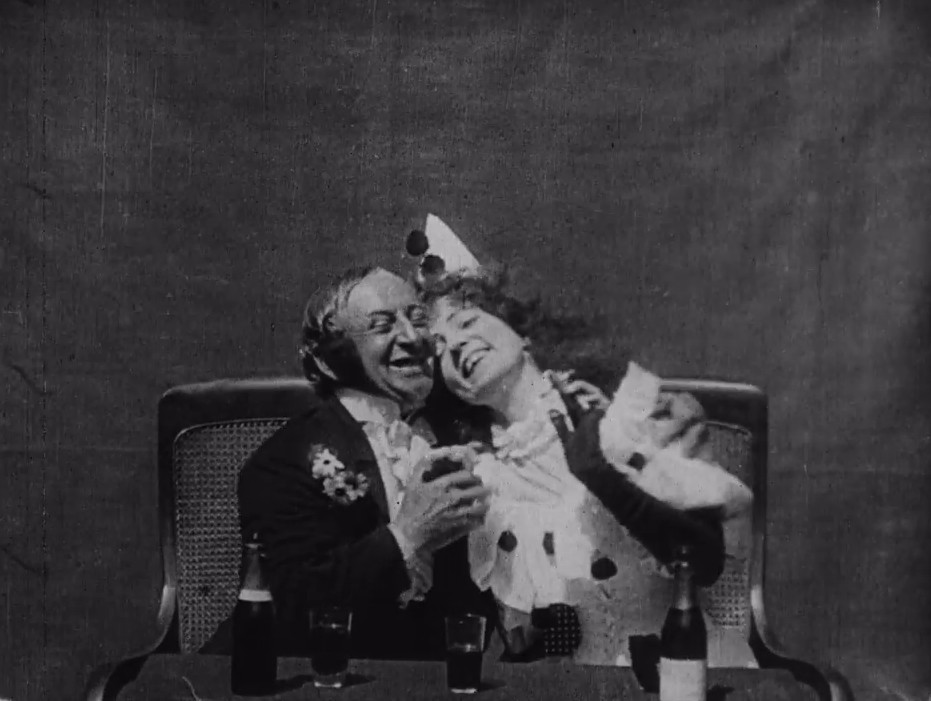
Let Me Dream Again
The Kiss in the Tunnel
The Kiss in the Tunnel
Magic Sword, A Mediaeval Mystery
The House That Jack Built
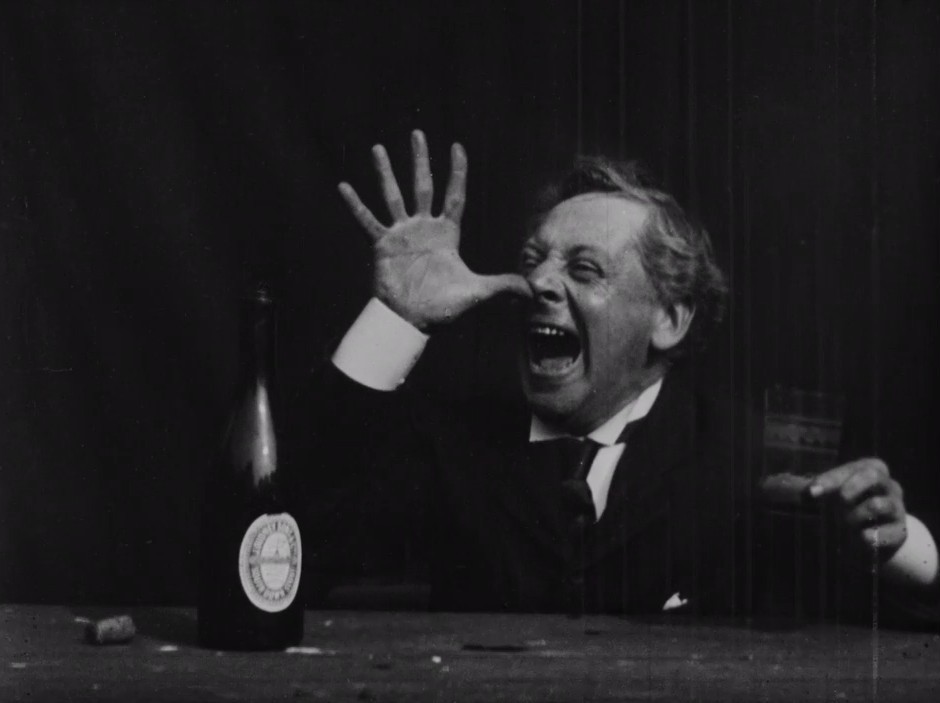
Comic Faces - Old Man Drinking a Glass of Beer
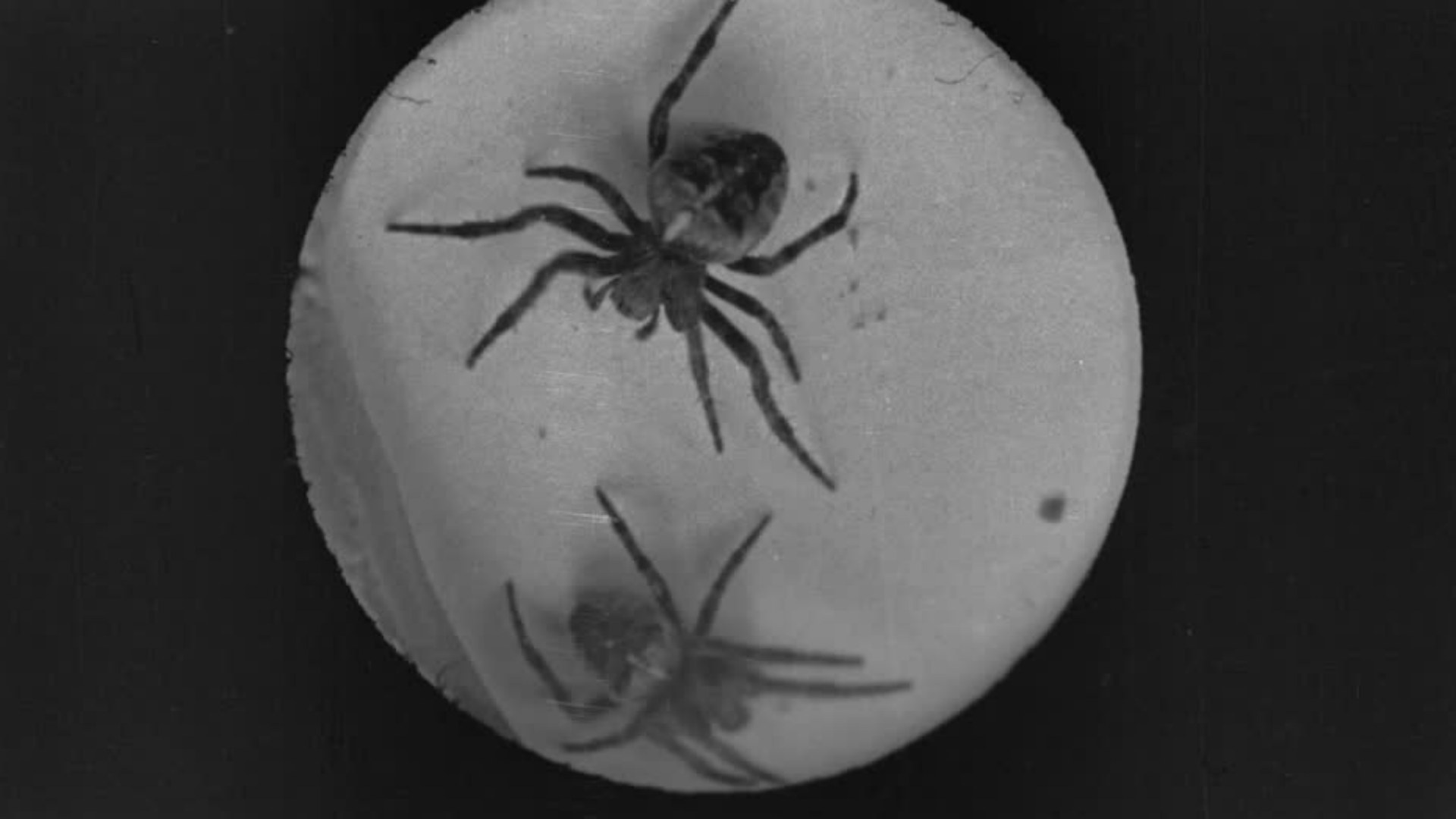
Spiders on a Web
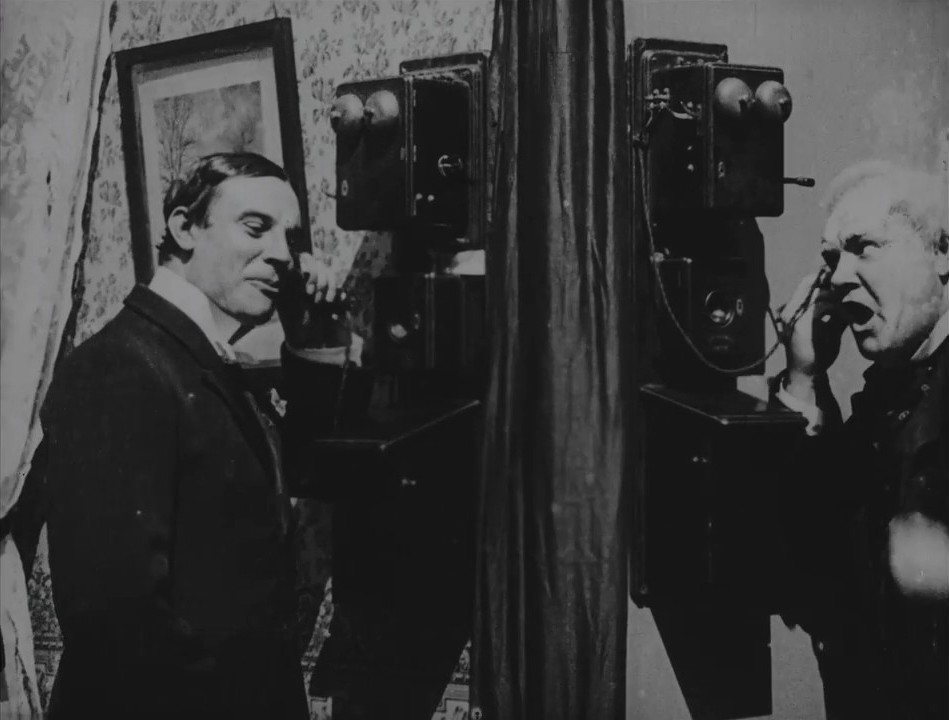
Are You There?
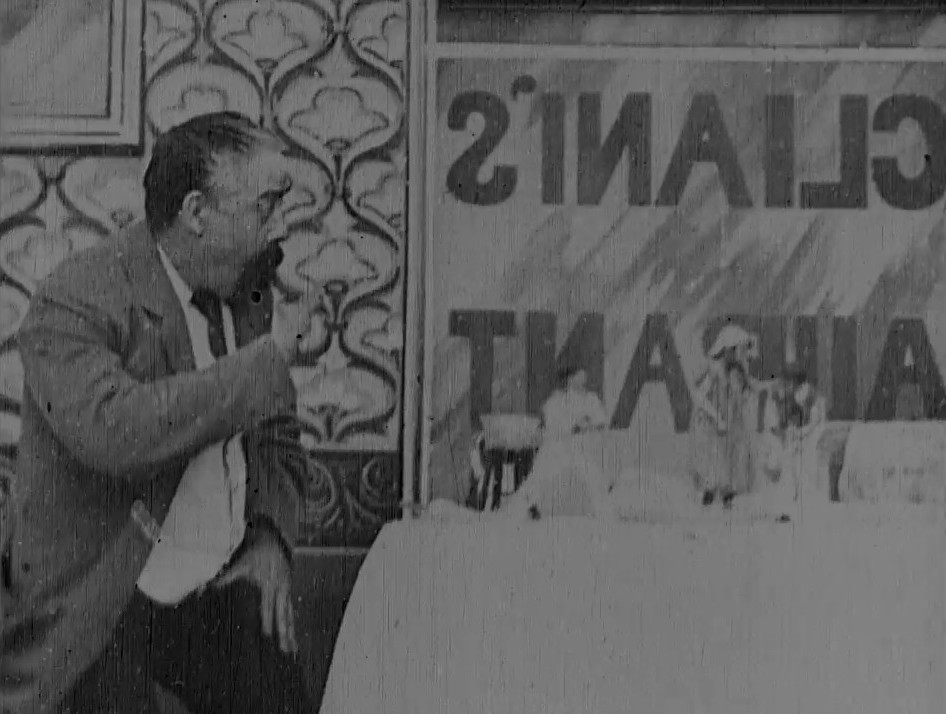
The Cheese Mites; Or, Lilliputians in a London Restaurant
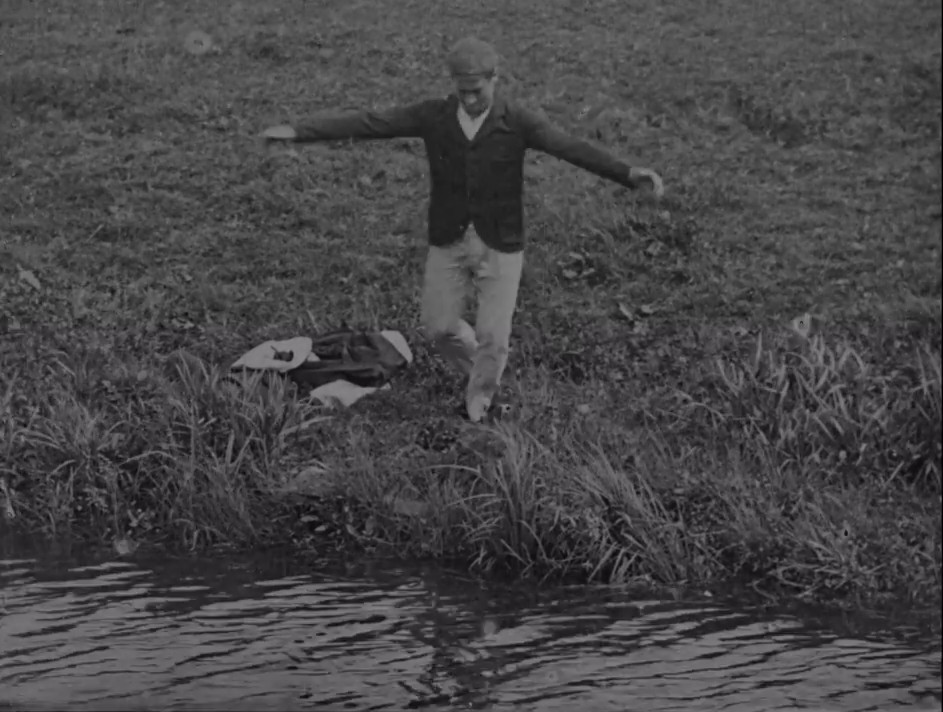
The Puzzled Bather and His Animated Clothes
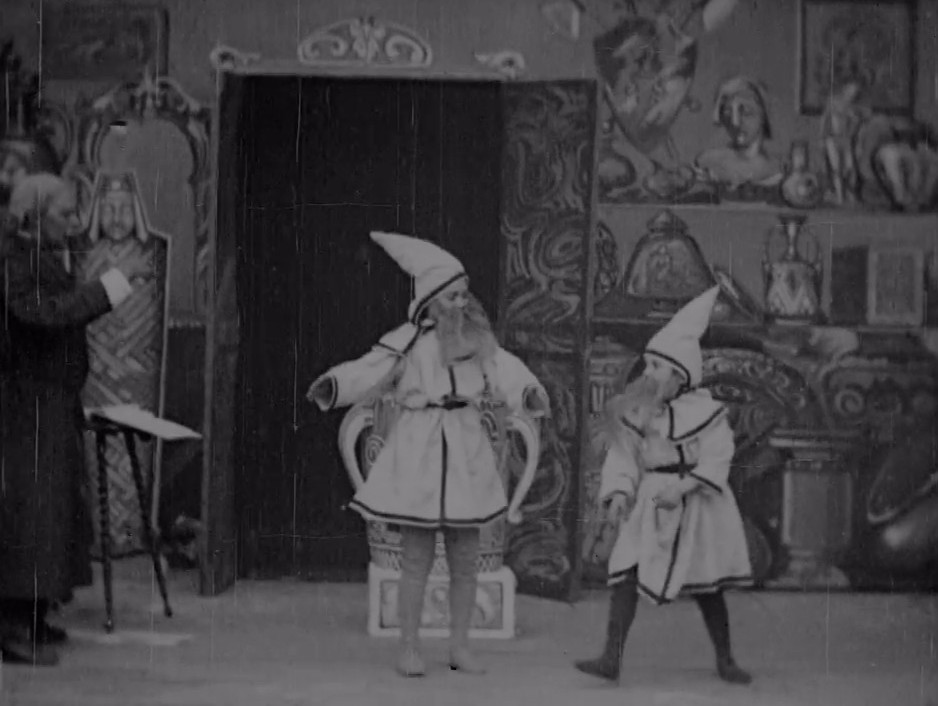
The Haunted Curiosity Shop
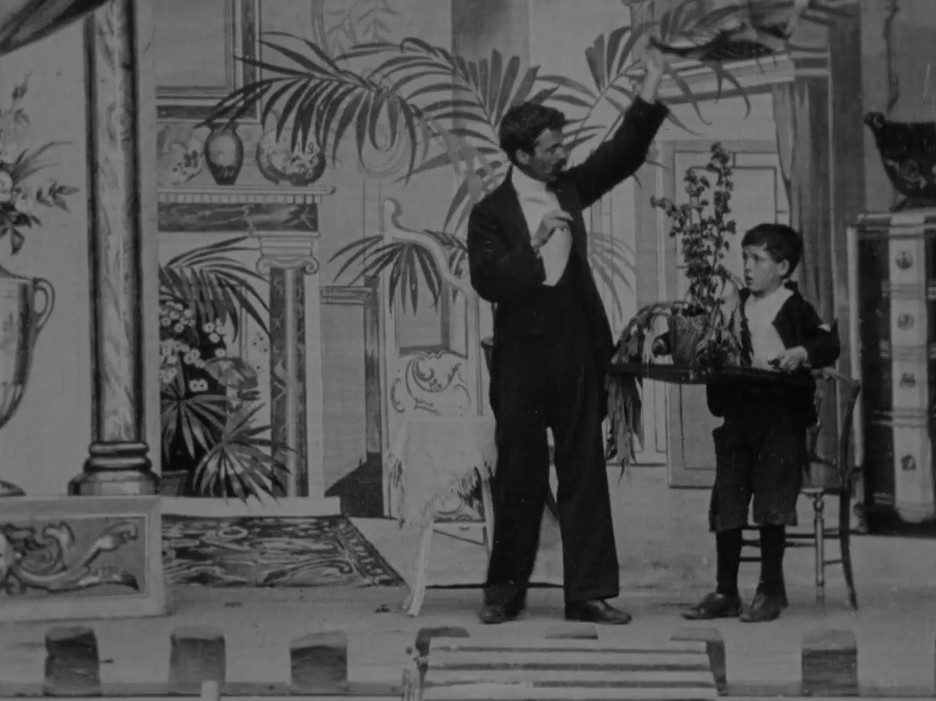
The Waif and the Wizard; or, The Home Made Happy