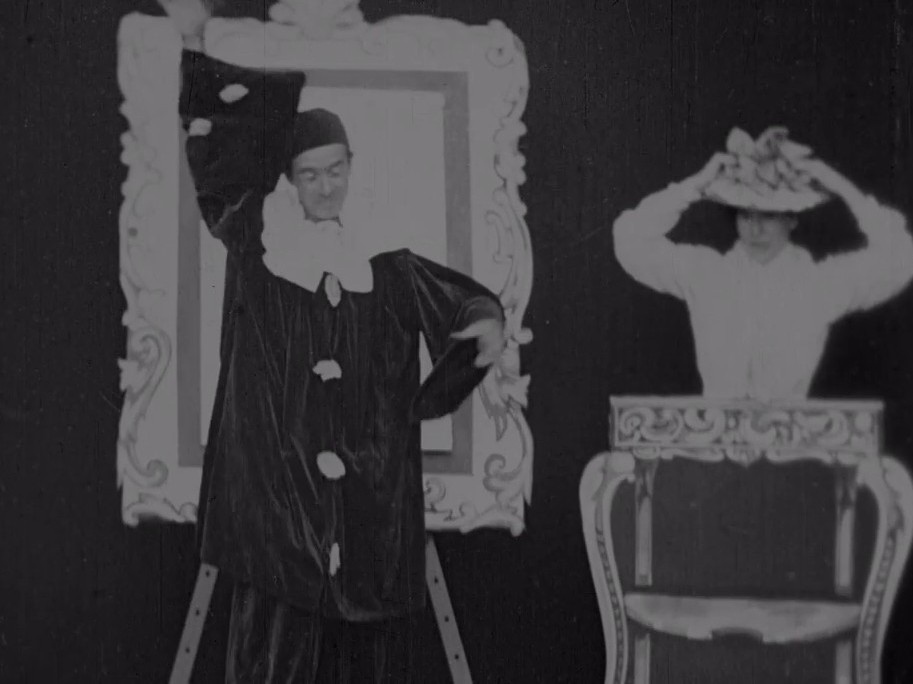
Grandma's Reading Glass
A boy examines things through his Grandmother's magnifying glass, and early film takes a huge step forward.
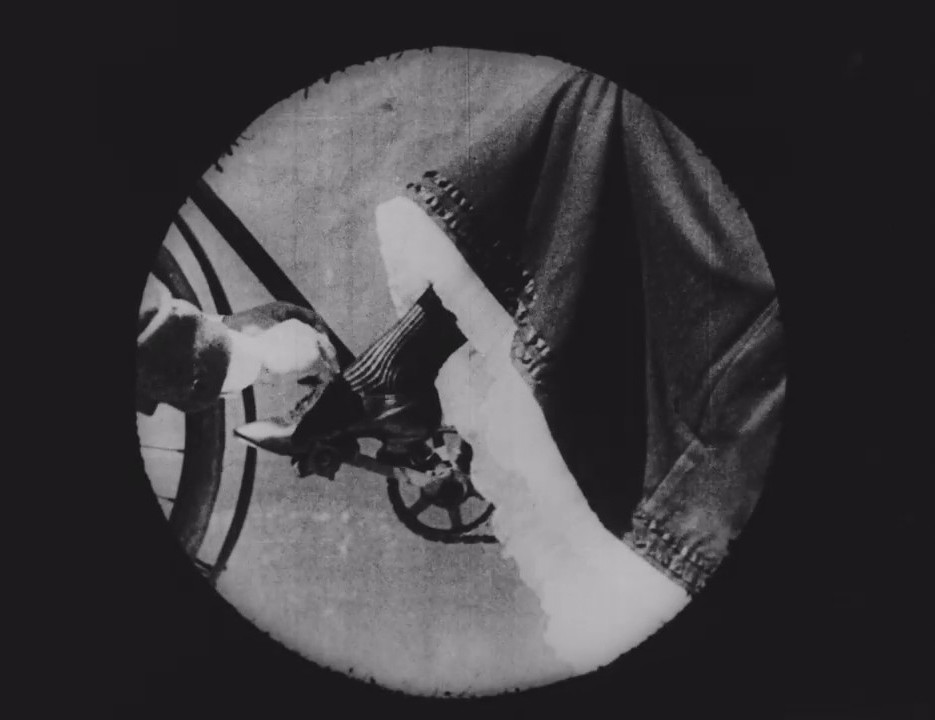
In this innovative play on perspective from GA Smith, a boy examines things through his Grandmother's magnifying glass... and film grammar takes a huge step forward. Unlike the neutral observations of actuality films, or filmed theatre (as some early film has been pejoratively termed) this film deploys what would become known as the point of view shot. This is just one example of how the playfulness and inventiveness of the early film pioneers directly shaped the evolution of film as a visual language.
Inventing Film Language
As with any new technology, it was film’s early adopters whose innovations and discoveries began to map out what is possible.
The first filmmakers had a lot to learn, but they learnt quickly, driven by their own creative ambitions and by audiences' hunger for novelty. Most of the techniques we know today were in place by the end of the Victorian period.
It was the Victorian pioneers who developed the essential building blocks of film; close-ups, pans and travelling shots; editing and principles of continuity. And their ambition spurred them to innovate numerous tricks and effects, from jump-cuts, to double-exposure and even split screen. Generations of later filmmakers would refine these methods, but the groundwork had already been done.
19 videos in this collection
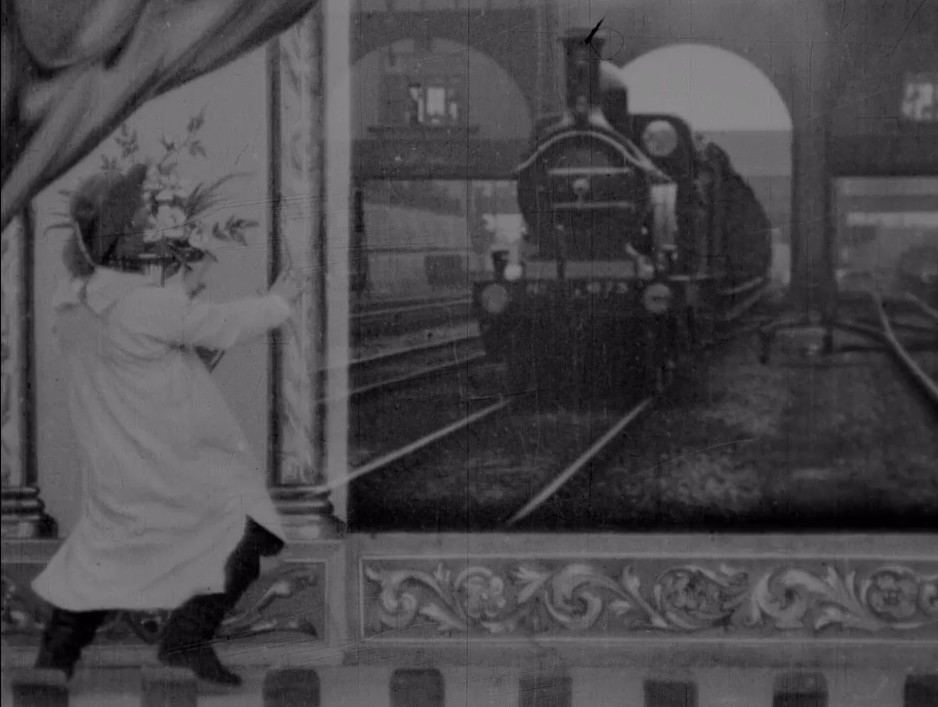
The Countryman and the Cinematograph
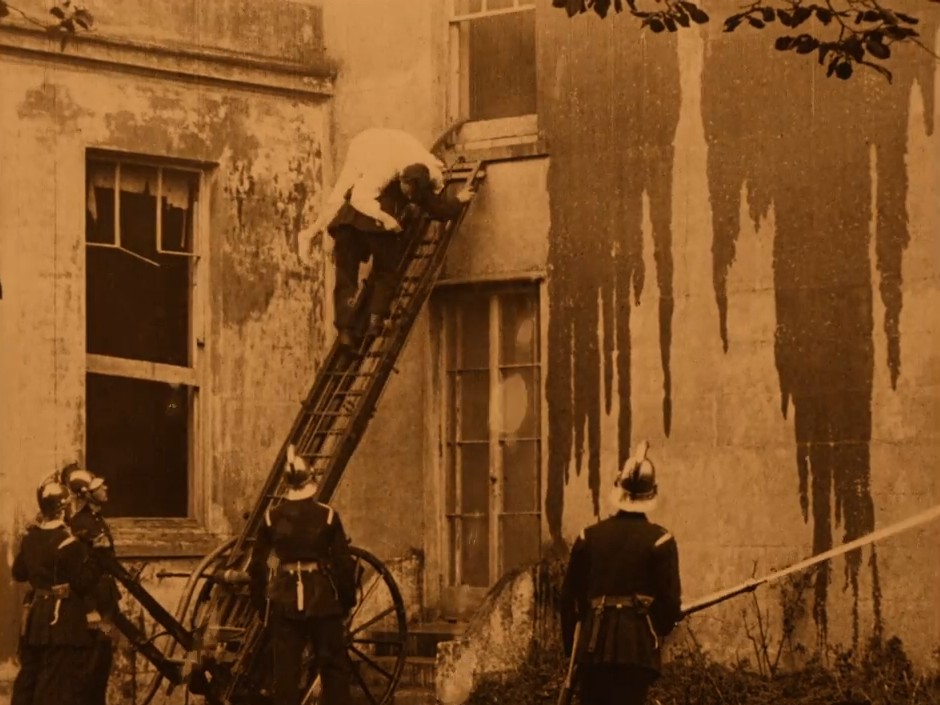
Fire!
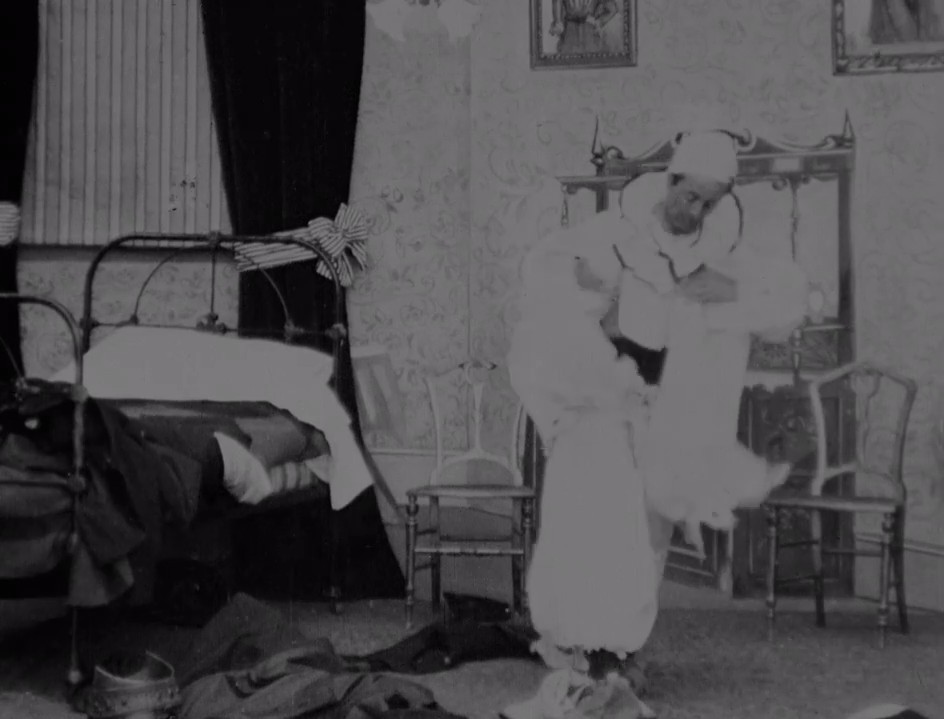
Undressing Extraordinary; Or, The Troubles of a Tired Traveller
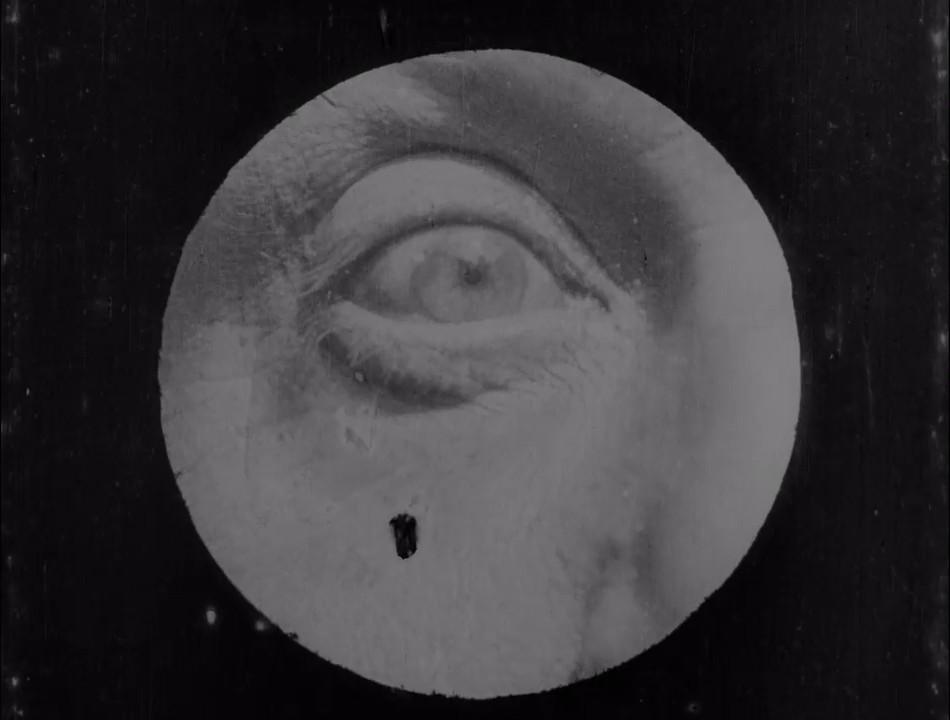
Grandma's Reading Glass
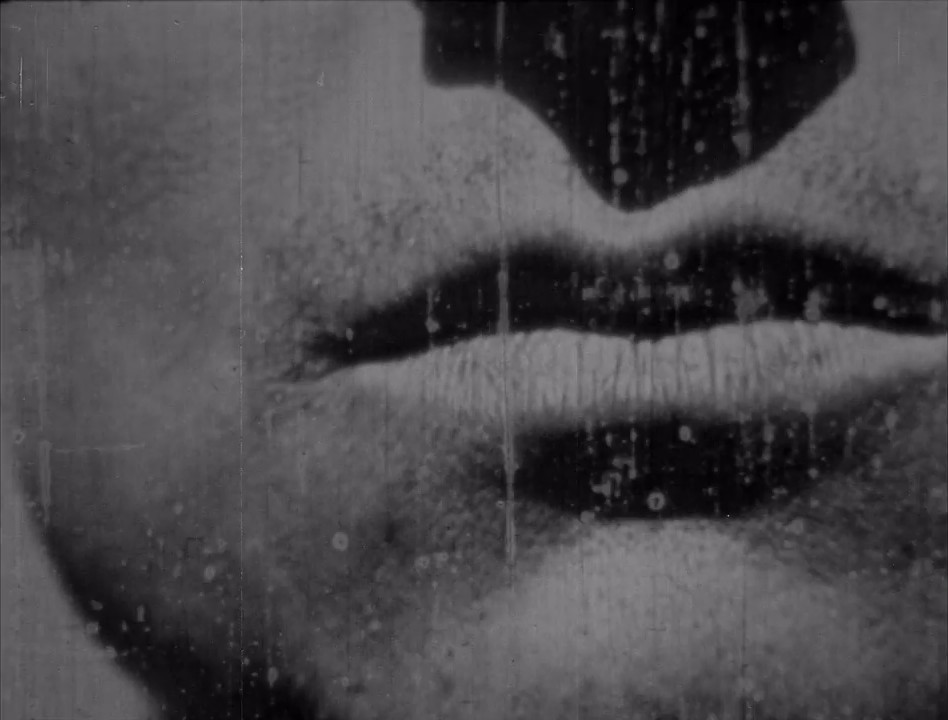
The Big Swallow
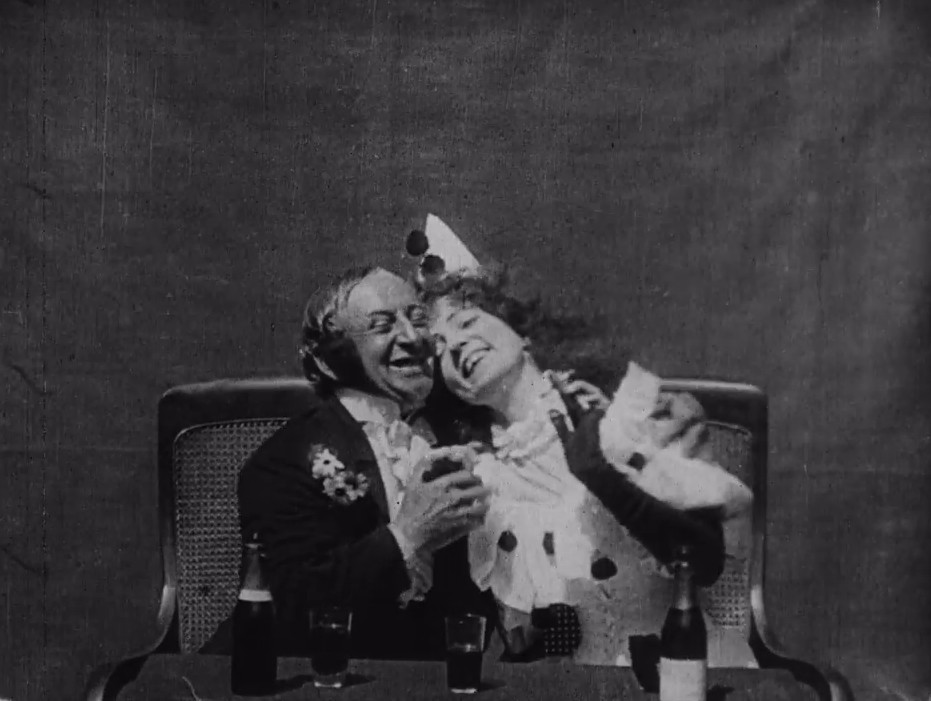
Let Me Dream Again
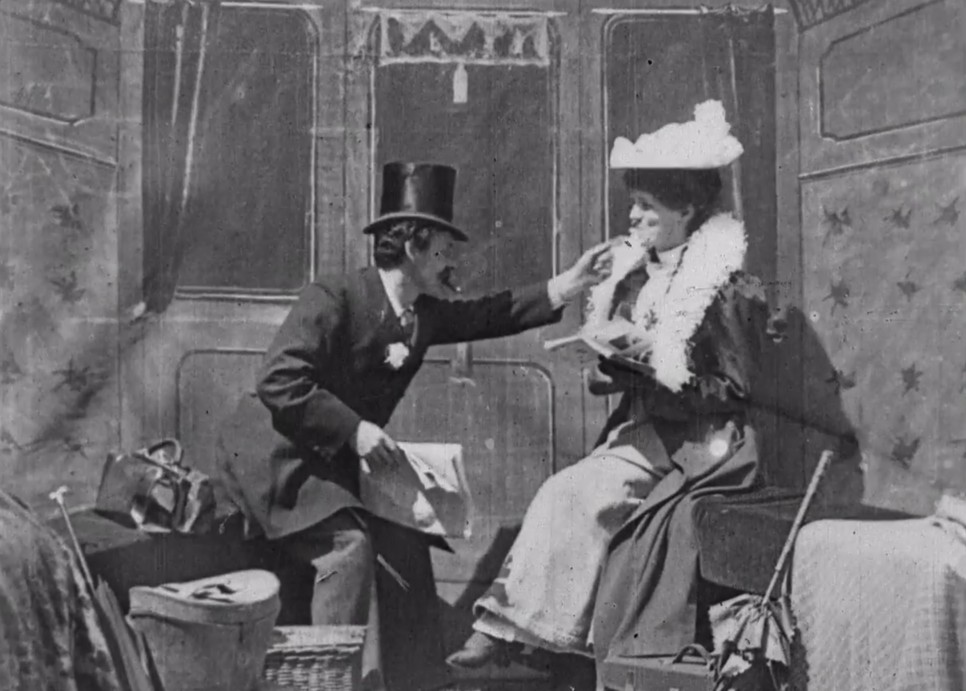
The Kiss in the Tunnel
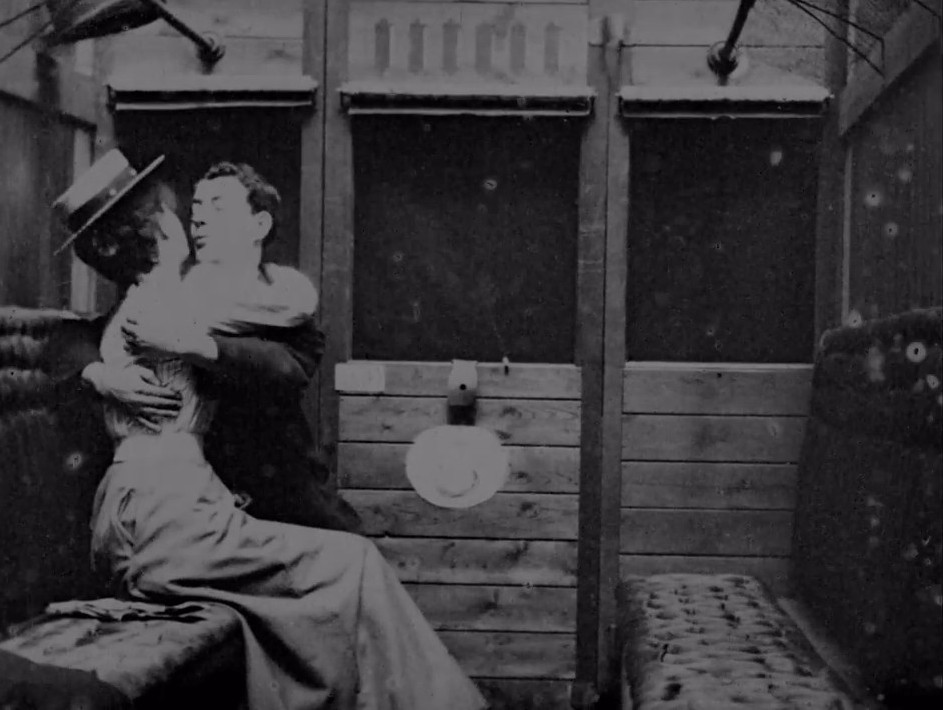
The Kiss in the Tunnel
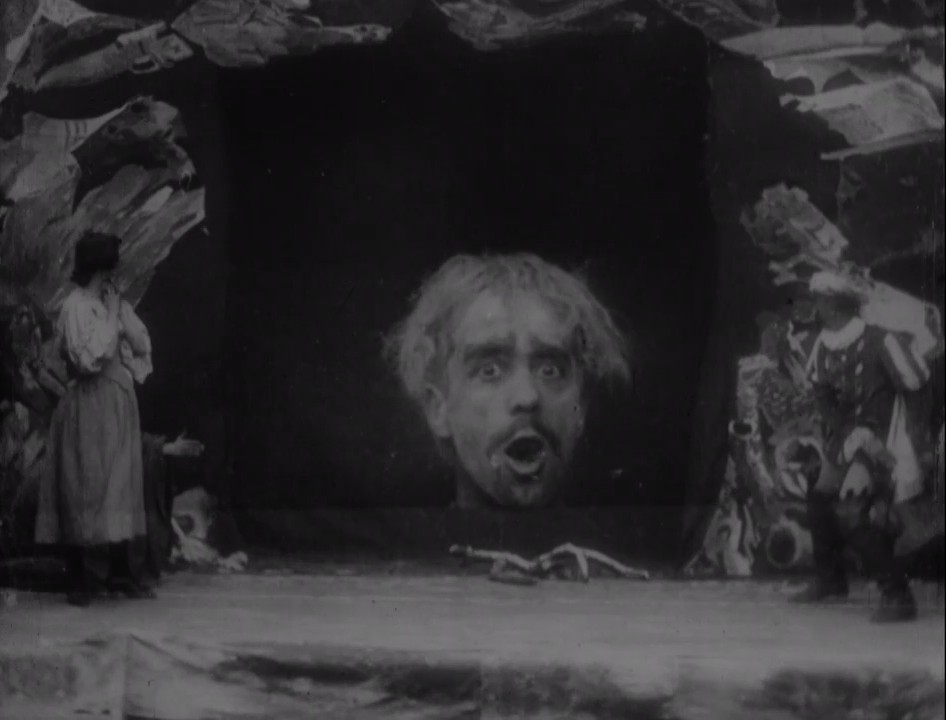
Magic Sword, A Mediaeval Mystery
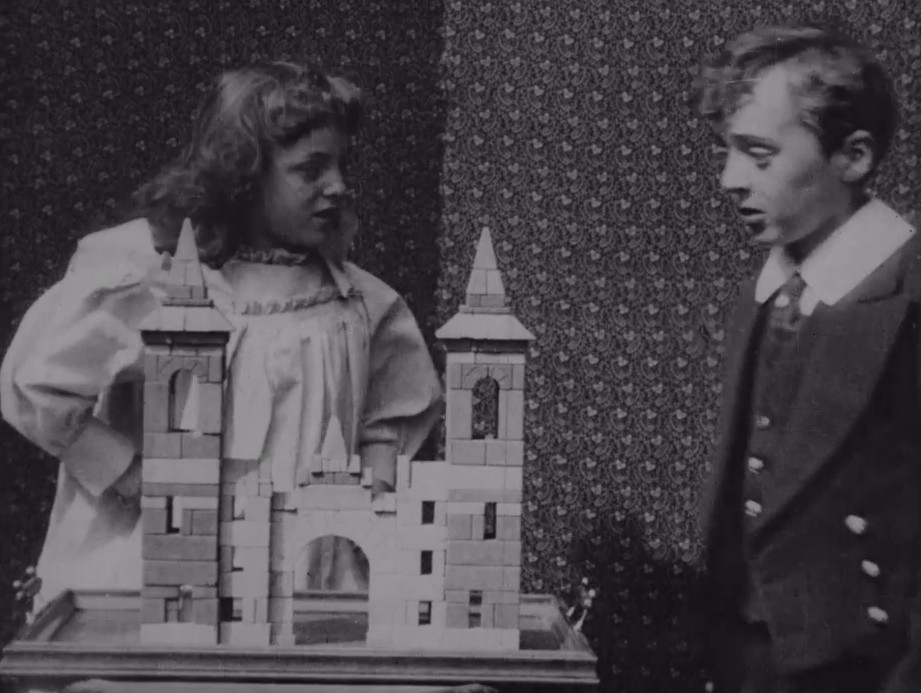
The House That Jack Built
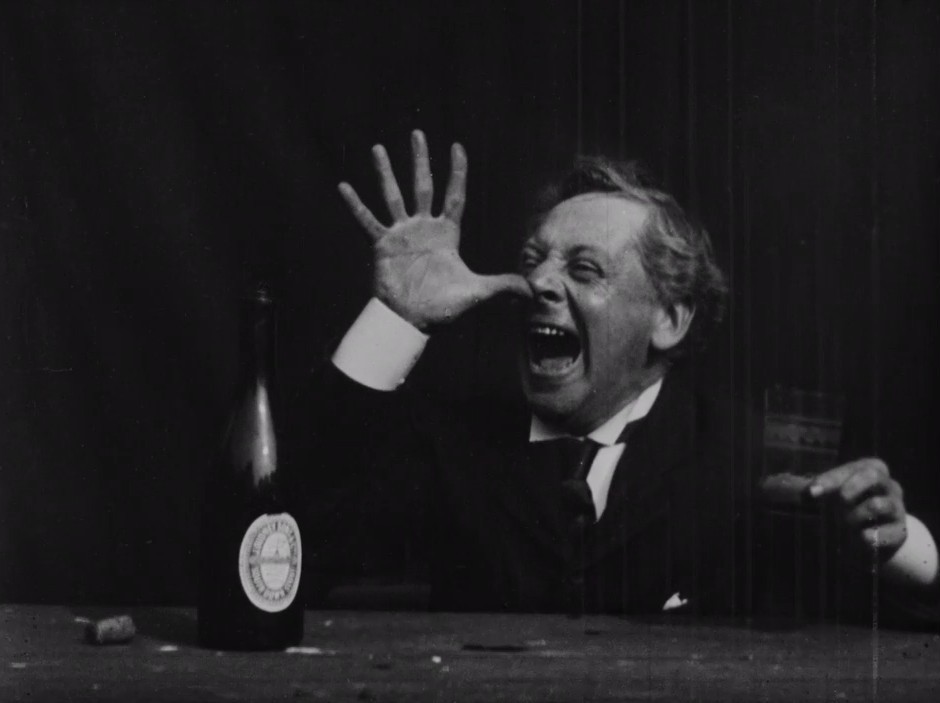
Comic Faces - Old Man Drinking a Glass of Beer
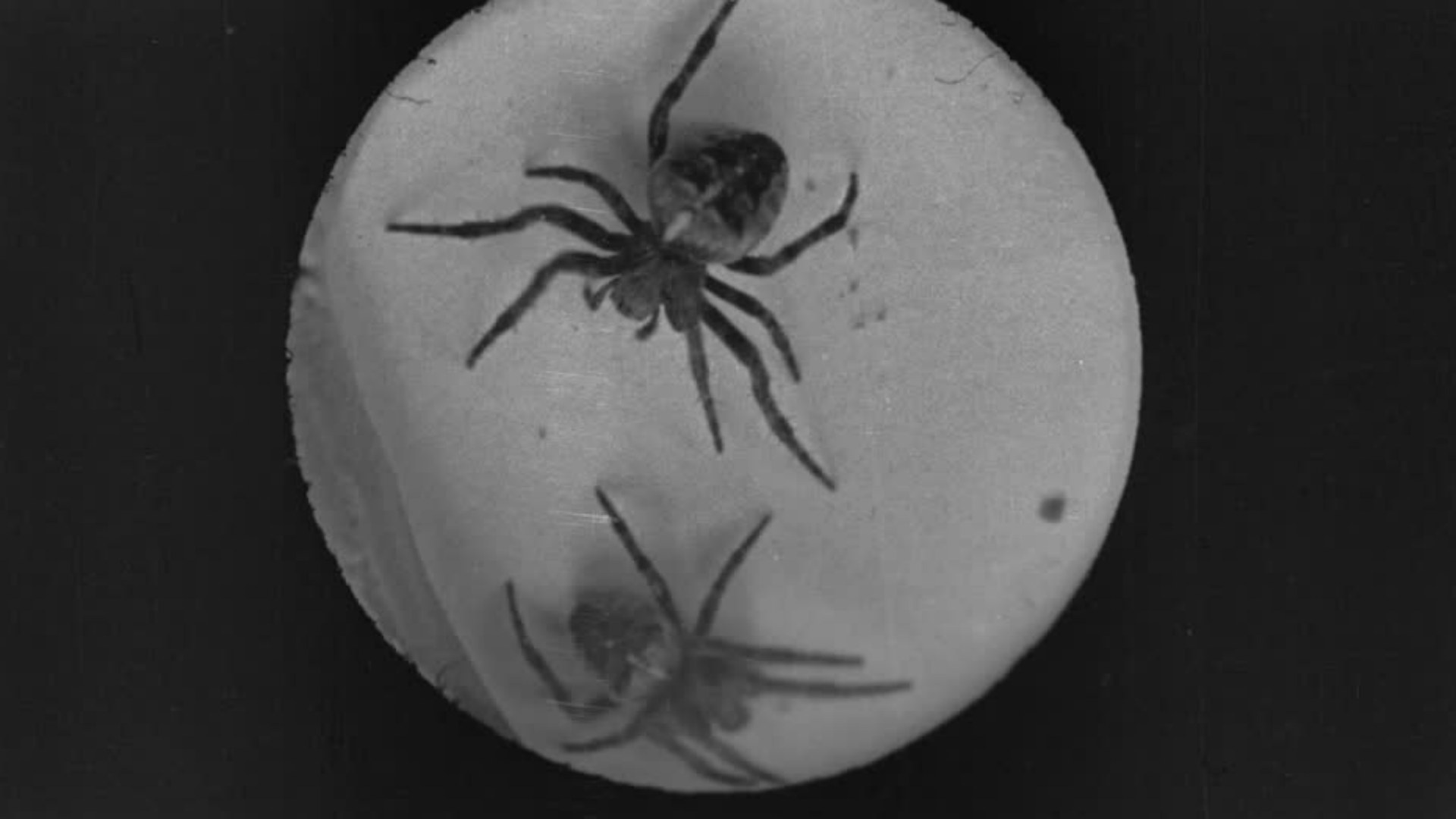
Spiders on a Web
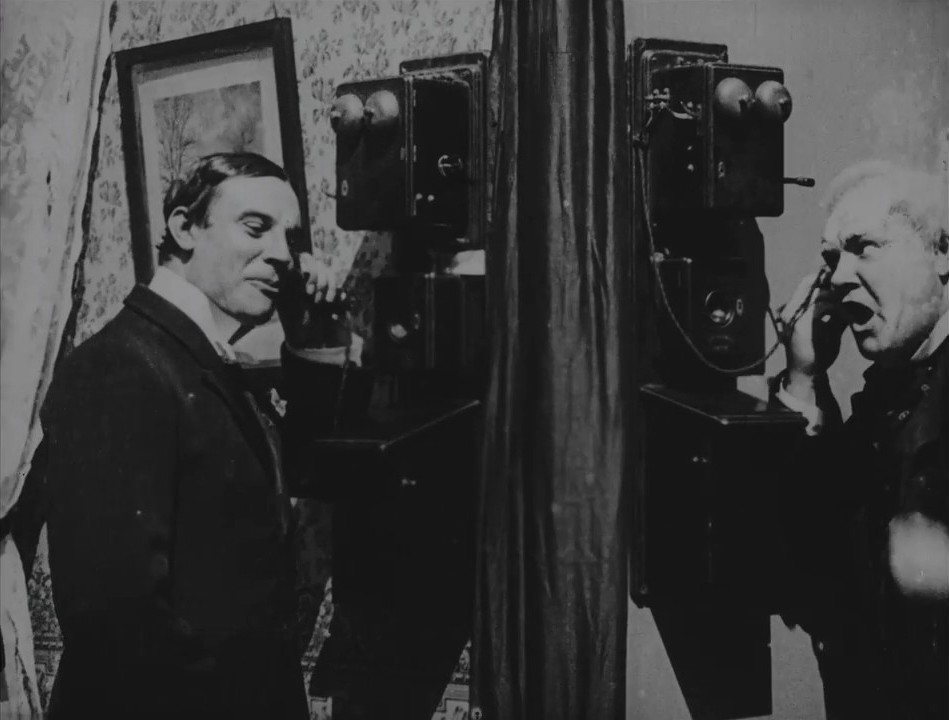
Are You There?
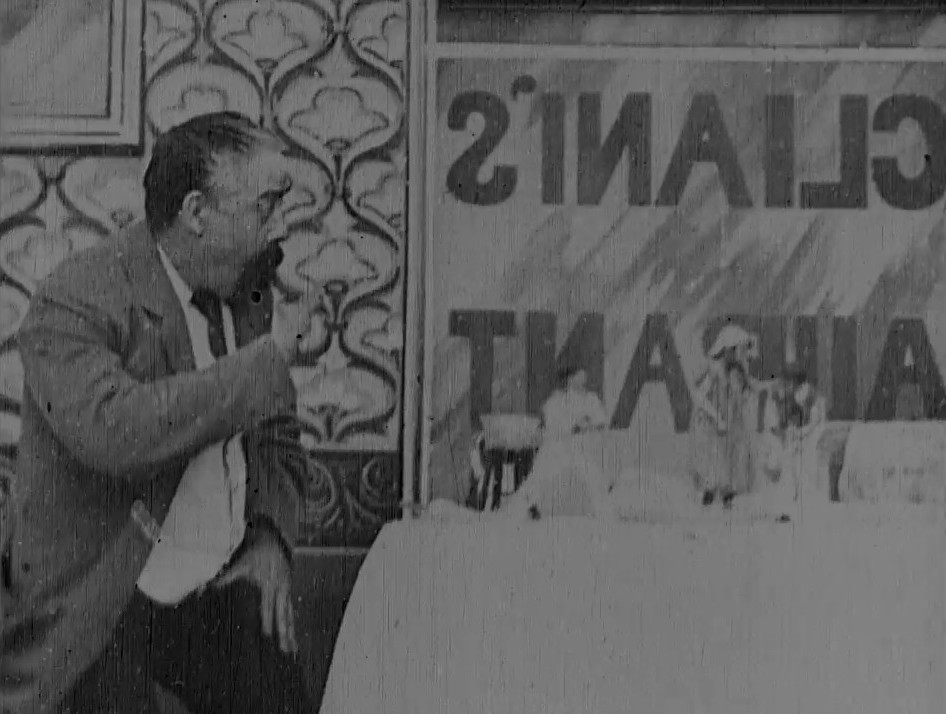
The Cheese Mites; Or, Lilliputians in a London Restaurant
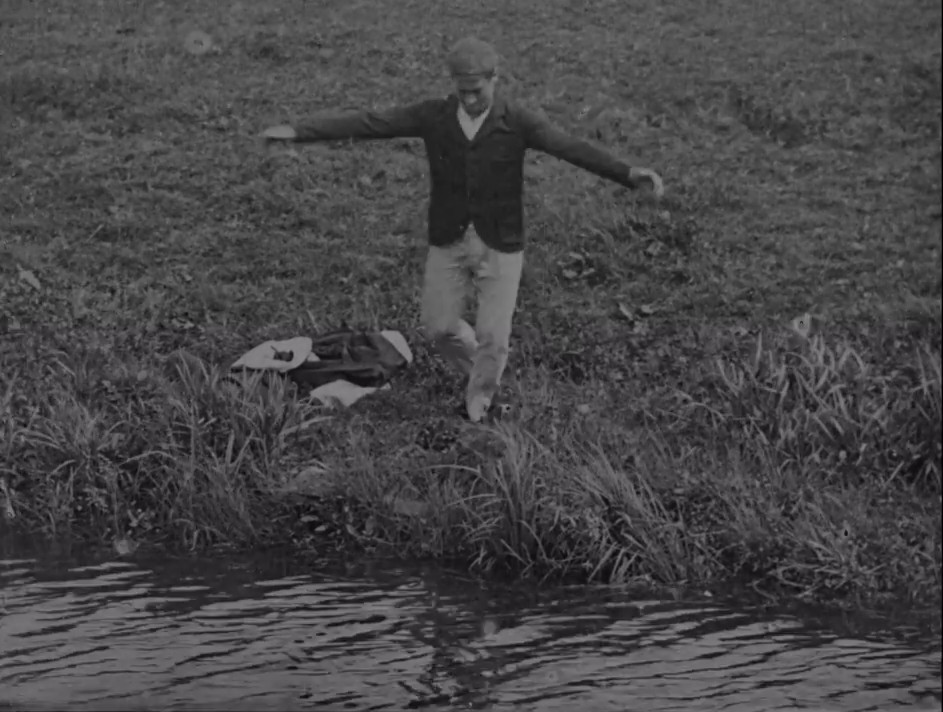
The Puzzled Bather and His Animated Clothes
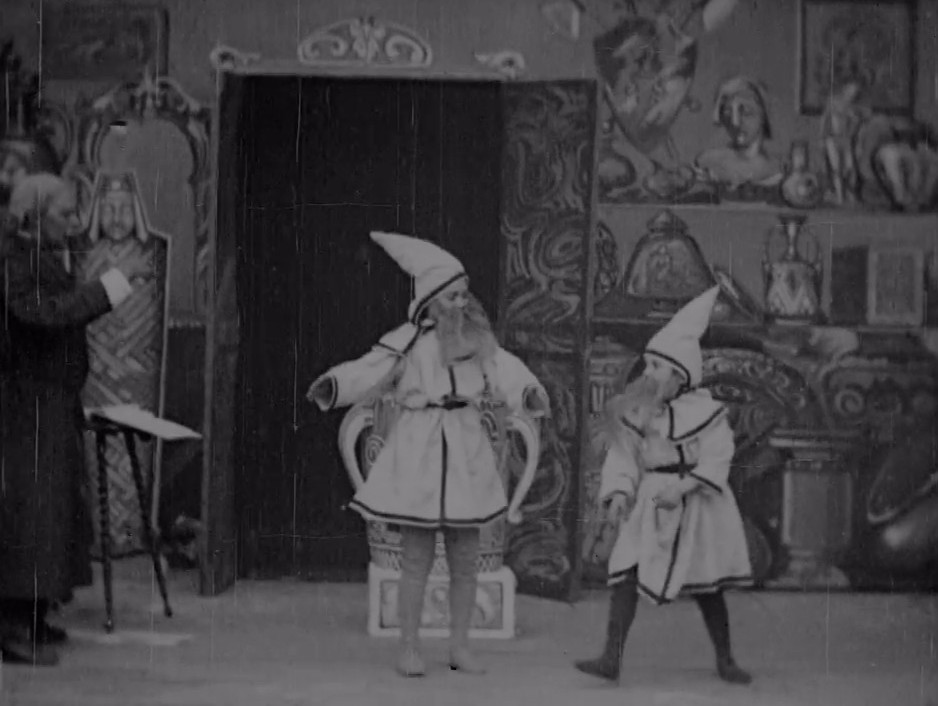
The Haunted Curiosity Shop
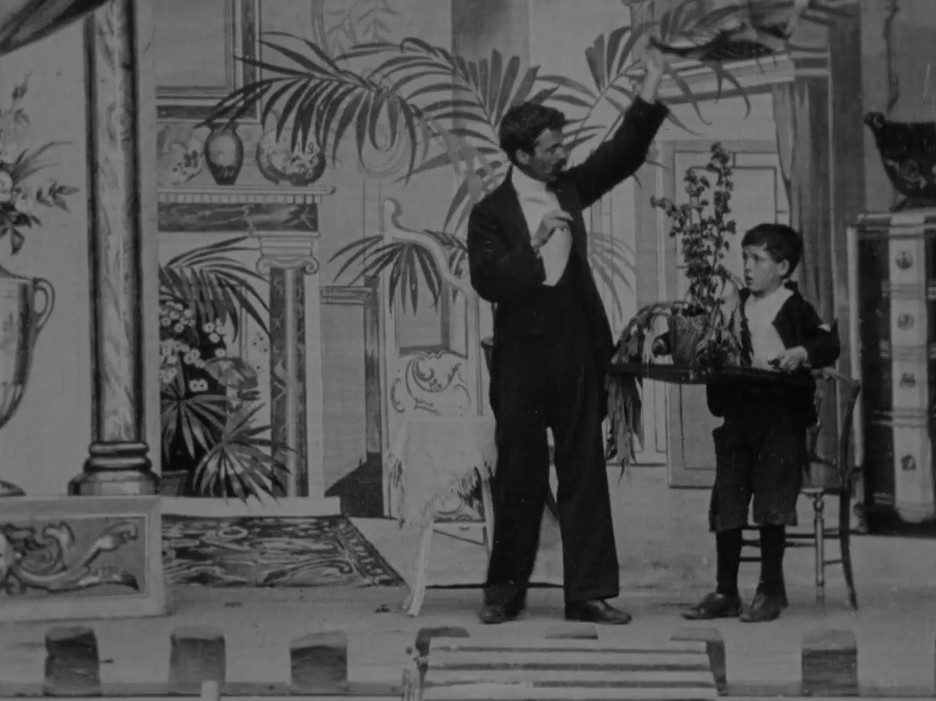
The Waif and the Wizard; or, The Home Made Happy