Hangzhou and a Trip to the Baochu Pagoda
From the collection of

From the collection of
The remarkable Baochu pagoda dominates this film about a visit to the West Lake at Hangzhou.
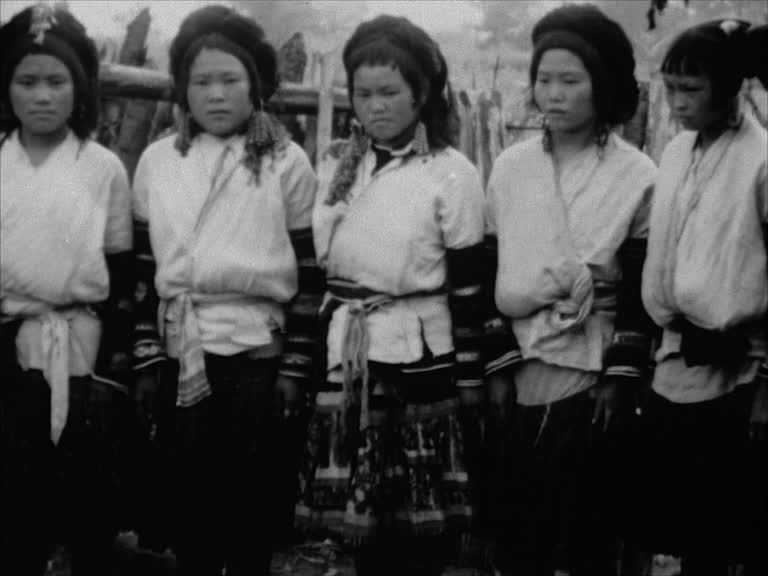
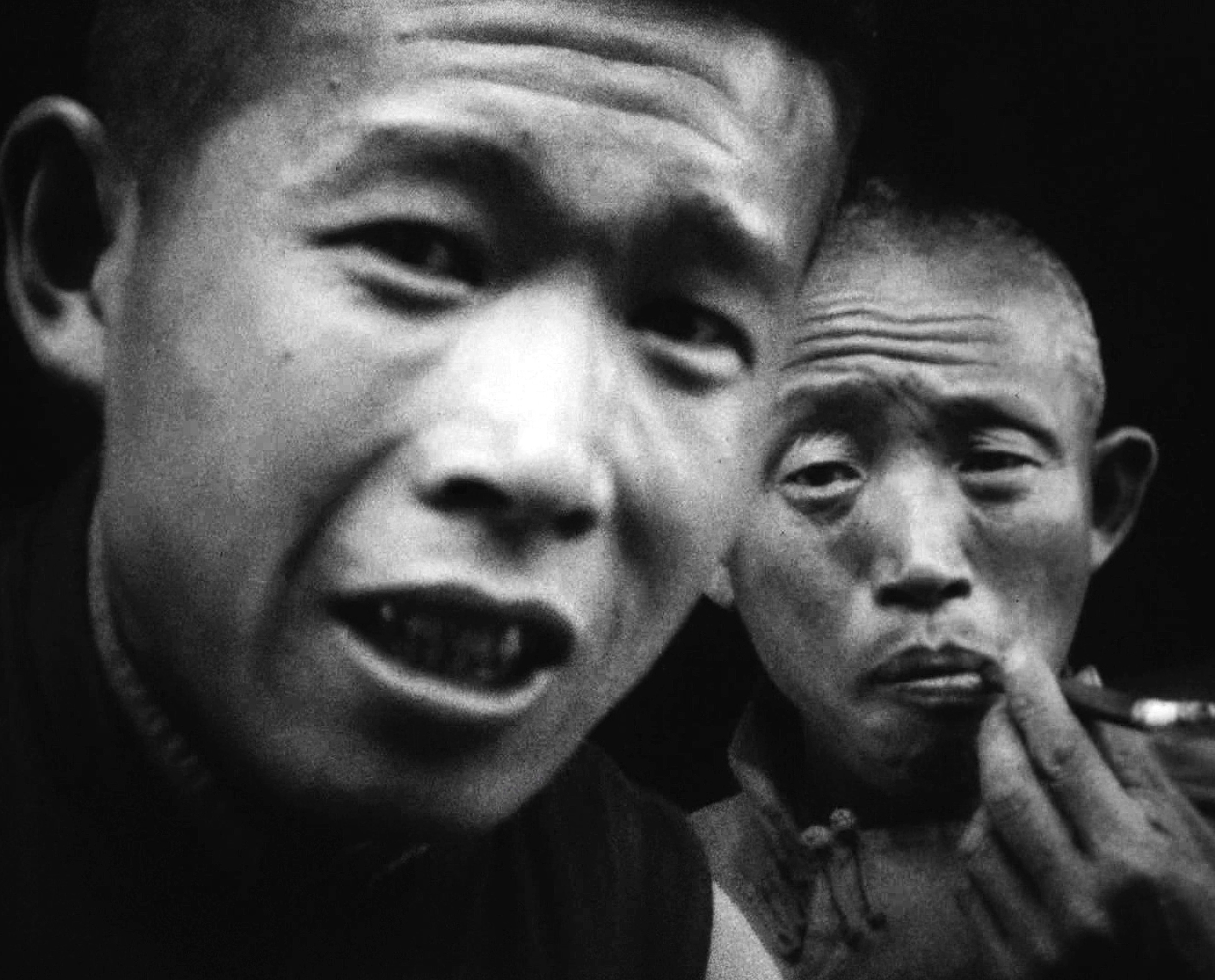
This film opens with views of Hangzhou's West Lake and a touring party being carried in traditional Chinese litters called Jiao. A boat trip on the lake is followed by views of the Baochu pagoda which dominates the landscape. The tourists then visit an open-air market accompanied by a parade of curious faces, before another journey by Jiao. A passing monk smiles at the camera. The final scenes show the filmmaker's wife playing with dogs in the garden of their Shanghai home.
William Simpson, who made this film, worked for the Bradford Dyers Association in Shanghai, at Number 1, The Bund. His wife Charlotte was born in China's Lushan mountains and she married William, who originally came from Bradford, in Shanghai's St Ignatius Roman Catholic Cathedral. The couple left Shanghai before the city was overrun by the Japanese Army and by 1938 had left China for good.
Home movies are intimate catalogues of everyday life: birthdays and holidays, childhoods and neighbourhoods. Each reel is a private scrapbook - memories of cherished people, places and times committed to film. Rarely shared outside the family, home movies are the most intensely personal kind of filmmaking. They are by us, of us, for us. Victorian inventors put filmmaking gear in the hands of wealthy amateurs, but decade by decade, home moviemaking technology has become ever cheaper, simpler and more ubiquitous. Our home movies look much as they always have: in and out of focus, thumbs over the lens, wobbly framing, over-enthusiastic pans. But these flaws can't diminish their warm authenticity. Collectively, the nation's home movies make up a patchwork archive of British social life, of whims and ways, loves loved and lives lived.