Among the Tribes in South-West China
This alluring travelogue follows a missionary on his colourful journey into the ethnically diverse mountains of Yunnan, south west China.
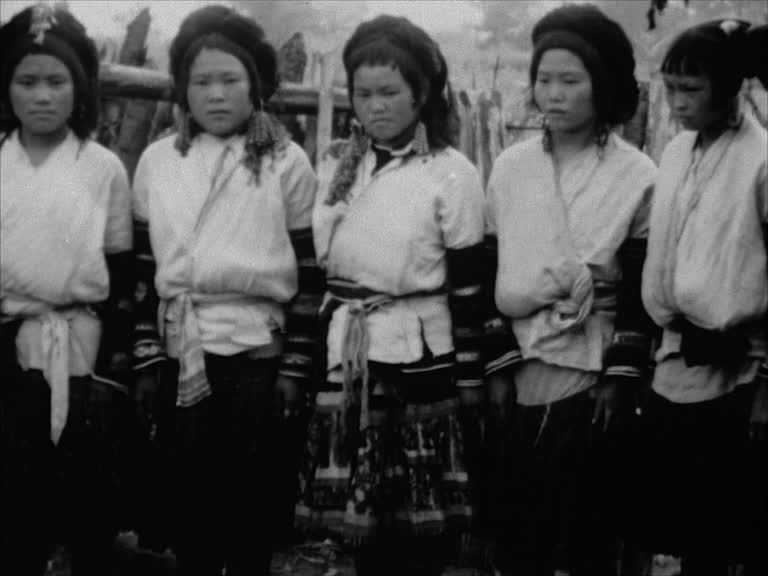
A western missionary and his cohort of assistants and armed guards penetrate deep into the mountains of Yunnan in search of the Miao and Nosu minorities. This beautifully shot film shows the challenging terrain of this southwestern province, where ethnic tribes lived in isolation and primitive conditions. On reaching the villages, the party give medical treatment to members of the community.
Almost half of China's 55 ethnic minorities inhabit Yunnan, on the border with Vietnam, Laos and Burma. Many lived in poverty and isolation due to the inaccessibility of their mountainous habitat. Before the Communists came to power in 1949, a year after this film was shot, missionaries were the only source of education, medical treatment and regular meals, which explains their success in converting large numbers of the populace as compared with the rest of China. While made to celebrate missionary achievements, the film nevertheless provides a good insight into the Miao tribe in the mid-20th century.
Home Movies & Amateur Film
Celluloid scrapbooks: the most intimate and personal of films invite us into Britain's birthday parties, back gardens and beach holidays.
Home movies are intimate catalogues of everyday life: birthdays and holidays, childhoods and neighbourhoods. Each reel is a private scrapbook - memories of cherished people, places and times committed to film. Rarely shared outside the family, home movies are the most intensely personal kind of filmmaking. They are by us, of us, for us. Victorian inventors put filmmaking gear in the hands of wealthy amateurs, but decade by decade, home moviemaking technology has become ever cheaper, simpler and more ubiquitous. Our home movies look much as they always have: in and out of focus, thumbs over the lens, wobbly framing, over-enthusiastic pans. But these flaws can't diminish their warm authenticity. Collectively, the nation's home movies make up a patchwork archive of British social life, of whims and ways, loves loved and lives lived.
10 videos in this collection
Problems End
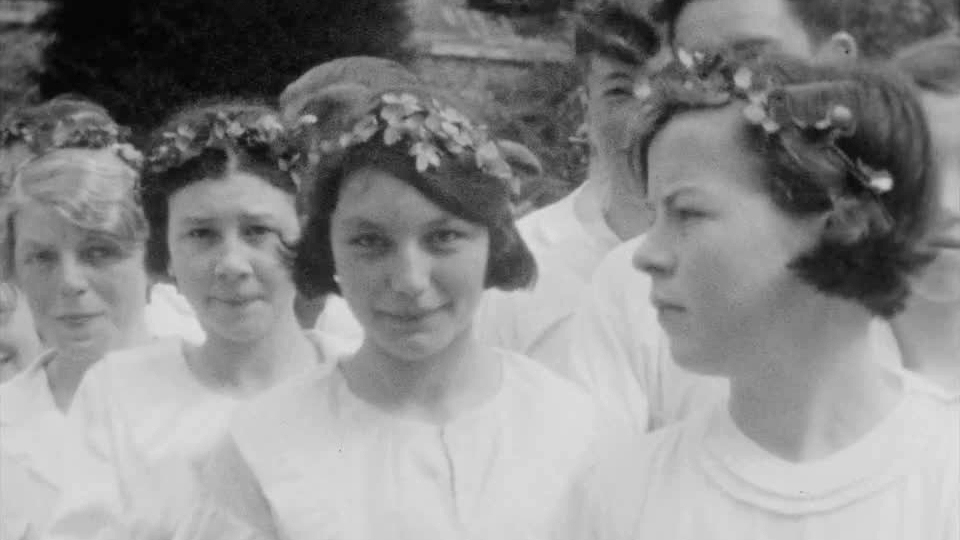
This England - Cornwall: Helston Furry Dance and Villages
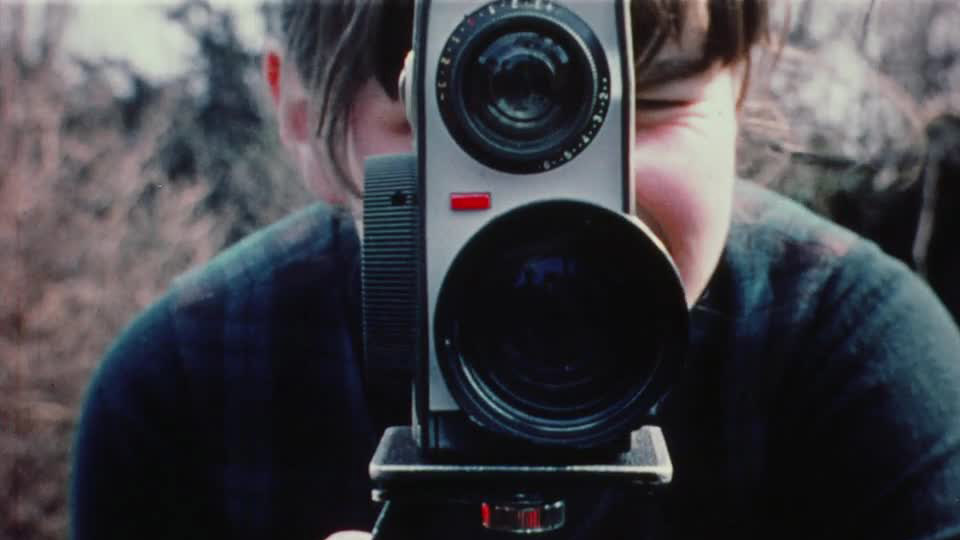
Children on Camera - A Primer about Movies
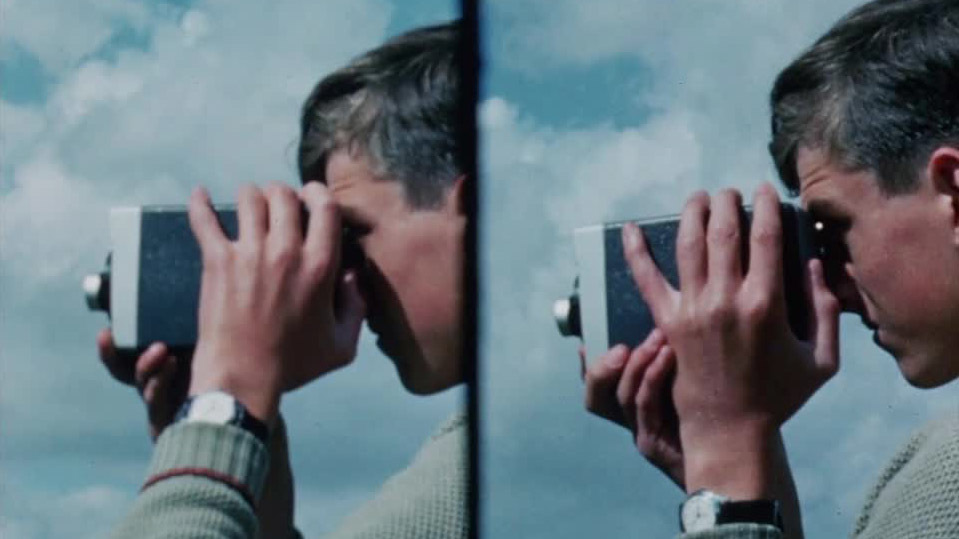
Using the Camera
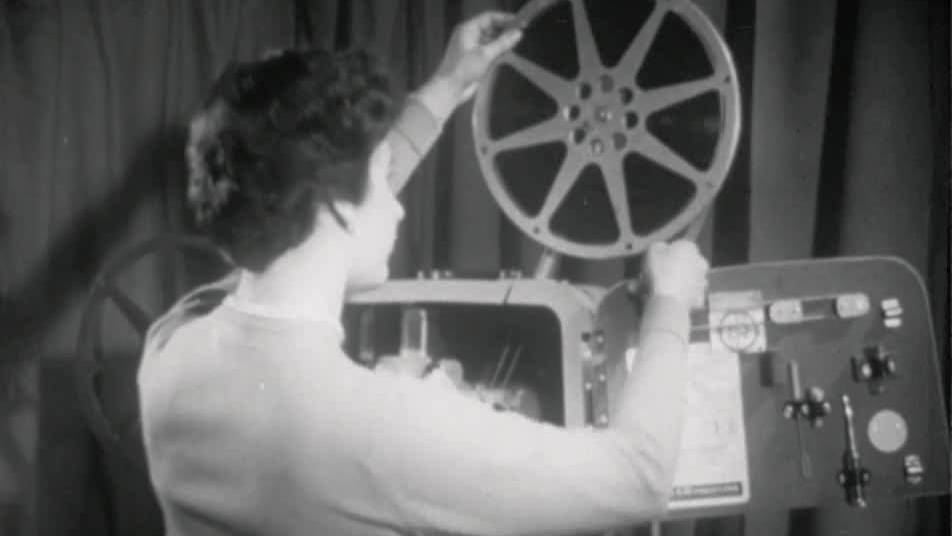
Amateur Talkies
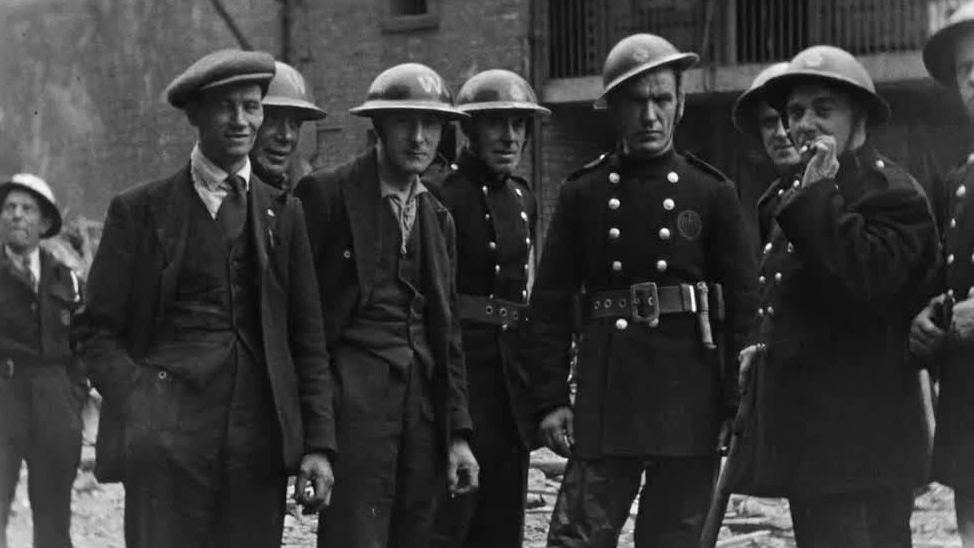
Bombed Out
Among the Tribes in South-West China
They Are Forsaken A Tale of an Island of the Hebrides