Children on Camera - A Primer about Movies
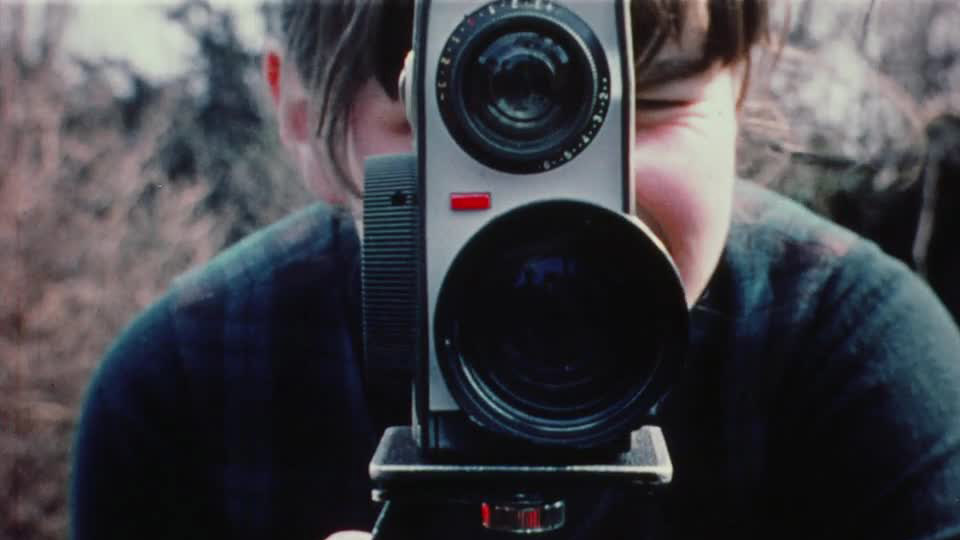
Minimalist movie making at its best: kids learn the art of film language using illustrations and margarine boxes.
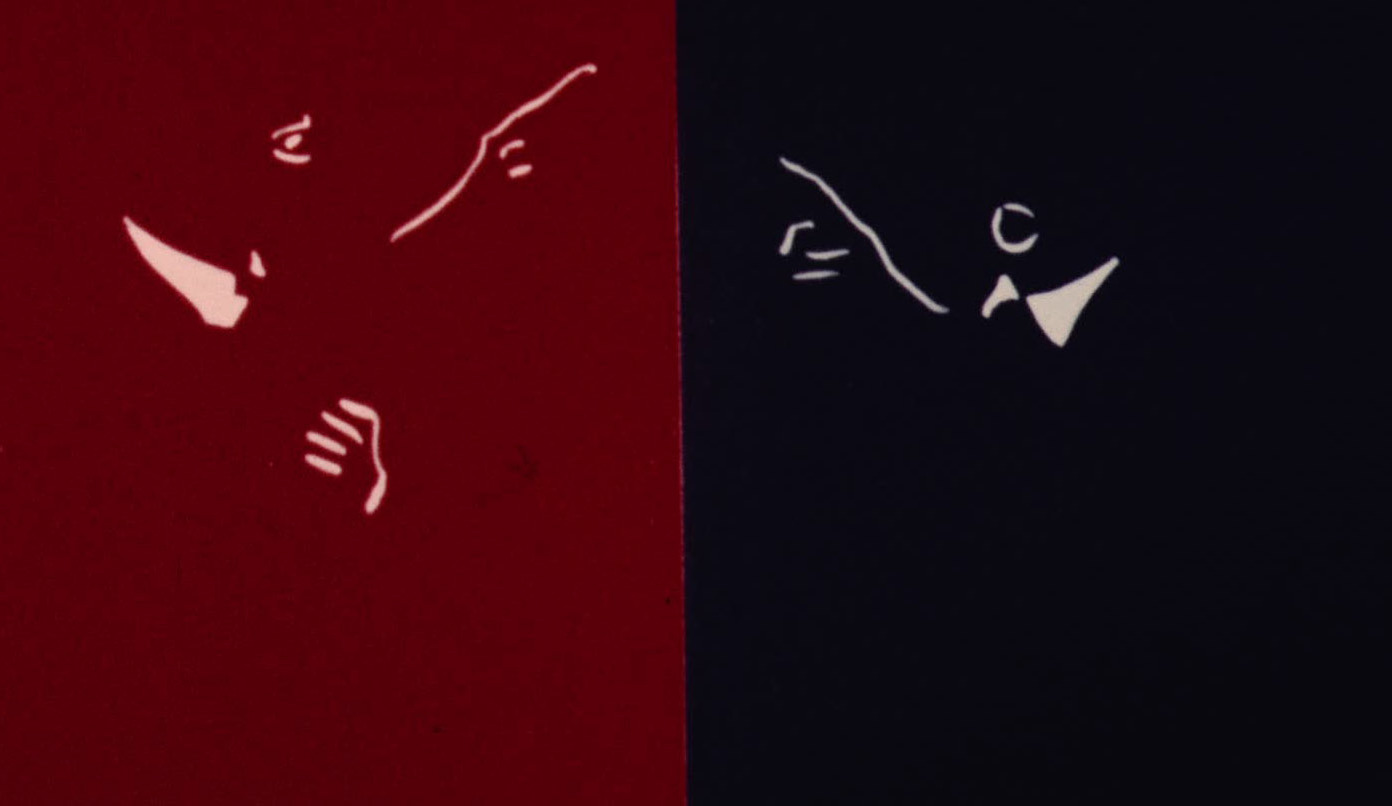
Breaking down the components of film language for both teachers and pupils, this amateur instructional film presents some basic techniques for teaching 11 year olds how to make a short narrative film. Framing, storyboarding and editing are all covered, using a variety of props including illustrations and margarine boxes, before the kids even get their hands on a camera.
This film was made by the pupils of a London primary school and directed by their headmaster.
Home Movies & Amateur Film
Celluloid scrapbooks: the most intimate and personal of films invite us into Britain's birthday parties, back gardens and beach holidays.
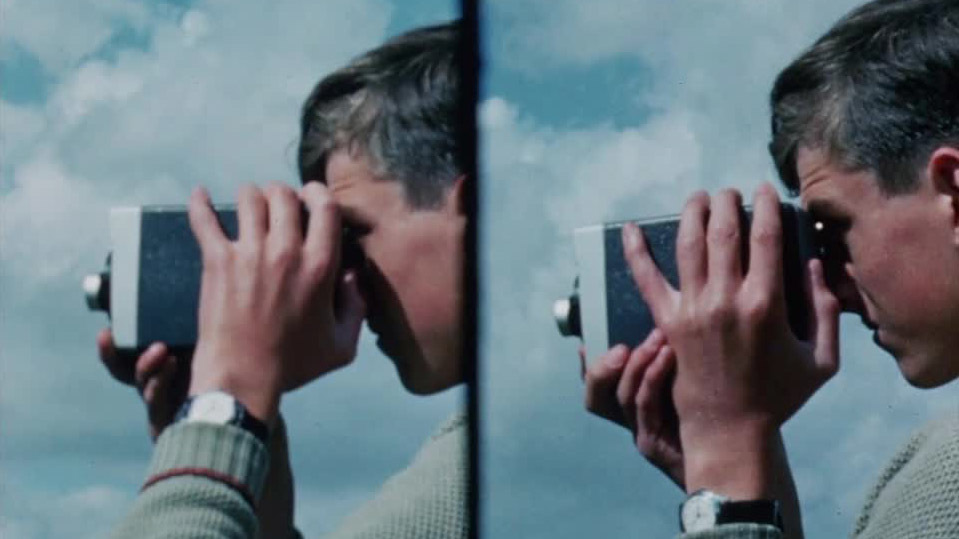
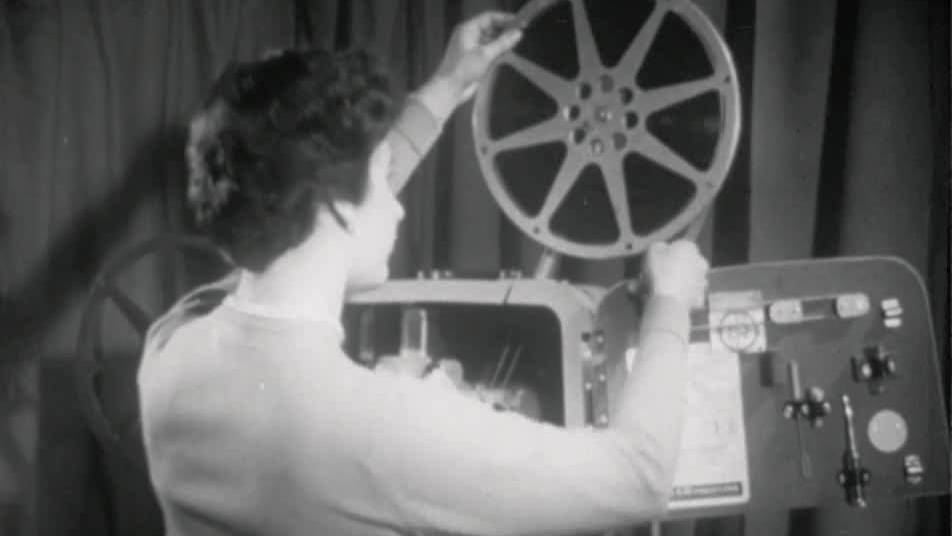
Home movies are intimate catalogues of everyday life: birthdays and holidays, childhoods and neighbourhoods. Each reel is a private scrapbook - memories of cherished people, places and times committed to film. Rarely shared outside the family, home movies are the most intensely personal kind of filmmaking. They are by us, of us, for us. Victorian inventors put filmmaking gear in the hands of wealthy amateurs, but decade by decade, home moviemaking technology has become ever cheaper, simpler and more ubiquitous. Our home movies look much as they always have: in and out of focus, thumbs over the lens, wobbly framing, over-enthusiastic pans. But these flaws can't diminish their warm authenticity. Collectively, the nation's home movies make up a patchwork archive of British social life, of whims and ways, loves loved and lives lived.
10 videos in this collection
Problems End
This England - Cornwall: Helston Furry Dance and Villages
Children on Camera - A Primer about Movies
Using the Camera
Amateur Talkies
Bombed Out
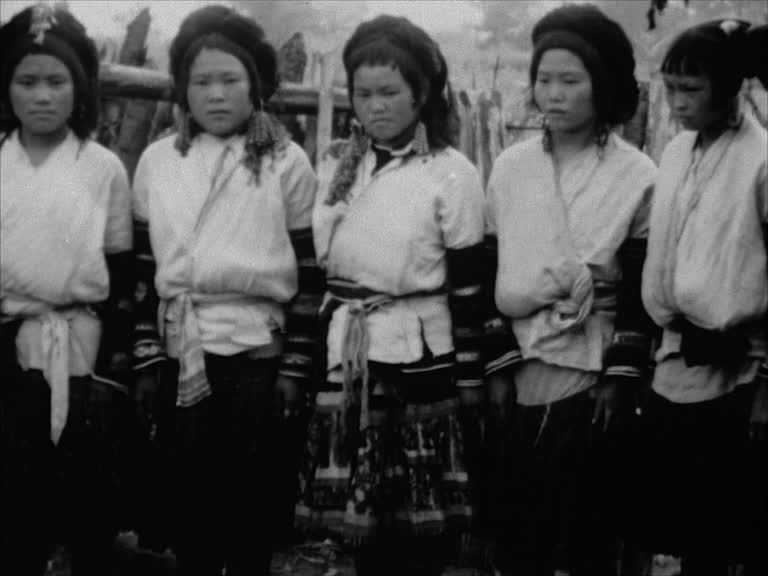
Among the Tribes in South-West China
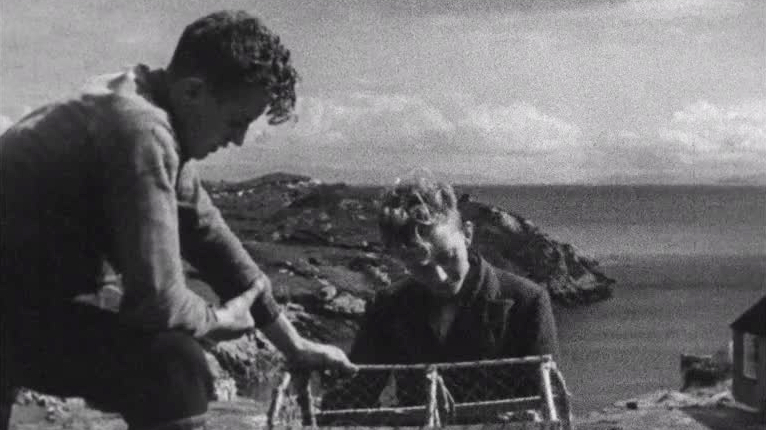
They Are Forsaken A Tale of an Island of the Hebrides