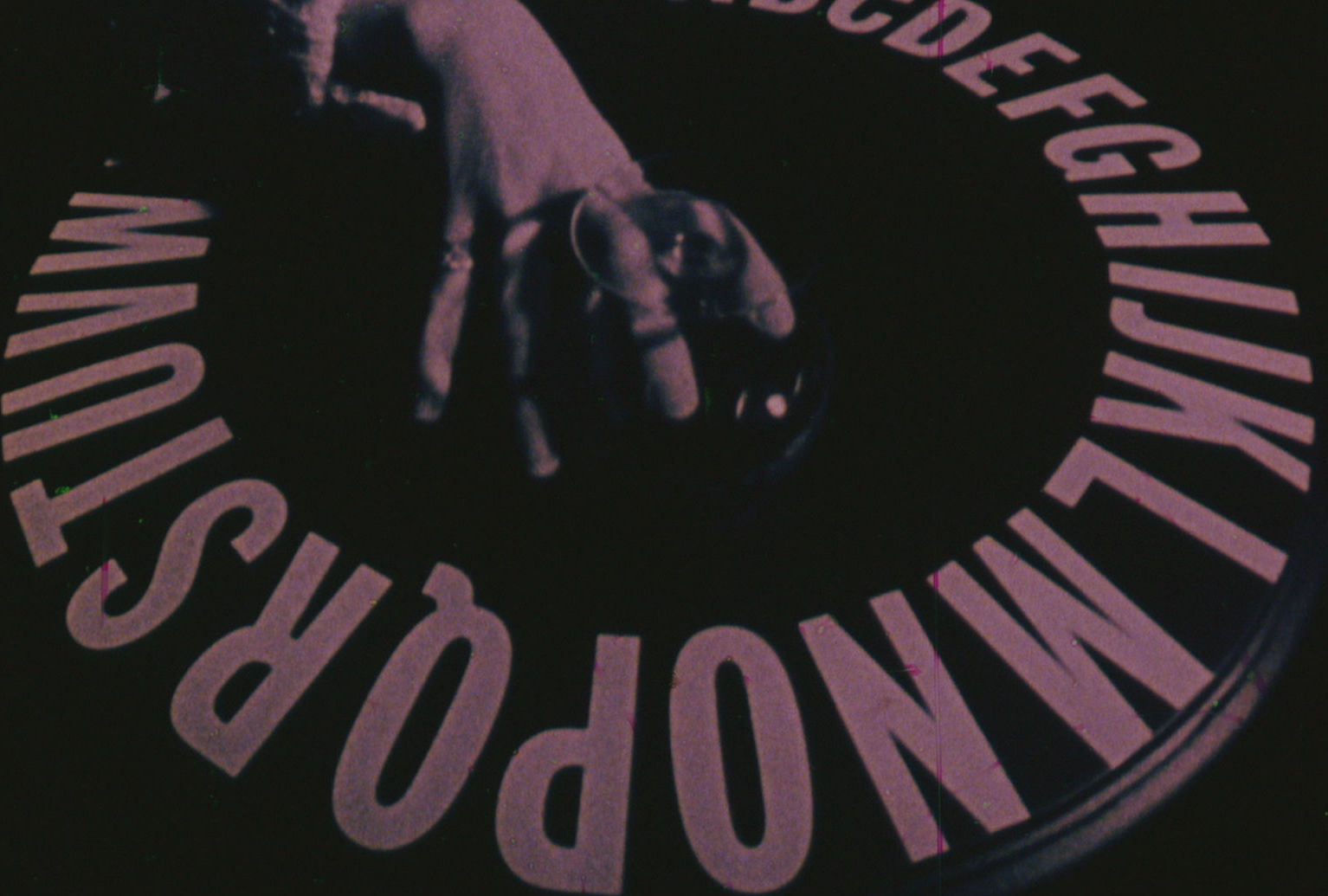
Linton Kwesi Johnson / John Cooper Clarke (Late Night from Two) (Late Night from 2)
Granada Television's weekday afternoon chat show Live from Two spawned a late evening offshoot in 1982, with a younger studio audience and some slightly more challenging guests. This edition features a rare TV interview with dub poet legend Linton Kwesi Johnson, alongside the shock-haired 'bard of Salford', John Cooper Clarke (incongruously preceded by Call My Bluff regular Arthur Marshall). The two were the leading lights in the performance poetry scene of the late 1970s and early 80s, enjoying a surprise boom as part of the creative renewal fostered by punk.
LKJ (introduced by host Shelley Rhode as 'Lindon') performs his strikingly radical poem 'Di Great Insohreckshan', a celebration of the 1981 Brixton Riots, while Cooper Clarke delivers his comic ode 'The Day My Pad Went Mad' at characteristic machine-gun pace. In between, the two fend of Rohde's scepticism about the entertainment value of their poetry, and talk about their combining of poetry with music - an intrinsic part of Jamaican culture, says Johnson, who welcomes the way it also enables him to 'build a bridge between poetry and music audiences'. For Cooper Clarke, reciting with a band will always take second place to his text-heavy solo performances: 'I kind of like to cram a lot of words into a very short space of time.' As a bonus for JCC fans, there's a brief (and slightly alarming) glimpse of the eyes behind the iconic shades.
Late Night from 2 proved surprisingly welcoming to the post-punk scene - The Stranglers, Gang of Four and XTC all performed - perhaps thanks to the hidden influence of Factory Records impresario and Granada regular Tony Wilson, an occasional contributor to the programme.
Poetry: Language & Landscape
Exploring poetry's connections to community and culture...
Many of us first encounter poetry at school, and sometimes it’s hard to shake the association with rigid analysis, rote learning and awkward recital in front of class. However, like all of literature and art at large, poetry is human experience turned into creative expression – a vital record of who we are, how we live, and what makes us tick.
This curated collection explores poetry’s relationship with language and landscape. These poets draw inspiration from their surroundings, from the contours of the country to their local communities and cultures, and use the form of poetry and performance to bend, twist and enliven the languages that we hear around us every day.
Here you will find programmes delving into the environments that have inspired poets from Liverpool to the Lake District and beyond, as well as performances that showcase a diverse range of spoken language and dialects from across the UK. Far from a stuffy institution, poetry endures and thrives thanks to a mixture of tradition and innovation, with vibrant work that is by turns playful, poignant, personal and political.
23 videos in this collection
Watch in libraries only
I’m No Havin Children
Watch in libraries only
Linton Kwesi Johnson / John Cooper Clarke (Late Night from Two)
Watch in libraries only
Benjamin Zephaniah, James Berry and Buchi Emecheta at Words to Life (Here and Now)
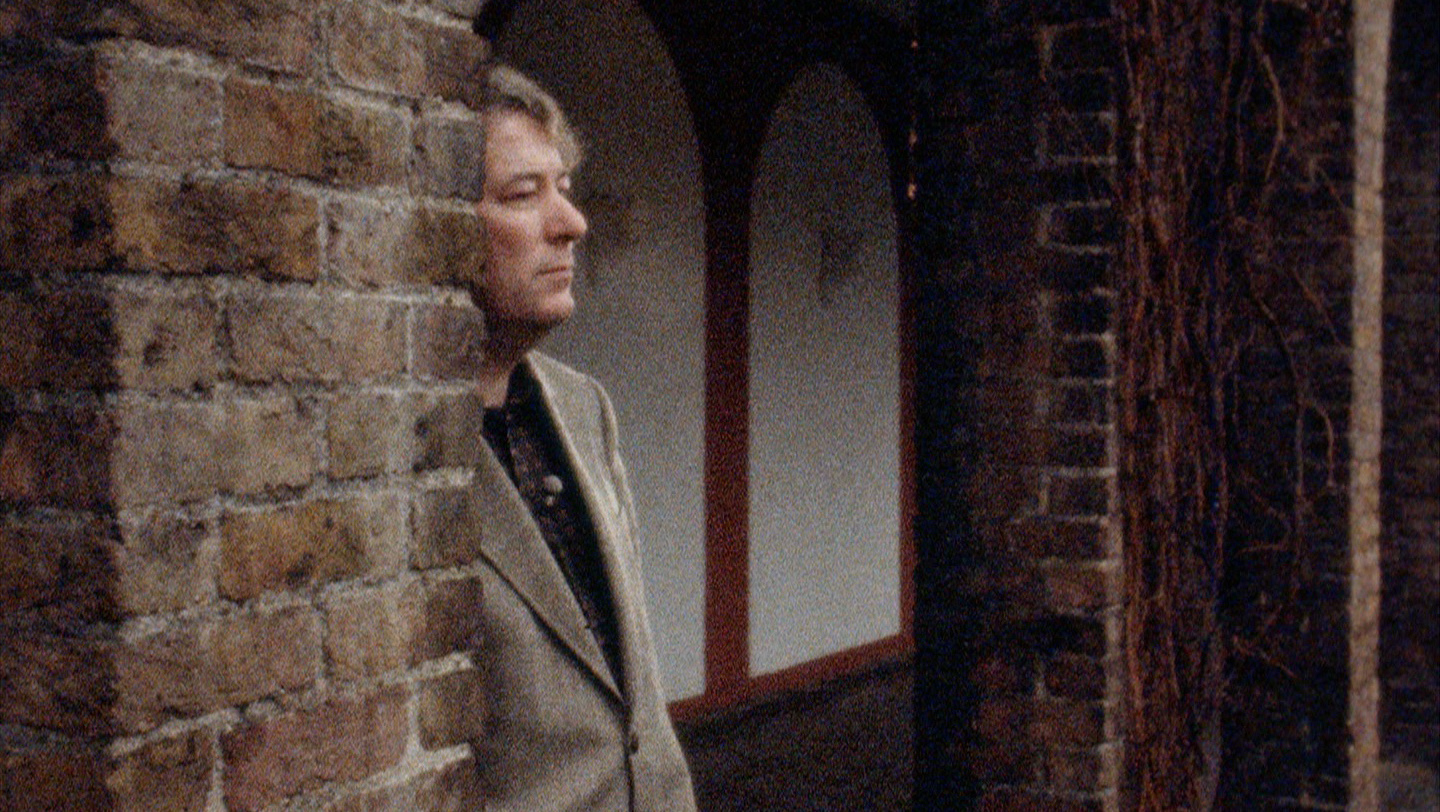
Seamus Heaney, A Sense of Ireland
Watch in libraries only
Hartlepool
Watch in libraries only
Spirit of the Place: Swansea
Watch in libraries only
The Liverpool Poets
Watch in libraries only
I Is a long-memoried Woman Based on a Collection of Poems by Grace Nichols
Watch in libraries only
Subterranean Poetry
Watch in libraries only
Writers' Rambles: Torquay
Watch in libraries only
The Ken Fine Show [05/03/95]
Watch in libraries only
A Toast Tae The Daft Days- a poyum by Len Pennie for LIDL
Watch in libraries only
The Dales Diary [23/08/2007]
Watch in libraries only
J'accuse Philip Larkin
Watch in libraries only
The Never-ending Poem - Children of the Black Triangle
Watch in libraries only
Celebration (John Cooper Clarke)
Watch in libraries only
The Armagh Rhymers Performance
Watch in libraries only
F.T. Prince - Poems
Watch in libraries only
Nesta Wyn Jones
Watch in libraries only
R.S.Thomas
Watch in libraries only
Gwilym R. Jones