The Dales Diary [23/08/2007]
From the collection of
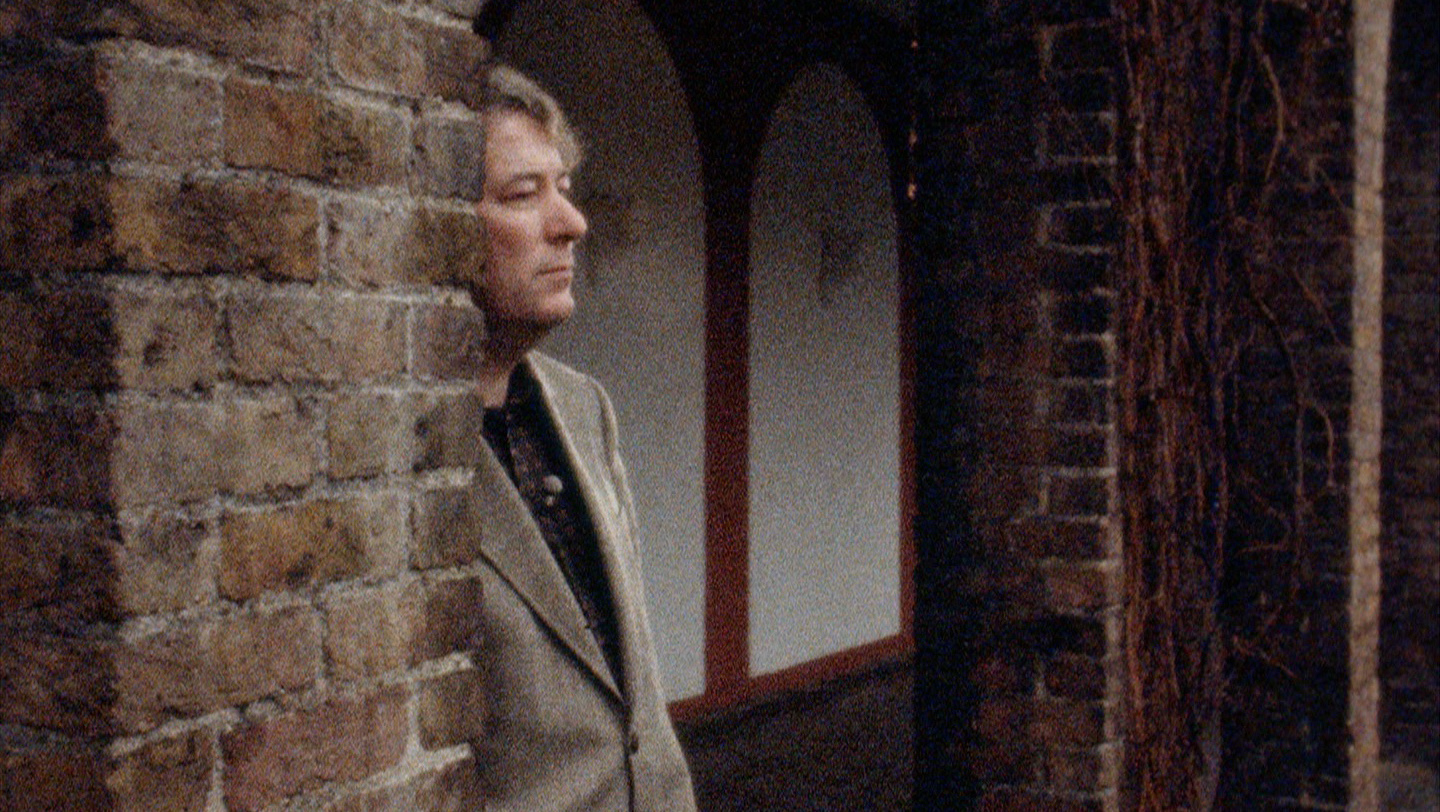
Luke Casey begins the week's edition of The Dales Diary in Bedale where he meets fell runner and poet John Barton Watson. When John isn't running in the fells of Coverdale then he spends his time writing lyrical poetry about the countryside, its history and wildlife.
His friend Walter Parker encouraged him with his dream to put some of his poems into print, and a book containing John's poems called 'Pools of Gold' was duly published. The book is beautifully illustrated by Walter, who was a commercial artist, designer and illustrator.
Luke then travels to the South Tyne Valley to find something hot and exotic. High up in the hills 600 feet above sea level Dan May is happily growing chillies in poly tunnels on his farm at Coanwood near Haltwhistle. Despite a few early mistakes, he now has a healthy crop of 60 different ranges. From these he makes sauces, rubs, spice blends, oils and ketchups and now even chilli chocolates have been enthusiastically received.
Finally in tonight's programme Luke travels to some woods on the edge of the North York Moors where he meets chainsaw sculptor Steve Iredale. As Luke finds out, most of Steve's work is done on site in woodlands, parks, private estates or schools. His main source of inspiration is wild animals and birds. Steve likes the idea of using wood that would otherwise be wasted. He generally likes working in hardwoods as they are more durable. Many of his sculptures can be seen at Guisborough Forest.
Many of us first encounter poetry at school, and sometimes it’s hard to shake the association with rigid analysis, rote learning and awkward recital in front of class. However, like all of literature and art at large, poetry is human experience turned into creative expression – a vital record of who we are, how we live, and what makes us tick.
This curated collection explores poetry’s relationship with language and landscape. These poets draw inspiration from their surroundings, from the contours of the country to their local communities and cultures, and use the form of poetry and performance to bend, twist and enliven the languages that we hear around us every day.
Here you will find programmes delving into the environments that have inspired poets from Liverpool to the Lake District and beyond, as well as performances that showcase a diverse range of spoken language and dialects from across the UK. Far from a stuffy institution, poetry endures and thrives thanks to a mixture of tradition and innovation, with vibrant work that is by turns playful, poignant, personal and political.