Brian Patten
- 1972-05-21
Five poetic responses to war, from Michael Redgrave's reading of Henry V to a musical rendition of a 1950s folk classic.
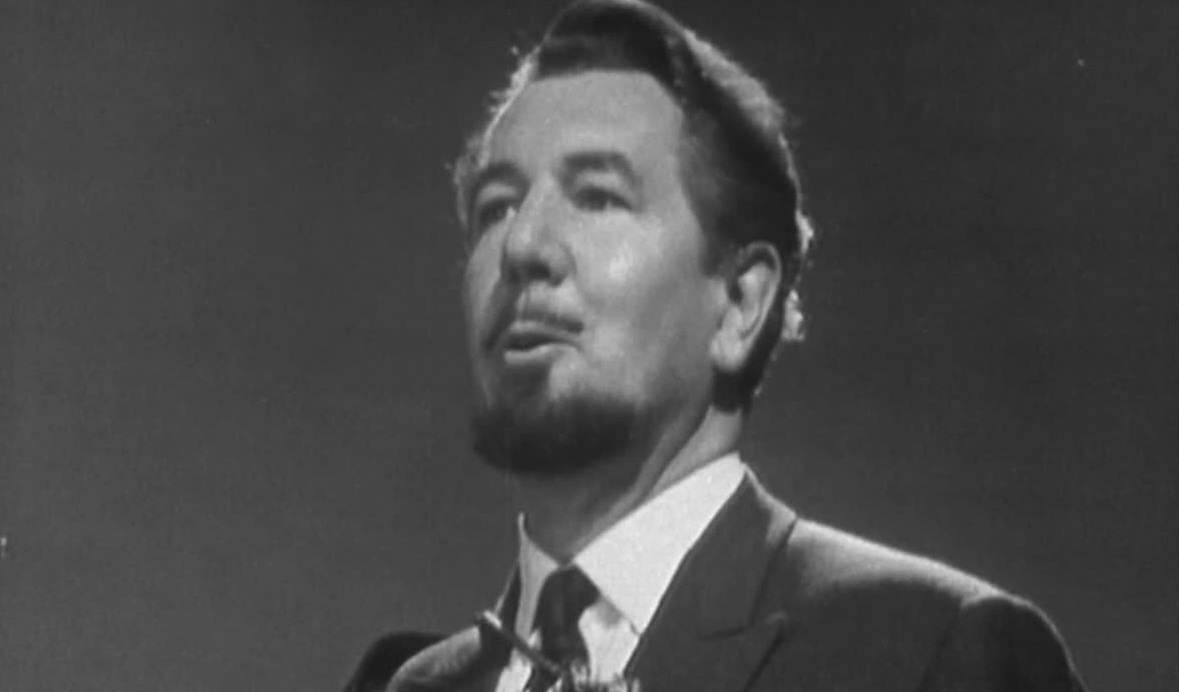
From elegy to grim irony, pastoralism to rhetorical call to arms, five very different poets respond to the experience of war in this 1960s TV programme on English literature. A live performance of folk classic Where Have All the Flowers Gone? contrasts with Michael Redgrave's reading of Henry V's stirring St Crispin's day speech. Wilfred Owen's moving WW1 Anthem for Doomed Youth is the perfect foil to Peter Appleton's biting nursery rhyme parody The Responsibility.
Many of us first encounter poetry at school, and sometimes it’s hard to shake the association with rigid analysis, rote learning and awkward recital in front of class. However, like all of literature and art at large, poetry is human experience turned into creative expression – a vital record of who we are, how we live, and what makes us tick.
This curated collection explores poetry’s relationship with language and landscape. These poets draw inspiration from their surroundings, from the contours of the country to their local communities and cultures, and use the form of poetry and performance to bend, twist and enliven the languages that we hear around us every day.
Here you will find programmes delving into the environments that have inspired poets from Liverpool to the Lake District and beyond, as well as performances that showcase a diverse range of spoken language and dialects from across the UK. Far from a stuffy institution, poetry endures and thrives thanks to a mixture of tradition and innovation, with vibrant work that is by turns playful, poignant, personal and political.