Gay Heritage Trail
From the collection of
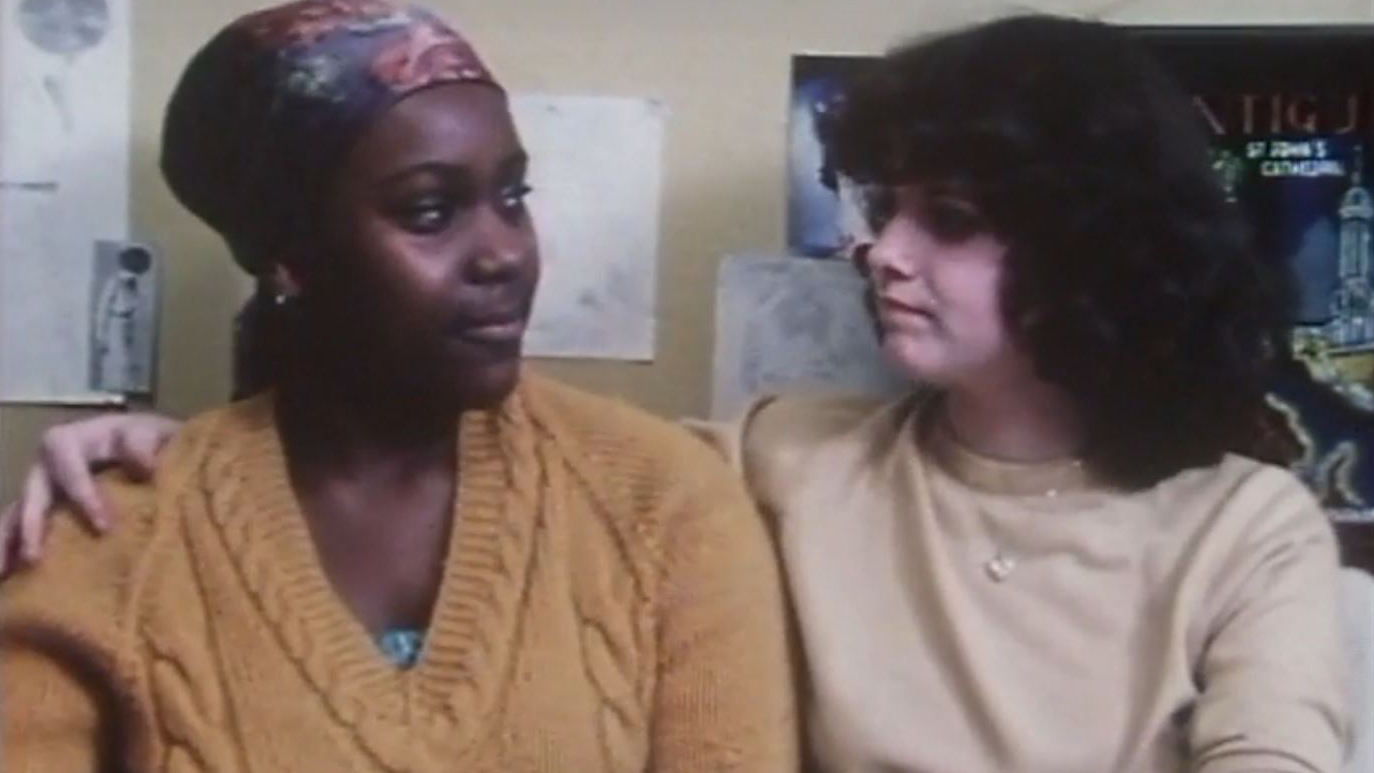
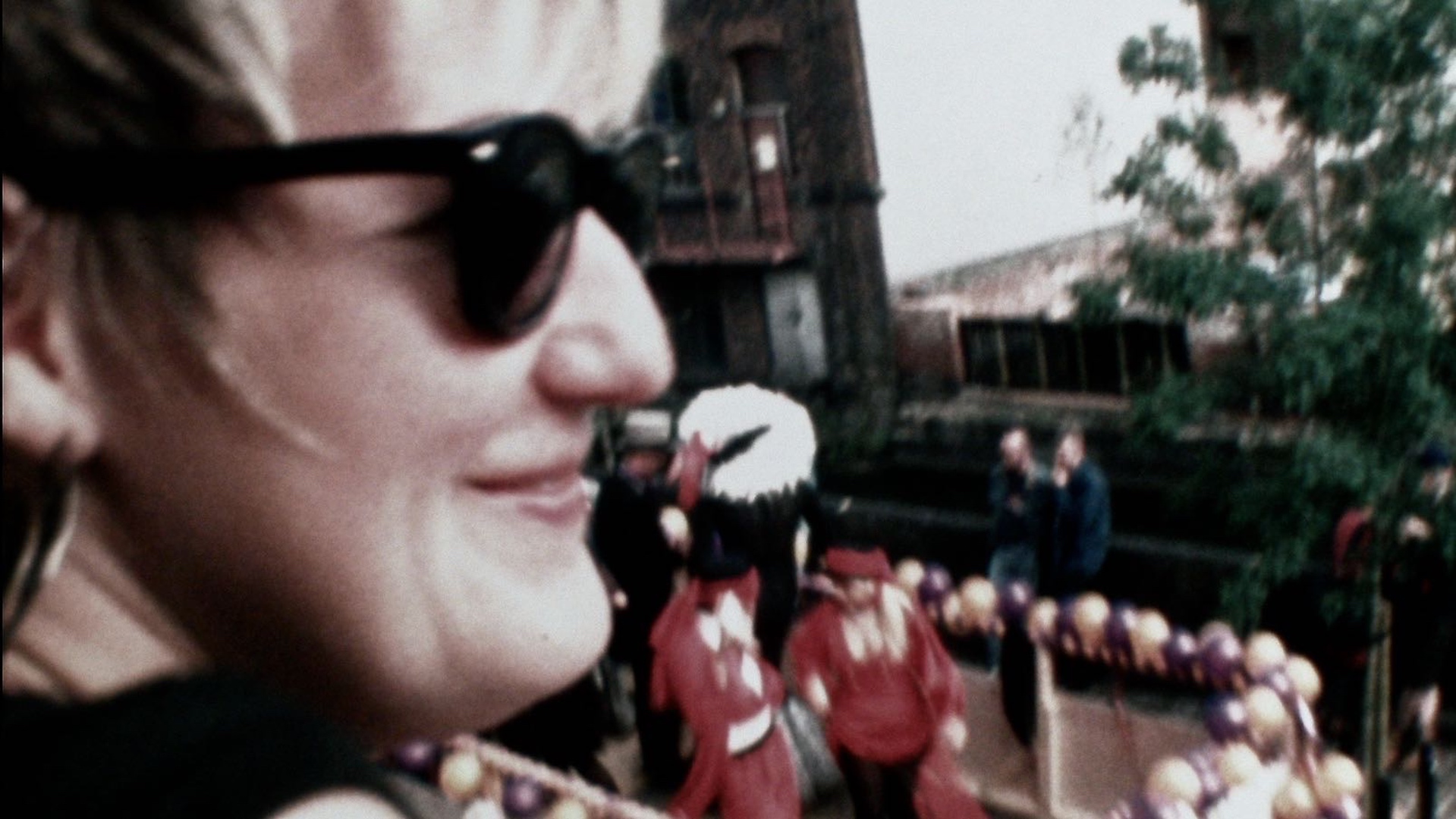
A report on the Gay Heritage Trail, designed to educate people about the secret history of the gay community in Manchester.
Channel M News Reporter Beverley Walkden reports on the Gay Heritage Trail in Manchester. She interviews Councillor Mary Murphy from Manchester City Council about the history of the gay community in Manchester, and they discuss the fact that while the gay community is much more accepted now by the wider community, homophobia is still an issue.
There is an interview with the Gay Pride Festival director, Claire Turner. She talks about the Gay Heritage Trail and how it provides an opportunity for a more diverse range of people to enjoy the festival. There is also an interview with John Atkin, Manchester Pride Gay and Lesbian Heritage Project co-ordinator and Trail guide. He describes what you will see on the trail, and the history that you will learn about. He talks about the importance of the trail as a way of making the secret history of the gay community more widely known. This is followed by silent shots around the gay village.
We see views of the Alan Turing statue, a wide range of businesses and bars including The Rembrandt, Eden and Napoleons. We see people sat on Canal Street enjoying outdoor drinks, and there are also shots inside the bars. The item finishes with Beverly practicing her introduction to the piece, which lets the viewer know what it is all about.
The 1980s and decades that followed saw a radical shift in queer and trans visibility nationwide; from the debut of gay and lesbian tv programming, with the first national TV series for and about queer individuals premiering on Channel 4 in 1982 (One in Five), to a rise in community mobilisation and activism. In response to the need for collective care and room for self expression, we also see notable contributions to the arts, as well as the facilitation of safe spaces for queer youth - some of which still exist today!
A selection of these milestones have been highlighted in this collection, alongside oral histories, works that counter misinformation and challenge stereotypes, and films that represent the simple joys of the 'everyday'. It is important to see how attitudes and support for the community has changed over the decades, although somewhat unnerving to see how much has remained the same. A reminder of the urgent need for solidarity, support within communities and advocacy against homophobia / transphobia.