Long-Haired Layabouts
From the collection of

From the collection of
Long hair gives impression of laziness
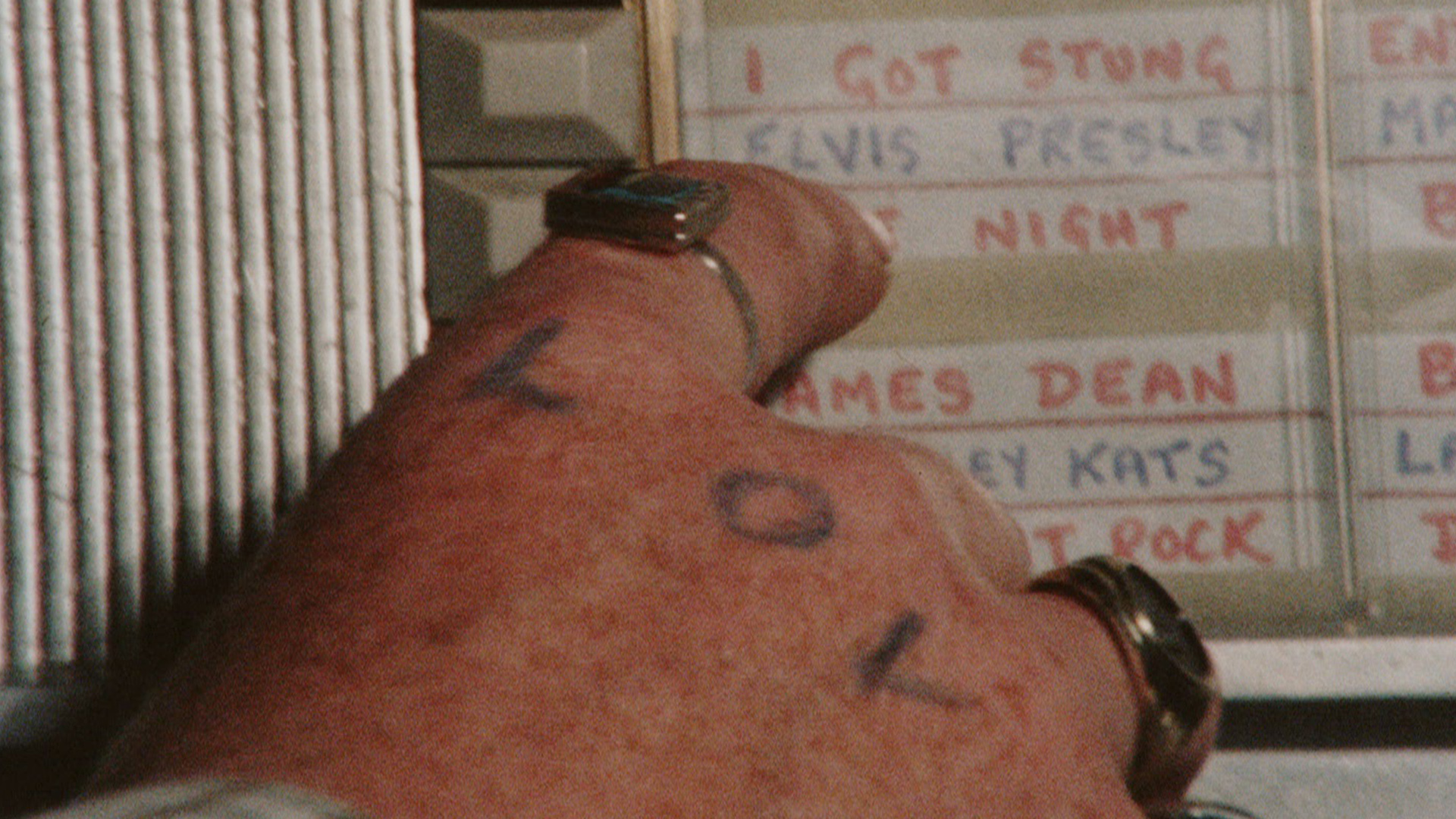
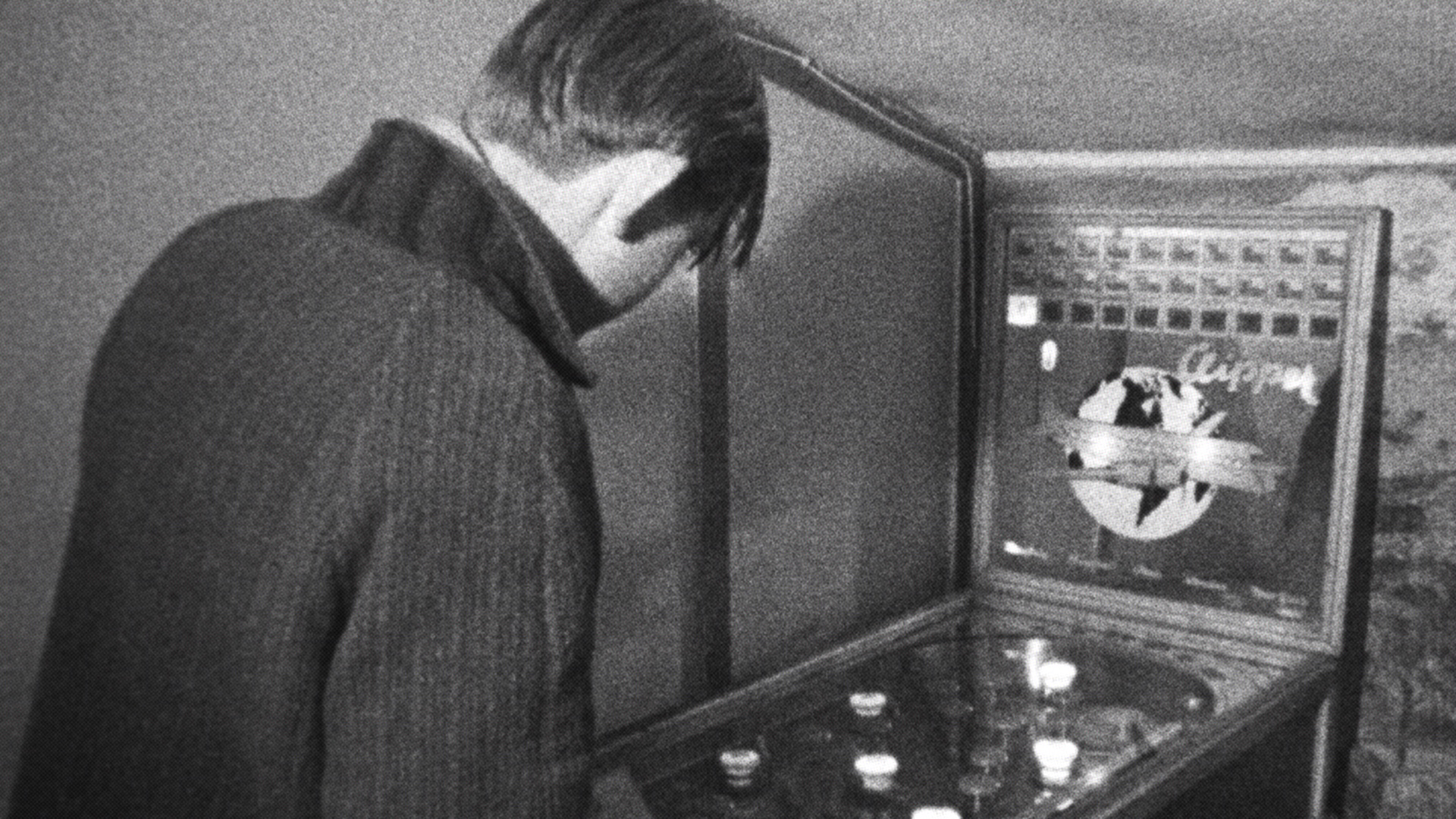
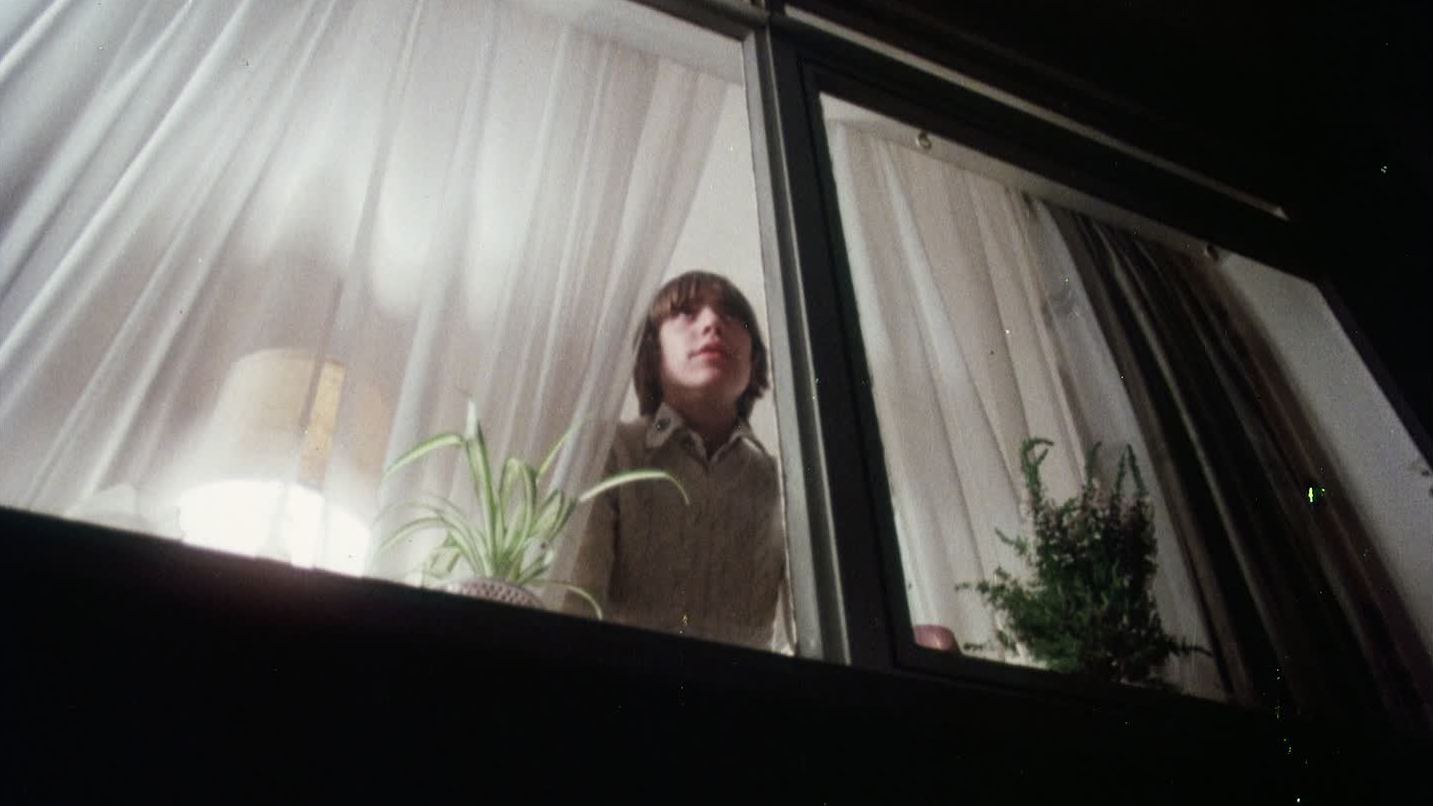
TV reporter Clive Gunnell talks to boys about long hair, job prospects, fashion and interviews people who think boys with long hair are lazy and should get their hair cut. This film shows the generational divide of the early 1970s. The era was epitomised by Germaine Greer's seminal feminist work The Female Eunuch (1970) and men's masculinity was being questioned as the roles of both women and men changed. The sharp dressing and floppy short hairstyles of the sixties are over.
Young men wear their hair long rebelling against fashions that were anything but casual. Long hair with in some cases moustaches and sideburns are in and accompanied by high-waisted flares and open-necked shirts. As fashions change so do the icons with the long hair of Jim Morrison, Marc Bolan, David Bowie, Mick Jagger and Jimi Hendrix helping to change the definition of men. The long-haired generation is branded with the title of layabout with the implication being you will not get a job if you have long hair. By 1972 nine-year old Jimmy Osmond was telling us that he'd be our Long-haired Lover from Liverpool and long hair for men, revered in many cultures, becomes the accepted norm in Western culture.
Since the ‘rowdy generation’ of the 1950s, teenagers and youth culture have been defined from the outside and from within. Young people proclaim their social identity through style, music and the spaces they occupy – which also makes them a visible target, and they become a bellwether (or scapegoat) for the state of the nation.
To the establishment, they are a source of anthropological curiosity and hand-wringing moral panic – as well as a key commercial audience, whether for consumer products, political movements or radio and television programming. An obsession with youth against mistrust and misunderstanding; attitudes towards the young are full of contradictions.
Today, youth culture is online, in a vast expanse of communities and identities. The internet has enabled a ‘pick n mix’ approach to music and fashion, while allowing local scenes to set trends globally, and giving young voices the platform to speak – loudly – for themselves.