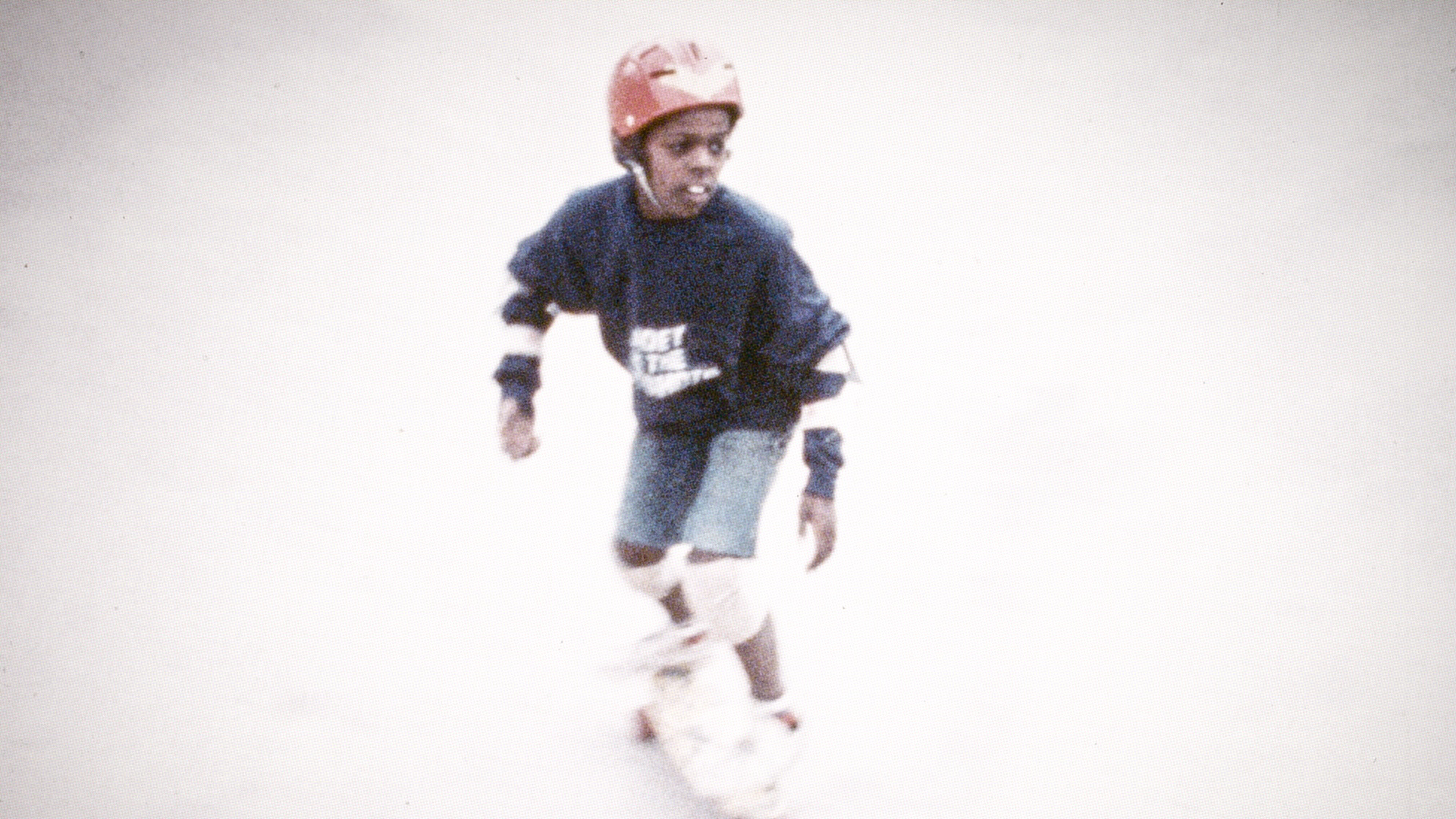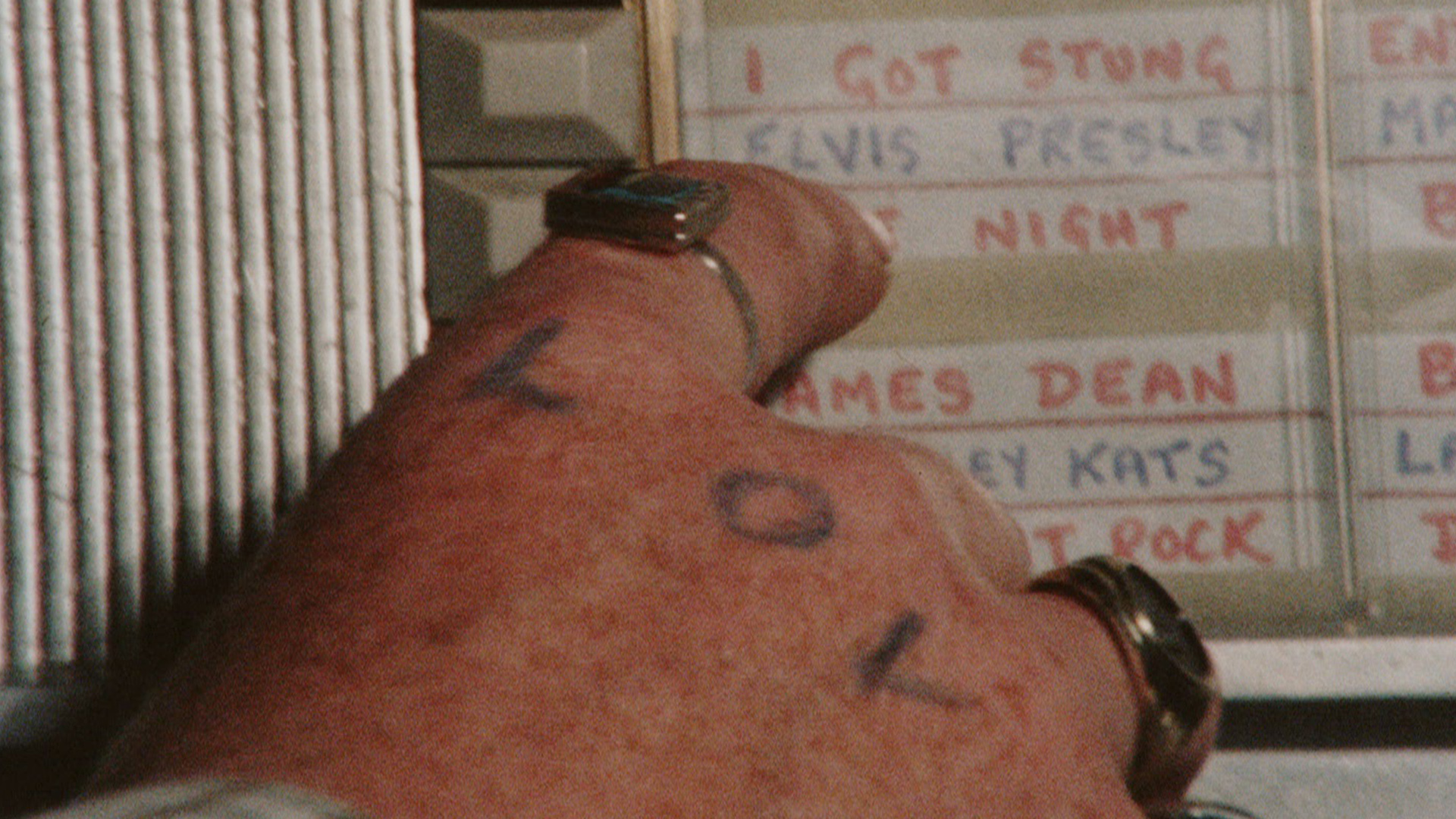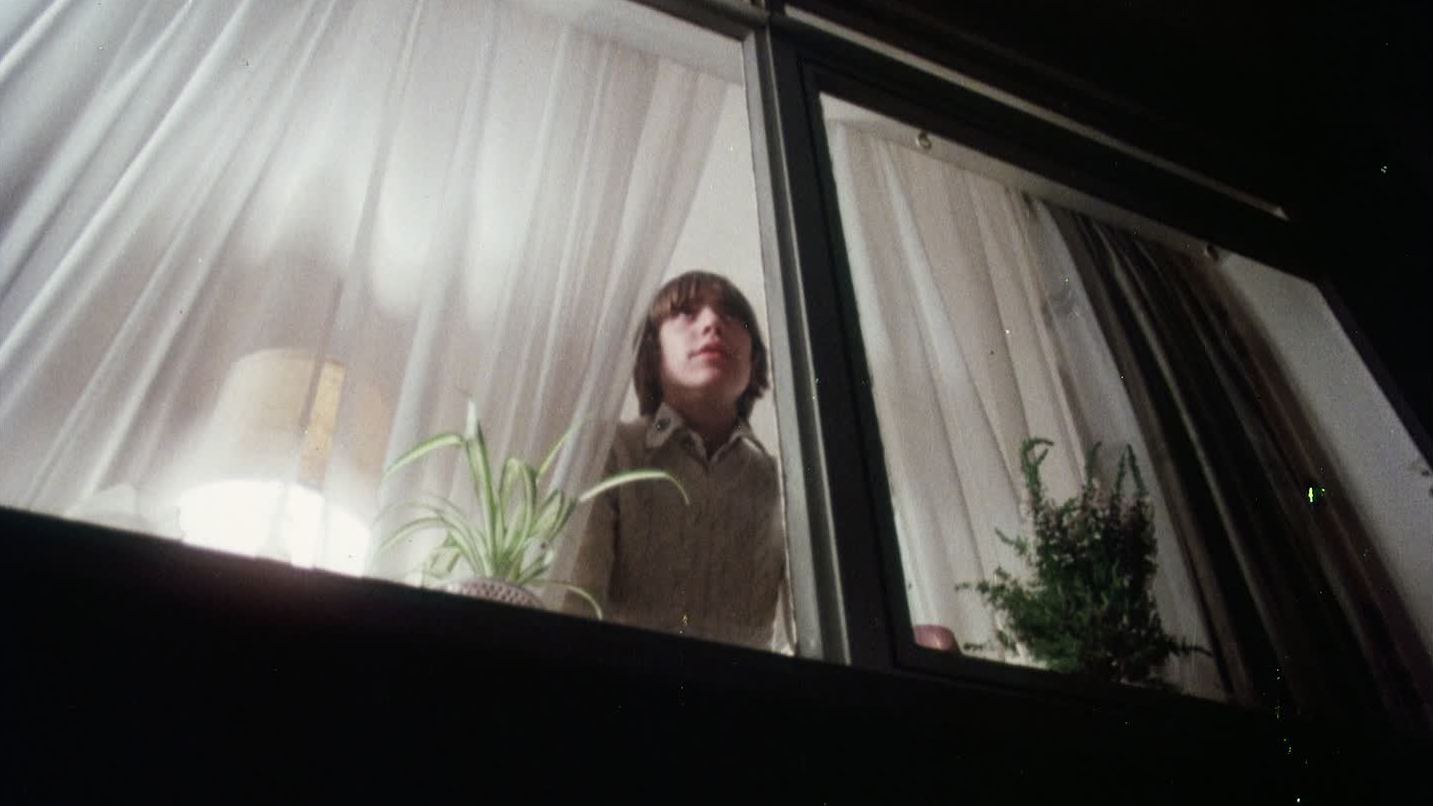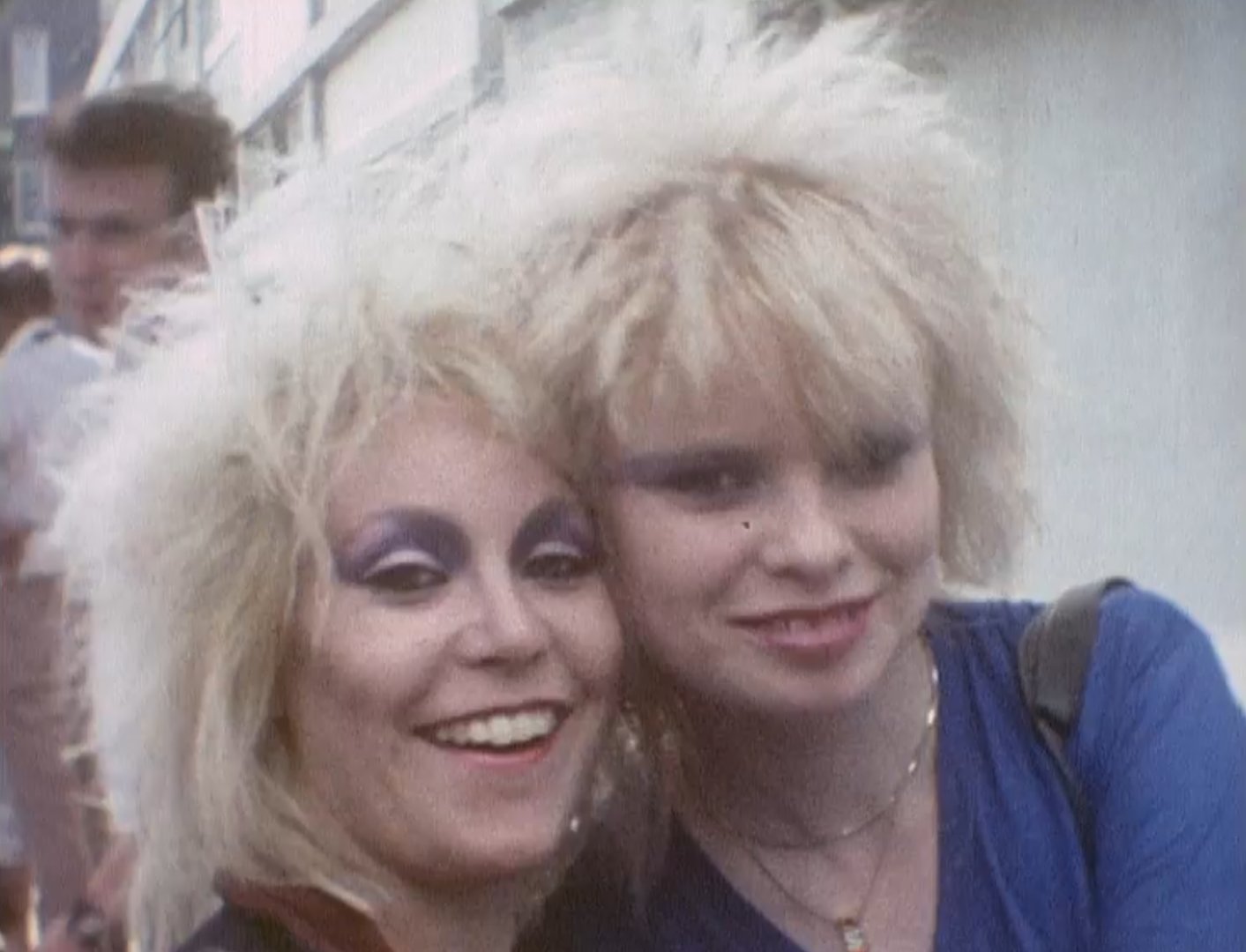
Since the ‘rowdy generation’ of the 1950s, teenagers and youth culture have been defined from the outside and from within. Young people proclaim their social identity through style, music and the spaces they occupy – which also makes them a visible target, and they become a bellwether (or scapegoat) for the state of the nation.
To the establishment, they are a source of anthropological curiosity and hand-wringing moral panic – as well as a key commercial audience, whether for consumer products, political movements or radio and television programming. An obsession with youth against mistrust and misunderstanding; attitudes towards the young are full of contradictions.
Today, youth culture is online, in a vast expanse of communities and identities. The internet has enabled a ‘pick n mix’ approach to music and fashion, while allowing local scenes to set trends globally, and giving young voices the platform to speak – loudly – for themselves.