Some of My Best Friends
- Westminster
- 1969
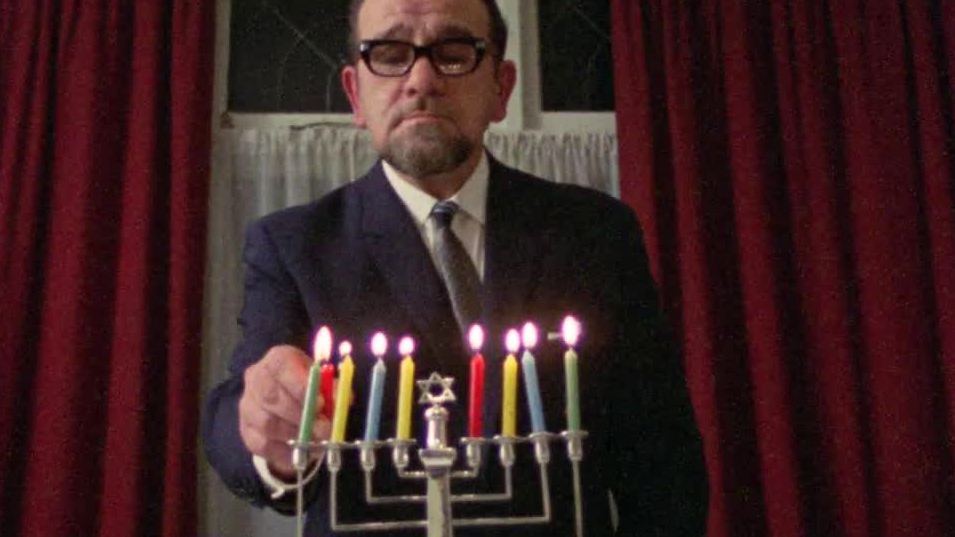
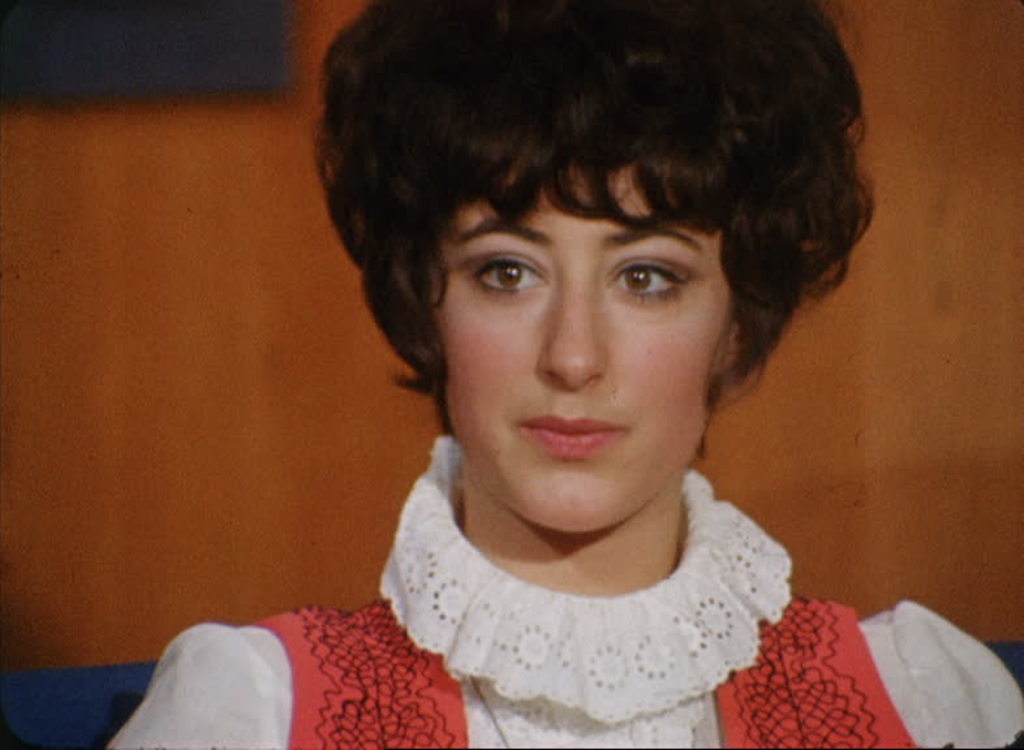
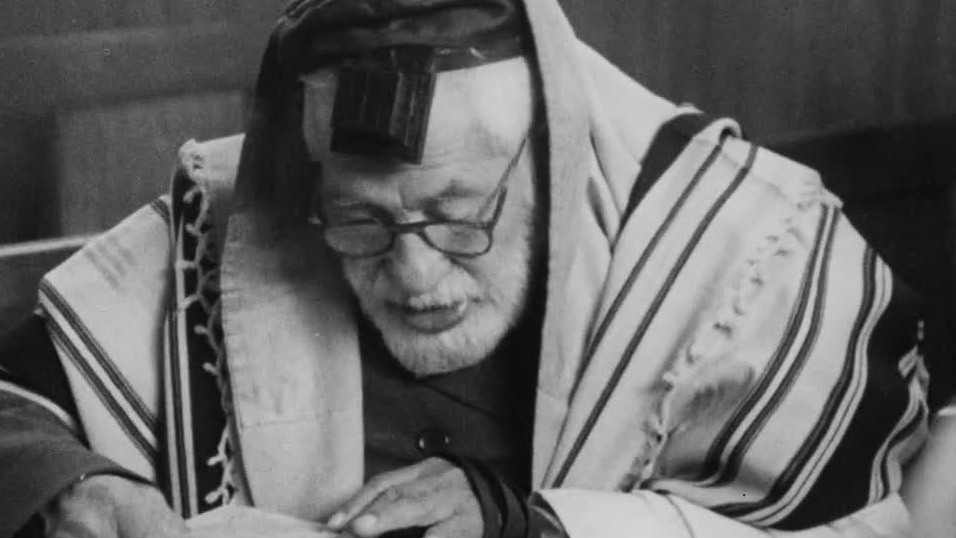
A grief-stricken rabbi recollects life in his home country, only to find that tragedy has followed him to his new life
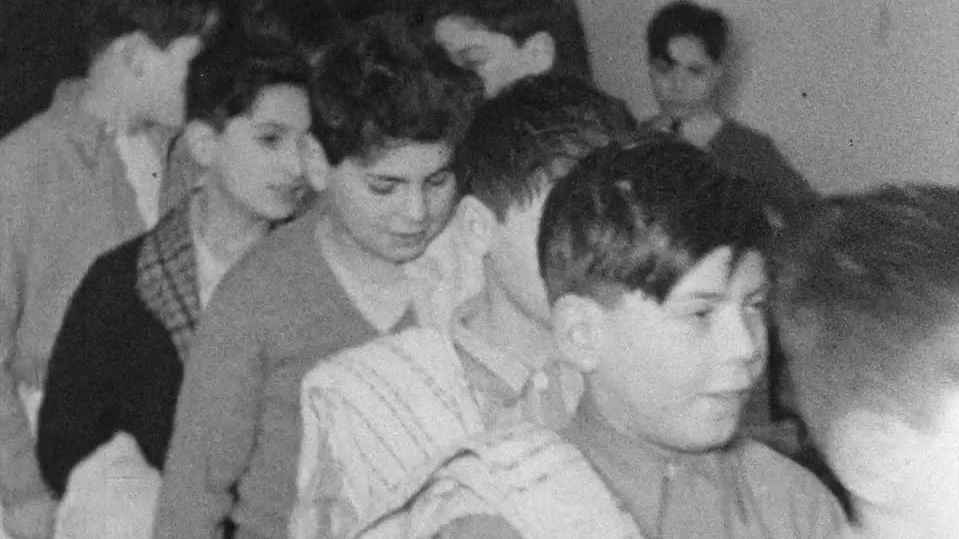
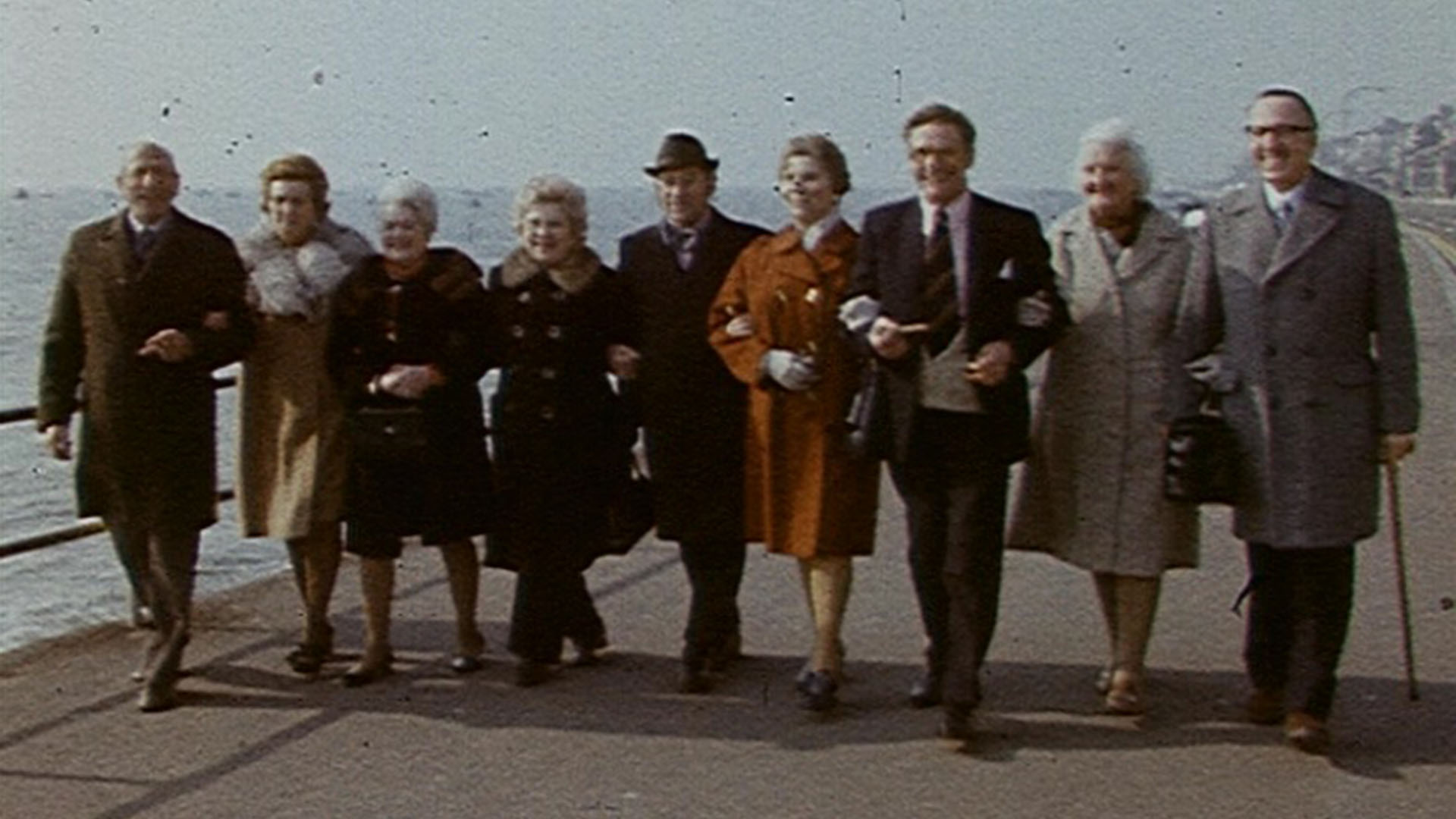
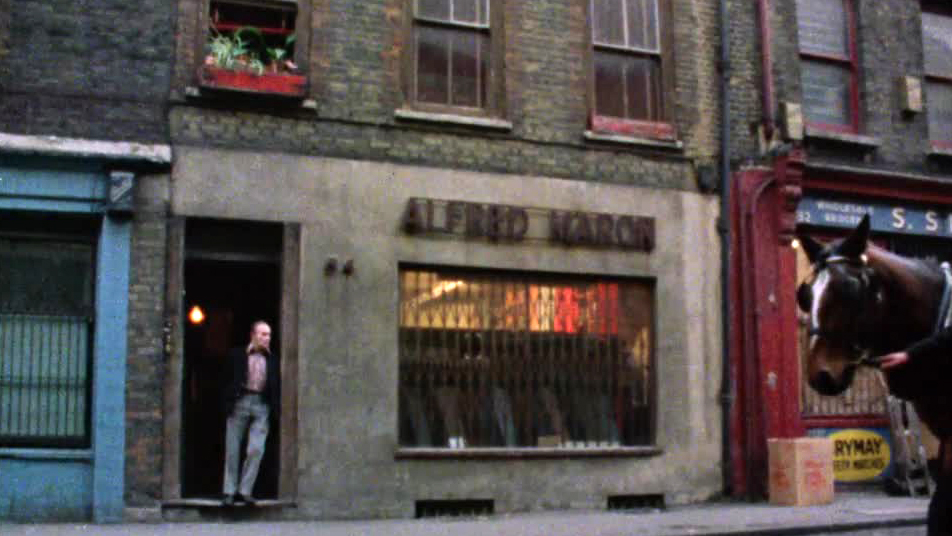
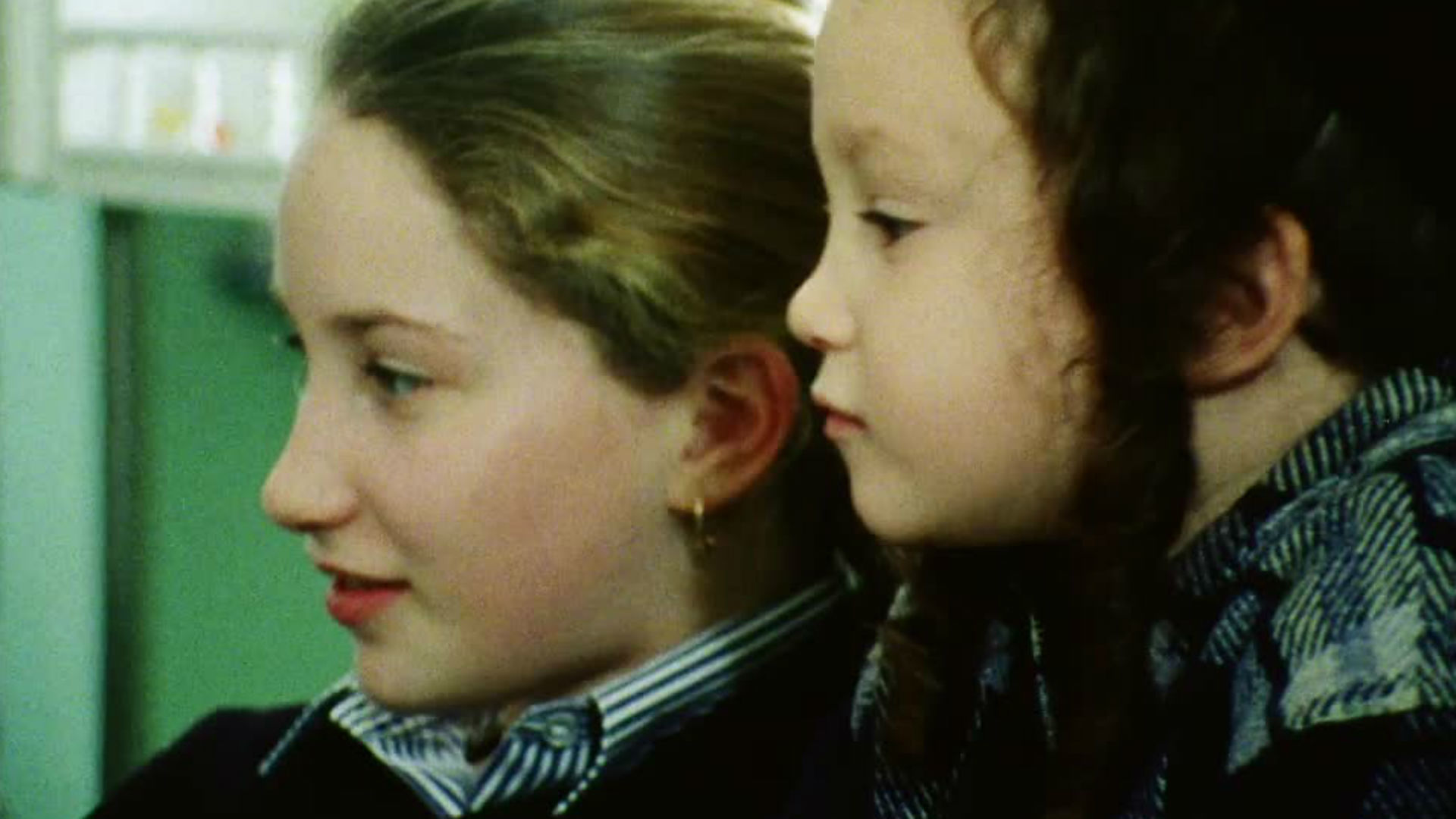
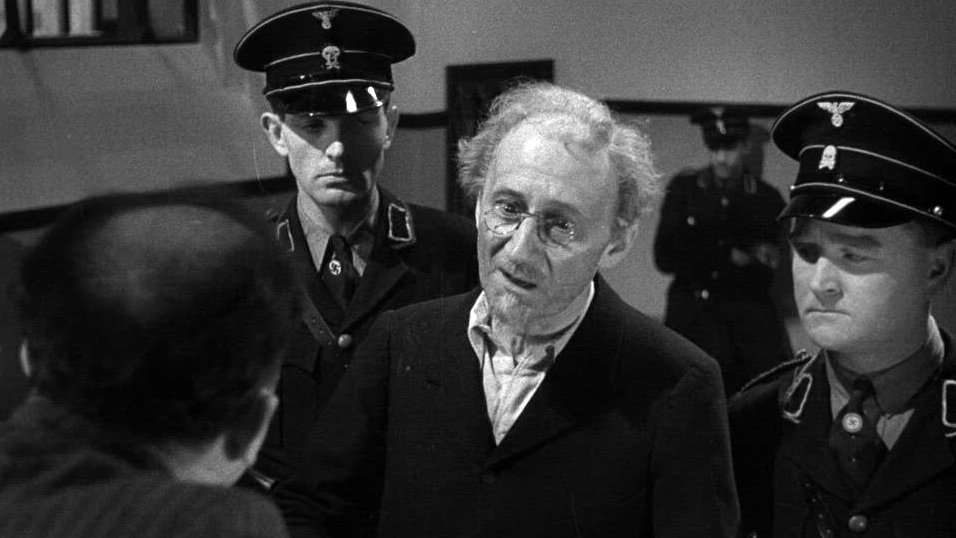
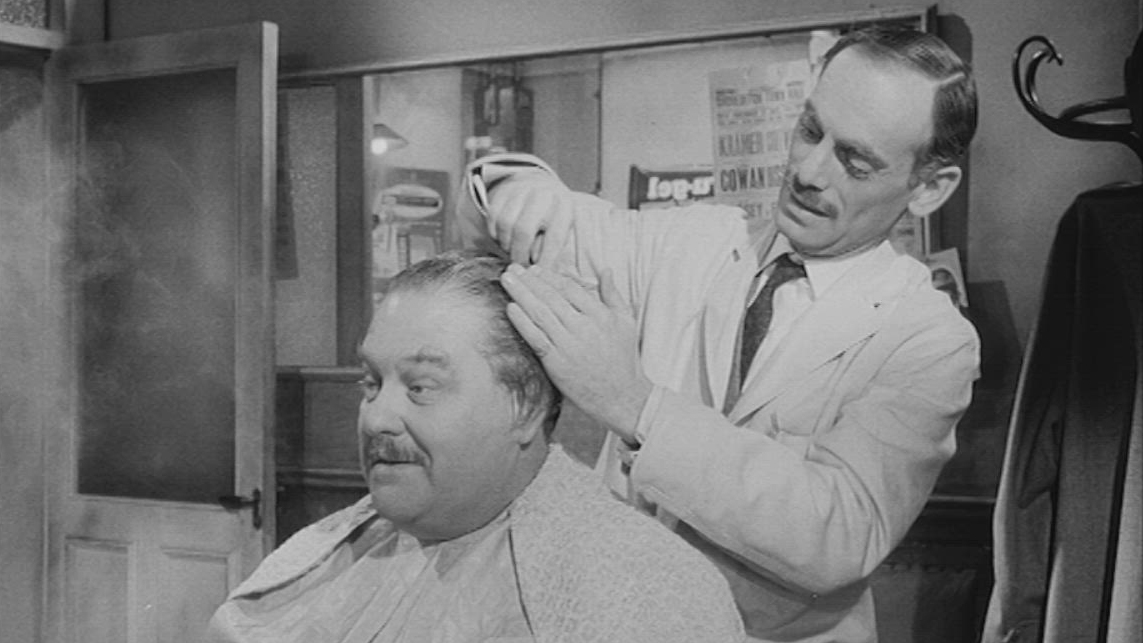
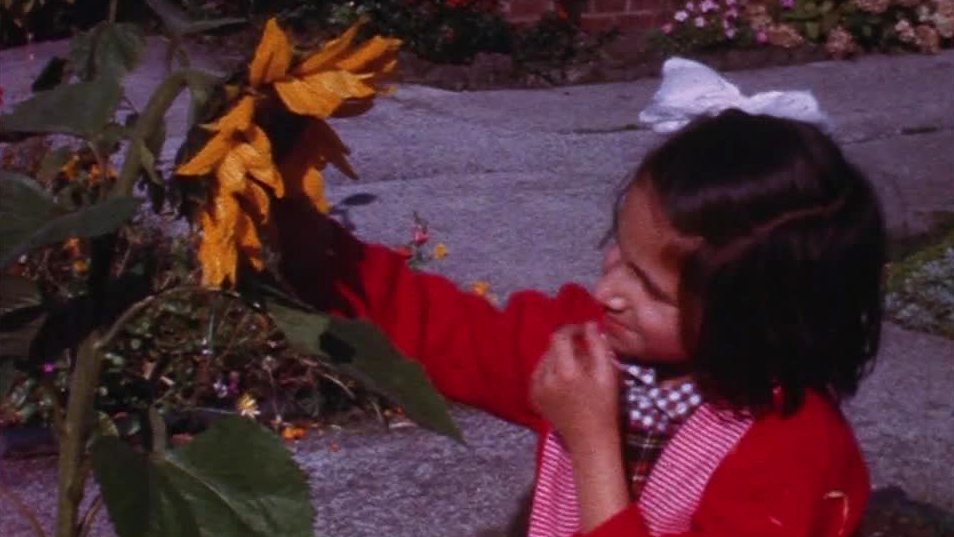
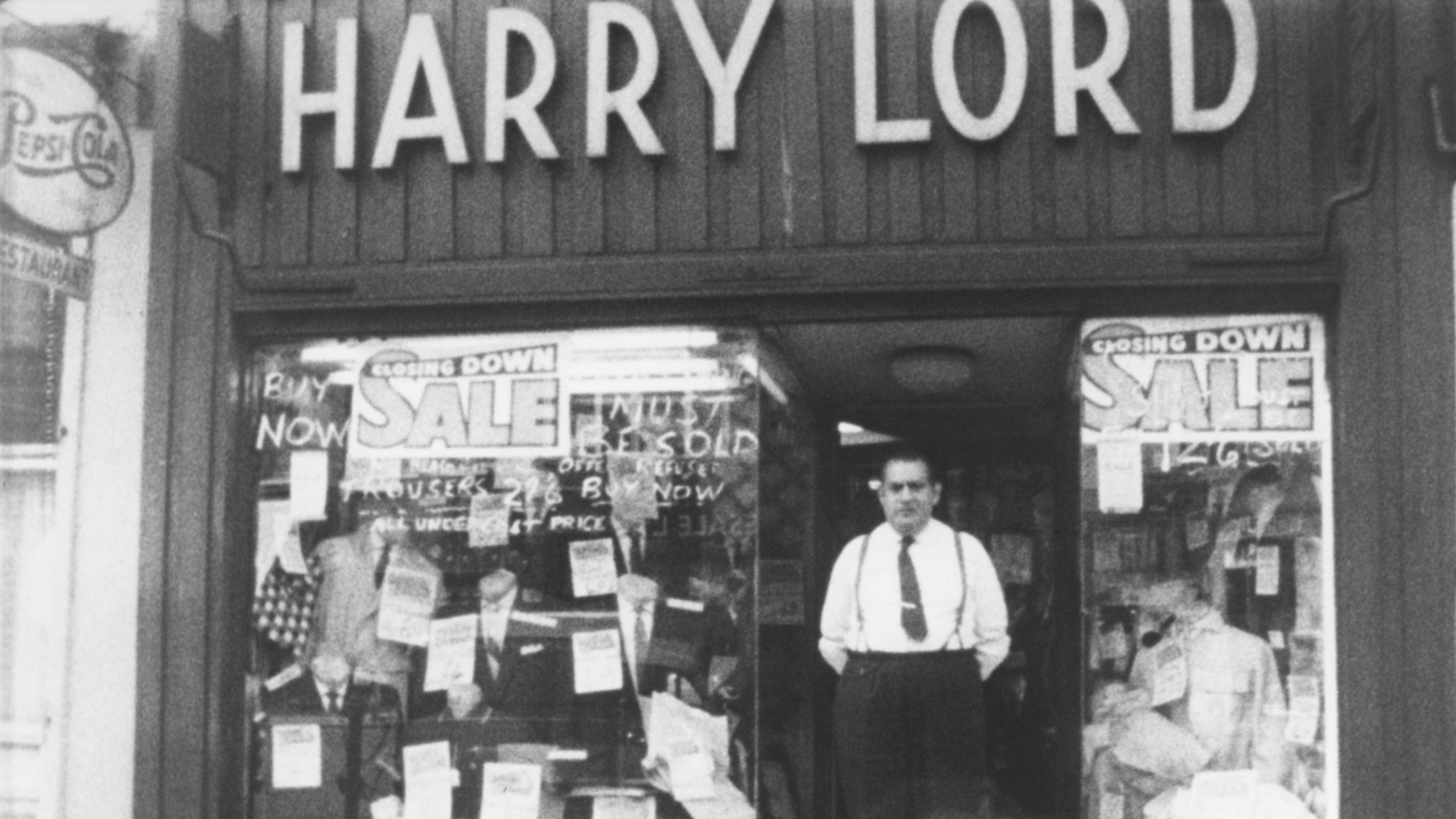
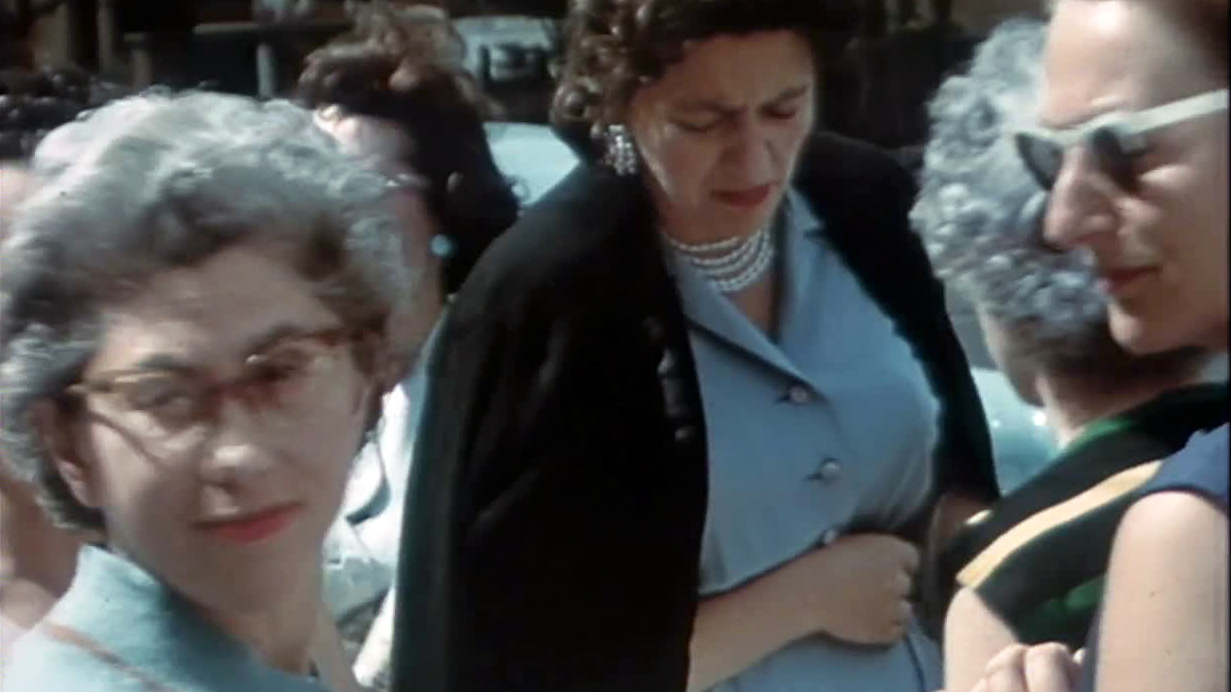
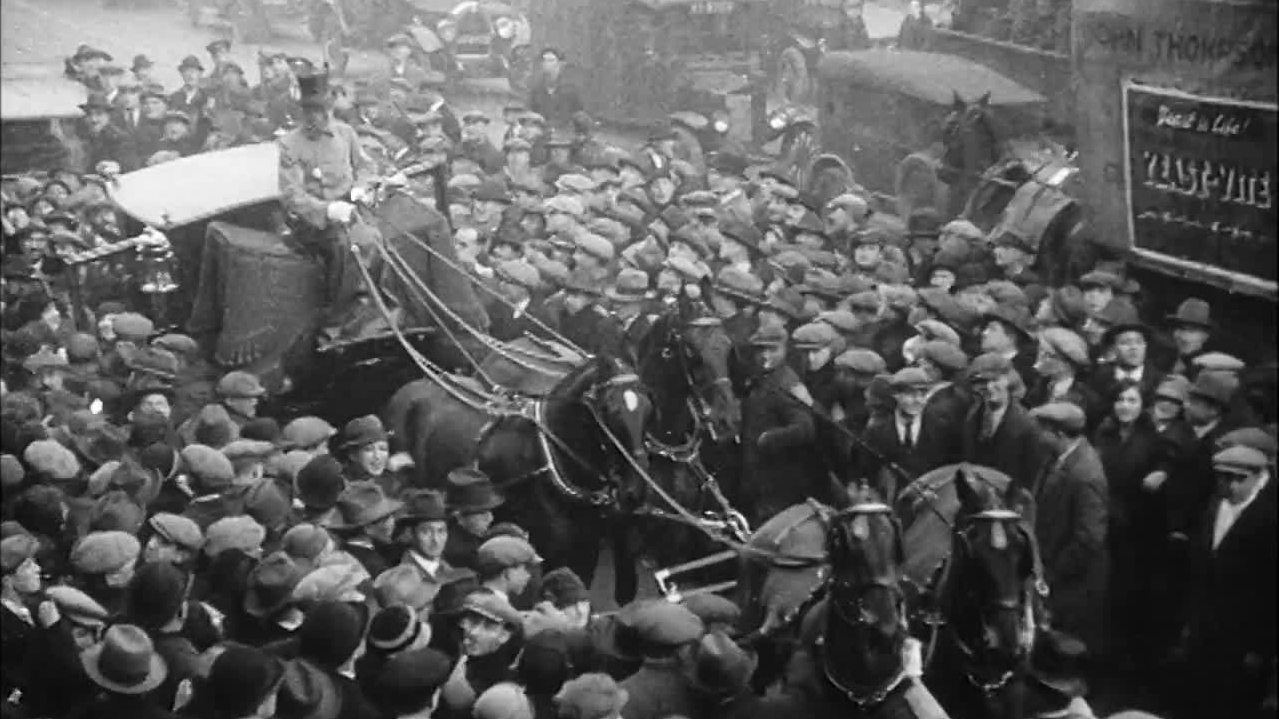
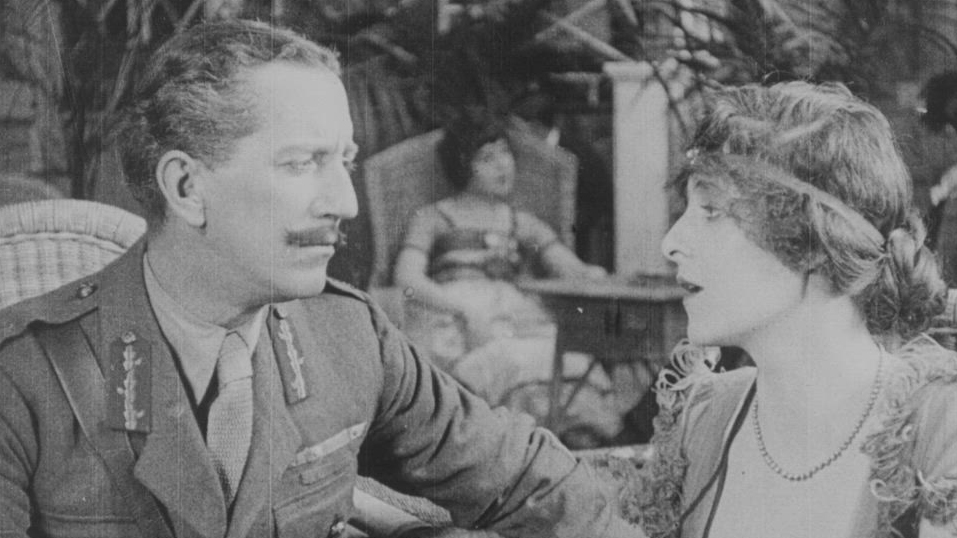
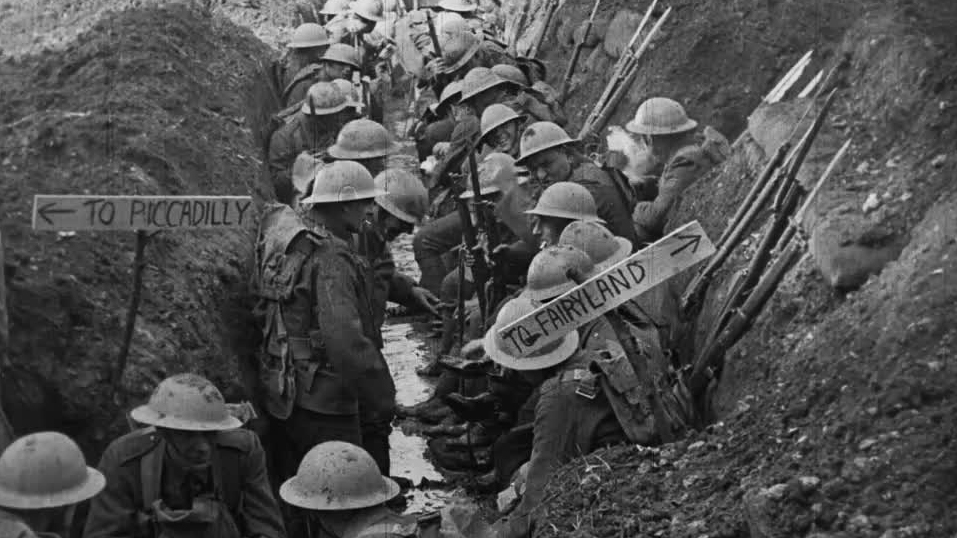
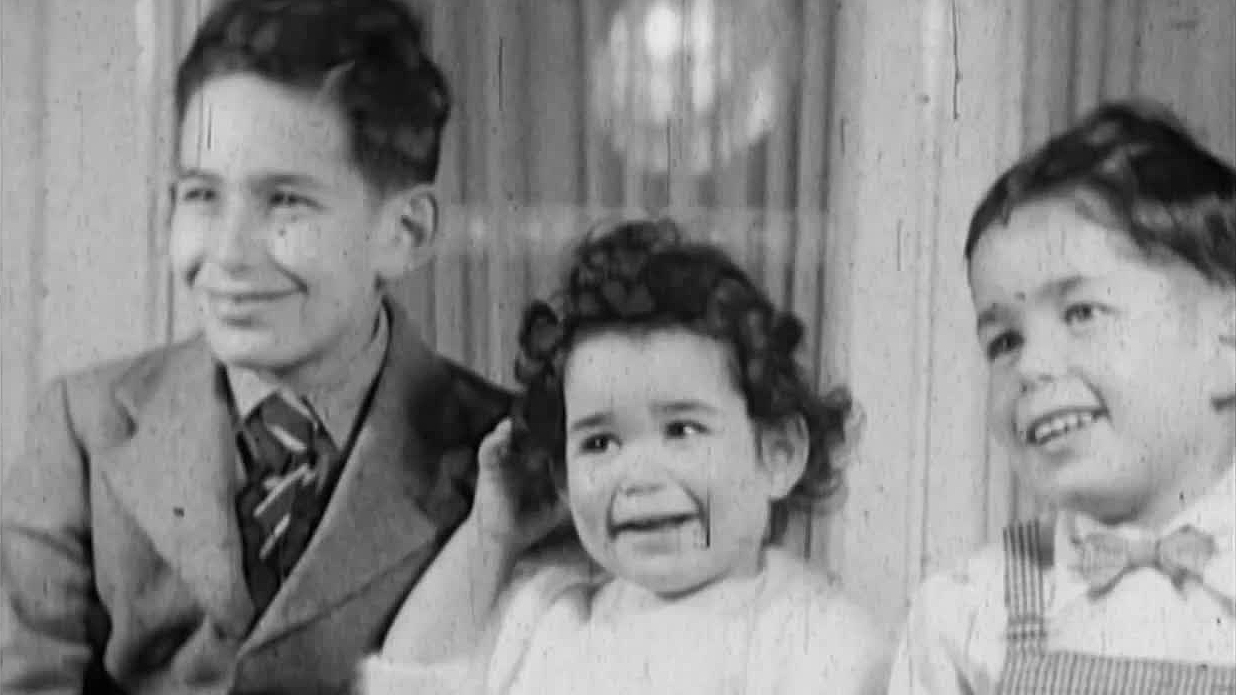
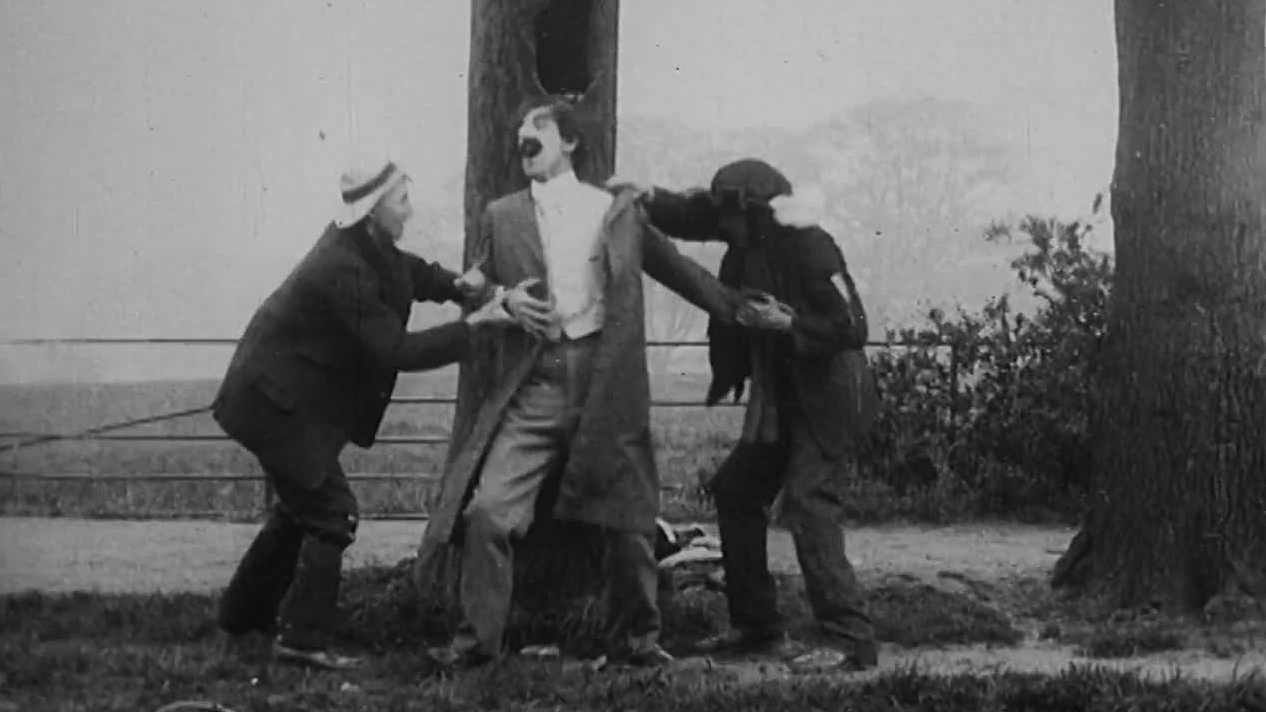
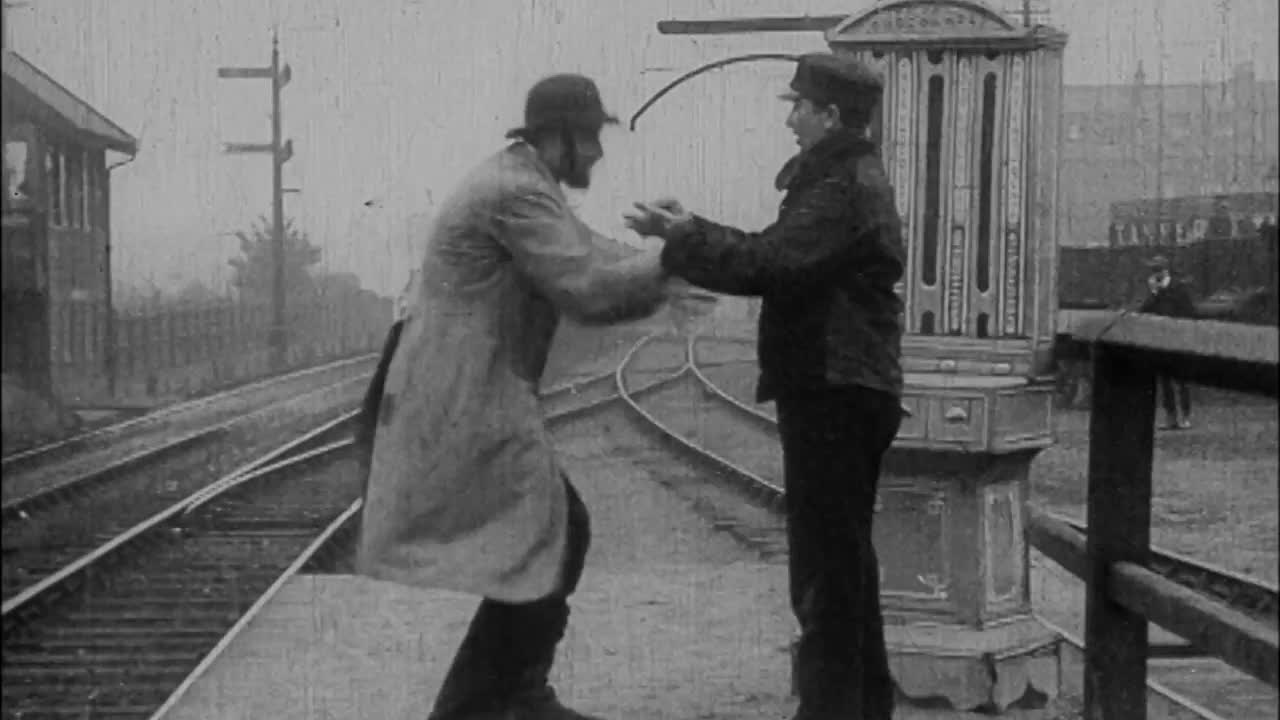
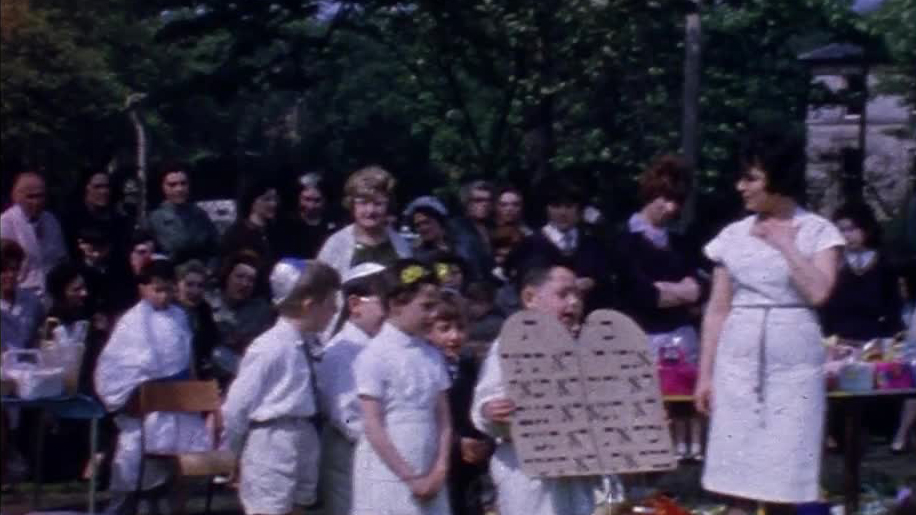
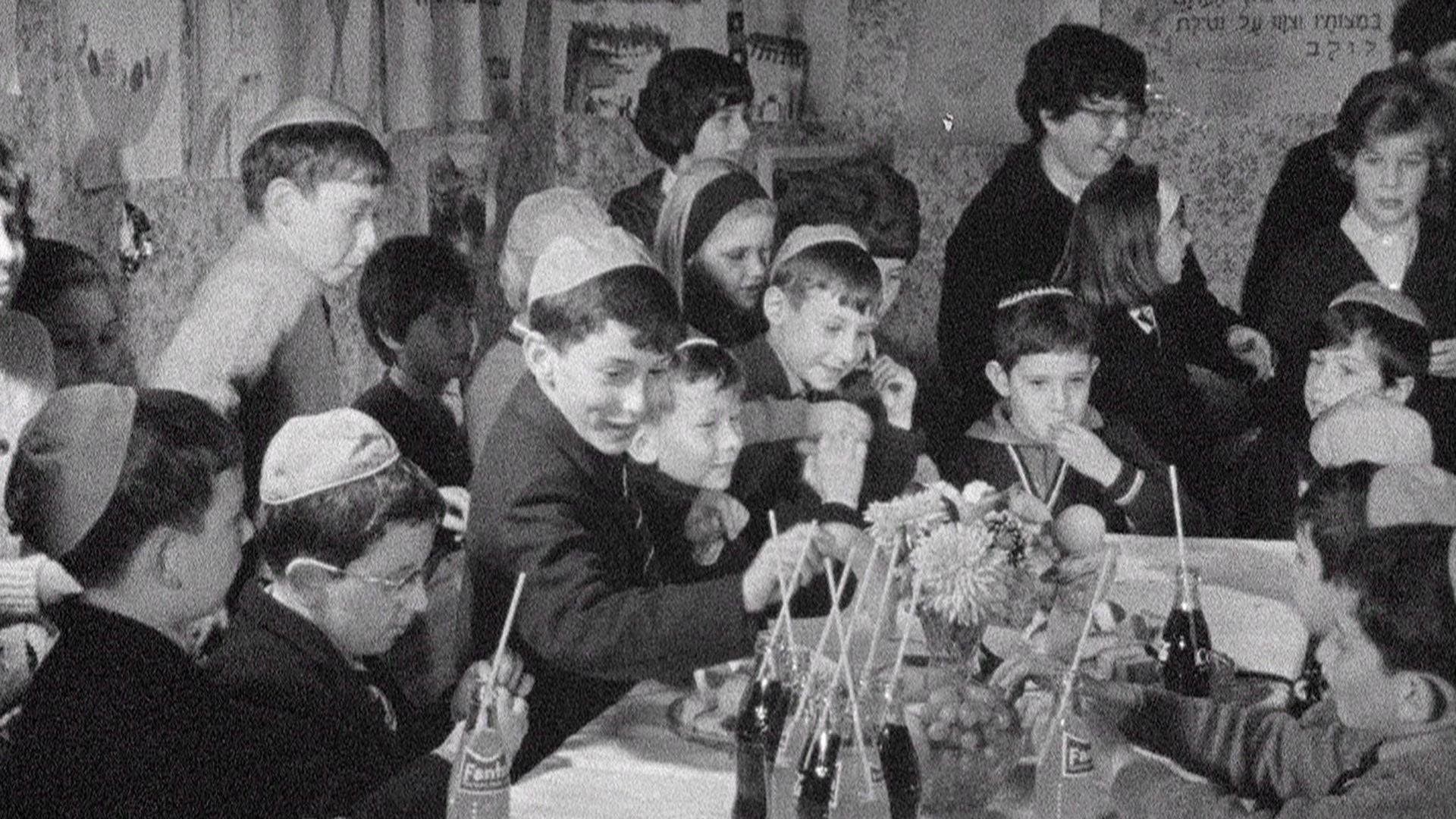
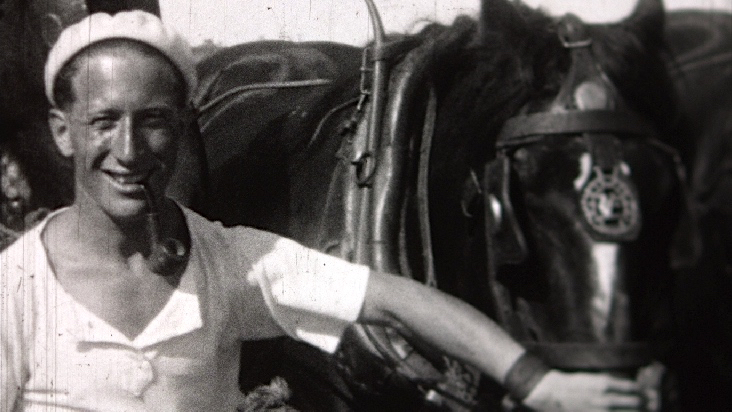
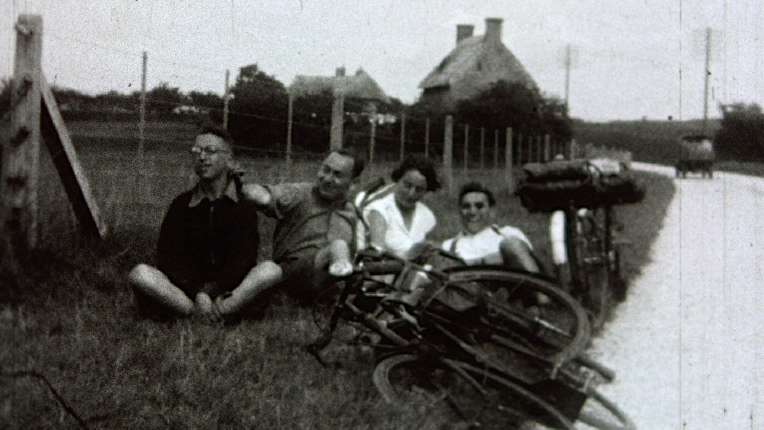
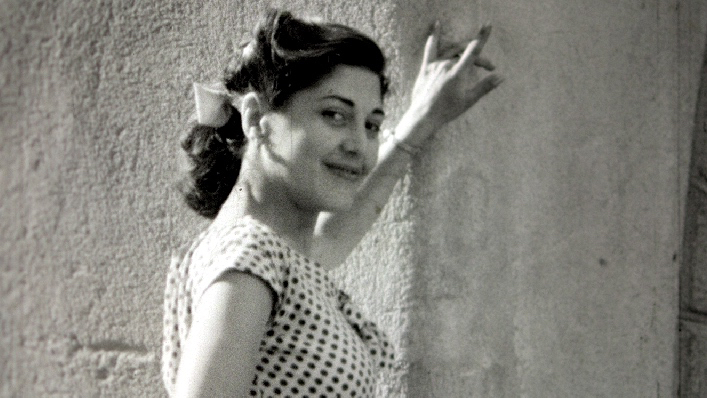
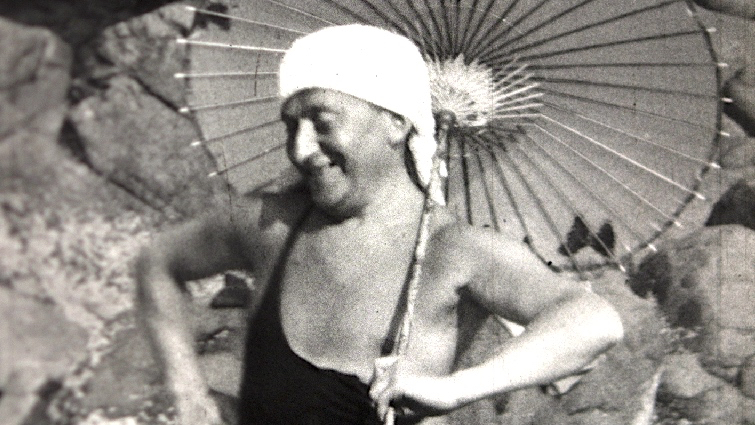
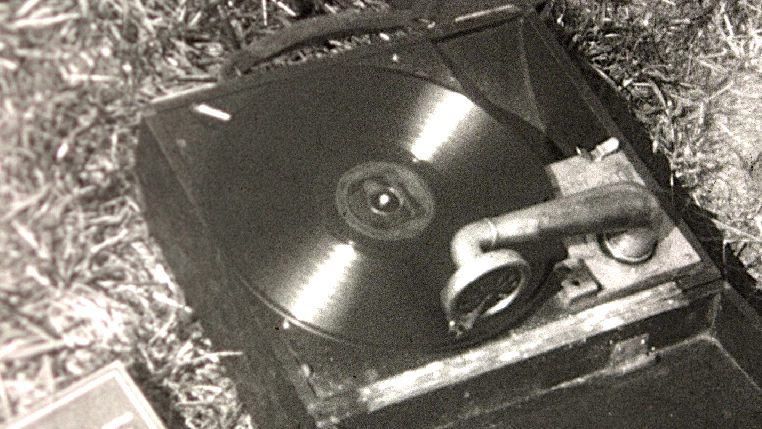
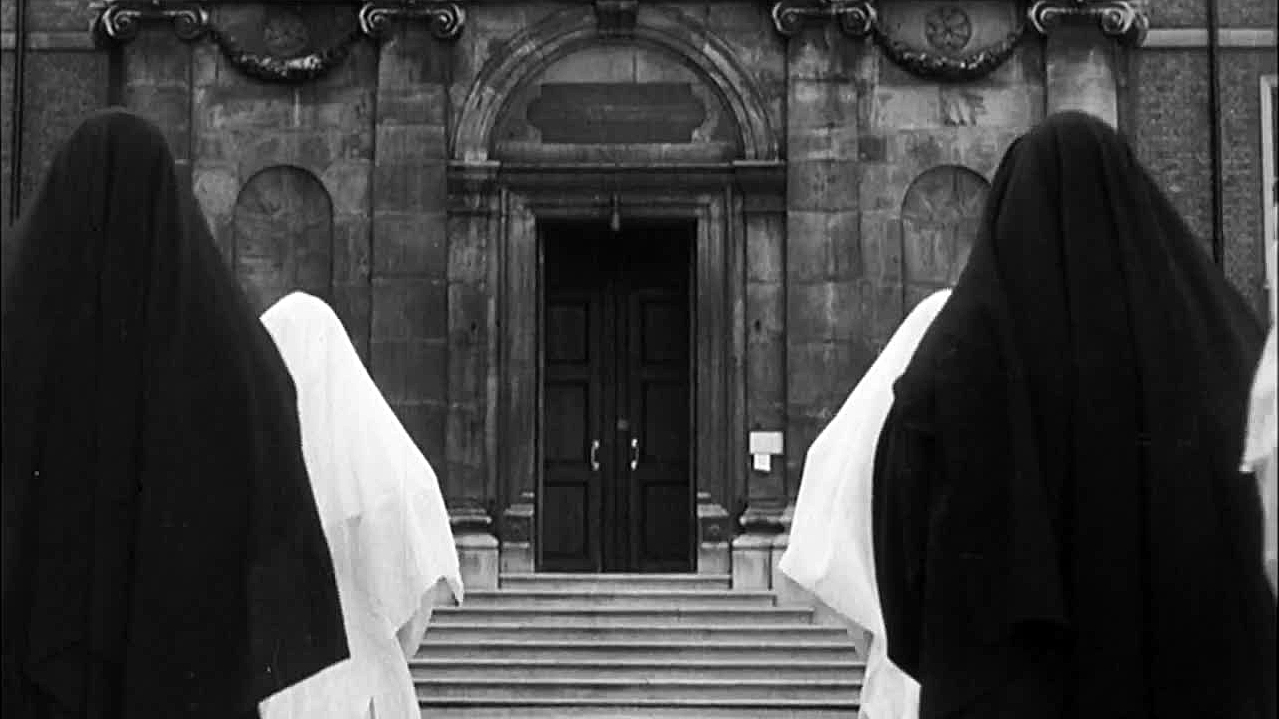
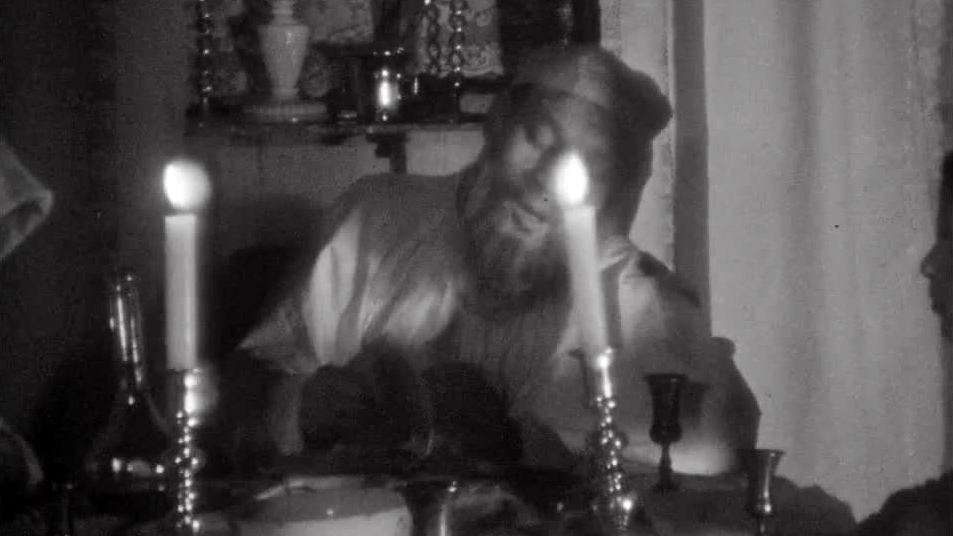
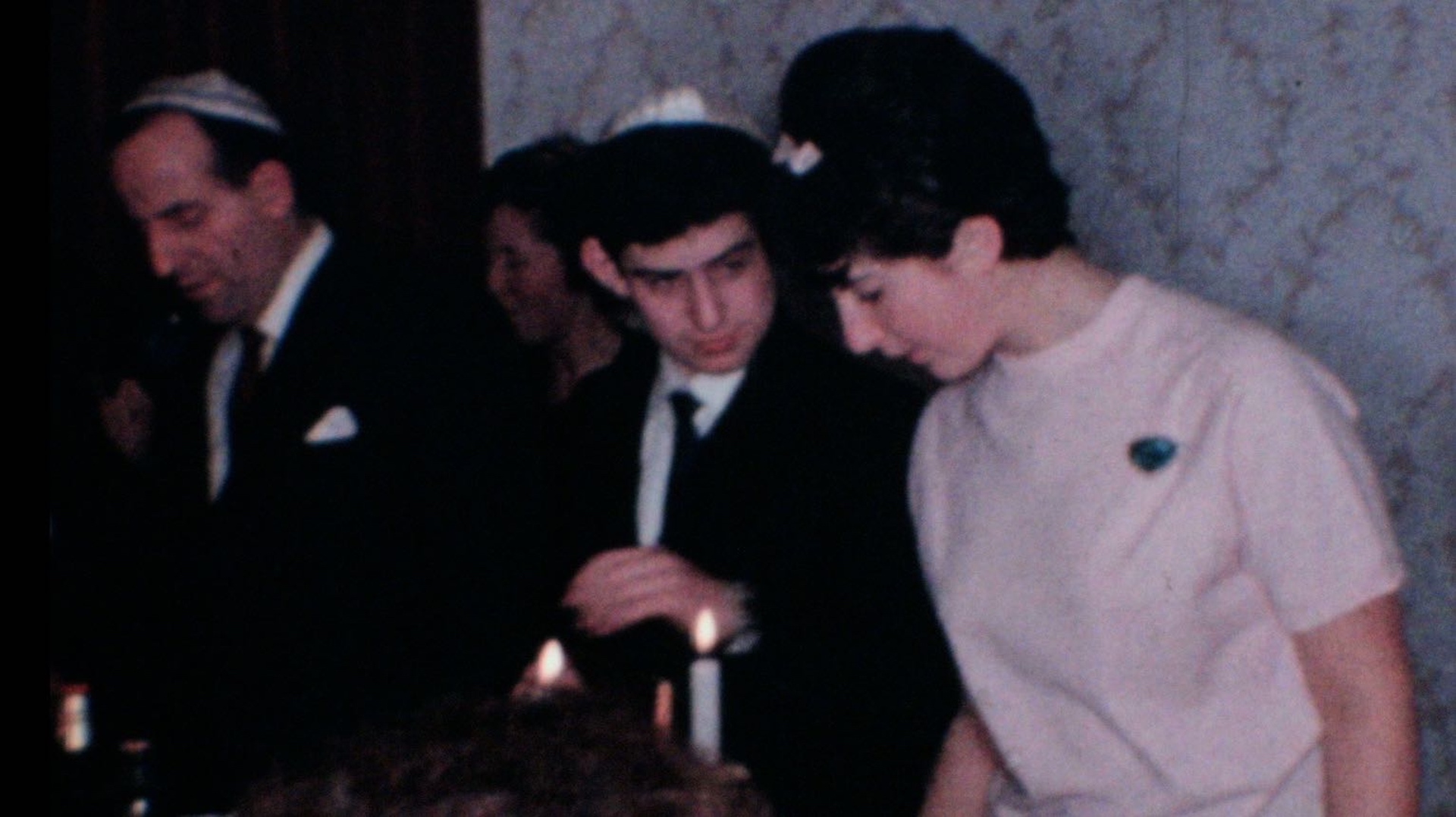
Betrayal, brutality and heartbreak lead a rabbi to a new life in the UK, where a shocking coincidence sparks intense reactions. Flashbacks of past Passover Seder nights reveal tragedy and sorrow, while in the present we see the hardship of poor immigrants in Britain. Taking its title from the 'Four Sons' passage of the Passover Haggadah text, this beautifully evocative amateur film offers a glimpse into the sensibility of Yiddish melodrama.
Jewish life on screen: a century of insights and hidden histories
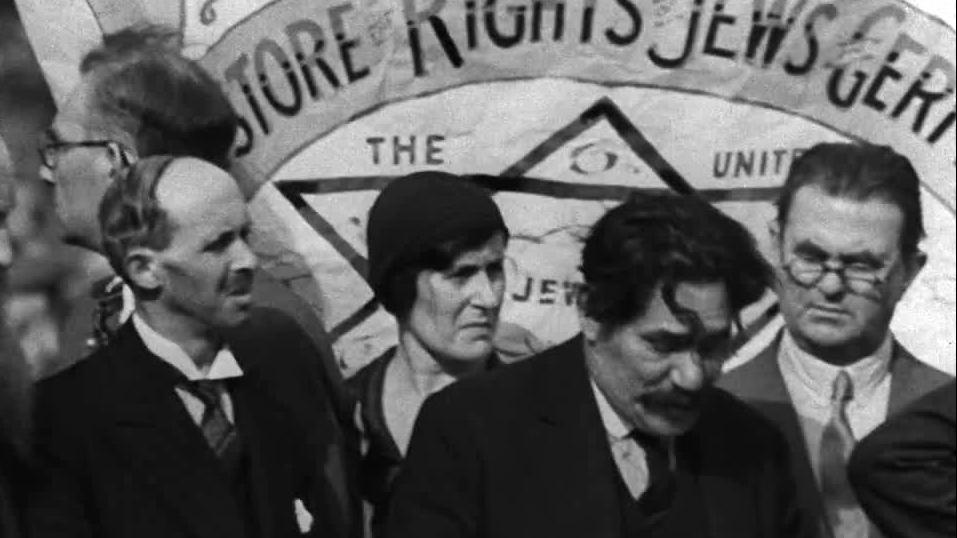
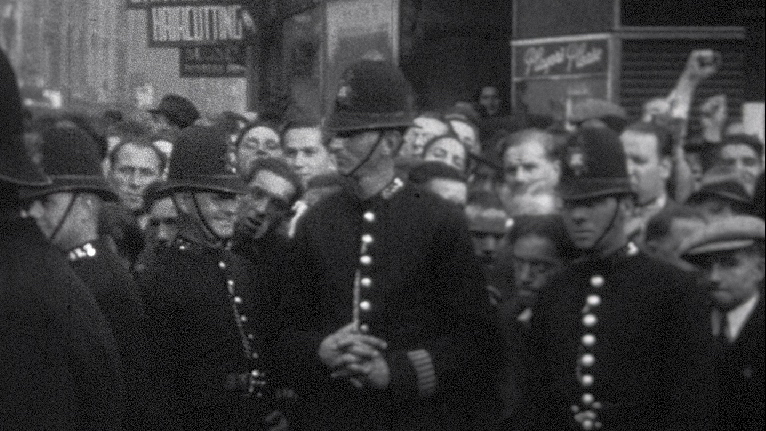
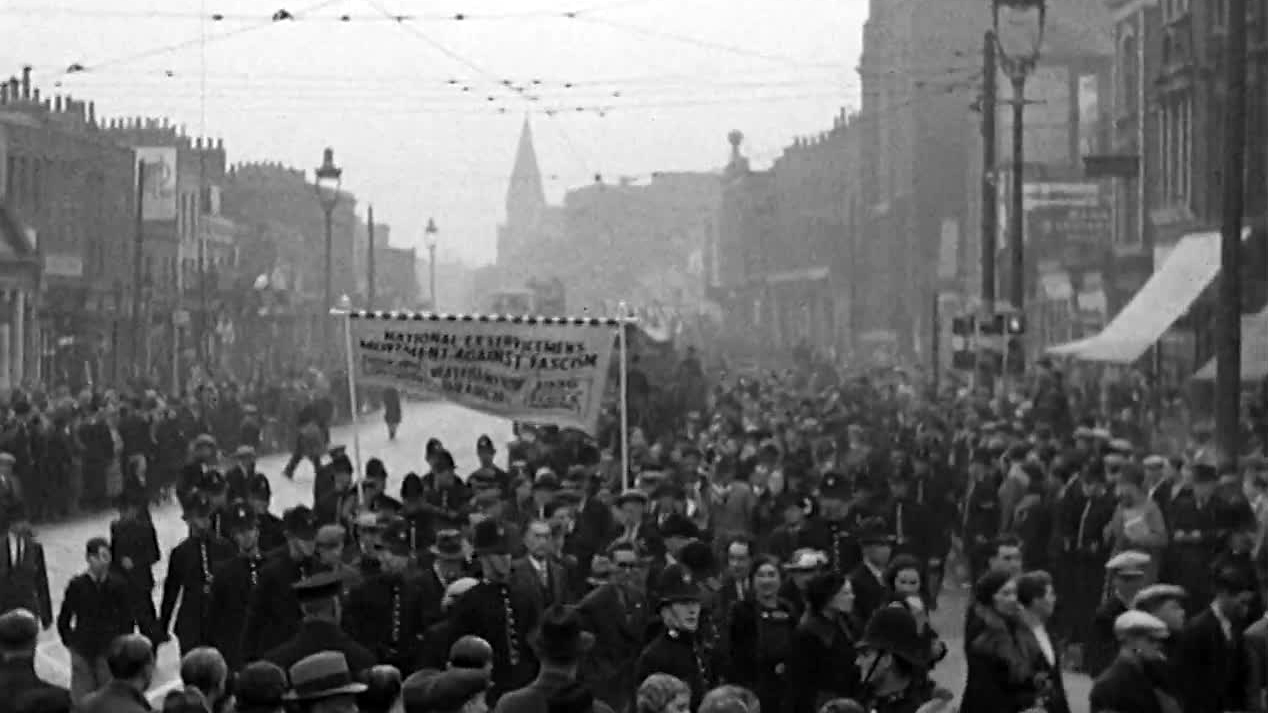
This collection uncovers insights, injustices and hidden histories across a century of Jewish life on British screens. It brings together documentary and first-person accounts of Jewish life in the UK, alongside historical dramas and artists’ work exploring the 20th century Jewish experience. The earliest surviving depictions of Jewish characters in British cinema offer a troubling insight into antisemitic representation, yet prejudice was later tackled head-on, with newsreels documenting the anti-fascist movement of the 1930s.
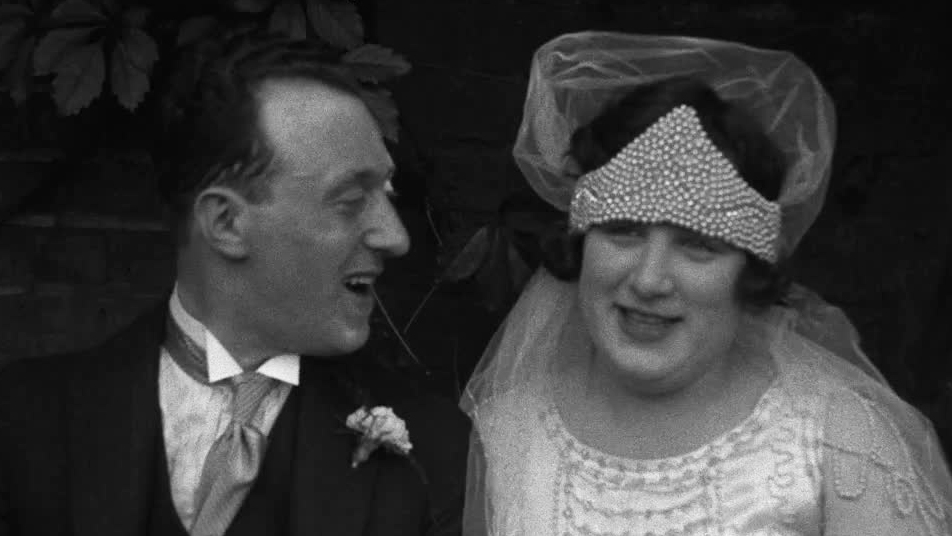
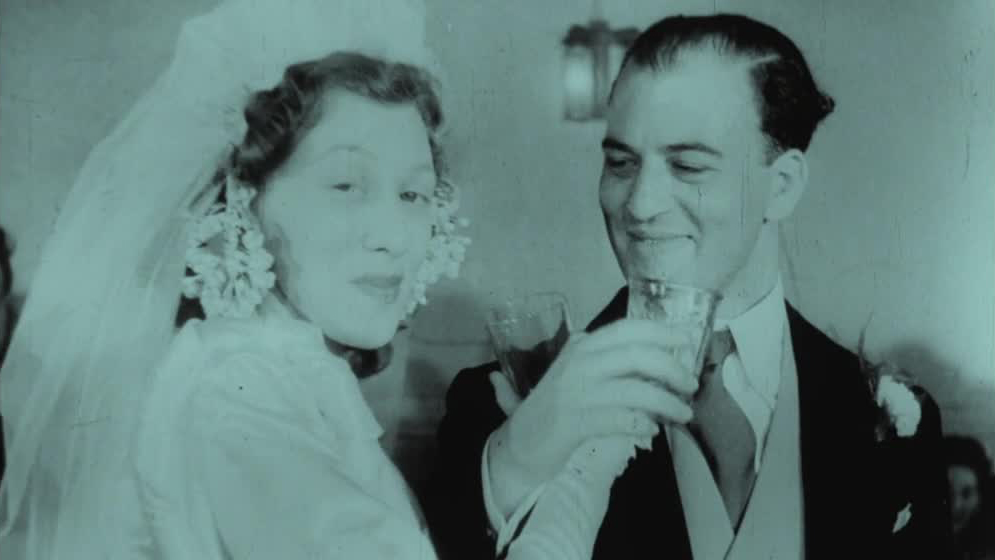
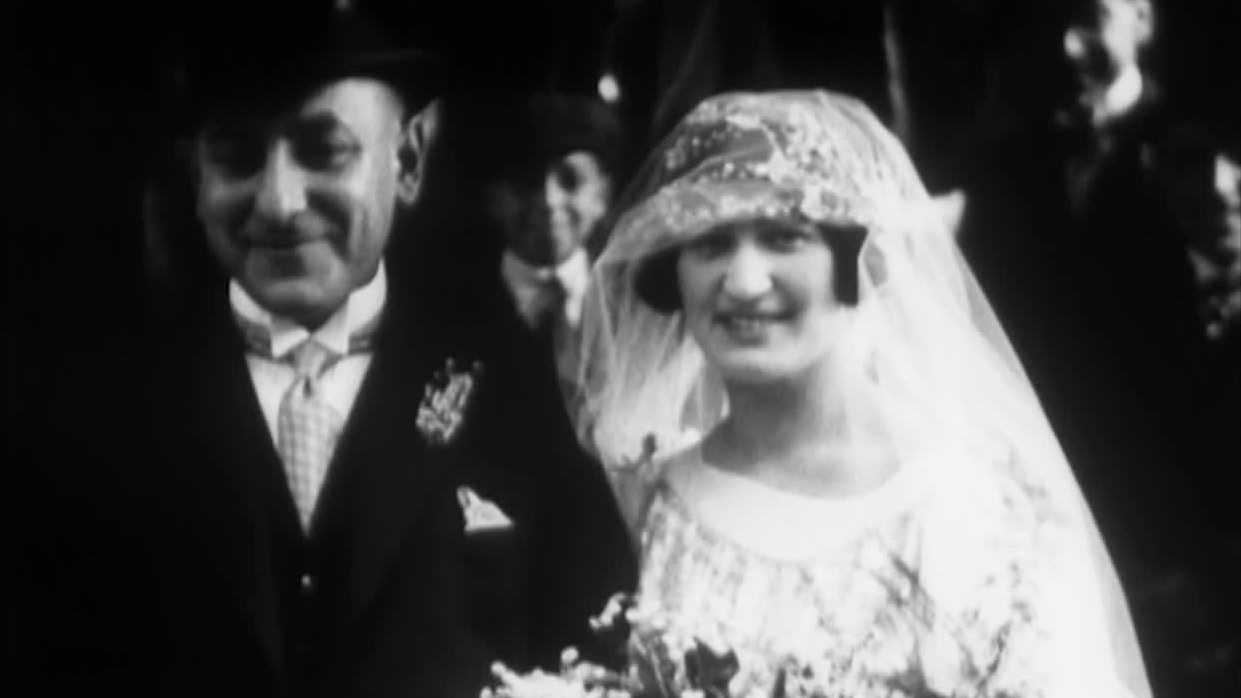
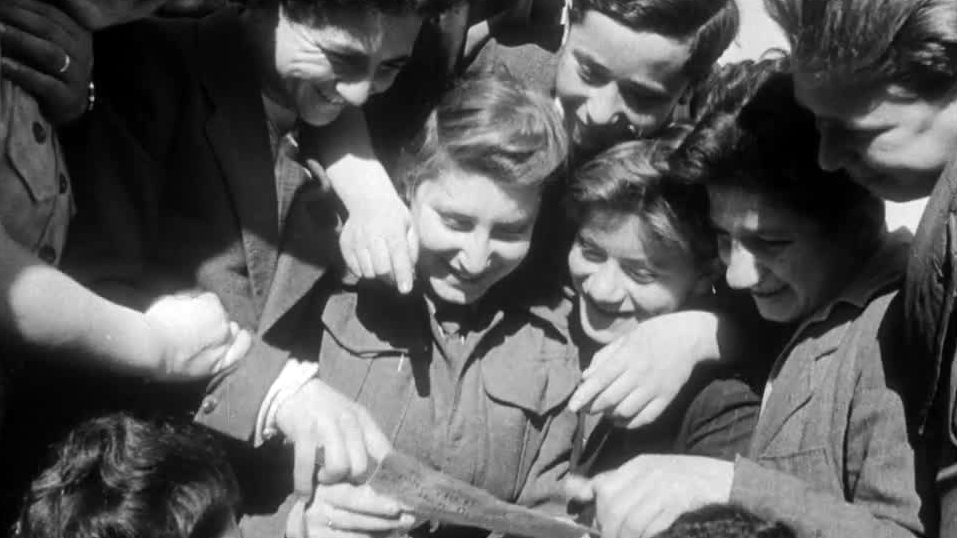
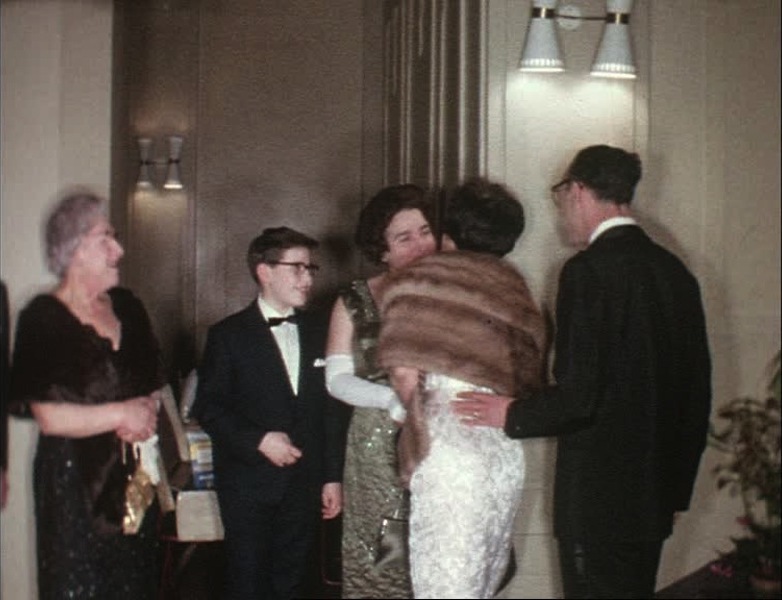
Drop in on joyous family weddings and community gatherings, and see the ways in which UK Jewry supported Jews young and old, and those fleeing persecution, in a selection of fascinating films from the 1900s to the 1980s.
This collection is generously supported by the Neil Kreitman Foundation, Shoresh Charitable Trust, John S Cohen Foundation, and Harold Hyam Wingate Foundation.