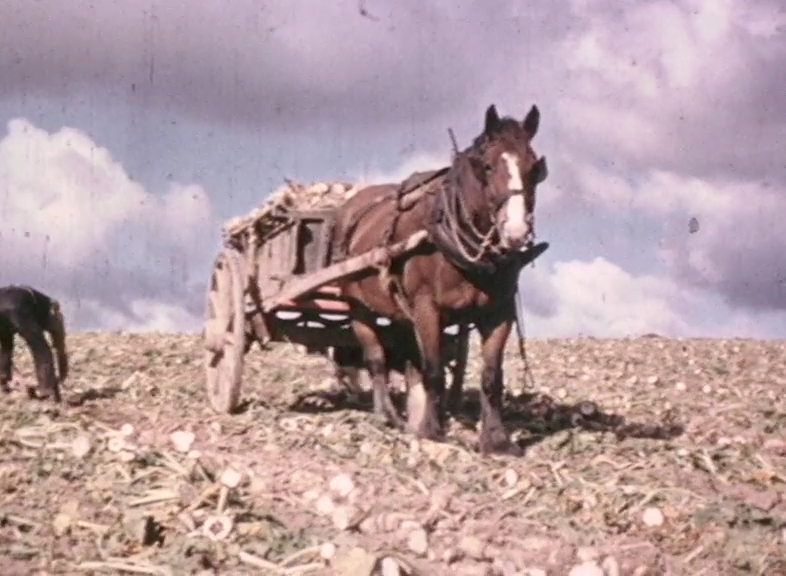
Salute to Farmers
With feeding the nation a wartime priority, agricultural workers are heralded as soldiers of the plough.
"We shall fight in the fields," said Churchill. As this stirring 1941 doc shows, the task of feeding Britain fell to its farmers, who mitigated the wartime labour shortage with mechanisation, the Women's Land Army, schoolchildren and townsfolk working weekends and holidays. Derelict lands were made arable, glasshouses turned to tomatoes, dairy herds fed homegrown silage and every market gardener sustained the war effort. It was a home front offensive to deliver dinner.
Many of the men working the fields differ little in appearance from their forebears a century before, but the needs of war precipitated new technology and change. The caterpillar tracks of the giant gyrotiller show the influence of the combat tank, while the multiplication of tractors and the mechanical scythe, automatic baler and combine harvester all presage the agricultural turn from farmhands to machines. w
Dig for Victory
Keeping the nation fed and healthy was the greatest priority of the Home Front. Women replaced absent farm workers, while ordinary Britons were exhorted to 'grow their own'.
'Dig for Victory' was perhaps the most successful official campaign of the Home Front. Britons in their millions picked up their trowels, and acre after acre of parkland, waste ground - even back gardens - was repurposed as makeshift vegetable plots. Just as the factories were constantly increasing their productivity, great efforts were made to increase agricultural yields, while the 'land girls' of the Women's Land Army enthusiastically took the place of farmworkers fighting overseas.
15 videos in this collection
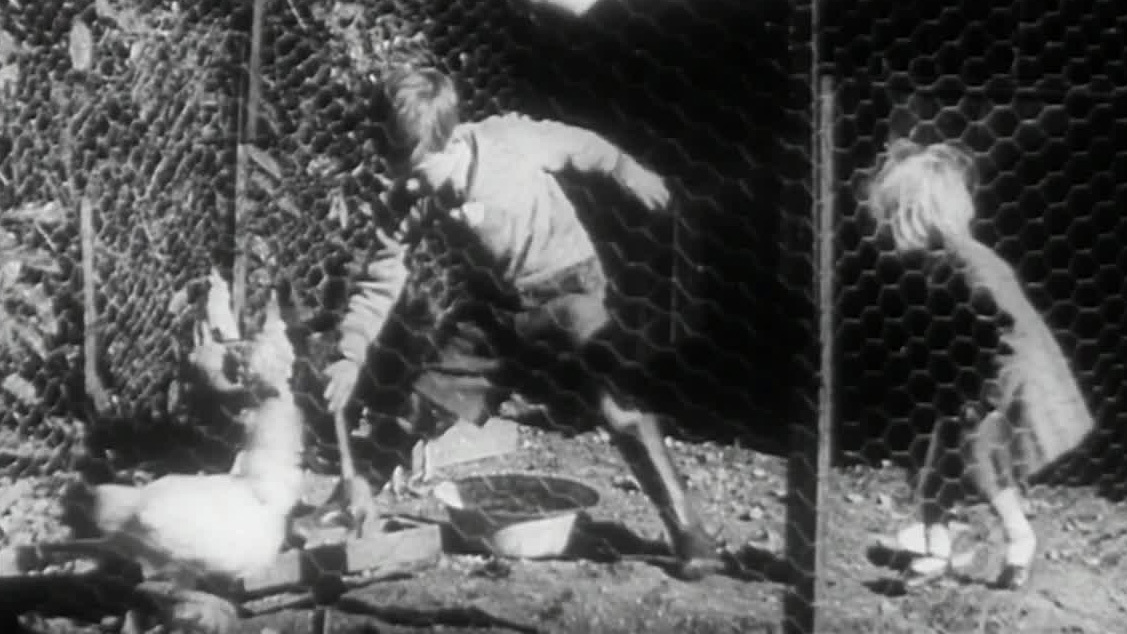
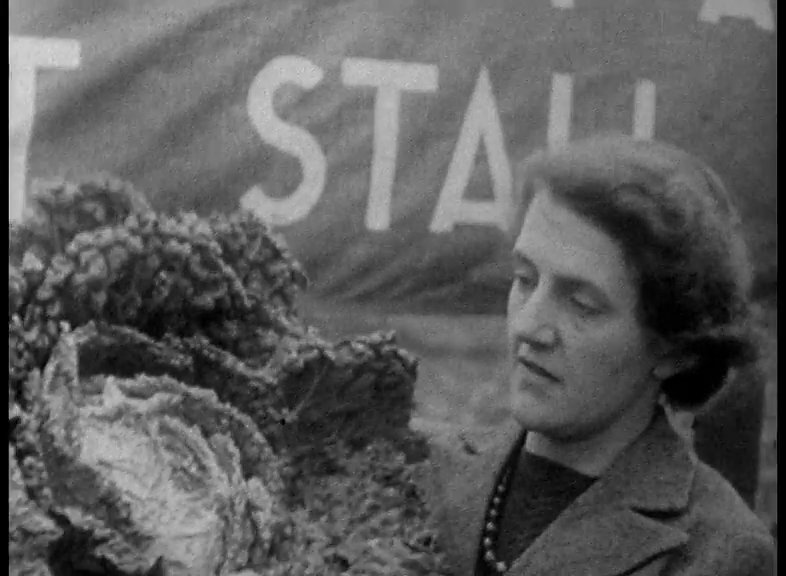
Cotswold Club
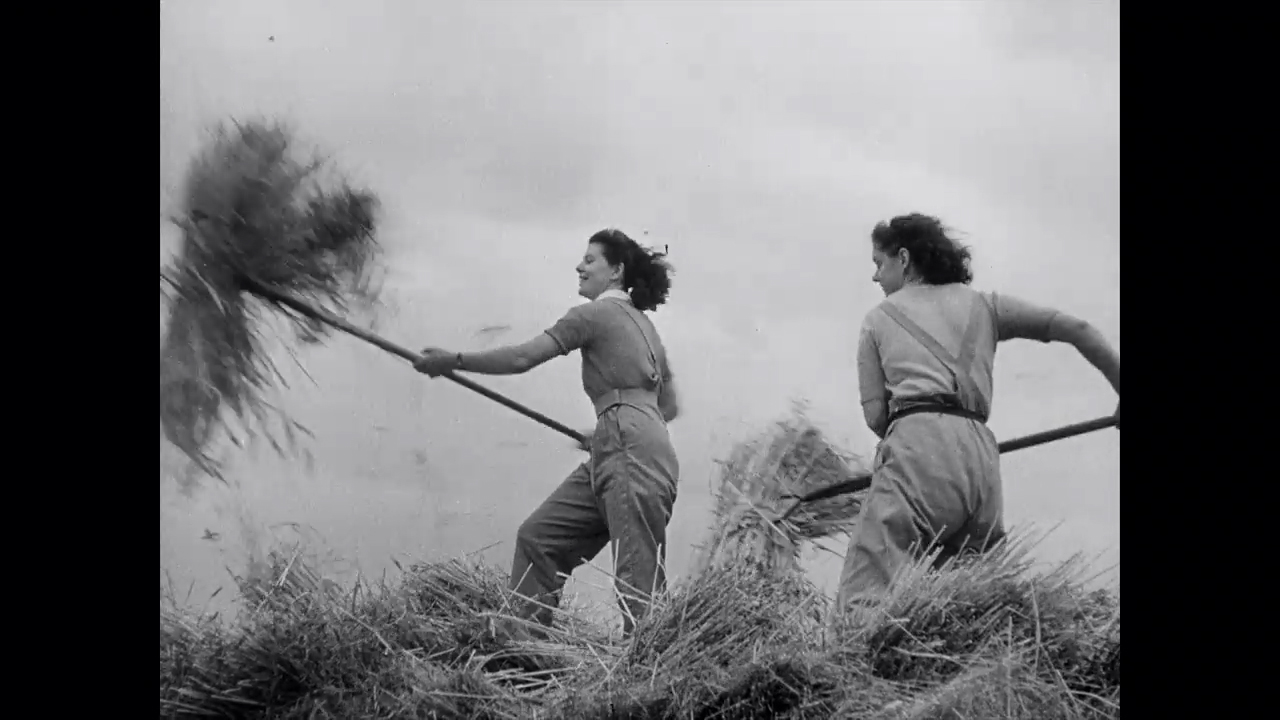
Salute to Farmers
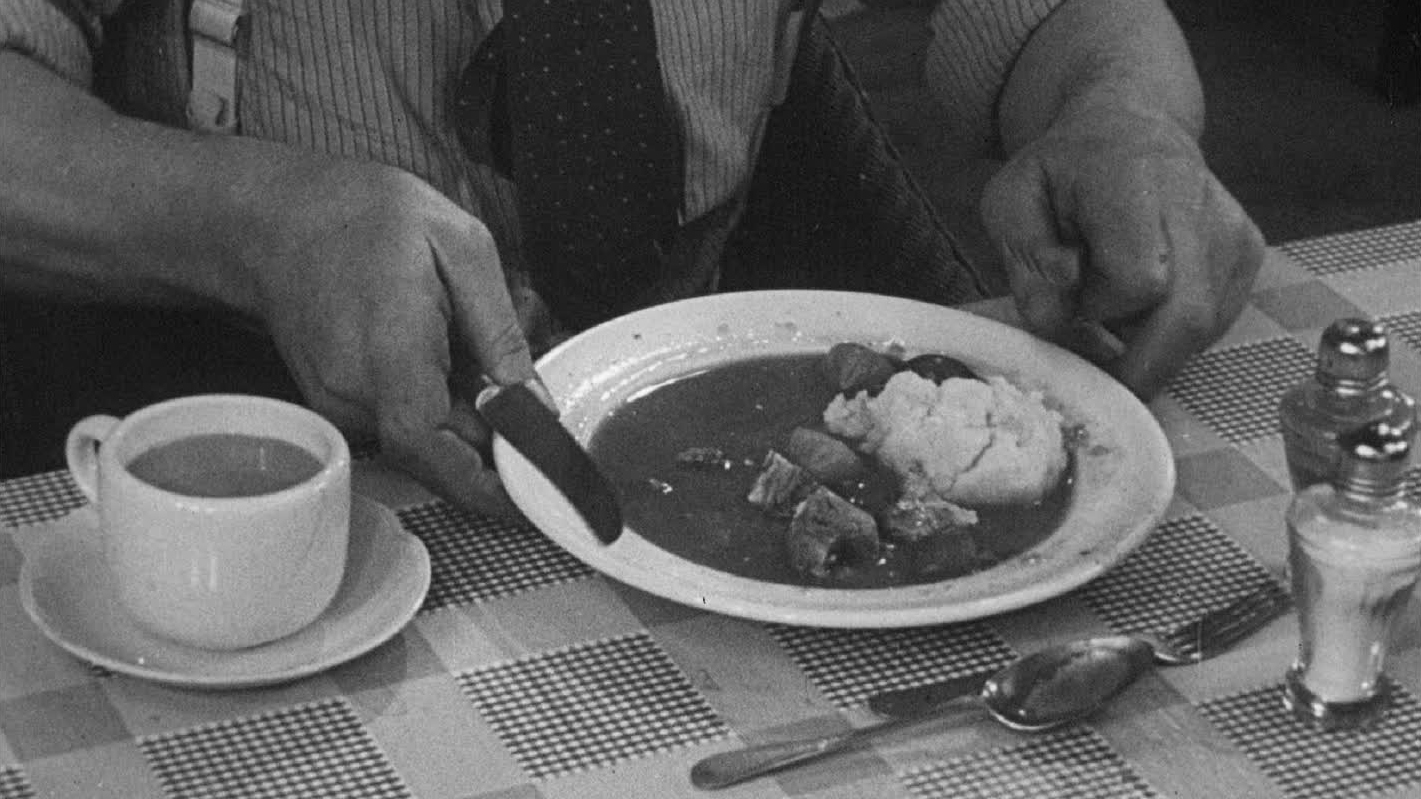
Wartime Food Boredom

Bampton Shows the Way
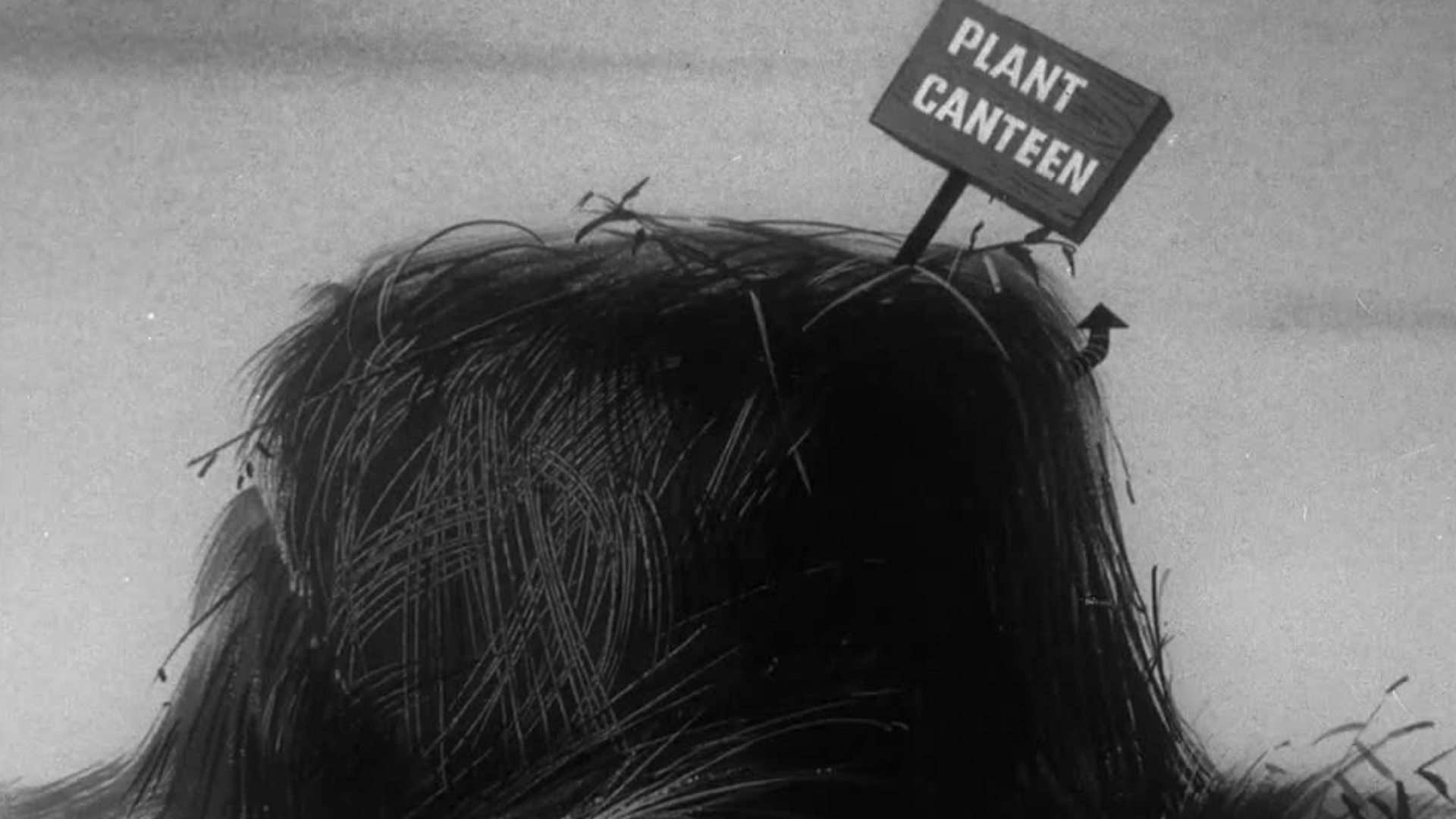
Compost Heap
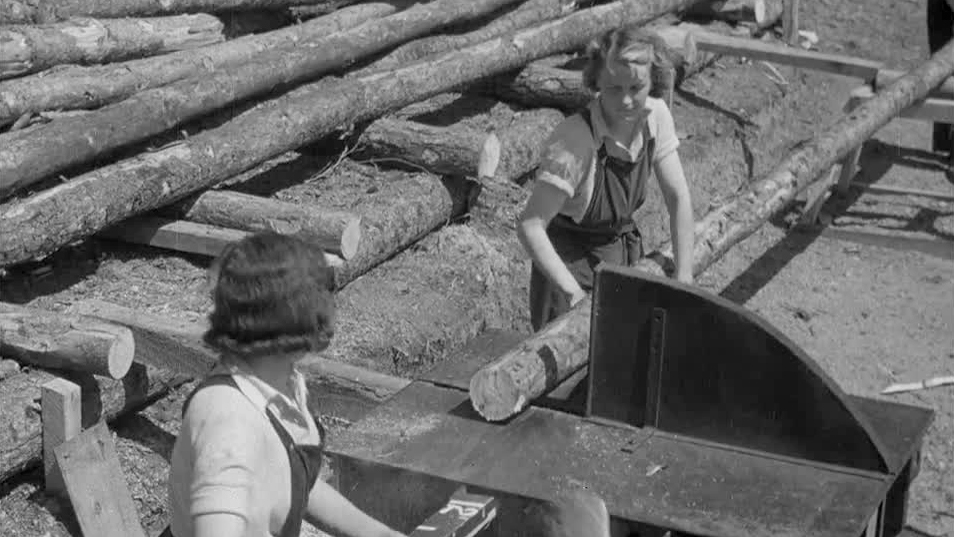
The New Crop
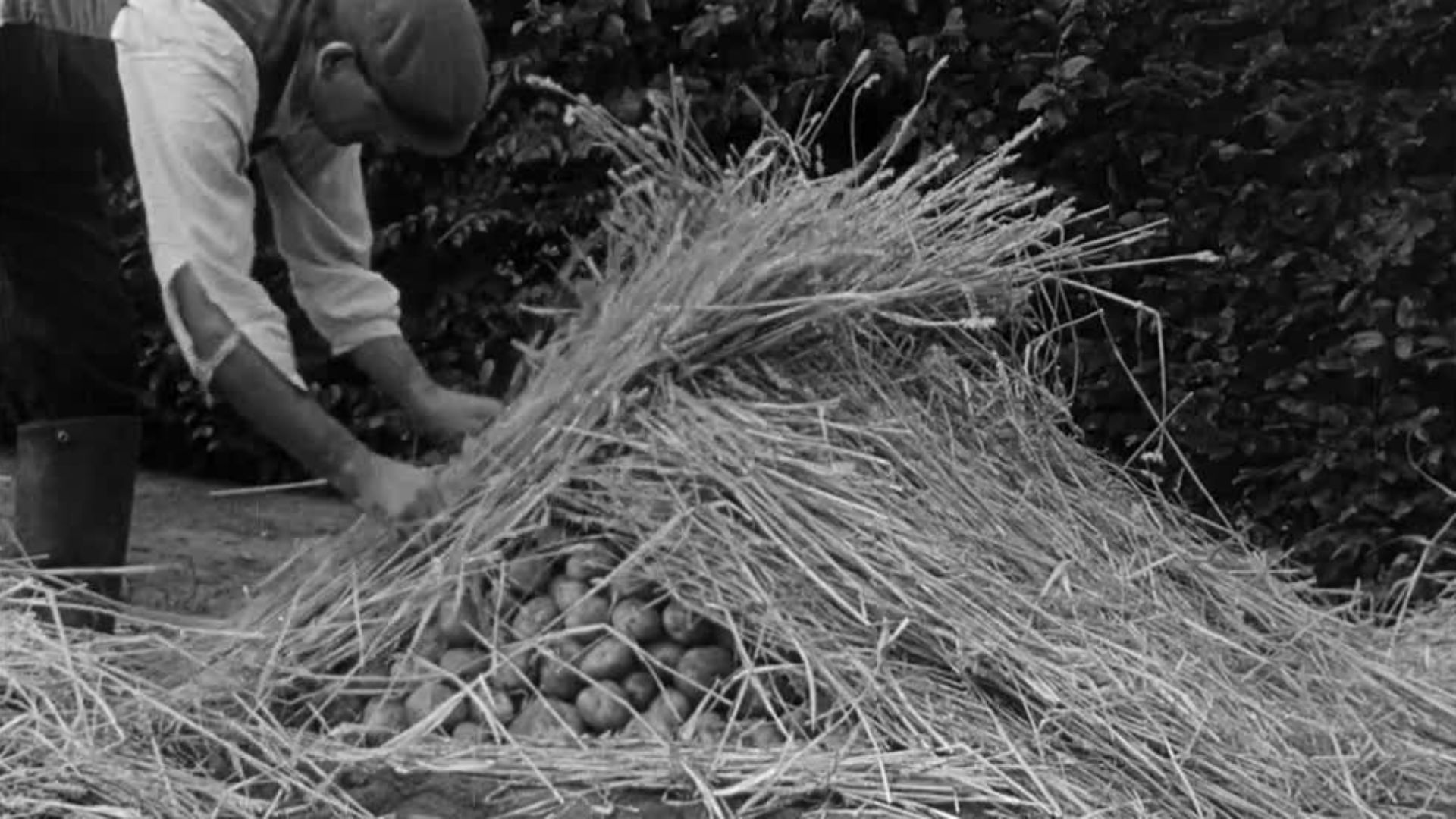
Storing Vegetables Outdoors

VE/VJ Don't Waste Bread
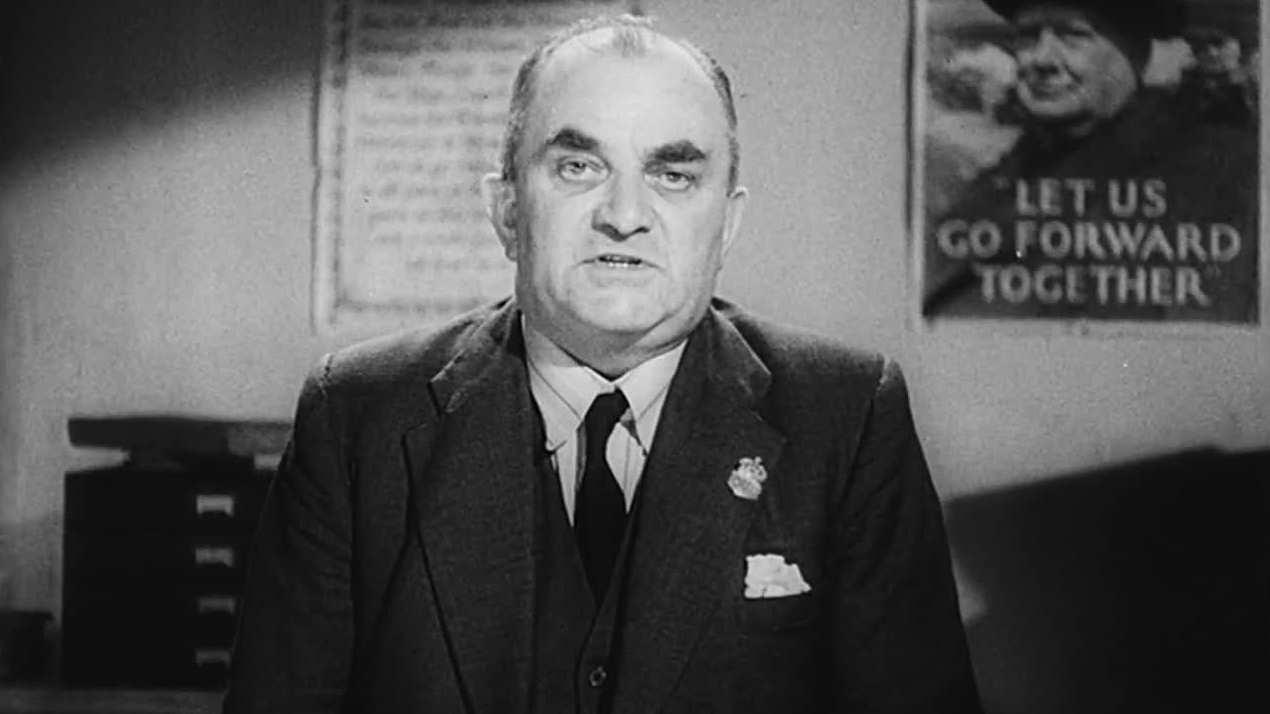
Greenford and Northolt Dig for Victory Campaign
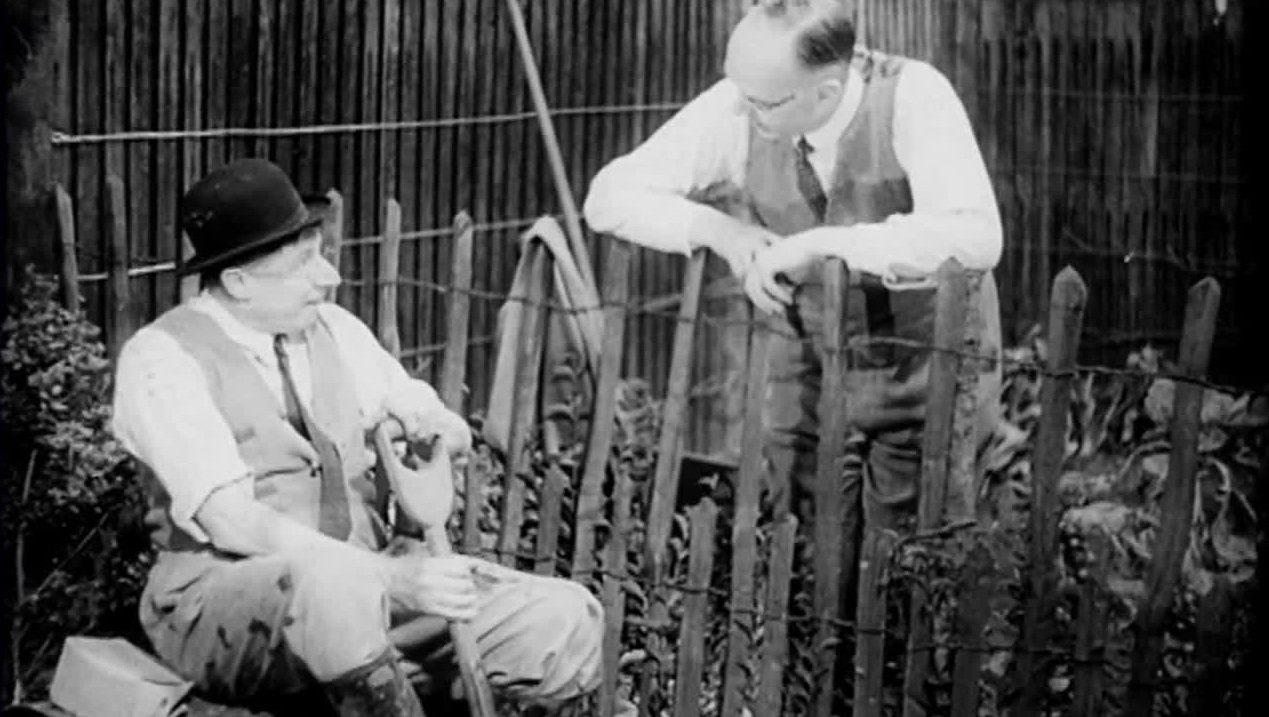
The Backyard Front
Brighton's Warship Week and Tank Week
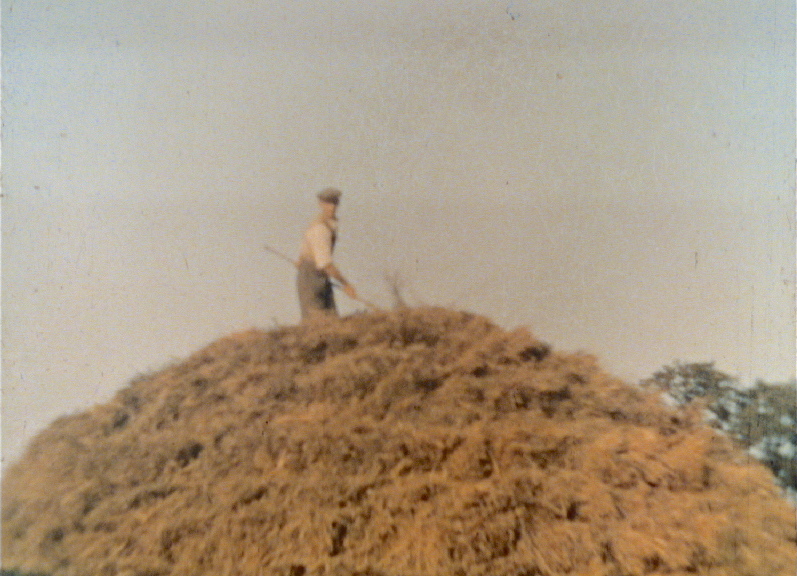
Heronsdale Manor Harvest
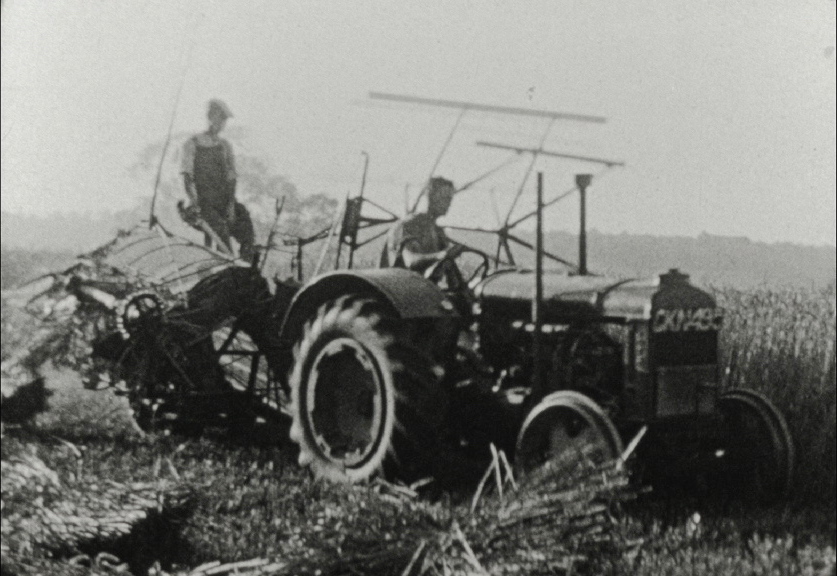
Wartime harvesting