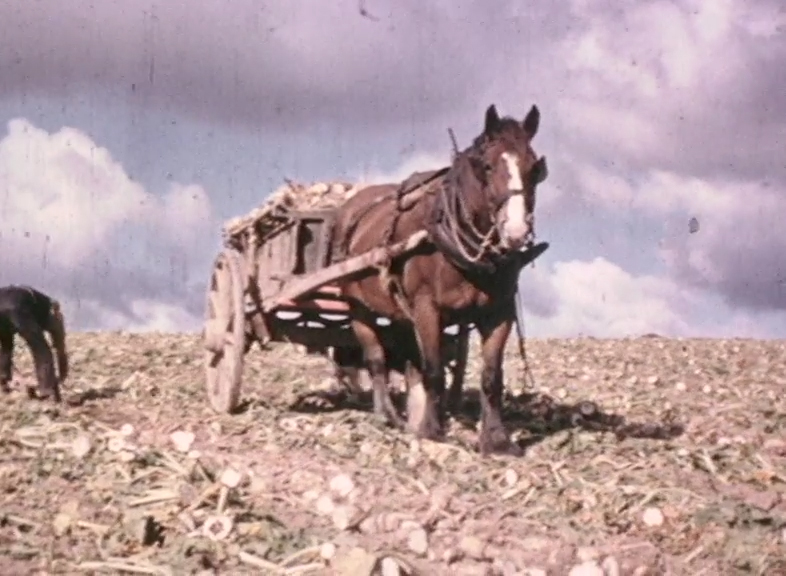
The New Crop
Wartime woodland management: we can do it! Women add their labour to the work of axe and saw.
Who manages Britain's forests in wartime? With demand for timber relentless, the 'lumberjills' of the Women's Timber Corps work side by side with woodsmen. The coal mines need pit-props and the military services need materials urgently, so private woodland and state forest from Sussex Wold to Welsh hillside are felled and processed. But cropped woods must be re-sown if they are to yield again, so new conifer plantations are cultivated on the uplands.
A contemporary reviewer in the industry journal Documentary News Letter noted "something wrong somewhere" in the spruce plantations, yet felt unqualified to identify it. Today, however, we know the ecological risks of replacing native, broadleaf species with a monoculture of exotic conifers. Nevertheless, the vision of a multi-yield, managed forestry remains inspiring, presenting the last great stand of wood before the postwar advances in petrochemistry that would herald the plastic world of today.
Dig for Victory
Keeping the nation fed and healthy was the greatest priority of the Home Front. Women replaced absent farm workers, while ordinary Britons were exhorted to 'grow their own'.
'Dig for Victory' was perhaps the most successful official campaign of the Home Front. Britons in their millions picked up their trowels, and acre after acre of parkland, waste ground - even back gardens - was repurposed as makeshift vegetable plots. Just as the factories were constantly increasing their productivity, great efforts were made to increase agricultural yields, while the 'land girls' of the Women's Land Army enthusiastically took the place of farmworkers fighting overseas.
15 videos in this collection


Cotswold Club

Salute to Farmers
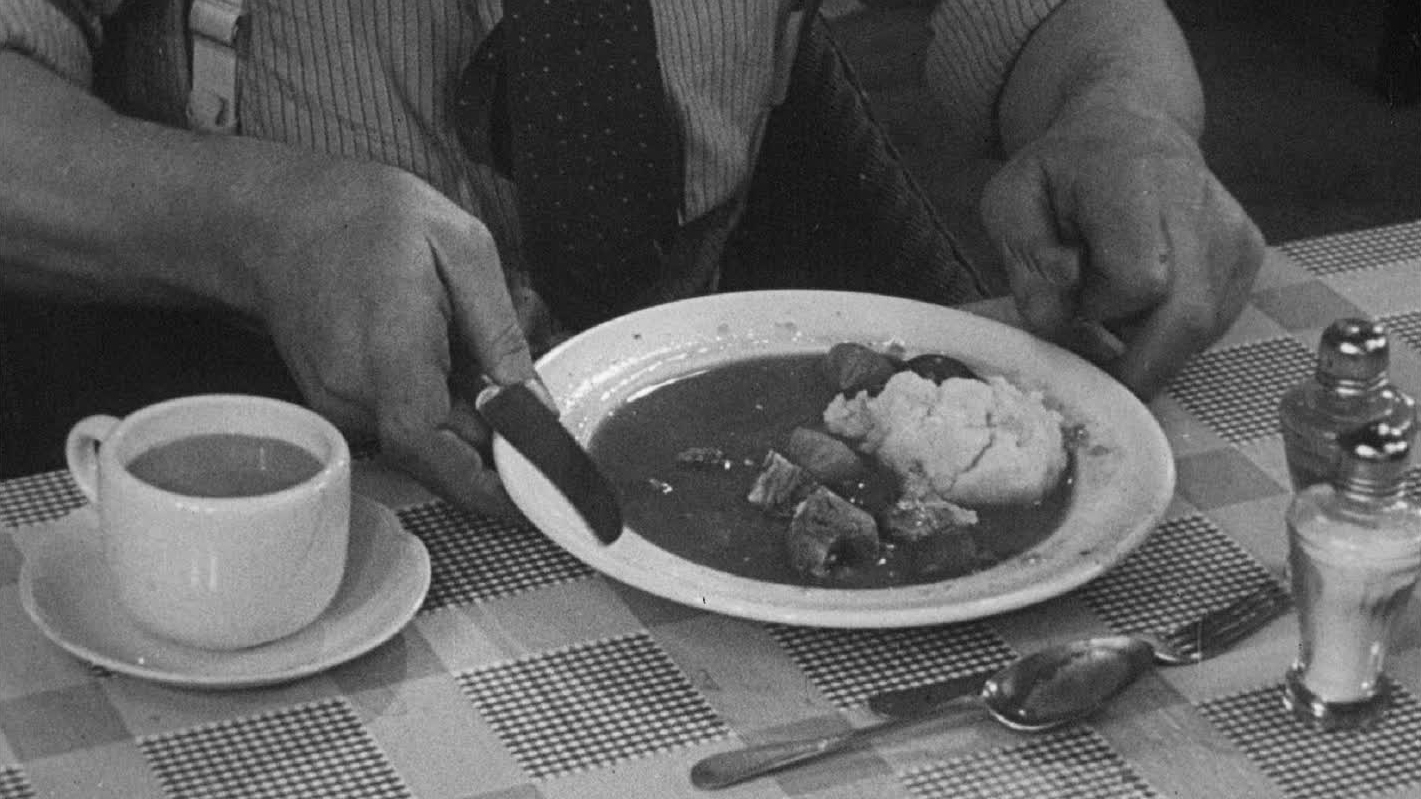
Wartime Food Boredom

Bampton Shows the Way

Compost Heap

The New Crop
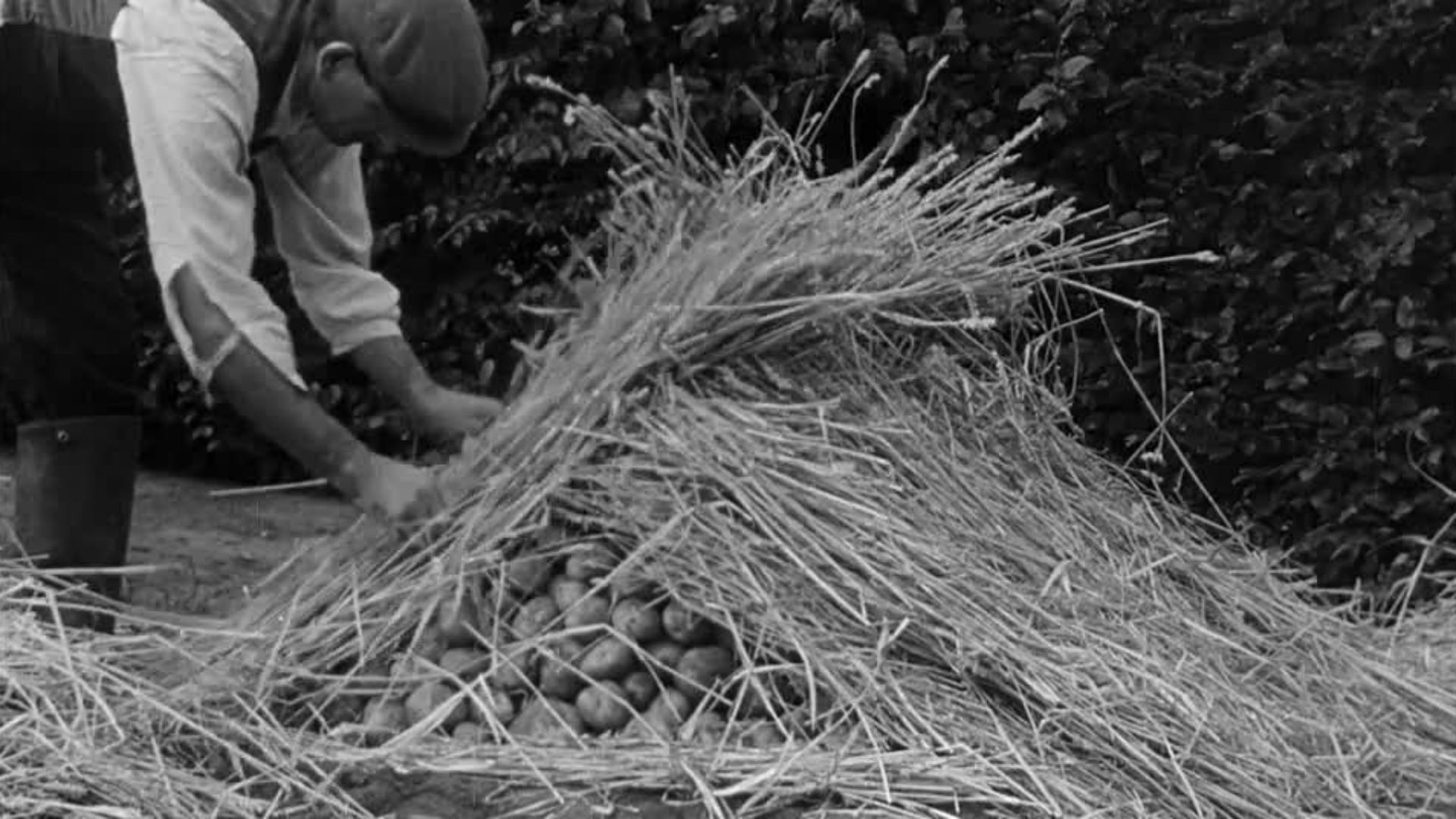
Storing Vegetables Outdoors

VE/VJ Don't Waste Bread

Greenford and Northolt Dig for Victory Campaign

The Backyard Front
Brighton's Warship Week and Tank Week
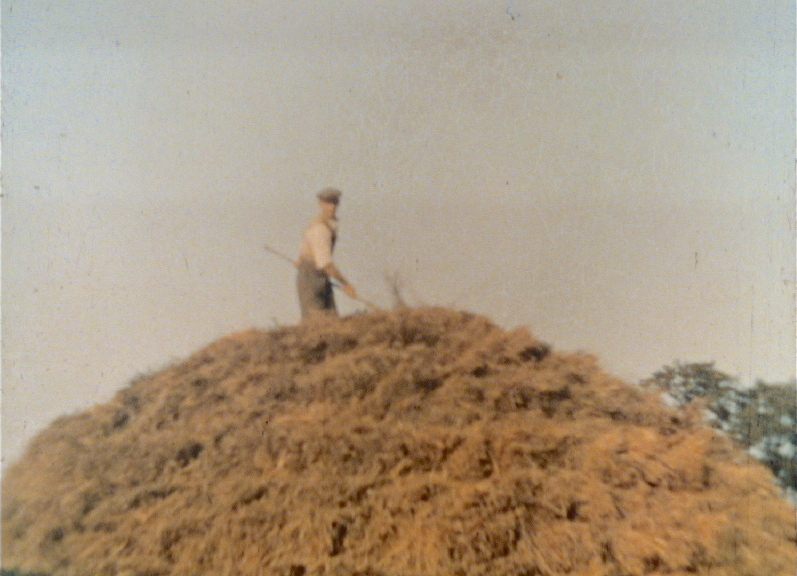
Heronsdale Manor Harvest
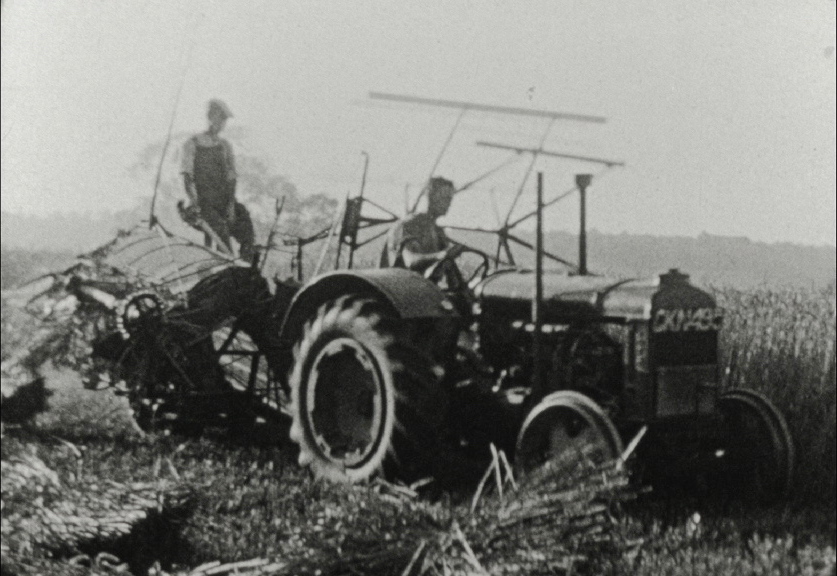
Wartime harvesting