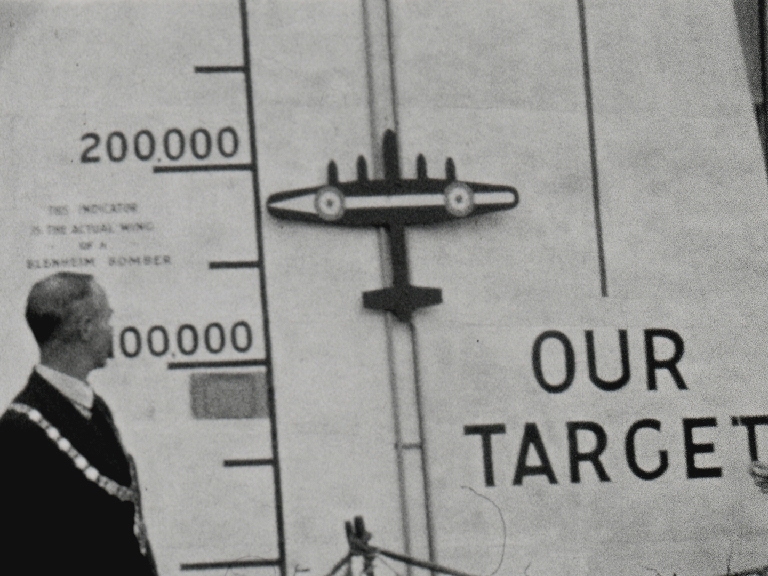
Wartime Factory
The factory floor view of WWII, inside a busy aircraft works
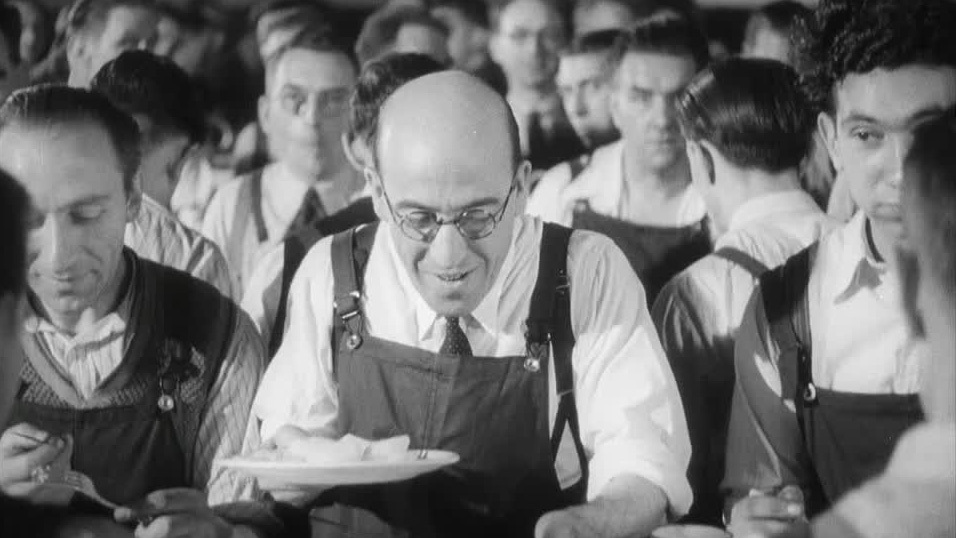
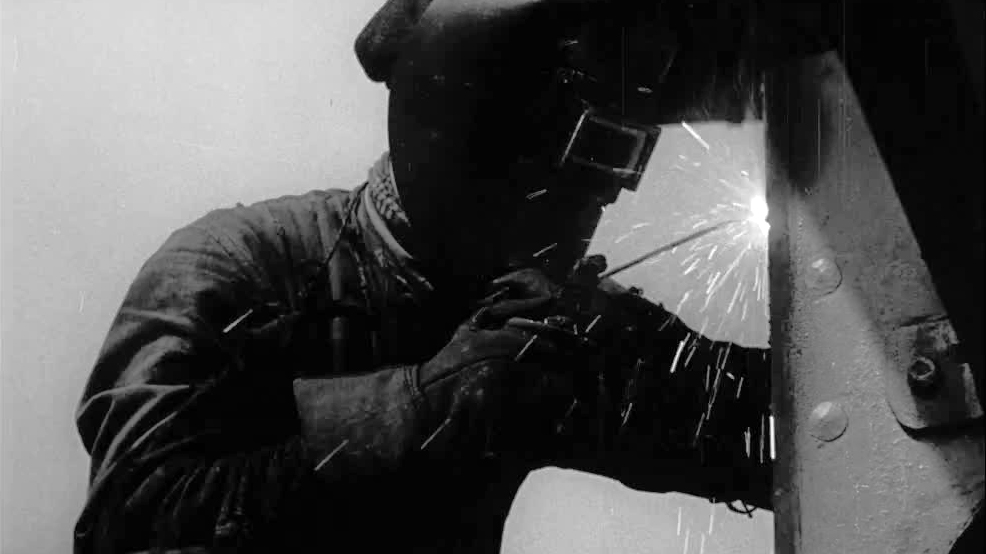
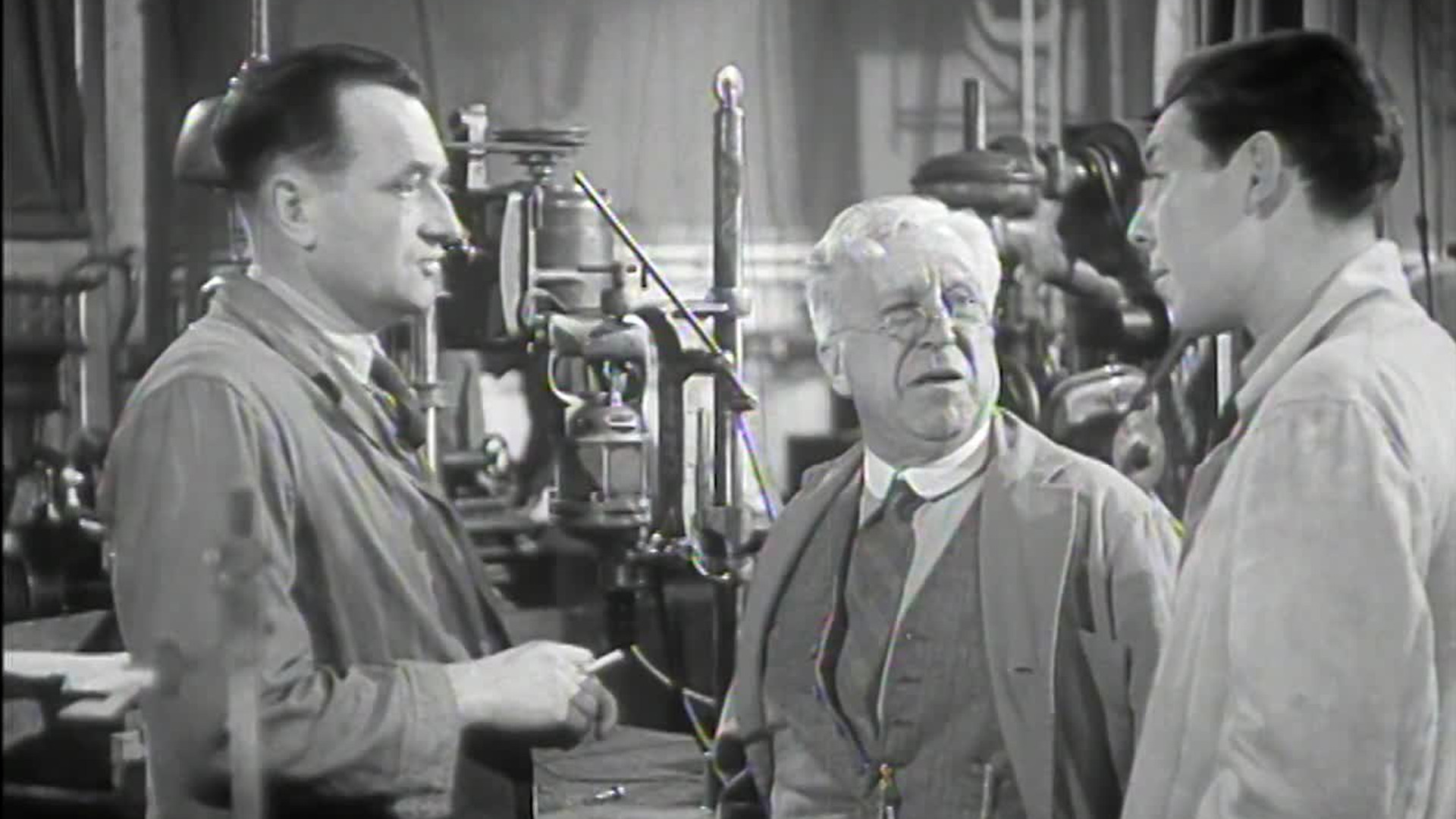
This documentary was filmed in a simple, confident style at a WWII aircraft factory, at the sharp end of the frantic production drive servicing total war. It's a world of lathes, drills, milling machines and furnaces but of offices too, and community. Many women, many men, a recreation hall and the all-important canteen ("the industrial army marches on its stomach"): everything running like clockwork, shift to shift, night into day, day into night.
Everyone's on the job six days a week. But all work stops for lunch, smoking is permitted at all times and some nights the factory is magically transformed into a concert hall. The film's credits include several key names from the British Documentary Film Movement, which had always viewed government information films as a means of advancing national self-awareness and a vaguely progressive, broadly communitarian vision. The factory is ultimately a metaphor for nation: Britain itself, we infer, has become a sort of giant wartime factory - an intricate but epic national machine that is purposeful, efficient but also humane.
Keep the Wheels Turning
The State seized control of much of British industry at the start of the war. Mills and factories now produced munitions, planes, tanks and uniforms, while mines yielded the coal to power it all.
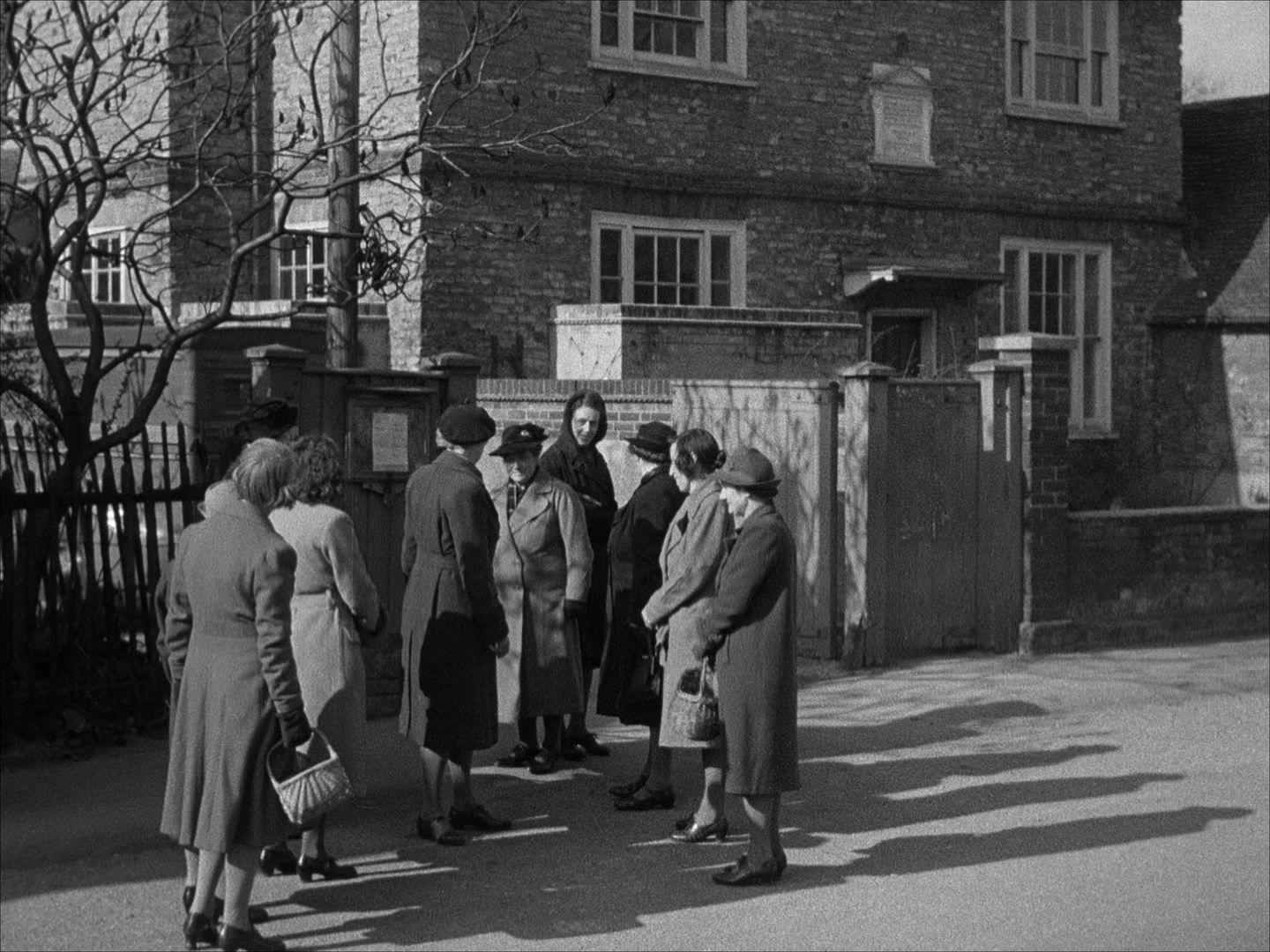
Production went into overdrive. Workforces in key industries like coalmining and shipbuilding were classed as 'reserved occupations' and spared the draft, while an army of women took to the machines to meet the constant demand for munitions and uniforms. In hindsight, we can see that the foundations of the postwar settlement were being laid. The wartime economy was formidable: workers pulled together to meet ever-increasing demand for resources and government oversight kept the motors running.
16 videos in this collection
Shipbuilders
Out Working

Her Father's Daughter
Good Value
Furnaces of Industry
A Job to Be Done
The New Crop
A Call for Arms!
Wartime Factory
British Made 'ameri-cans' Something to Focus On
Dai Jones
Our Film
Walton's Parade for Victory
Wings for Victory Week