The New Crop
Wartime woodland management: we can do it! Women add their labour to the work of axe and saw.
Who manages Britain's forests in wartime? With demand for timber relentless, the 'lumberjills' of the Women's Timber Corps work side by side with woodsmen. The coal mines need pit-props and the military services need materials urgently, so private woodland and state forest from Sussex Wold to Welsh hillside are felled and processed. But cropped woods must be re-sown if they are to yield again, so new conifer plantations are cultivated on the uplands.
A contemporary reviewer in the industry journal Documentary News Letter noted "something wrong somewhere" in the spruce plantations, yet felt unqualified to identify it. Today, however, we know the ecological risks of replacing native, broadleaf species with a monoculture of exotic conifers. Nevertheless, the vision of a multi-yield, managed forestry remains inspiring, presenting the last great stand of wood before the postwar advances in petrochemistry that would herald the plastic world of today.
Keep the Wheels Turning
The State seized control of much of British industry at the start of the war. Mills and factories now produced munitions, planes, tanks and uniforms, while mines yielded the coal to power it all.
Production went into overdrive. Workforces in key industries like coalmining and shipbuilding were classed as 'reserved occupations' and spared the draft, while an army of women took to the machines to meet the constant demand for munitions and uniforms. In hindsight, we can see that the foundations of the postwar settlement were being laid. The wartime economy was formidable: workers pulled together to meet ever-increasing demand for resources and government oversight kept the motors running.
16 videos in this collection
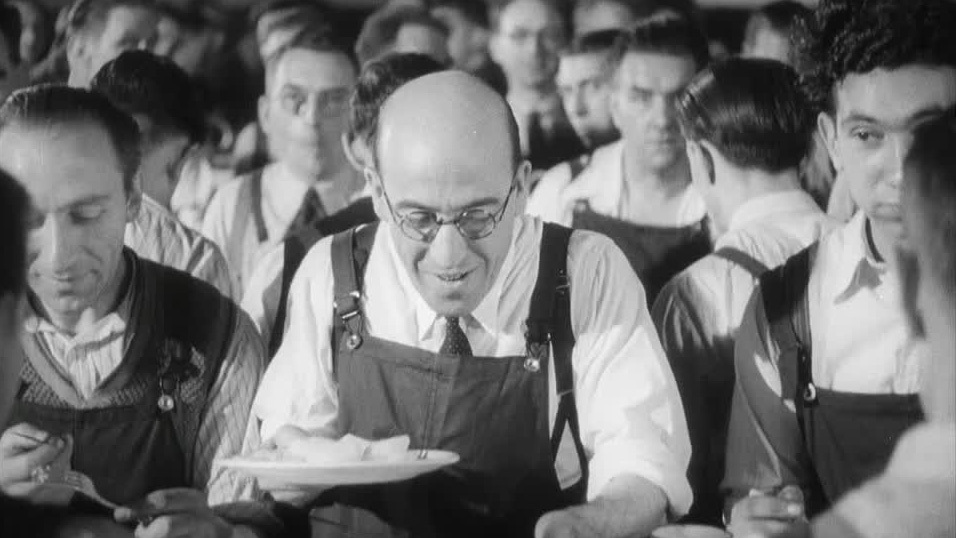
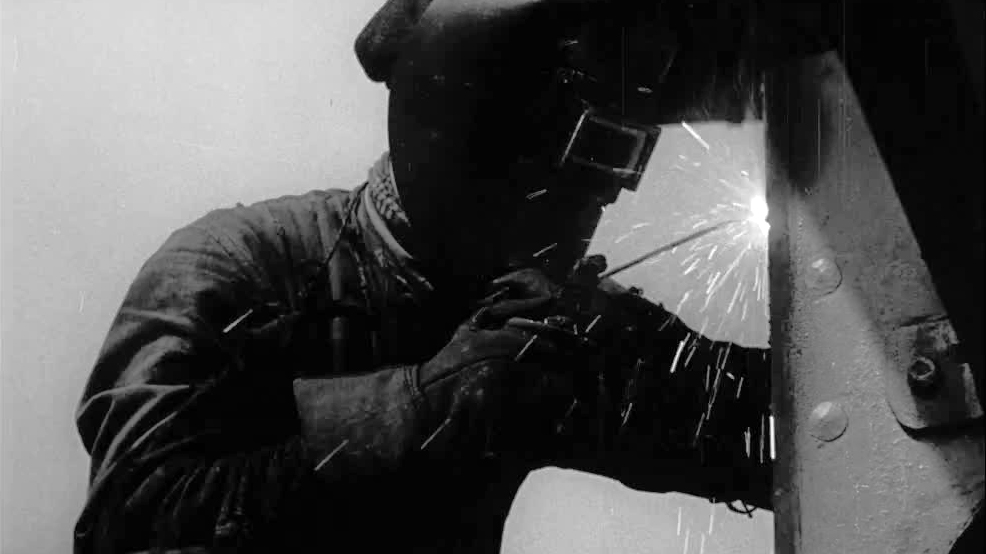
Shipbuilders
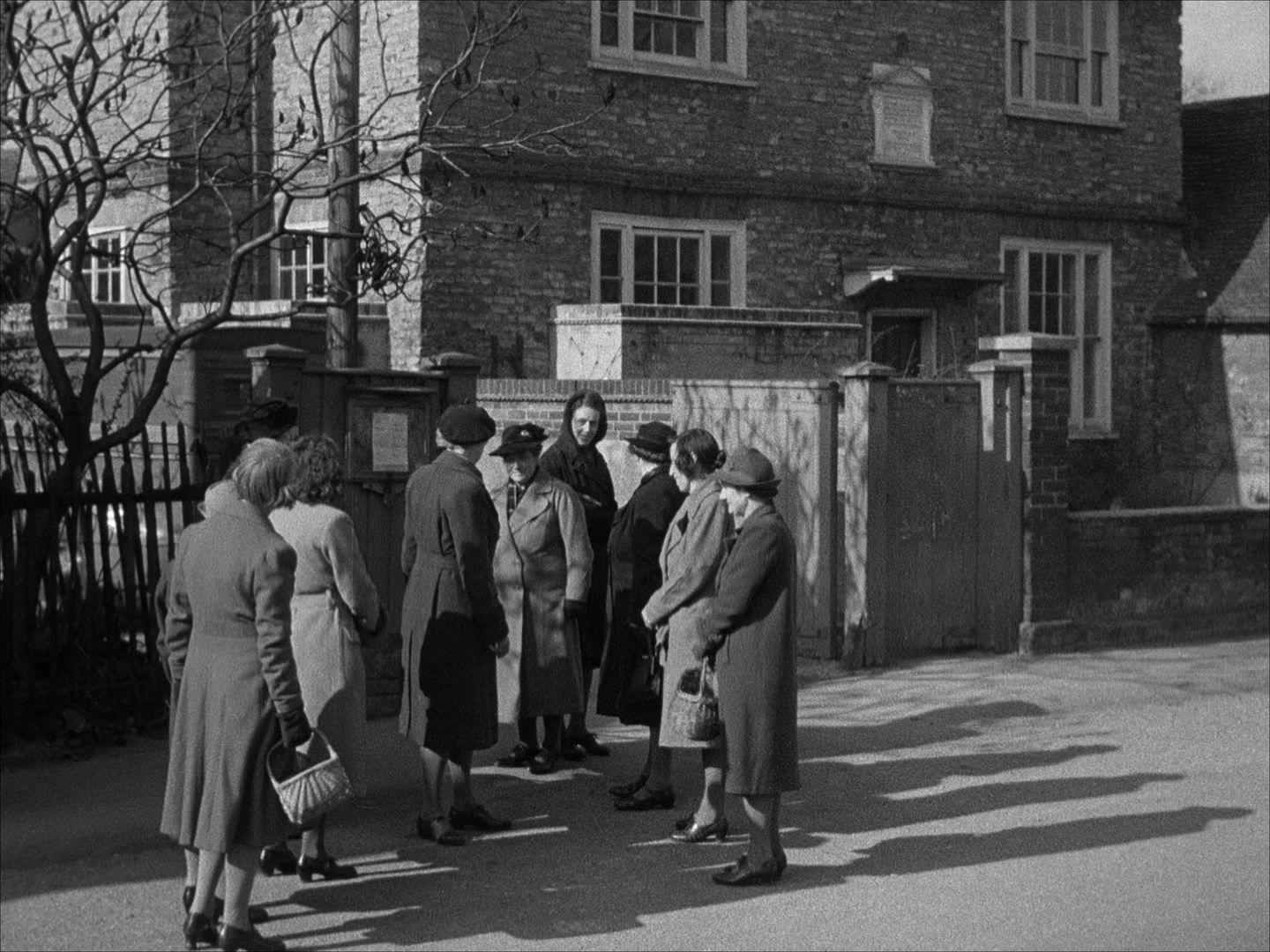
Out Working

Her Father's Daughter

Good Value
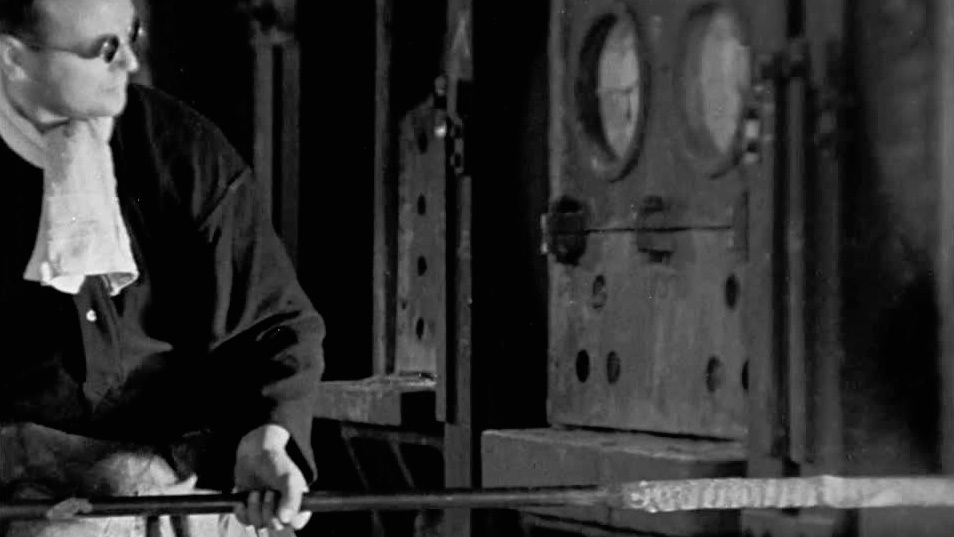
Furnaces of Industry
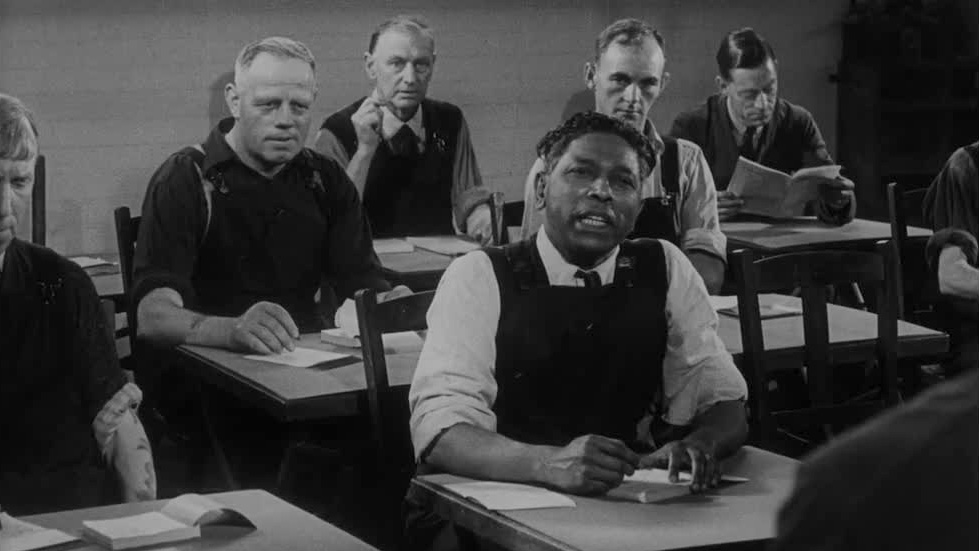
A Job to Be Done
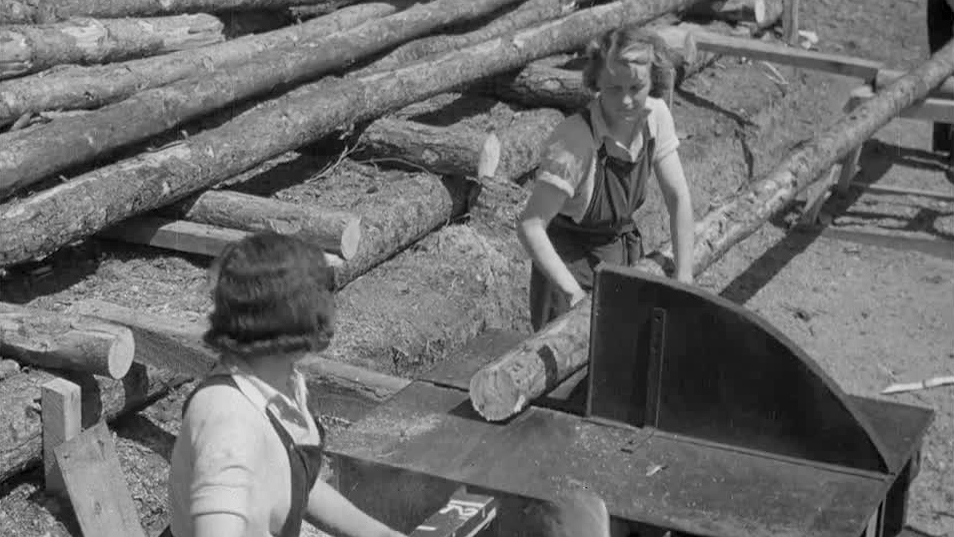
The New Crop

A Call for Arms!
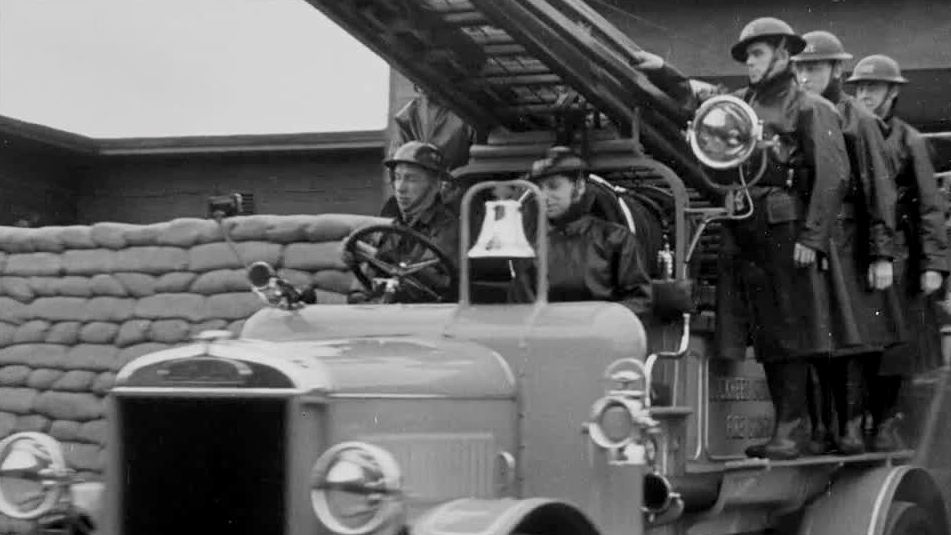
Wartime Factory
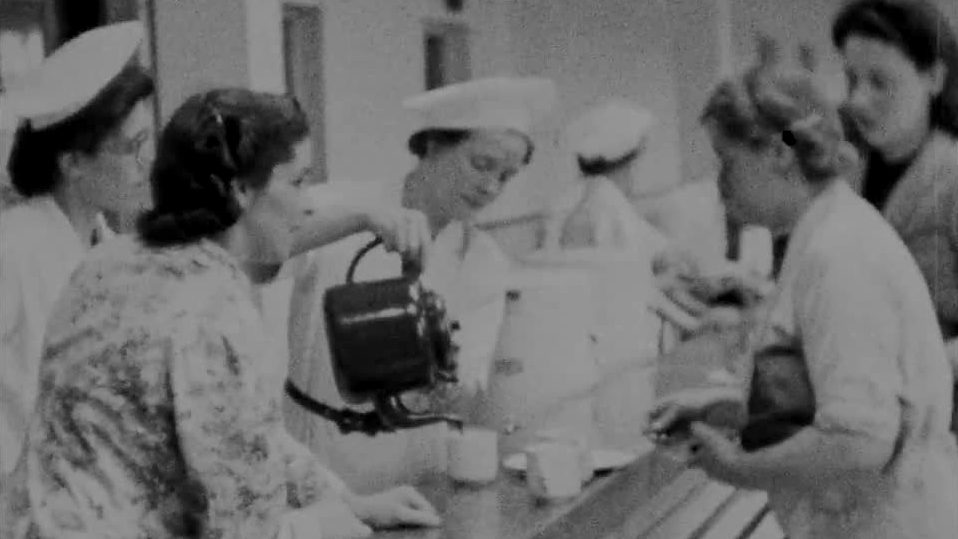
British Made 'ameri-cans' Something to Focus On

Dai Jones
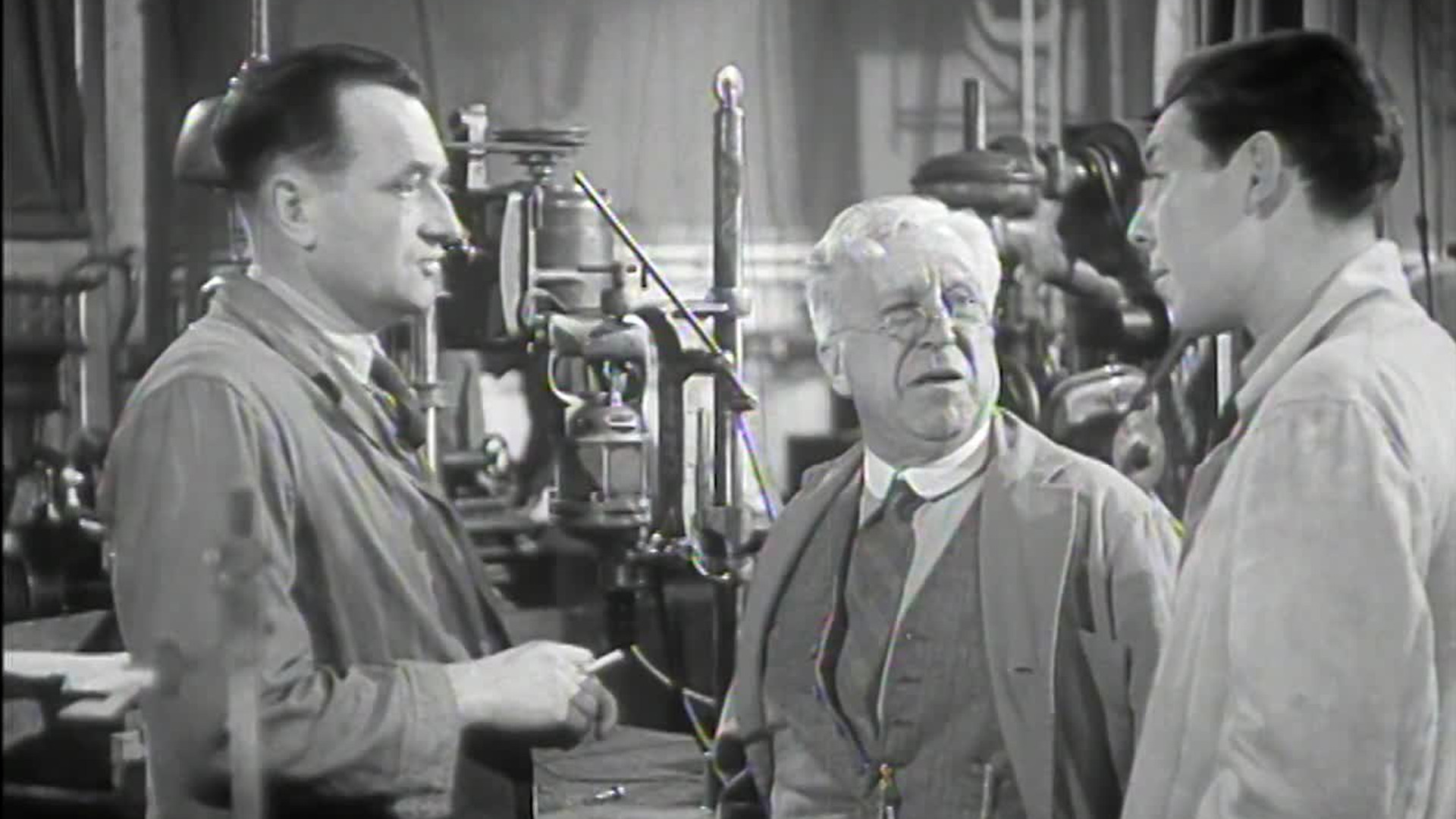
Our Film
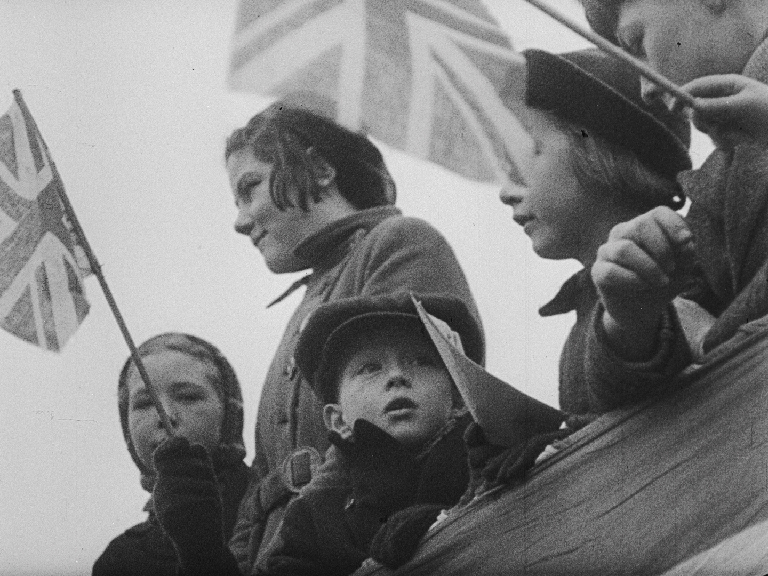
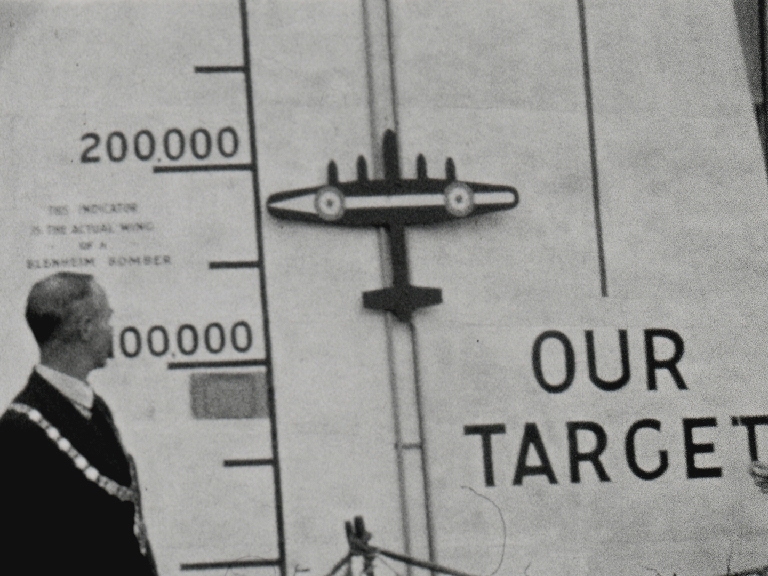
Walton's Parade for Victory

Wings for Victory Week