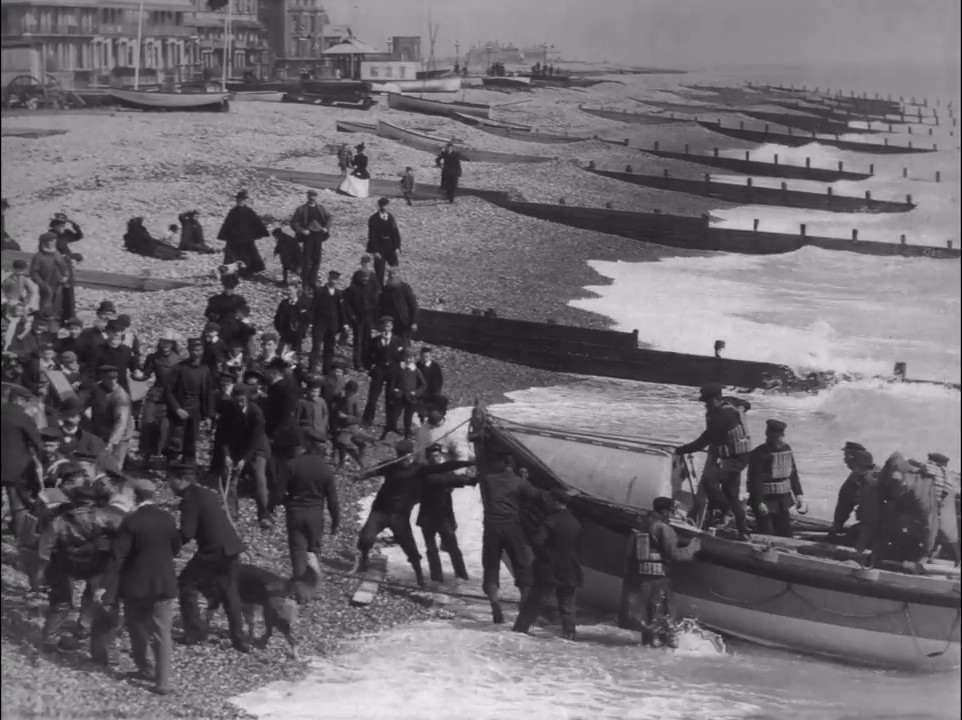
Rough Sea at Dover
Waves crash onto a jetty on the Kentish shoreline in one of Britain's earliest surviving films
One of the very oldest surviving British films, Rough Sea at Dover was shot in 1895 and intended for exhibition in peephole kinetoscopes - an early type of film exhibition device which allowed one person at a time to watch moving images through a peephole in its cabinet. Birt Acres, a professional photographer, shot the film with a camera designed and built by RW Paul, based on Thomas Edison's invention (Paul took advantage of Edison's failure to copyright his kinetoscope in Britain).
The film received its premiere (or, to be strictly accurate, its projected premiere in front of an audience) on 14 January 1896 at the Royal Photographic Society in Hanover Street, London - the first public film screening in Britain, a month after the Lumière Brothers showed their films in Paris. It seems to have been a success, as projected screenings were subsequently a regular feature of RPS meetings.
Victorian Film
Celebrating the birth of film: the last great invention of the Victorian era.
Queen Victoria's long reign famously saw extraordinary advances: in industry, transport, science, culture... But one late but great innovation is too often missed from the list: the moving image. Yet film forever changed the way we see the world. And even before the French Lumière brothers presented their first demonstrations in London in 1895, British filmmakers were beginning to make their mark.
Here you'll find the most comprehensive gallery of Victorian films ever assembled. Hundreds of films made over the last six years of Victoria's reign, during which film was transformed from the pursuit of a handful of showmen, chemists and amateur enthusiasts into a dynamic industry, from fairground novelty into the greatest entertainment of the age.
12 videos in this collection
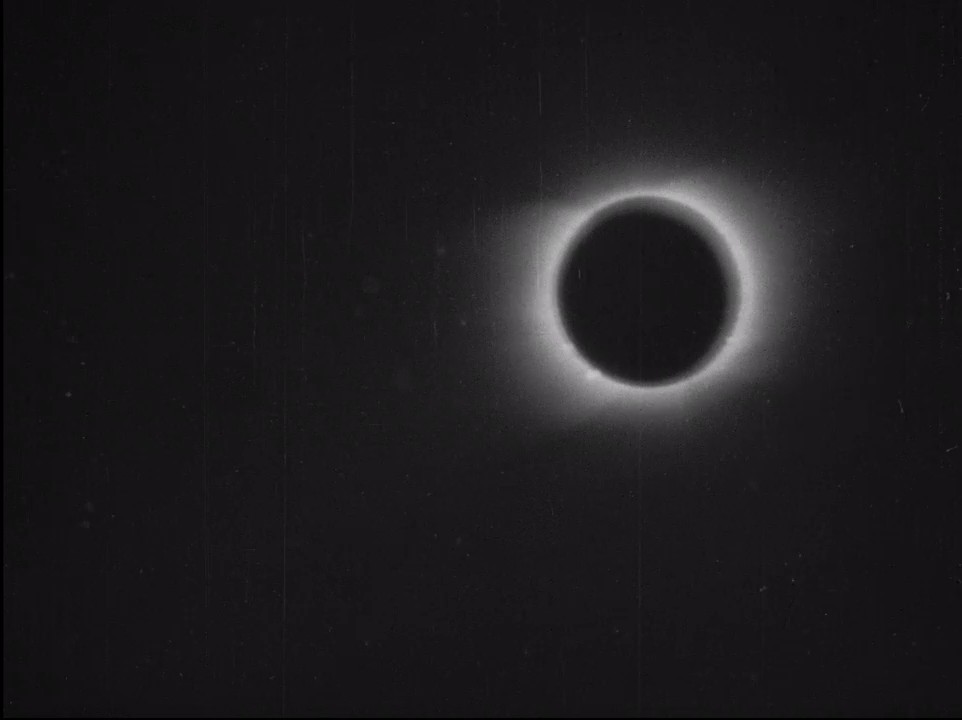
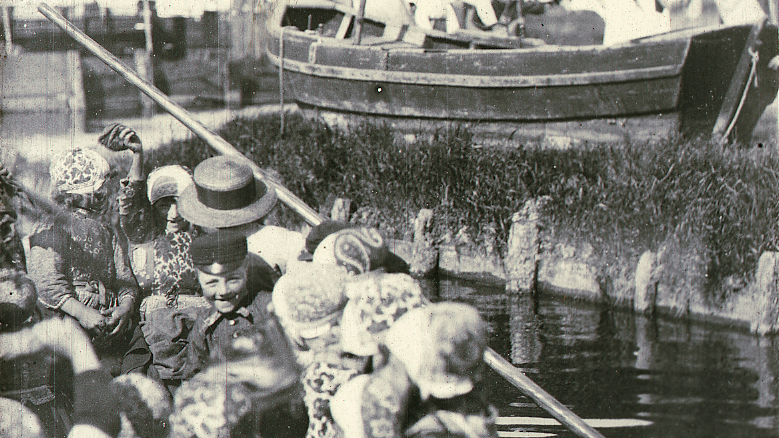
The Brilliant Biograph Earliest Moving Images of Europe (1897 - 1902)
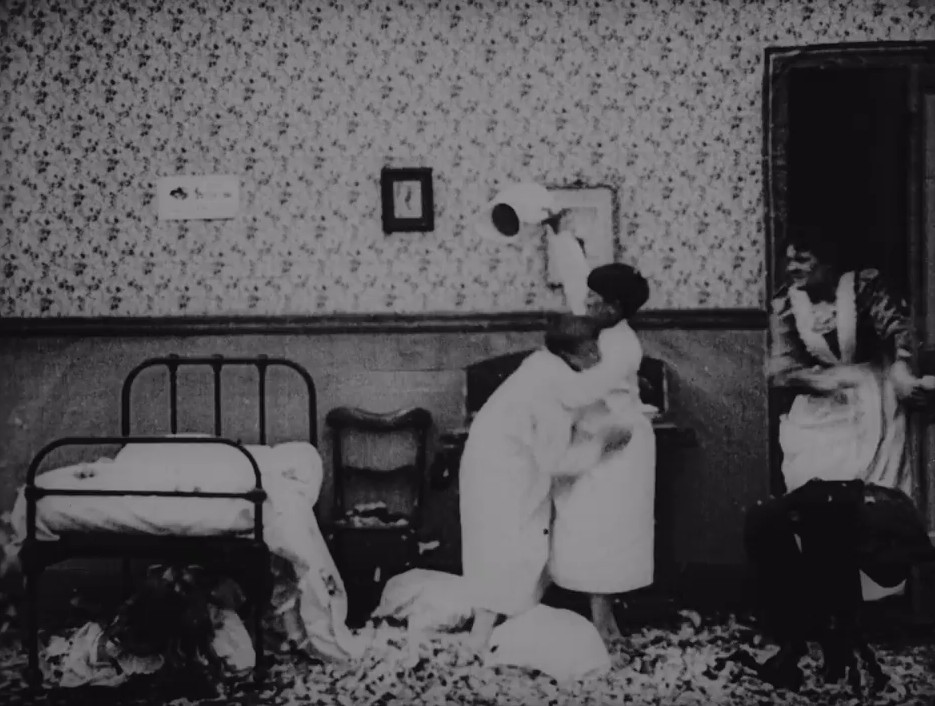
Children in the Nursery
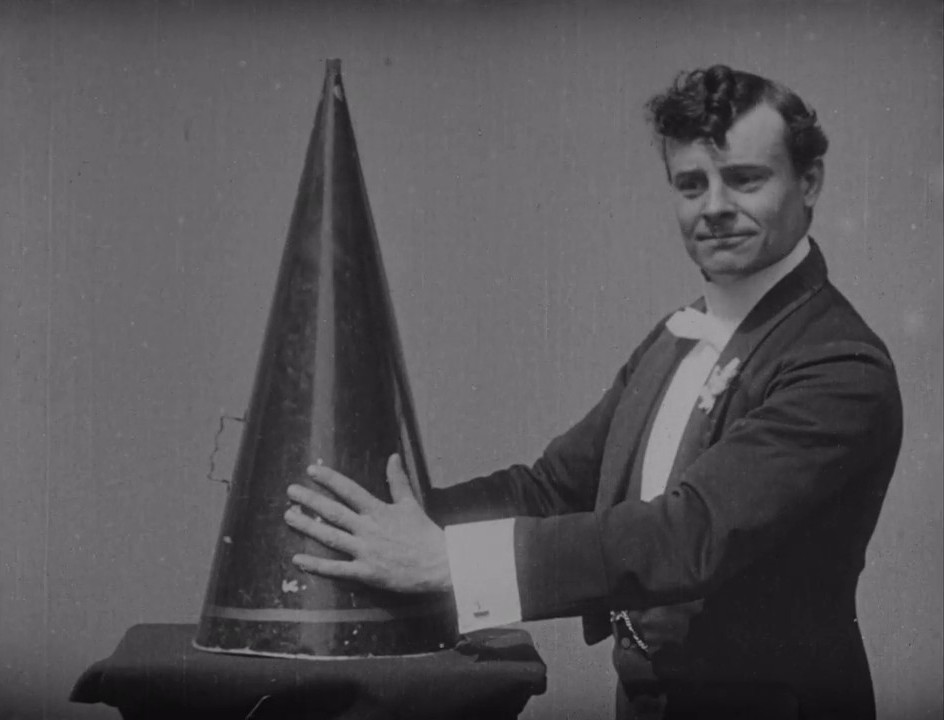
The Magic Extinguisher
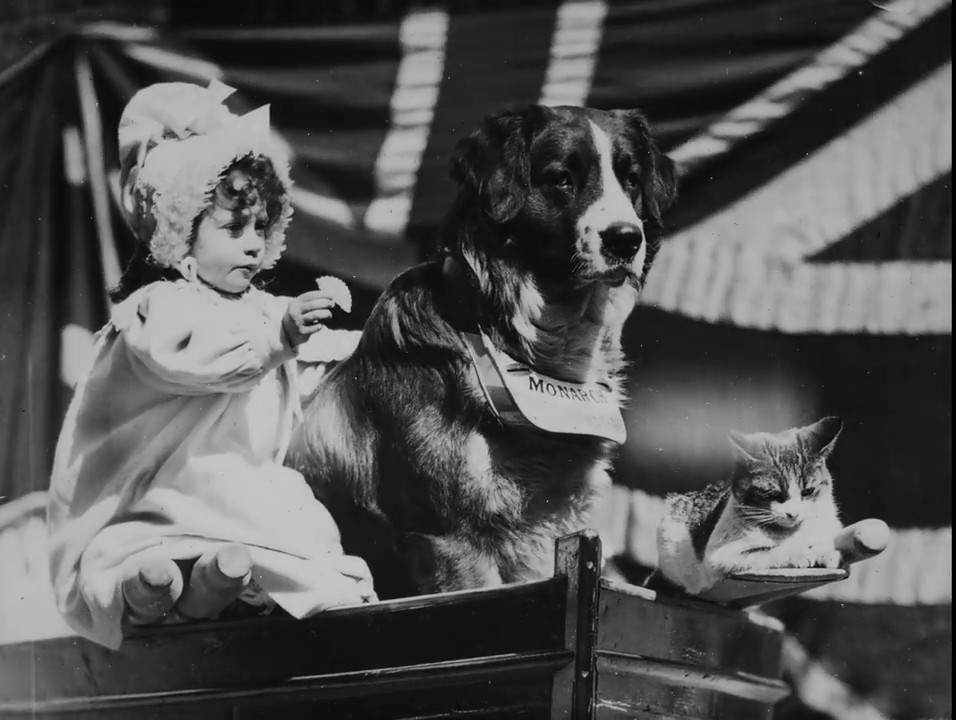
Me and My Two Friends
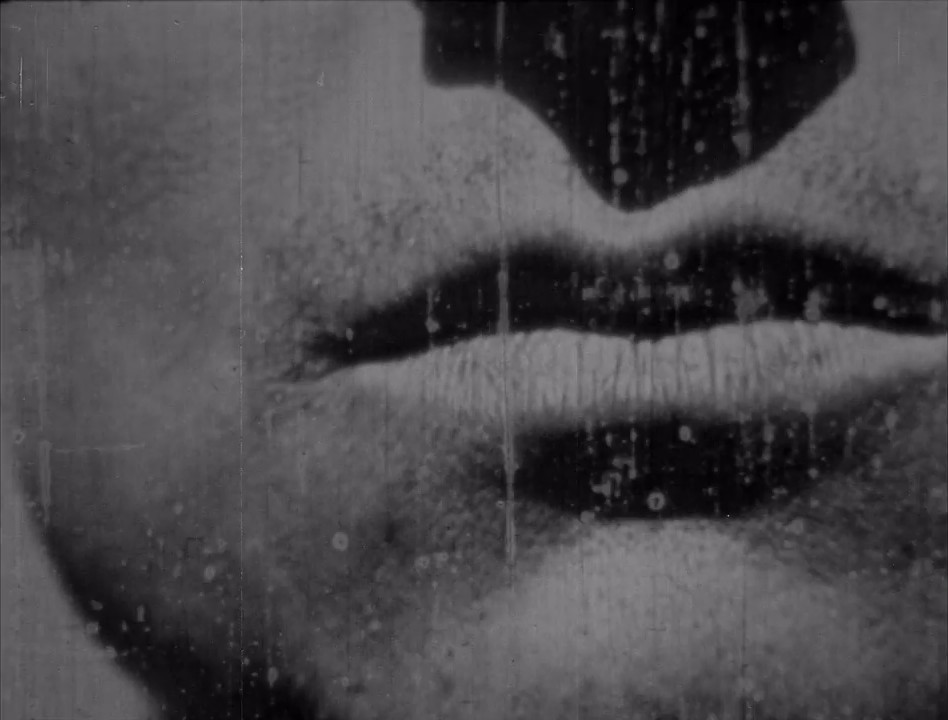
The Big Swallow
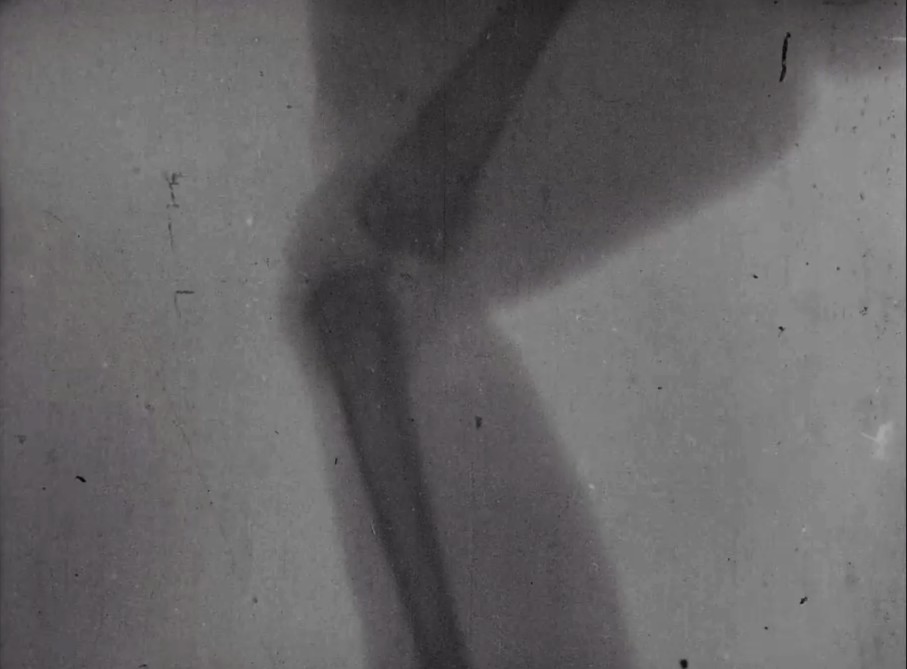
First X-ray Cinematograph Film Ever Taken
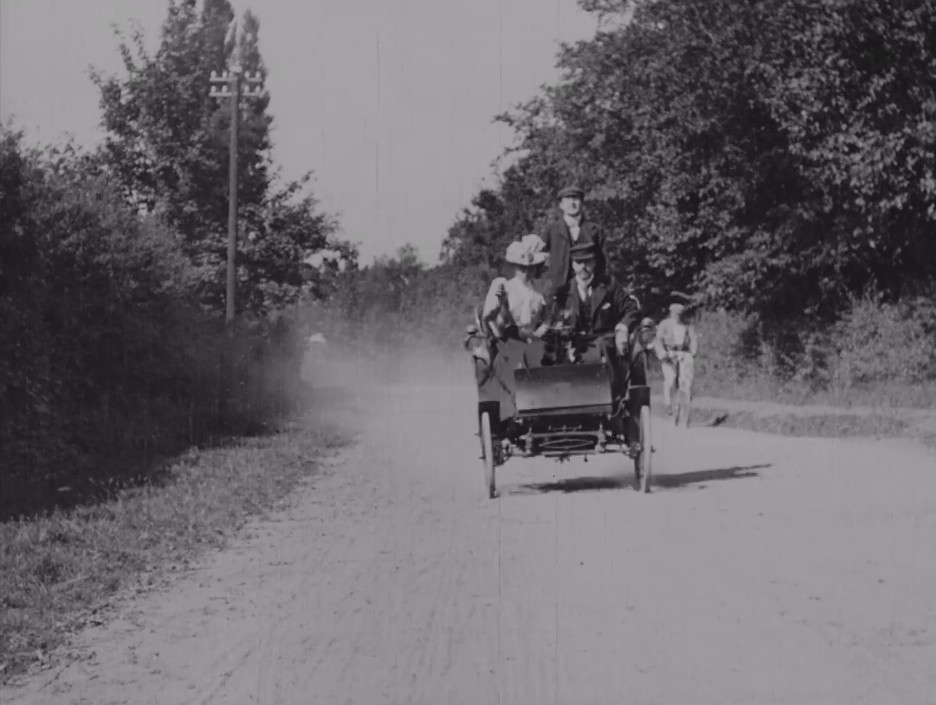
How It Feels to Be Run Over
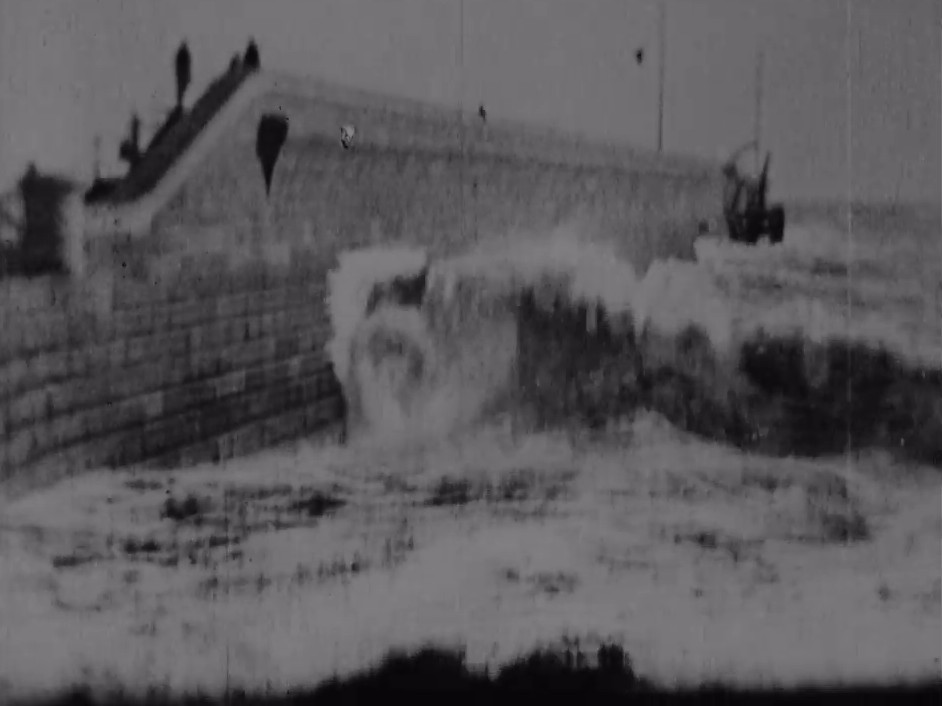
Rough Sea at Dover
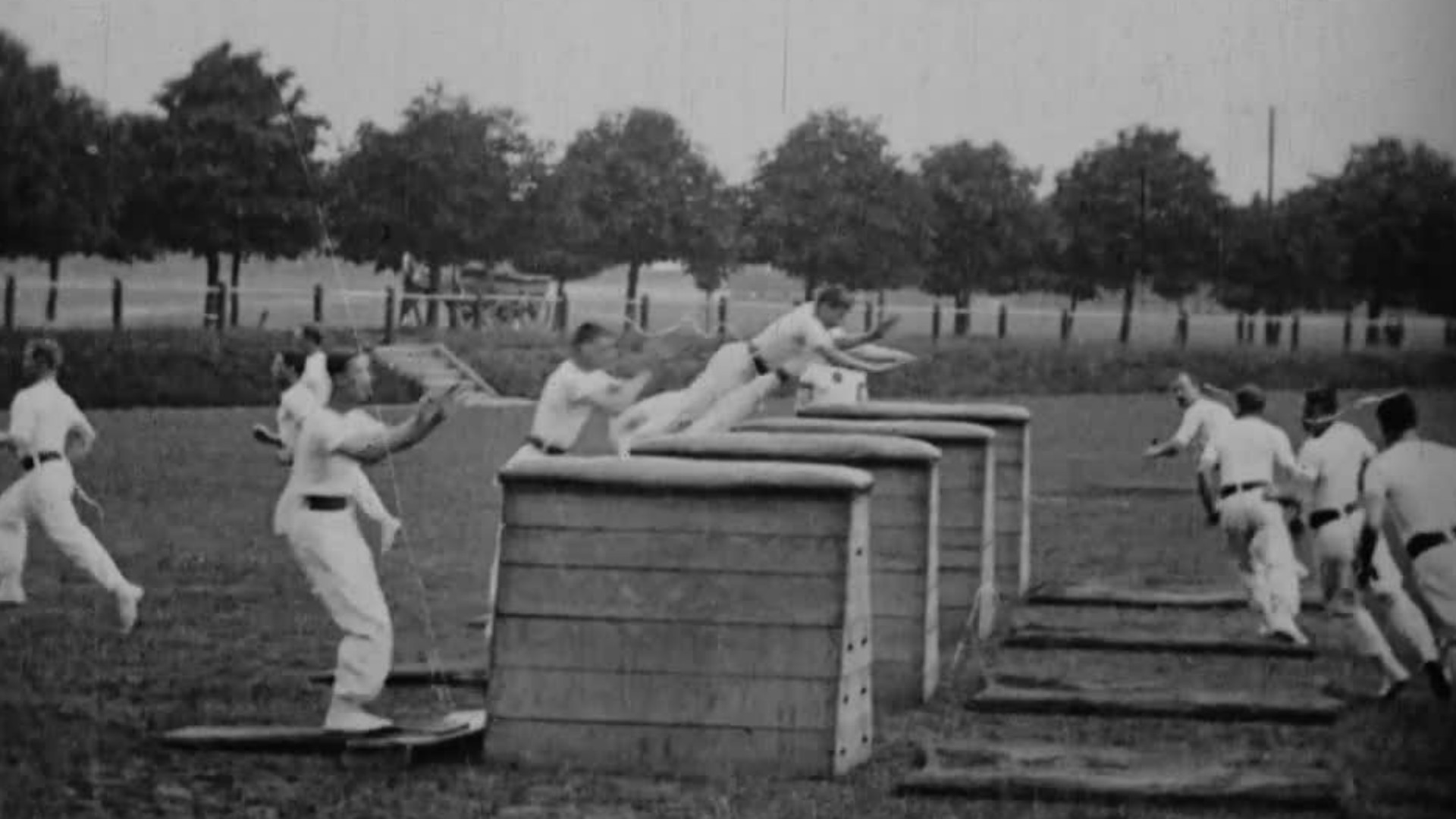
Vaulting Horses
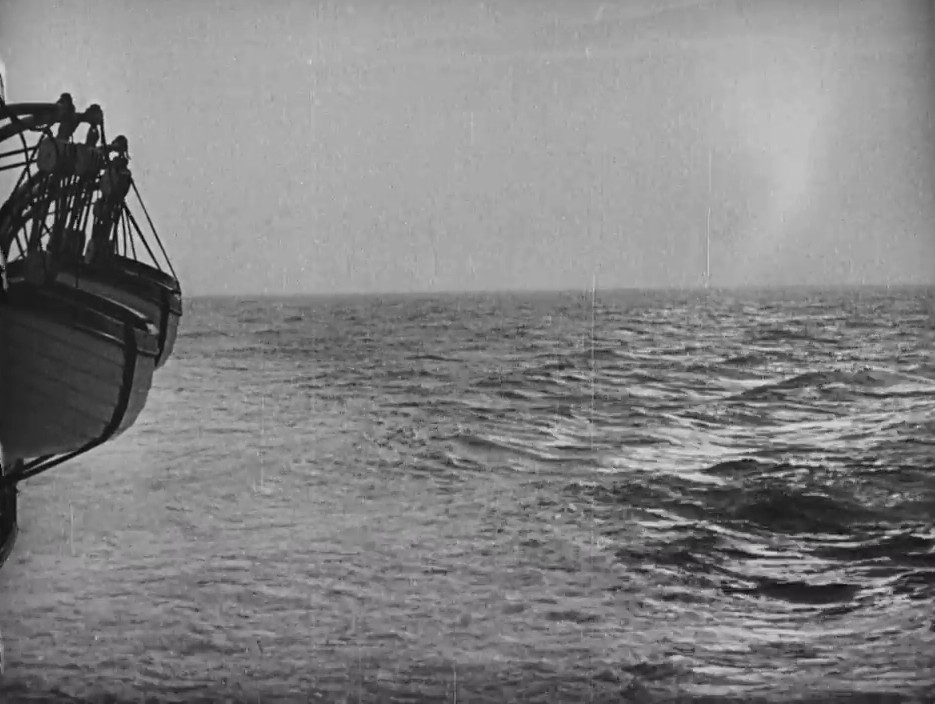
Churned Waters