How It Feels to Be Run Over
A terrifying first-person brush with death at the hands of a dangerous driver
A Victorian nightmare is brought to life in this bracing film from Cecil Hepworth, which shamelessly exploits contemporary fears about 'horseless carriages'. A horse-drawn cart travels sedately down a country path, easily avoiding the camera/audience. But when a car (an ersatz contraption 'of dog-cart design') follows the same route, it crashes straight into the lens. At the moment of impact, the screen turns black and fills with the sarcastic last words: "Oh mother will be pleased!"
Hepworth himself plays the driver of the car contraption, which was tricky to manoeuvre as it was easily overbalanced, adding drama by nearly swerving out of trouble at the last minute. The lasting innovation introduced by this film wasn't the first-person perspective death scene, but the use of 'intertitles', or on-screen captions. This is the first film known to feature this device, which was central to silent cinema and is still used in various forms today.
Victorian Film
Celebrating the birth of film: the last great invention of the Victorian era.
Queen Victoria's long reign famously saw extraordinary advances: in industry, transport, science, culture... But one late but great innovation is too often missed from the list: the moving image. Yet film forever changed the way we see the world. And even before the French Lumière brothers presented their first demonstrations in London in 1895, British filmmakers were beginning to make their mark.
Here you'll find the most comprehensive gallery of Victorian films ever assembled. Hundreds of films made over the last six years of Victoria's reign, during which film was transformed from the pursuit of a handful of showmen, chemists and amateur enthusiasts into a dynamic industry, from fairground novelty into the greatest entertainment of the age.
12 videos in this collection
The Brilliant Biograph Earliest Moving Images of Europe (1897 - 1902)
Children in the Nursery
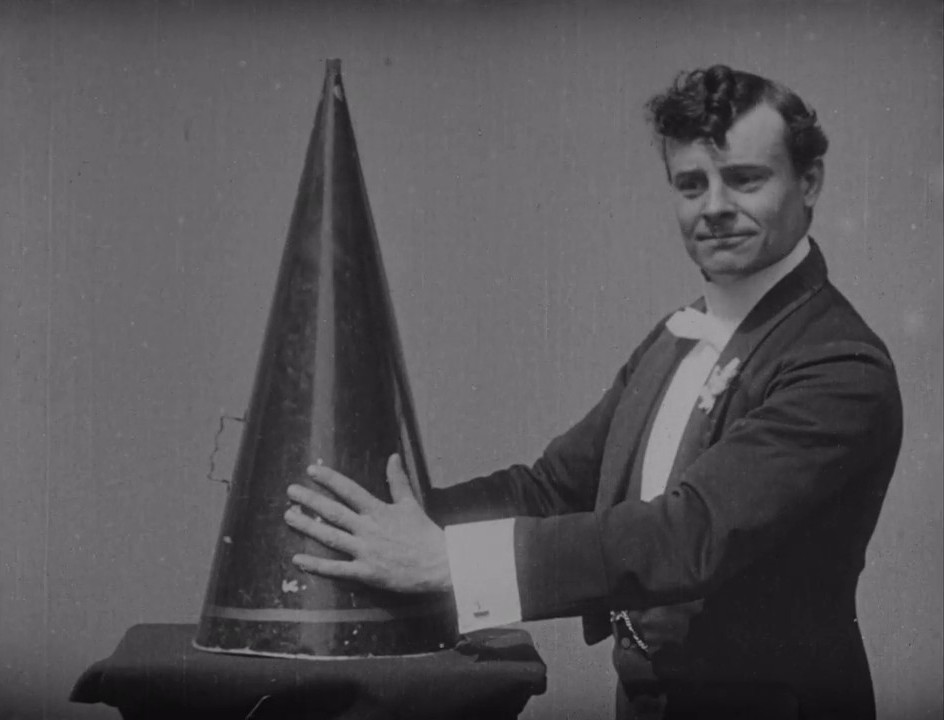
The Magic Extinguisher
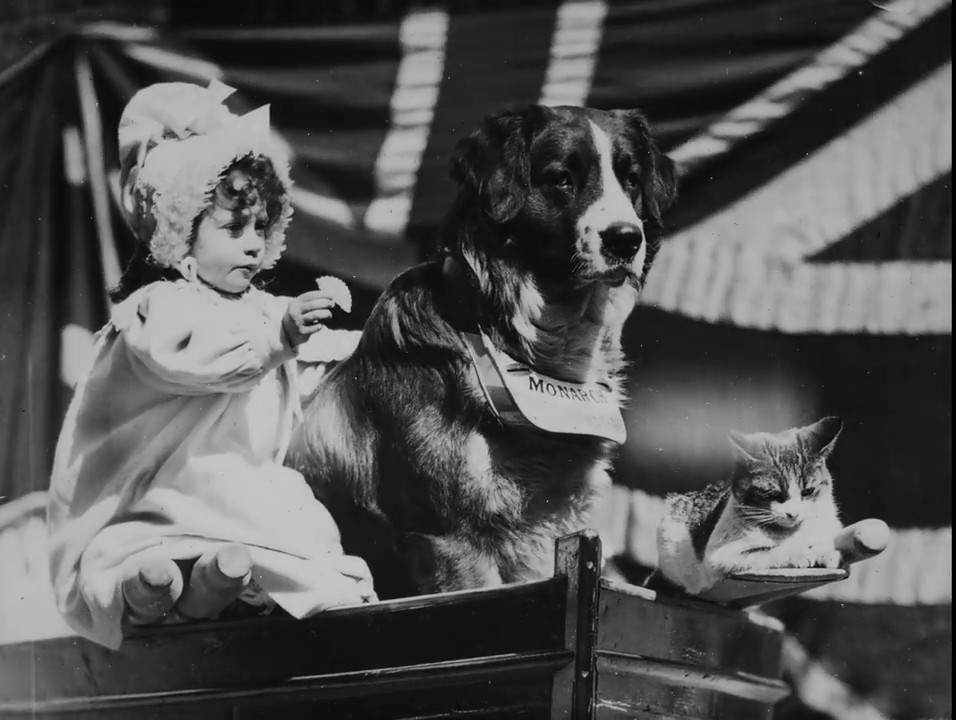
Me and My Two Friends
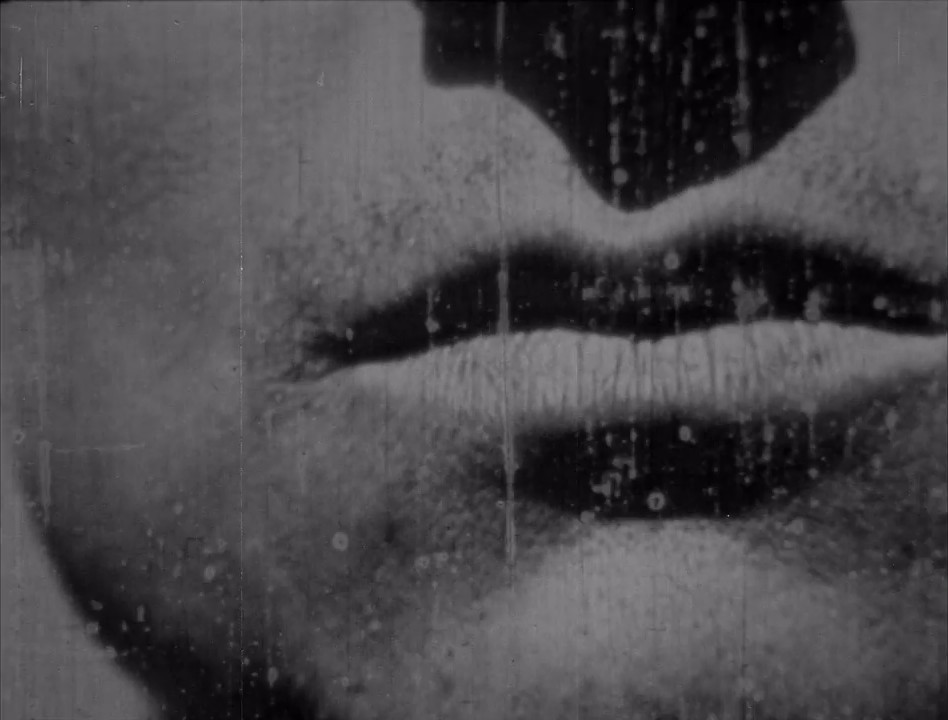
The Big Swallow
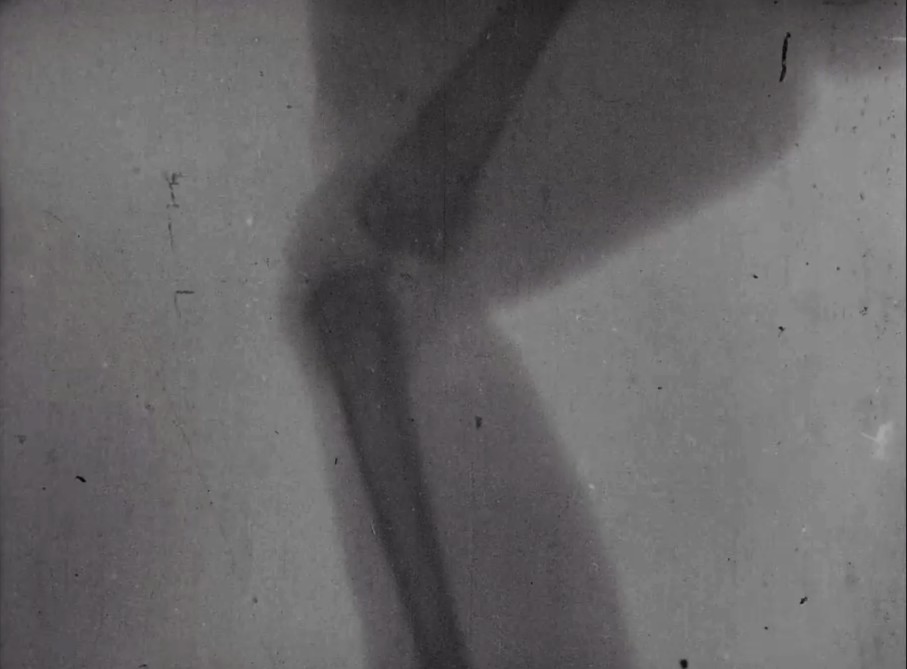
First X-ray Cinematograph Film Ever Taken
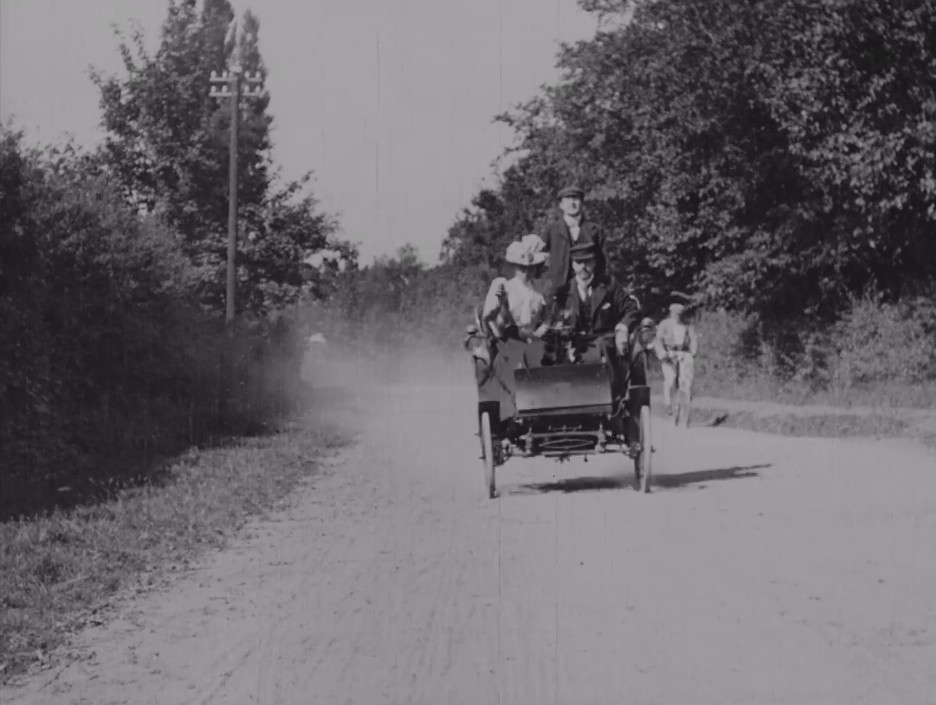
How It Feels to Be Run Over
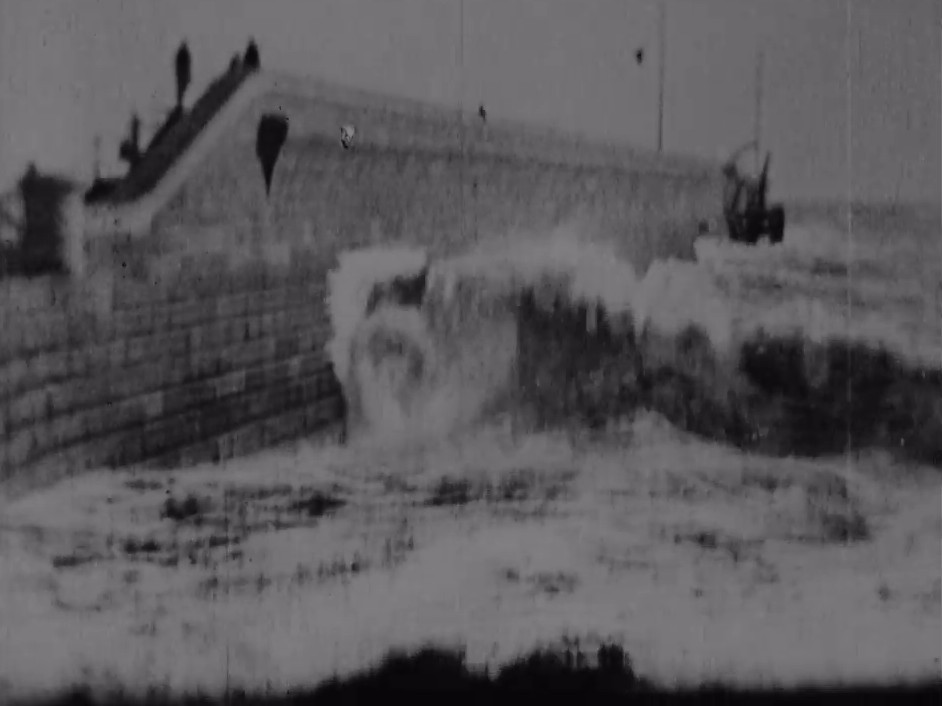
Rough Sea at Dover
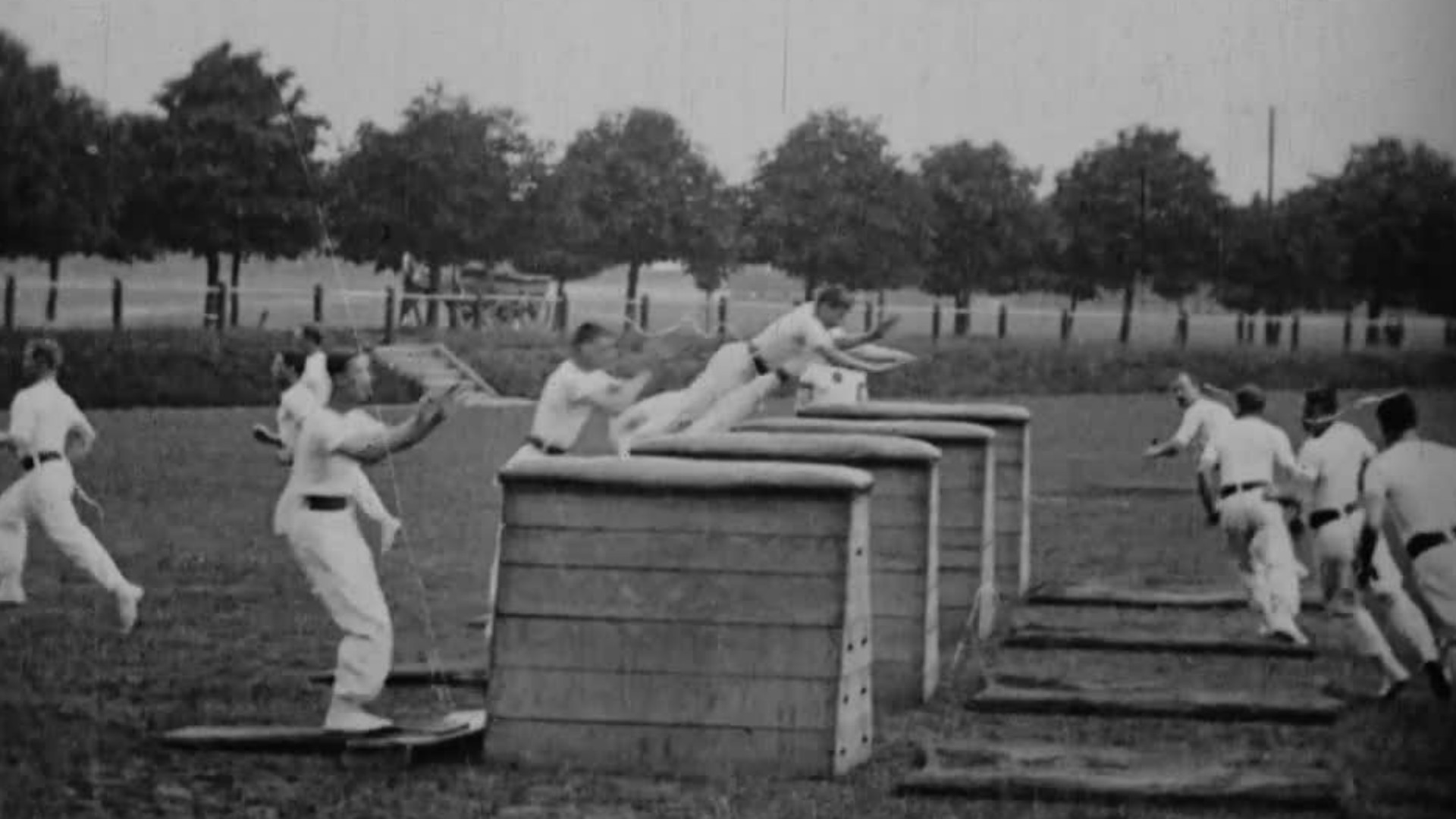
Vaulting Horses
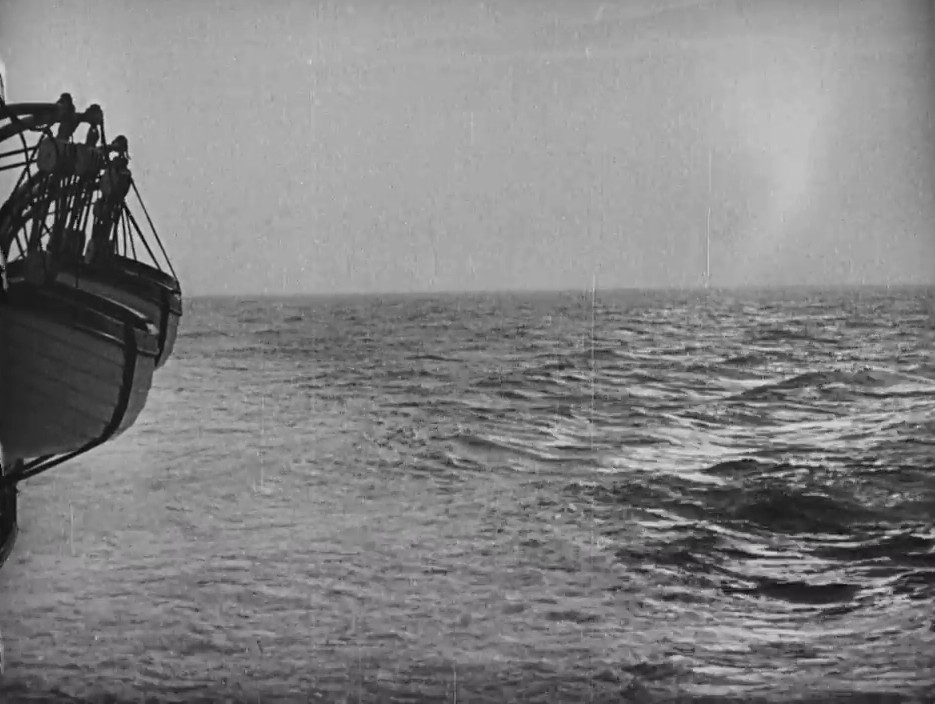
Churned Waters