Screen Archive South East at the University of Brighton collects, preserves, catalogues and provides public access to its collection of films and magic lantern slides. The collection charts the rise of screen culture in the region and the nation and captures many aspects of life, work and creativity in the South East from the late 19th century to the present day. It is available for research, screenings, creative re-use and commercial access.
Movement and Meaning 5: A Lesson in Gender
A though-provoking exploration of the way that dance, particularly ballet, promotes and dictates an unrealistic model of femininity and female behaviour
This interesting programme from 1985 uses a ballet class as the backdrop for a wider exploration of gender stereotyping and sexual identity. Young girls in tutus practice various exercises and traditional dance movements. In voice over, the teacher talks about the requirements girls must achieve in order to become professional ballerinas. She also explains how physical differences between boys and girls leads to different sets of requirements. A montage of advertising images follows, showing women dressed as ballerinas to convey a model of femininity. Asked why they want to be ballerinas the children's answers are contrasted by those of the presenter Françoise Sergy, who at one time also aspired to be a ballerina and who, because of weight issues, was rejected by the system at an early age. Claiming that she was made to feel a failure for not keeping her weight under control, Sergy, over time, re-evaluated her experiences as an aspiring ballerina and that of ballet as a dance form. For her, traditional ballet, with its traditions, historical associations and elitism had little to offer with regards to contemporary issues. Switching to modern dance as an alternative, Sergy, explains how dance, and ballet in particular, aims to promote a model of physical, decorous perfection for all women and this underlying ideology both restricts and rejects women who fail to live up to that standard. Françoise Sergy's antidote was to take up self-defence and aikido, enabling her to explore the physicality of her own body without the need to display a prettified image of womanhood. She concludes that the body can be itself and that can be expressed in dance - unlike traditional ballet, which dictates what the body is allowed to do according to its own canonical view. A short animation summarising the presenter's views ends the programme.
Continuing our exploration of the world of performing arts, this collection delves into the universal language of dance.
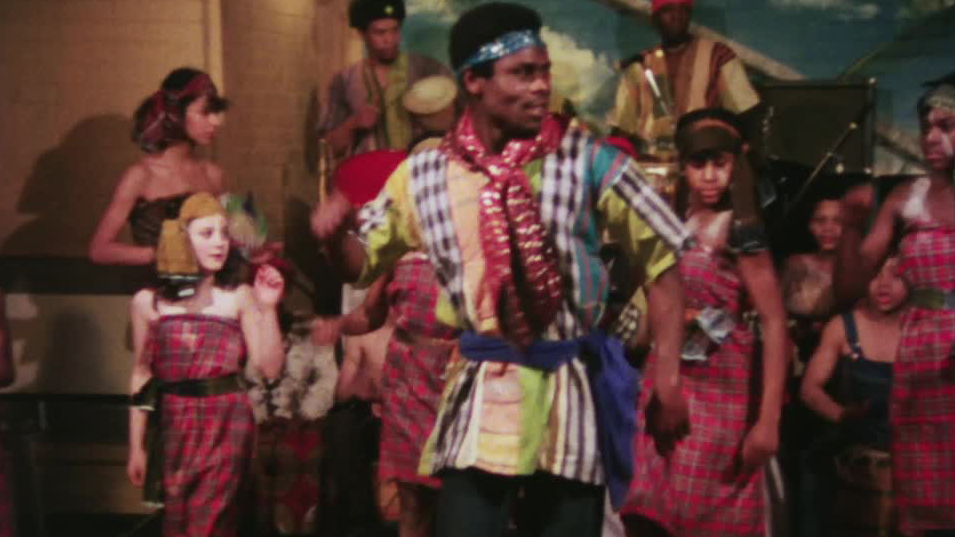
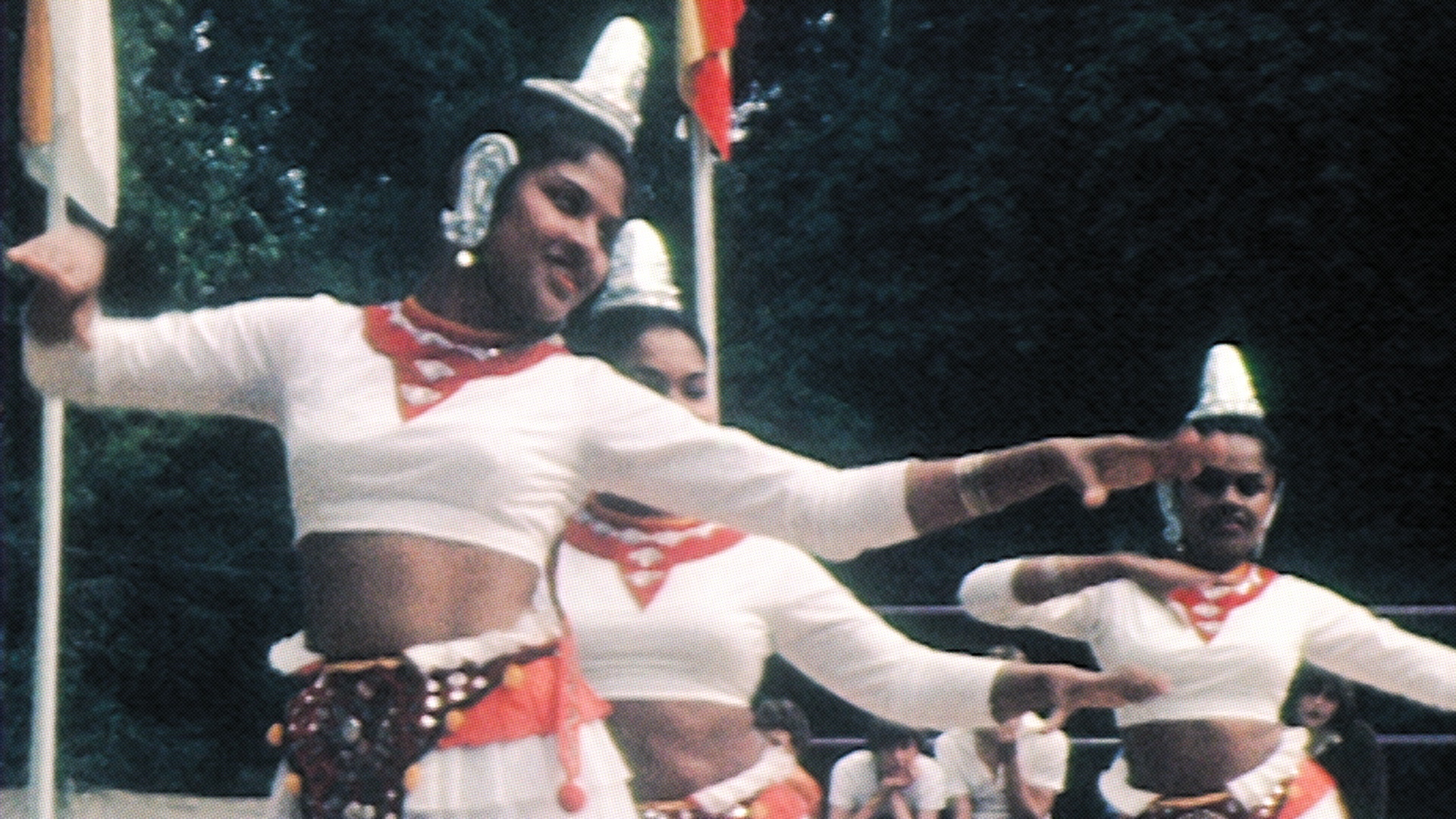
Since the origins of dance are intrinsically linked to self expression, spiritual connection and social interaction, there is a long and fascinating history of movement beyond the stage. This collection invites us to reflect on the multifaceted nature of dance: that which is innate and exists on a fundamental level in each of us, that which is taught and studied as choreography or technique, and all manifestations in between.
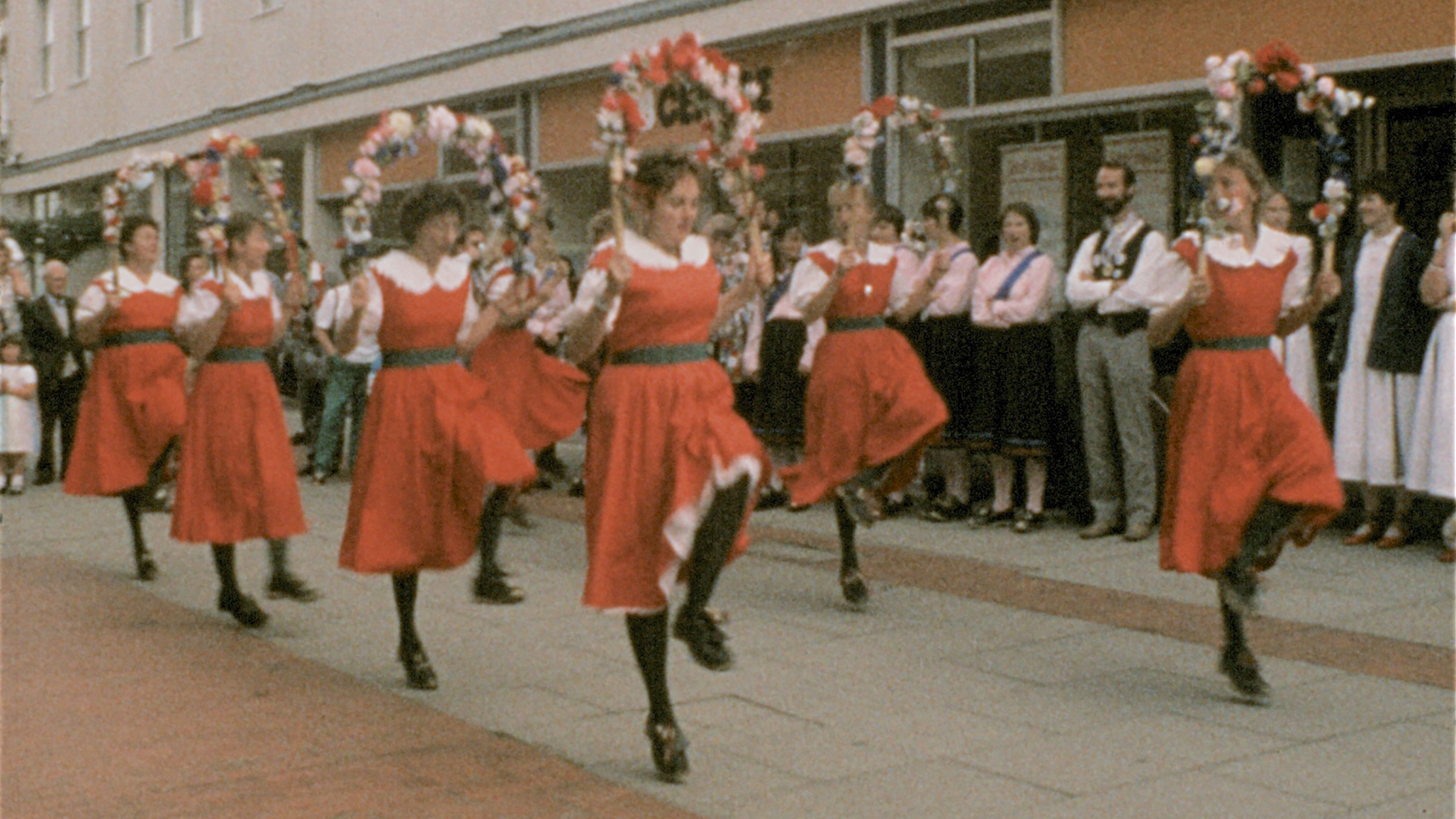
Each work in this collection is an energetic, vibrant display of dance in its many forms - from show rehearsals and live performances, to traditional festivals and flash mobs. Don't forget your dancing shoes as we journey through the wonders of movement!