The First Chinese Shop in Plymouth
From the collection of
Andy Price is going global with his ingredients from this new Chinese shop in Plymouth
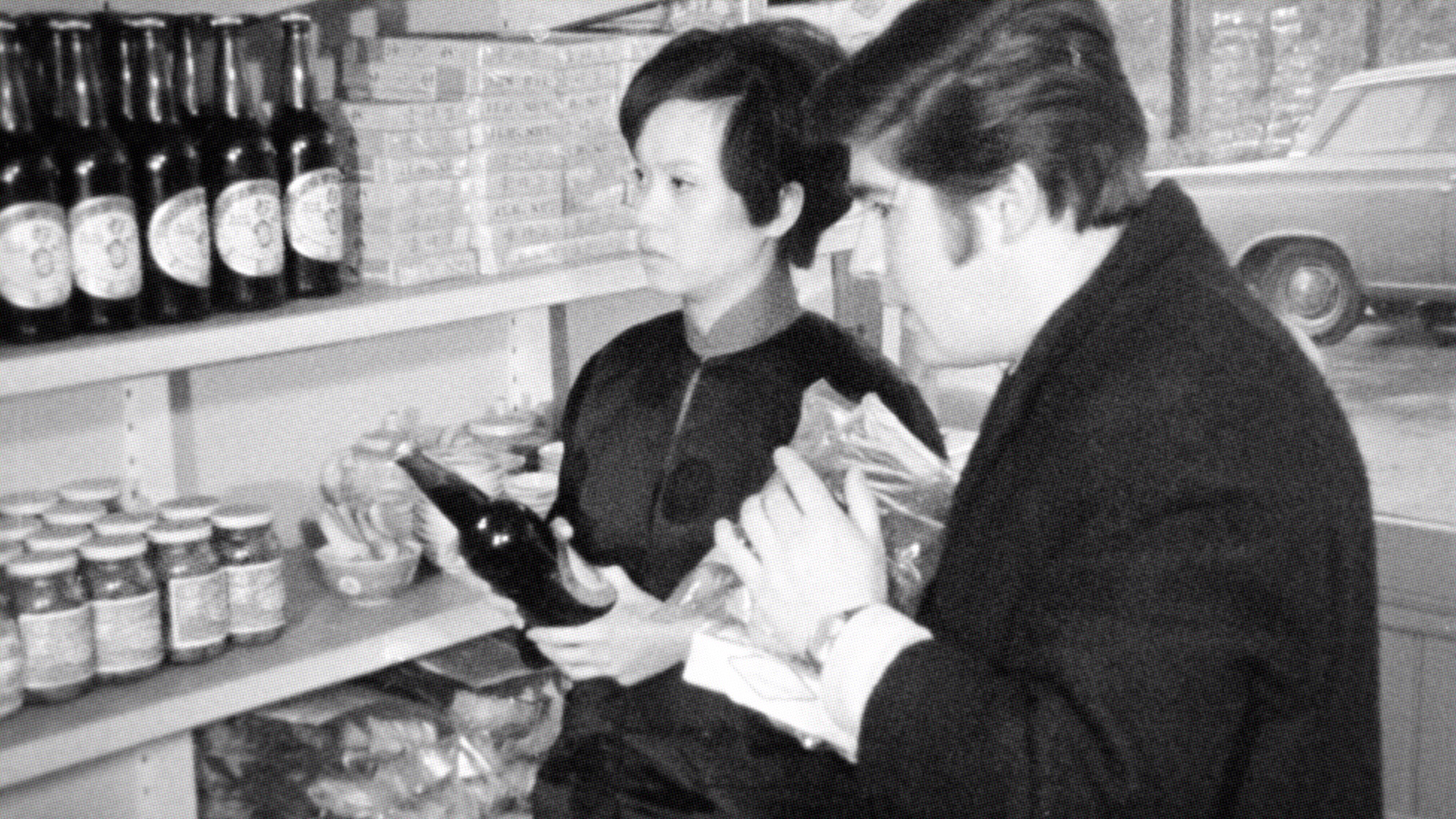
In this report from 1968, Andy Price visits the newly opened Chinese shop in Harwell Street the first in Plymouth with a Chinese friend who takes him through some of the very special ingredients. Hundred-year egg, century egg or pidan is a type of preserved egg coated in mud and rice husk and salted duck egg is soaked in brine and packed in a layer of salted charcoal paste. They are often boiled and eaten with congee a type of rice porridge from Guangdong, the province around Hong Kong.
Dried octopus, squid and birds nests are used in soup. The nests come from the solidified saliva of different birds usually swifts and swallows and are harvested from caves for bird’s nest soup creating a gelatinous delicacy and pound for pound, one of the most sought after and expensive animal products in the world. Exports have been restricted since outbreaks of Avian flu but the soup is still popular on mainland China with imports coming from Northern Sumatra in Indonesia. The shop owner uses the classic Chinese abacus of five and two with five beads on the lower half and two beads on the upper to calculate using the exchange method - five beads on the lower abacus is equal one bead on the upper. All for £3.2s.6d.
Andy Price visits the newly opened Chinese shop in Harwell Street the first in Plymouth with a Chinese friend who takes him through some of the very special ingredients. Hundred-year egg, century egg or pidan is a type of preserved egg coated in mud and rice husk and salted duck egg is soaked in brine and packed in a layer of salted charcoal paste. They are often boiled and eaten with congee a type of rice porridge from Guangdong, the province around Hong Kong.
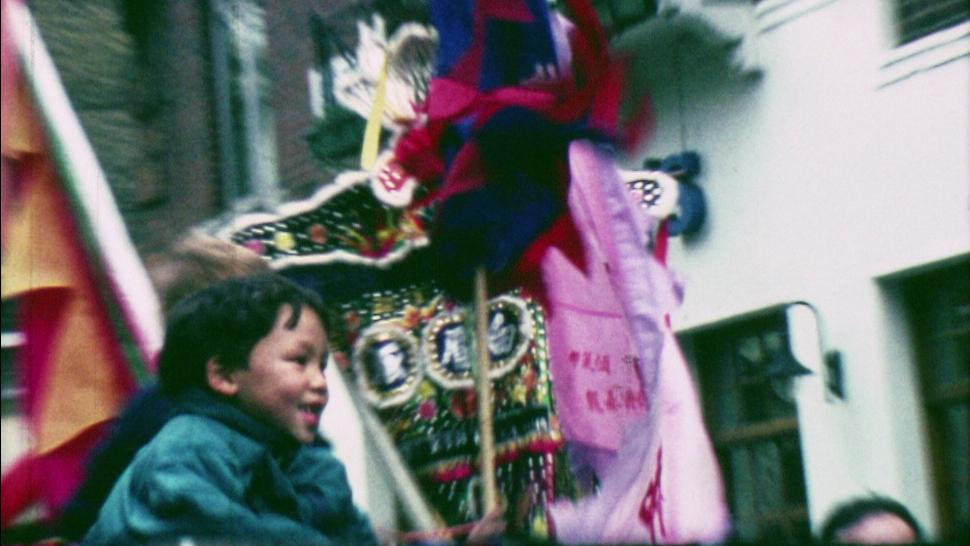
The dynamic dragon dances of Lunar New Year are an annual fixture on our television screens. Like Carnival or Diwali, this point in the calendar offers regional news crews across the country an opportunity to capture colour and spectacle on our doorstep. The history of Britain's Chinese communities is centuries-long, but the wave of postwar immigration in the 20th century coincided with the rise of television, and over the ensuing decades local news has reported on this community, with a mixture of curiosity and novelty, for an implied majority white British audience.
This collection brings together several of these reports, most of which are anchored in areas where British Chinese communities are most visible: restaurants, supermarkets and, naturally, New Year celebrations. And yet, despite the undeniable contribution that this community has made to the changing landscape of British society, there is a dearth of opportunities for British Chinese talent on our screens – with the likes of Bert Kwouk, Gemma Chan and Benedict Wong serving as few exceptions to the norm. So, to complement the news items in this collection, there are also personal documentaries and short films by British Chinese filmmakers who turn the camera around, and offer their perspective on life in Britain.