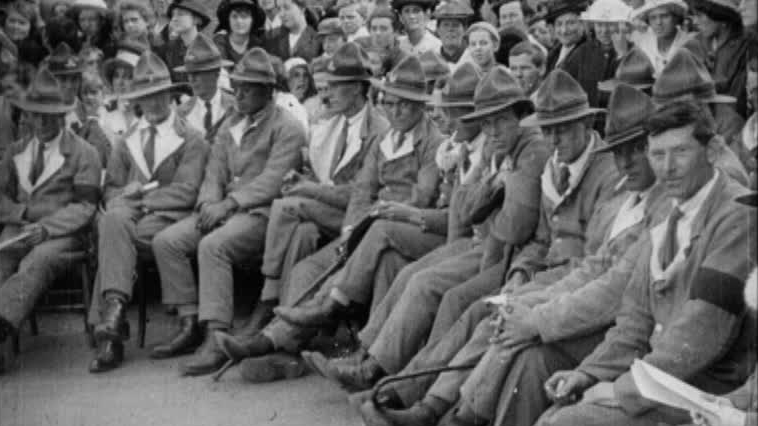
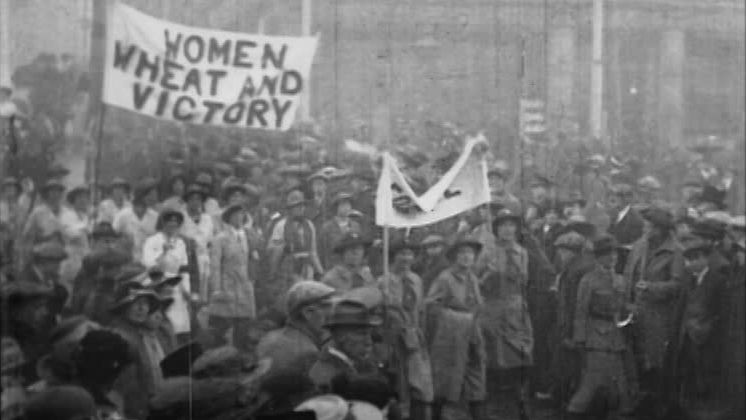
With the Queen at Woolwich War Office Official Topical Budget 322-1
From the collection of
London’s Screen Archives is a network of over 50 organisations with a collective vision – to preserve and share London’s history on film. The network is managed by Film London and we work with our partners to digitise, preserve, and offer access to their moving image collections.
With the Queen at Woolwich War Office Official Topical Budget 322-1
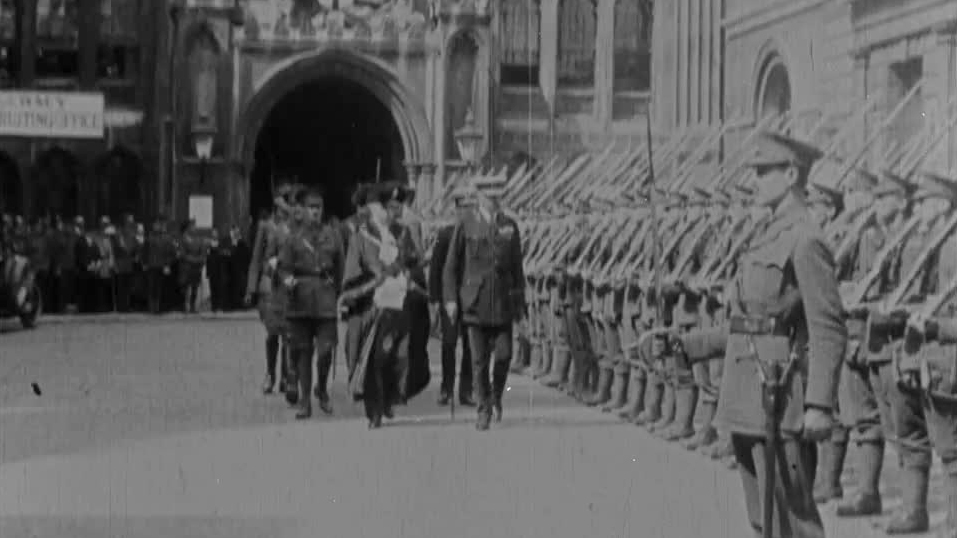
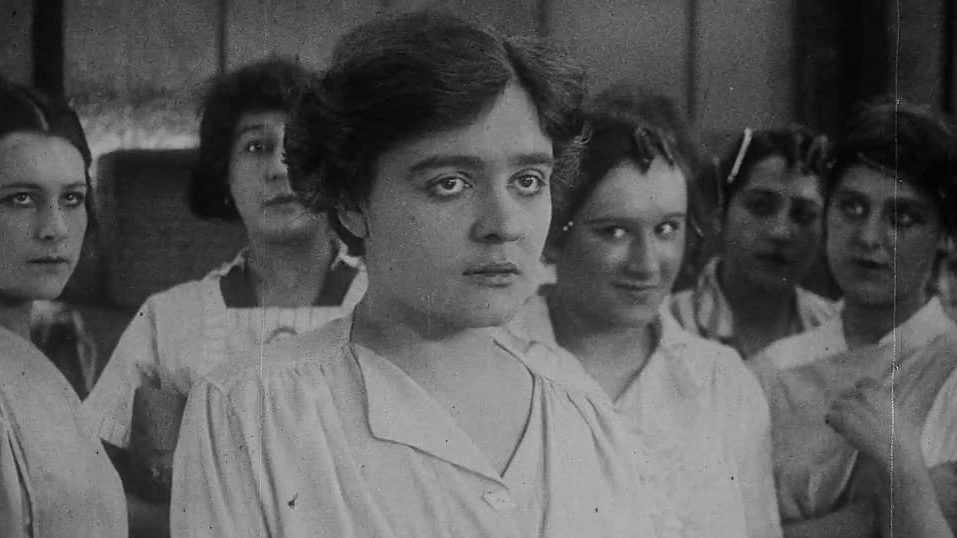
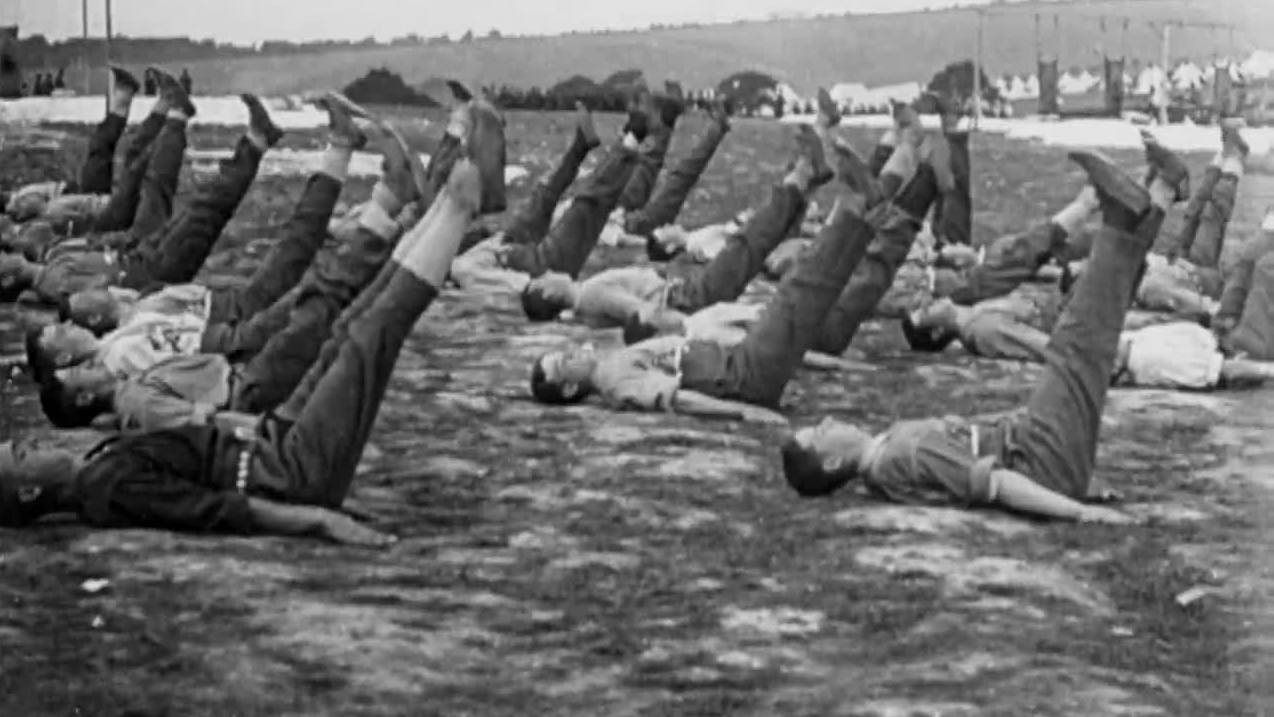
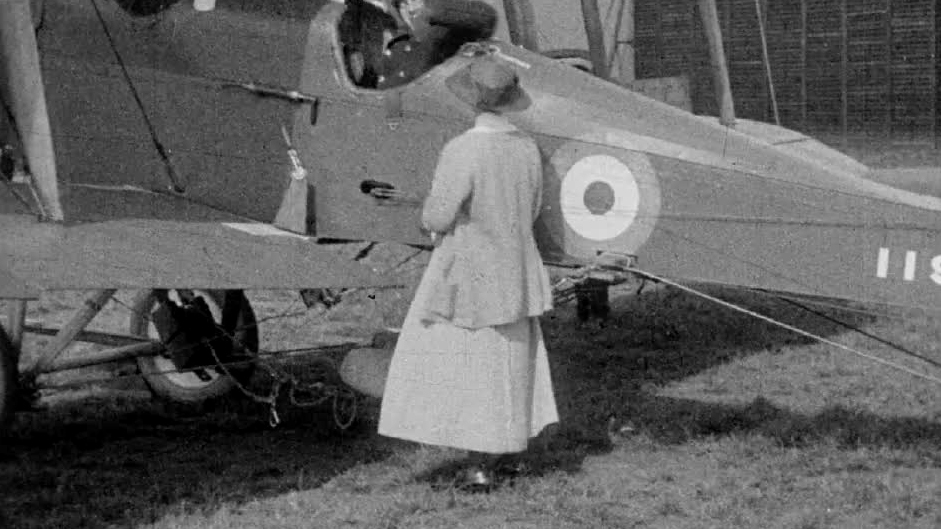
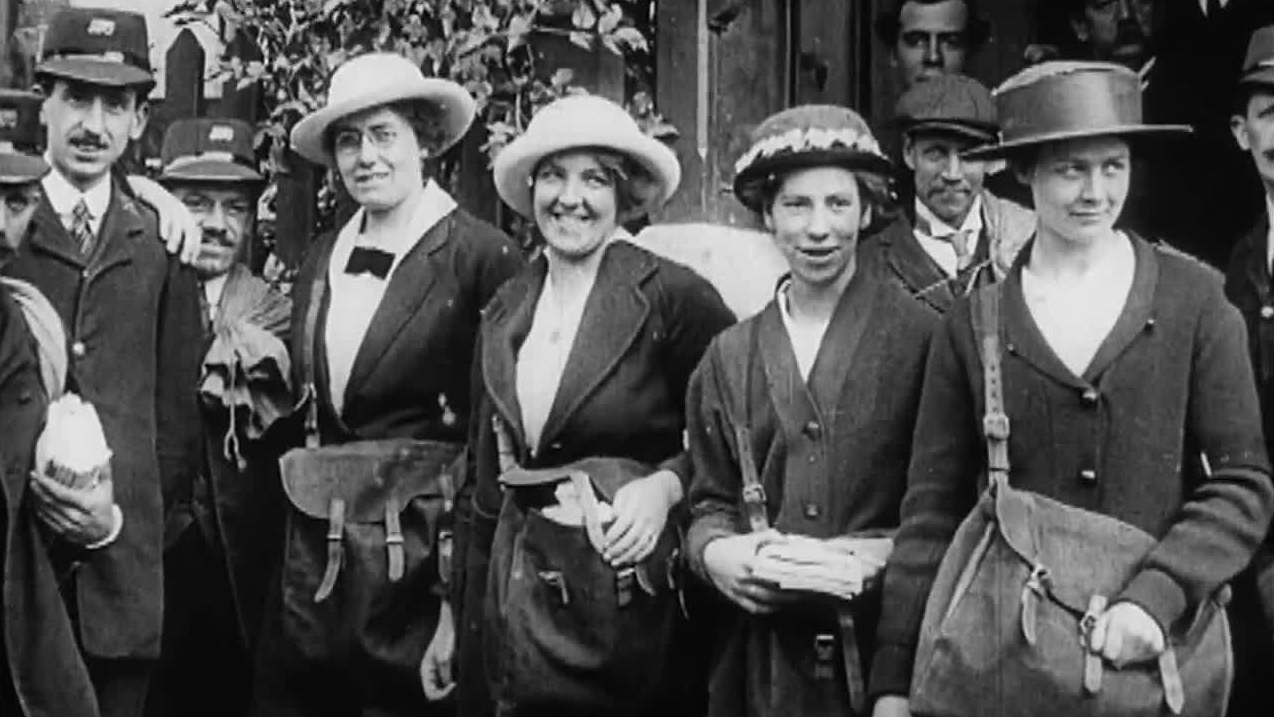
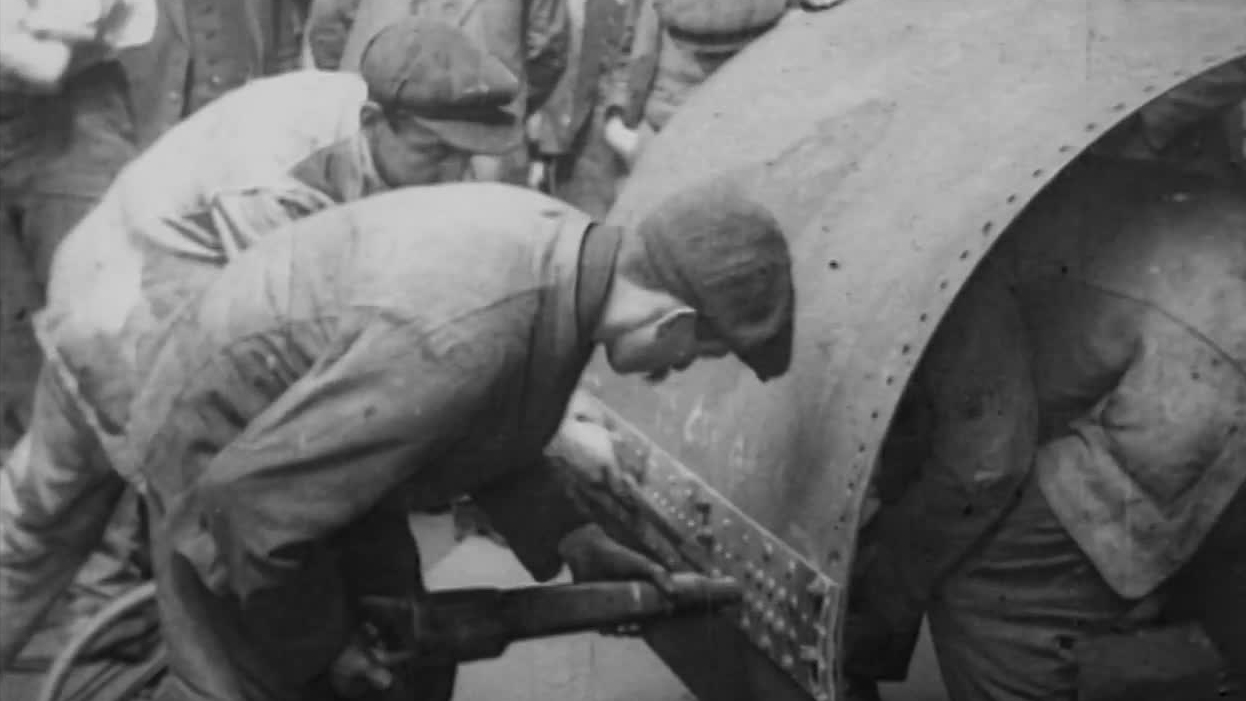
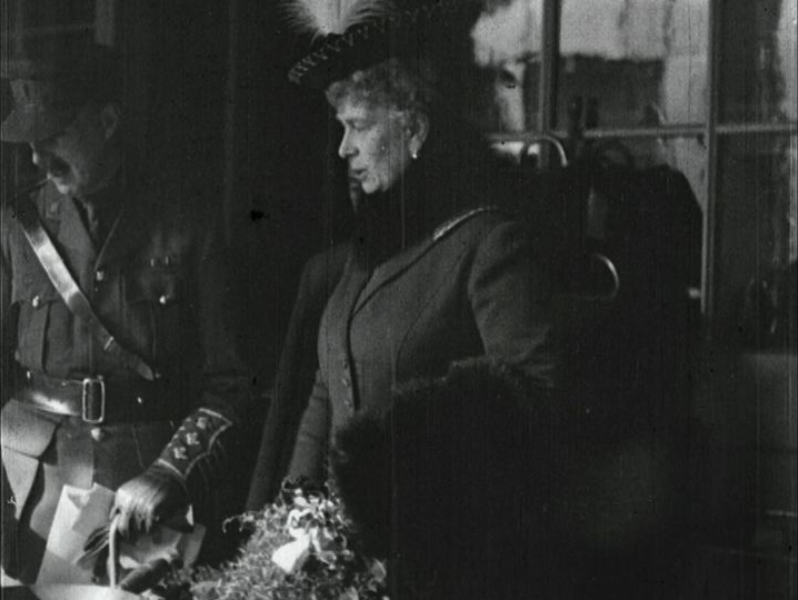
Women workers receive a visit from Queen Mary, as she inspects their work at the munitions factory in Woolwich.
Women had been employed at Woolwich before the First World War, and here can be seen engaging in various types of work for the war effort. Queen Mary, who is accompanied by Princess Mary, enters the factory to huge cheers from the lines of women workers, and then takes a particular interest in a woman using a sewing machine. Woolwich Dockyard was part of the Royal Arsenal complex, which employed 80,000 in munitions work during the war.
Keeping the home fires burning: how millions of Britons endured the 'war to end all wars'.
For those who lived through it, the First World War was a harrowing experience. Millions of Britons faced death, injury and trauma on the battlefronts, and life wasn’t necessarily that much easier for those they left behind in Blighty.
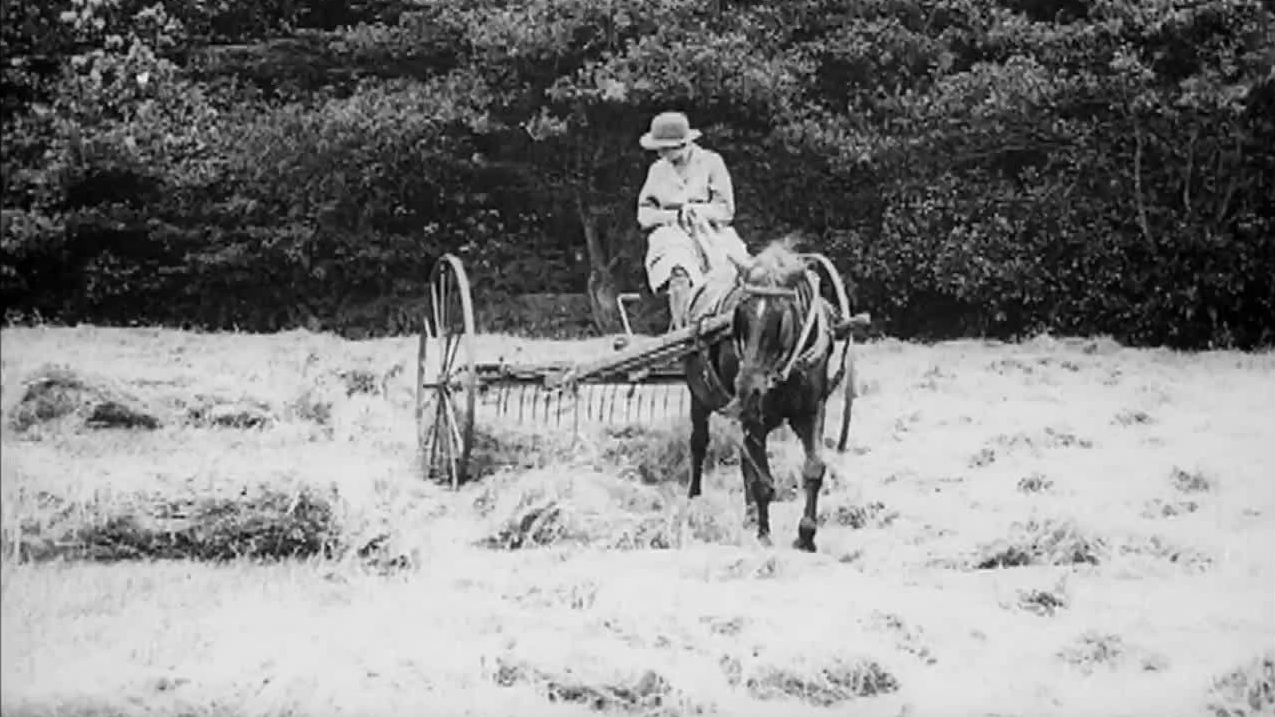
Shortages of food and fuel made daily life a ceaseless grind, never mind the ever-present dread of enemy bombs or of telegrams carrying grim news. But life went on, and there was work to be done; factories were refitted to make munitions and materiel, while with so many men serving at the fronts, women stepped up in their millions to work the machines or farm the fields.
92 videos in this collection
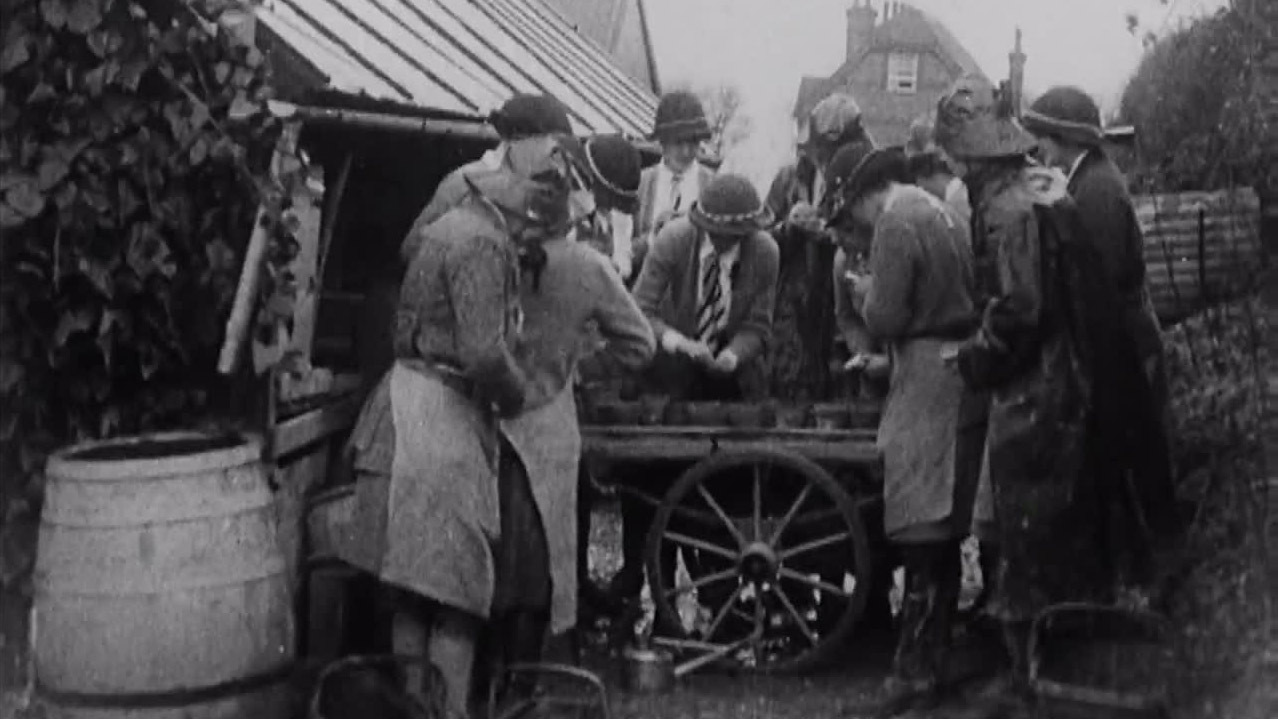
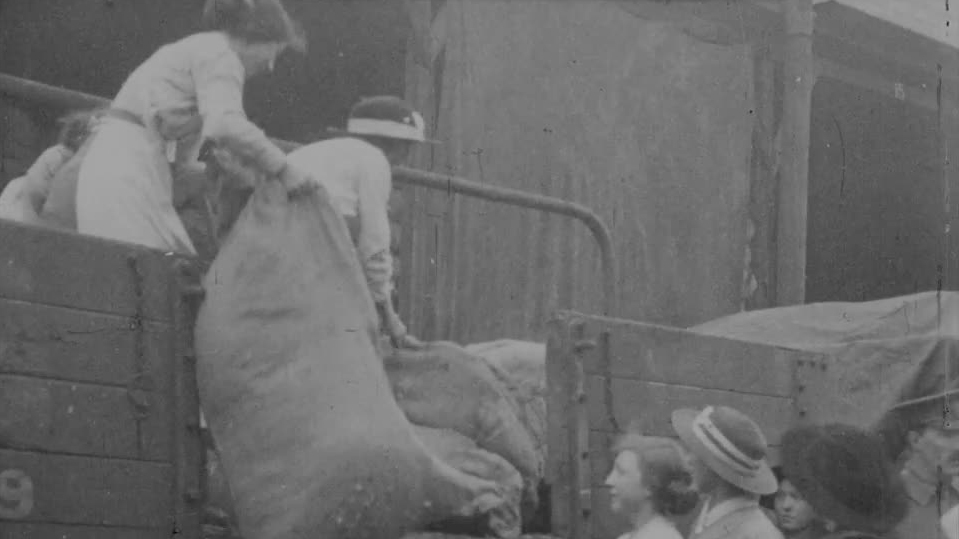
Women Work While Men Fight Topical Budget 179-1
1915
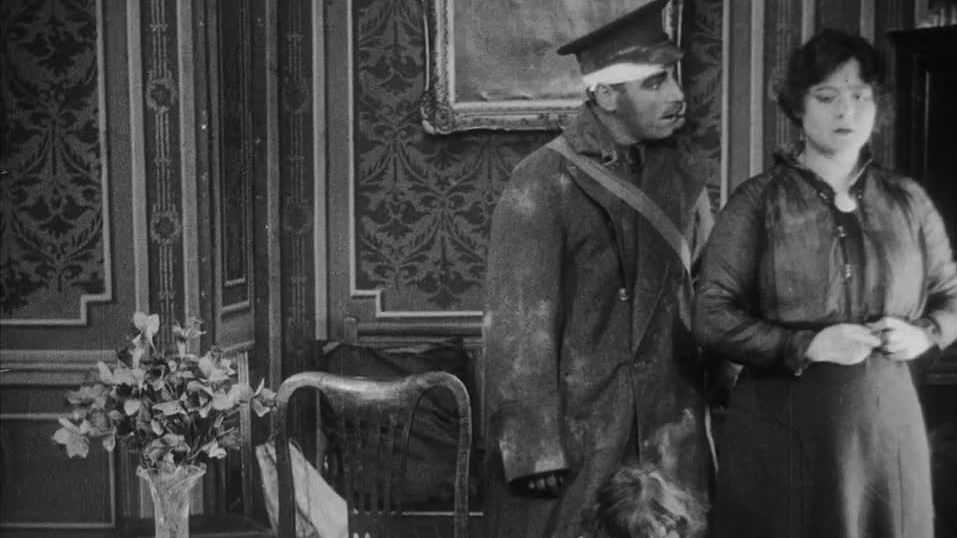
Keep the Home Fires Burning
1916
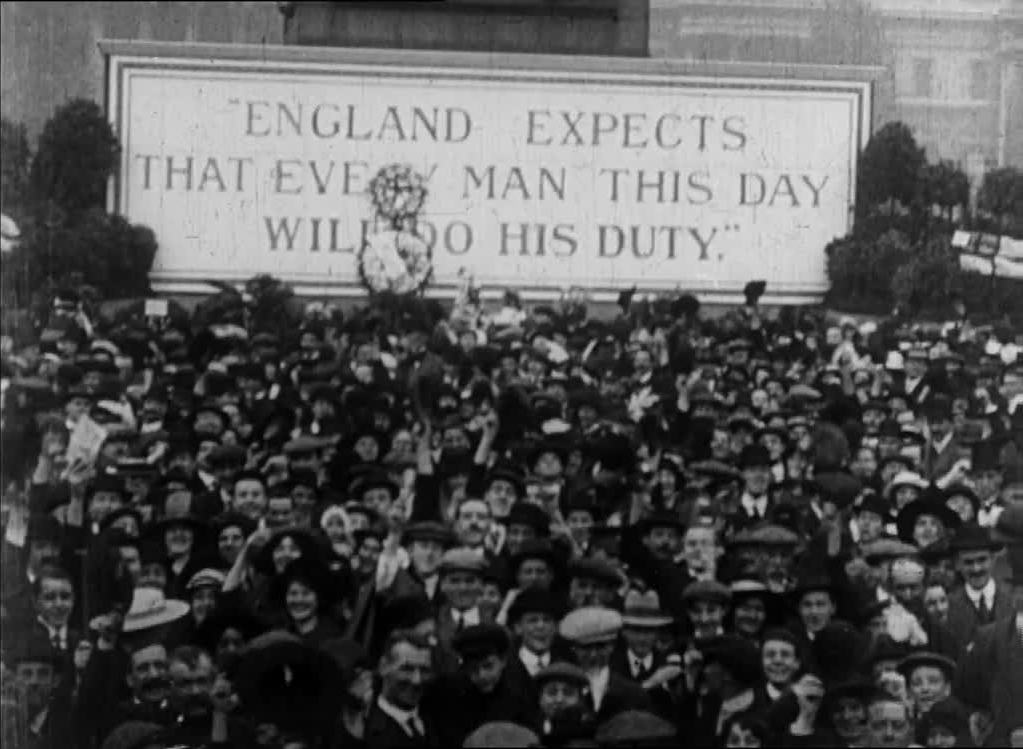
England Expects Topical Budget 165-2
Trafalgar Square
1914
For the Wounded Topical Budget 217-2
1915
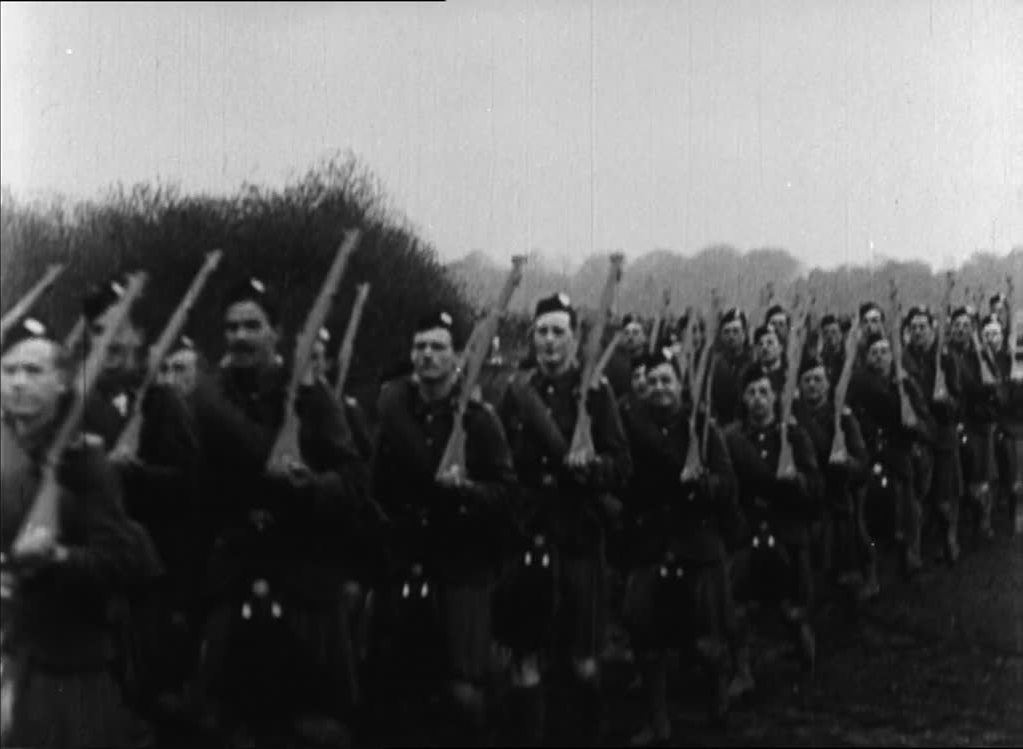
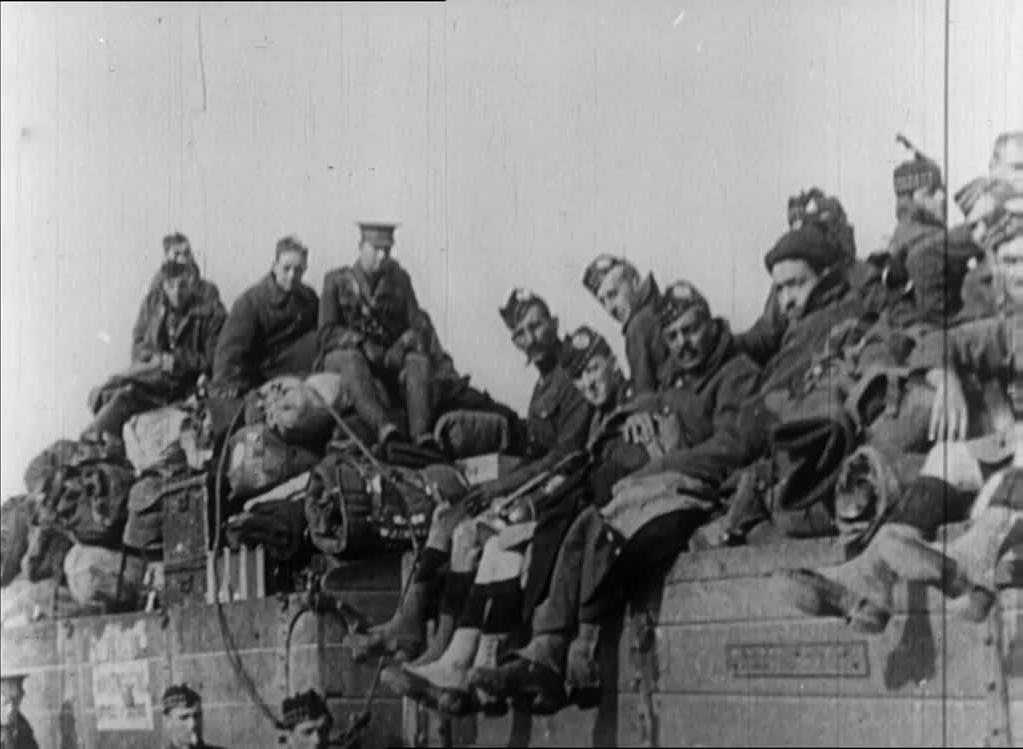
The London Scottish Topical Budget 167-1
1914
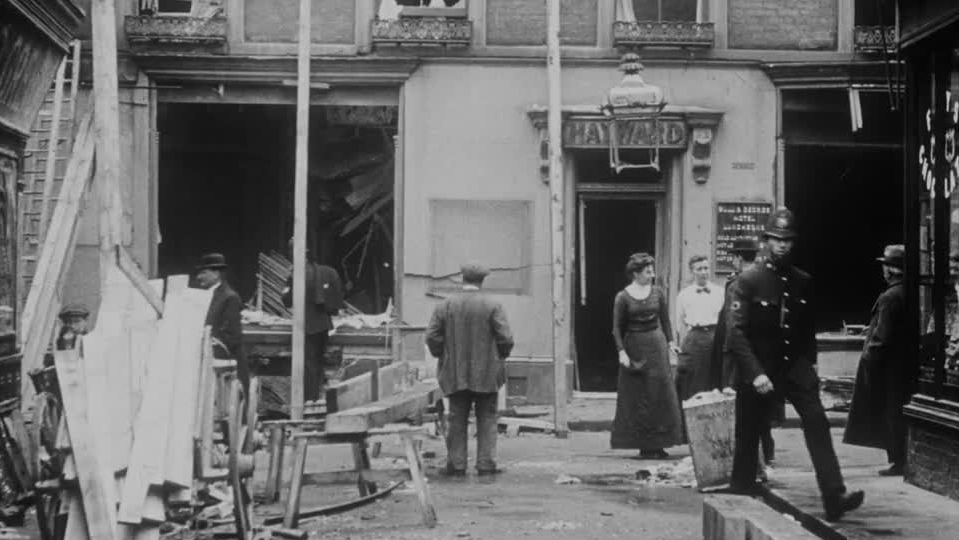
Ramsgate Zeppelin Raid. Showing Damage Done to the Bull and George Hotel. Pathé's Animated Gazette No. 323b
Ramsgate
1915
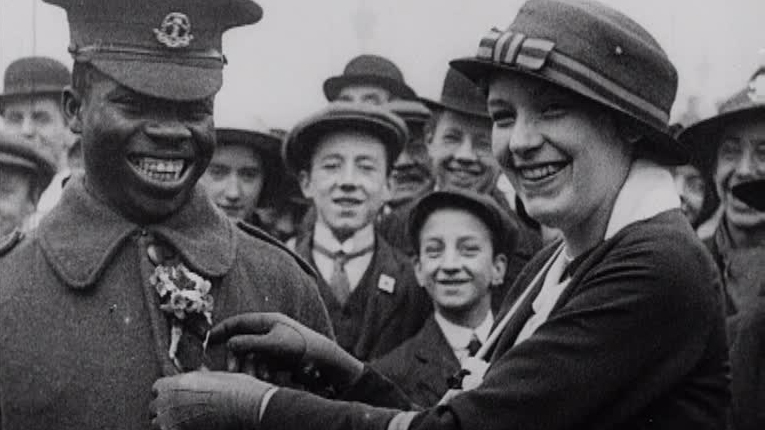
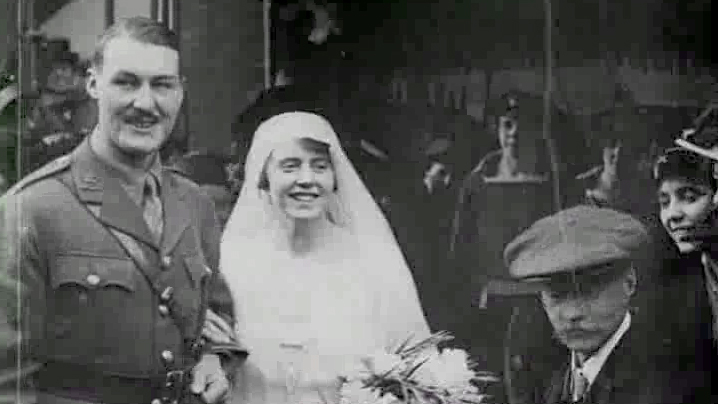
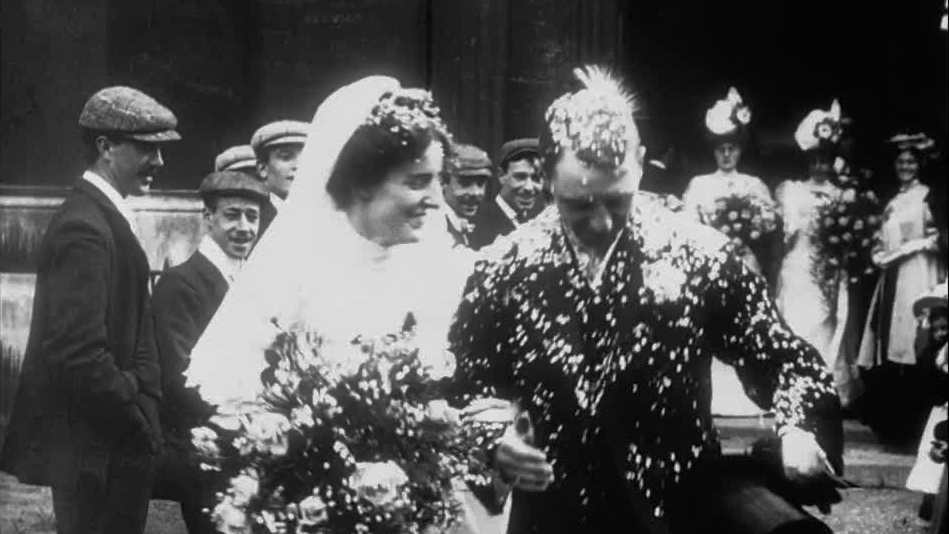
War Time Weddings Topical Budget 220-2
Westminster
1915
"Stop the War" Demonstration in Trafalgar Square Gaumont Graphic No. 352
Westminster
1914
Battle Front in Britain
1918
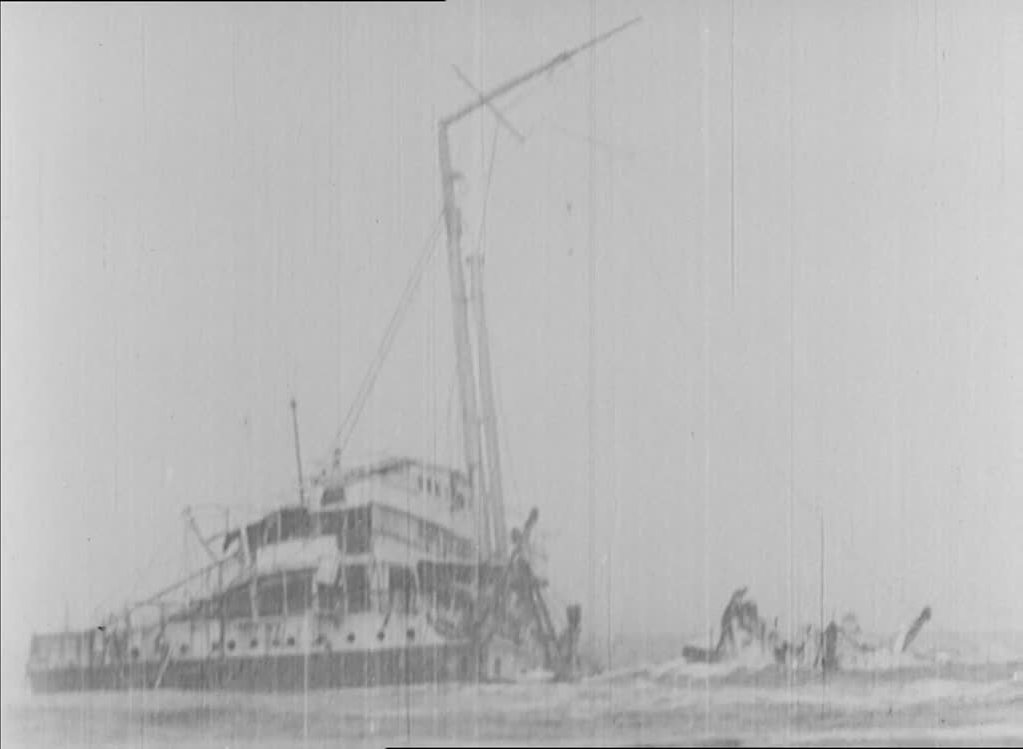
'Rohilla' Wrecked off Whitby
Whitby
1914
London: Air Raid, 1917
City of London
1917
Anti-German Riots in Liverpool following the Loss of 'Lusitania'
1915
The Wrecked "Rohilla" Topical Budget 167-1
Whitby
1914
A Patriotic Offer Topical Budget 167-1
London
1914
The Sound of the Drum Topical Budget 168-1
1914
Sons of the Empire Topical Budget 165-2
1914
Scout's Valuable Aid
1914
Conscription
1915
Recruiting for the 5th Essex
Chelmsford
1915
Tommy's Tinder Box: Chipping Flints Which are Used As a Substitute for Matches in the rain-soaked Trenches
1915
In the Track of the Zepps Warwick Bioscope Chronicle 257-2
1915
Kite Balloons
1915
To Aid the Motherland
Salisbury Plain
1915
Merrie Territorials Topical Budget 205-2
1915
Citizen Army Inspected Topical Budget 219-1
Beckenham
1915
More Ammunition Topical Budget 179-1
1915
Garibaldians Help Recruiting Warriors of 1867 at the Head of a Recruiting March