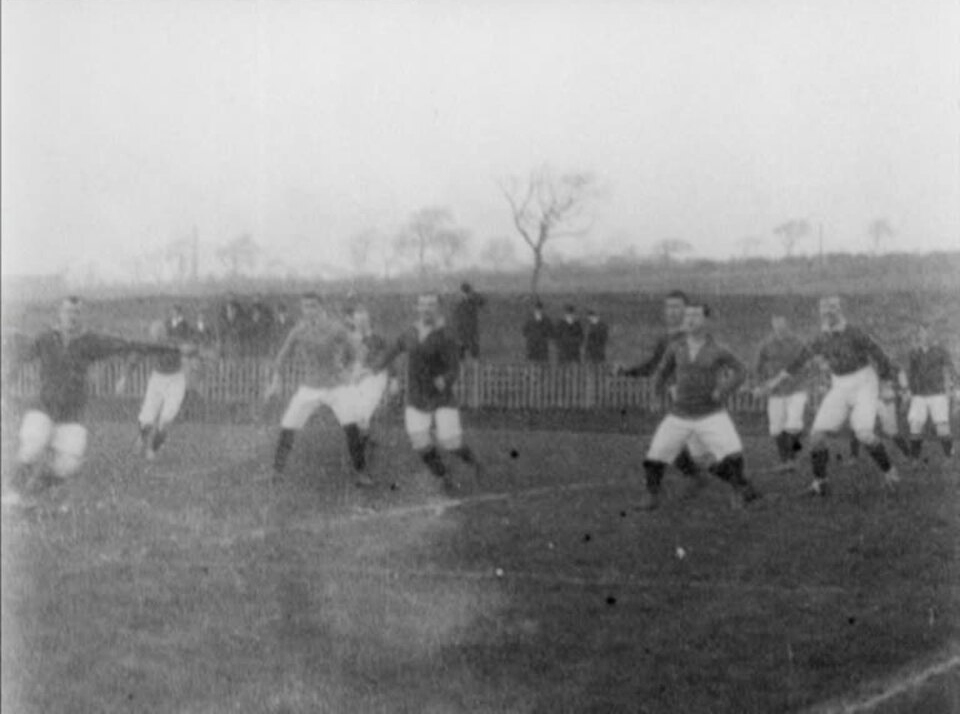
Burnley v Manchester United (1902)
First-ever footage of Manchester United in a tense Edwardian football fixture.
This is a truly historic film artefact, badly damaged though it is: the very earliest footage of Manchester United, shot months after they changed their name from Newton Heath. The frenetic action shows United (in dark tops) apparently on the back foot against near-neighbours Burnley, although the home team ultimately lost 2-0. The result helps explain why the film was never advertised in Burnley.
United were a Second-Division team in 1902-03, finishing the season in fifth place. They would have to wait until the 1906-07 season to play in the First Division for the first time under their new name. Burnley, one of the founders of the Football League, was to finish the season at the bottom of the Second Division.
Mitchell & Kenyon's Edwardian Britain
A miraculous journey around Britain at the dawn of the 20th Century, courtesy of filmmakers Mitchell and Kenyon.
Welcome to a lost world. These amazing films, lost for at least 80 years, offer something close to time travel. Miraculously discovered in a Blackburn basement in 1994, the films give us stunning images of ordinary life in late-Victorian and Edwardian Britain.
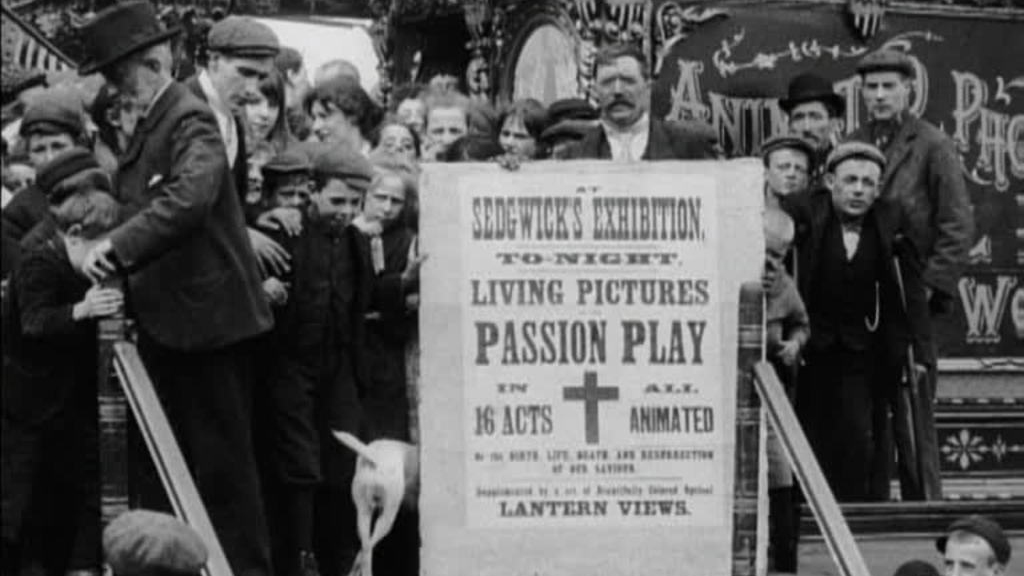
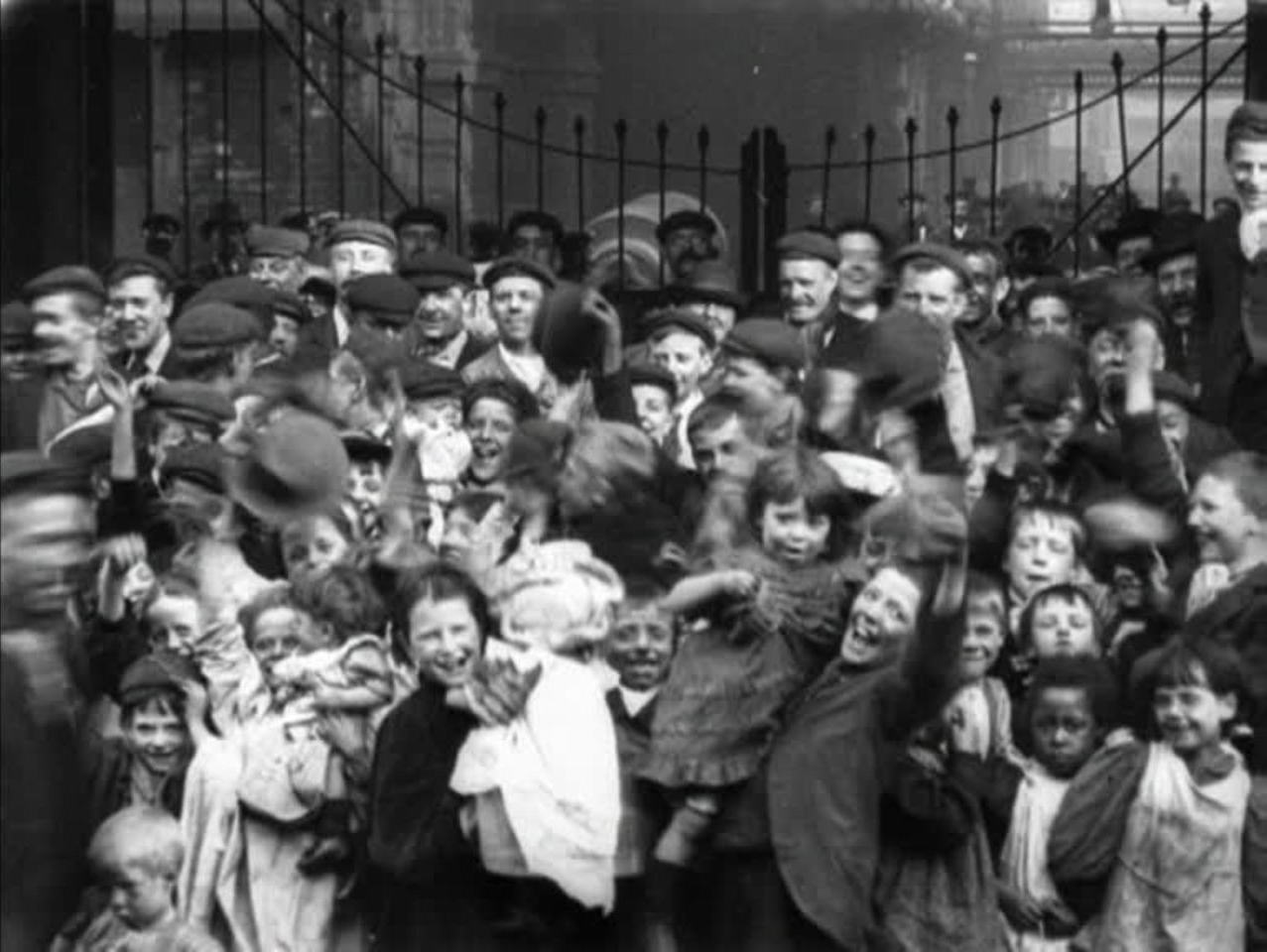
The films' rediscovery rewrote the story of early film. Blackburn-based duo Sagar Mitchell and James Kenyon, we now know, belonged to a thriving local, non-fiction filmmaking scene. Touring northern and central England, Scotland, Ireland and Wales, they made films for fairground operators and other showmen to screen to paying audiences, offering punters the chance to 'see yourself as others see you'. Factory workers, churchgoers and schoolchildren, sportsmen and spectators - these relaxed Edwardians laugh, grin and point at the camera. Film brings them all back to life, as no painting or photograph ever could.
Digitisation of this collection was funded by The National Lottery.
8 videos in this collection
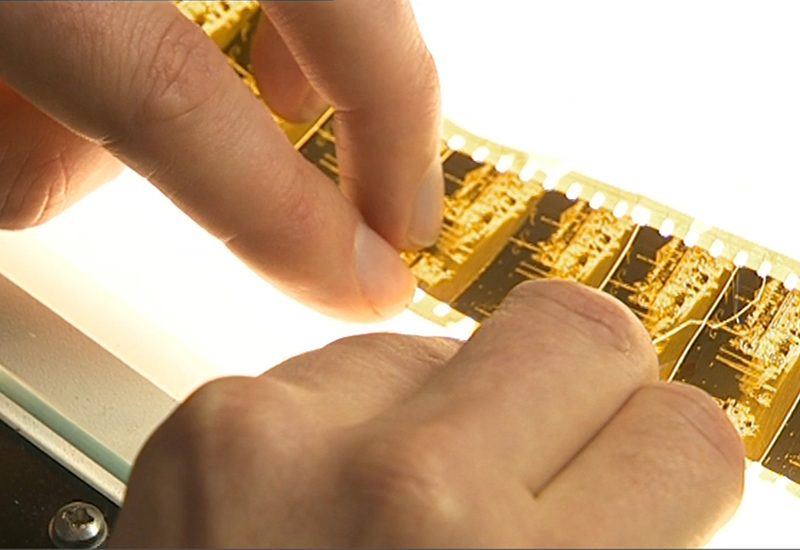
Road to Restoration
Burnley v Manchester United (1902)
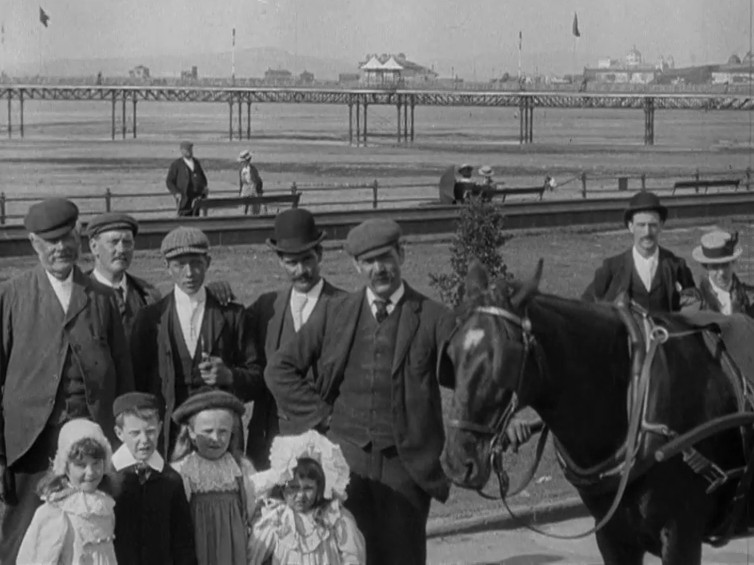
Panoramic View of the Morecambe Sea Front (1901)
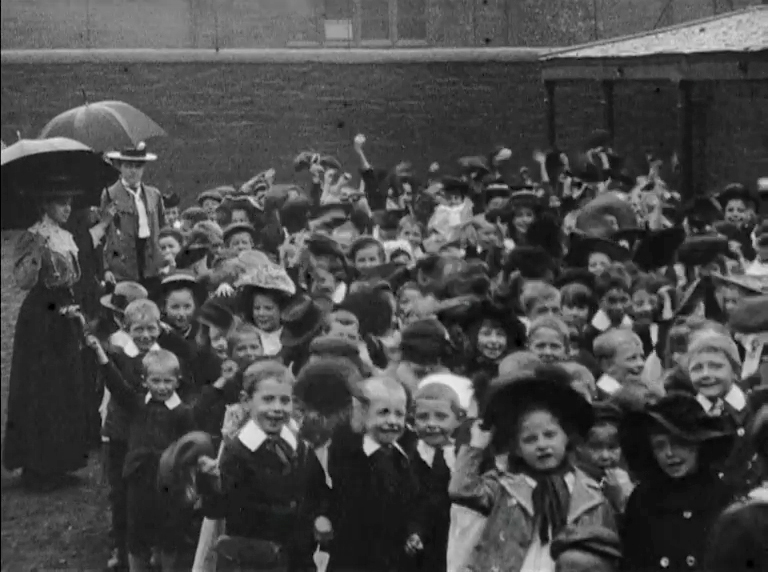
Loreburn School, Dumfries (c.1901)
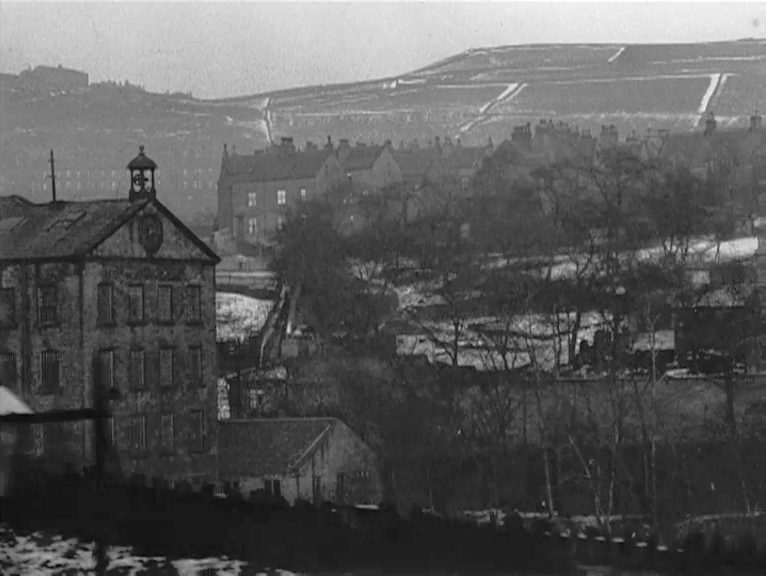
Tram Ride into Halifax (1902)
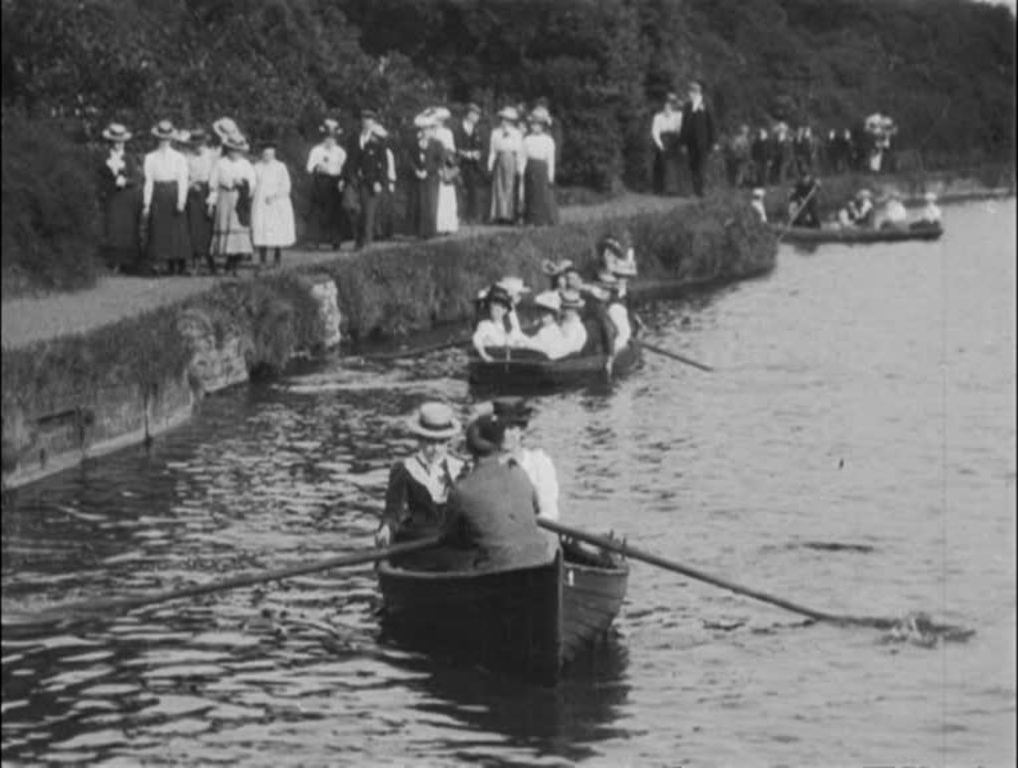
Trip to Sunny Vale Gardens at Hipperholme (1901)