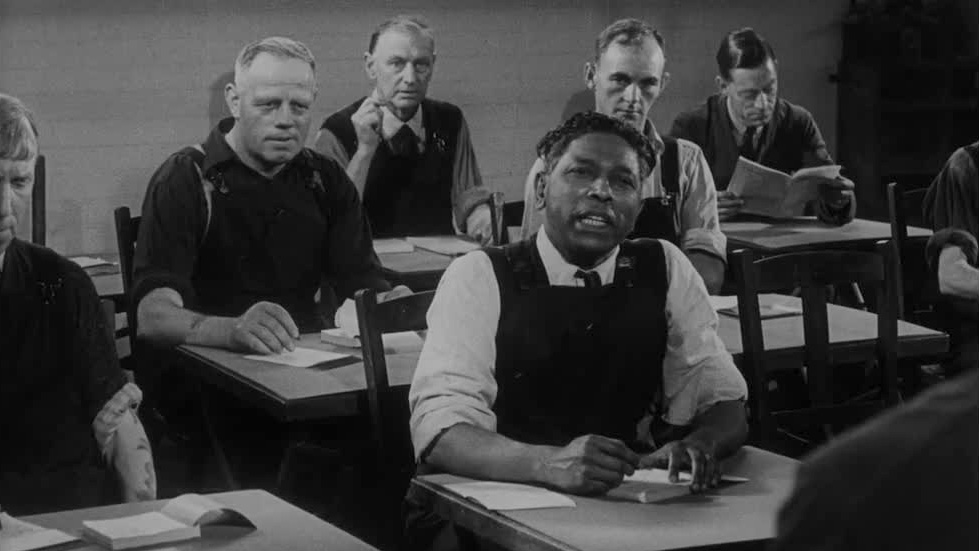
The Silent Village
- Cwmgiedd
- 1943
Powerful and sometimes disturbing account of Britain's defences against enemy attack - made six months before WWII.
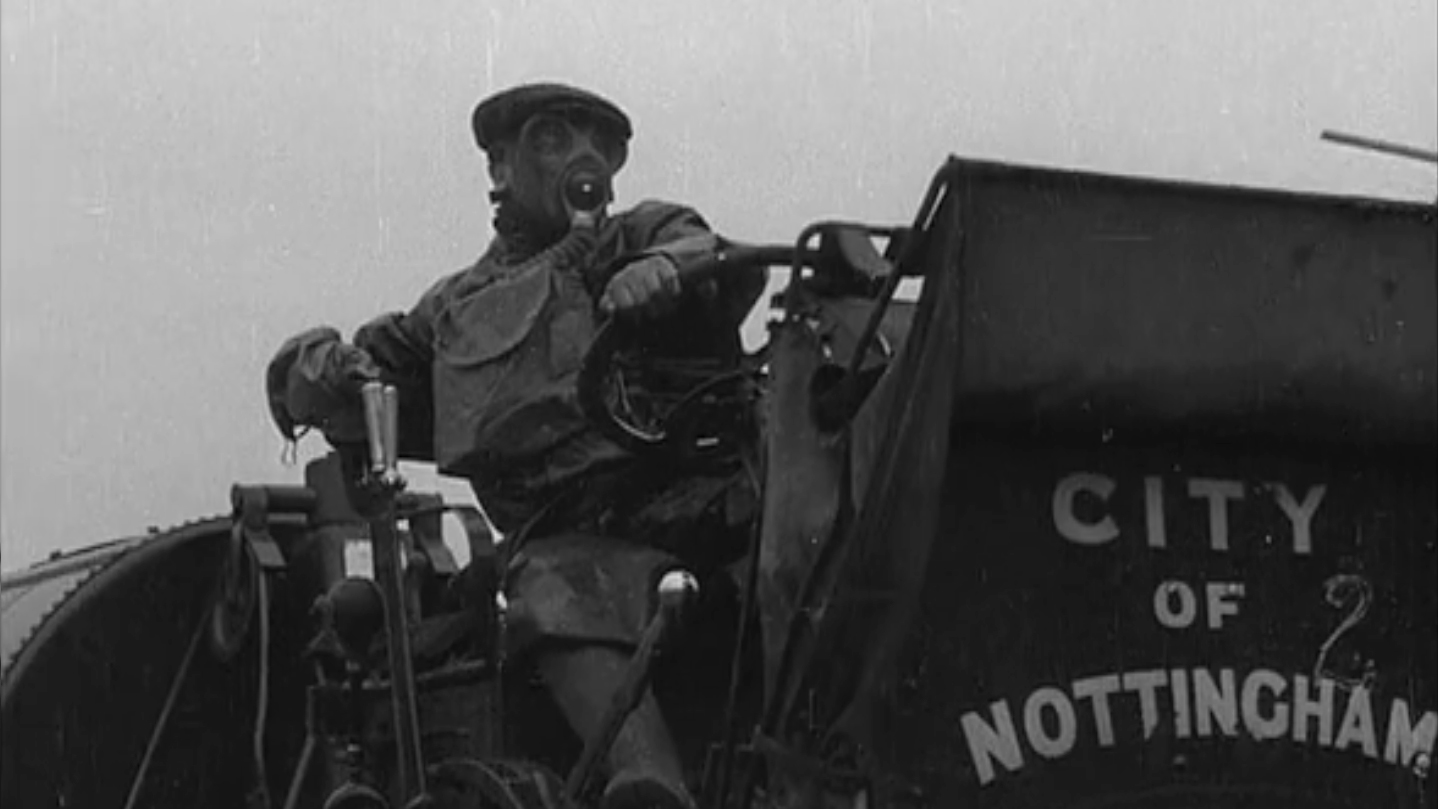
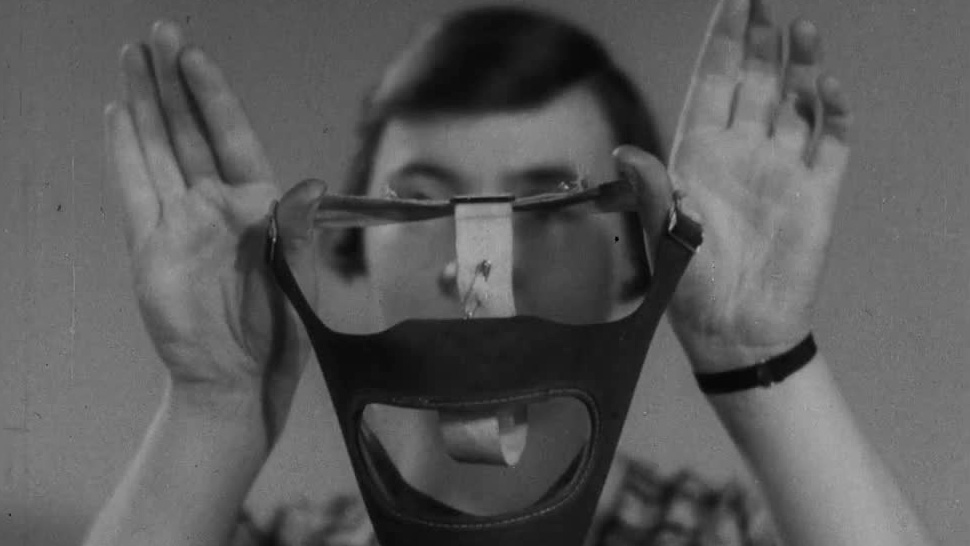
This convincing, sometimes alarming account of Britain's response to enemy air attacks is all the more striking for being made some six months before war broke out. The film was intended to encourage Britons to think about Air Raid Precautions (ARP), using a well-prepared Nottingham to demonstrate effective civil defence under fire. But what lingers most is the vivid imagery of devastation, particularly a chilling sequence showing the aftermath of a gas attack.
The film ends with a sober appeal from Sir John Anderson, soon to be Home Secretary (his name would be immortalised in the 'Anderson shelters' dug into back gardens across Britain): "Your country calls upon you for your own protection and the protection of your families and your friends." The Warning was made not by the 'official' documentarists of the GPO Film Unit, but by British National Films, known for modest-budget features. Editor R.Q. McNaughton, though, had genuine documentary pedigree, with credits on Night Mail (1937) among others. Just after war broke out he cut The First Days for the GPO, which makes a fascinating counterpoint to The Warning.
Once the cinemas were declared open for business, the film industry kept the reels turning, serving up a mixed diet of news, morale-boosting propaganda and uplifting entertainment.
In the early days of the war, cinemas were closed as a public safety measure, but authorities were soon persuaded of film's many virtues in wartime. Newsreels kept spirits up and relayed vital information, documentaries rigorously explored every aspect of life and work on the home front, and an array of animations and short films imparted practical tips and guidance.
Feature films, meanwhile, offered equal parts inspiring wartime stories and escapist fantasy to bring relief from everyday trials. And with gender roles evolving and so many men away from home, producers were forced to pay more attention (long overdue!) to the tastes and interests of women cinemagoers - with fascinating and enduring results.