Mr H Ramsbotham on the Use of Films in Schools
This film has no description
Amateur Auteurs
Ever dreamed of shooting your own movie? These pre-digital cine-enthusiasts did - with all the passion and devotion of the true auteur.
These low- (or no-) budget creations reach beyond simple point-and-shoot, back-garden efforts towards something more ambitious and skilful, revealing their authors' passion for film and their often astonishing ingenuity with limited resources. No desktop editing software or digital special effects for these amateur auteurs. The films include fiction and documentary, competition prizewinners and private labours of love. They may be the work of cine-clubbers or individual enthusiasts. But they all show a devotion to filmmaking that far transcends hobbyism. So look out for the delightful handmade intertitles, table-top special effects and library soundtracks which decorate many of the quirky stories, ultra-local documentaries and painstakingly composed home movies featured here.
65 videos in this collection
Coming Shortly
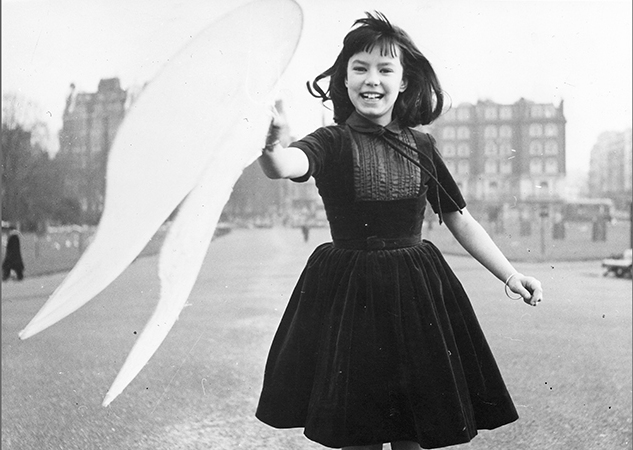
Amelia and the Angel
Ladies Hoo Doo
Cubism
Falsely Murdered
Canal Cameo
The Witch's Fiddle
They Forgot to Read the Directions
The Diamond
Contrasts in Kensington
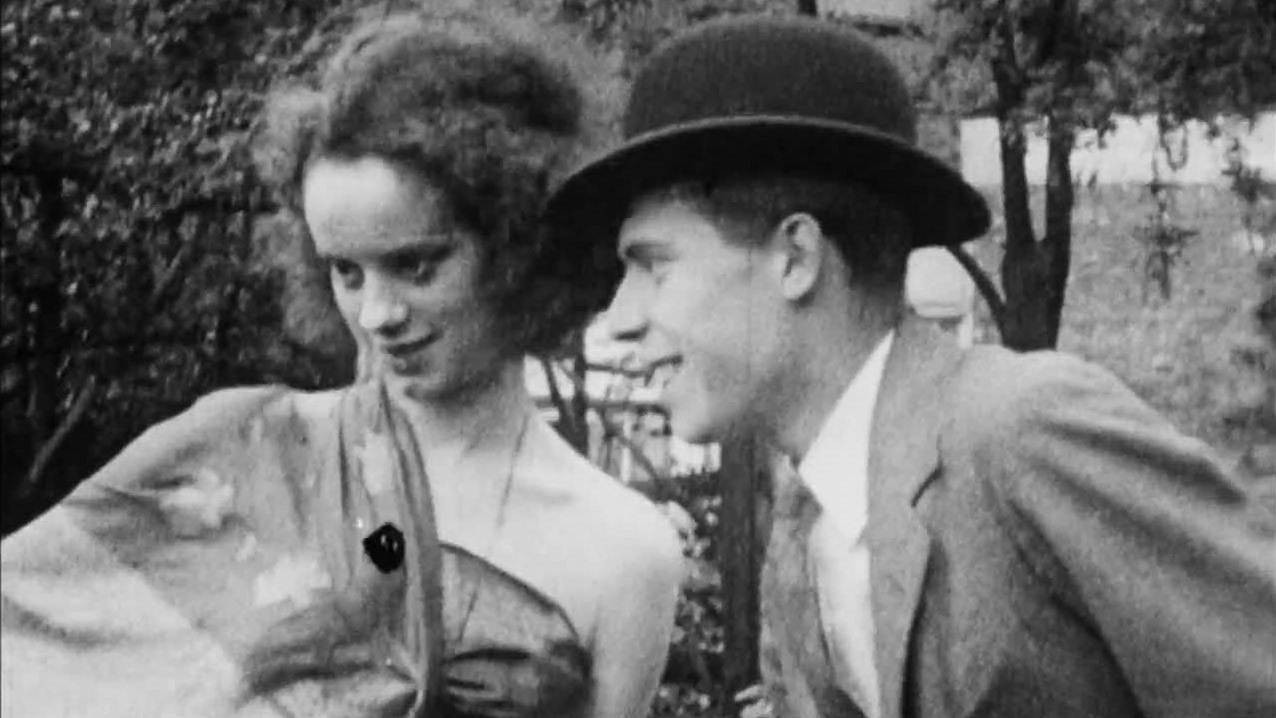
The Scarlet Woman
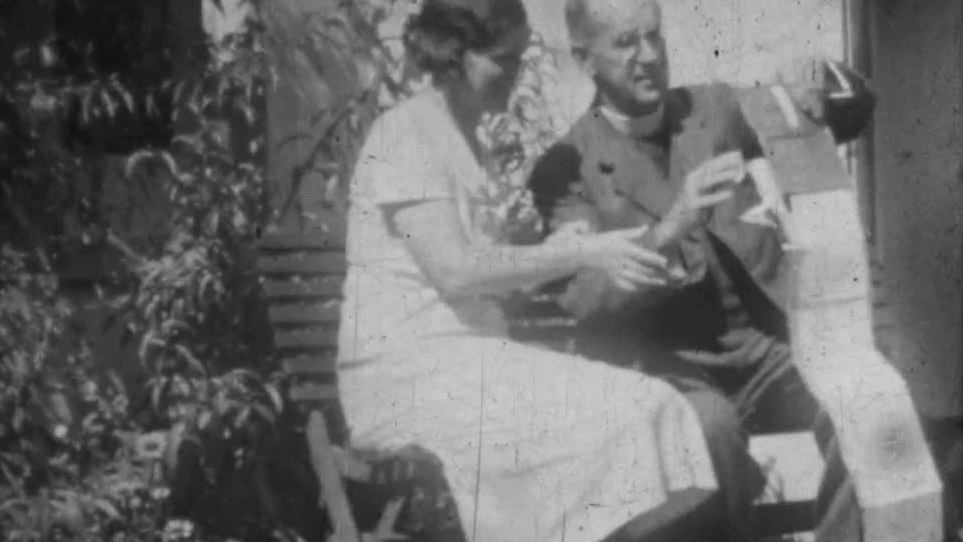
The Annual Problem
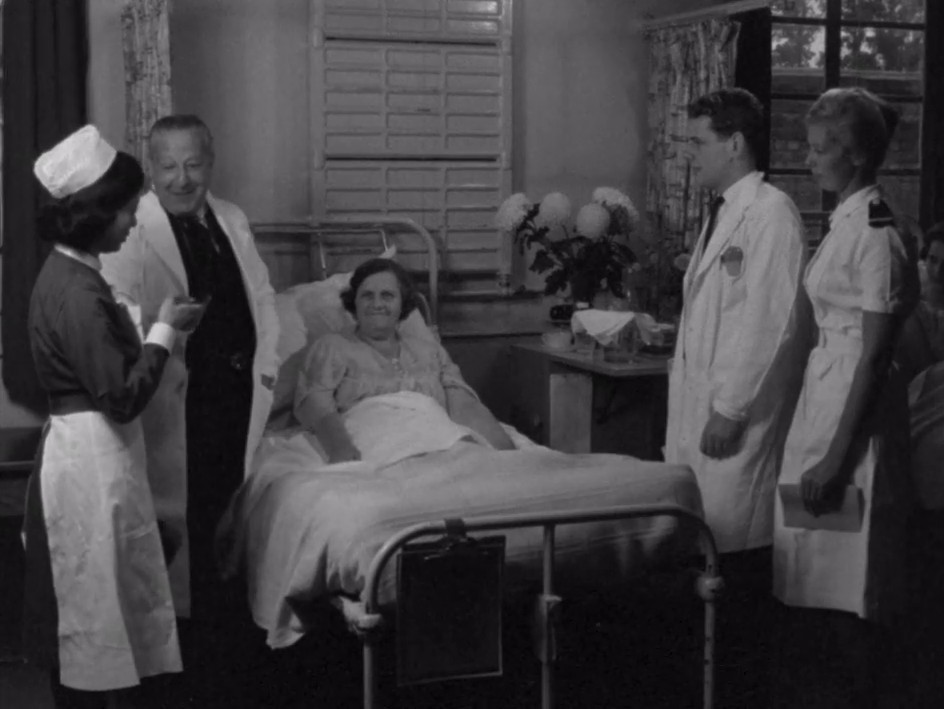
Plans for Living
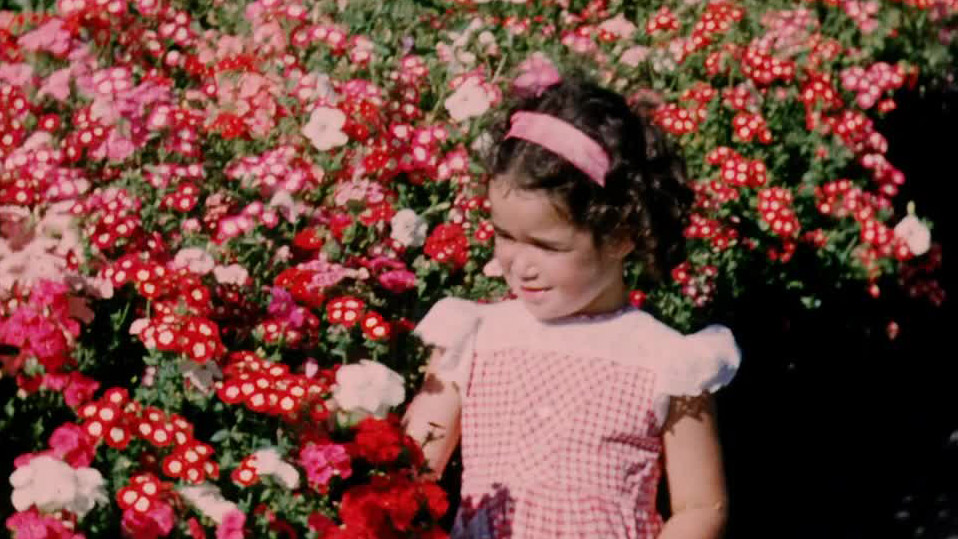
Saga of Valerie Jean Douglas
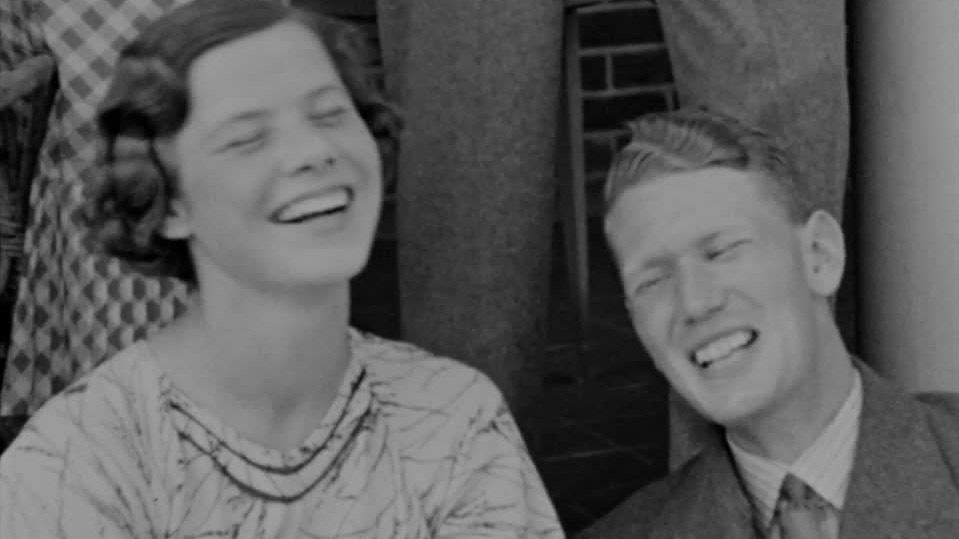
Richard House Home Movies Steps to the Stars
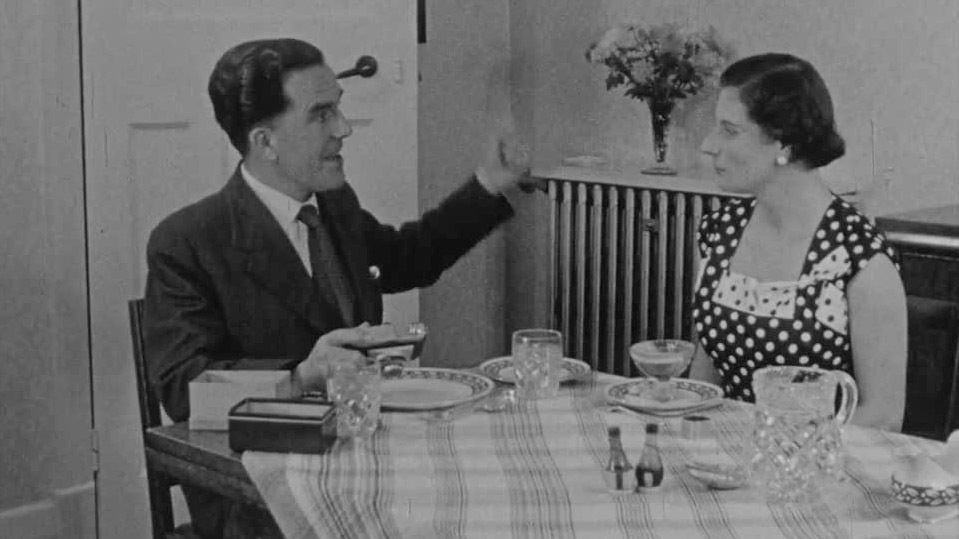
Saturday Lunch
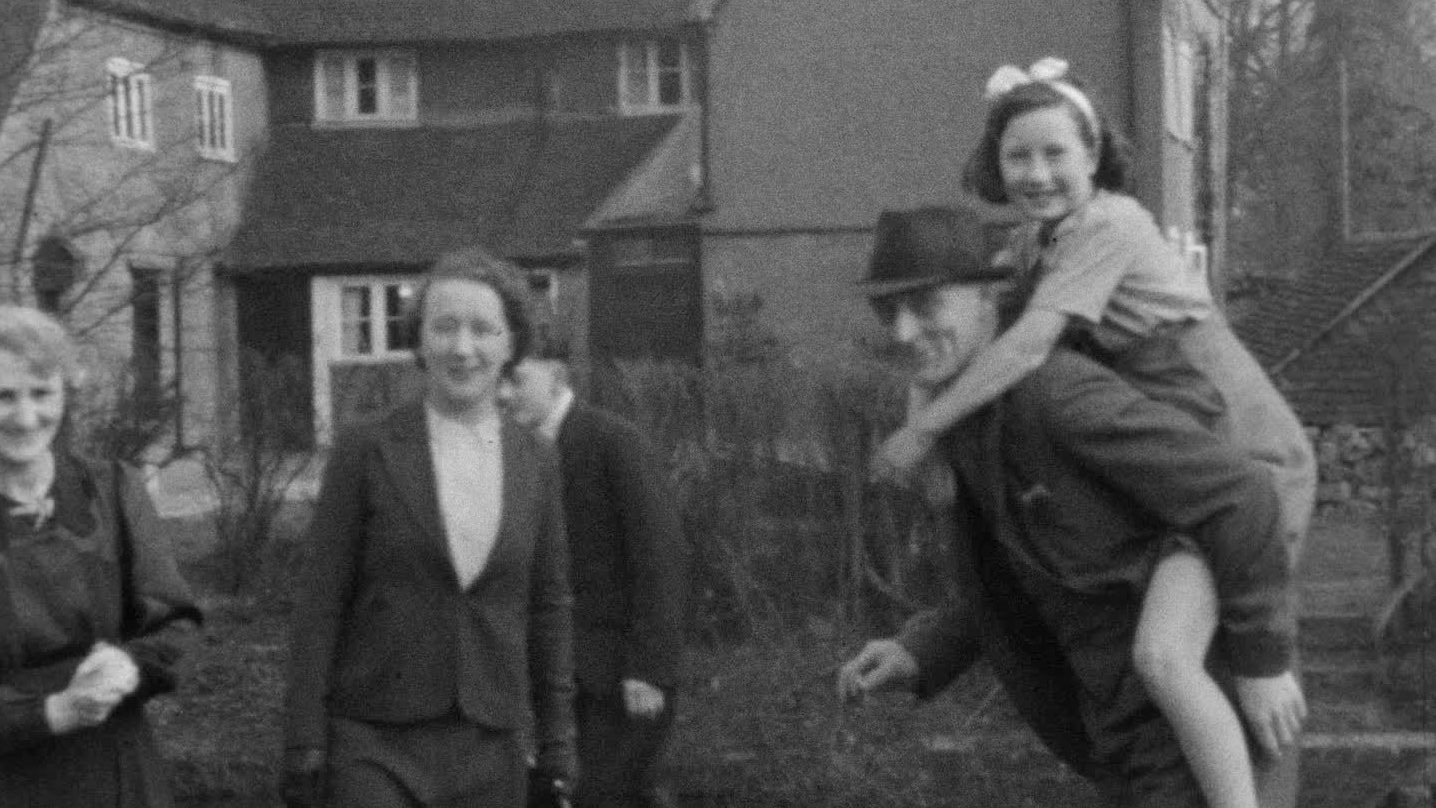
A Movie Letter from Home
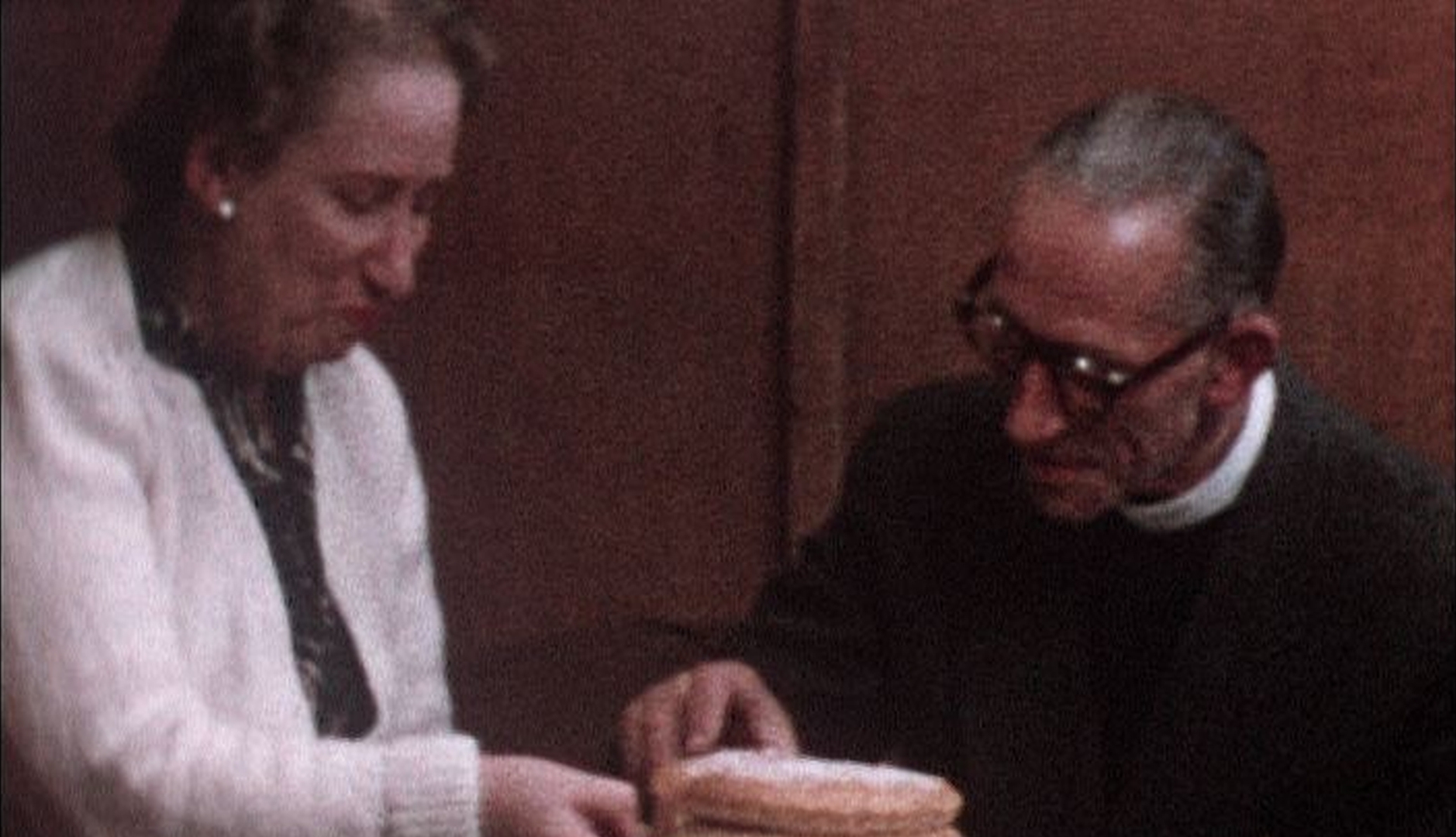
Sponge Mix
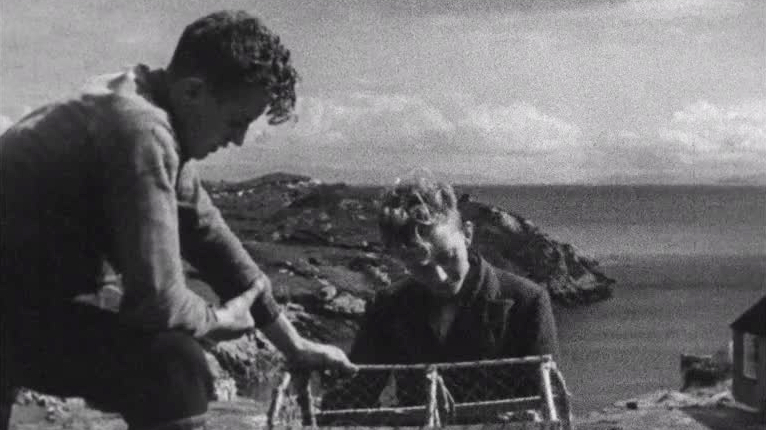
They Are Forsaken A Tale of an Island of the Hebrides
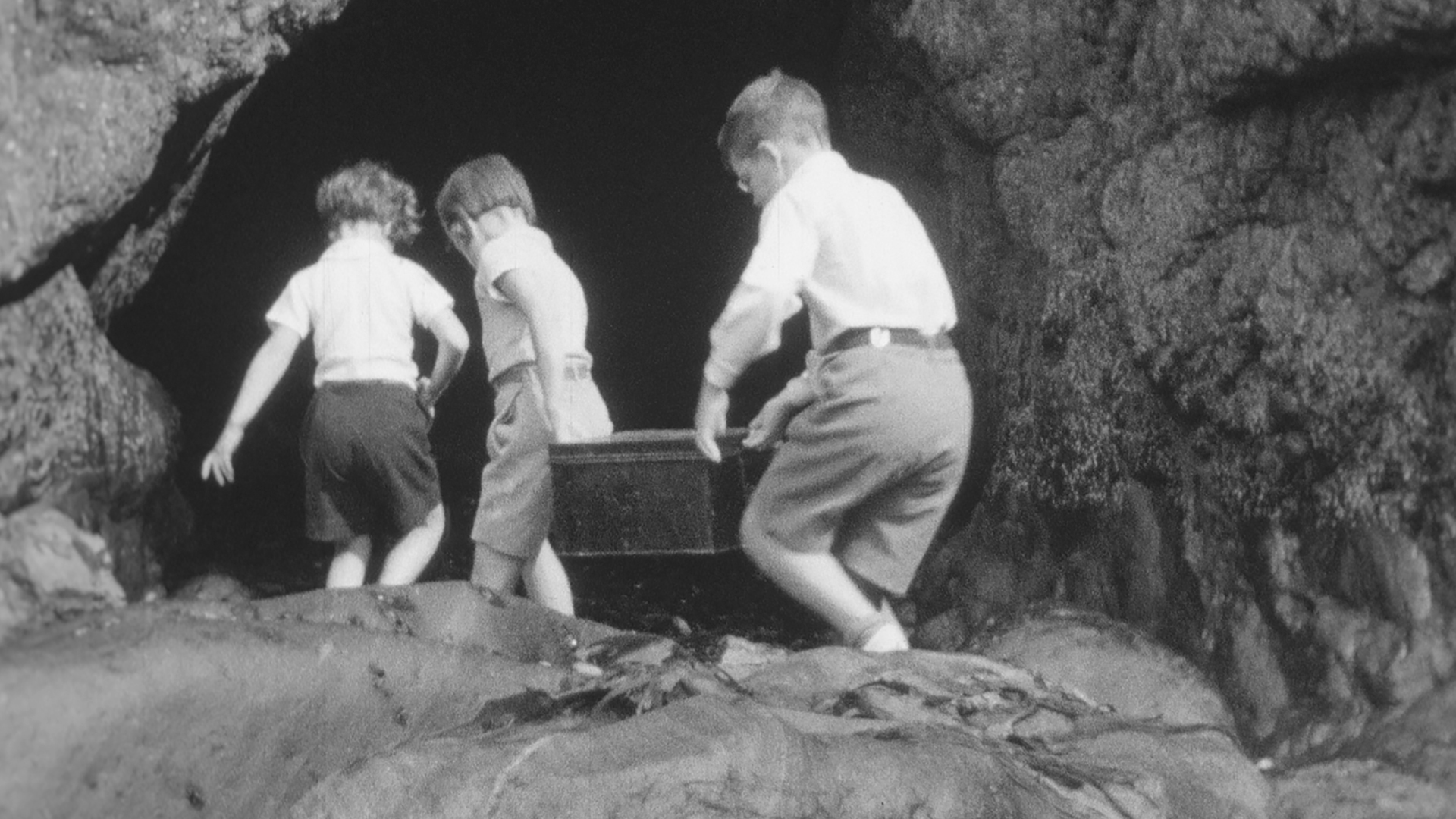
The Smugglers' Cave
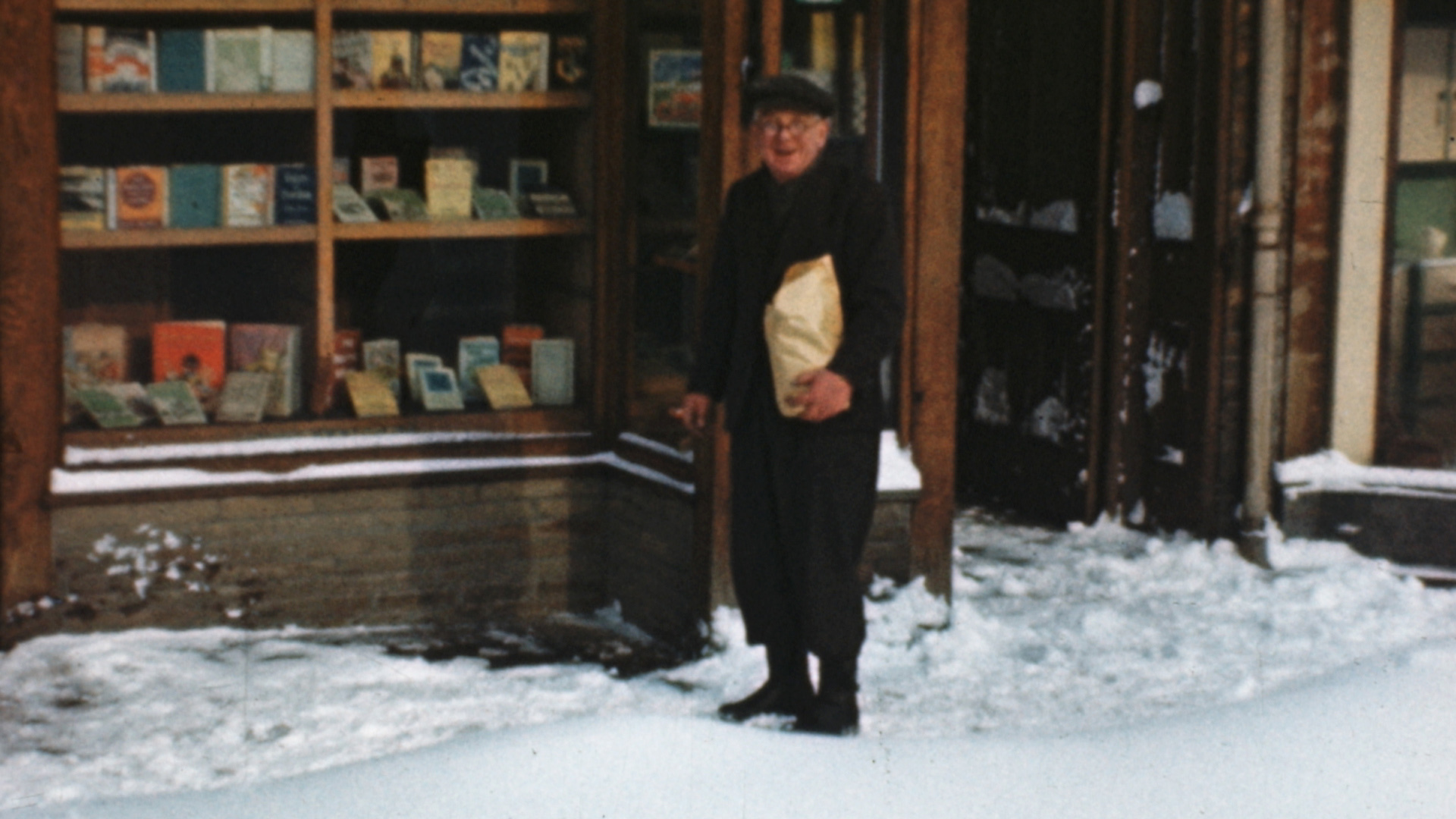
Janet, John & Susan present "1943-1947"
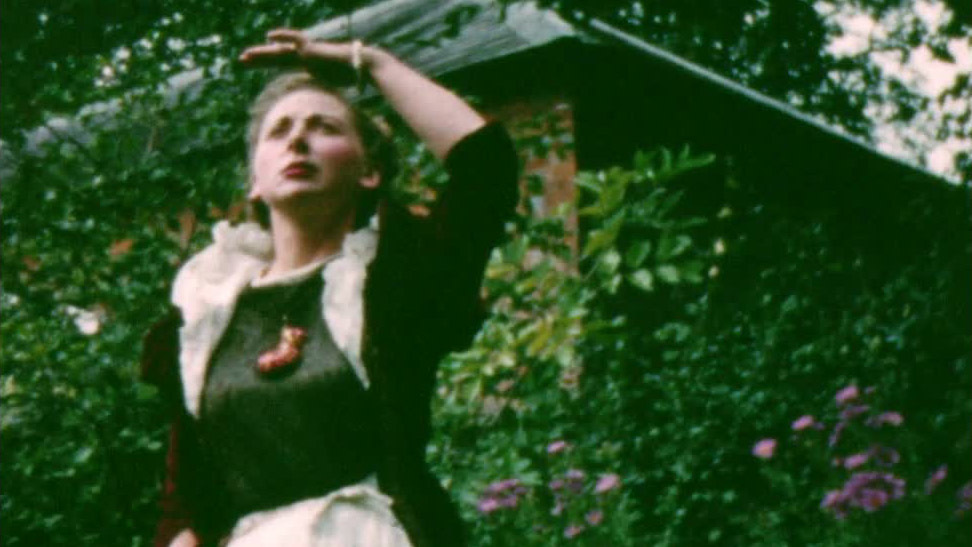
Star Cabaret 1956
In My End is My Beginning
Helpu Dad
Pink Shirts
Little Boy's Dream
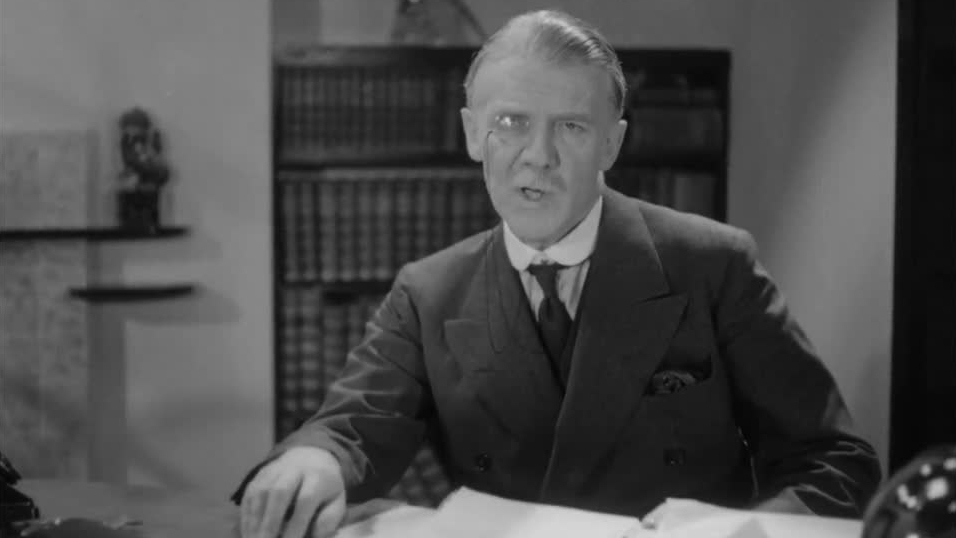
Mr H Ramsbotham on the Use of Films in Schools
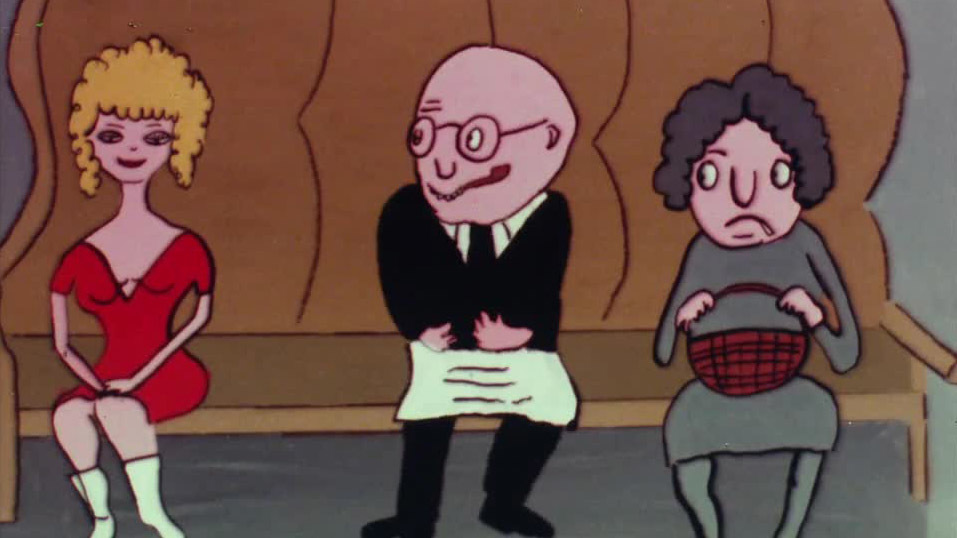
Generation Gap
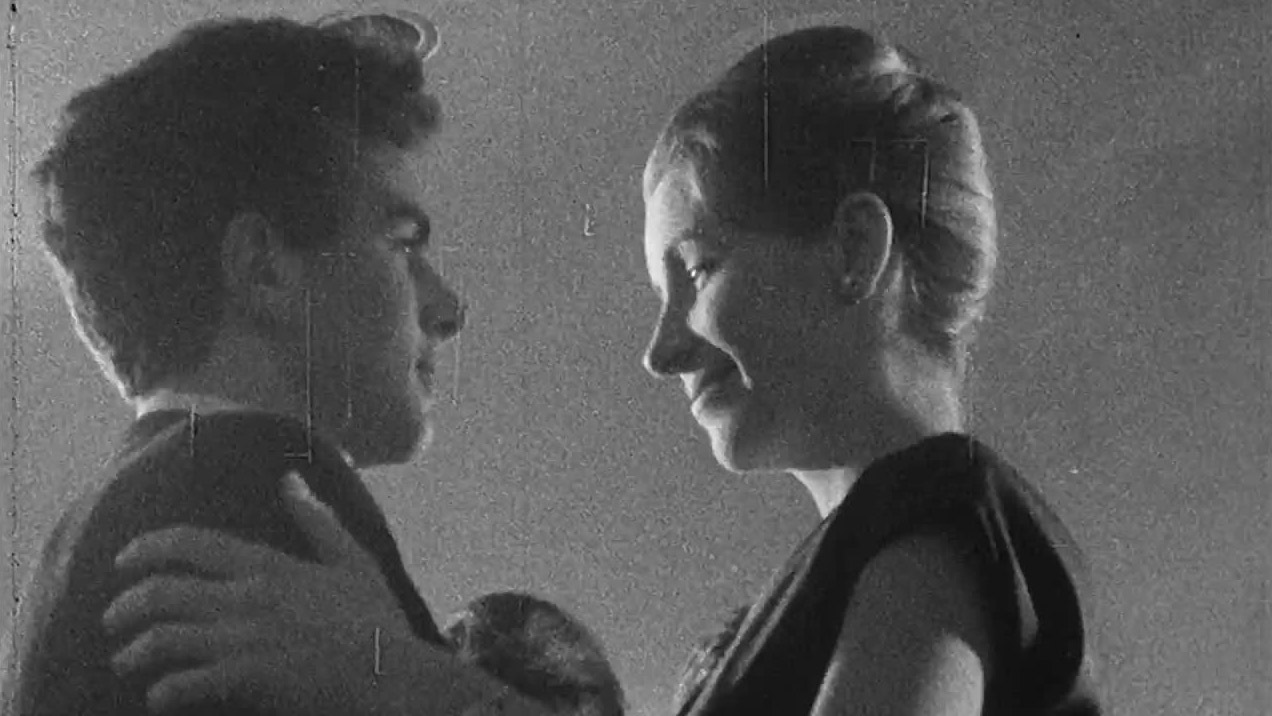
A Few Days
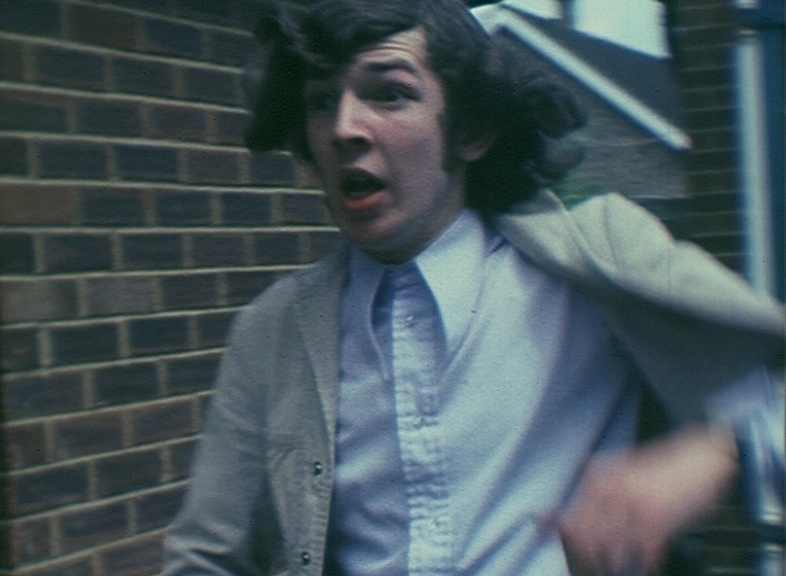
The Fifth Minute
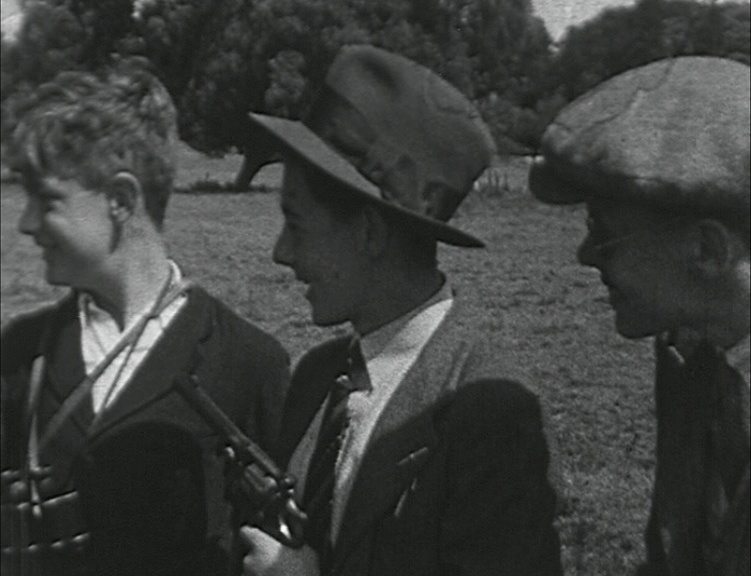
Smugglers Beware
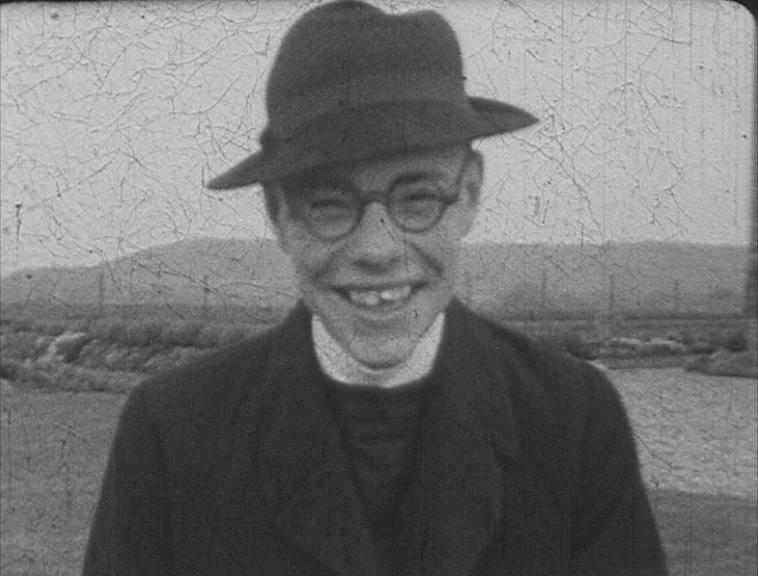
Teacher's Lesson
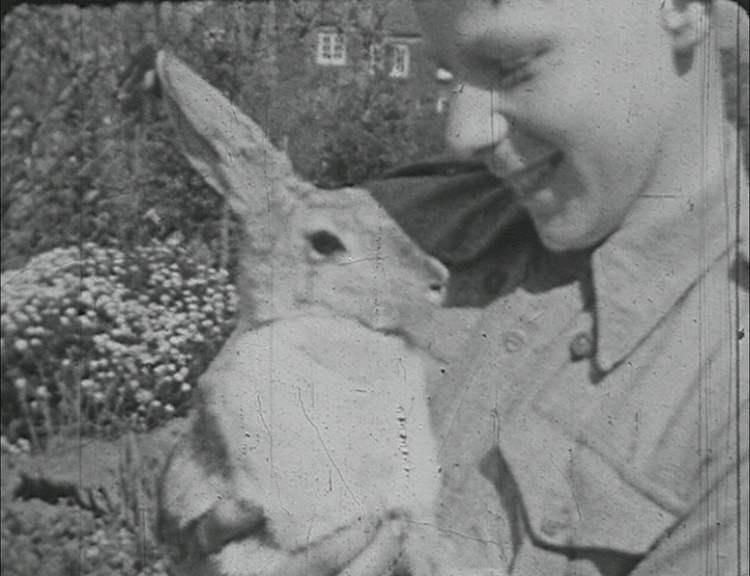
They Act Like Magic
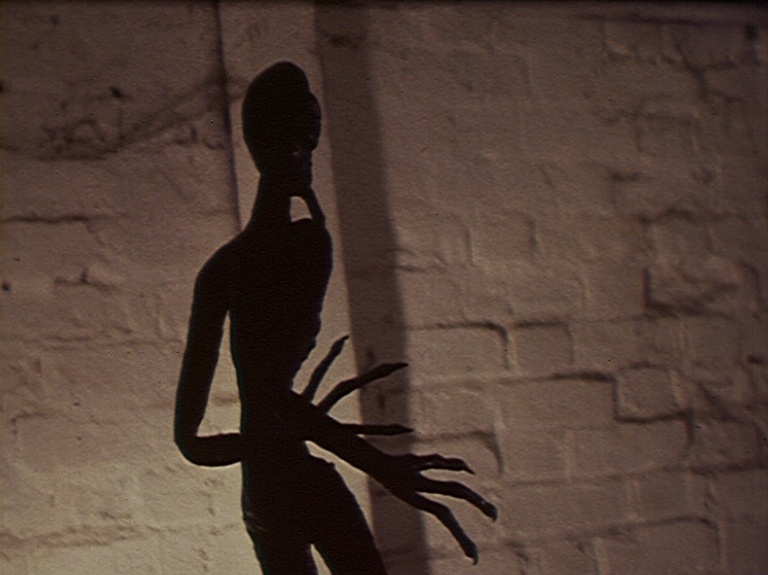
Shadowman
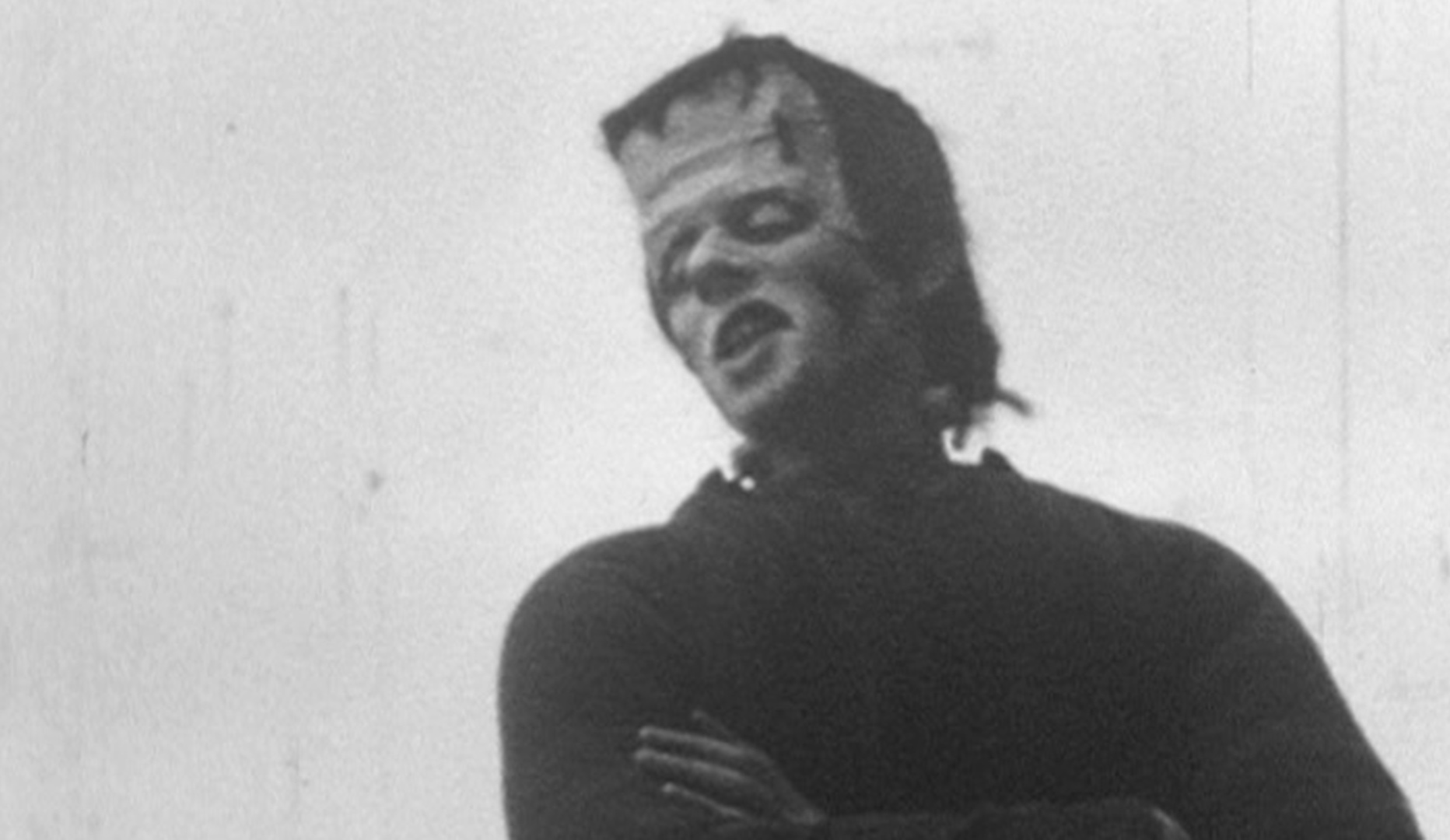
The Tomb of Frankenstein
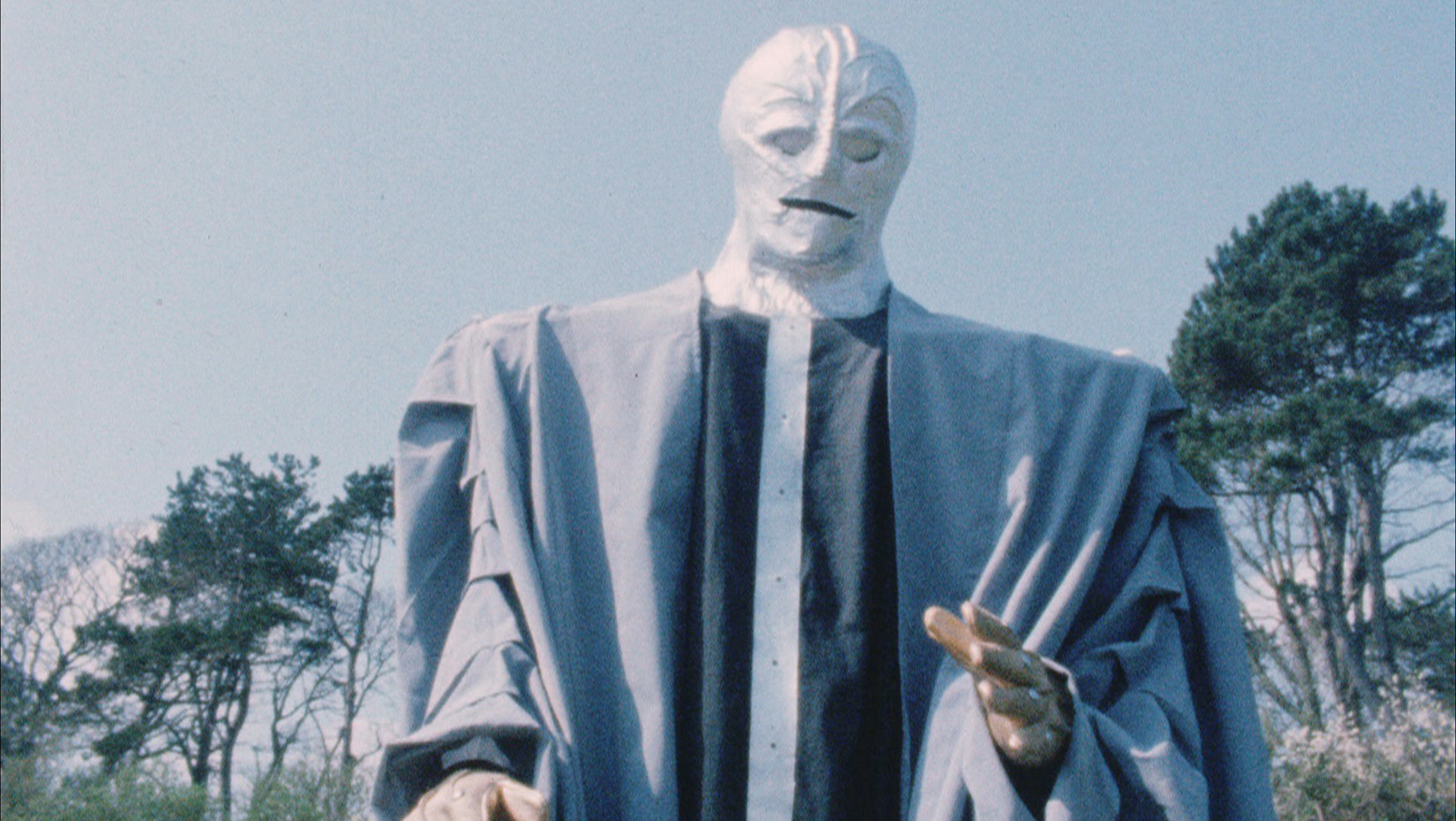
The Drumlin
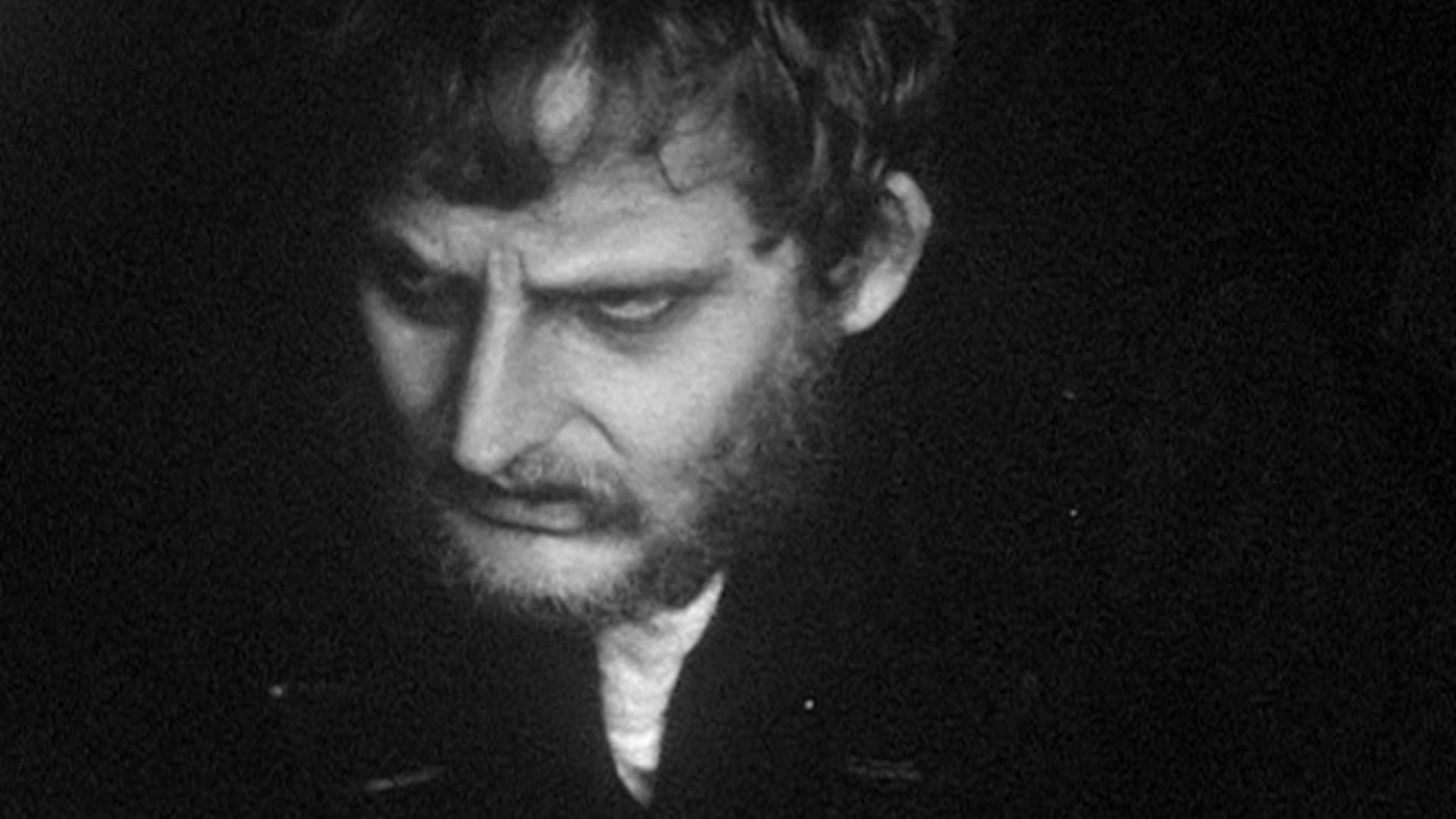
The Testament of Caleb Meeke
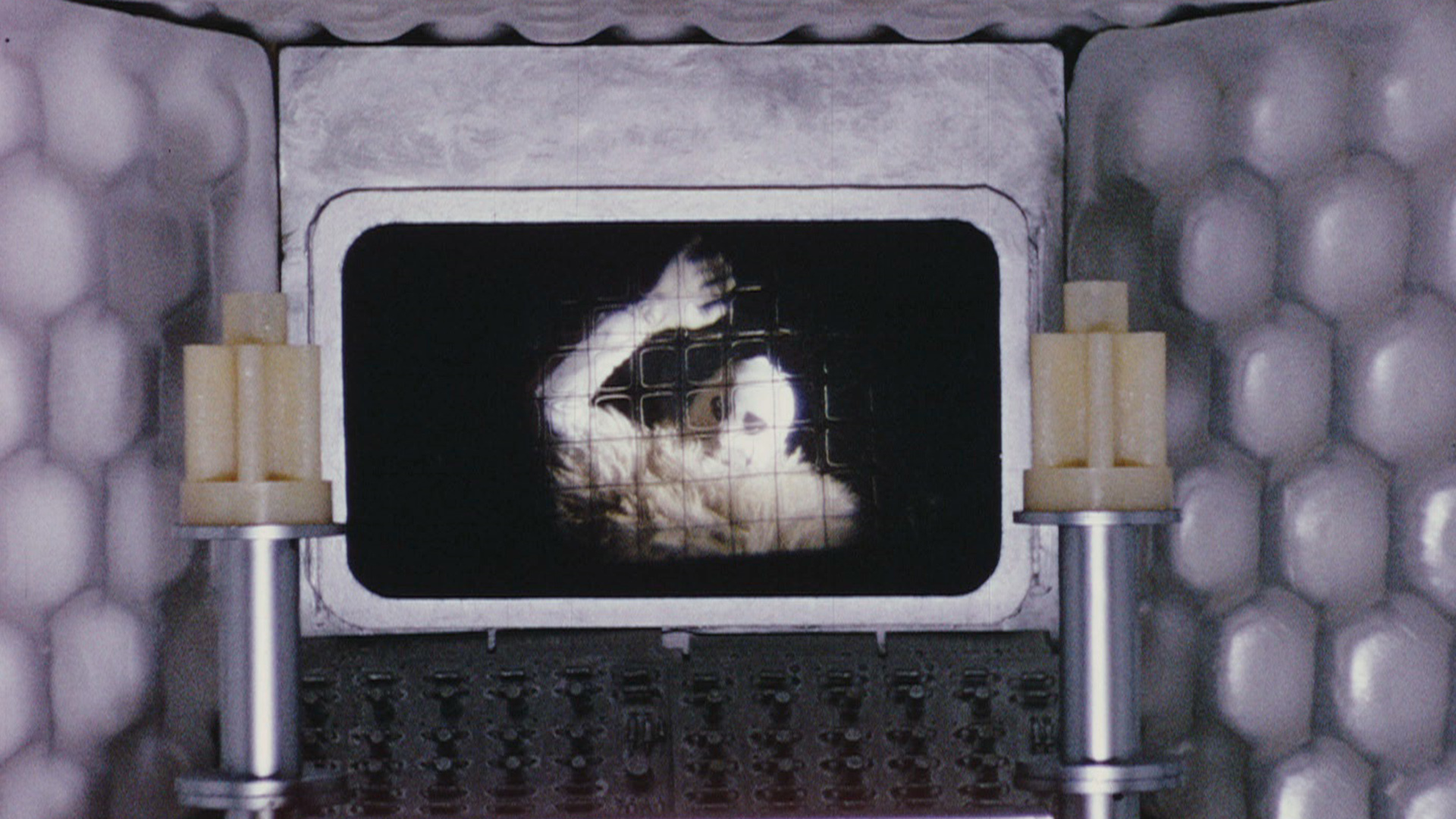
The Tryzzian Exiles
Keep Watching Skies
Stigmata
Specimens
Ring of Cultra
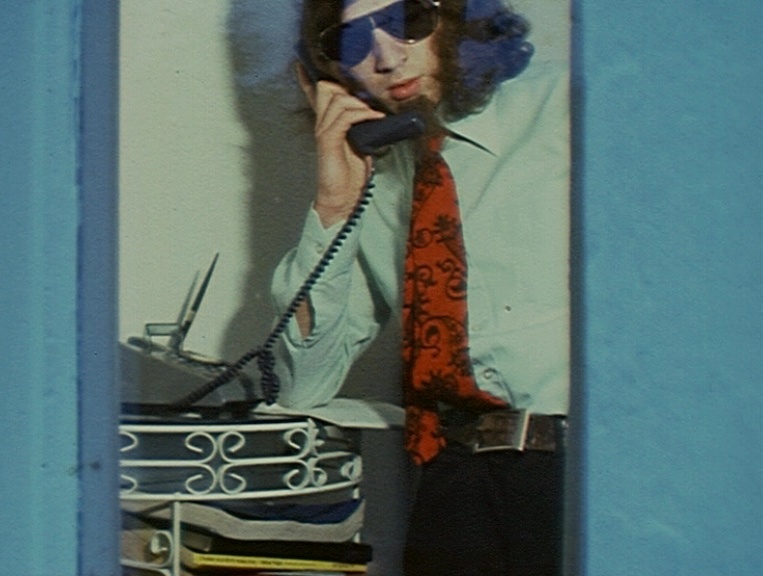
The Cure
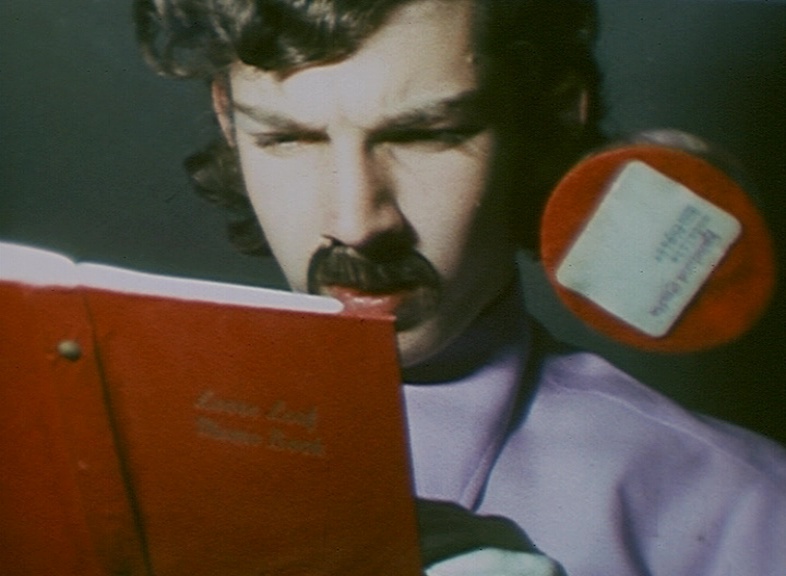
Hand in Glove
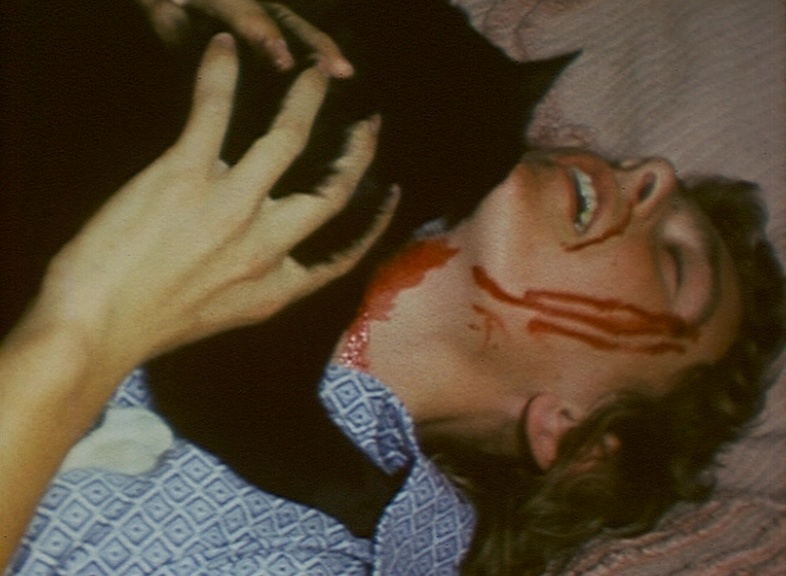
Feline Reincarnate
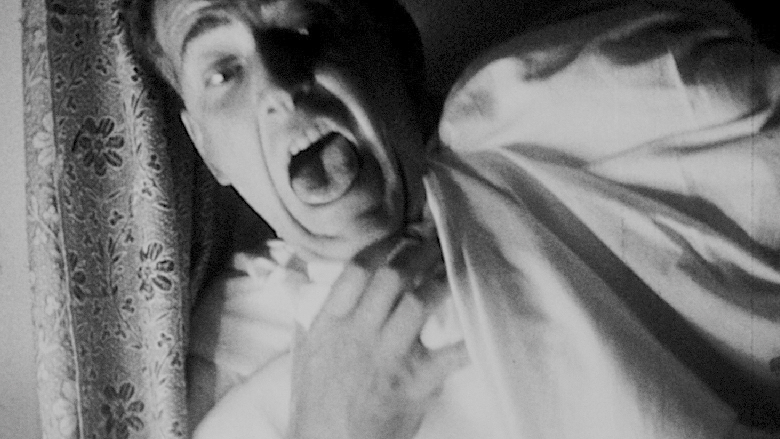
Whistle and I’ll Come to You
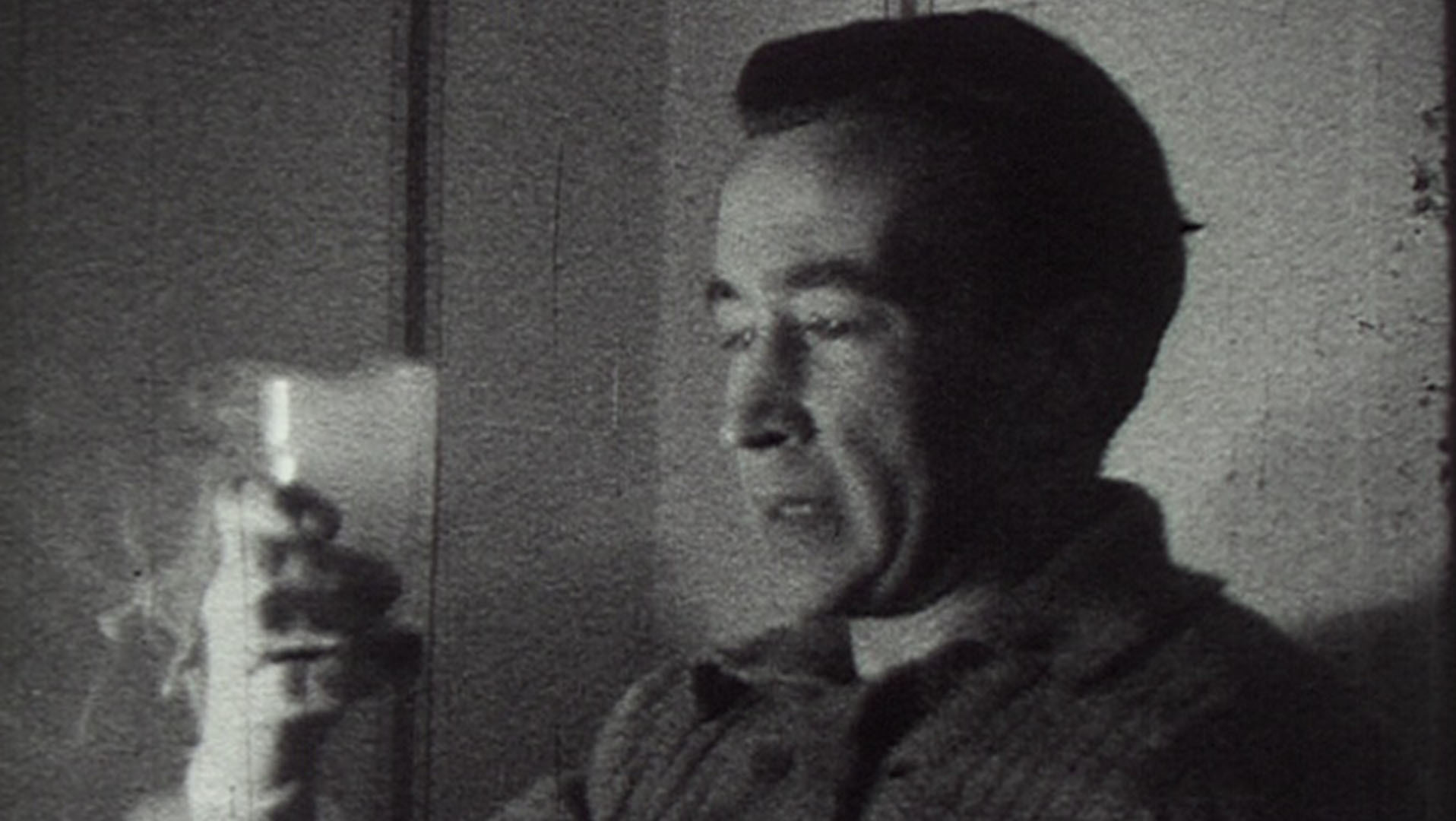
Two-faced Killer: A Modern Thriller
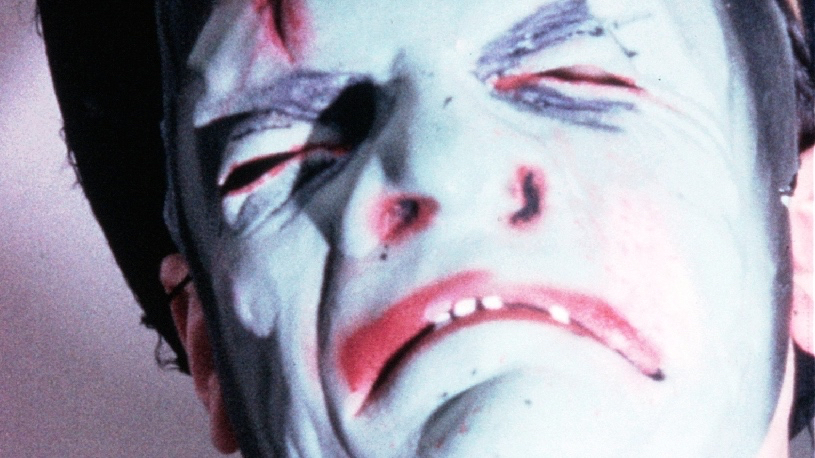
Mirror Mirror
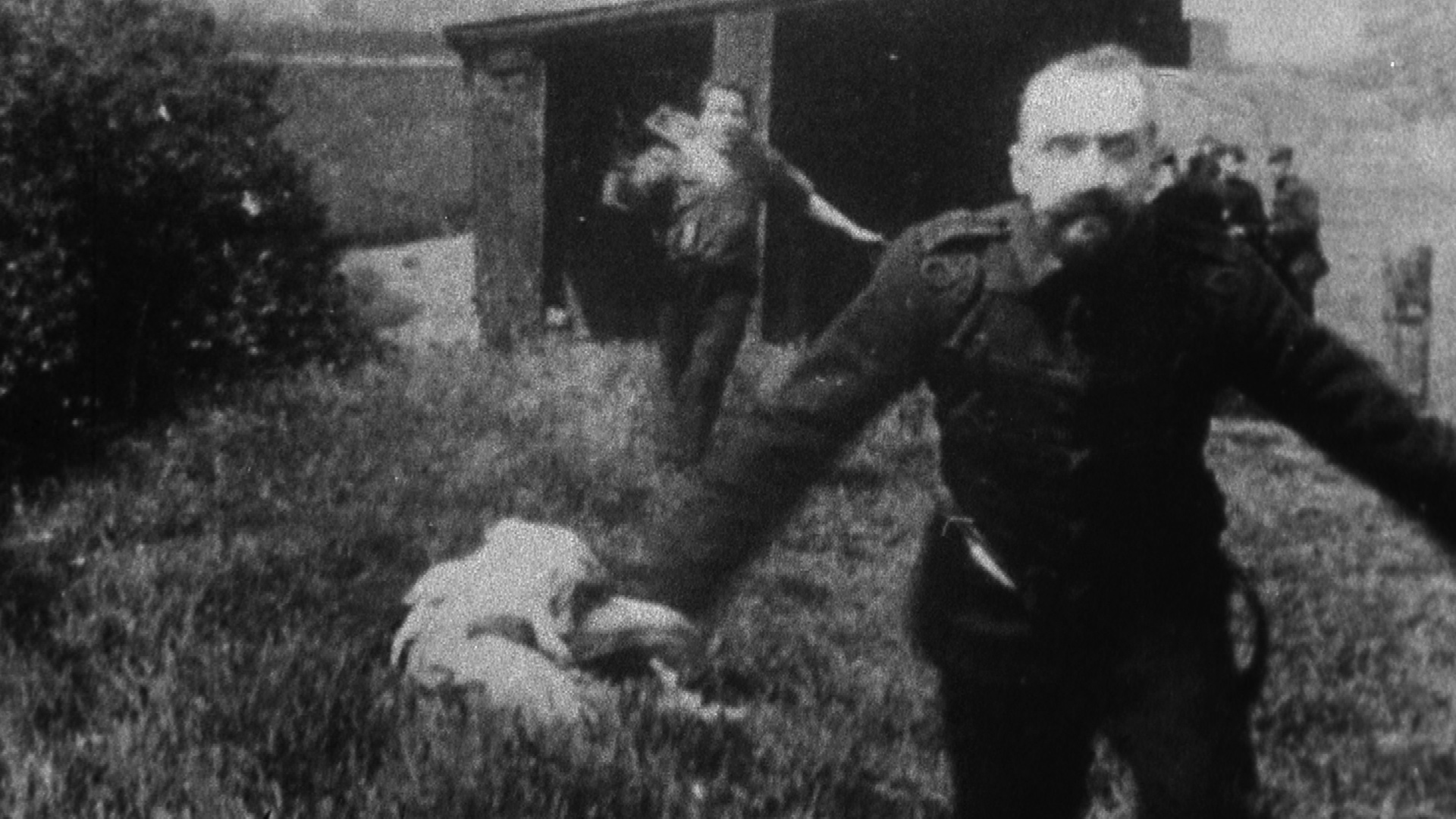
Revenge!
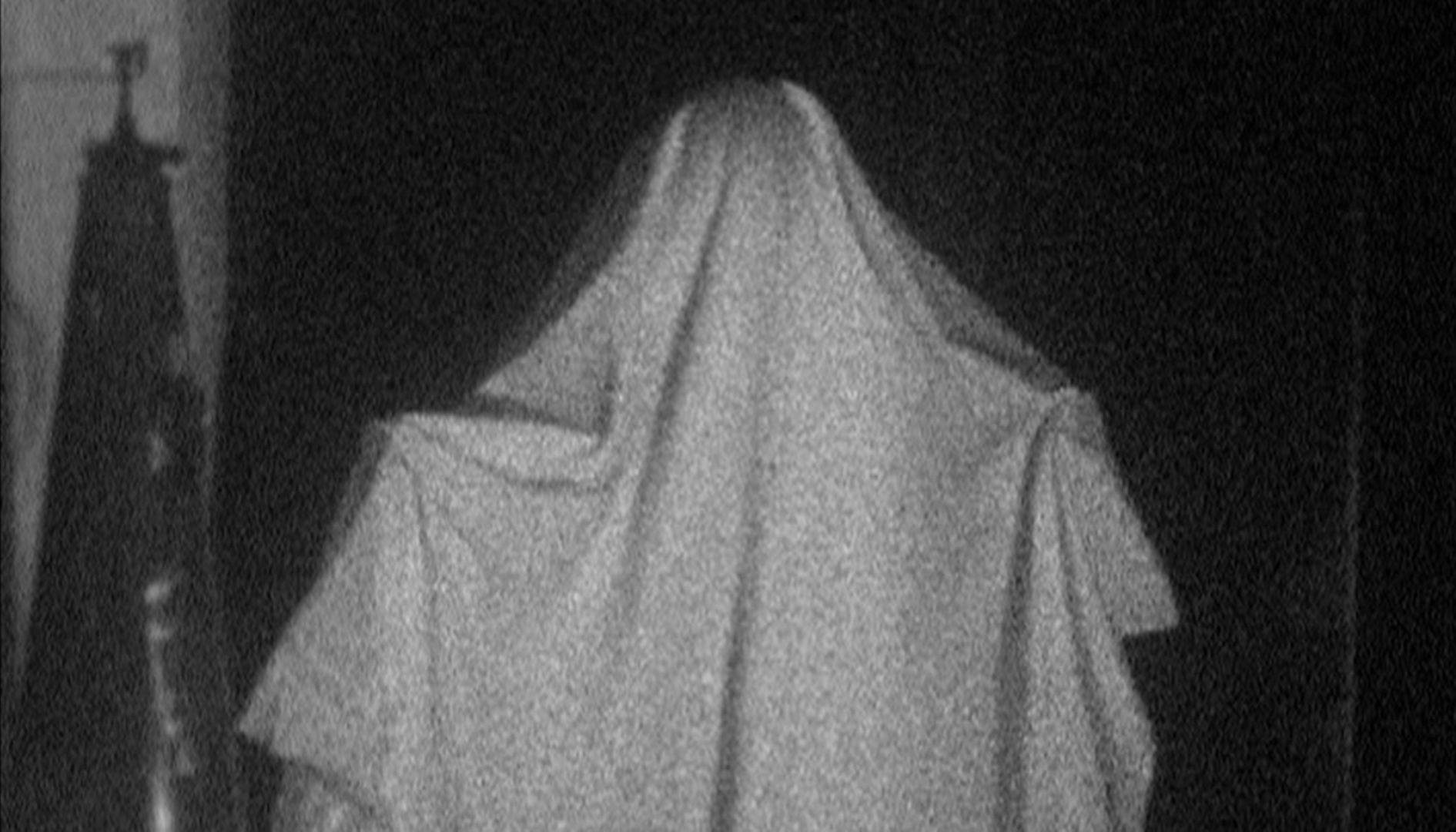
The Haunted School
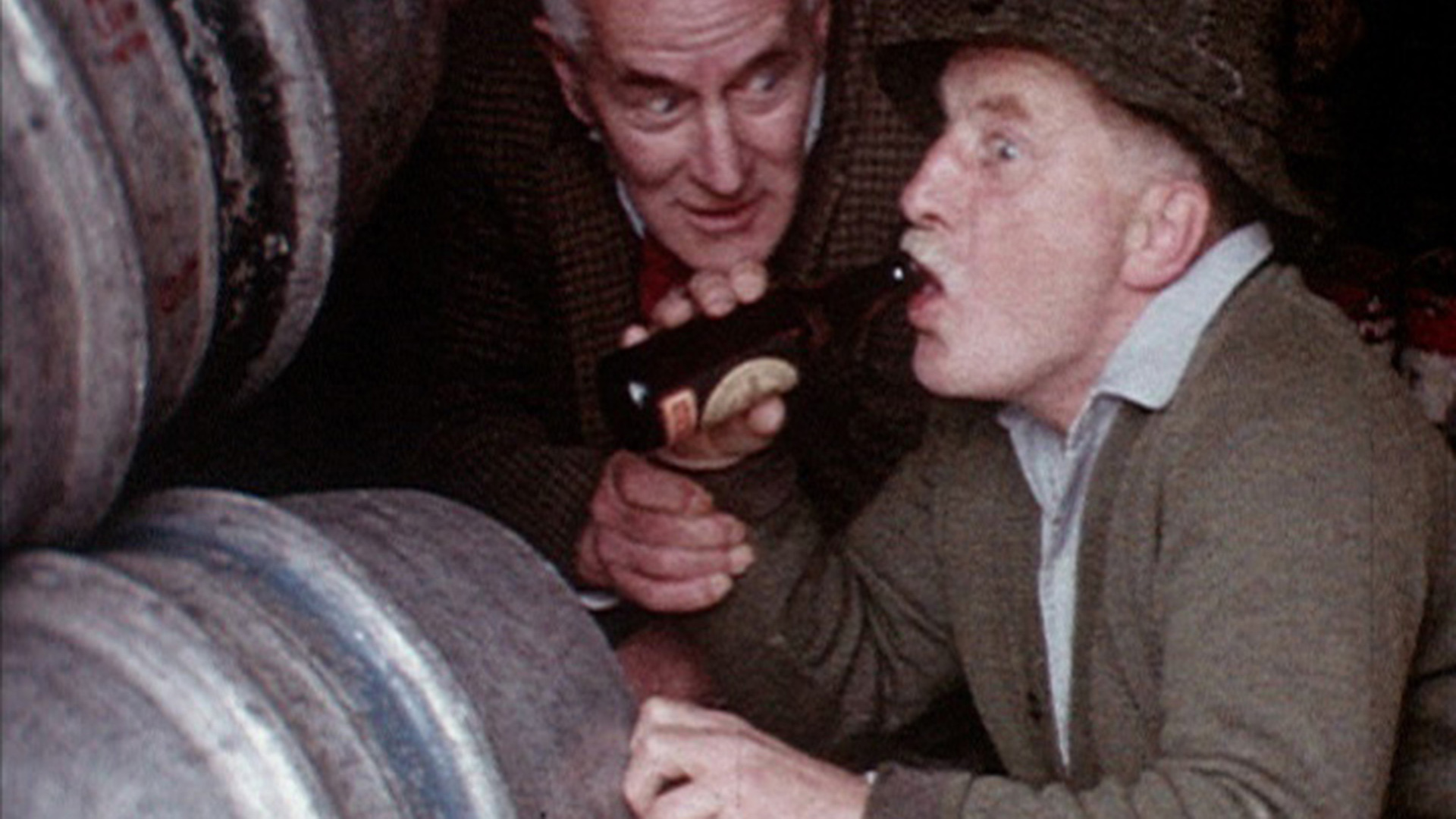
Sodom and Begorrah
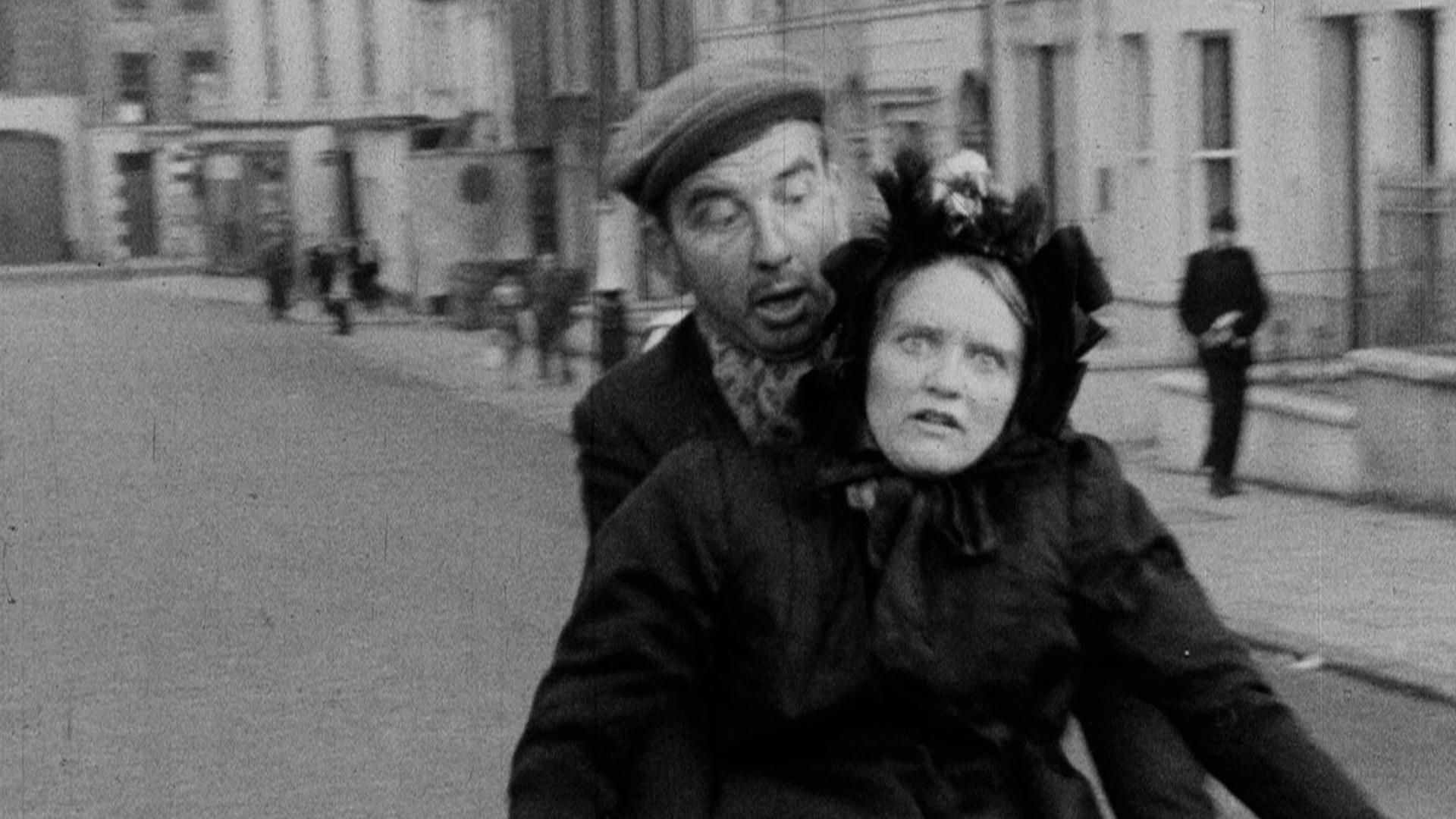
The Fugitive
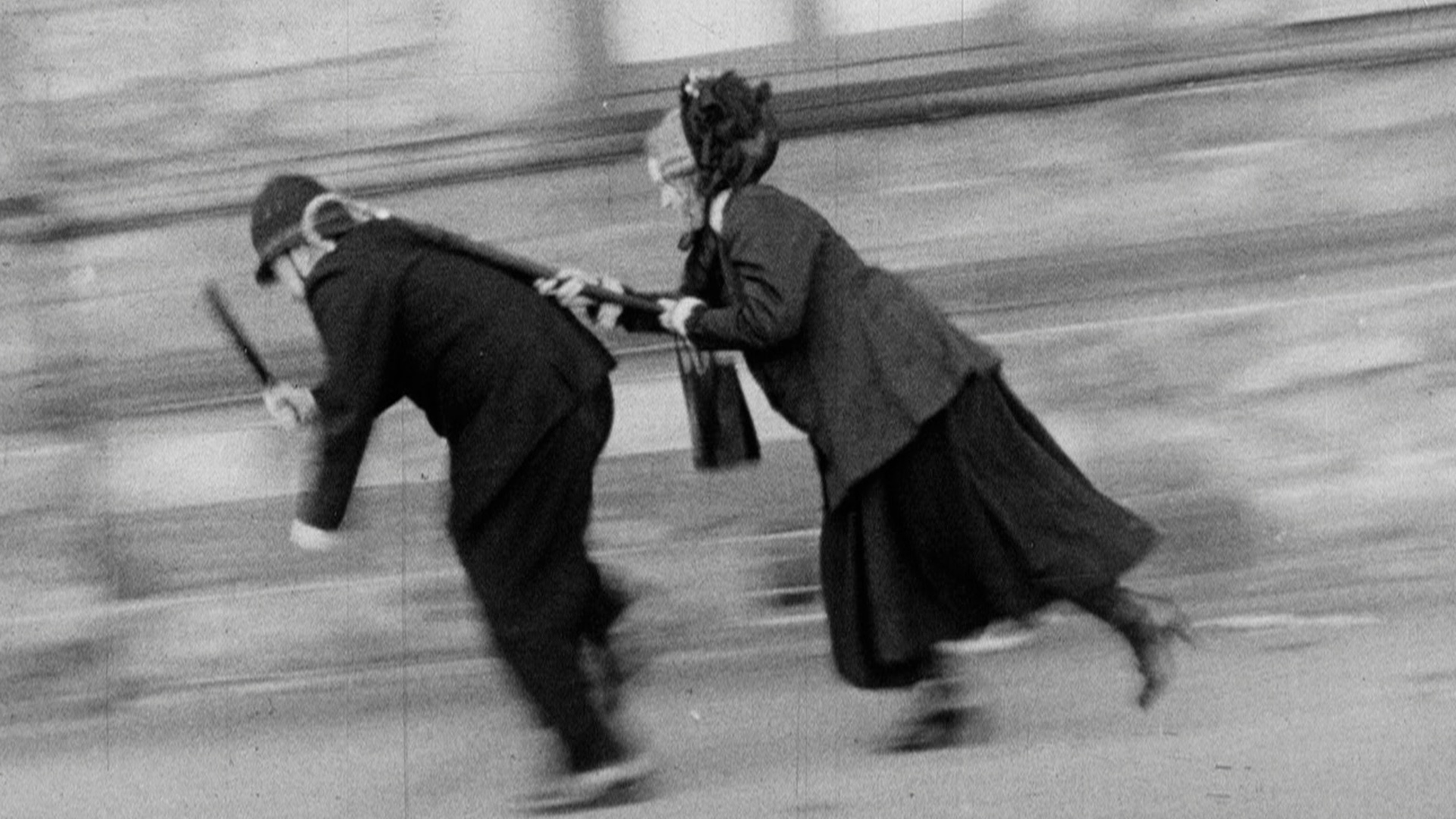
The Man From A.U.N.T.
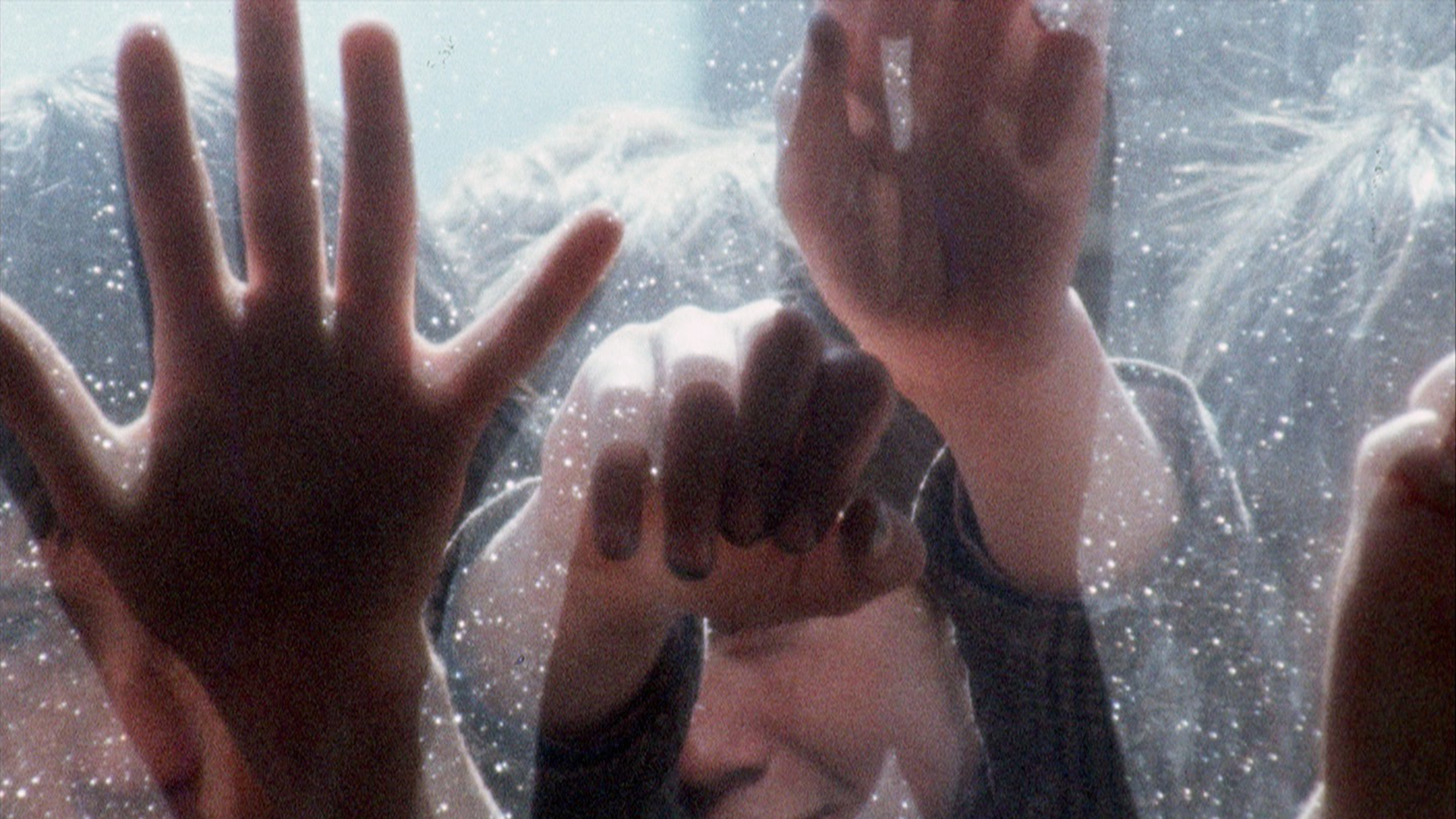
Nebelung
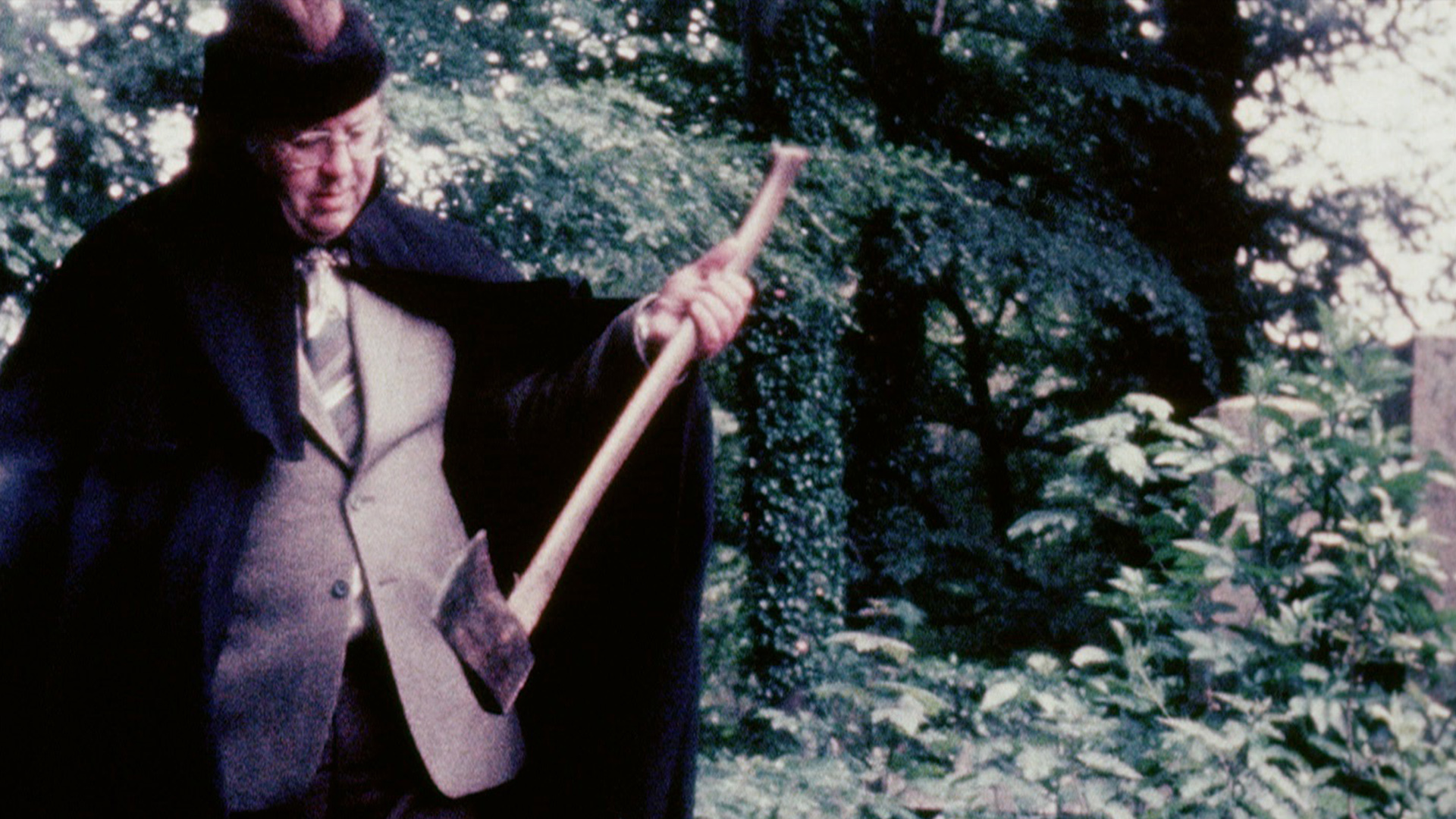
Zwischen
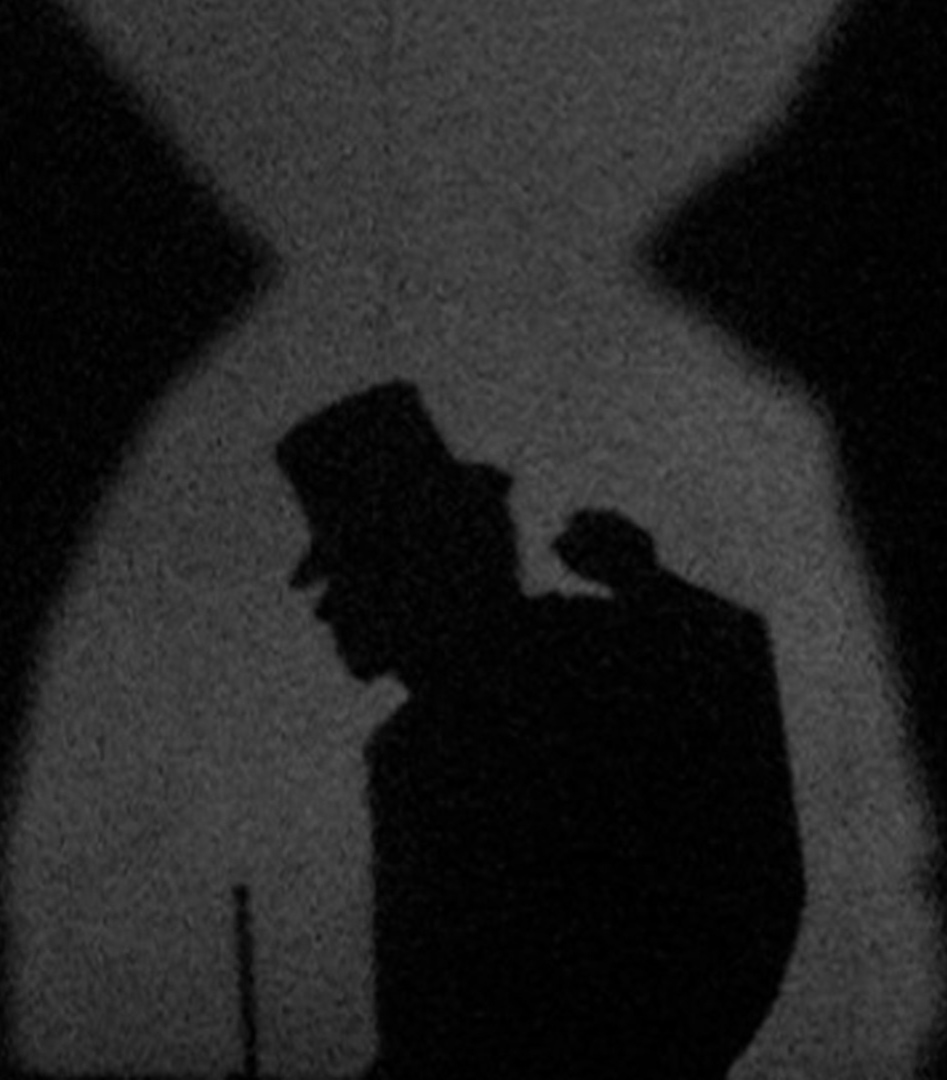
The Coming of the Black Dawn
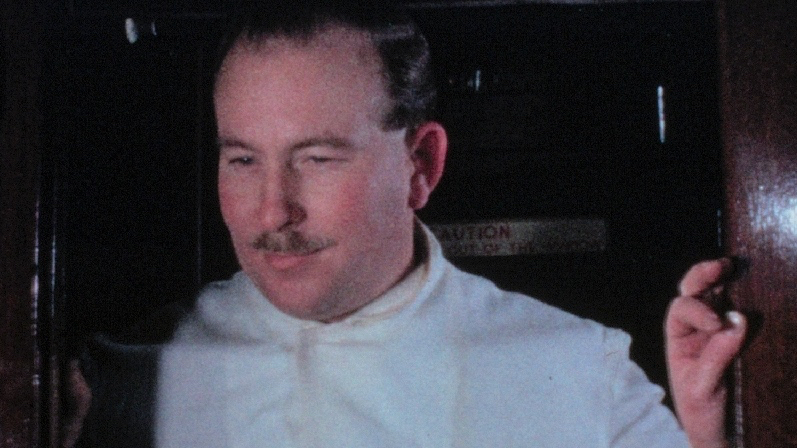
.. And Other Stories
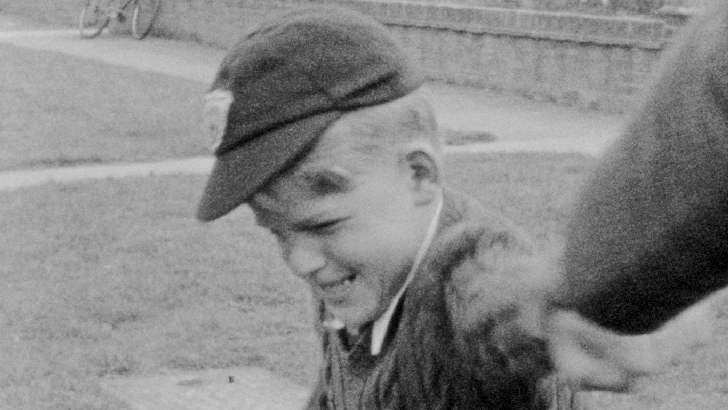
Birthday For Peter
Fatal Shot

Good Turners
All in the Day's Work
Bird's-eye View
Hunted