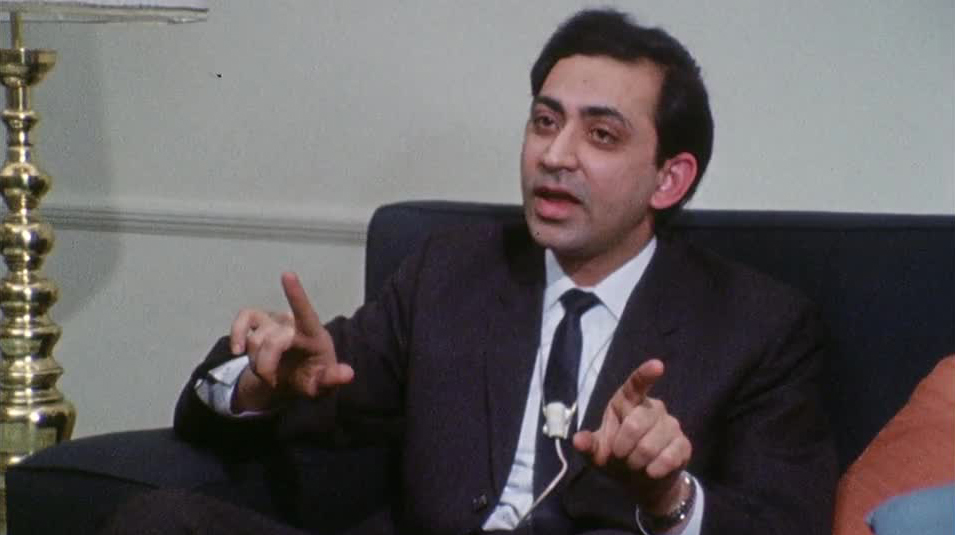
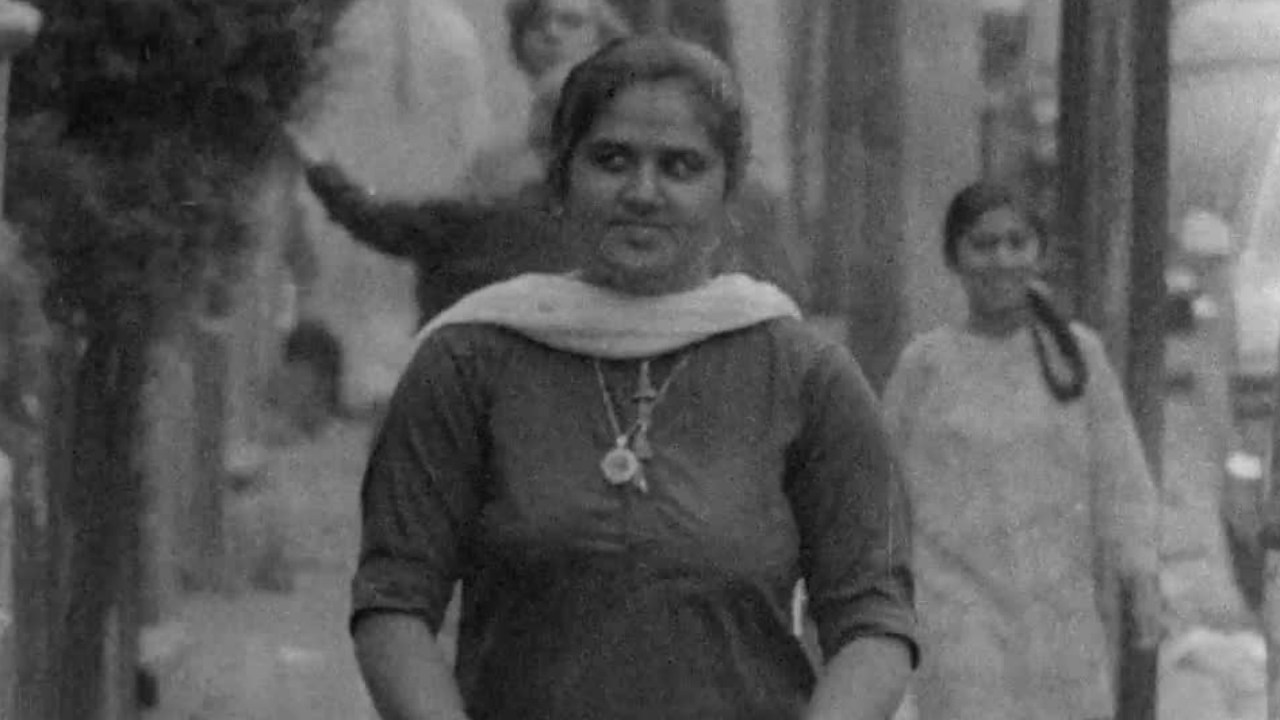
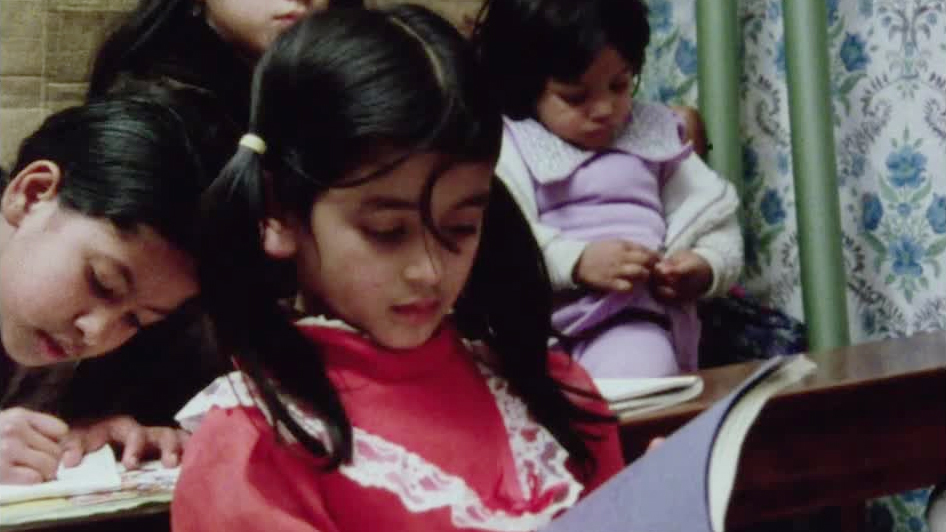
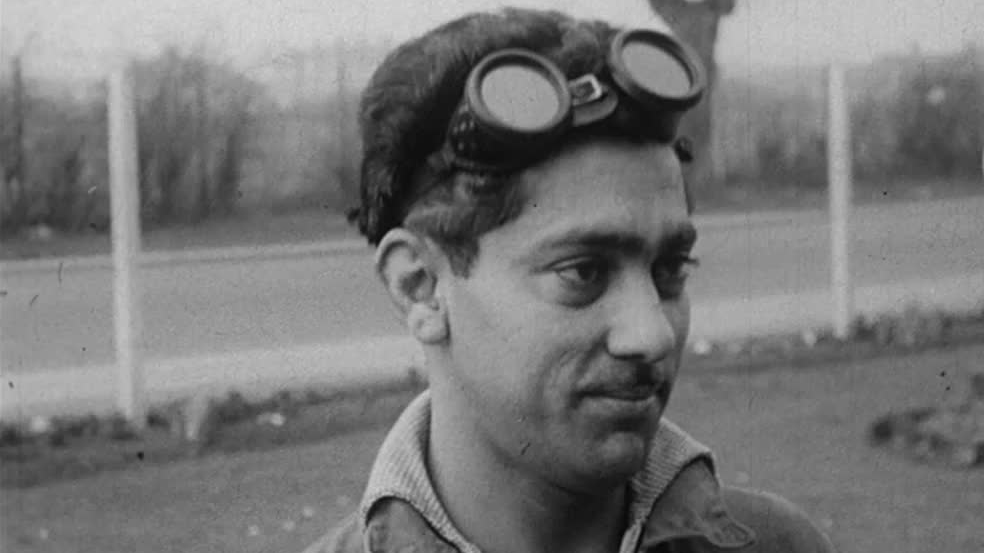
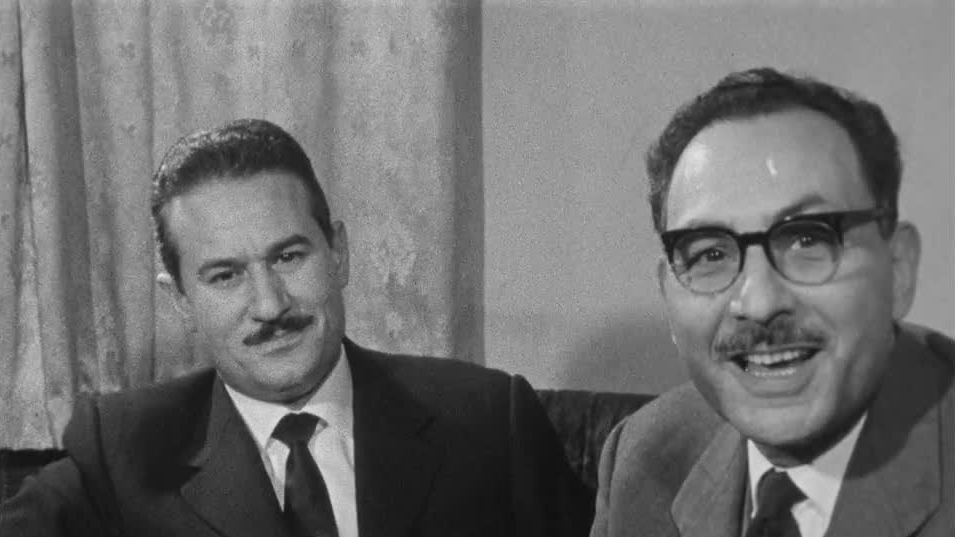
Established in 1992, the South West Film & Television Archive collection spans from 1893 to the present day containing more than 250,000 items. Formed from a variety of depositors, including broadcast news and programmes material from the Westward and TSW archive. In 2018 the archive collection transferred to The Box in Plymouth.
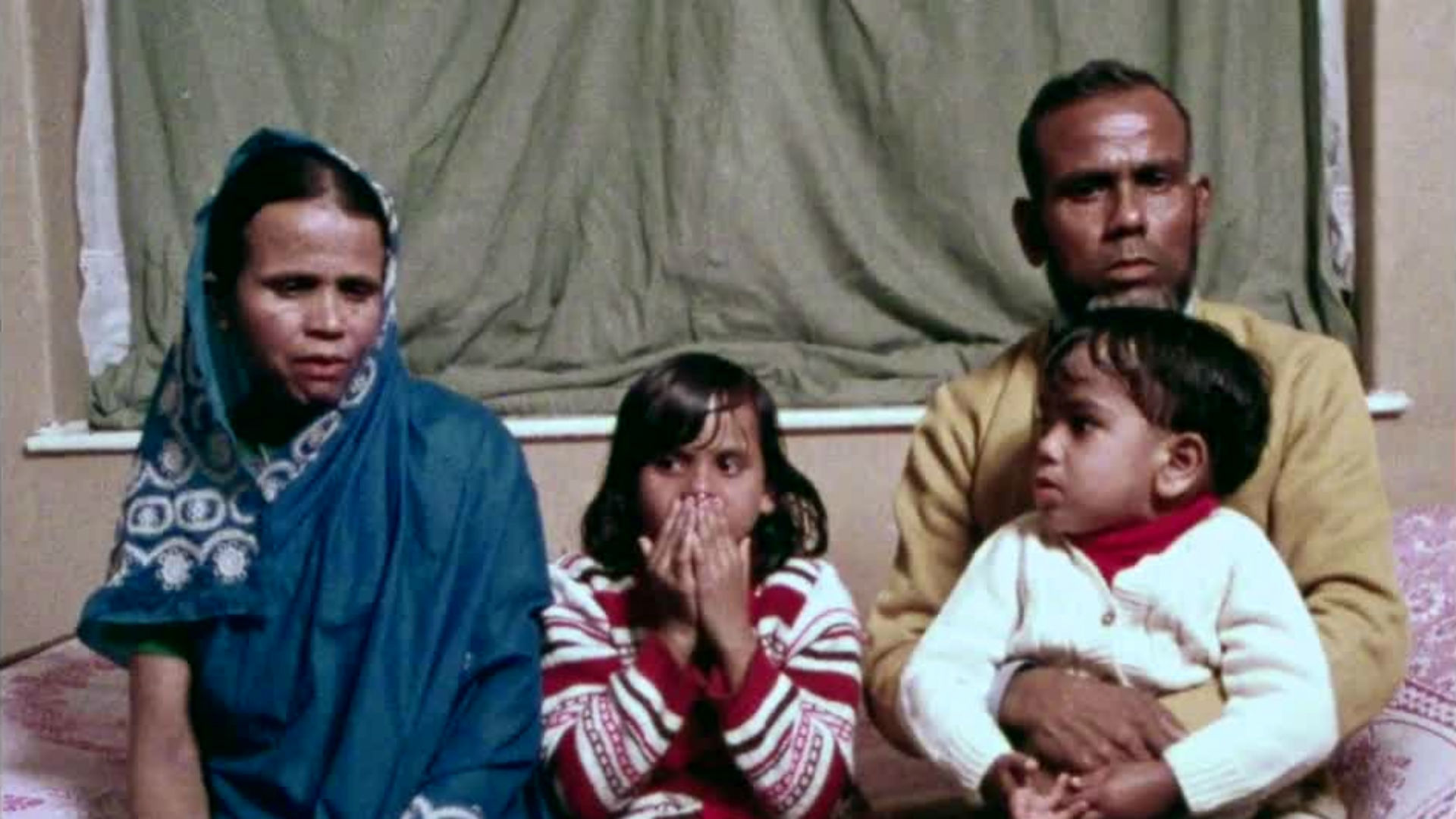
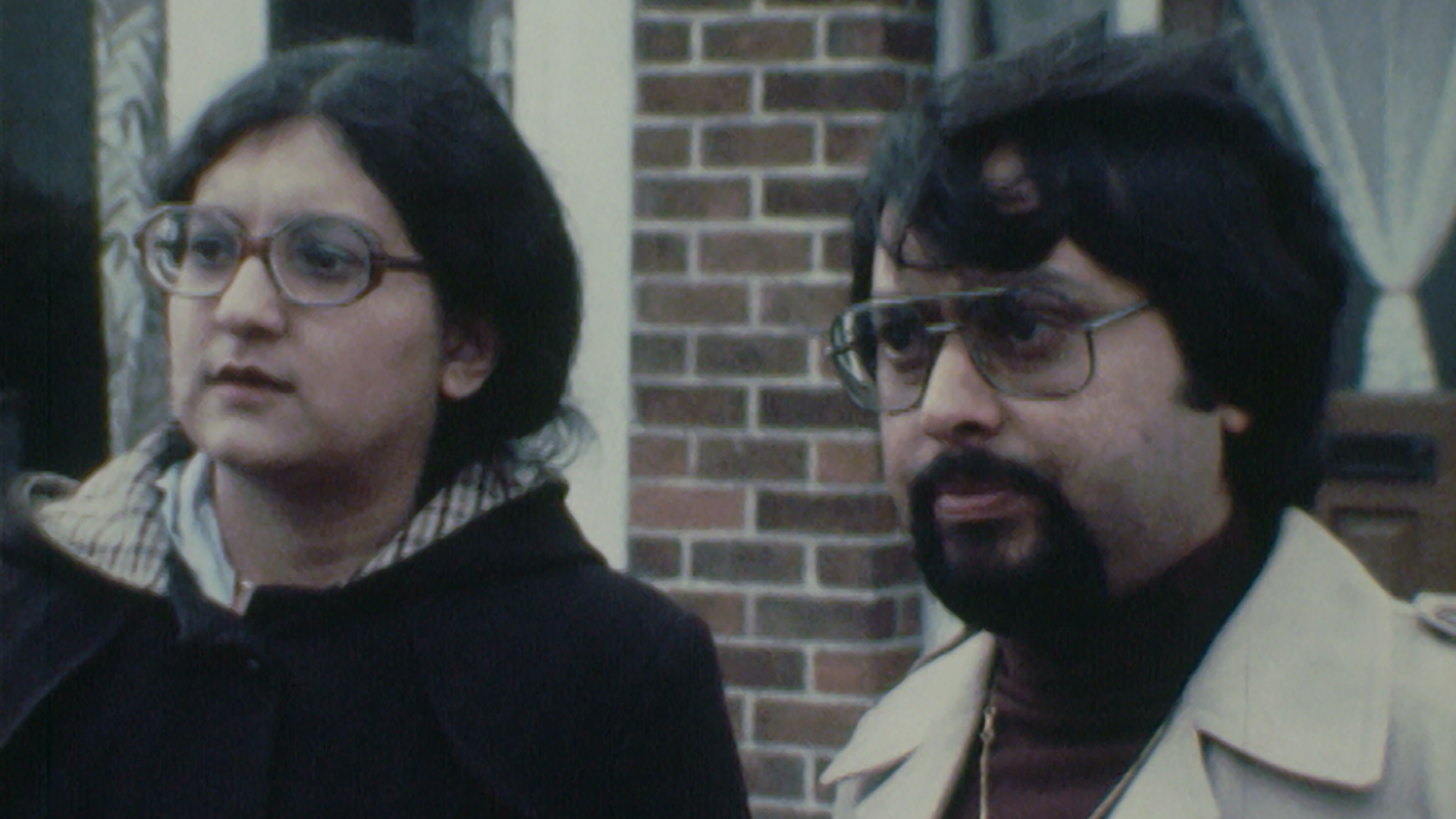
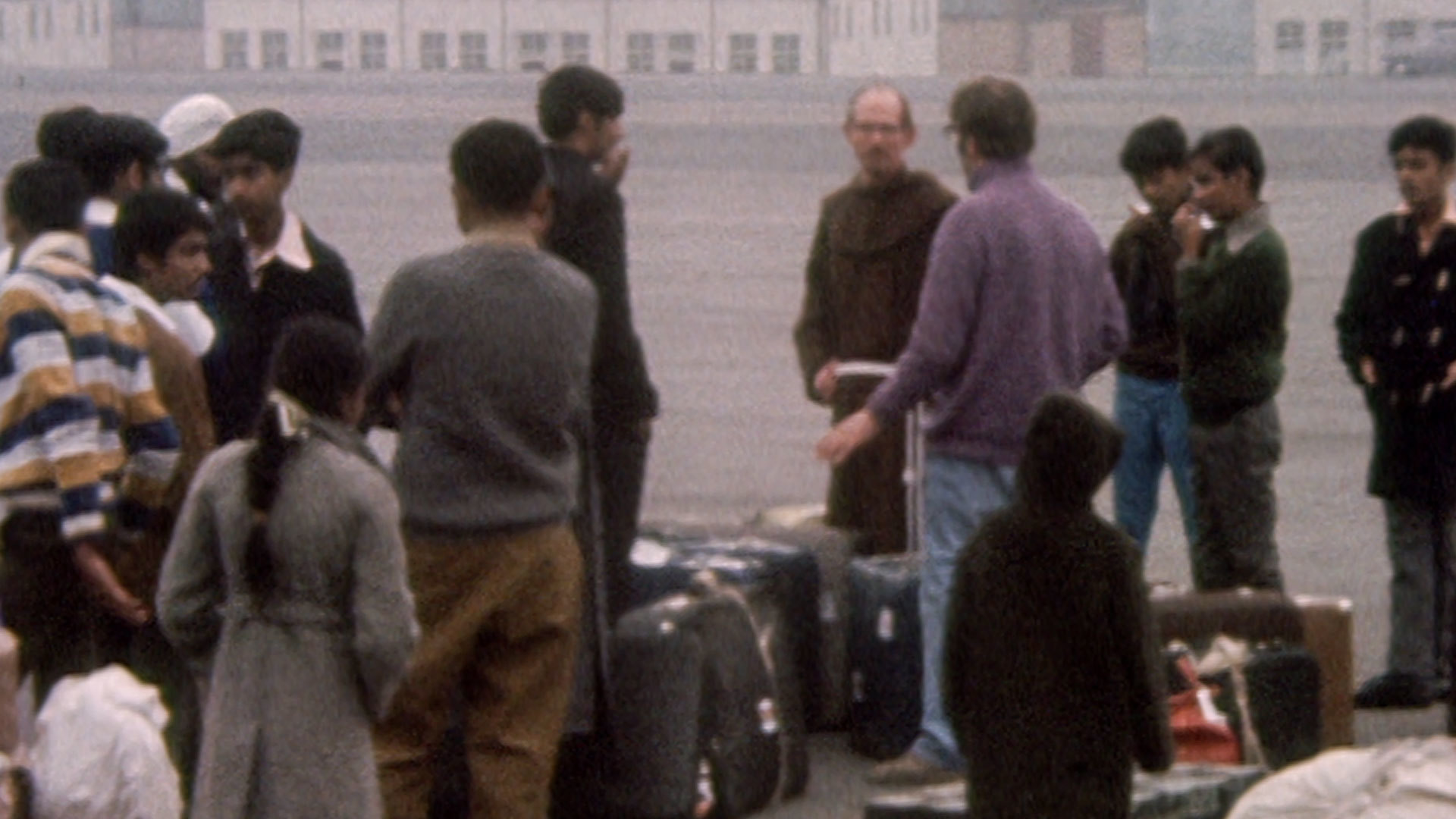
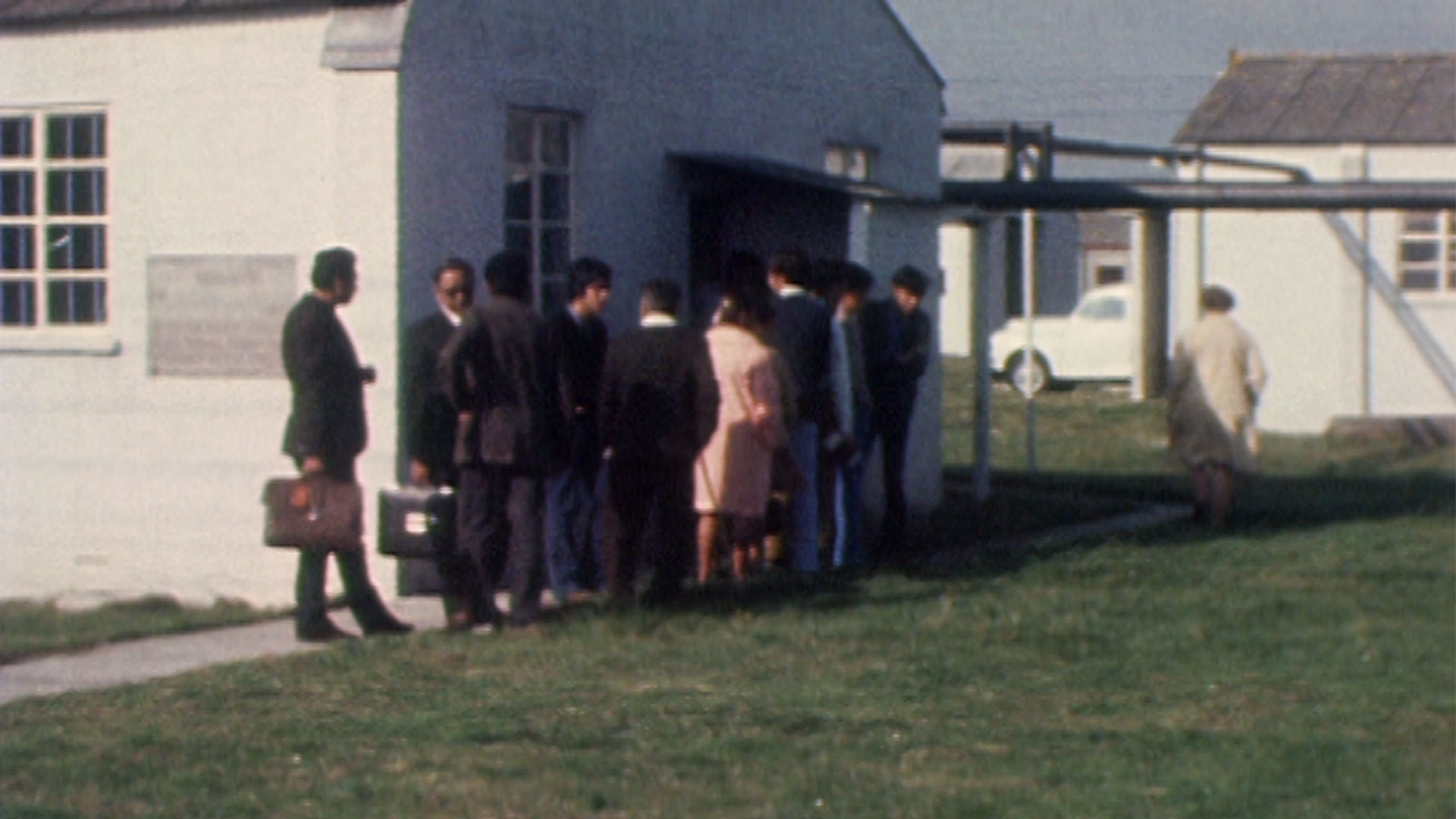
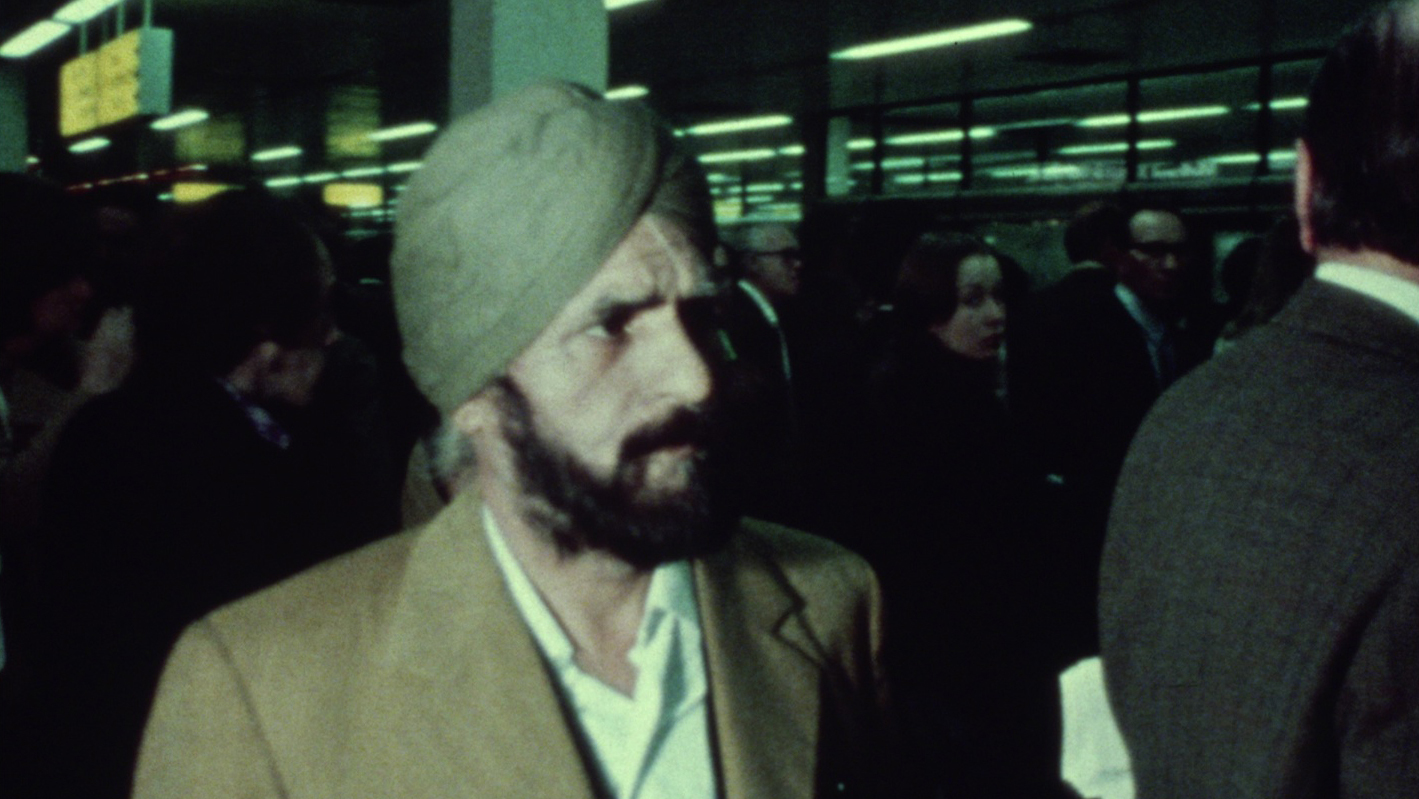
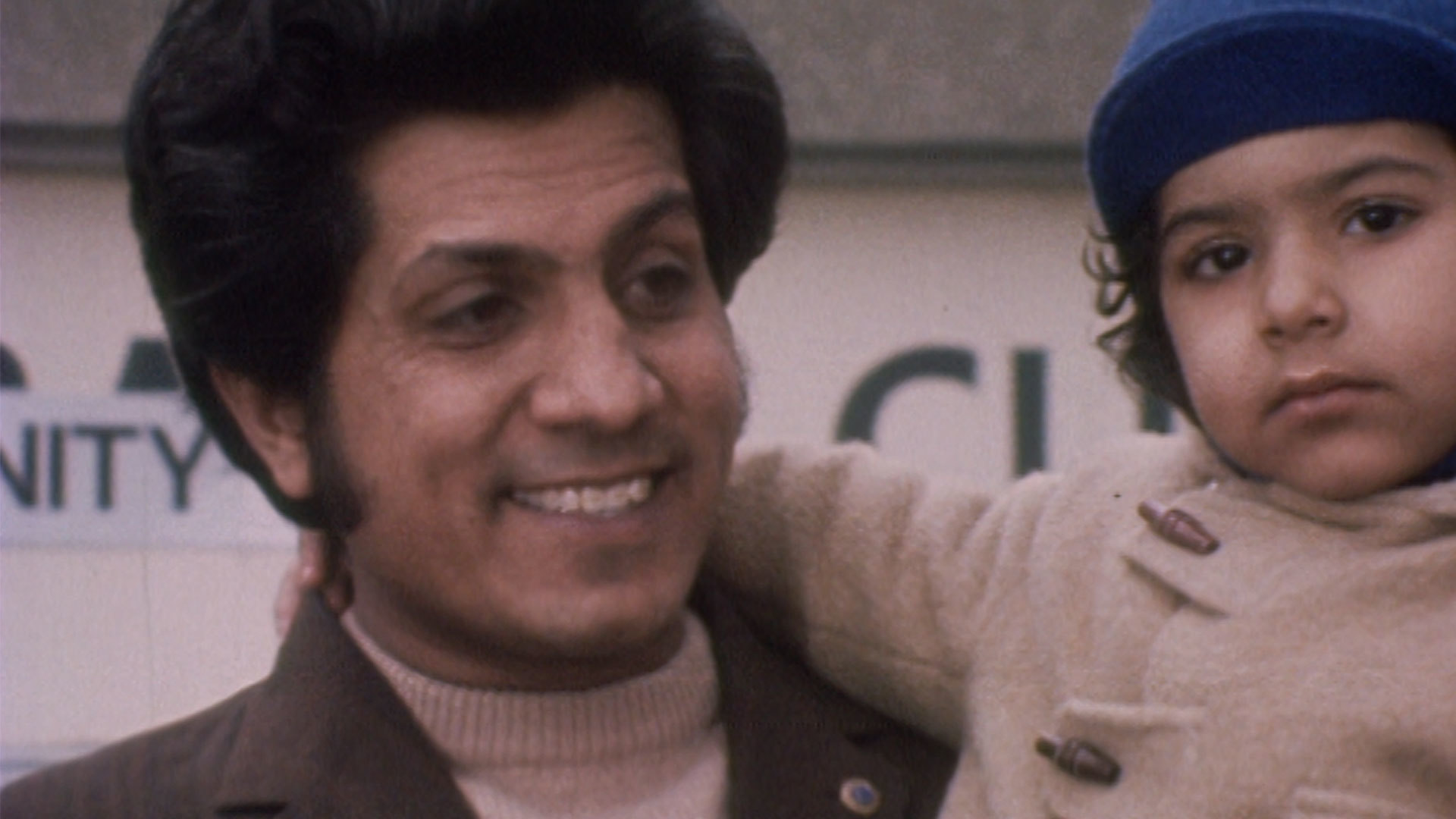
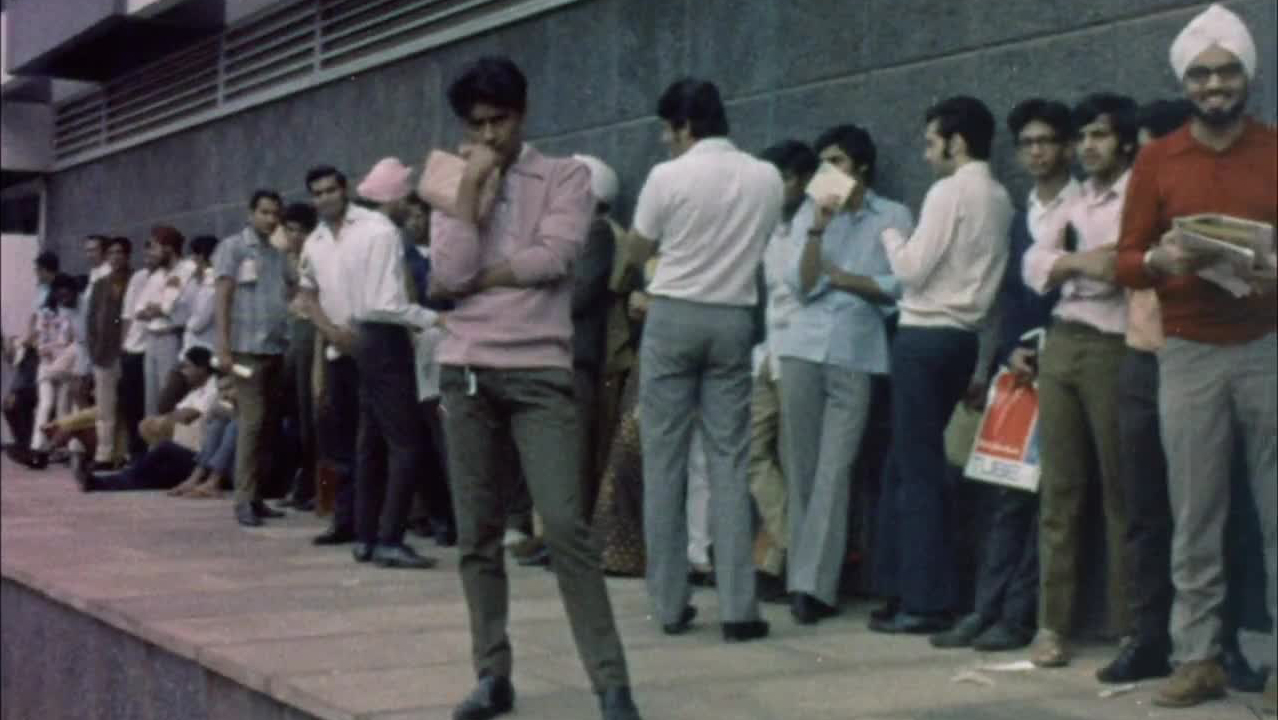
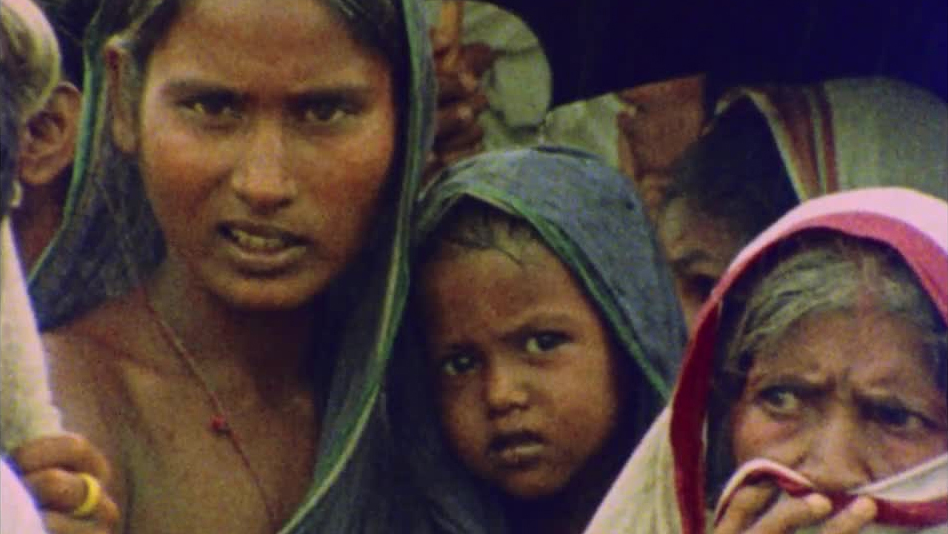
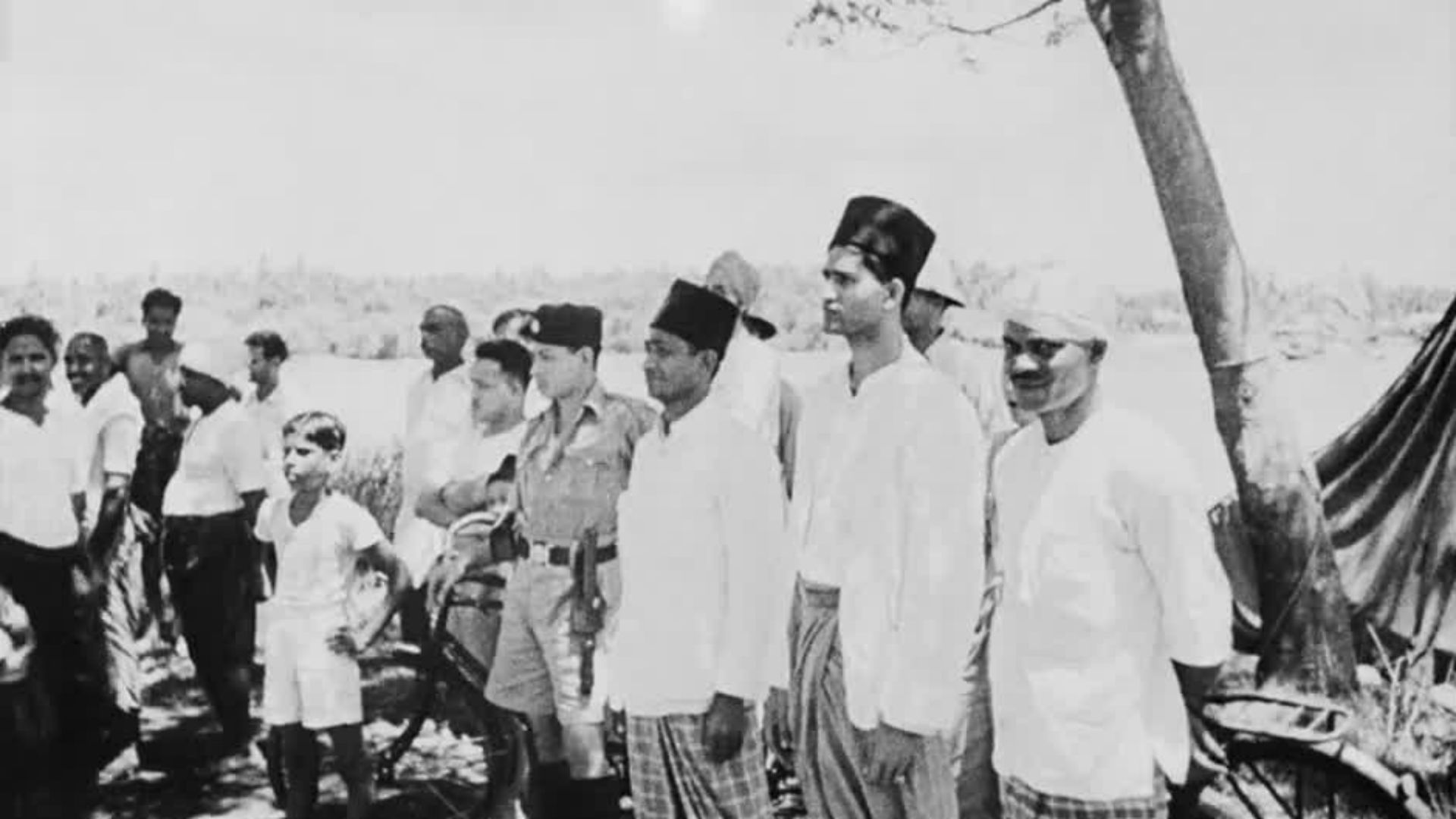
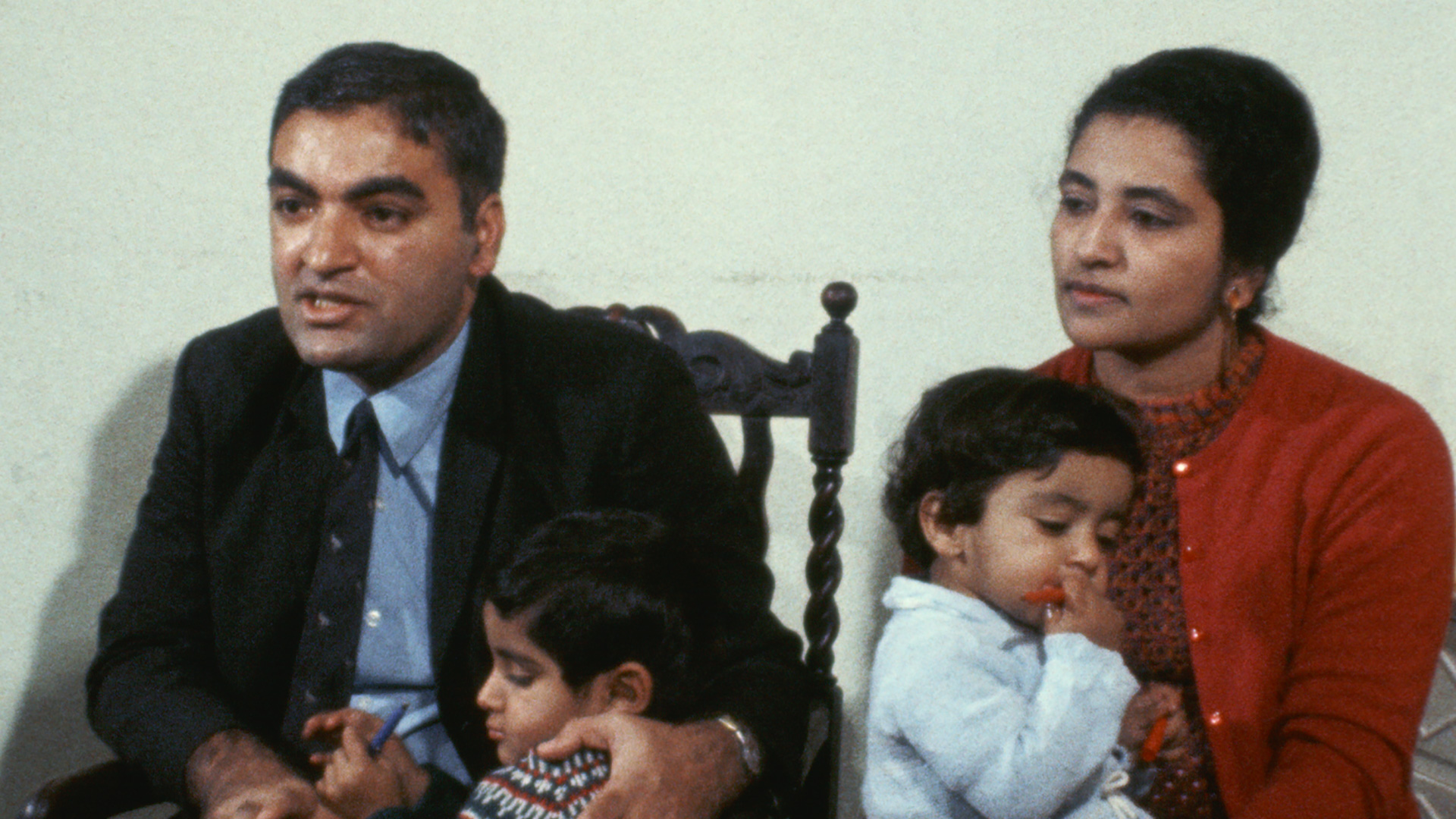
Ugandan Asians at Plasterdown Camp
The plight of refugees expelled from Uganda is highlighted.
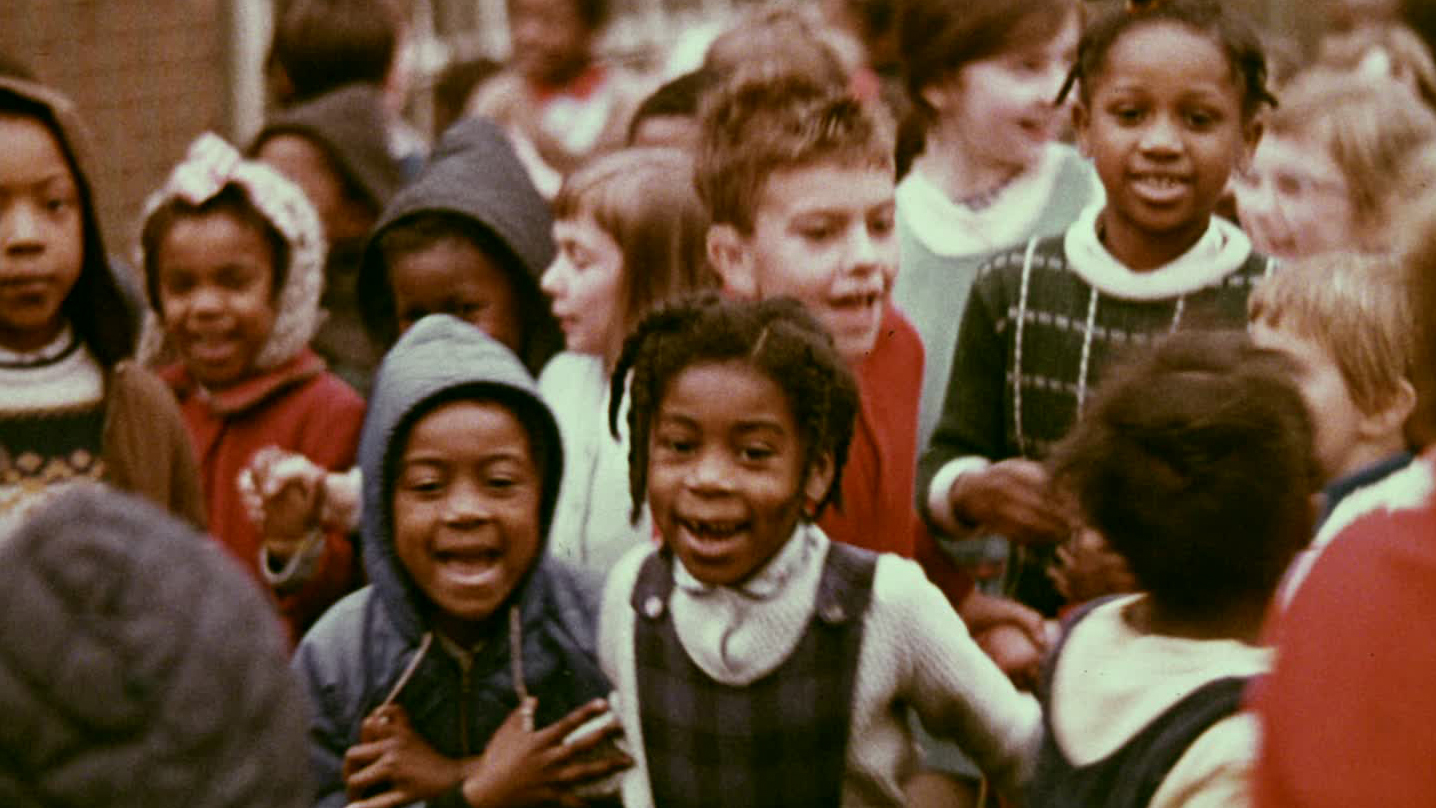
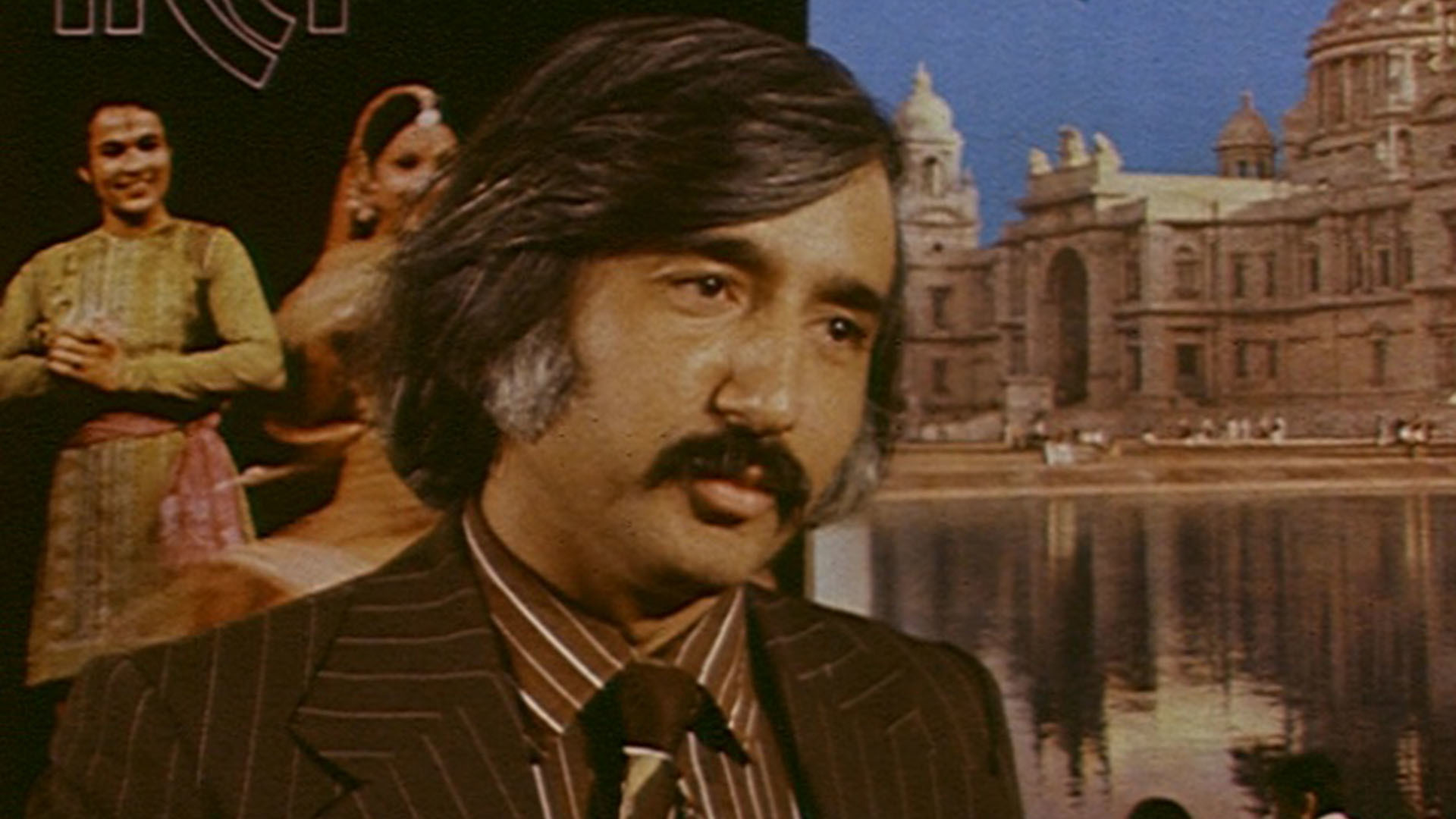
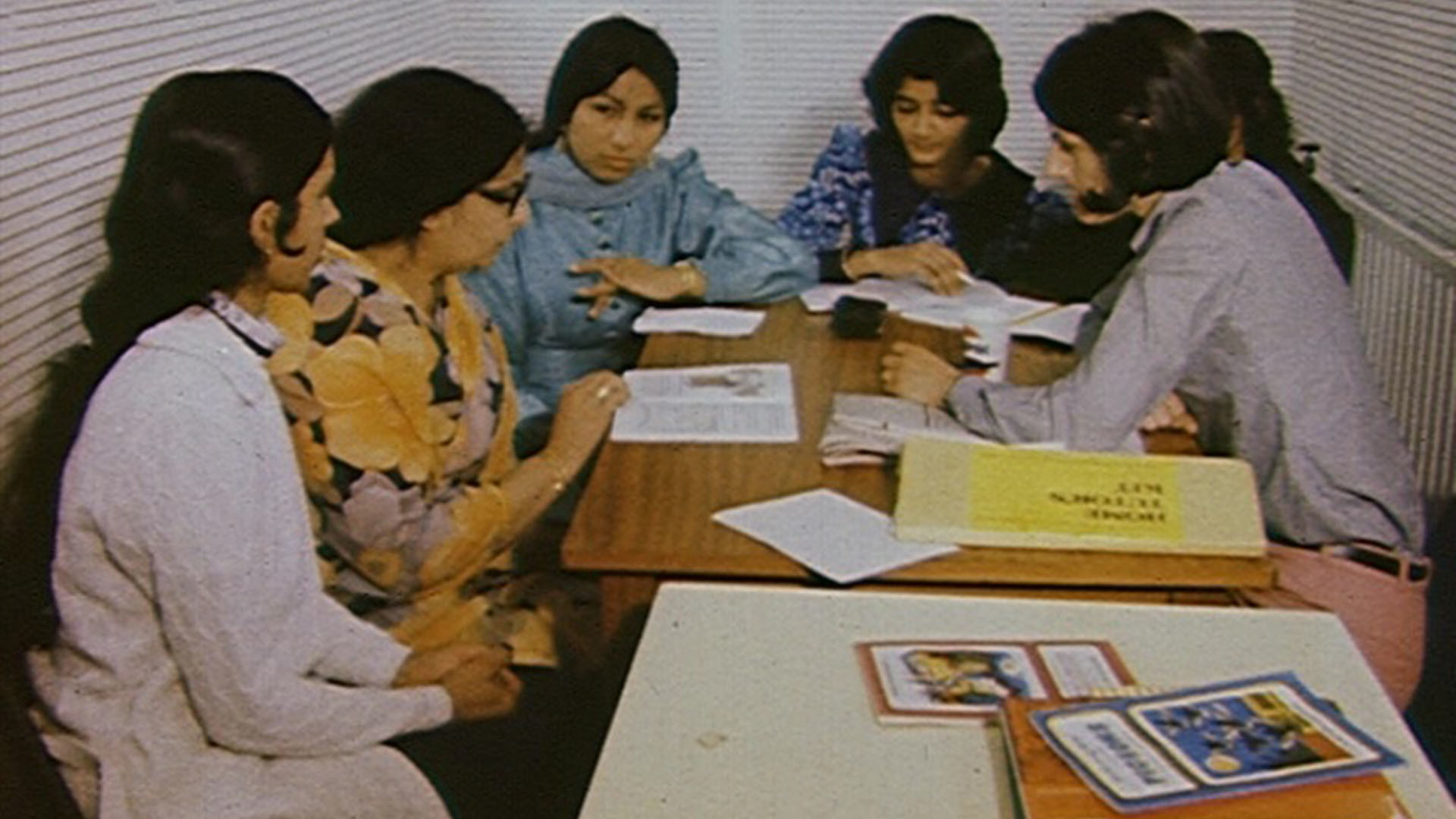
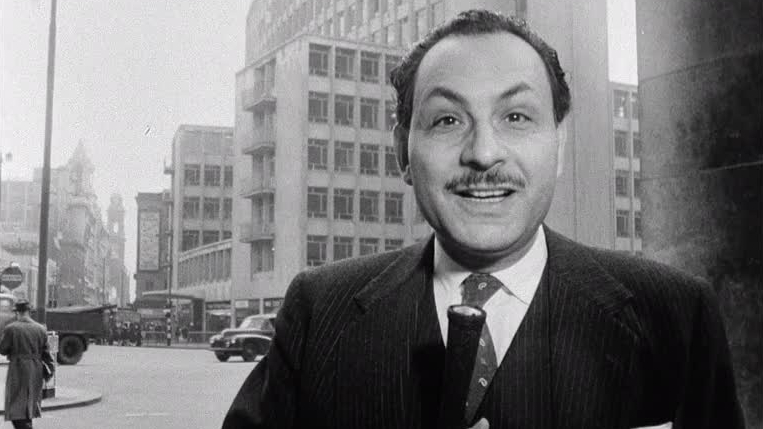
TV reporter Lawrie Quayle reports from Plasterdown Resettlement Camp at Okehampton in Devon on the arrival of Asians from Uganda. In August 1972 the then President of Uganda and brutal dictator Idi Amin gave Ugandan Asians ninety days to leave the country. Amin supported ethnic Ugandans and felt threatened by an educated Asian elite many of whom were bankers, civil servants, factory and land owners.
The Resettlement Board aimed to help the displaced population find work and housing and an integration programme was set up. An estimated 27,000 Ugandan Asians were resettled in the UK with some returning to Africa many years later. Others went to host countries including Canada, America, India and some European countries. The military training camp of prefabricated tunnel-shaped Nissen huts was built at Plasterdown at the outbreak of the Second World War and served as a hospital, a prison and a refugee camp. In 1976 the camp was demolished. The 1951 United Nations Refugee Convention and 1967 protocol extension to non-European refugees seek to protect the rights of displaced populations.
Discover a rich history reaching back over a century as we celebrate South Asian communities and culture across Britain.
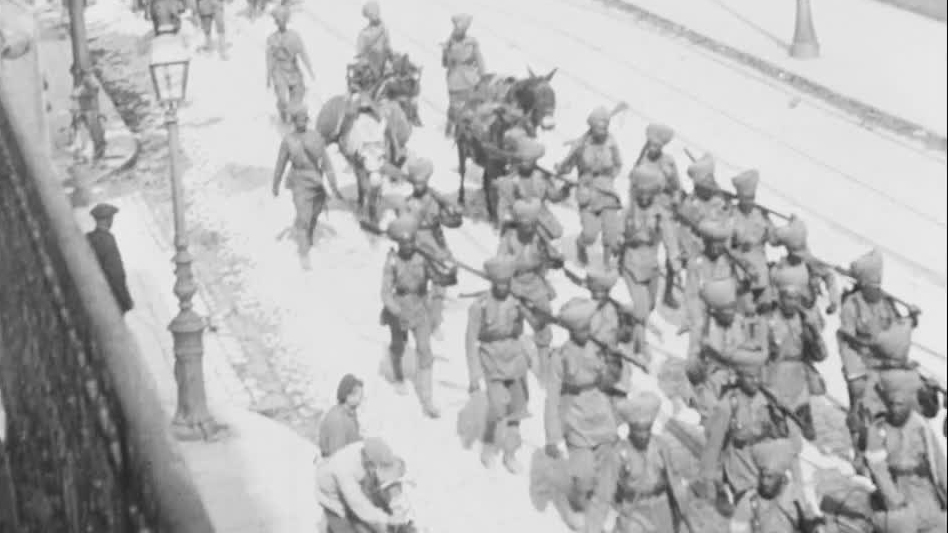
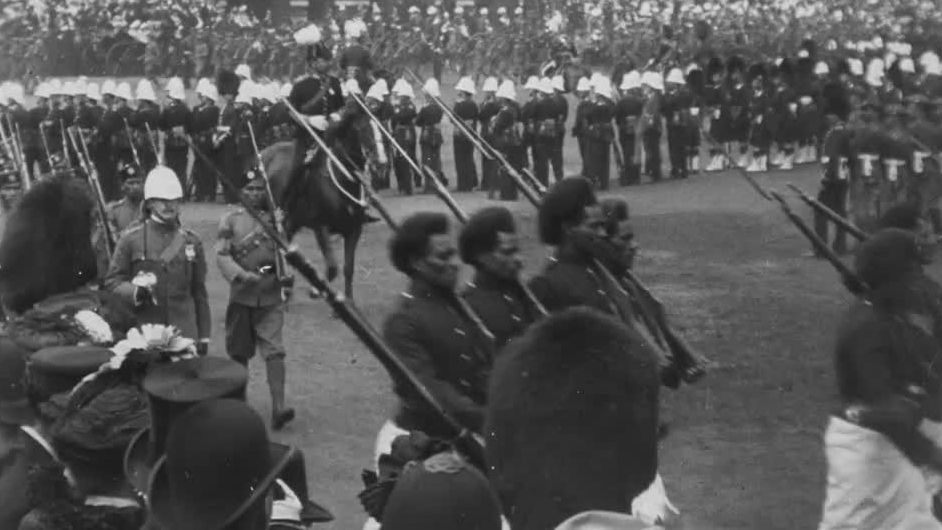
From local news to feature film, through home movies and TV documentaries, this collection showcases South Asian Britons in front of and behind the camera. The contribution of colonial troops is illuminated through the earliest newsreels, while hardhitting current affairs programmes highlight the struggles faced in the 1960s, 1970s and beyond. Public information films produced for South Asian audiences feature alongside Hindi-language films made in Britain and interviews with prominent Asian-British figures. A bold wave of British Asian filmmaking in the 1990s is represented through early works by the likes of Gurinder Chadha and Asif Kapadia.
74 videos in this collection
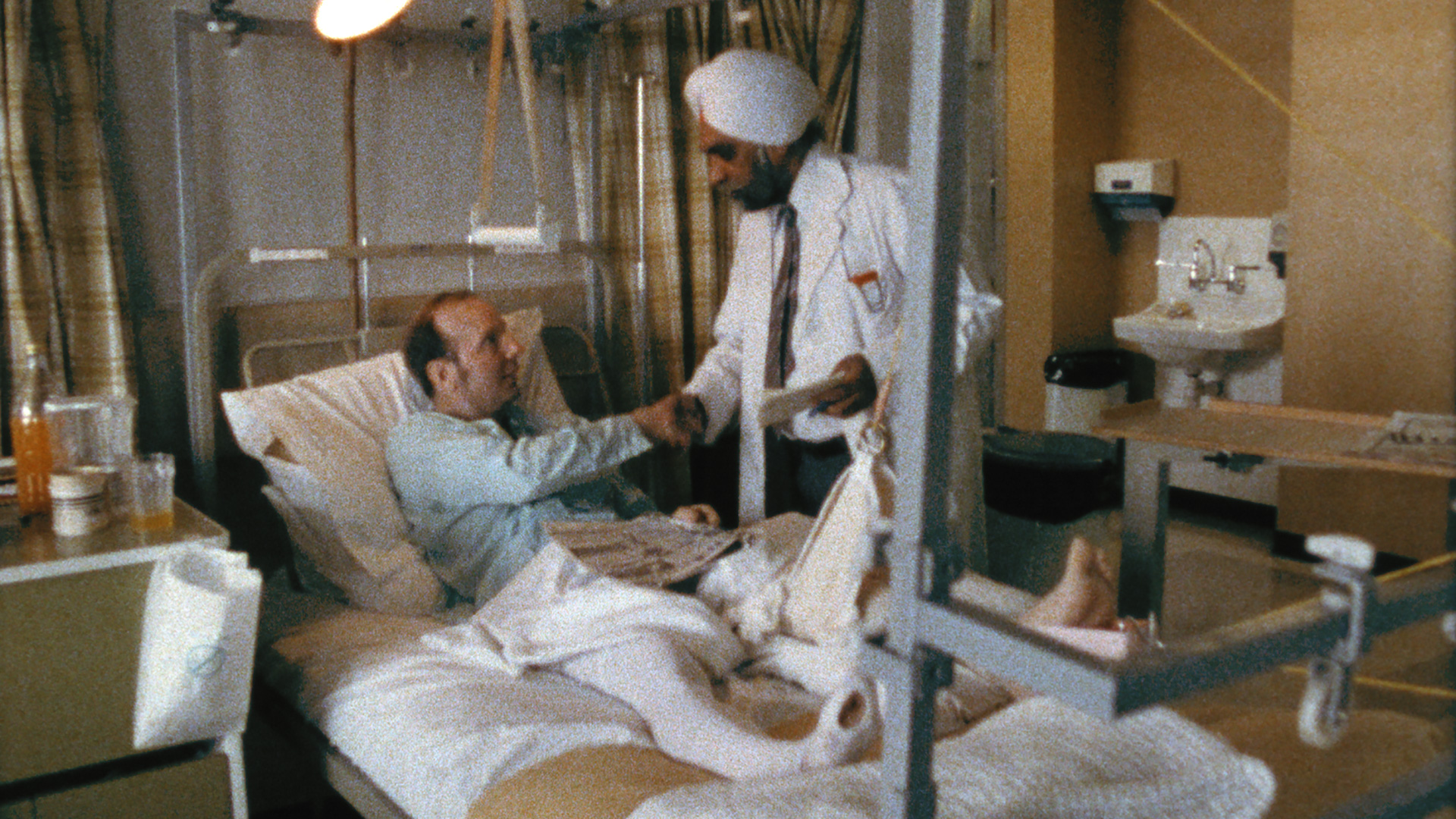
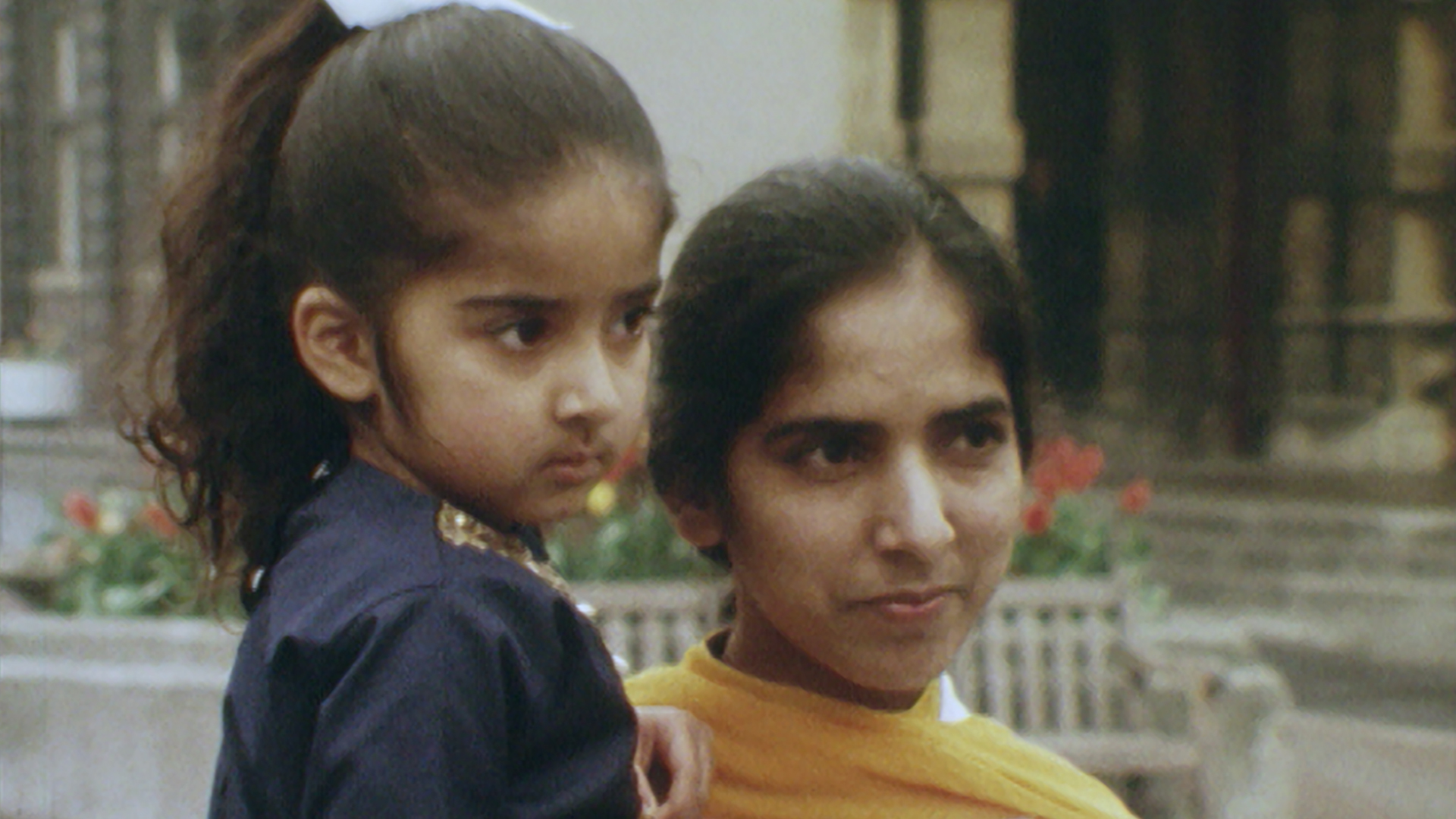
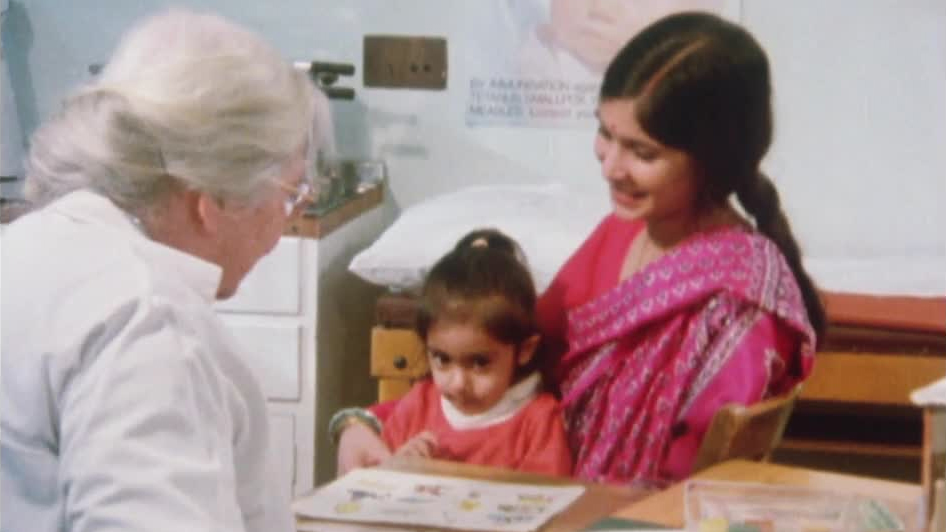
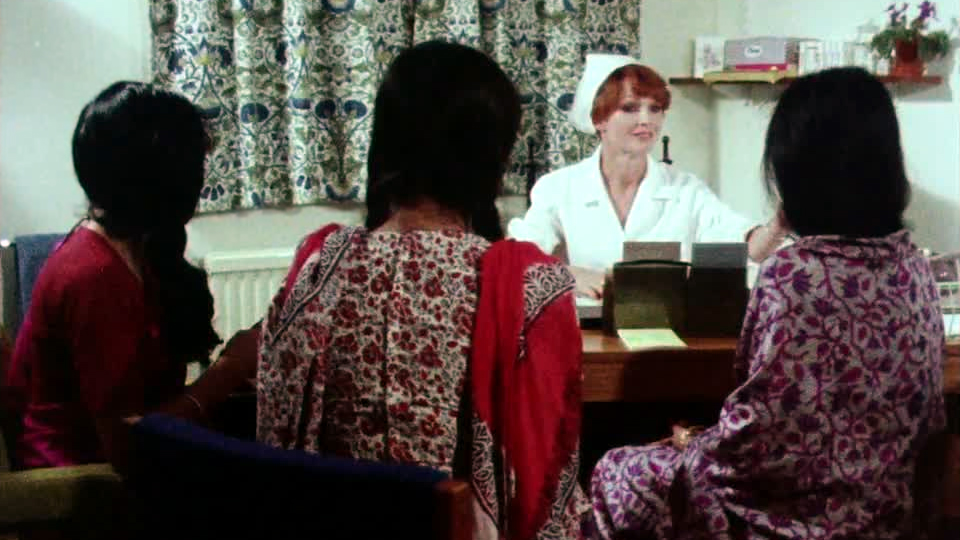
Sikh Matron
Kinver
1985
The Referee
1976
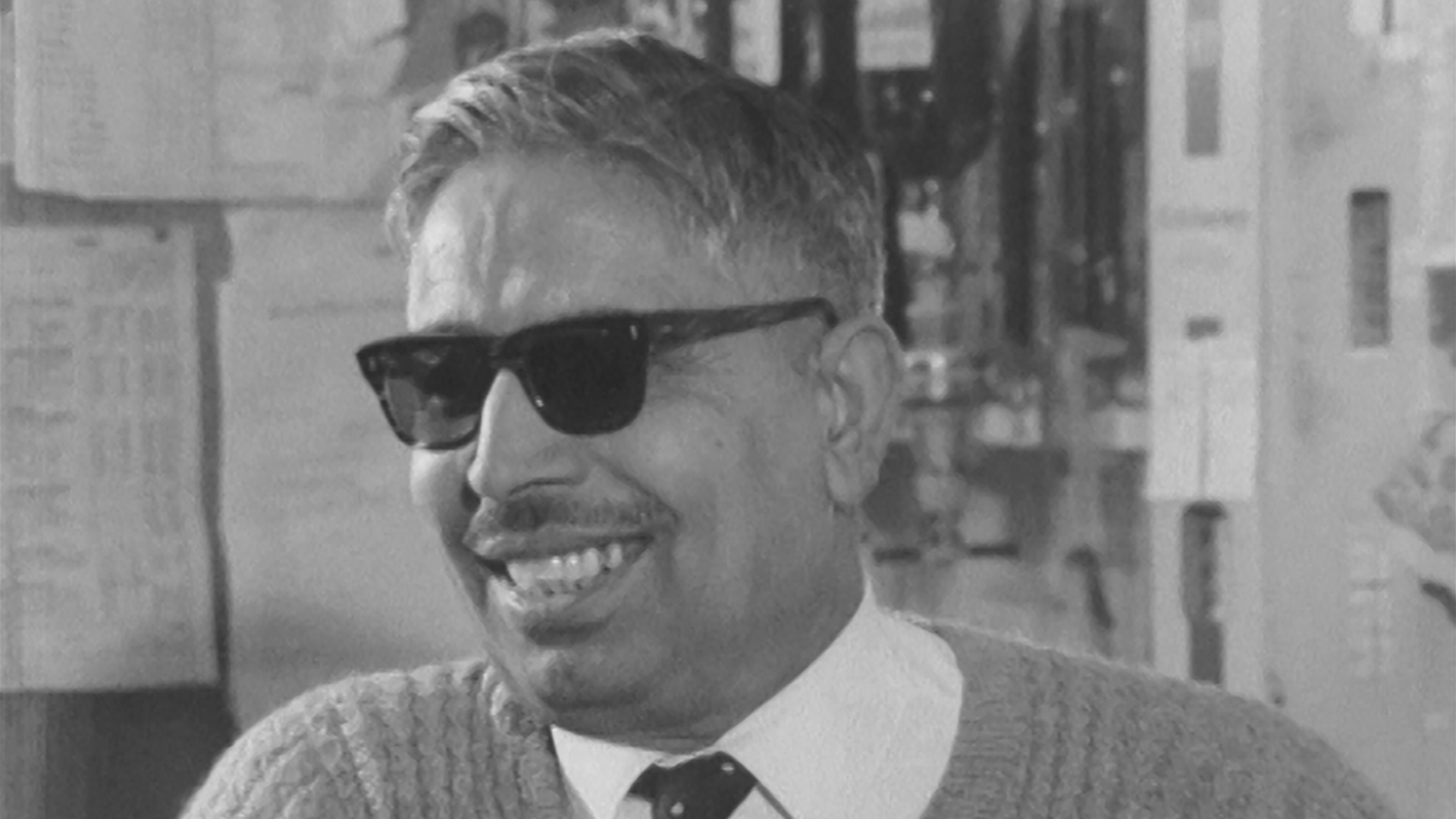
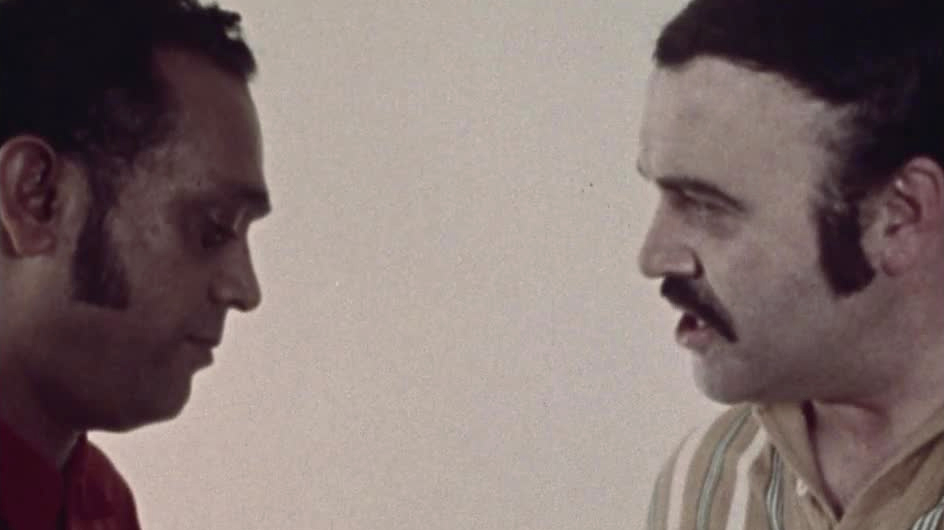
Asian Pub Landlord
Newbridge
1968
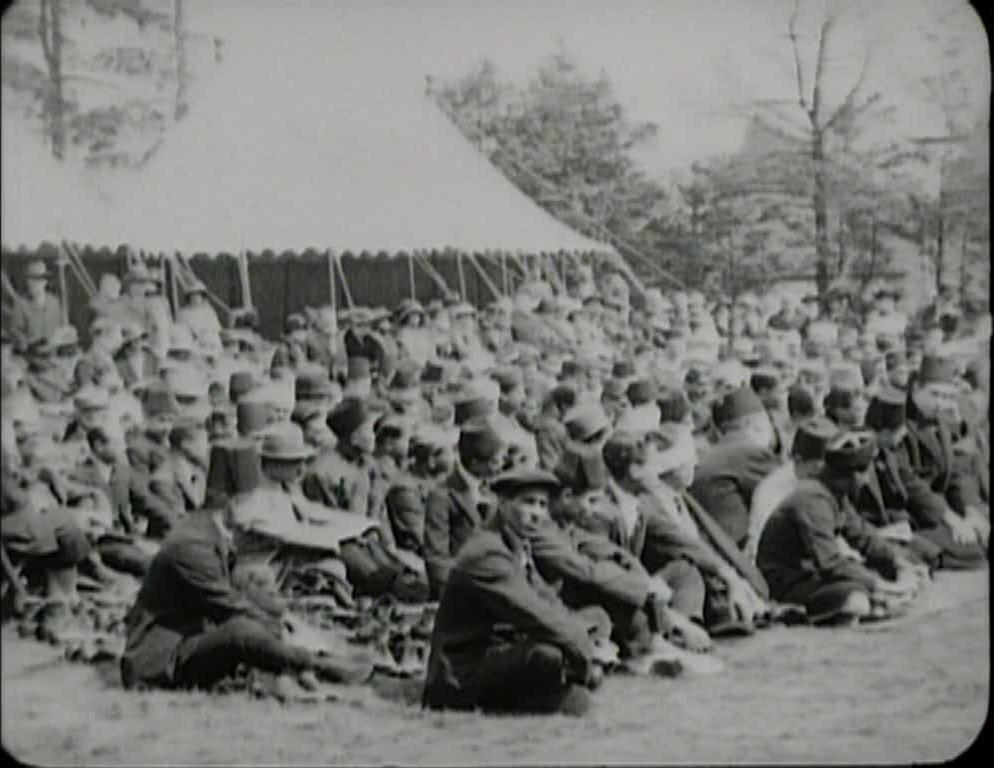
An Oriental Atmosphere Topical Budget 875-2
Woking
1928
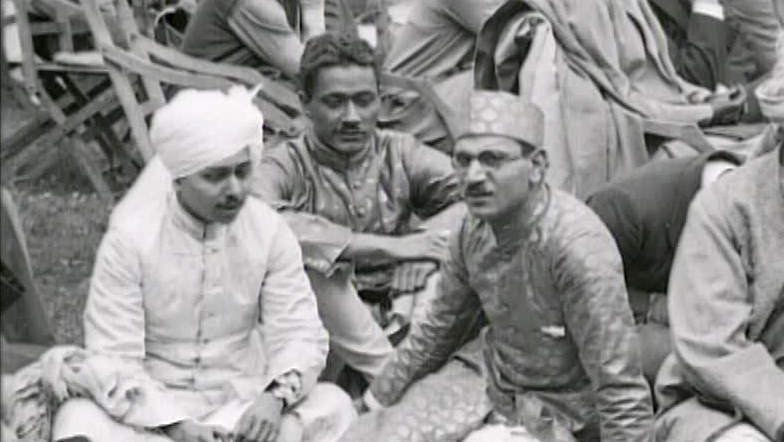
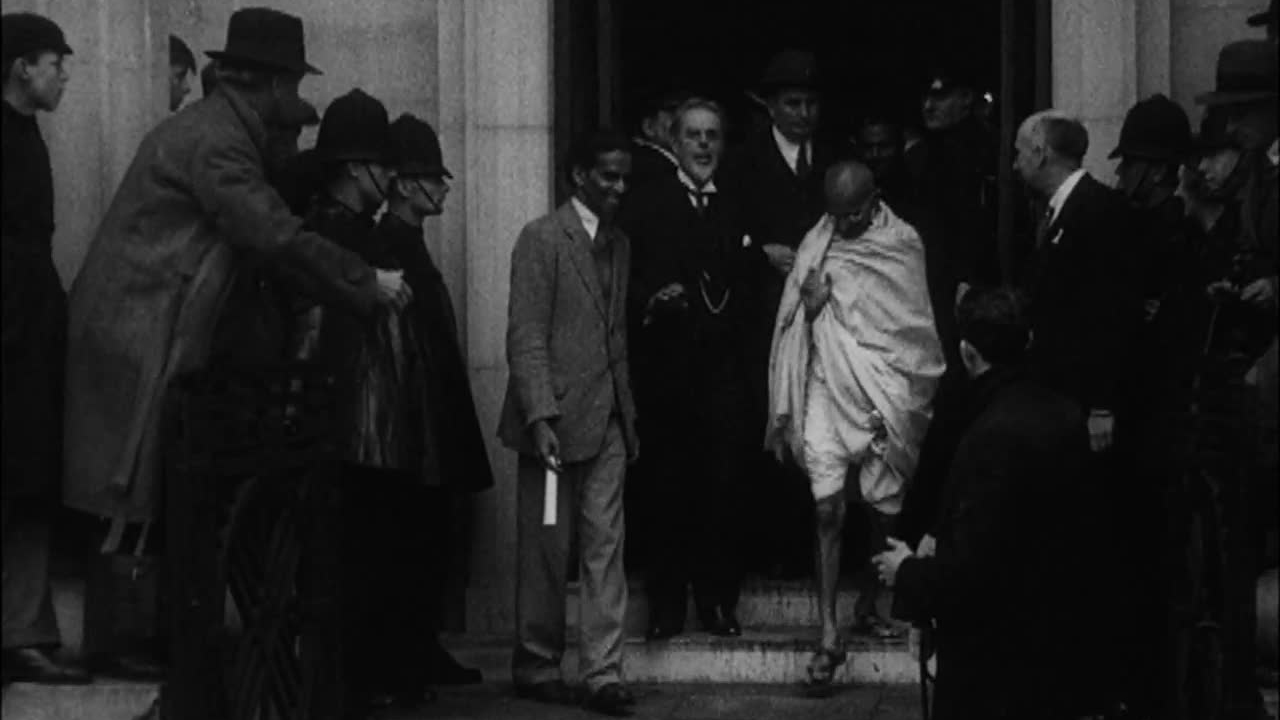
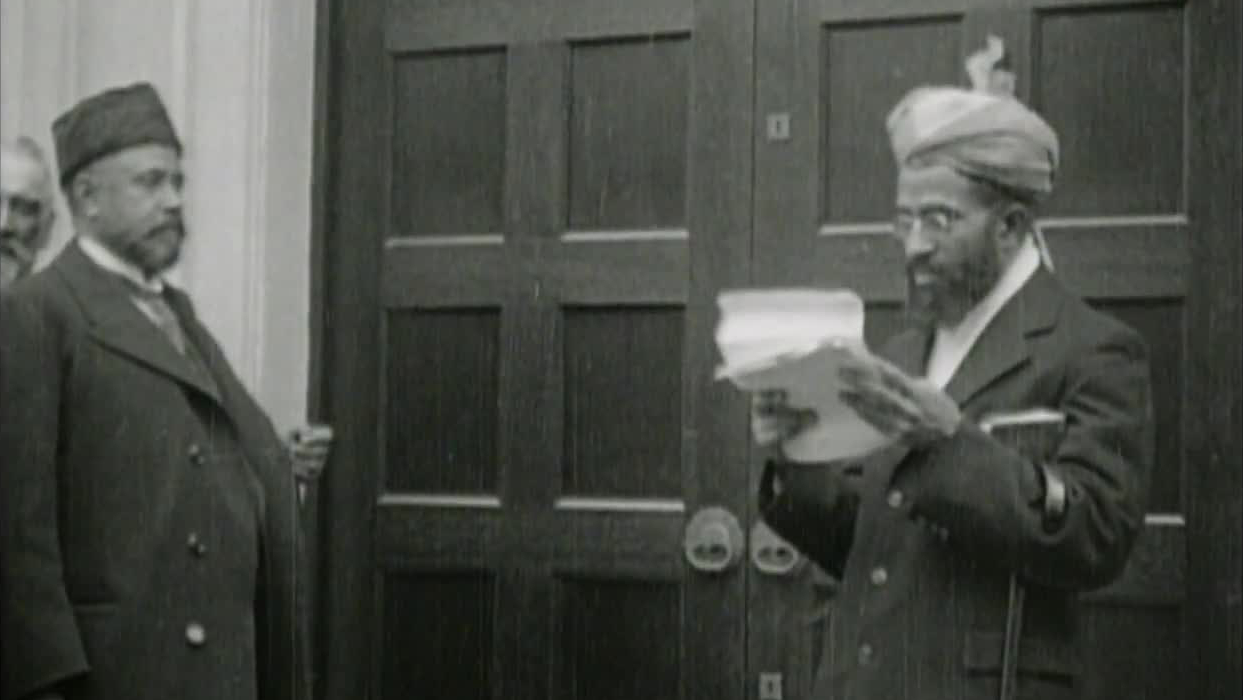
Gandhi in England
1931
Shakti
1992
A Safe Place to Be
Spitalfields
1980
Indian Businessman
Leicester
1975
Pasand Apni Apni
London
1969
Pasand Apni Apni (Trailer)
1969
The Waiting Room
Hackney
1996
Insaaf
1971
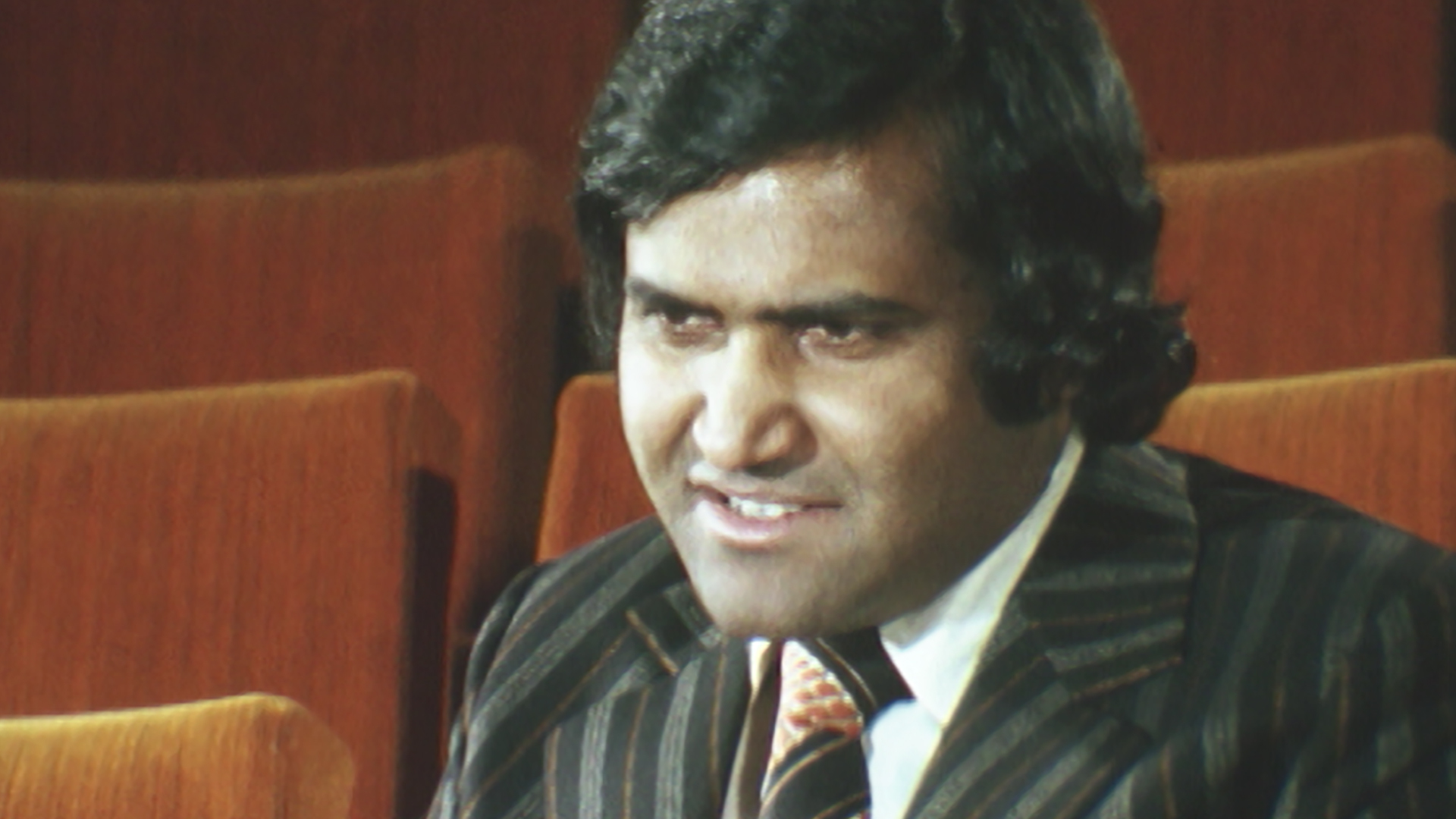
Tariq Ali
1968
Dilip Hiro
1968
London Me Bharat (1972) India in London
2017
Trev's 21st 1963
Redbridge
1963
Defending a Way of Life
1980
Naz
Bradford
2000
Race Relations Board
1969
See for Yourself!
1972
Leamington Spa Race Relations
Royal Leamington Spa
1971
Pakistani Bus Driver
Birmingham
1974
Credo[12/11/78]
1978
English As a Second Language (First and Second Phase Teaching)
Bolton
1973
Like Me
1973
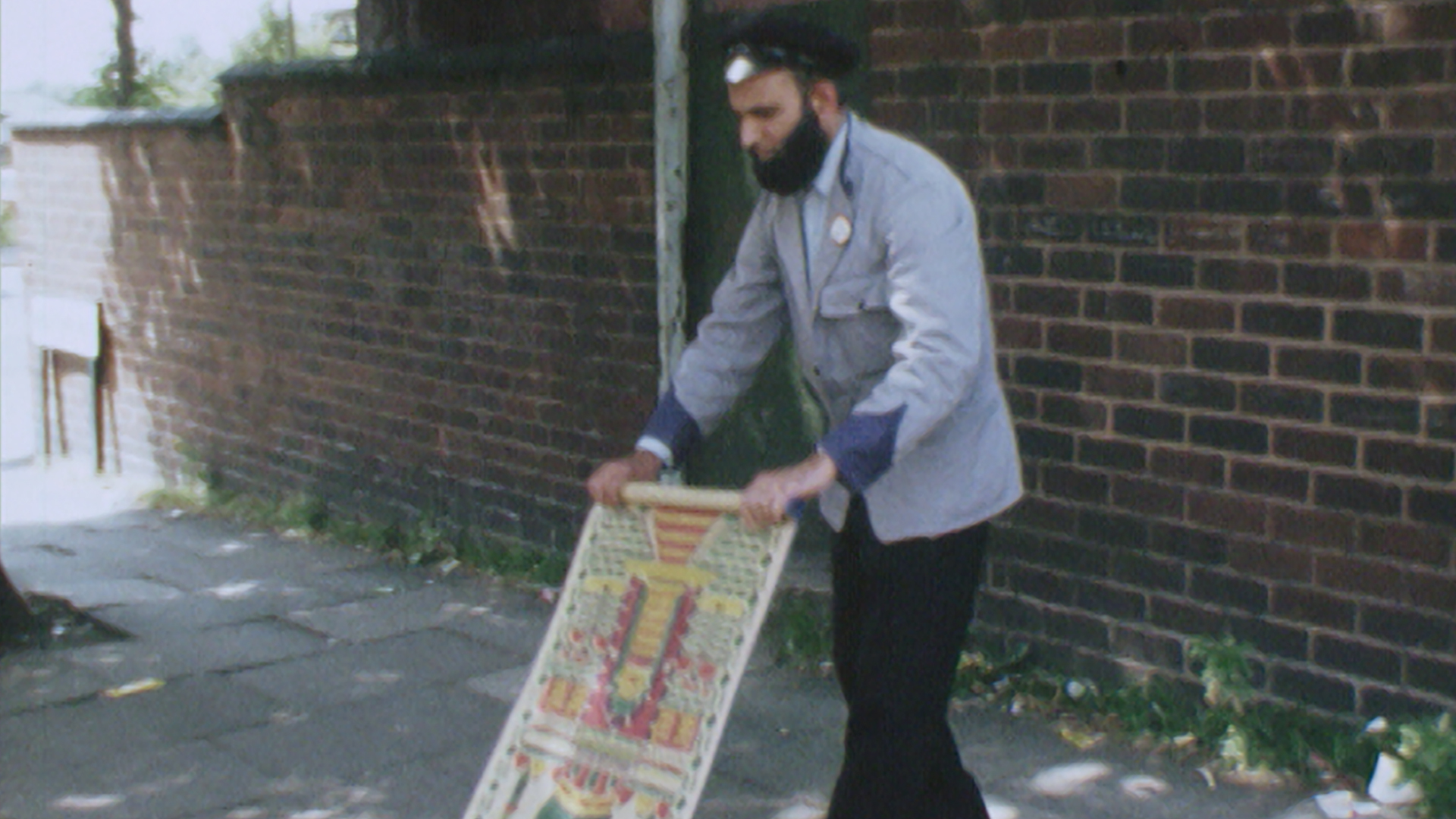
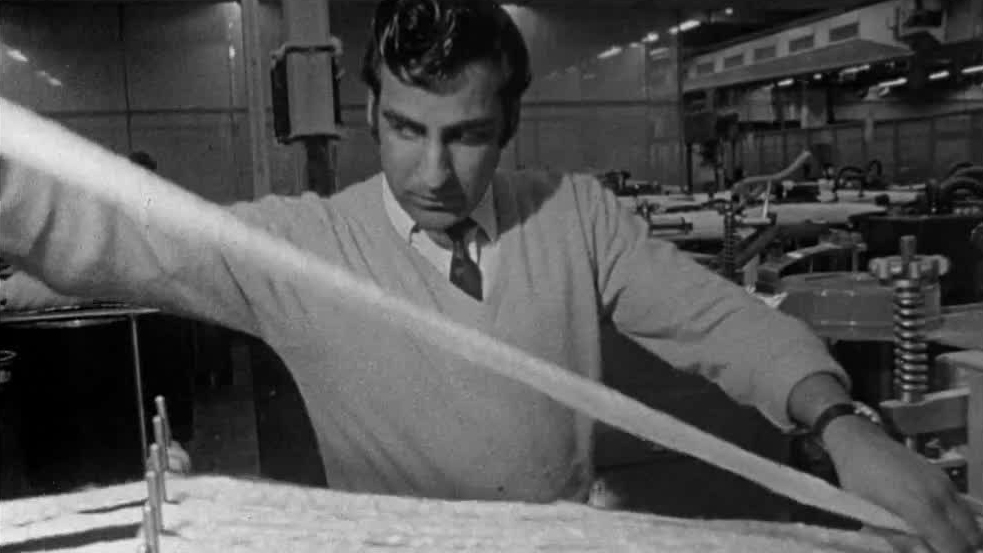
Benares Carpet Weaver in Exeter
Exeter
1964
A Mosque in the Park
Brentford
1973
Indian Bands for Wembley Topical Budget 658-1
1924
For the Aga Khan's Prize Topical Budget 958-2
1930
Indian Tales
Haringey
1994
Asian Arranged Marriages
1977
Arranged Marriages
West Bromwich
1979
New Ways
Southall
1978
Growing Day by Day
1981
Skin Deep
London
2001
The Sheep Thief
1997
A New Kind of Match
Bradford
1967
Ugandan Asians at Houndstone Camp
Yeovil
1972
Ugandan Asians at Plasterdown Camp
Tavistock
1972
Uganda Asians
1972
Ugandan Asians at Heathfield Camp
Honiton
1972
Exodus - Uganda
1972
Out of the Darkness
1972
A Sikh Wedding in Exeter
Exeter
1971
Gaumont Graphic No. 373
1914
British News No. 2
1940
British News No. 53
1941
Indian Classical Dance
1958
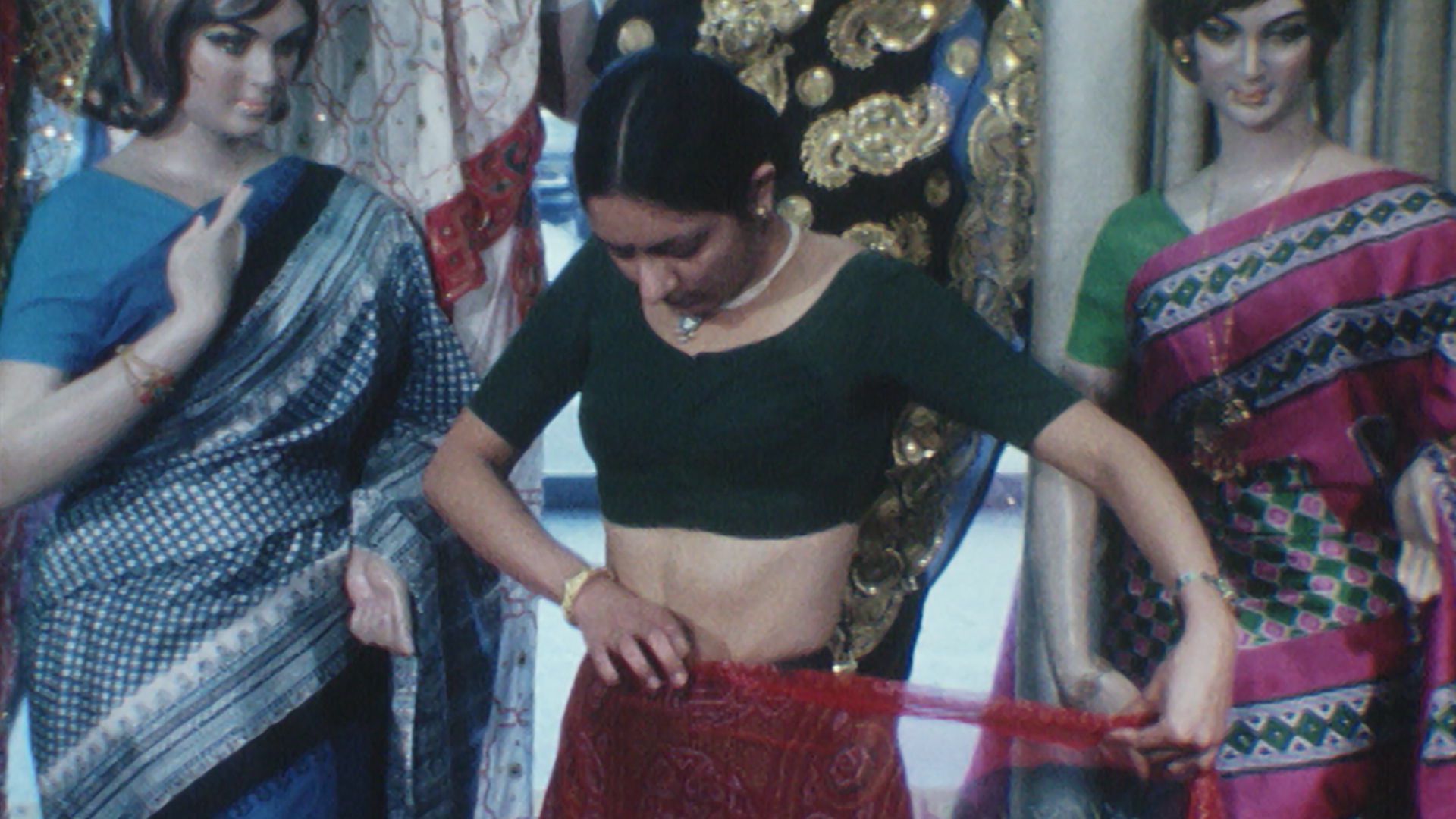
Asian Fashions
Leicester
1976
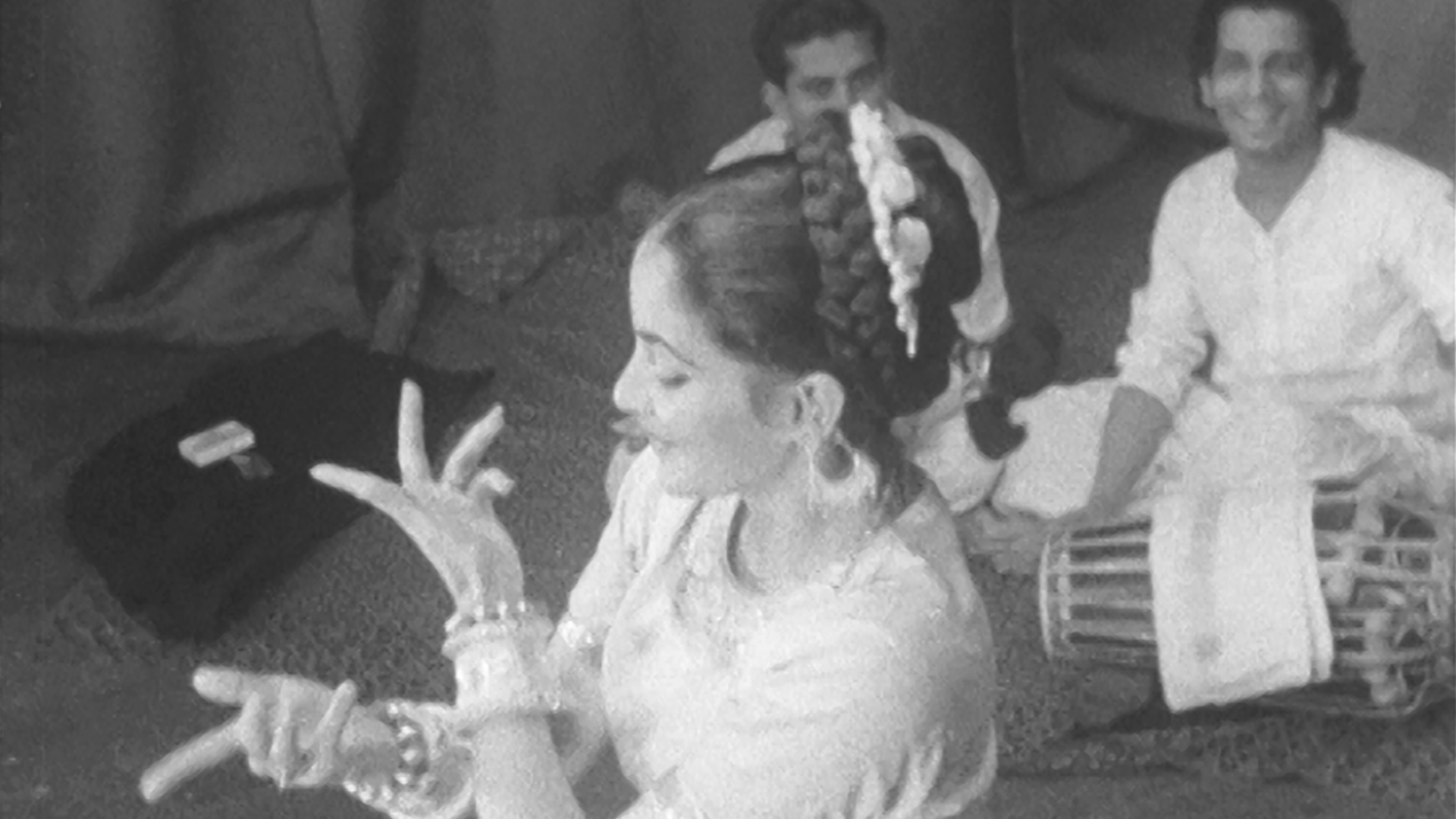
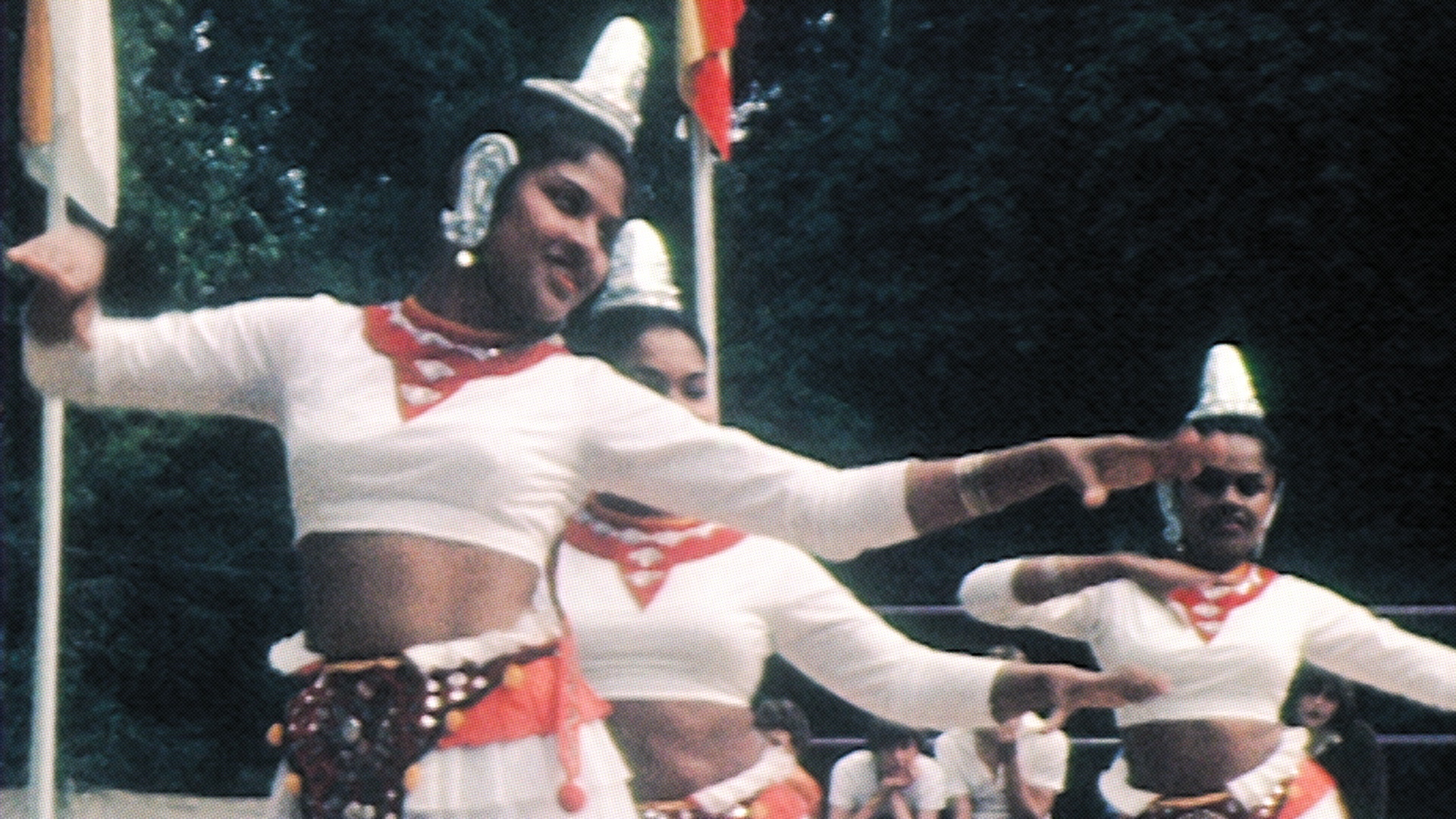
Sri Lankan Kandyan Dance Troop at Sidmouth
Sidmouth
1980
A Love Supreme
2001
Asian Jewellery
Smethwick
1978
Divide and Rule - Never!
1978
Arts Centre
Edgbaston
1980
Asian Community Centre
Wolverhampton
1979
Asian Cultural Centre opens in Peterborough
Peterborough
1980
Peterborough Playbus
Peterborough
1976
Indian 11th Republic Day Celebrations at Leicester
Leicester
1959
Immigration Control
West Bromwich
1978
Surviving Sabu
1997
Alexandra Park Pageant, 27 June 1970
Moss Side
1970
Exeter Councillors' Sikh Temple Visit
Exeter
1977
Schools for Moslems
Bury
1980
Feast of eid-ul-fitr Topical Budget 663-1
Woking
1924
Islam in London Topical Budget 789-1
Southfields
1926
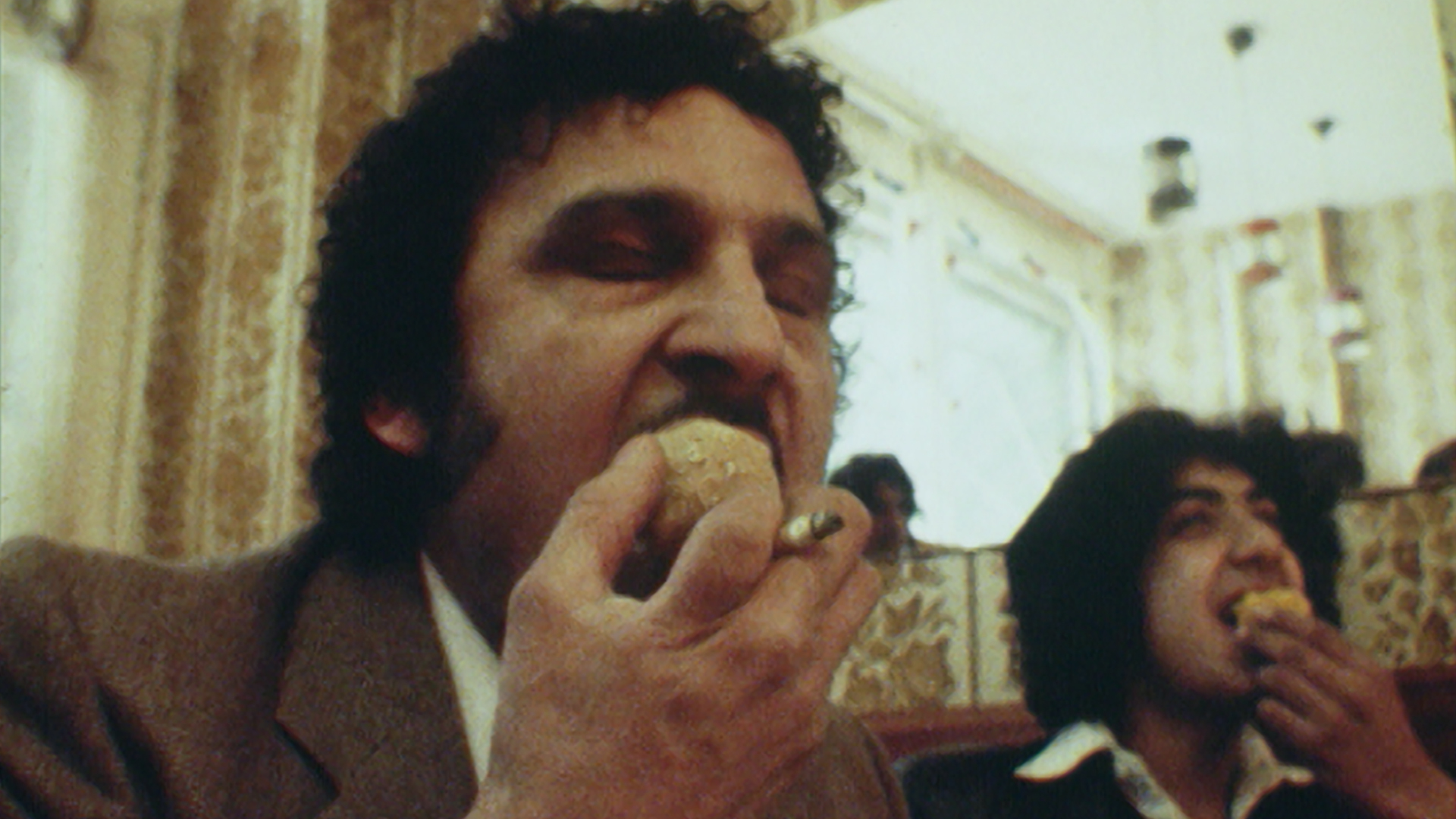
Indian Sweets
Moseley
1979
No Virginity, No Nationality
1981
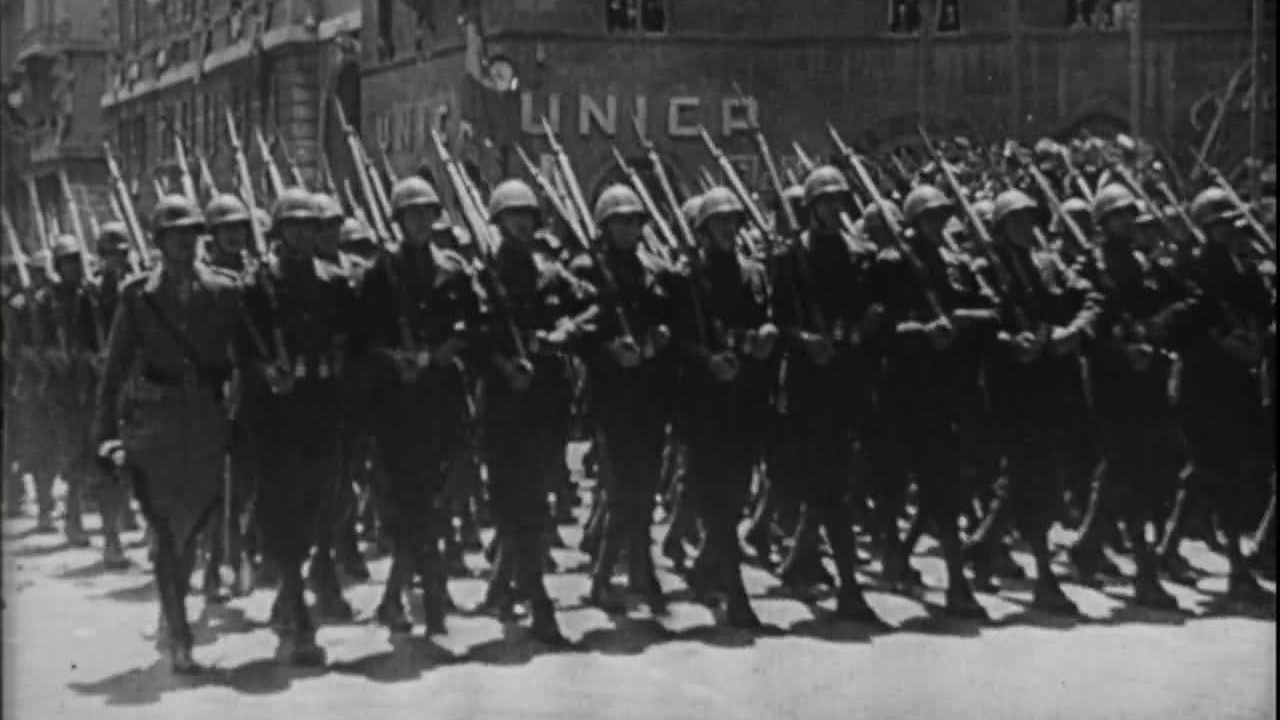
The Indian Review - Grand March past of the Forty Indian Regiments