Watch in libraries only
Collection
London Community Video Archive
London Community Video Archive collects, preserves, and shares community videos made in the 1970s and 80s in London and the South East.
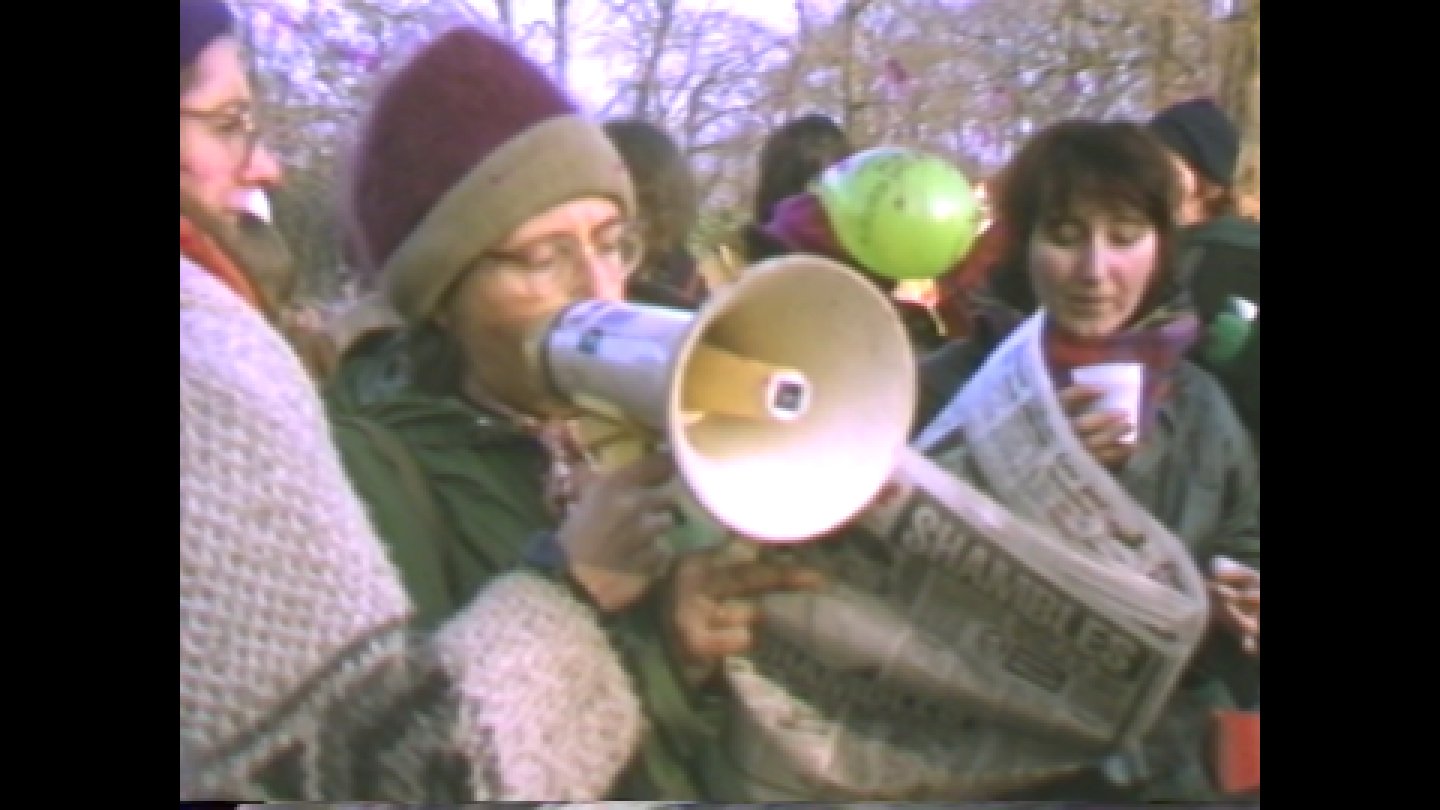
Portable video recording - now a technology found in most smartphones - became available for the very first time back in the early 1970s, making it possible for individuals and communities to make their own television. The medium was taken up by people previously ignored or under-represented in the mainstream media - tenants on housing estates, community action groups, women, Black and global majority ethnic groups, young people, LGBTQIA+ people, and disabled people.
With an overriding commitment to social empowerment and to combating exclusion, 'community video' dealt with issues which still have a contemporary resonance - housing, play-space, discrimination, and youth arts. This rich heritage was under threat of disappearing, both because of the physical decay and disintegration of the videotapes, and the ageing memories of the original community video practitioners. London Community Video Archive, a project based within Goldsmiths, University of London, is recovering and reviving this history so that it can be used as a resource for contemporary debates and activism.